Summary
- Ricoh has issued care guidance for the DB-120 battery used in the GR IV series.
- Leaving it in the camera at low charge for more than a month can prevent recharging.
- For long-term storage, Ricoh recommends a 30-minute charge every six to twelve months.
- Removing the battery for two days resets the date and time settings.
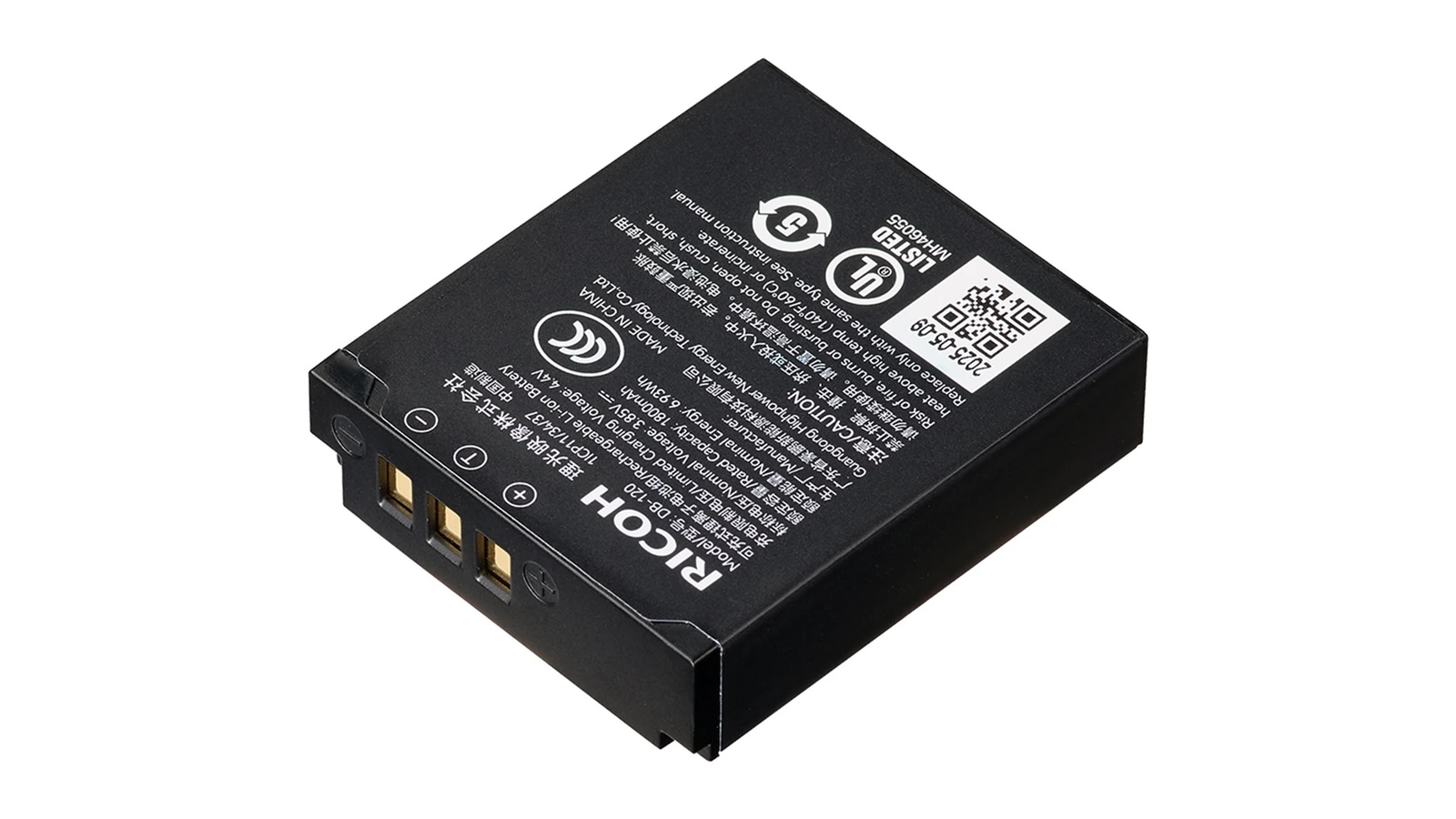
A Ricoh GR IV left in a drawer for weeks with an almost empty battery could end up with a DB-120 that will no longer charge, Ricoh has officially warned.
On November 20, 2026, Ricoh Imaging published guidance on the proper use and long-term storage of the DB-120 rechargeable lithium-ion battery used in the GR IV series. This is not a product recall or replacement announcement: the company is outlining preventive steps to avoid excessive battery discharge.
How the DB-120 can become impossible to recharge
The central warning is precise: if a battery remains inside the camera for more than a month while its charge level is low, excessive discharge can occur, potentially leaving the battery unable to accept a charge.
That is an easy situation to overlook if you use a GR IV only occasionally. A camera put back into a bag after a shoot and left there for weeks should not be stored with its battery nearly depleted.
Ricoh’s storage recommendations
If you will not use the battery for more than one month, Ricoh says to remove it from the camera or battery charger and store it away from high temperatures and humidity.
For extended storage, the company recommends charging the DB-120 for about 30 minutes every six months to a year. The notice does not recommend leaving the battery on the charger continuously, and it does not specify a particular storage charge percentage.
The DB-120 powers cameras in the GR IV family, including the Ricoh GR IV compact with its APS-C sensor and redesigned lens. Ricoh also maintains a dedicated official product page for the battery.
More information here.
What happens to the date and time settings
Removing the battery also has a small side effect: according to Ricoh, the camera will lose its date and time settings if the battery has been removed for two days.
You can set them again in the camera menu or connect to the GR WORLD smartphone app to synchronize the date and time automatically.
What we think
The GR IV is the kind of camera many photographers like to keep within reach. That also makes it very easy to leave it in a bag with little charge remaining, forget about it for a month, and discover the problem just when you want to shoot again.
The practical fix is straightforward: before putting the camera away for a long stretch, take out the DB-120 and set a reminder for periodic charging. The same applies to a spare battery that might sit unused for months. A small maintenance habit can prevent an unpleasant surprise before a shoot or a trip.
Frequently asked questions
Is Ricoh recalling DB-120 batteries?
No. The November 20 notice provides battery care and storage guidance; it does not announce a recall program.
What if my DB-120 has already stopped charging?
The notice does not provide a recovery procedure for a battery affected by excessive discharge. Do not attempt improvised charging methods or open the battery; contact Ricoh support or an authorized service provider.