

Summary
- SanDisk is preparing an 8TB full-size SDUC memory card
- A 4TB microSDUC card is also under development
- Both cards use the UHS-I interface
- The theoretical maximum transfer speed is approximately 104 MB/s
- Existing SDXC devices may not support the new cards
- Pricing and an exact release date have not been announced
SanDisk is moving closer to releasing the first 8TB SDUC and 4TB microSDUC memory cards.
New information about the cards emerged during Computex 2026, confirming that initial samples are expected to become available soon, following the original announcement in 2024 and the delay of the planned 2025 launch.
The development is significant because the new cards exceed the 2TB capacity limit of the SDXC standard. At the same time, they introduce a major compatibility issue, as current cameras and most card readers do not support SDUC.
Capacity of up to 8TB
SanDisk is planning a full-size 8TB SDUC card and a 4TB microSDUC card. The products are expected to appear primarily under the Ultra range, although Extreme Pro versions have also been referenced.
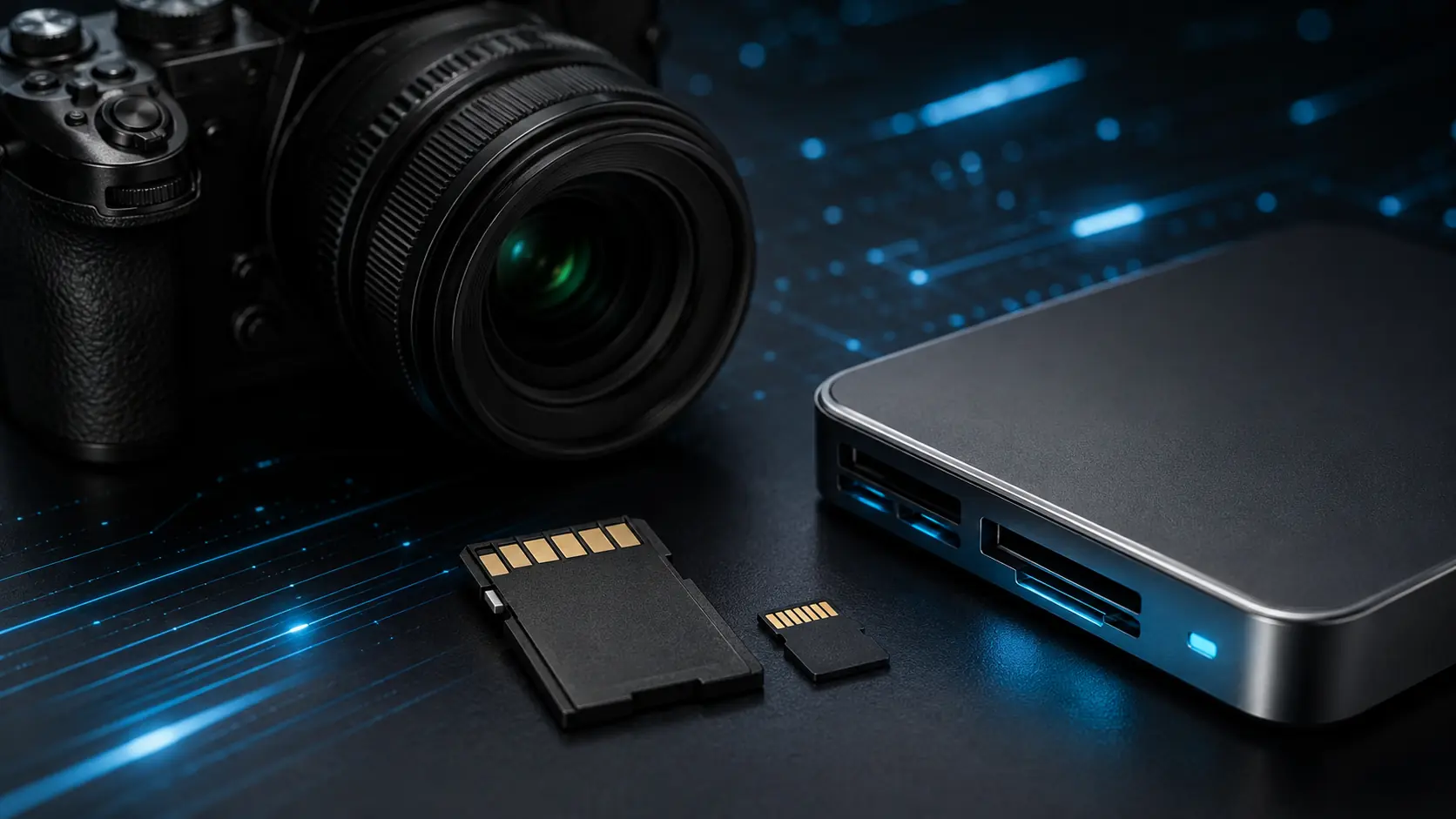
SDUC, or Secure Digital Ultra Capacity, covers memory cards with capacities above 2TB and supports a theoretical maximum of 128TB. The cards use the exFAT file system, as current SDXC cards do.
Performance remains at UHS-I levels
Despite their impressive capacity, the new cards are not designed to set speed records. The versions presented so far use the UHS-I standard, offering a theoretical maximum transfer speed of approximately 104 MB/s.
The Ultra models are listed with V10 and A1 ratings, indicating a minimum sustained write speed of 10 MB/s. An Extreme Pro 4TB SDUC version with a V30 rating is also expected, providing a higher minimum write speed.
New devices and readers are required
The most significant limitation is that SDUC cards are not compatible with existing SDXC devices. A current card reader may support SDXC cards with capacities of up to 2TB but still be unable to recognize the new SDUC cards.
Even some modern SD Express readers do not currently support SDUC. Devices and readers must explicitly list support for the new standard before they can be used with these cards.
Multi-standard readers supporting UHS-II, SD Express and SDUC were reportedly demonstrated at Computex, but they are not yet widely available.
Who are these cards for?
The ability to store several terabytes of data on a single card could prove useful for portable devices, continuous recording systems and applications where the physical size of the storage medium is important.
For professional cameras and high-performance video systems, however, the limited speed of UHS-I is a significant disadvantage. CFexpress formats offer much higher transfer speeds and remain better suited to demanding photography and high-resolution video recording.
Storing such a large amount of data on a single card also increases the consequences of a potential failure or loss, making regular backups essential.
Price and release date
SanDisk has not yet announced official pricing, an exact release date or the complete specifications of the new cards.
Considering their capacity and pioneering nature, the first models are expected to be positioned at a high price point. Their practical value will largely depend on how quickly manufacturers introduce SDUC support in new devices.
What we think
The 8TB and 4TB SDUC cards represent an important technological milestone, but limited compatibility and UHS-I speeds reduce their immediate usefulness for most photographers. Their true value will become clearer once more compatible devices become available and final pricing is announced.
Frequently asked questions
What is the SDUC standard?
SDUC is a Secure Digital memory card standard designed for capacities above 2TB, with a theoretical maximum capacity of 128TB.
Will the new cards work in current cameras?
Not necessarily. A device must explicitly support SDUC, otherwise it may not recognize the card at all.
How fast will the cards be?
The versions presented so far use UHS-I, with a theoretical maximum transfer speed of approximately 104 MB/s.
When will they be released?
No specific date has been announced, but the latest information indicates that initial samples are approaching availability.