

Summary
- Arcane Lantern is testing Open Gate on Sony Alpha and FX cameras.
- The A7 IV has experimentally recorded 5.7K video in a 3:2 aspect ratio.
- Using the unofficial tool carries reliability and warranty risks.
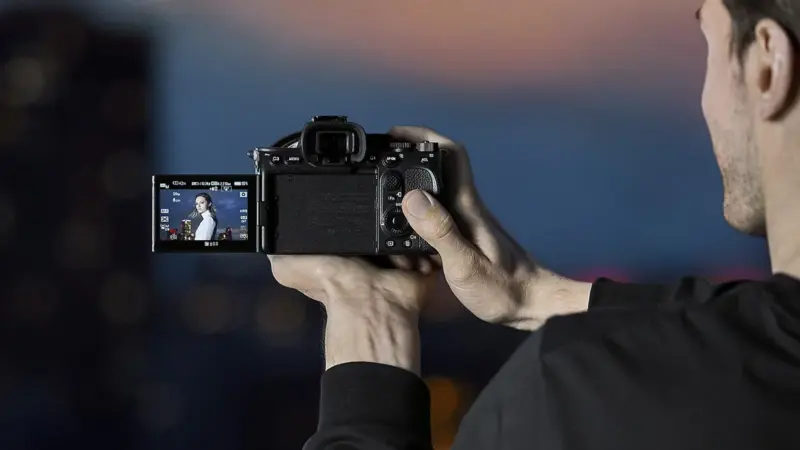
A free, unofficial project called Arcane Lantern aims to add video recording options not offered by the factory software of several Sony Alpha and FX cameras. The Sony A7 IV is its first major success: on November 18, 2026, the developer reported 3840 × 2560 recording at 24p, with 10-bit 4:2:2 Log in XAVC S and XAVC HS, followed on November 20 by successful 5.7K (5760 × 3840) recording.
The name echoes Magic Lantern, the well-known unofficial software for Canon cameras. For Sony, these are experimental modification tools rather than an official manufacturer update.
What is Open Gate?
In conventional 16:9 video recording, a camera with a 3:2 sensor typically does not use the full height of the available image. Open Gate uses all or, depending on the camera and mode, nearly all of the active sensor area. On the A7 IV, the project reports a full-area readout without cropping, at a 3:2 aspect ratio. That does not mean every frame records all 33 megapixels of the sensor.
To understand the difference, a standard UHD 4K file has 3840 × 2160 pixels, while Arcane Lantern’s 4K Open Gate has 3840 × 2560. At the same width, the latter provides 400 additional image rows, or about 18.5% more height. At 5.7K, a frame contains roughly 22.1 million pixels, compared with 8.3 million in UHD 4K.
For a filmmaker delivering the same shoot to YouTube, Instagram and TikTok, the extra height offers more flexibility in post. A single shot can yield a horizontal 16:9, vertical 9:16 or square 1:1 version with greater reframing latitude. Higher resolution also helps with digital stabilization or cropping. Open Gate is particularly useful with anamorphic lenses, as illustrated by the capabilities of the Sony FX5.
What changes on the A7 IV
The test kit targets version 6.02 of the A7 IV’s official software and applies temporary changes to camera memory. Tests have demonstrated a 3:2 preview and de-squeeze for anamorphic lenses. The 5.7K mode was tested at 24p, but not at 25p according to the initial documentation.

In the developer’s comparison, the packaging text and QR code details appear clearer in the 5.7K recording. It is an indicative detail test, not a laboratory measurement of overall image quality. Increased resolution alone does not guarantee better dynamic range, less noise or improved rolling shutter performance.
The initial documentation reports problems with in-camera 5.7K playback and an incorrect display aspect ratio in DaVinci Resolve due to file metadata. For production, the entire path from recording to final export therefore needs checking, not just whether the file opens.
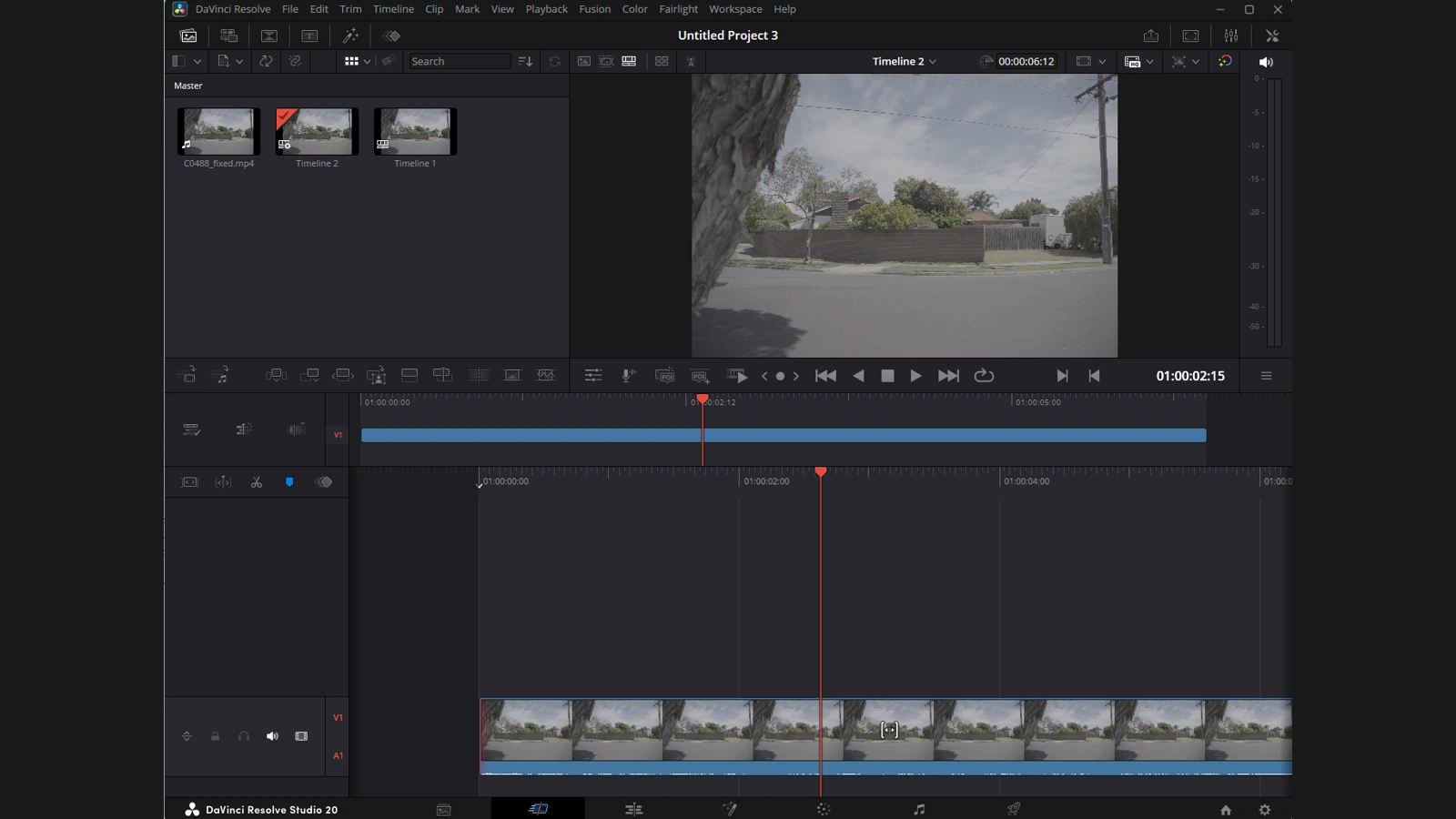
The developer also provides original test files for evaluation.
https://drive.google.com/drive/folders/13UgRZBylJ_KSi7itRVJ3Ug6_rnbra2y4?usp=drive_link
Which other Sony cameras are involved?
Development has expanded to more models, but capabilities are not uniform. The individual project repositories report tests of 3840 × 2560 at approximately 24p on the A7S III, FX3 and ZV-E1. For the FX3, the November 24 report involving two testers does not qualify long recordings, thermal behavior or autofocus reliability.
For the A7C II, a user has reported successful 4K and 5.7K tests, while the A6700 repository records a contributor’s report of 5.76K recording. These are test reports rather than comprehensive compatibility certification. Work is also underway for the FX2, FX30 and A1 II, without implying that all models already offer the same features.
Even the original 2014 A7S is part of the research, with an experimental readout of approximately 30 × 20 mm of the sensor and a vertically squeezed image in a 1920 × 1080 file. Another goal is overcoming the 15 fps stills burst limit with third-party lenses on suitable bodies. The developer does not present it as an already completed feature.
Risks to the camera and warranty
Temporary memory modifications reduce the need for persistent changes to factory software, but do not guarantee safe operation. A failed modification could cause a freeze, restart, loss of footage or, in the worst case, leave a camera unusable. The sources examined do not establish that Arcane Lantern has permanently bricked a camera.
There is also the warranty issue. Sony’s commercial guarantee excludes damage or changes associated with unauthorized software and modifications beyond official specifications. This may lead to denial of coverage for a related fault, without automatically eliminating all statutory consumer rights.
What we think
Open Gate should be a standard option on more modern hybrid cameras. It is not only for filmmakers using anamorphic lenses. It also matters to anyone delivering the same footage in several aspect ratios without repeating a shoot. Arcane Lantern shows that at least some existing Sony cameras can already record such files experimentally. We would like Sony to evaluate an official, tested implementation wherever the hardware allows, with correct metadata, reliable playback and validated thermal behavior.
Until then, we would not use the hack on our primary camera for a paid shoot. The ability to reframe after recording is valuable, but not more valuable than knowing the footage will be captured and delivered reliably.