

Summary
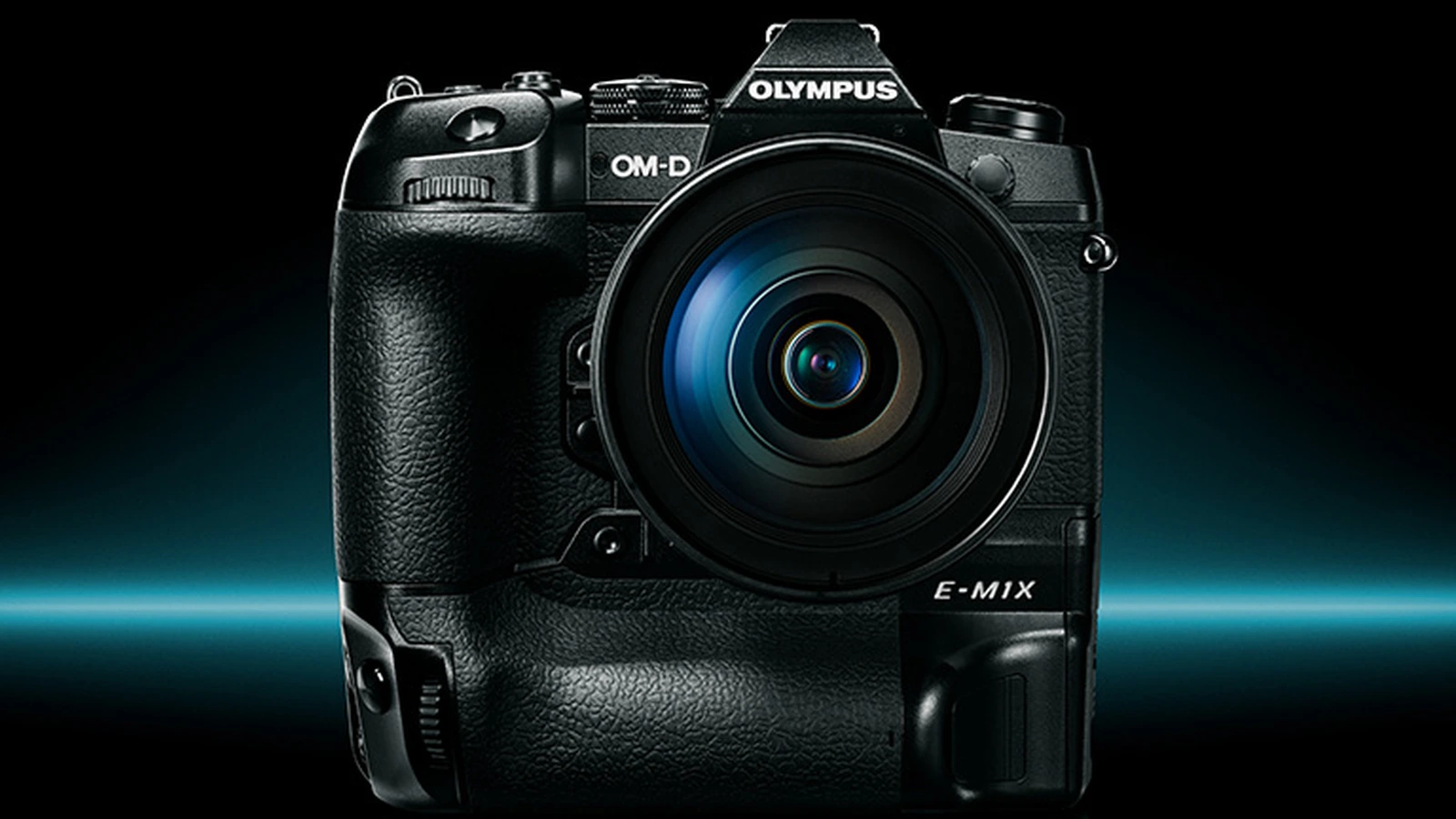
The unofficial DB Firmware project aims to expand the capabilities of older Olympus cameras. On 28 November 2026, 43 Rumors reported the release of version v0.4.6b beta, with changes to menus, colour profiles and lens compatibility. The update does not come from OM System.
A newer user interface
The published feature list identifies the E-M1 Mark III as the body receiving elements of the OM-5 Mark II and OM-1 interfaces. An equivalent full menu port to the E-M1X and PEN E-P7 has not been confirmed. Even a menu change could help photographers using older and newer bodies together, without altering the capabilities of their sensors.
In-camera colour profiles
According to the same list, Quasi-LUT covers the E-M1X, E-M1 Mark III and PEN E-P7, as well as bodies in the OM-1, OM-3 and OM-5 ranges. The method approximates colour profiles from LUT and XMP files using available camera settings. For photographers who want JPEGs with a particular look at capture, this could reduce editing on a computer. It is not equivalent to directly applying a LUT to RAW sensor data.
Focus stacking and lens controls
The project reportedly removes the lens compatibility whitelist for in-camera focus stacking on supported bodies, including the E-M1X and E-M1 Mark III. It aims to enable more autofocus lenses, particularly useful in macro photography. The feature needs testing for each body and lens combination.
Other reported changes include aperture-ring operation with compatible Panasonic lenses and custom controls and AF Home on the PEN E-P7. Features vary by model.
Installation risks
Installing modified firmware can cause malfunctions or leave a camera unable to start. Recovery is not guaranteed. The feature list is a report of capabilities, not certification that all of them work reliably on physical cameras.
In OM System’s official catalogue, the E-M1X is listed with version 2.4 and the E-M1 Mark III with 1.6, both dated 19 January 2023. The PEN E-P7 is listed with version 1.1 dated 28 February 2022.
The available DB Firmware reports point to the release page on GitHub. For factory versions, consult the official OM System firmware catalogue.
What we think
The long-term usefulness of a camera depends on more than its sensor. Better use of lenses and easier access to settings matter to photographers invested in Micro Four Thirds. We would like manufacturers to continue providing such improvements to older bodies where hardware permits. Until extensive testing is available, we would not install experimental firmware on a camera we rely on professionally.