

Summary
- The Press Photography Archive contains 90,052 negatives spanning roughly the 1910s to the 1970s.
- The exhibition highlights rejected frames, interventions on negatives and a culture of exchange among press photographers.
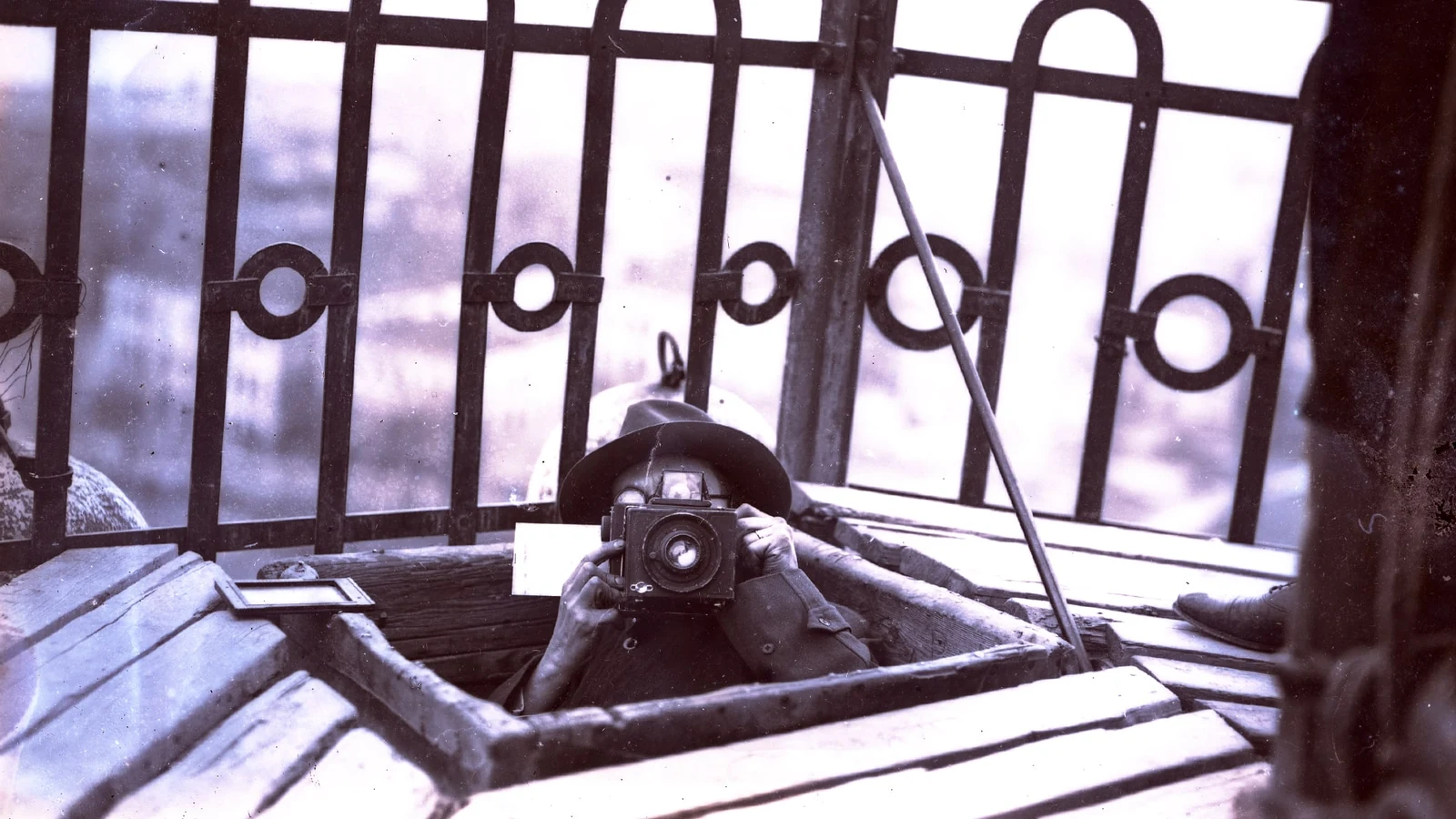
An archive of 90,052 negatives opens a window not only onto the photographs that were published, but especially onto the frames that stayed off newspaper pages and the working process of Istanbul’s press photographers.
The exhibition The Republic Behind the Scenes opens today, September 29, 2026, at Pera Museum and runs through March 28, 2027. It is organized by the İstanbul Research Institute for its 20th anniversary and curated by İdil Çetin and Ahmet Ersoy.
An archive of 90,052 negatives
The Press Photography Archive, part of the Suna and İnan Kıraç Foundation Photograph Collection, comprises 90,052 negatives spanning roughly from the 1910s to the 1970s, most of them made in Istanbul. The exhibition focuses mainly on material from the 1920s through the early 1950s and on the everyday production of visual news.
Photographers connected with the archive include Selahattin Giz and Namık Görgüç, along with other leading press photographers of the period. The foundation acquired the archive in 2011; conservation, sleeving, boxing and digitization were completed in 2013. Cataloguing continues as new information about people, places and events emerges.
The “wrong” frames are part of the story
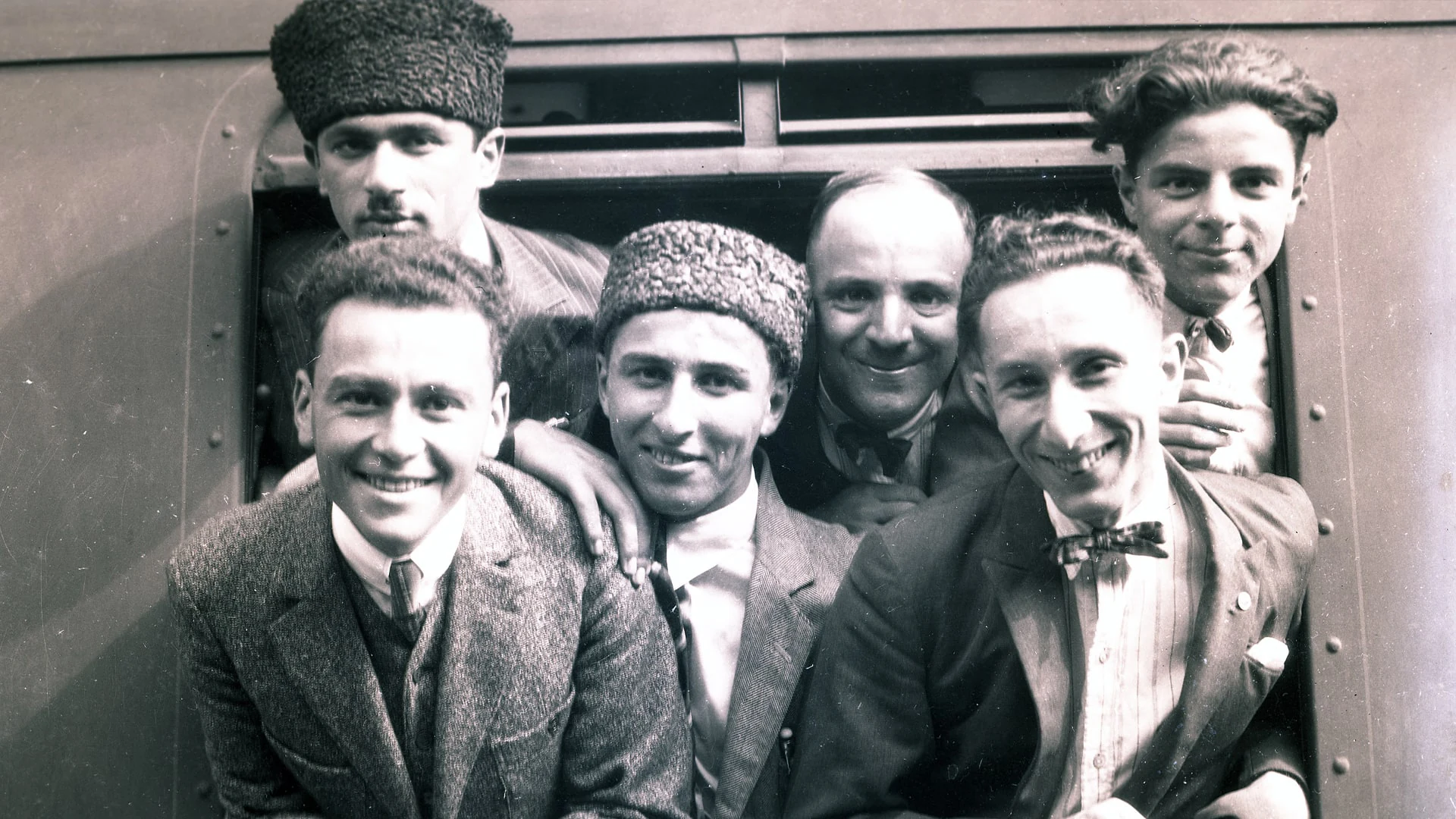
The exhibition does not focus only on images that were considered successful. Published photographs are shown alongside neighboring frames from the same sequences: moments immediately before and after, photographs with focus or exposure issues, overlaps, damage and physical traces of time.
Even more revealing are interventions made directly on the negatives. Cropping, scraping and masking show that the newspaper image was not simply the result of pressing the shutter; it passed through an editorial process before reaching the printed page.
Negatives changed hands
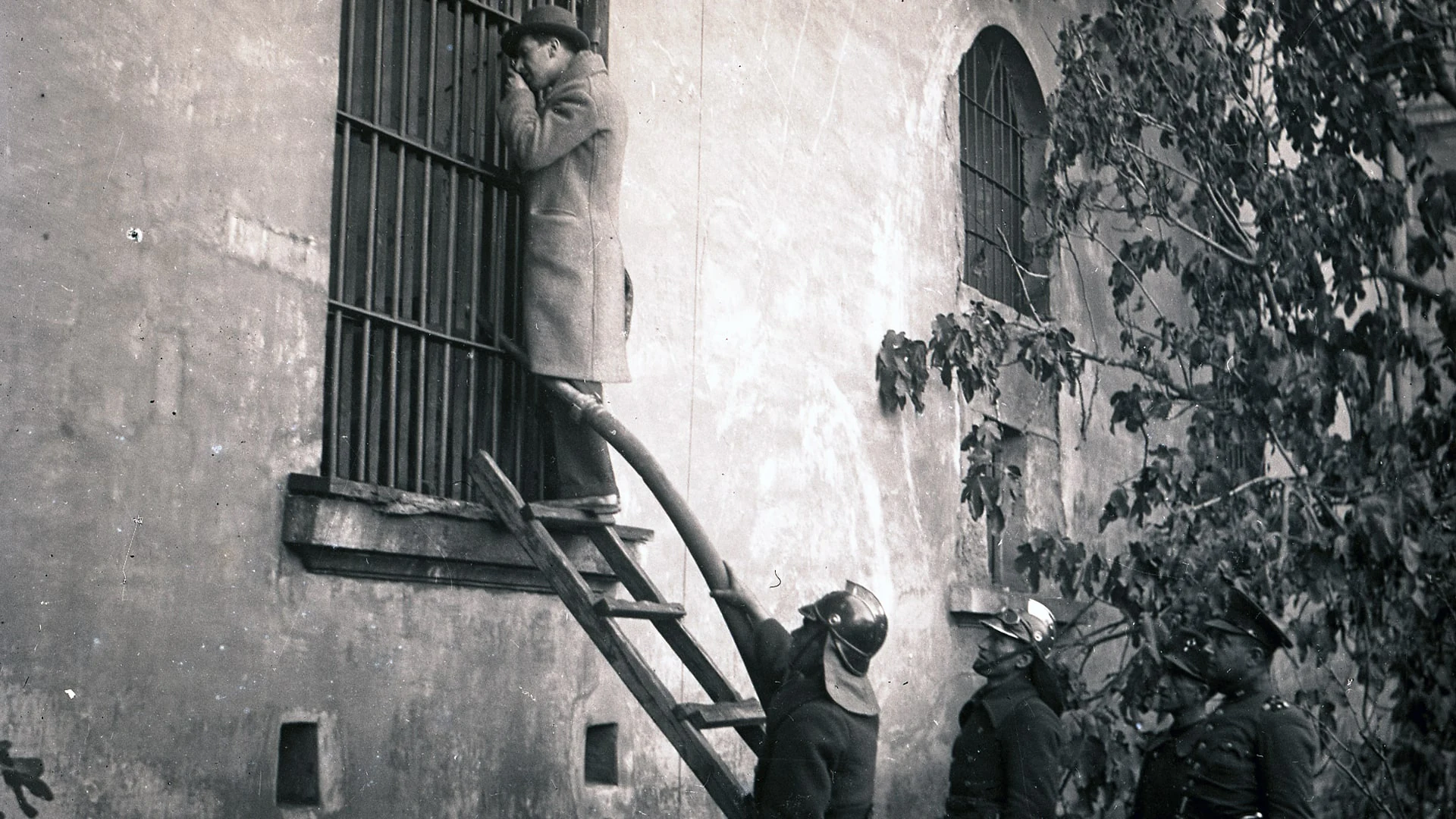
One of the archive’s most revealing details is that photographers shared negatives and the same photographs could appear in different publications. Pera Museum describes this as evidence of a professional culture of exchange, collaboration and solidarity in early photojournalism.
For photographers today, that makes the archive valuable not only for what was photographed, but for what it reveals about how an image circulated, how it was selected and how it became journalistic material.
A visual memory beyond official imagery
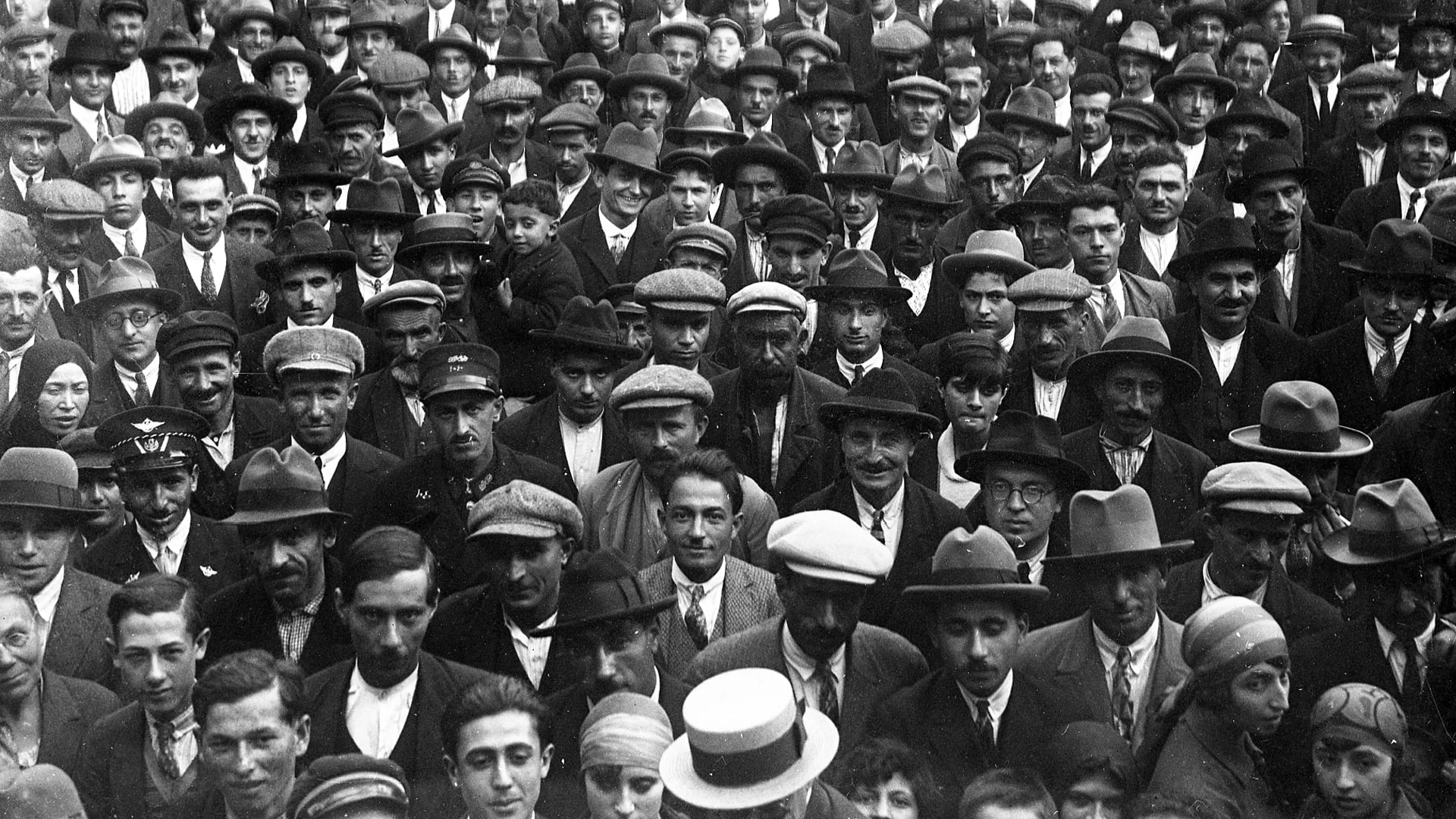
The archive also brings forward people often left outside the period’s official visual memory, including the poor, prisoners and people on the street. The curators frame the project neither as a nostalgic retrospective nor as a single alternative “counter-history,” but as a way to make the contradictions, tensions and multiplicity of everyday life visible.
A publication accompanying the exhibition approaches the archive through photographic history, press culture, archival practice and visual memory.
What we think
For photographers, the strongest aspect of this exhibition is the way it restores the process behind the final frame. At a time when we usually see only the selected image, rejected frames and physical editing marks underline how much selection, sequence and editorial judgment matter in documentary photography and photojournalism.
Frequently asked questions
How many negatives are in the archive?
The Press Photography Archive contains 90,052 negatives, most of them made in Istanbul.
What period does it cover?
The archive spans roughly from the 1910s to the 1970s, while the exhibition focuses mainly on the 1920s through the early 1950s.
What makes the exhibition different?
It does not limit itself to published or technically “correct” photographs. It includes rejected and damaged frames, neighboring shots from the same sequences and physical interventions on negatives.
When and where is it on view?
The Republic Behind the Scenes is on view at Pera Museum from September 29, 2026, through March 28, 2027.