Summary
- A new rumour suggests variable aperture cameras for the Galaxy S28 Pro and Ultra.
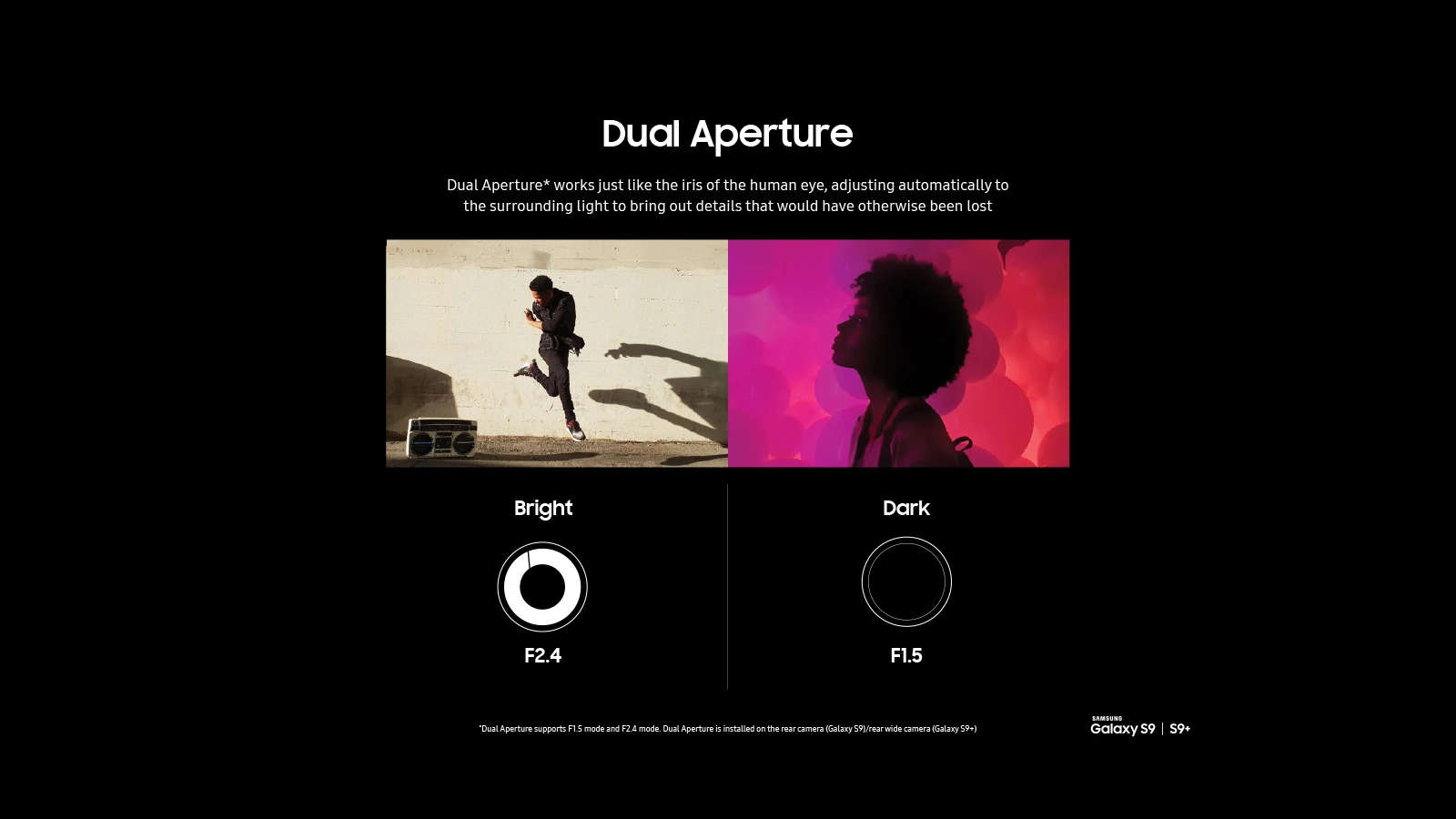
- Samsung previously used f/1.5 and f/2.4 Dual Aperture on the Galaxy S9.
- Physical aperture control can help with exposure and depth of field.
- No official S28 specifications or confirmation are available.
Samsung may bring physical aperture control back to the cameras of the Galaxy S28 Pro and Ultra, reviving a feature first seen years ago in the Galaxy S9 lineup.
The claim comes from a post by tipster Yogesh Brar on 16 November 2026. He suggests variable aperture could return on both models, but provides no f-stop range, sensor specification or details of the mechanism. Samsung has made no related announcement, and the S28 Pro name itself has not been officially confirmed.
The rumour now points to the Galaxy S28 generation
The notable change is that attention has moved to the S28 family, which could arrive in 2028 if Samsung maintains its annual release cycle. In May, there was already a leak suggesting a 200MP main camera with variable aperture for the Galaxy S27 Ultra. The new post neither proves the feature has been ruled out for the S27 nor confirms it will reach the S28.
Brar also says other manufacturers are exploring variable aperture for flagship devices. It is an area where camera improvements can come from lens hardware itself, not just higher pixel counts and more powerful processing.
Samsung already did this with the Galaxy S9
In 2018, when the Galaxy S9 and S9+ were introduced, their main camera offered Dual Aperture. It switched mechanically between f/1.5 and f/2.4: a wider opening in low light and a narrower one in bright conditions. Samsung retained the feature for the Galaxy S10 series before dropping it with the Galaxy S20 generation.
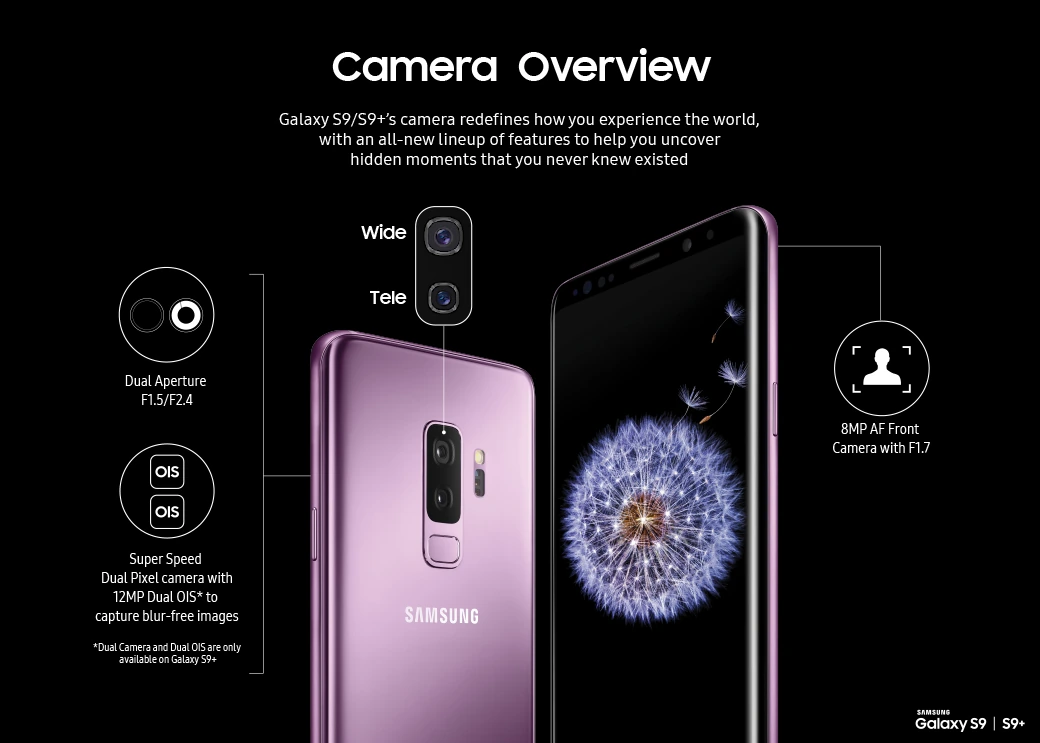
There is an important distinction: the S9/S9+ system had two fixed positions, rather than continuous or multi-step aperture adjustment like that found on many dedicated camera lenses. We do not know which approach, if any, Samsung is considering for the S28.
What photographers could gain
A physically wider opening allows more light to reach the sensor at the same shutter speed. Stopping down reduces incoming light and, all else being equal, increases depth of field, which can help with close-up subjects and scenes spanning different focus distances. The background blur difference on a small smartphone sensor will not match that of a larger-sensor camera.
The choice could matter for video too: in bright conditions, a smaller aperture can help maintain a chosen shutter speed without relying quite as heavily on ND filtration. It cannot replace exposure control on its own, and we do not know whether a possible S28 implementation would offer manual control for stills and video.
The relationship between variable aperture, depth of field and computational portrait modes is particularly relevant. A physical aperture change affects the image before it reaches the software; digitally simulated background blur is applied during image processing.
What we think
If you often shoot with a phone, the appealing part is the possibility of getting a real lens control back. With a nearby subject and a busy background, being able to change depth of field optically is different from asking software to guess what should be blurred.
We would not want it to become a feature that only works automatically, though. A clear aperture setting in Pro mode, with predictable behaviour during video recording as well, would be far more valuable. That would make it useful to creators who genuinely want more control over their images.
There is also a hardware trade-off: a moving aperture takes space inside the camera module and can add cost. If Samsung goes down this road, practical photographic control would be a much better result than another specification to put on the box.
Frequently asked questions
Are variable apertures confirmed for the Galaxy S28 Pro and Ultra?
No. This is an early rumour, with no official Samsung announcement or published camera specifications.
Is the Galaxy S9 Dual Aperture the same as modern variable aperture designs?
Not necessarily. The Galaxy S9 switched between two specific openings, f/1.5 and f/2.4. The number of settings and adjustment range of any possible S28 system are still unknown.