Summary
- Viktoria Binschtok and KLEMM’S won the Prix DUO 2026 at Paris Photo.
- The prize recognises photographer–gallery partnerships lasting at least four years.
- Binschtok uses visual similarities discovered by image-search algorithms to make new photographic groupings.
- Her ongoing «Endless Cluster» was shown in the Prismes sector.
A photographer who turns images circulating online into material for artistic investigation has won the Prix DUO 2026 at Paris Photo together with her gallery.
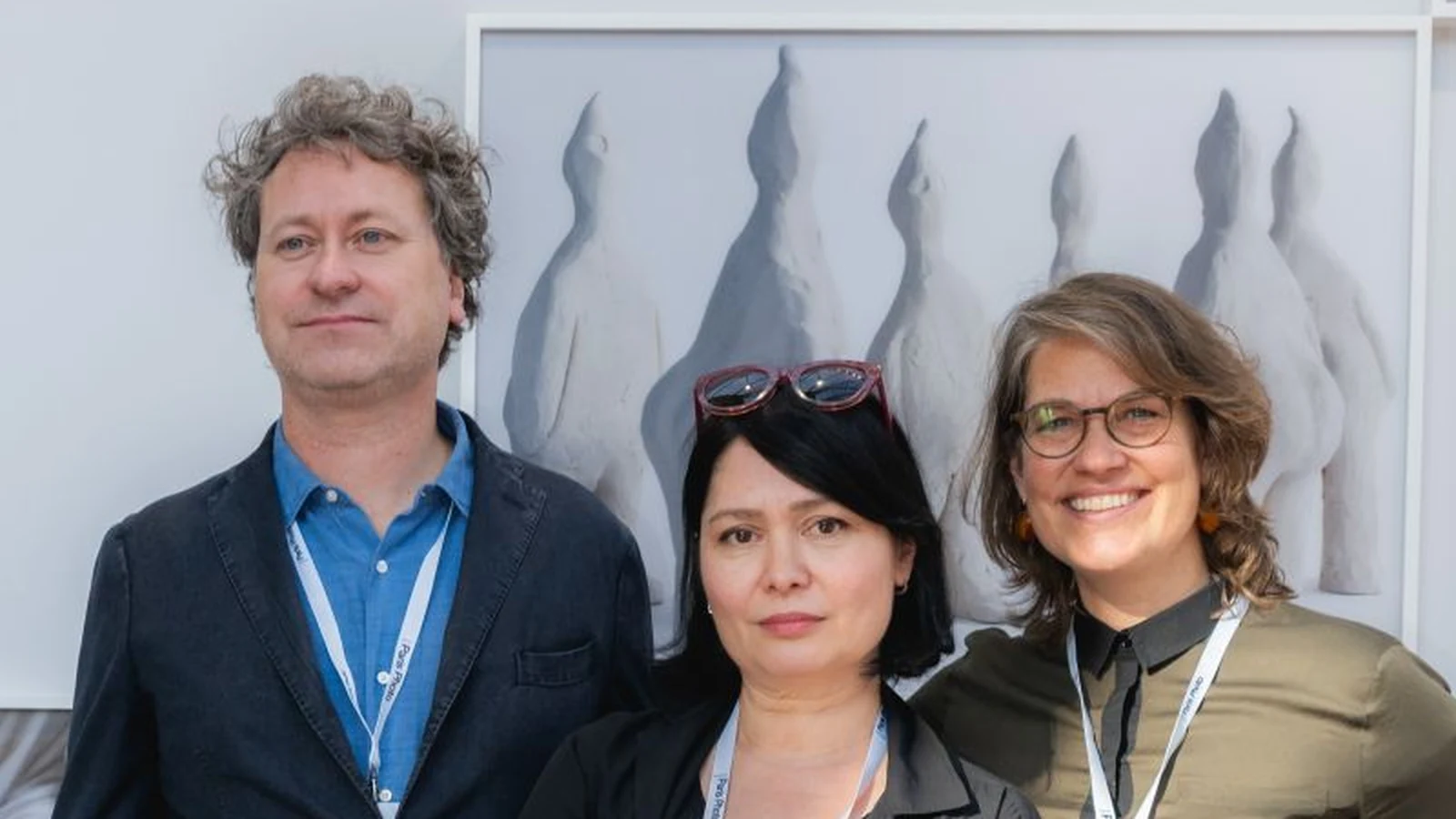
The photographer Viktoria Binschtok and Berlin-based KLEMM’S were named winners of the prize’s second edition, Paris Photo announced during the fair at the Grand Palais, held from 12 to 15 November 2026.
An award for a lasting creative partnership
The Prix DUO does not simply single out a striking photograph or successful exhibition. It recognises a photographer and the gallery representing their work, focusing on the quality and continuity of the relationship. Eligible galleries must be exhibiting at Paris Photo and have represented the nominated artist for at least four years.
The prize is organised by Paris Photo and Les Echos Week-End, with support from Olivier Bourdelas. It includes financial support, the acquisition of an artwork and visibility through Les Echos Week-End. Founded in Berlin in 2007, KLEMM’S works with artists across generations and disciplines.
Viktoria Binschtok brings image search into photography
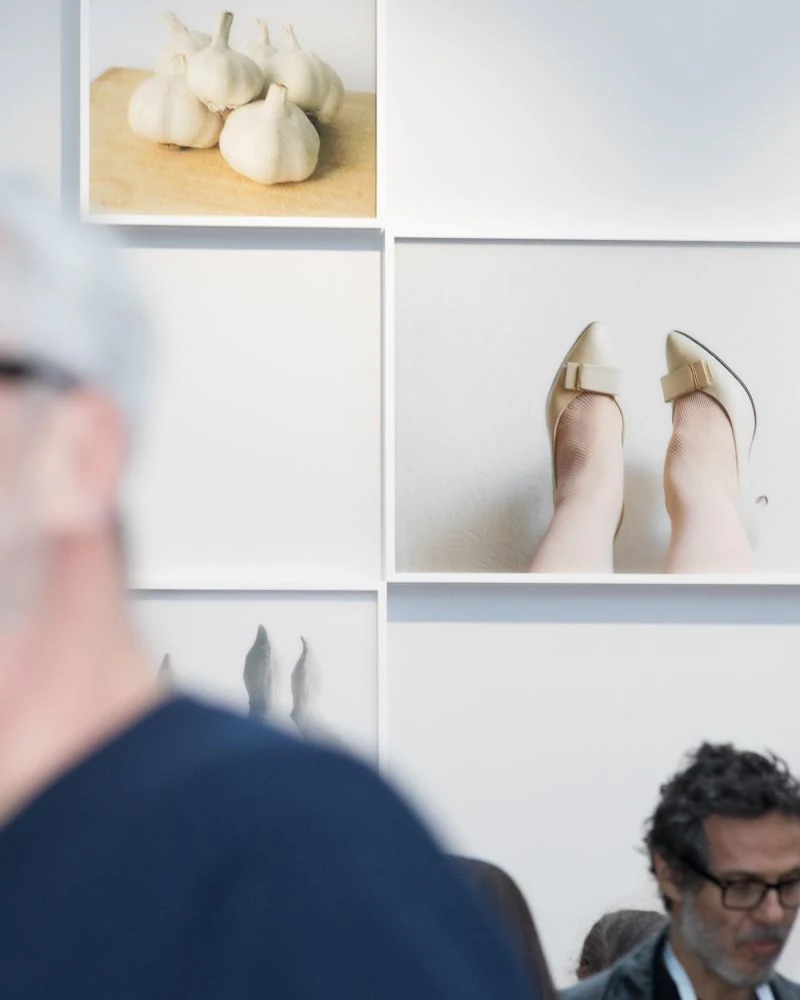
In her «Cluster» series, Binschtok begins with her own photographs and uses image-search algorithms to discover visual similarities. She selects results, restages or alters them, and creates new photographic groupings. The connections often depend on shape, colour or composition rather than the images sharing a subject.
«Endless Cluster», an ongoing project since 2015, brings that process into the physical exhibition space. Pictures are printed at different sizes and arranged in combinations that change how we read them. At Paris Photo 2026, the work was shown in the Prismes sector at KLEMM’S booth D24.
Her approach feels particularly relevant at a time when the same picture can circulate endlessly through search results, feeds and algorithmic recommendations. She explores what happens when a photograph loses its original context and acquires new meaning through its relationship with other images.
Another distinction at Paris Photo 2026
The fair also hosted the 2026 Paris Photo–Aperture PhotoBook Awards, where Keisha Scarville was recognised for «Passports, 2012–2025». That is a separate award: it celebrates photographic books, whereas Prix DUO highlights the relationship between an artist and their gallery.
What we think
Binschtok’s idea resonates with something every photographer knows: you make an image, post it online, and quickly lose track of where it appears and what sits beside it. She takes those unpredictable encounters and makes them deliberate artistic decisions.
For photographers working with archives, series or exhibitions, «Endless Cluster» also offers a practical challenge. It is not just about which images you put together. Print size, placement and the conversation between adjacent pictures all change the way a photograph is read. Move the image into another context and the meaning may shift.
We also like that the Prix DUO gives credit to a relationship built over time. We talk a lot about the artist and the finished work, and much less about the people and structures that help a project keep being shown and find an audience.