Summary
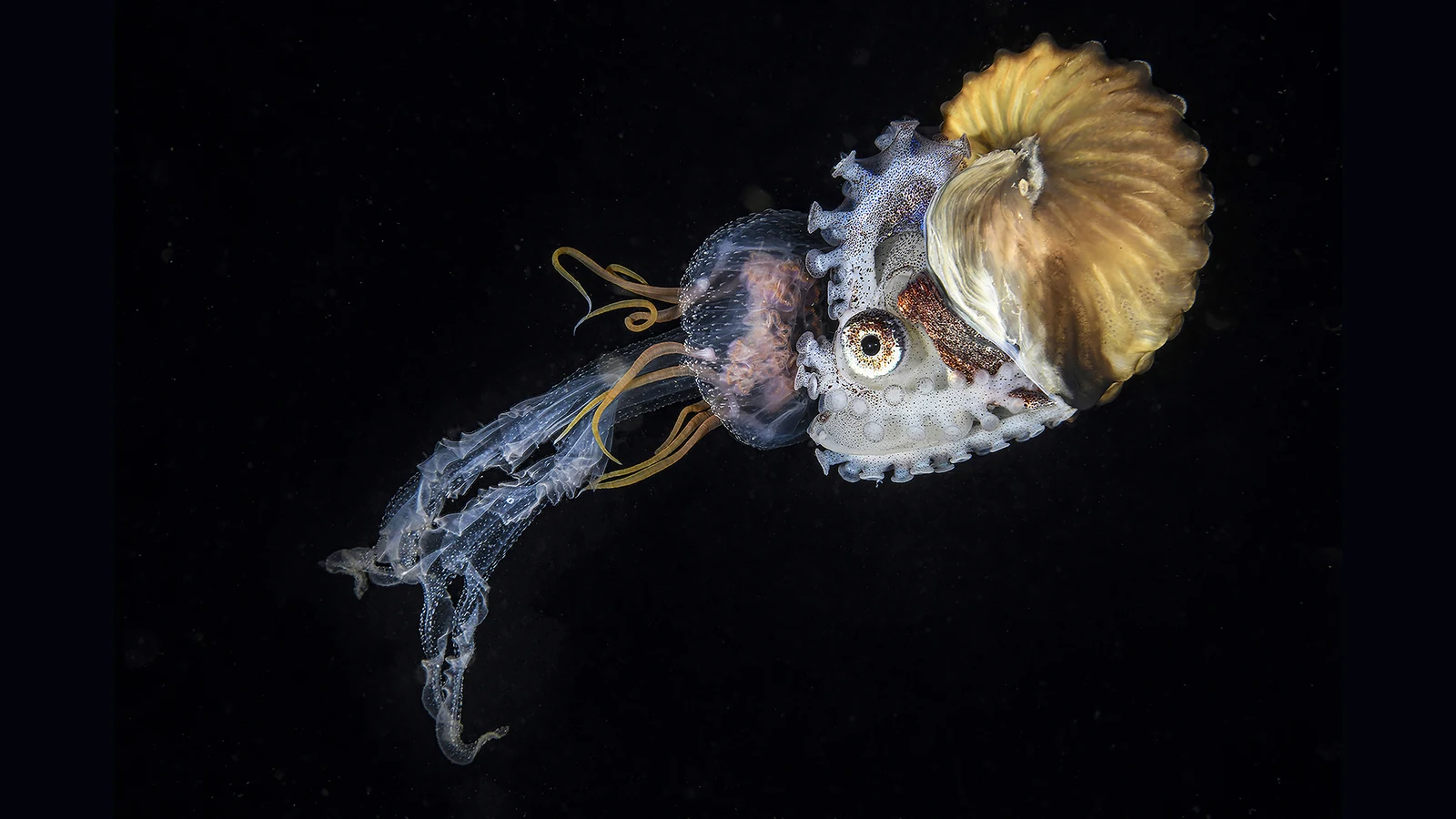
- Giacomo Marchione won the top international professional title with the night-time marine series The Invisible.
- Dammy Twitch earned International Discovery of the Year for a medium-format project shot on 120 film.
- Lena Konstantakou and Vasilis Moustakas received Bronze awards in Conceptual and Wildlife.
- The professional category winners are presented with photographs and credits.
The 1839 Awards 2026 honoured Giacomo Marchione for nocturnal marine photography and Dammy Twitch for a mythology-inspired analogue series, while two Greek photographers earned Bronze awards in their categories.
The competition recognises professional and non-professional creators across genres ranging from wildlife and photojournalism to architecture, portraiture and film. This year’s selection brings together very different photographic approaches.
The two top international honours
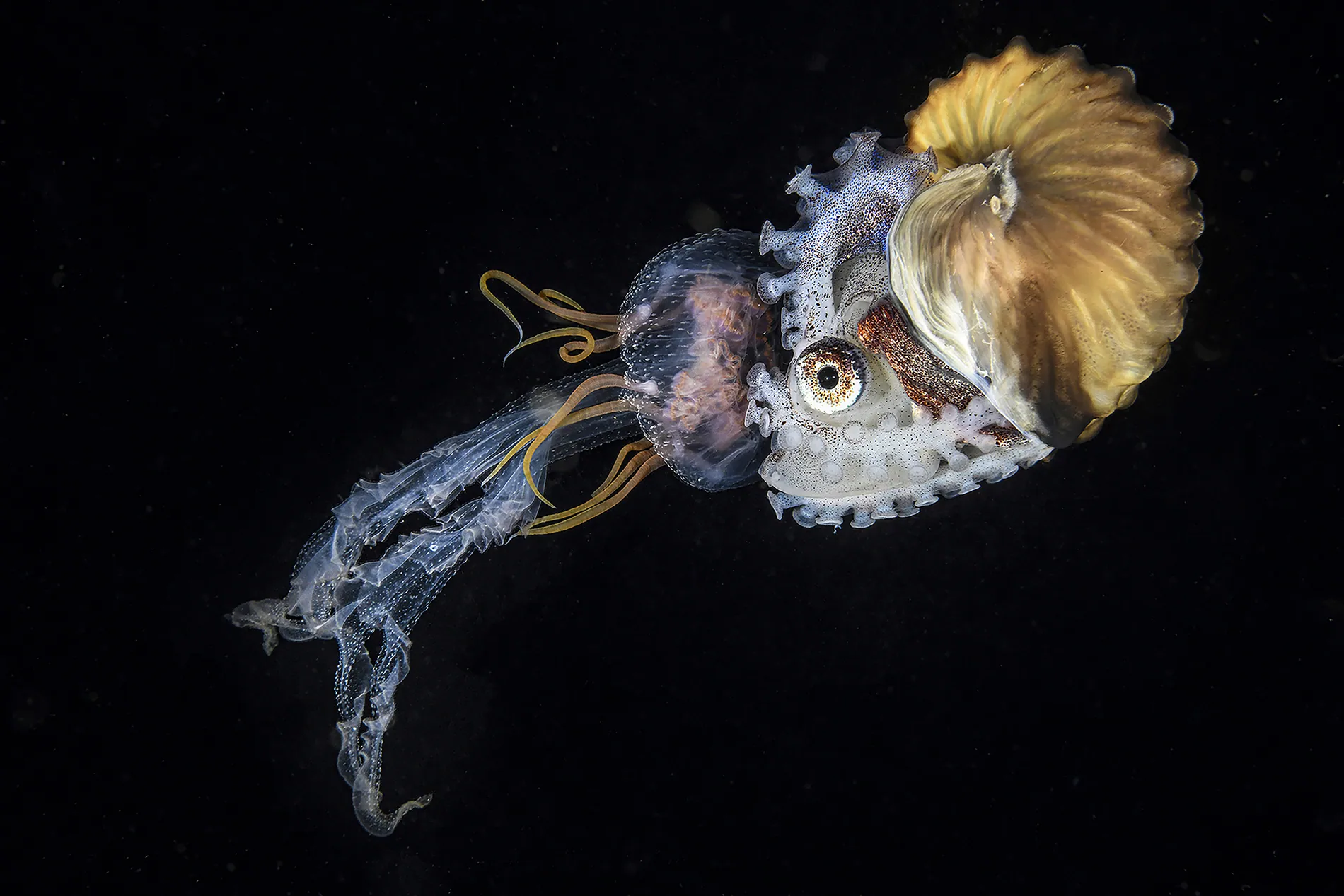
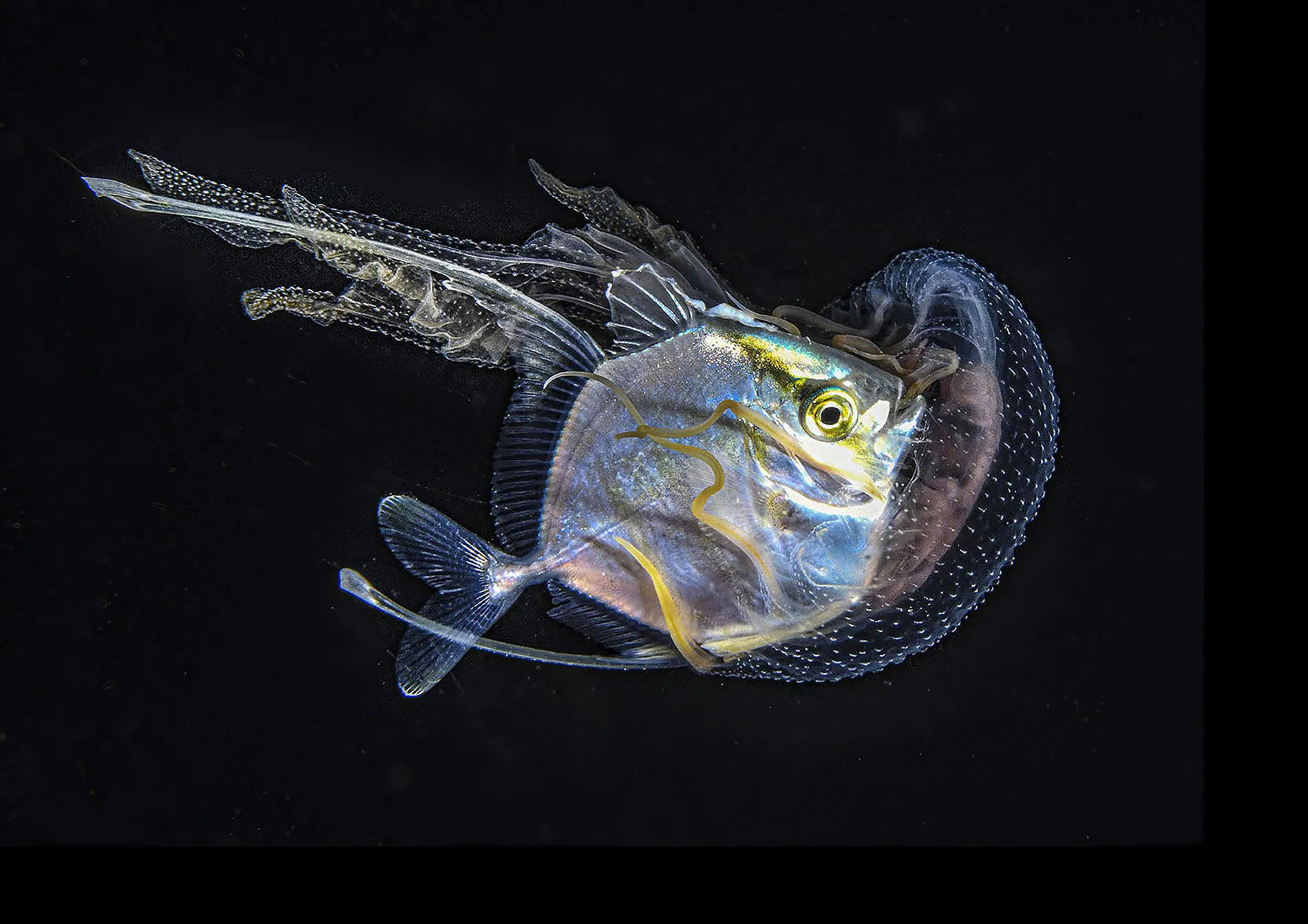
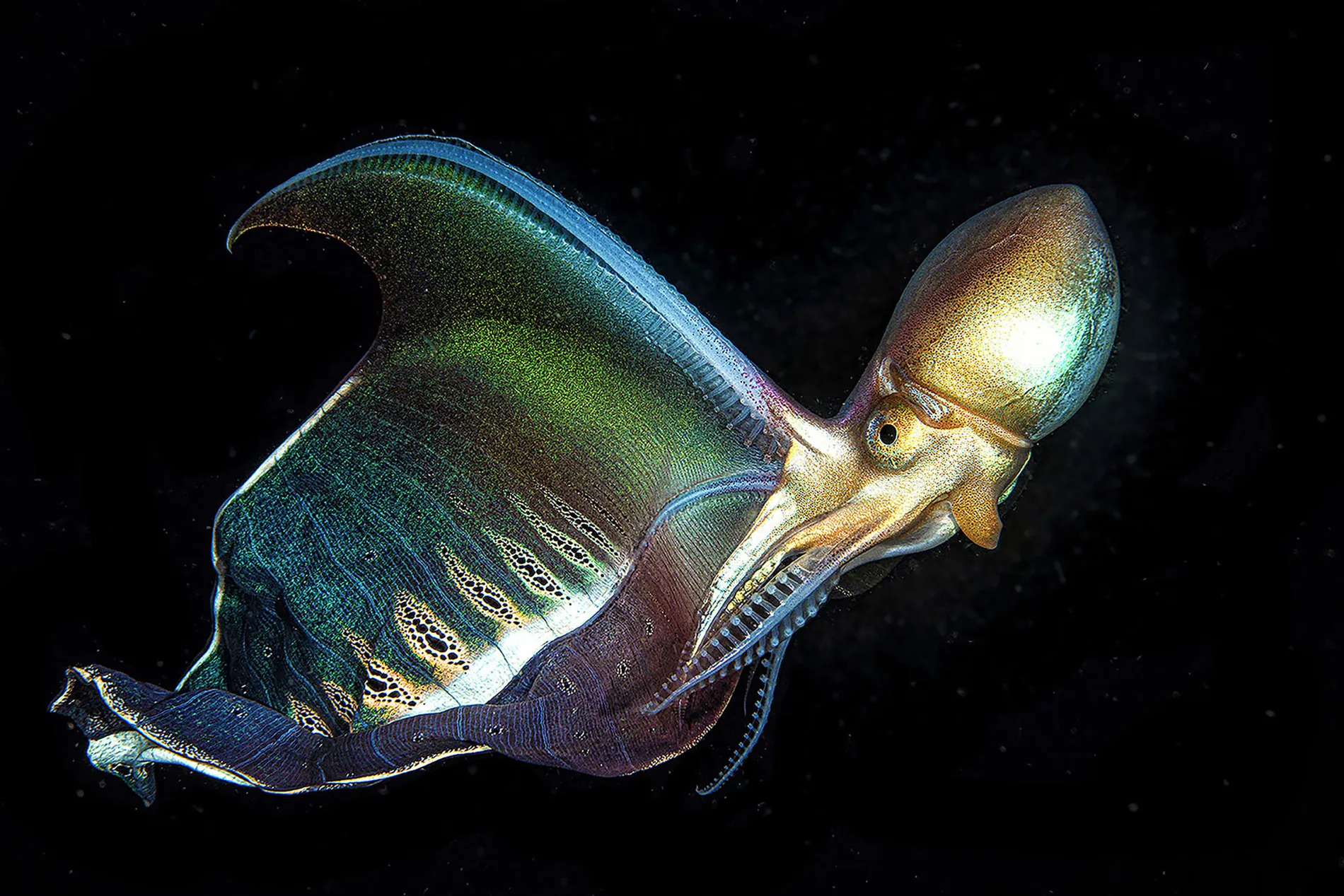
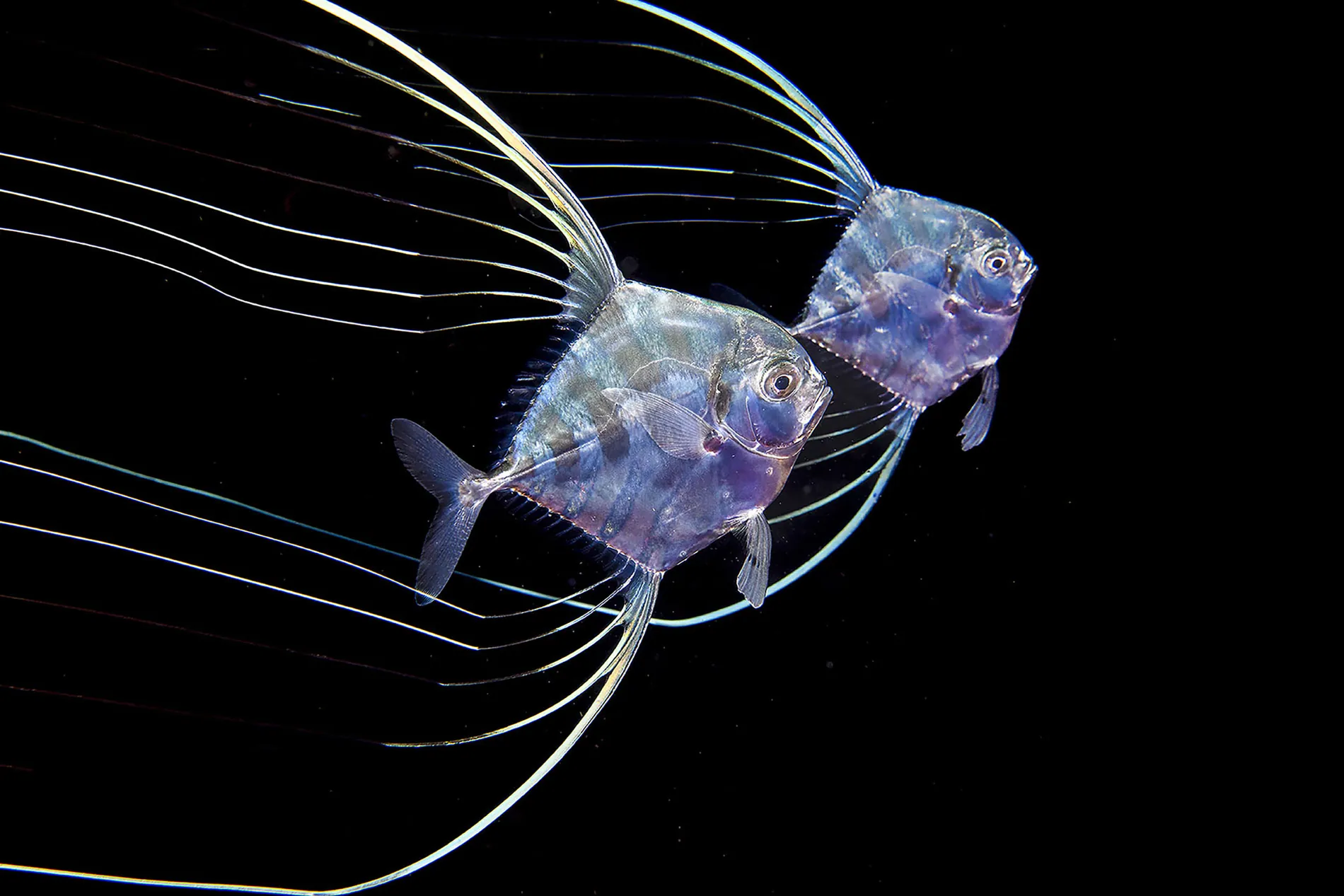
Giacomo Marchione — The Invisible
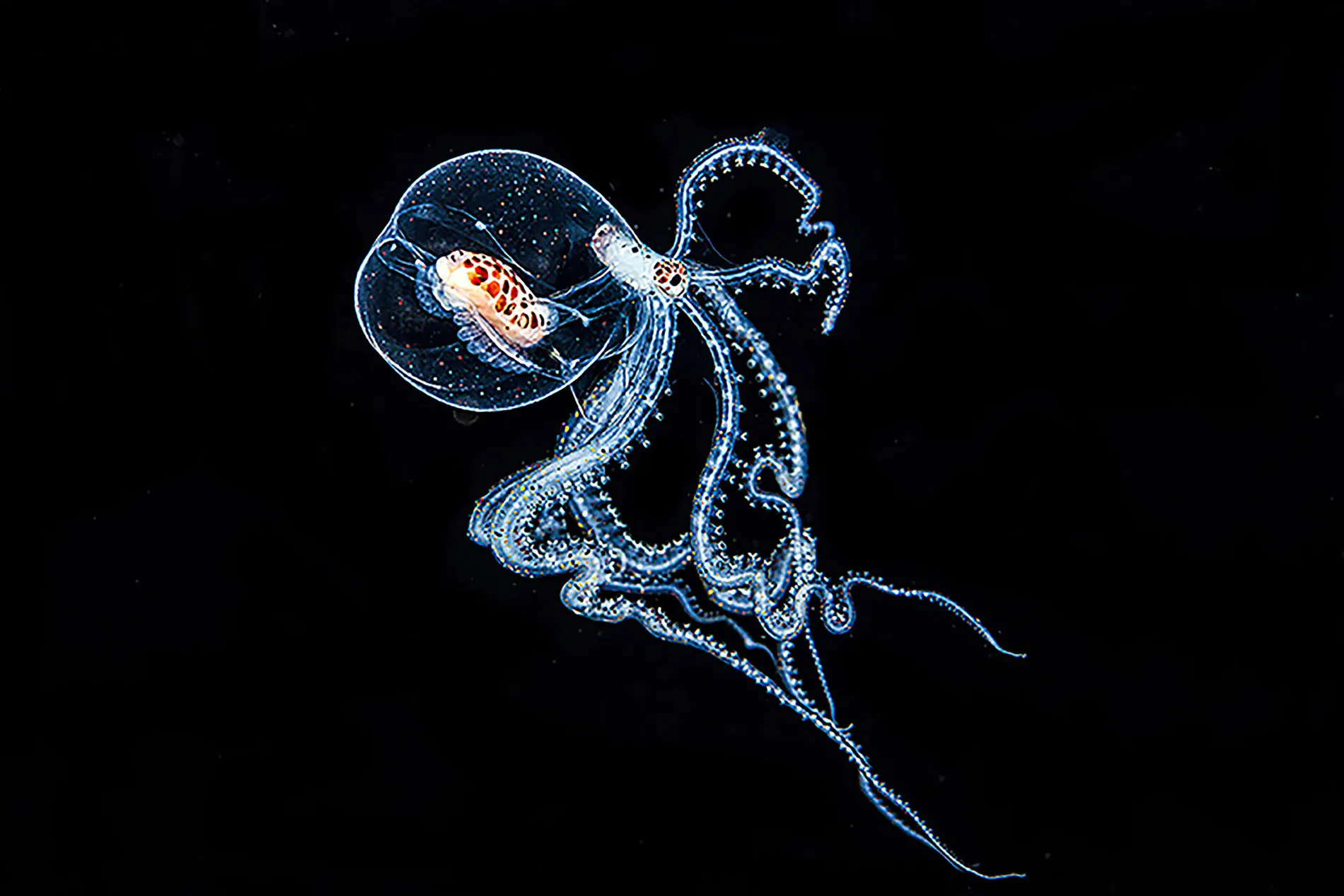
Italian photographer Giacomo Marchione is the International Photographer of the Year for “The Invisible”. At night, planktonic organisms migrate towards the surface, and his photographs make a rarely seen marine world visible.
The same series had previously won Portfolio Gold at the Underwater Awards Australasia 2026, recognised for its cohesive observation of small marine organisms.
Dammy Twitch — What If We Lived Among Gods
Dammy Twitch received International Discovery of the Year for “What If We Lived Among Gods”. Shot entirely on 120 medium-format analogue film, the series imagines figures from Nigerian mythology within ordinary everyday settings, where the sacred and the familiar share a frame.
The two overall winners approach photography differently: patient documentation of real marine life sits alongside a constructed narrative about mythology and contemporary identity.
Two Greek Bronze awards: Lena Konstantakou and Vasilis Moustakas
Lena Konstantakou — Echoes of a Fading Land
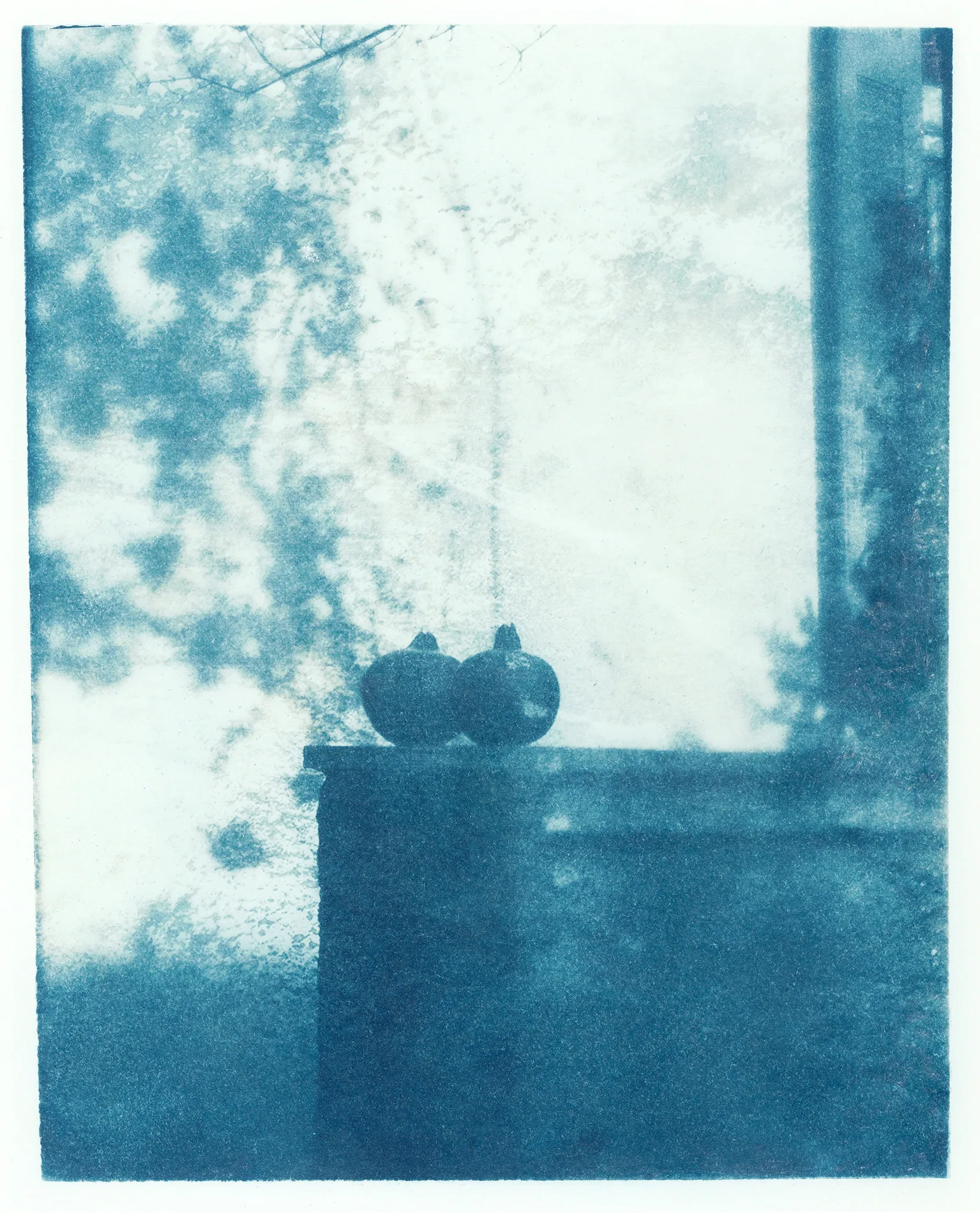
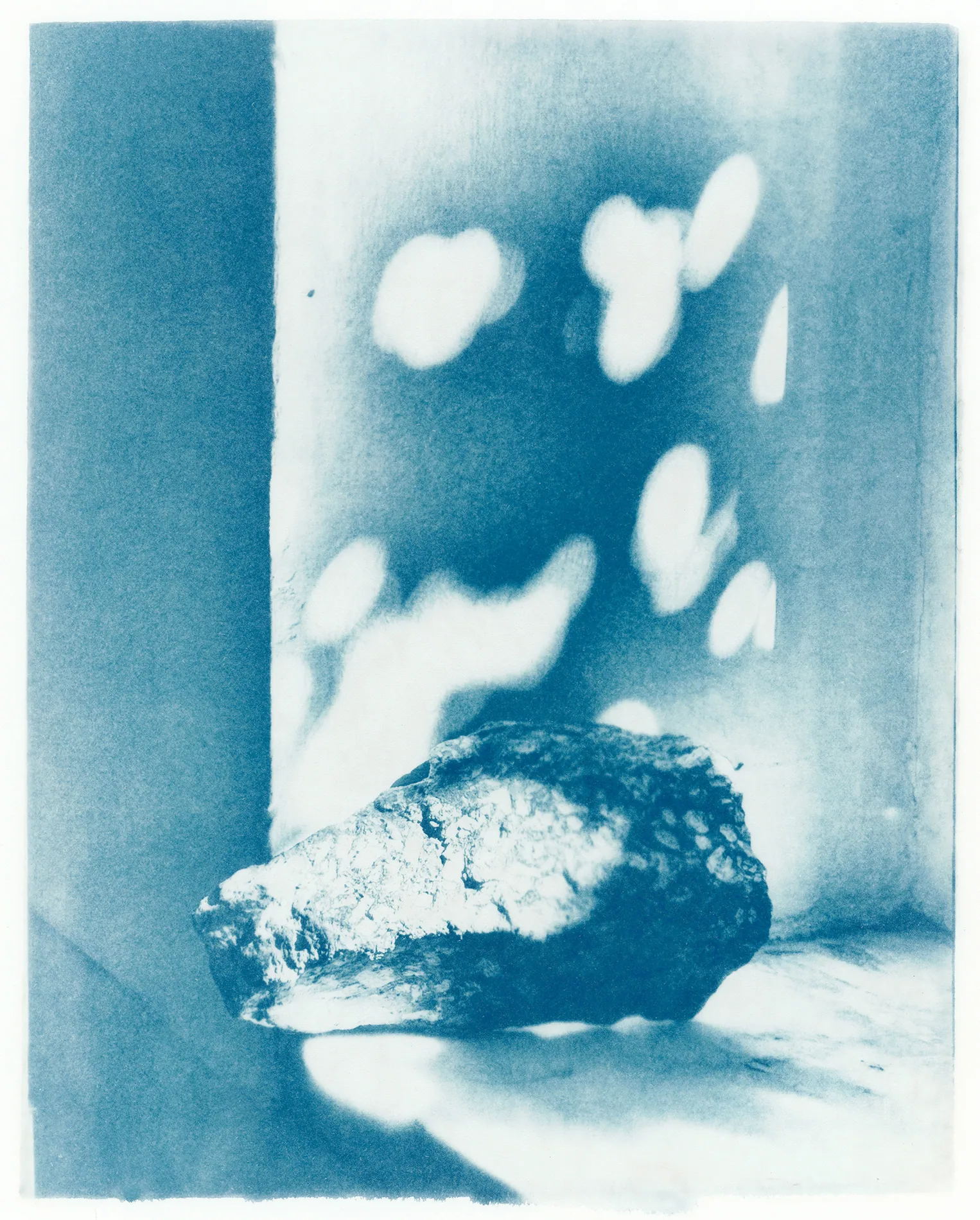
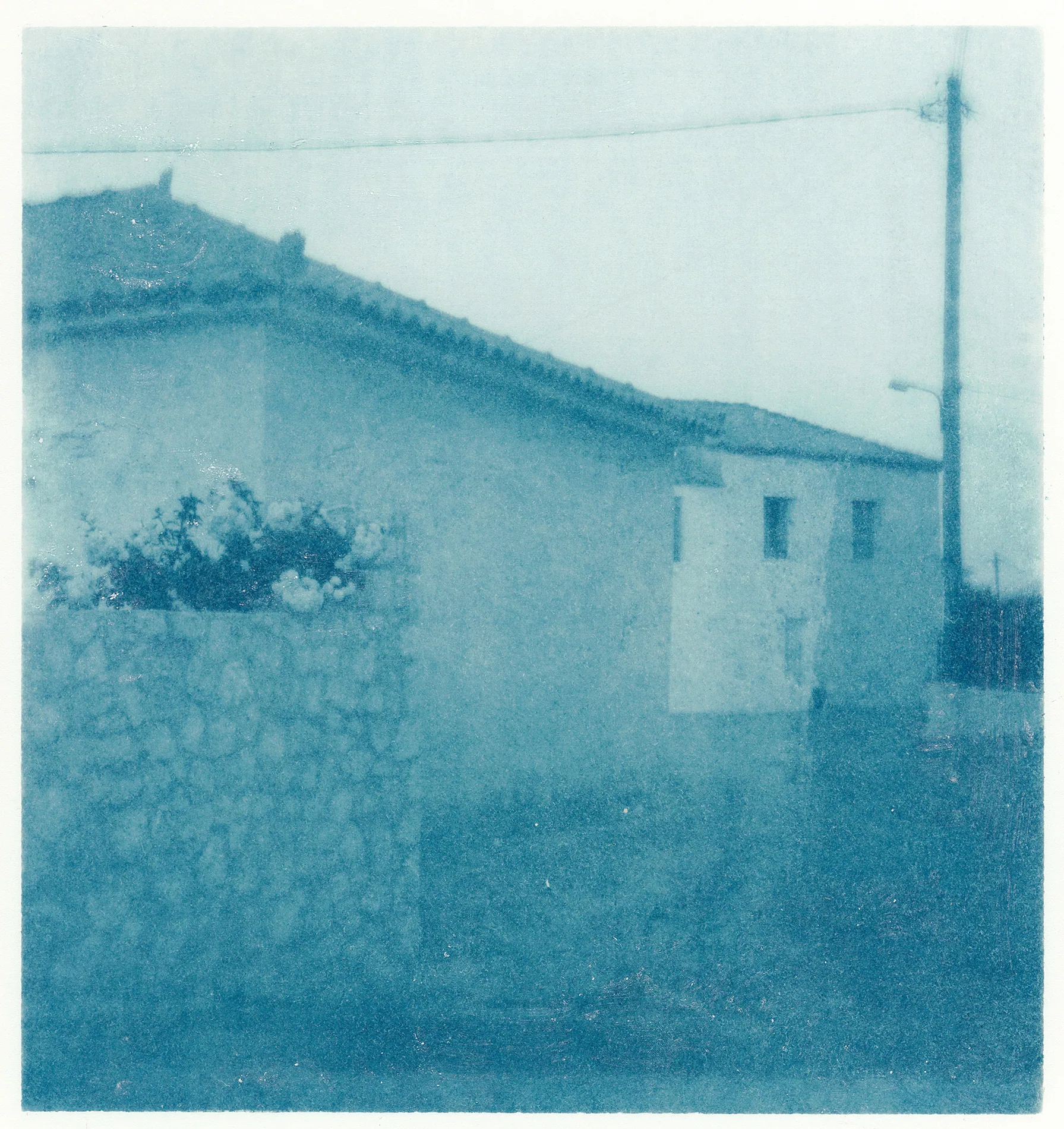
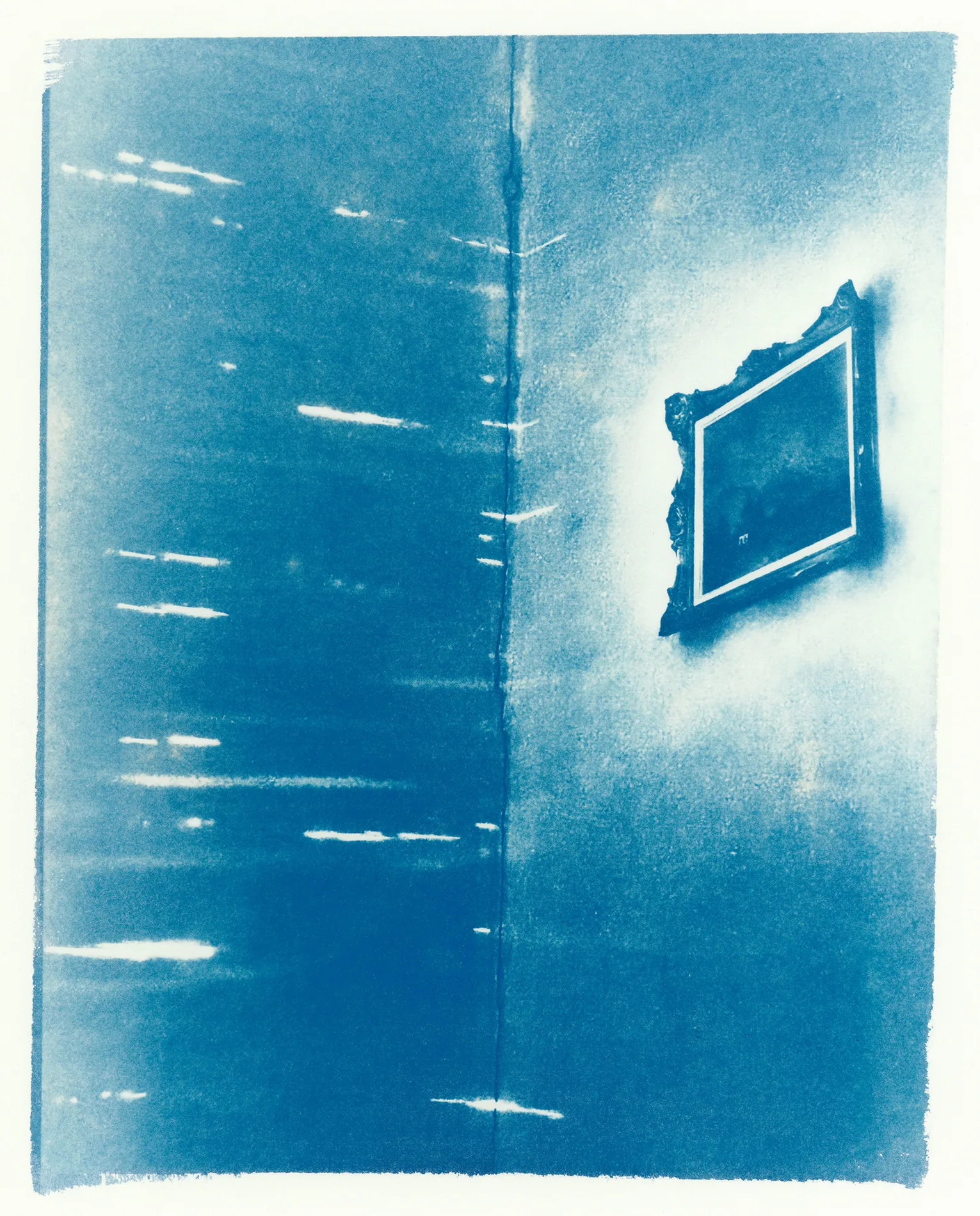
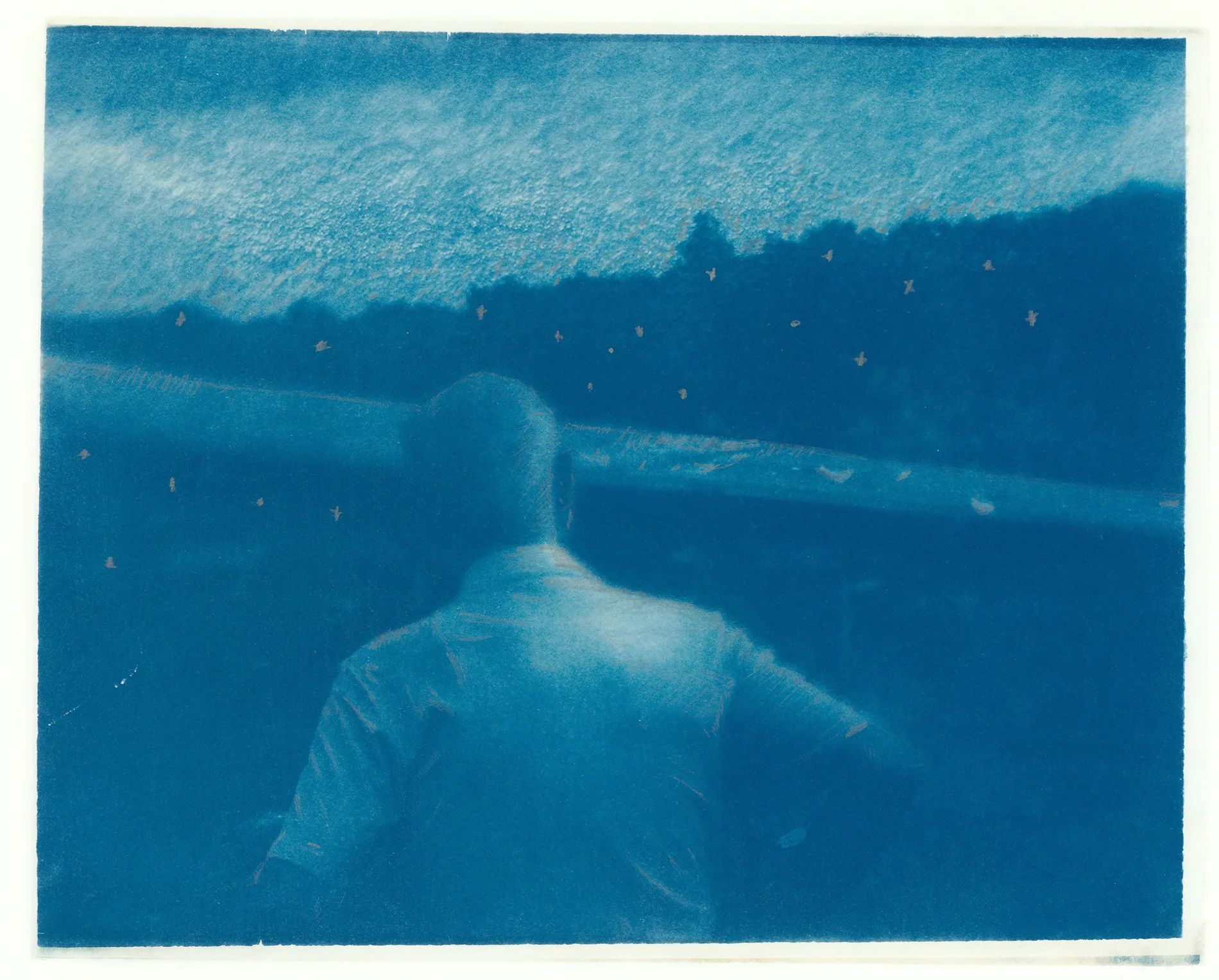
Lena Konstantakou earned Bronze in Conceptual. In “Echoes of a Fading Land”, she revisits traces of her grandparents’ former home in Krokees, Greece, through handmade cyanotypes. Greek poetry inspires an exploration of family heritage and memory.
Vasilis Moustakas — Held Ground
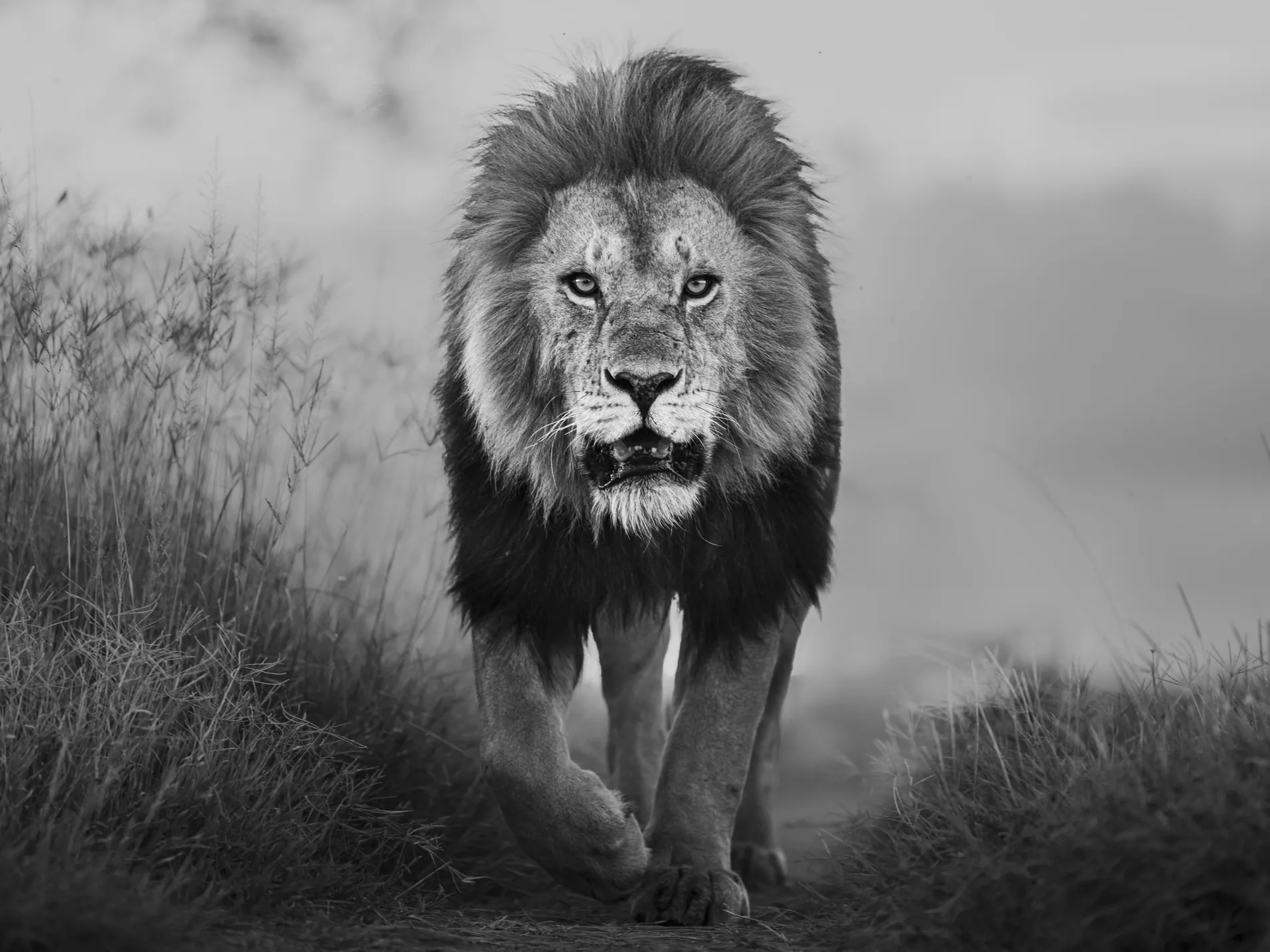
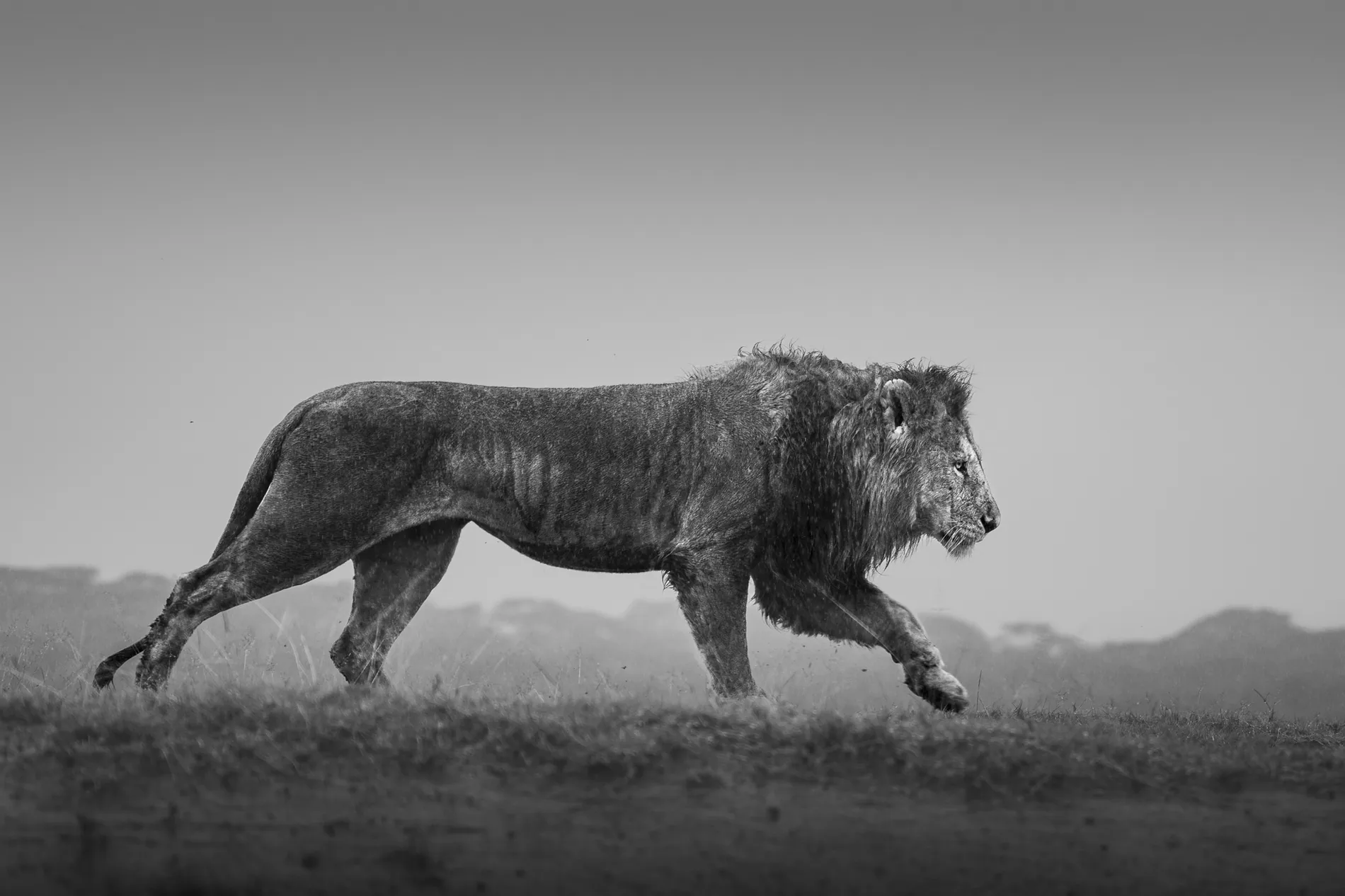
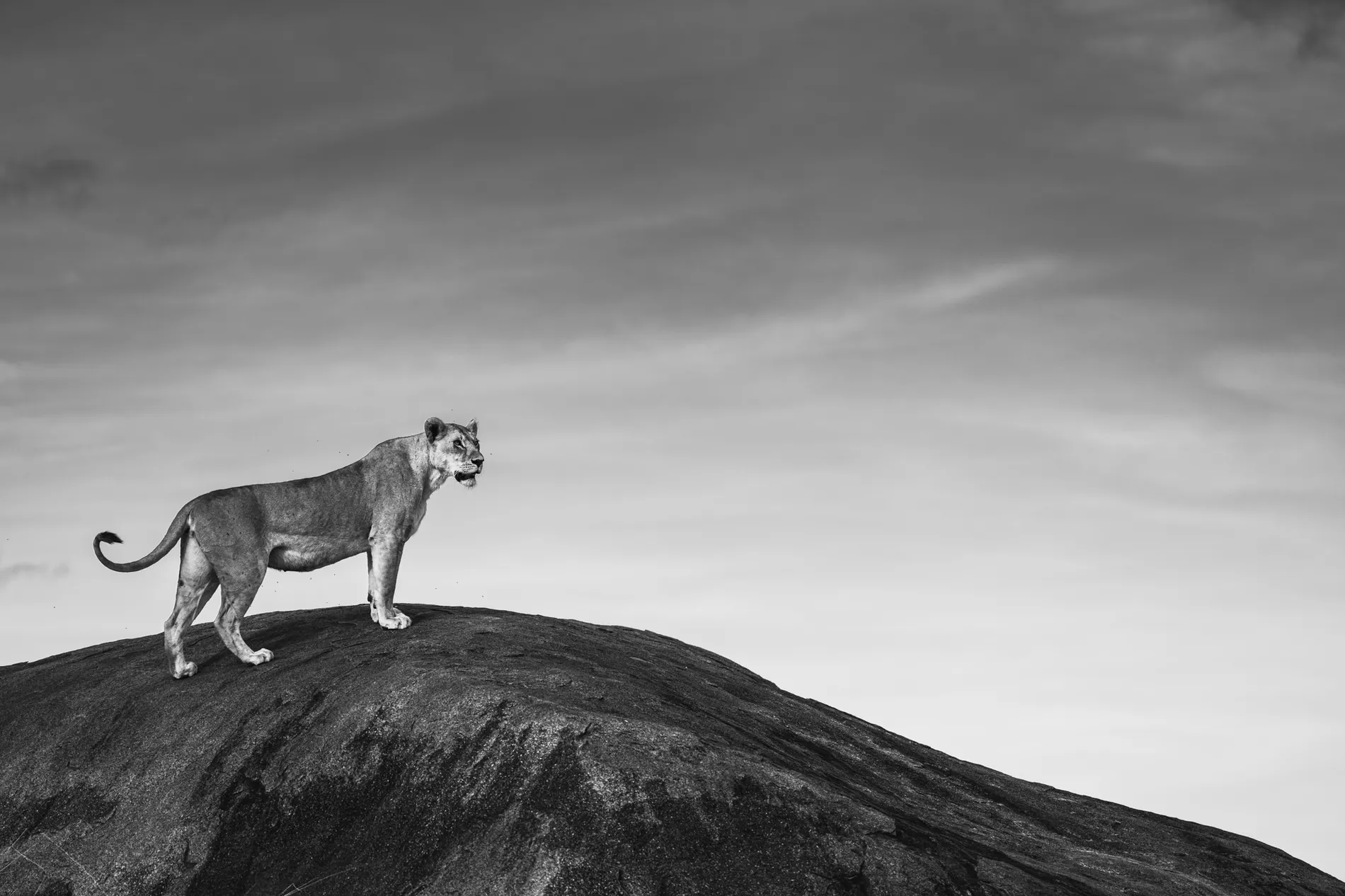
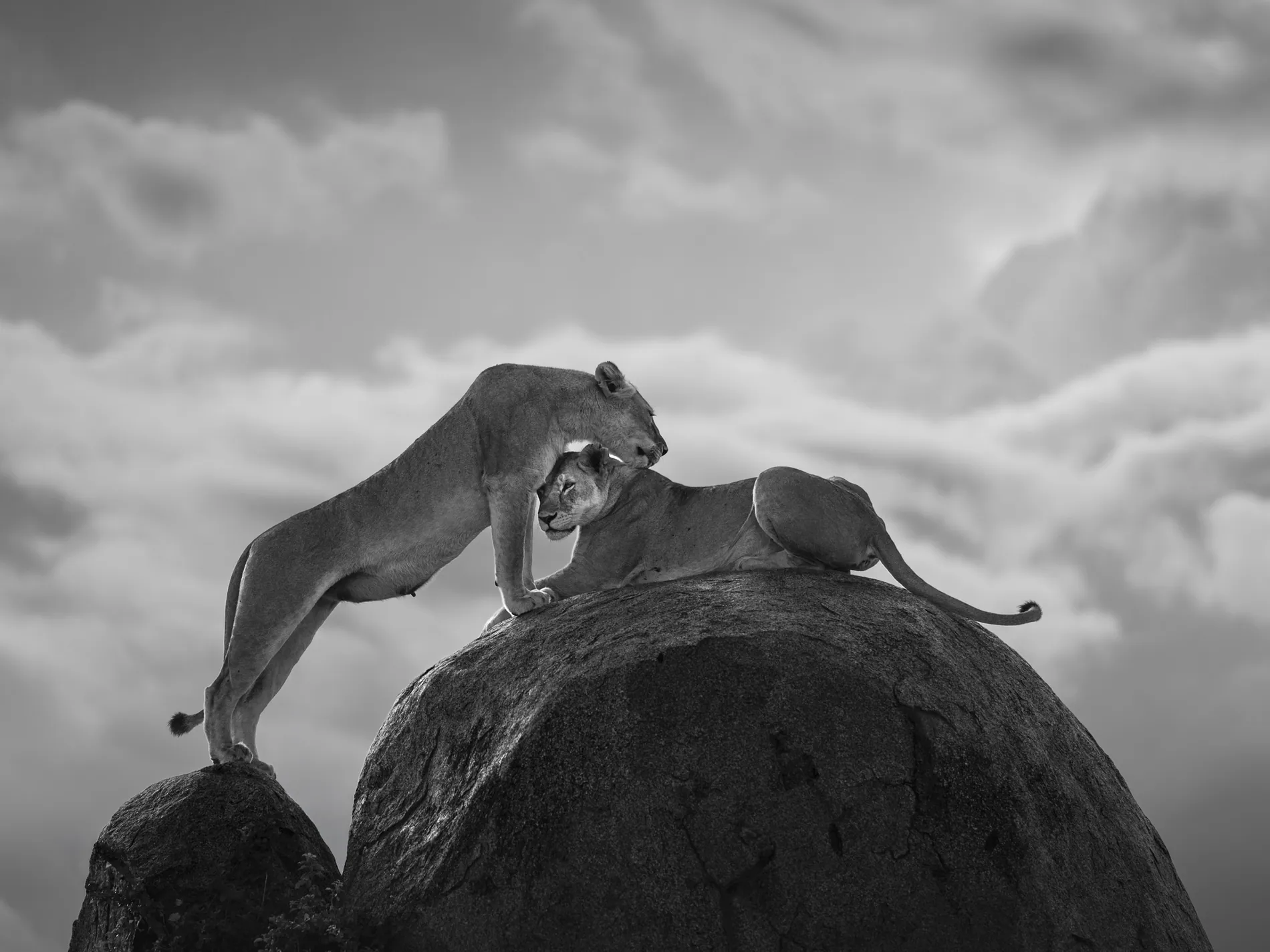
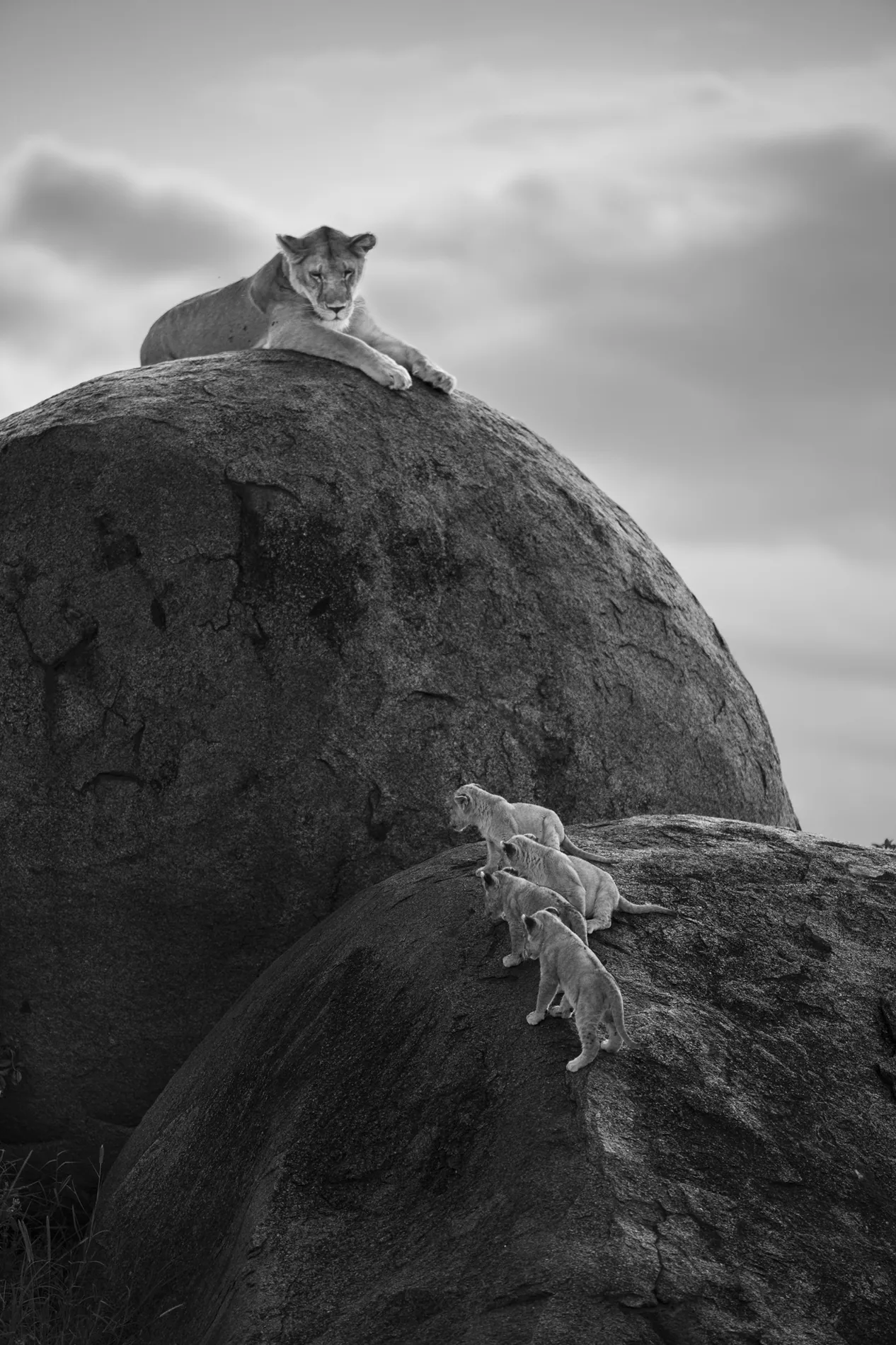
Vasilis Moustakas earned Bronze in Wildlife for “Held Ground”. The series portrays the granite kopjes of the Serengeti through the wildlife that uses them for shade, observation and shelter. Lion portraits underline the animals’ relationship with this distinctive landscape.
The category-winning photographers
Beyond Marchione’s overall honour, the professional category winners span a broad range of approaches. Mark Gray’s “Swarm” appears in both Abstract and Aerial; the same photograph is shown only once.
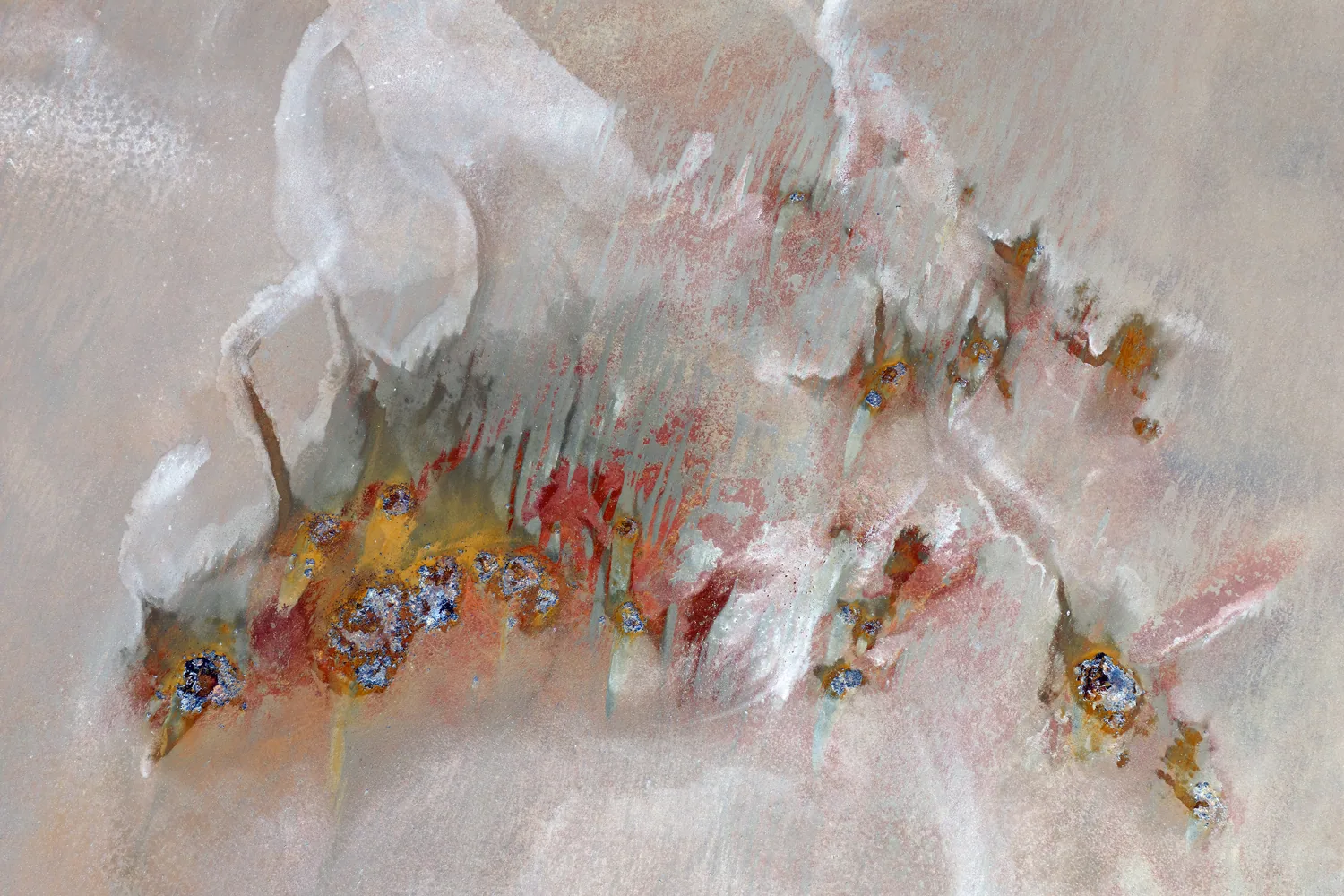
Abstract (also Aerial) — Mark Gray, “Swarm”
Lake Tyrrell in Australia becomes a study of colour and texture after winter rains, bridging abstraction and aerial photography.
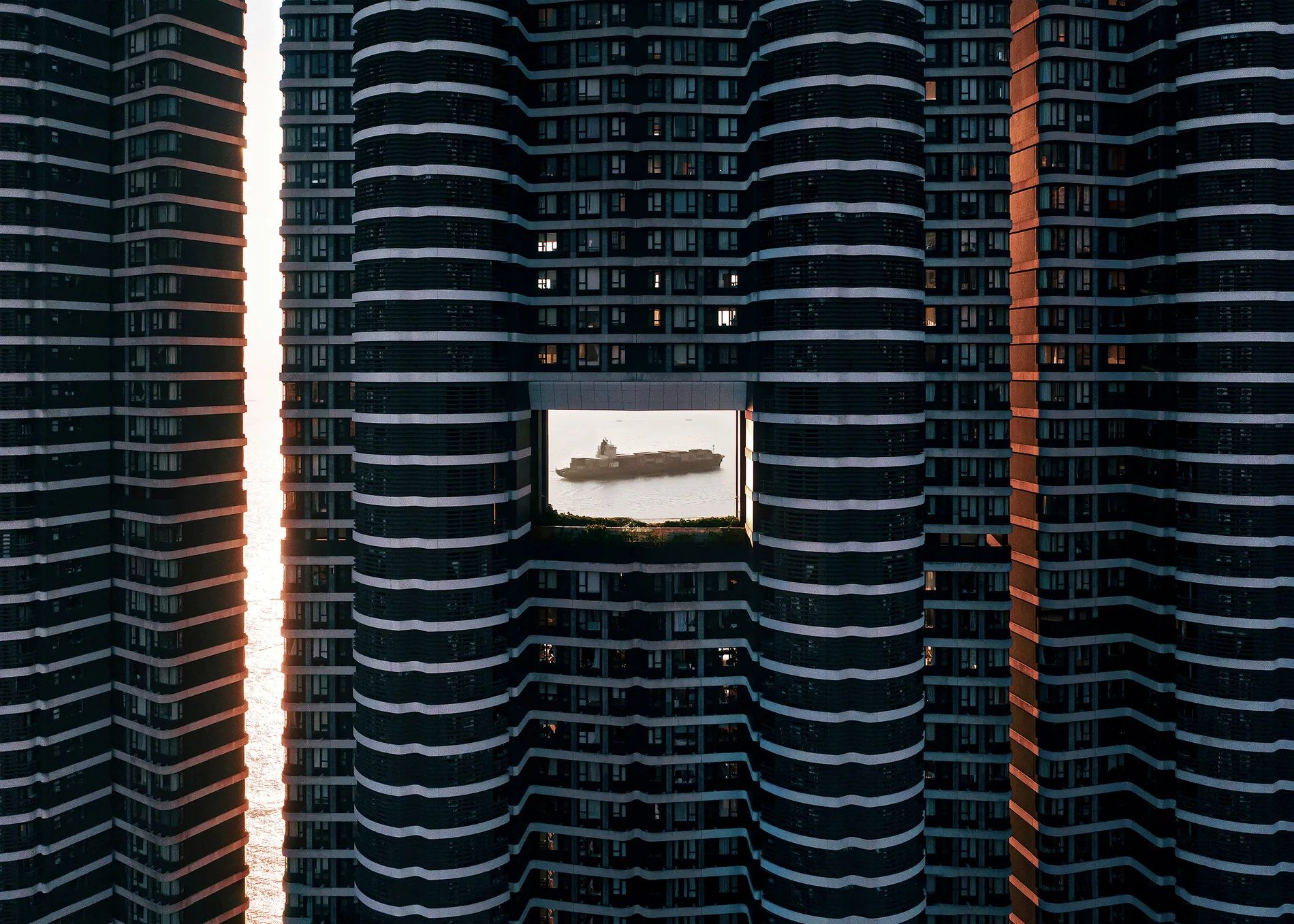
Architecture — Derry Ainsworth, “Dragon Gates of Hong Kong”
Hong Kong’s dragon gates — openings between high-rises — connect contemporary architecture with traditional feng shui.
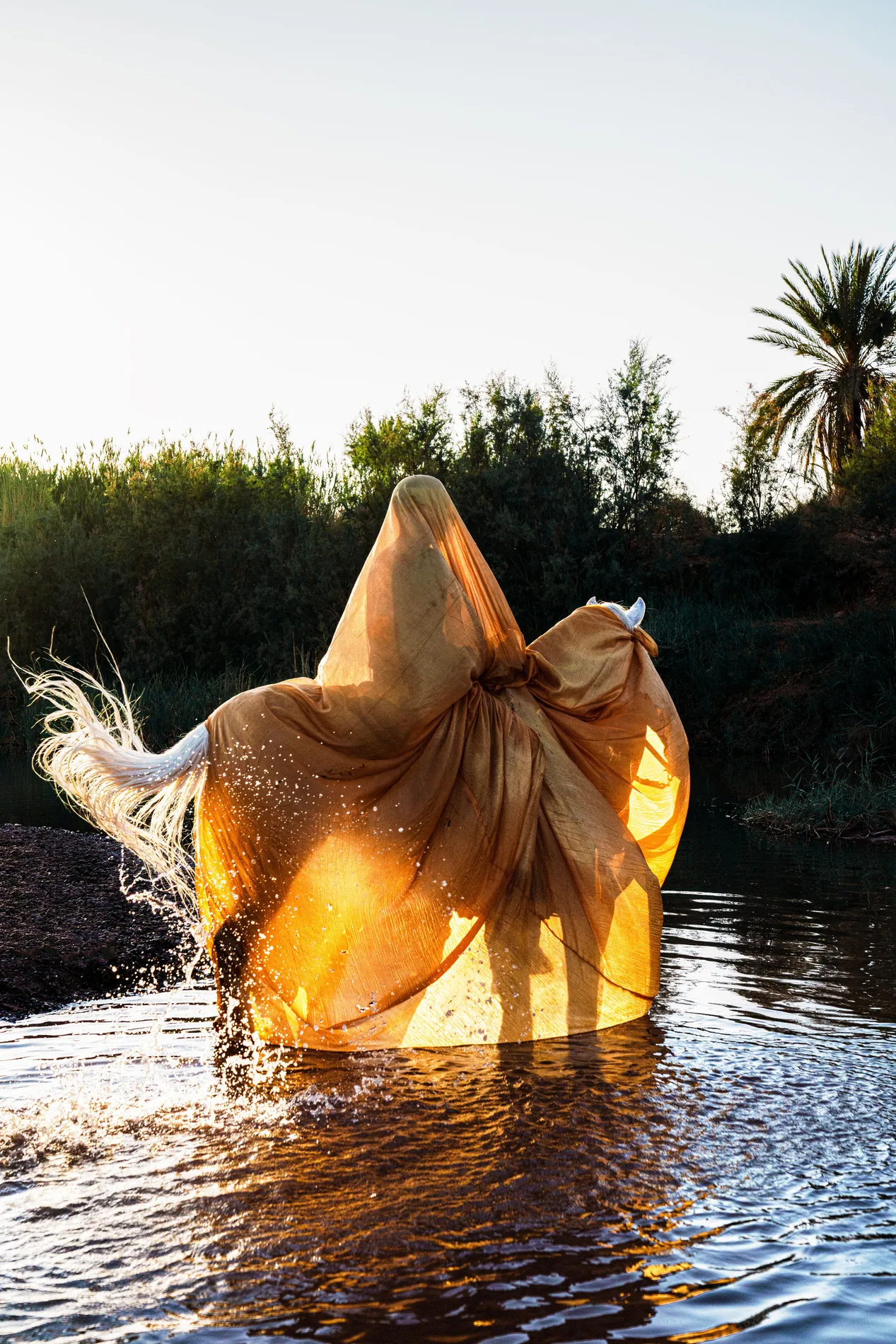
Conceptual — Sabrina Charehbili, “Inherited Presence”
Bodies, landscapes and textiles explore inherited identity and memory in Morocco.
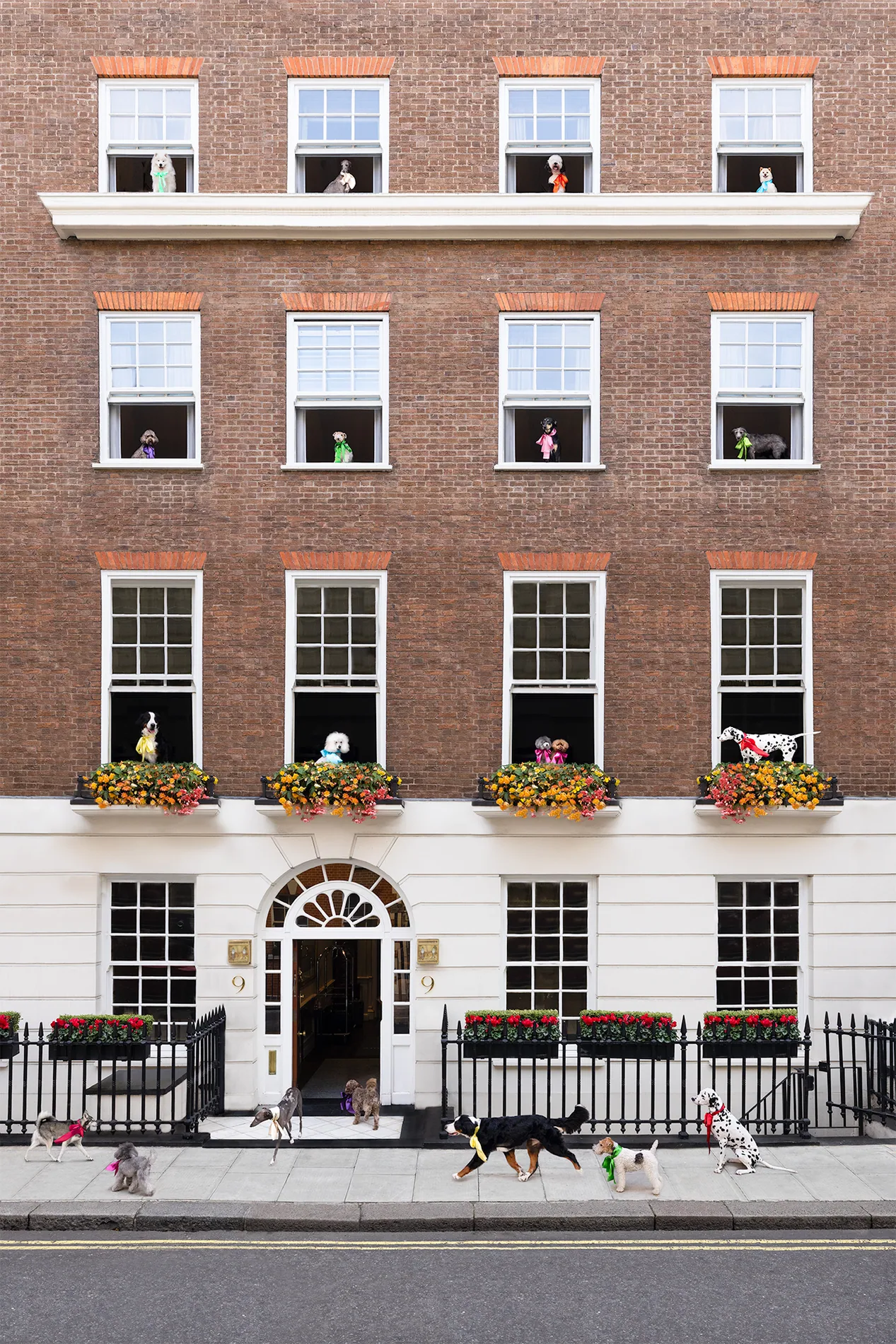
Domestic Animals — Andrew Raven, “Sweethearts in the Window”
An unexpected scene in the windows of London’s Mayfair district forms this playful image.
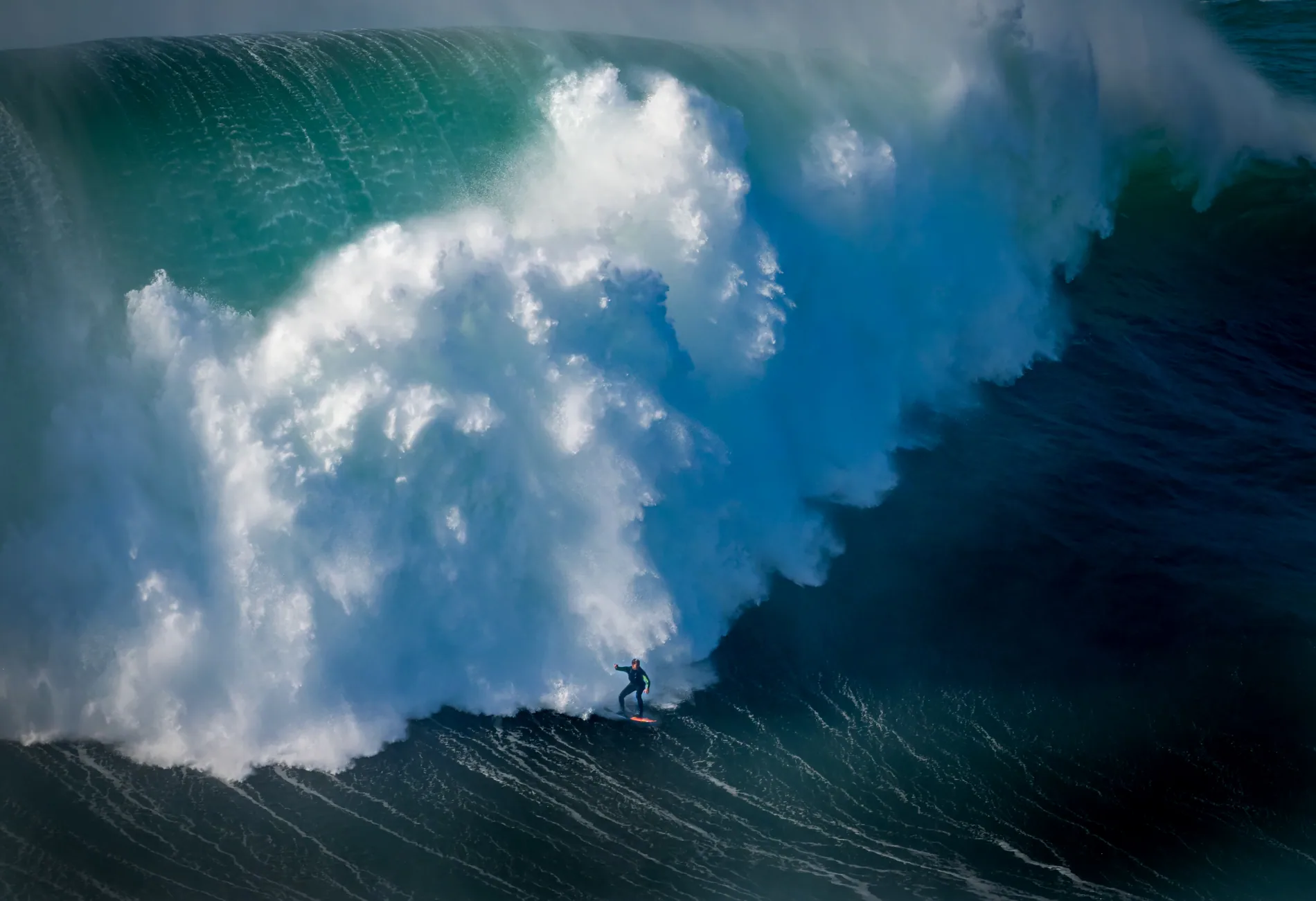
Event — Natalya Pyrogova, “Half second before”
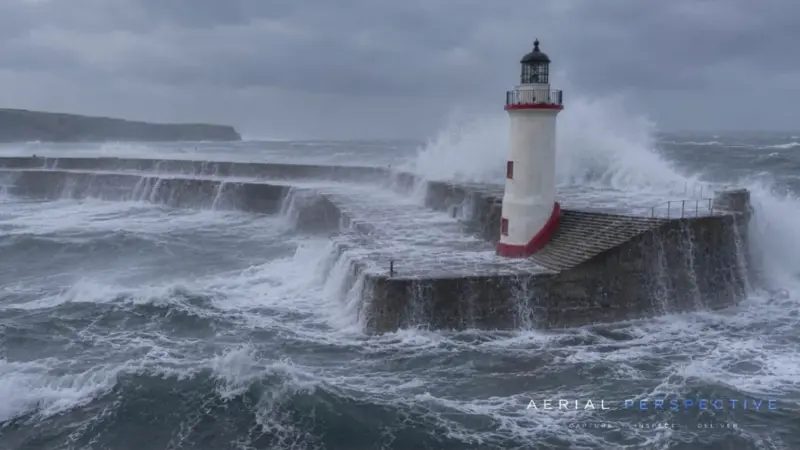
A towering wave moments before an incident and rescue captures the tension of action photography.
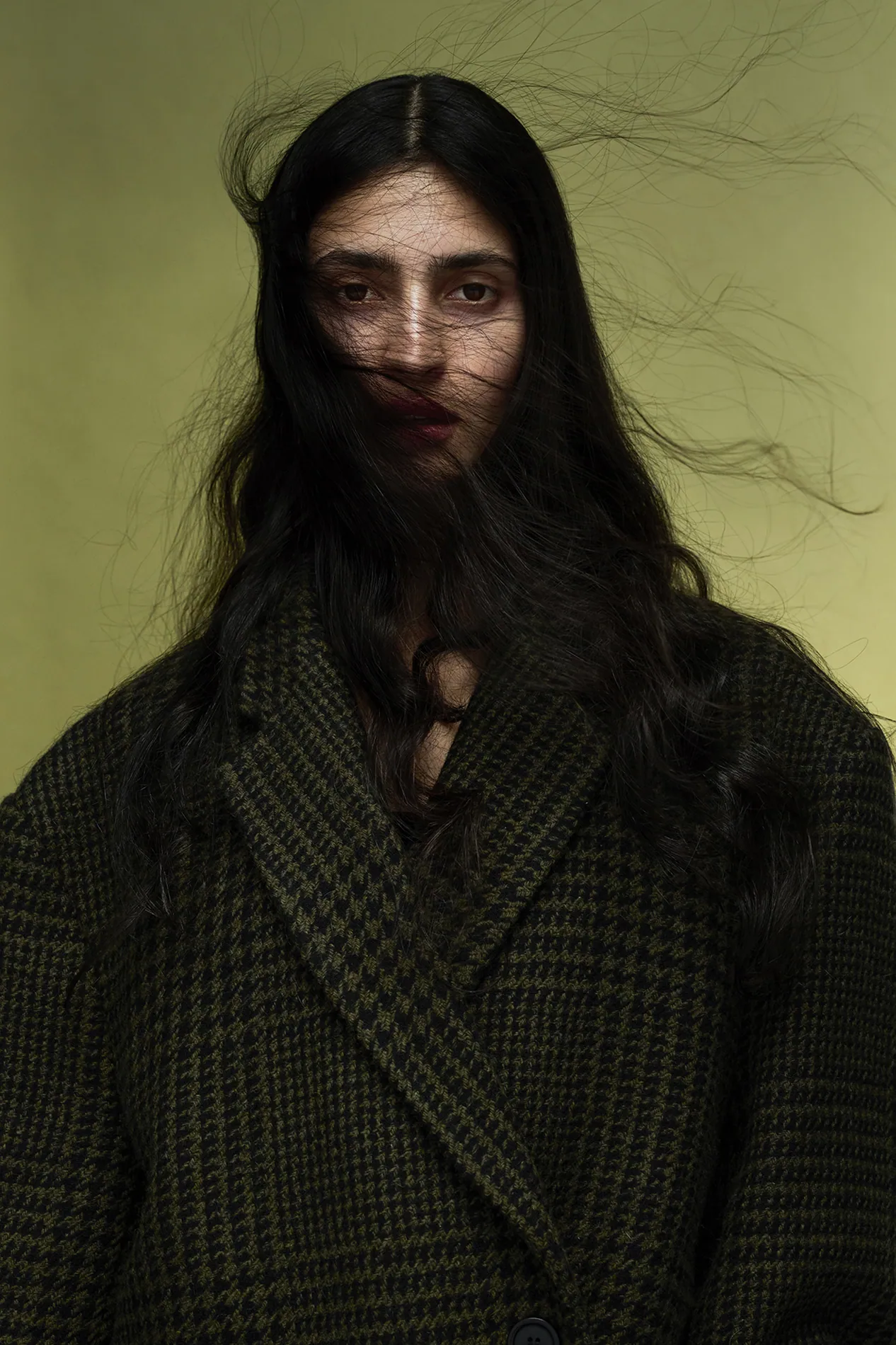
Fashion & Beauty — Samantha Wolov, “Anjali”
A staged, expressive portrait stands out in the fashion and beauty category.
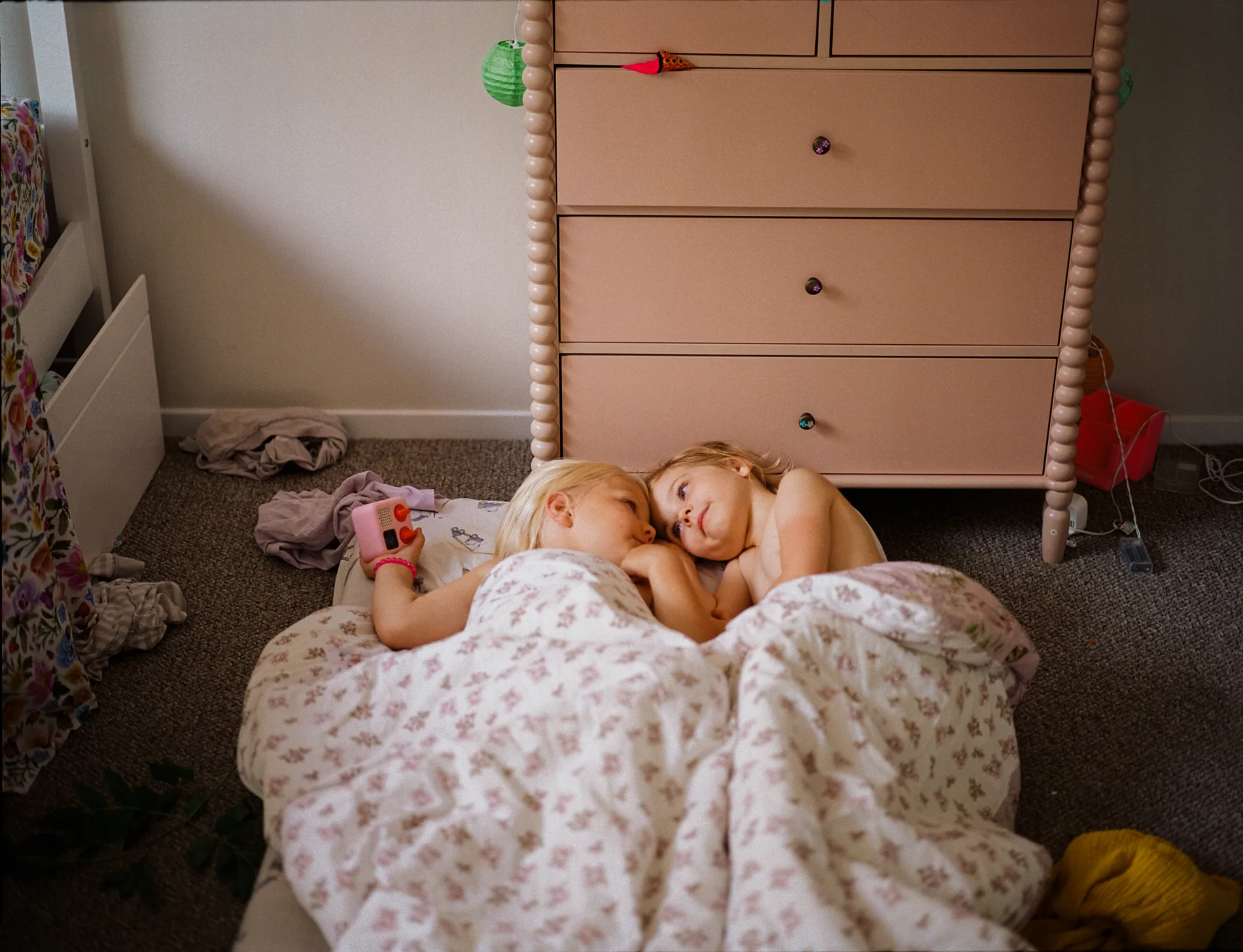
Film/Analog — Emily Hlavac Green, “Year of the Cicada”
A return to Aotearoa after a decade in New York connects everyday domestic life with memory and belonging.
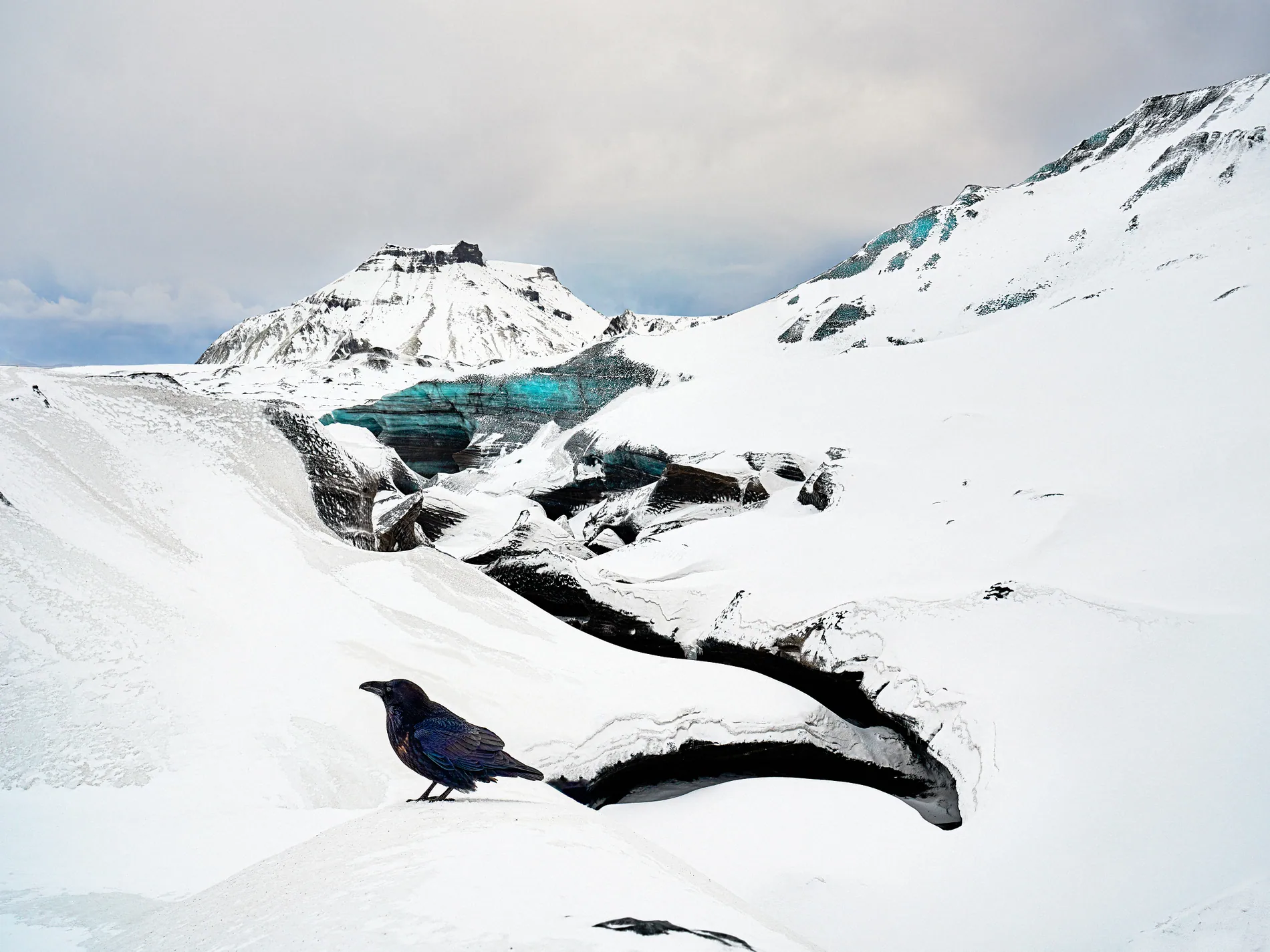
Landscapes — Anne Neiwand, “Little Bird”
A lone raven against a vast glacier turns scale and negative space into the story.
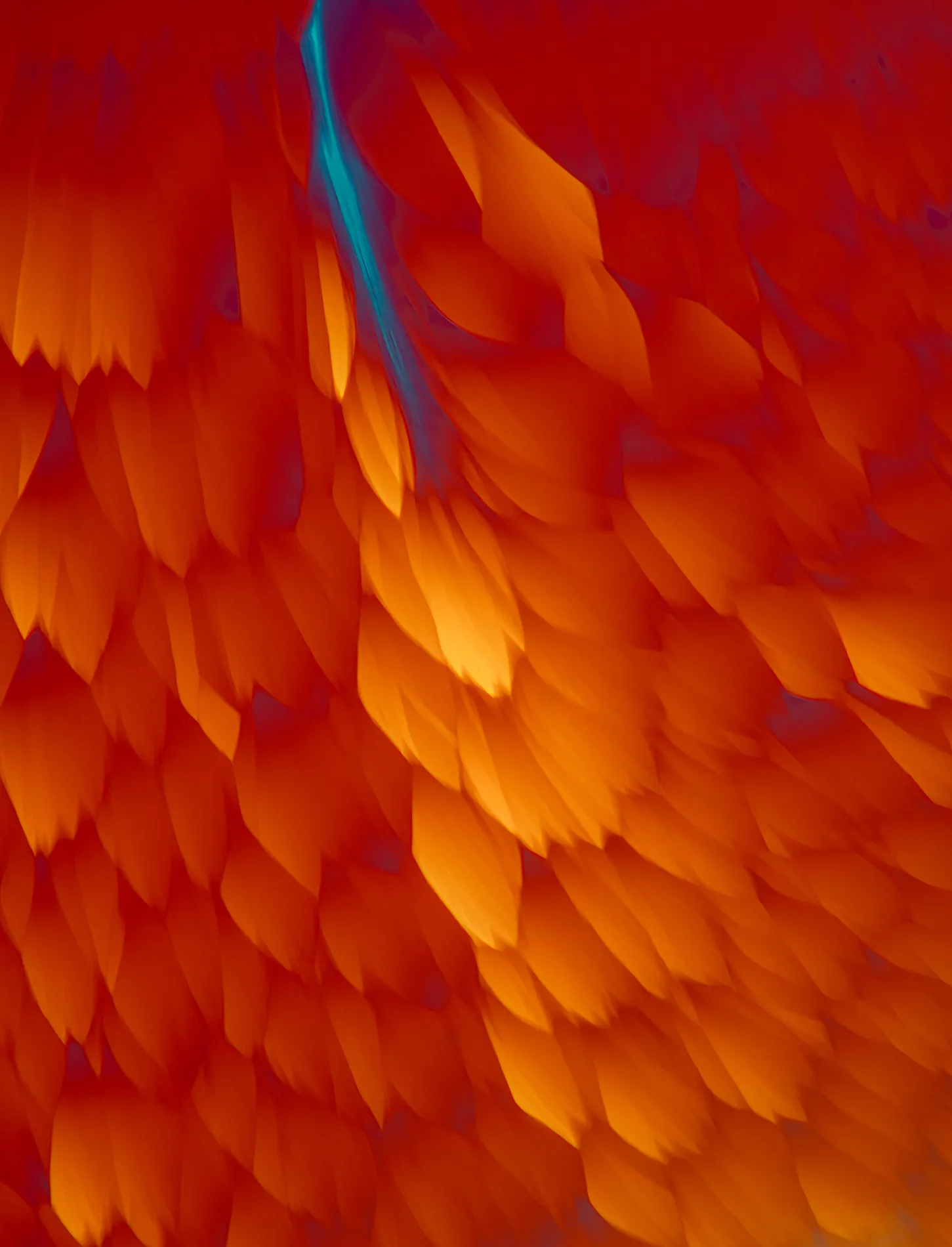
Macro — Bevil Templeton-Smith, “Angle of Extinction”
Crystals photographed under polarised light with a 1970 Leitz Orthoplan microscope reveal colours created by optical interference.
Minimalism — Yevhen Kostiuk, “Shadowplay”
Lines, shadows and human movement form a spare, geometrically controlled composition.
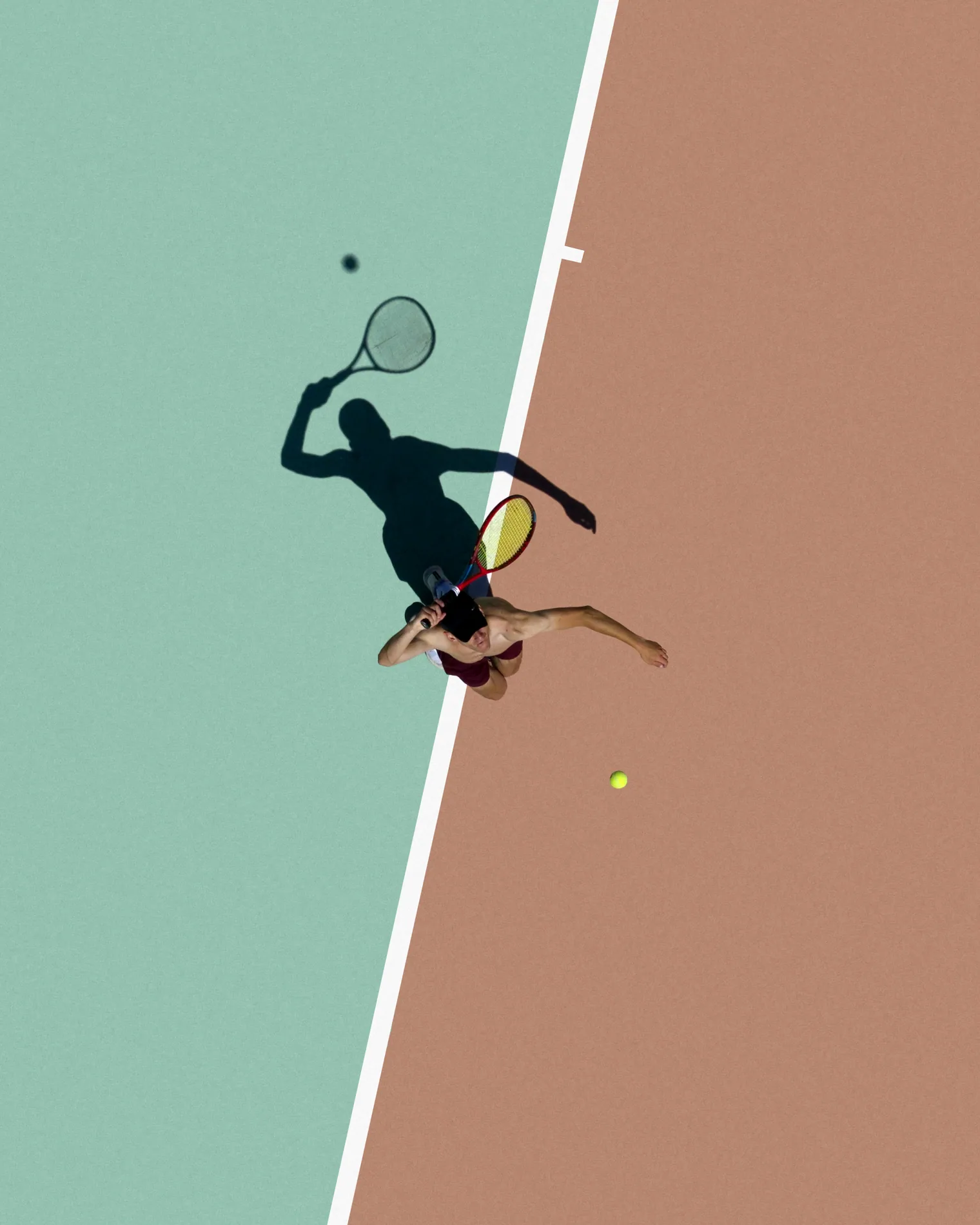
Nature — Malin Brand, “Murmuration in Ostuni”
A murmuration over Ostuni in Puglia becomes an almost abstract pattern before sunset.
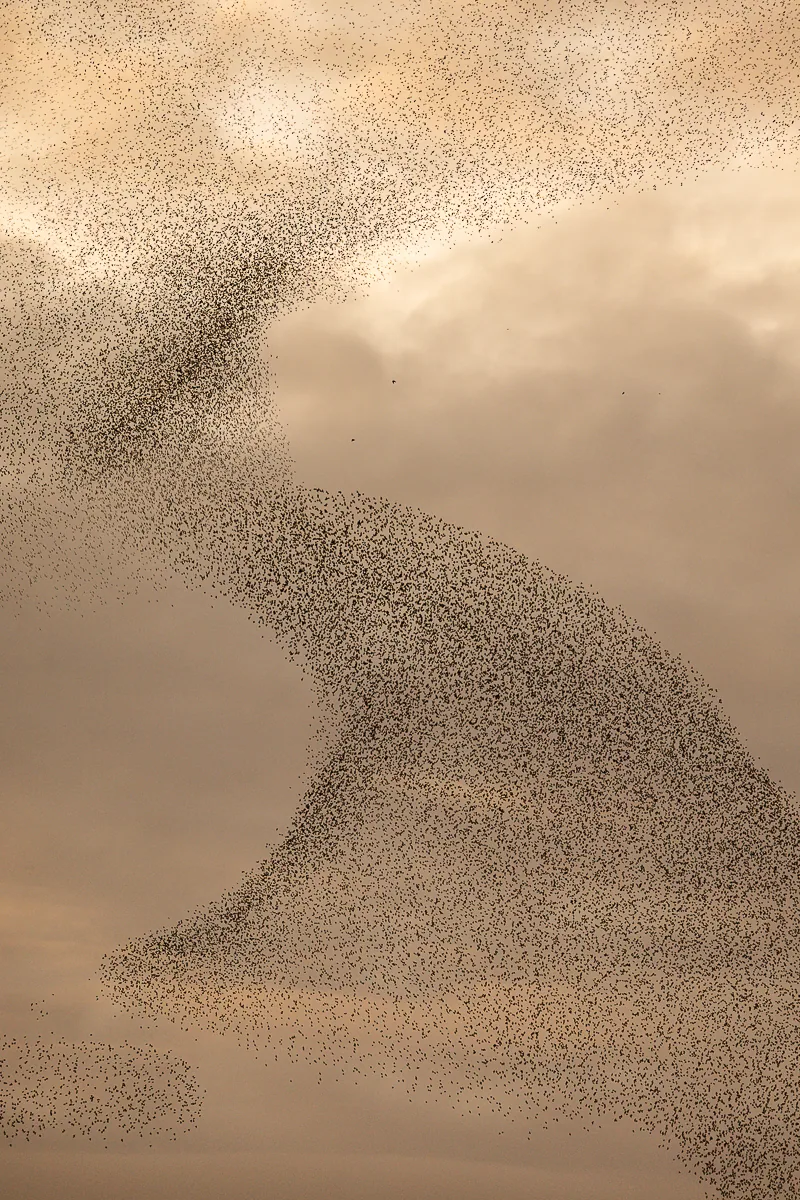
Nude — Igor Brekhov, “Nocturne”
Human forms and monochrome texture produce an atmospheric series.
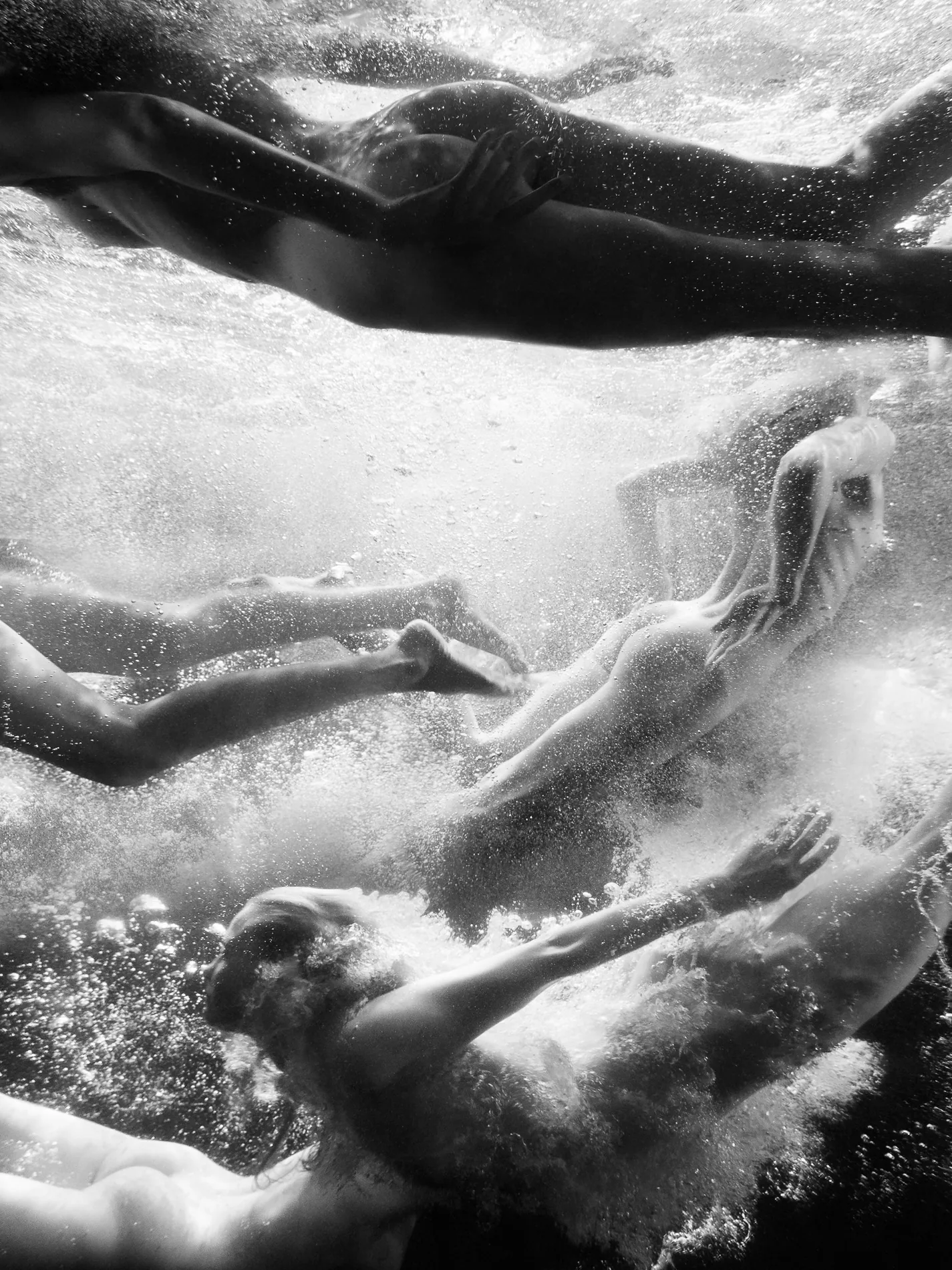
People — Roberto Pazzi, “A Childhood Between Cattle and Dust”
Children’s daily lives among the Mundari cattle camps in South Sudan are documented through labour, landscape and routine.
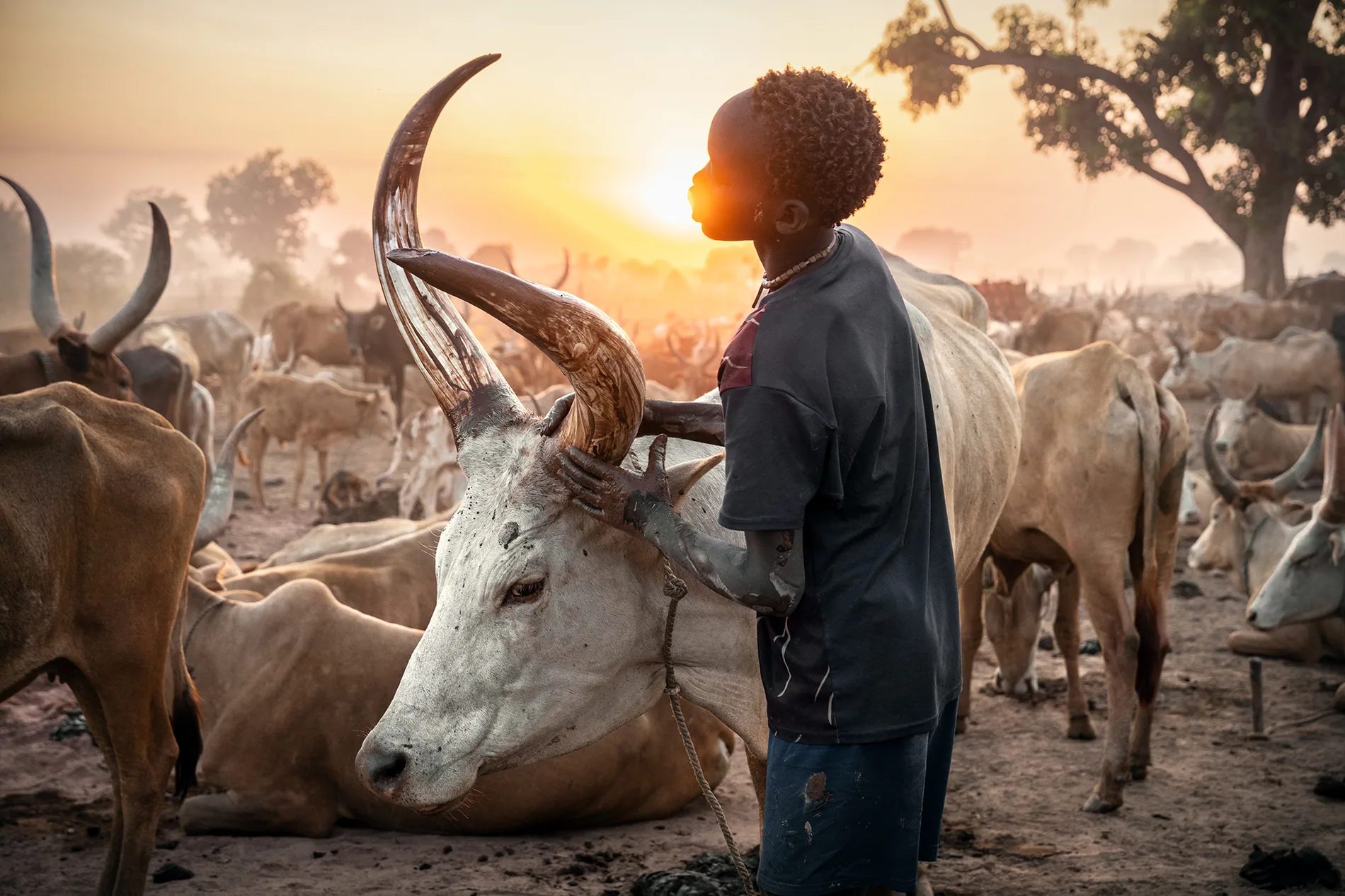
Photojournalism — Hamish John Appleby, “The Human Waterline”
The series examines dependence on water, from livelihoods and food to pollution and scarcity.
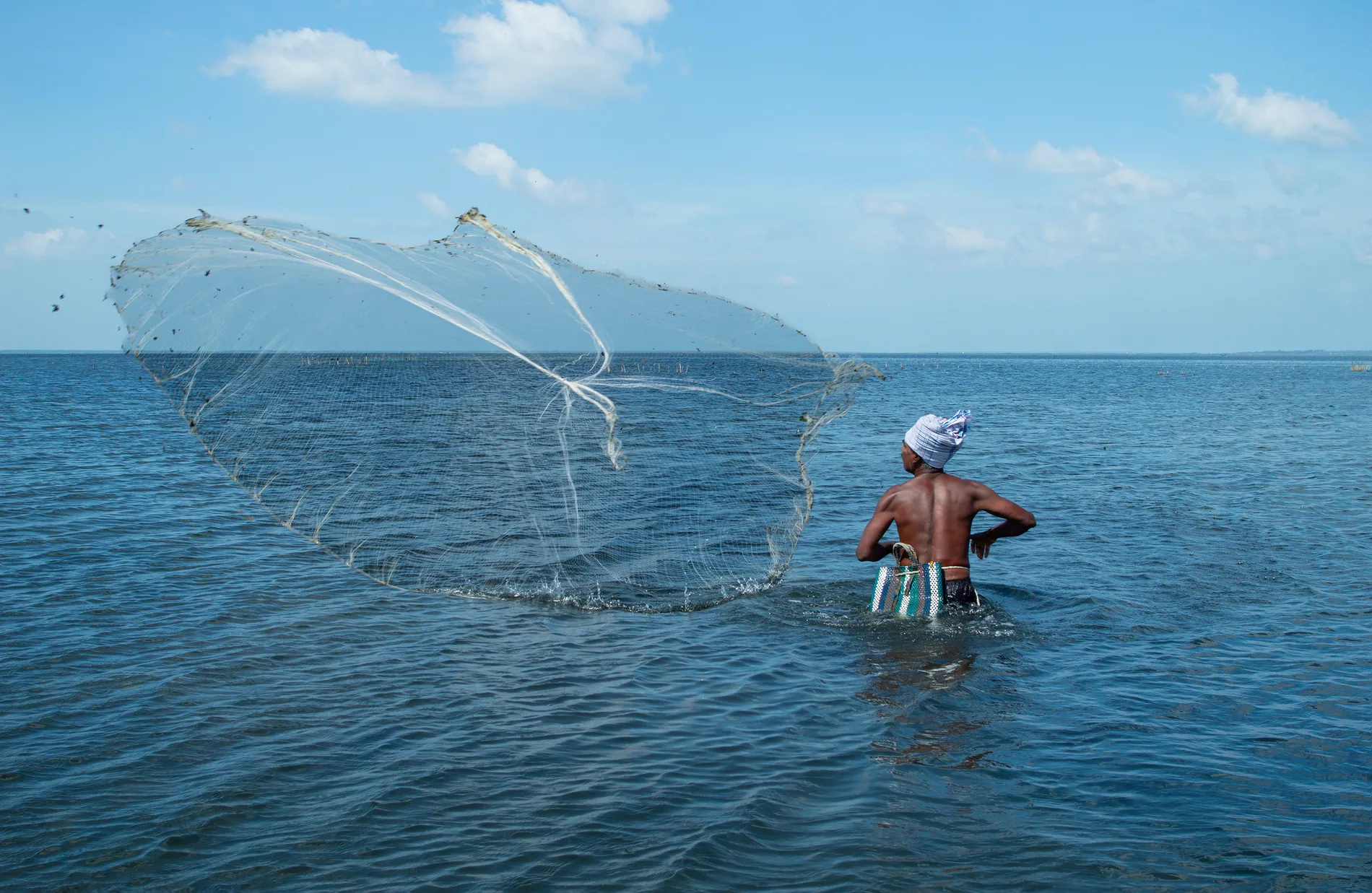
Portrait — Emma Brawley, “Depths”
At Coney Island’s Mermaid Parade, the photographer moves past spectacle to create intimate, theatrical portraits.
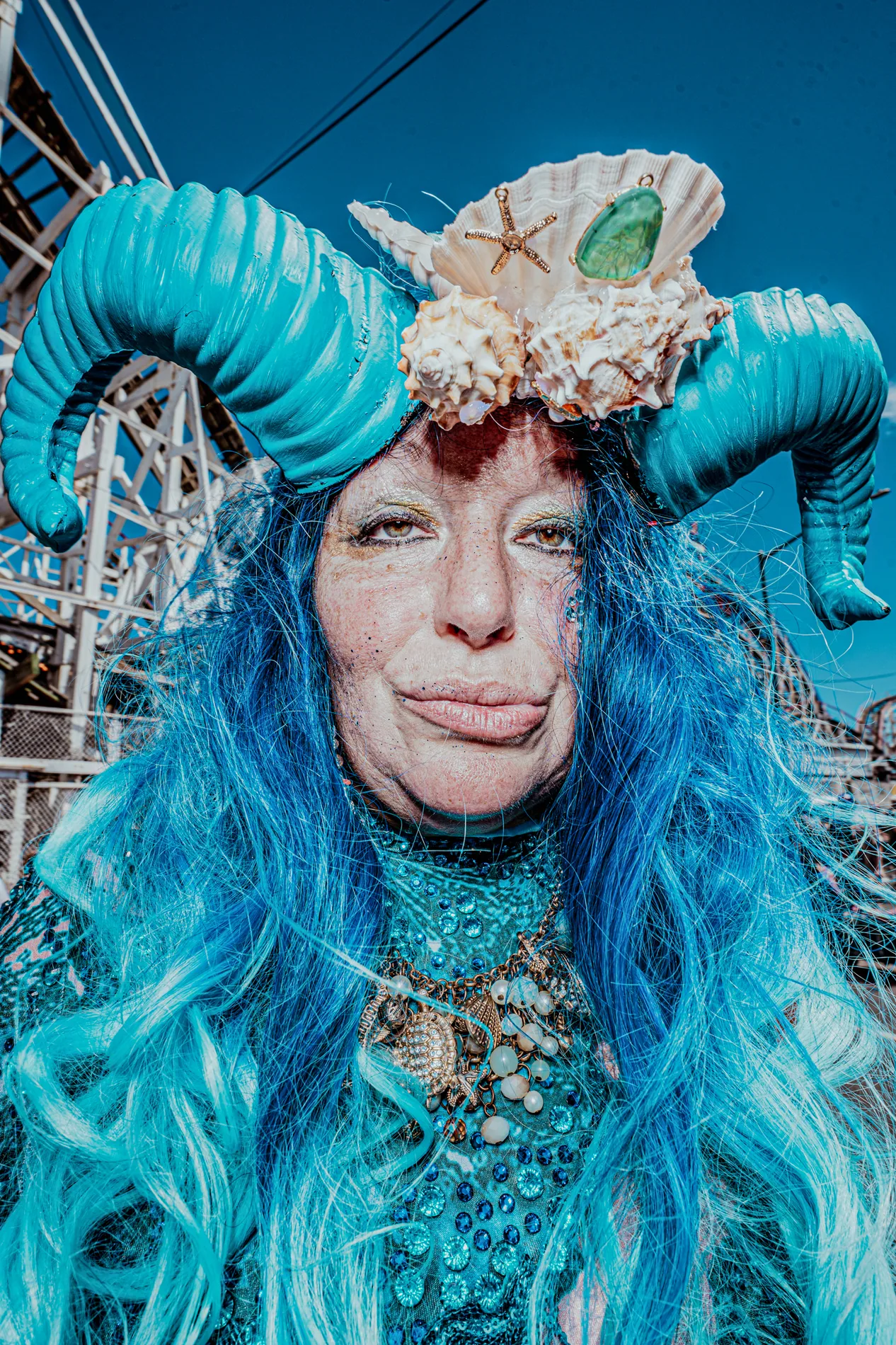
Still Life — Leslie Osterling, “My mother's kitchen”
A restrained black-and-white kitchen scene examines the memory carried by everyday objects.
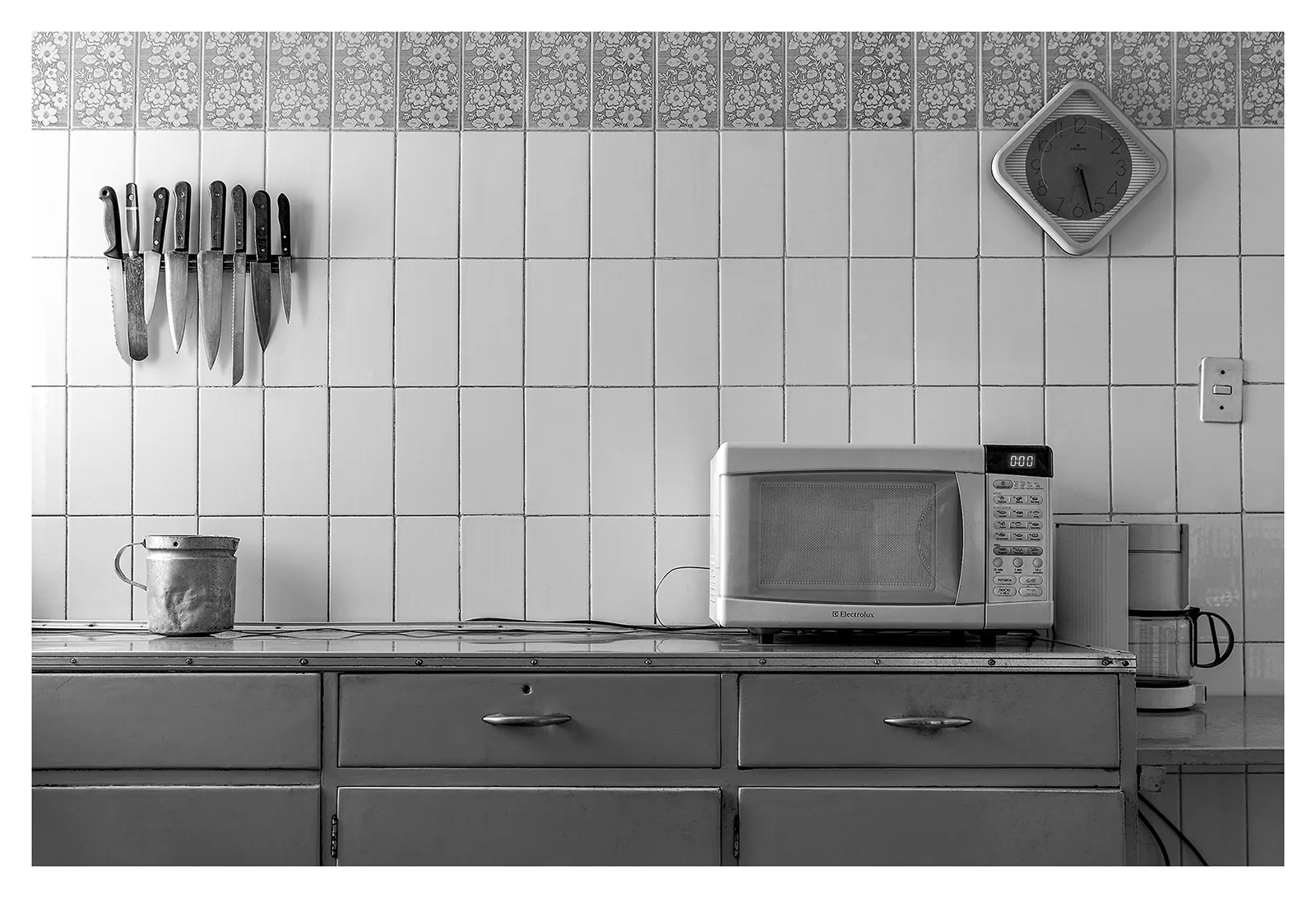
Storytelling — Sebastian Kahnert, “Social Geometry”
Using a three-metre monopod and a consistent overhead angle, human gatherings become visual patterns.
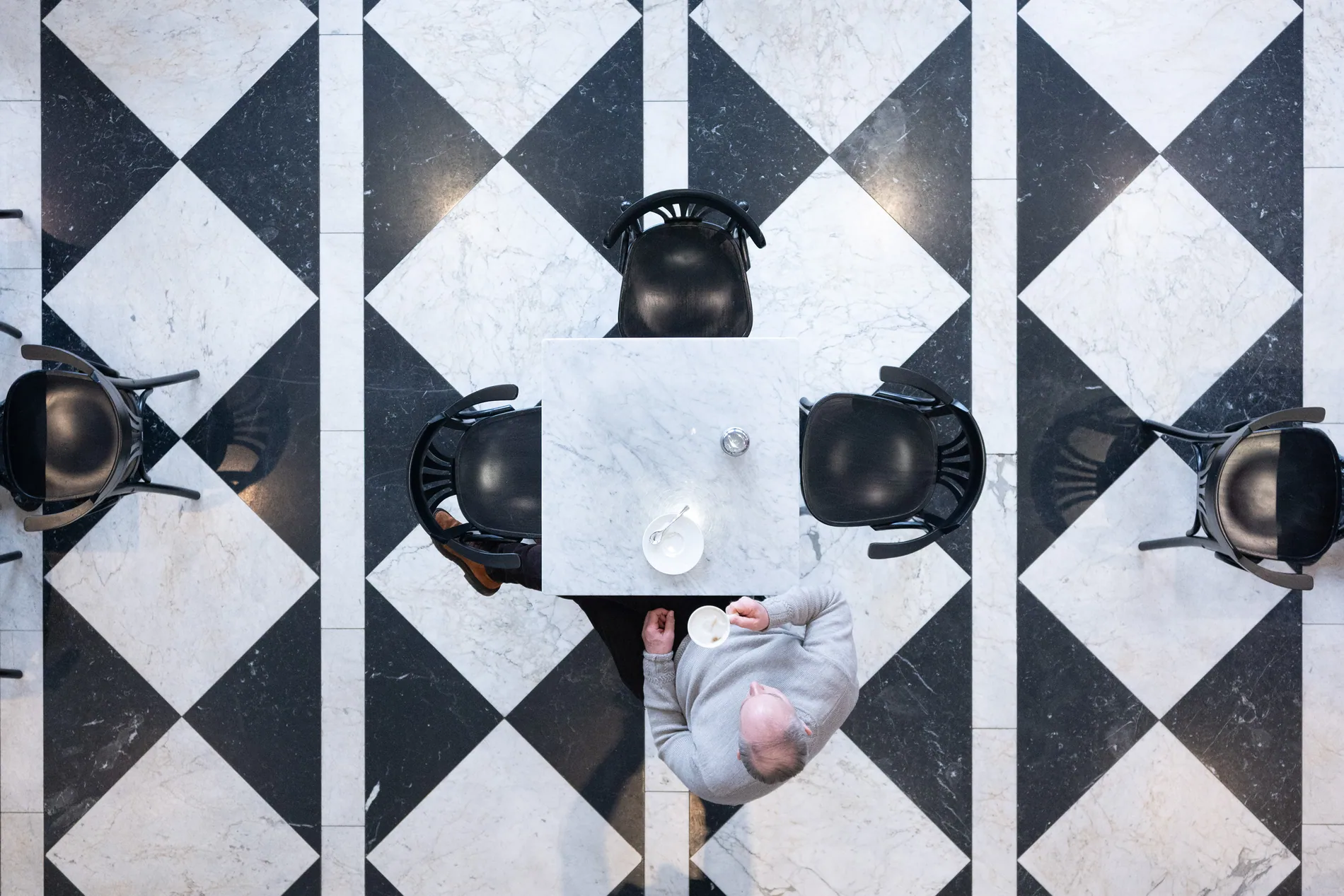
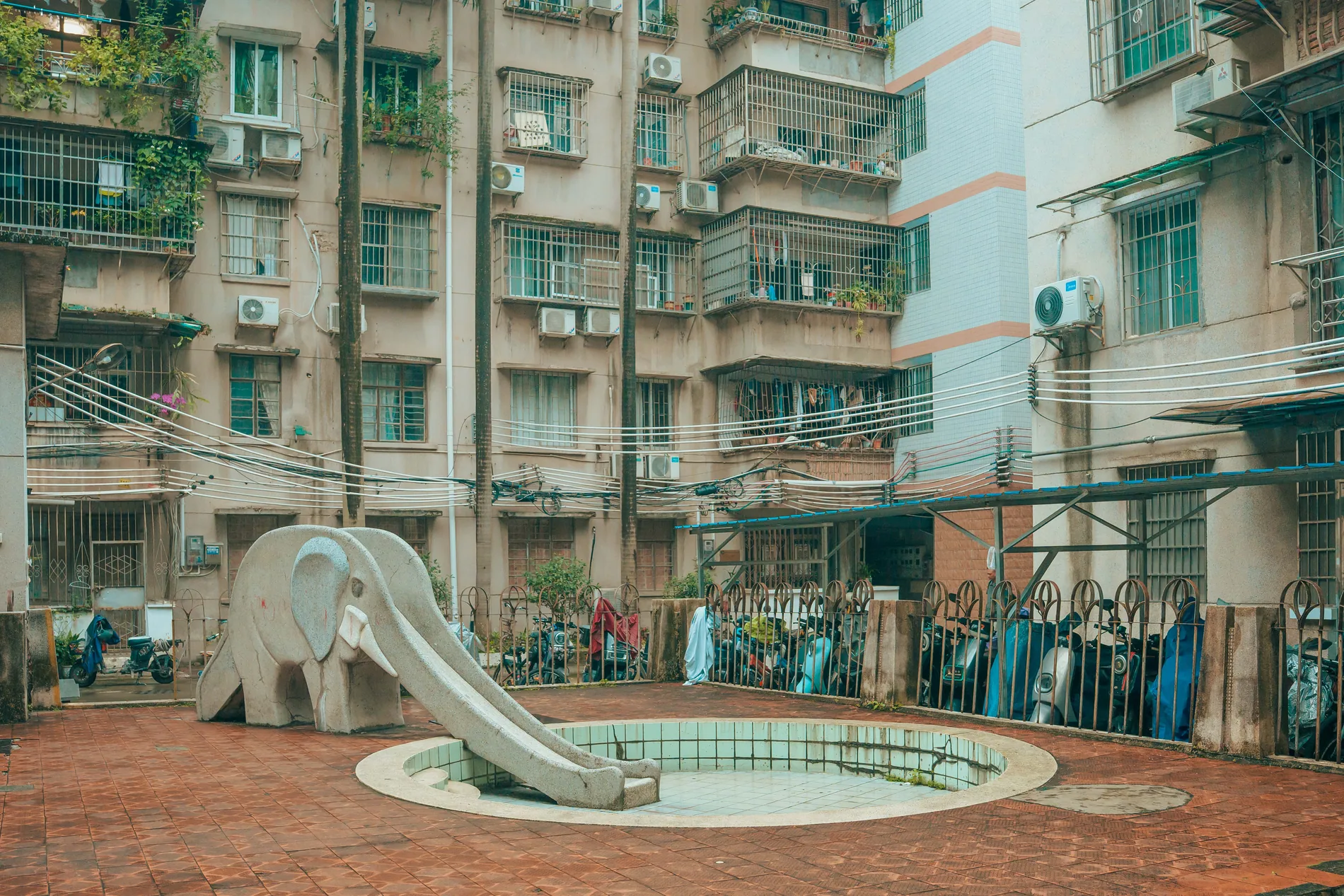
Street — Haishan Chen, “A fleeting dream”
Old elephant-shaped slides in Guangzhou become fragments of childhood memory amid urban redevelopment.
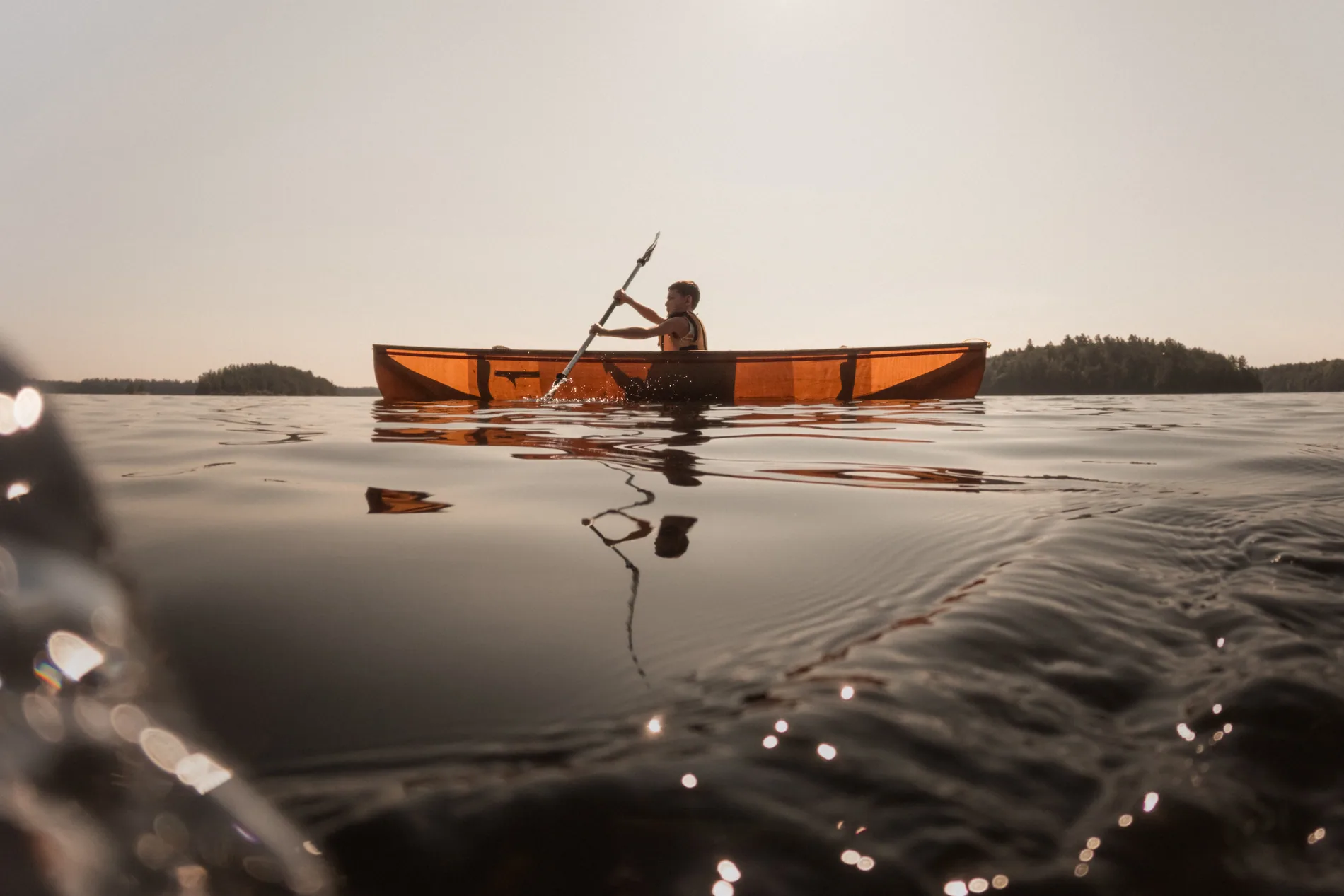
Travel — Leah Barad, “Morning on the Lake”
A child’s first canoe journey pairs a human milestone with a quiet lakeside scene.
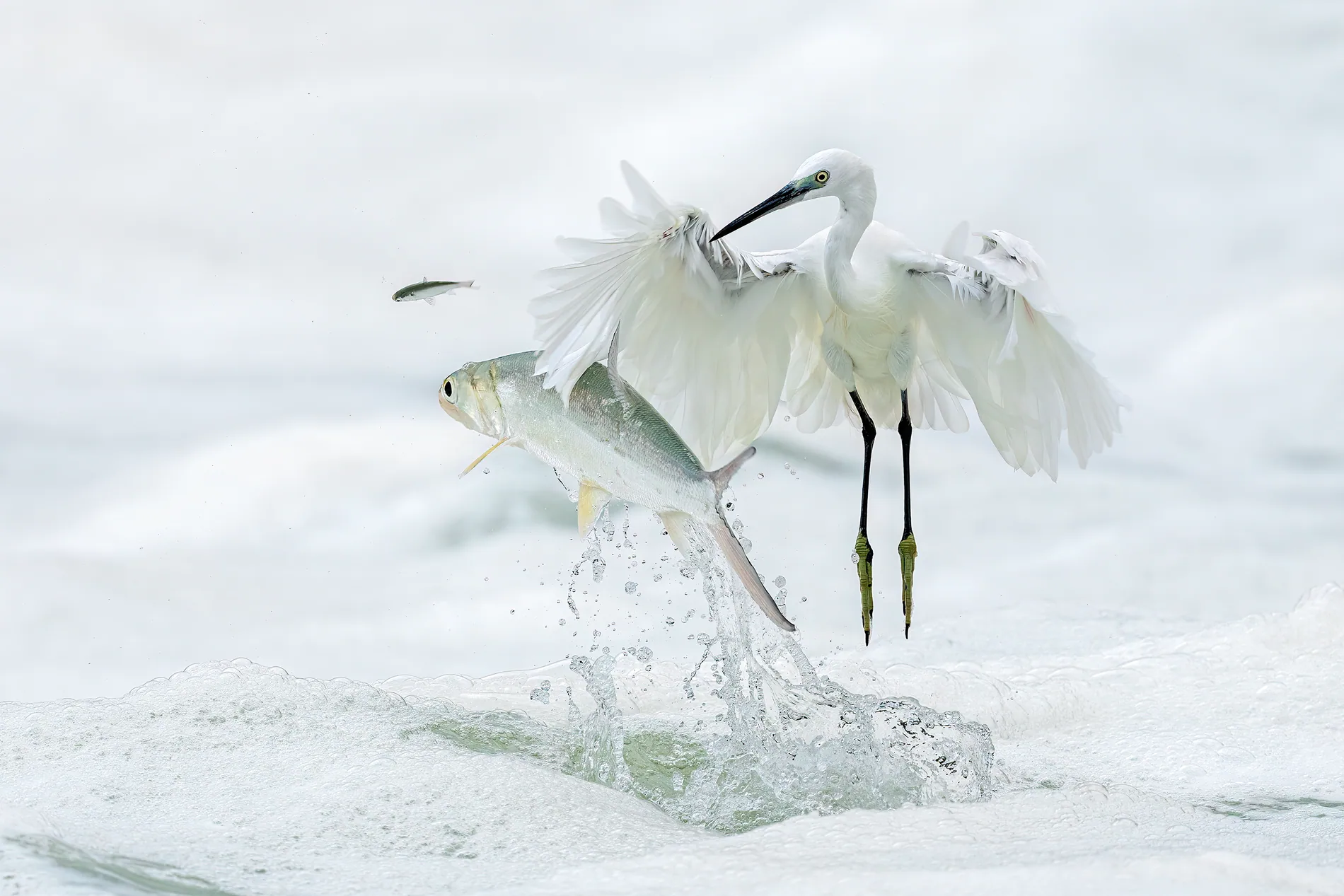
Wildlife — Xiaoping Lin, “Pass By”
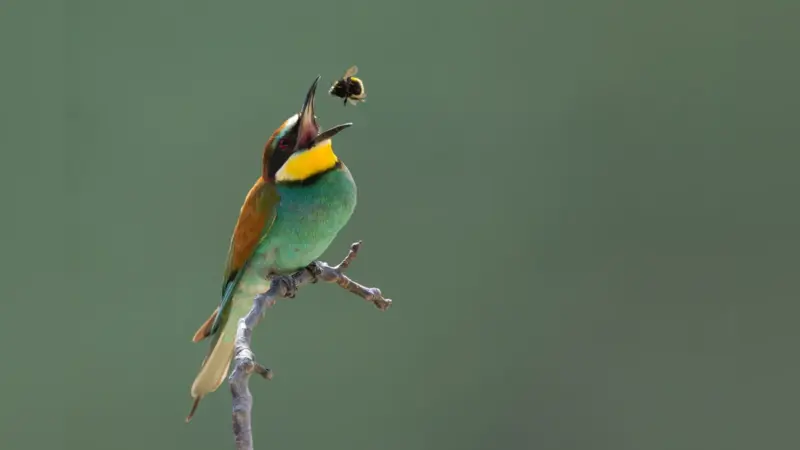
Fish break the water’s surface in front of an egret, showing the unpredictability of wildlife photography.
From analogue film to microscope photography
Twitch’s award highlights how 120 film can support carefully constructed visual narratives. In the same competition, Emily Hlavac Green’s “Year of the Cicada” centres personal memory within the Film/Analog category.
At the other end of the spectrum, Bevil Templeton-Smith photographs crystals with polarised light and a microscope, while Sebastian Kahnert uses a three-metre monopod for a consistent overhead view. In each case, the chosen equipment is integral to the visual idea.
The geometric strength of several winning images also echoes approaches seen at the Minimalist Photography Awards 2026, from landscapes to street photography.
What we think
Marchione’s series has something that spectacular single frames often lack: consistency. The challenge is not just finding an elusive subject in the dark, but returning with images that genuinely belong to the same photographic story.
Twitch’s work makes another point. Shooting 120 film is more than choosing a particular texture. In a staged series involving mythology, costumes and ordinary locations, medium-format film becomes part of the process: preparation, careful framing and deliberate exposure.
The two Greek distinctions are compelling beyond the medals. Konstantakou uses a handmade historical process to explore personal memory, while Moustakas makes wildlife photographs in which habitat matters as much as the animal. Both offer lessons in building a series rather than chasing a single strong frame.
Frequently asked questions
What is the difference between International Photographer and Discovery of the Year?
International Photographer of the Year is the top international award for the professional division; International Discovery of the Year is the corresponding honour in the non-professional division.
What is the 120 film used by Dammy Twitch?
120 is a roll-film format used primarily in medium-format cameras. The number refers to the film format, not to 120 exposures.