Summary
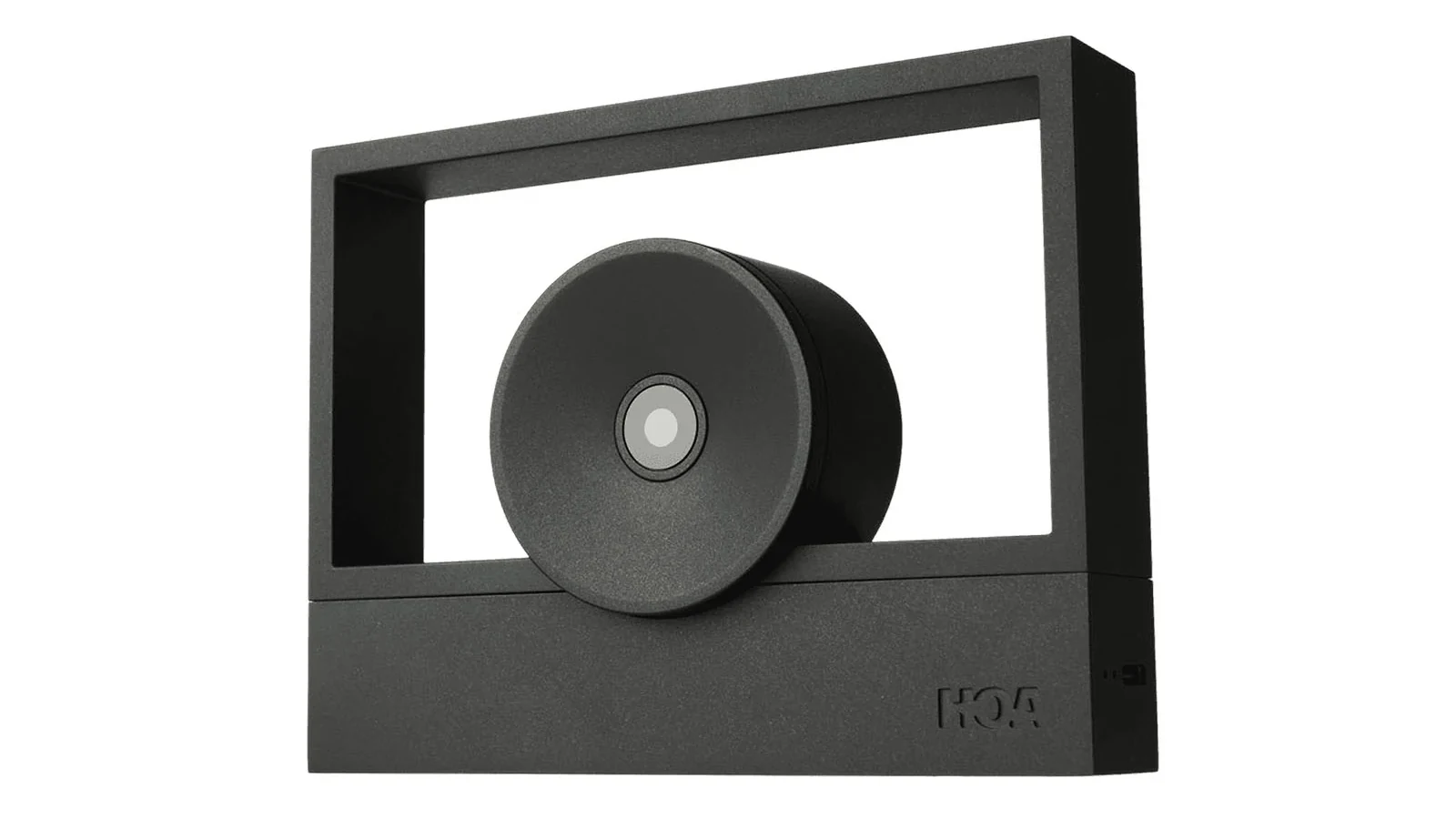
- The HOA A1 uses an open frame instead of a composition screen.
- It features a 16MP Sony sensor and a 26mm f/1.75 lens.
- ShootProof links captures to digital provenance certificates.
- A limited First Edition run of 100 units is planned.
South Korea’s Lutra has introduced the HOA A1, a digital camera that replaces the conventional framing screen with an open rectangle and promises verifiable evidence of each photo’s origin.
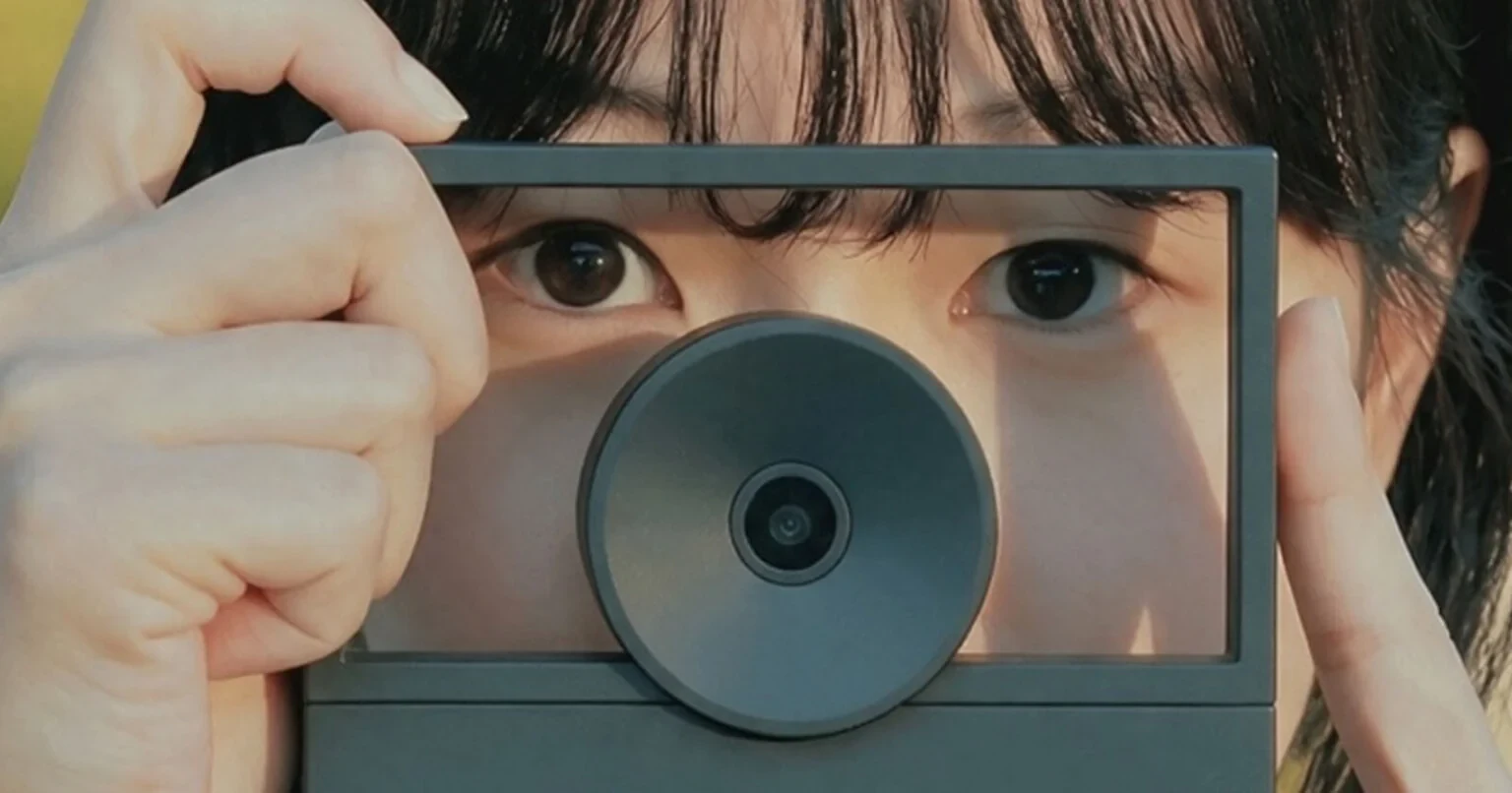
The lens sits in the middle of that frame. Instead of looking down at a screen or closing one eye against a viewfinder, the photographer can look directly at the person being photographed.
A camera built around eye contact
The HOA A1 has no conventional screen for composing or reviewing images, although a small status display provides information such as battery level and remaining shots. Its controls are deliberately simple, with a shutter button on top and a point-and-shoot approach.
Published specifications describe a 16-megapixel, 1/2.53-inch Sony sensor and a fixed 26mm-equivalent f/1.75 lens. Comprehensive sample photographs have not been published, so actual image quality cannot yet be properly assessed.
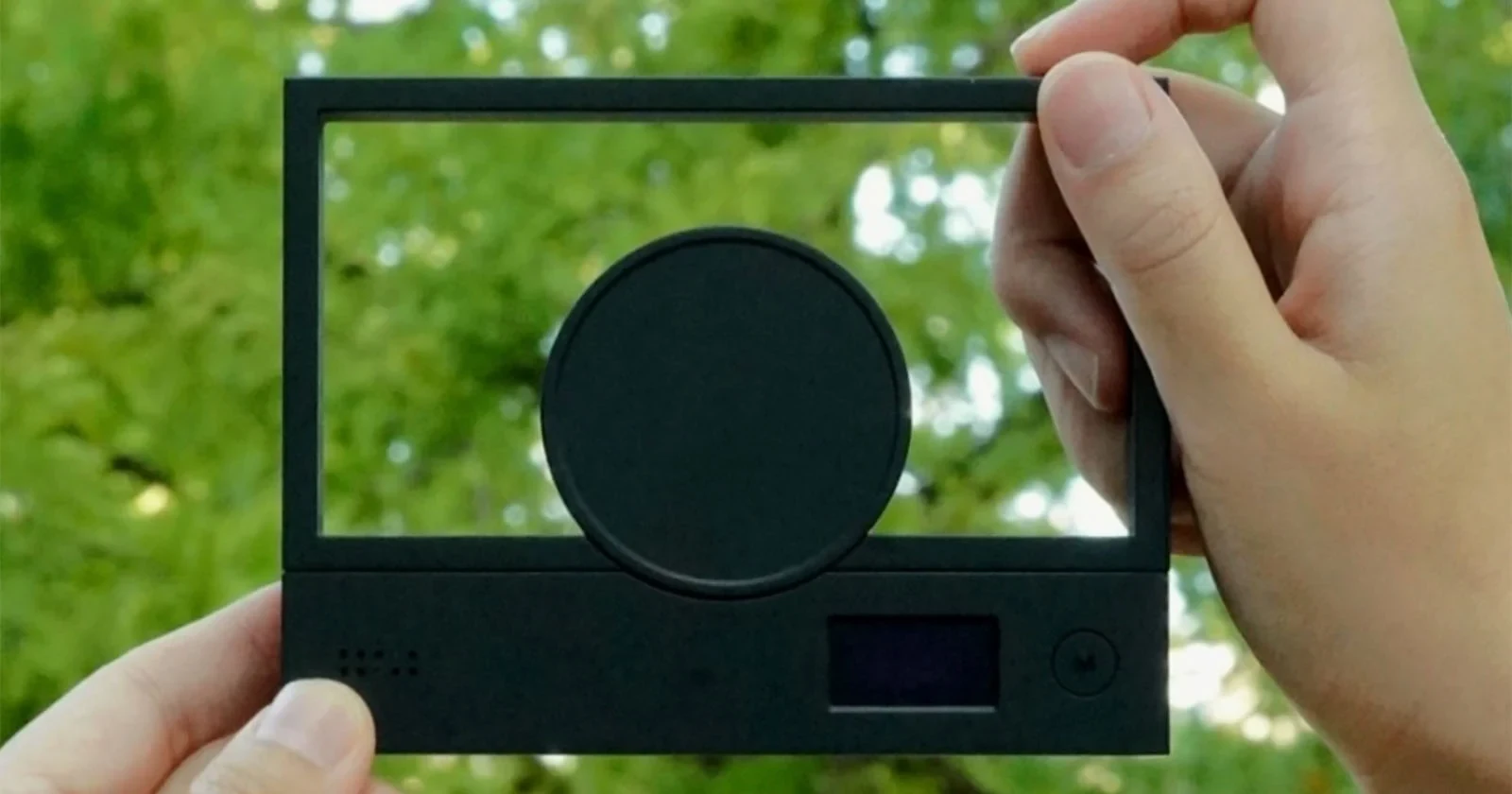
Photos are accessed through a smartphone and a wireless connection. Shooting can take place without internet access, but Wi-Fi is needed to view and retrieve images through the connected service.
ShootProof: what does it verify?
The camera’s second distinctive feature is ShootProof. According to Lutra, each photograph receives a digital certificate with verification information recorded on a public blockchain. The intention is to link the file to the capture process and allow subsequent changes to be checked.
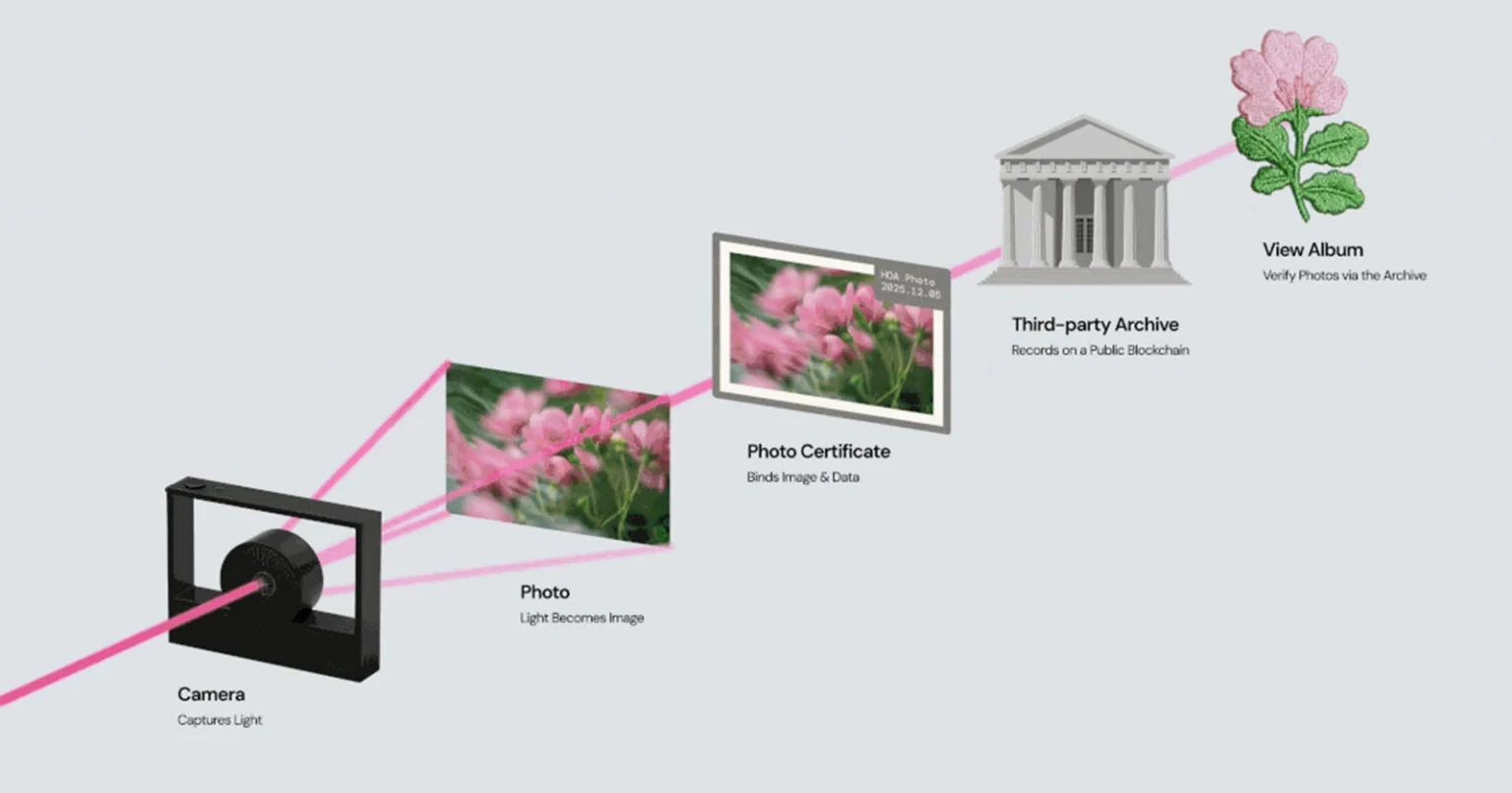
Proof of provenance is not proof that a photographed event was genuine. A staged scene or an image displayed on another screen can still be captured by a physical camera. Nor has an independent security assessment of ShootProof been published to establish its resistance to attacks or manipulation.
A related experiment is the CAIM1 camera, which generates cryptographic provenance evidence at capture. The wider challenge is making that evidence independently verifiable after an image has been transferred, edited or published.
Price and availability
The HOA A1 First Edition has been reported as a limited run of 100 individually numbered cameras, priced at 360,000 South Korean won or $289 for US customers. Published release dates conflict, so a specific launch day cannot yet be reliably confirmed. No official European price or general retail availability was identified.
More information here.
What we think
The design of the HOA A1 is genuinely interesting from a photographer’s perspective. Maintaining eye contact with someone while taking a picture could change how we interact with them. It will not suit every assignment, but for street portraits or casual photography, that simplicity has an appeal.
ShootProof also addresses something that more megapixels cannot solve. When a genuine photograph is dismissed as AI-generated, photographers need more than “trust me.” A verifiable record of capture could be useful, especially in photojournalism and documentary photography.
We would want to know how easily photographers can obtain both the original file and its verification evidence, and whether a recipient can check that evidence independently without depending on one app or server. Image quality matters just as much: an appealing concept alone does not make a camera useful for everyday shooting.
Frequently asked questions
Does the HOA A1 have no screen at all?
It has no conventional framing or image-review screen, but it does have a small display for basic status information.
Does ShootProof prove that a photo shows a real event?
No. It aims to document file provenance and integrity, not the truth of the scene being photographed.
Can its image quality be assessed yet?
Not independently on the basis of published sample images, because comprehensive final-camera photographs have not been released.