Summary
- The Looking Glass 2026 survey finds 56% say work negatively affects their mental health.
56% of people working in film and television say their work negatively affects their mental health, according to the Film and TV Charity’s Looking Glass 2026 survey in the UK.
The fifth edition collected 3,394 responses between 11 May and 22 June 2026. Since 2019, the study has tracked mental health and working conditions across film, television and cinema.
Improvement in the figures, but pressure remains
The share of respondents saying work damages their mental health fell from 63% in 2024 to 56% in 2026. Meanwhile, 31% rated their mental health as poor or very poor, compared with 35% in the previous survey.
25% reported high levels of loneliness, down from 30% in 2024. Another 23% said they had experienced suicidal thoughts during the previous 12 months, compared with 30% previously. Despite the decline, the level of distress remains deeply concerning.
Bullying and harassment affect more than one in three
37% of respondents reported experiencing bullying, harassment or discrimination, compared with 41% in 2024 and 53% in 2021. Furthermore, 62% have considered leaving the industry because of the effect of work on their mental health, while only 13% believe film and television are mentally healthy places to work.
Freelancers and employees show different trends
Among freelancers, the share reporting poor or very poor mental health fell from 38% to 31%. Those saying work negatively affects their mental health declined from 67% to 57%, and high loneliness fell from 32% to 27%.
By contrast, among full-time employees, poor or very poor mental health rose from 25% to 29%. Overall improvement therefore does not extend equally to every group of workers.
What we think
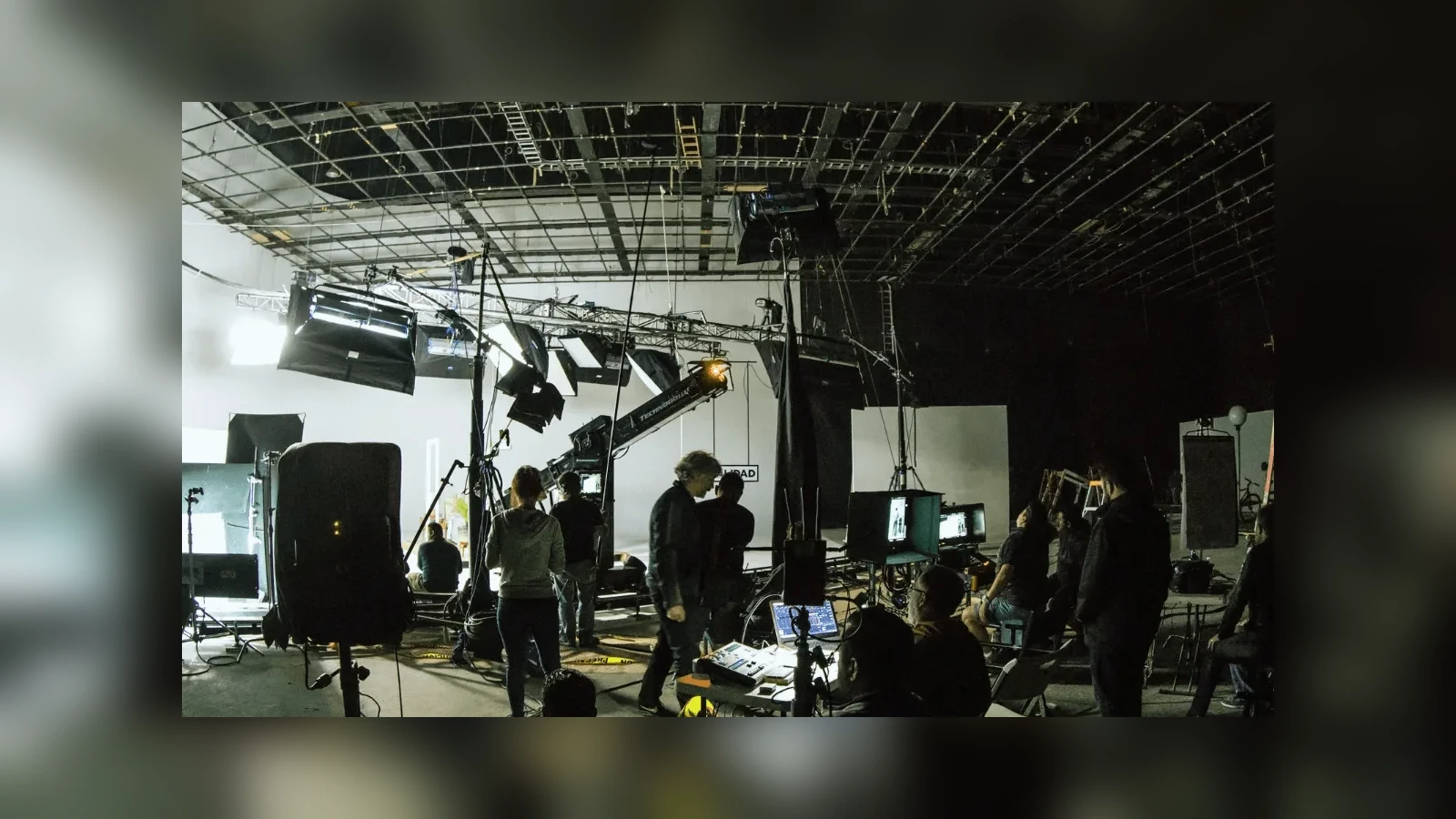
Anyone who has worked on a set knows that long production days, uncertainty about the next contract and pressure to meet the schedule are not minor details. When almost two in three people have considered leaving the industry, productions cannot afford to ignore the underlying problem.
Realistic schedules, clear reporting procedures and protection for people who speak up are essential. Mental health cannot be treated solely as a personal responsibility when the production itself shapes working conditions.
The conversation matters in Greece too. The PTTL 2026 survey of photographers in Greece examines professional life, fees, working hours and burnout among image-makers.