Summary
- The Motorola Signature 27 features a 50MP Sony LYTIA main camera and a 200MP periscope telephoto.
- A dedicated EVS sensor helps capture moving subjects.
- Video recording includes 4K Dolby Vision at 60fps across the rear cameras and 8K at 60fps on the main and telephoto cameras.
- Official European prices vary by market.
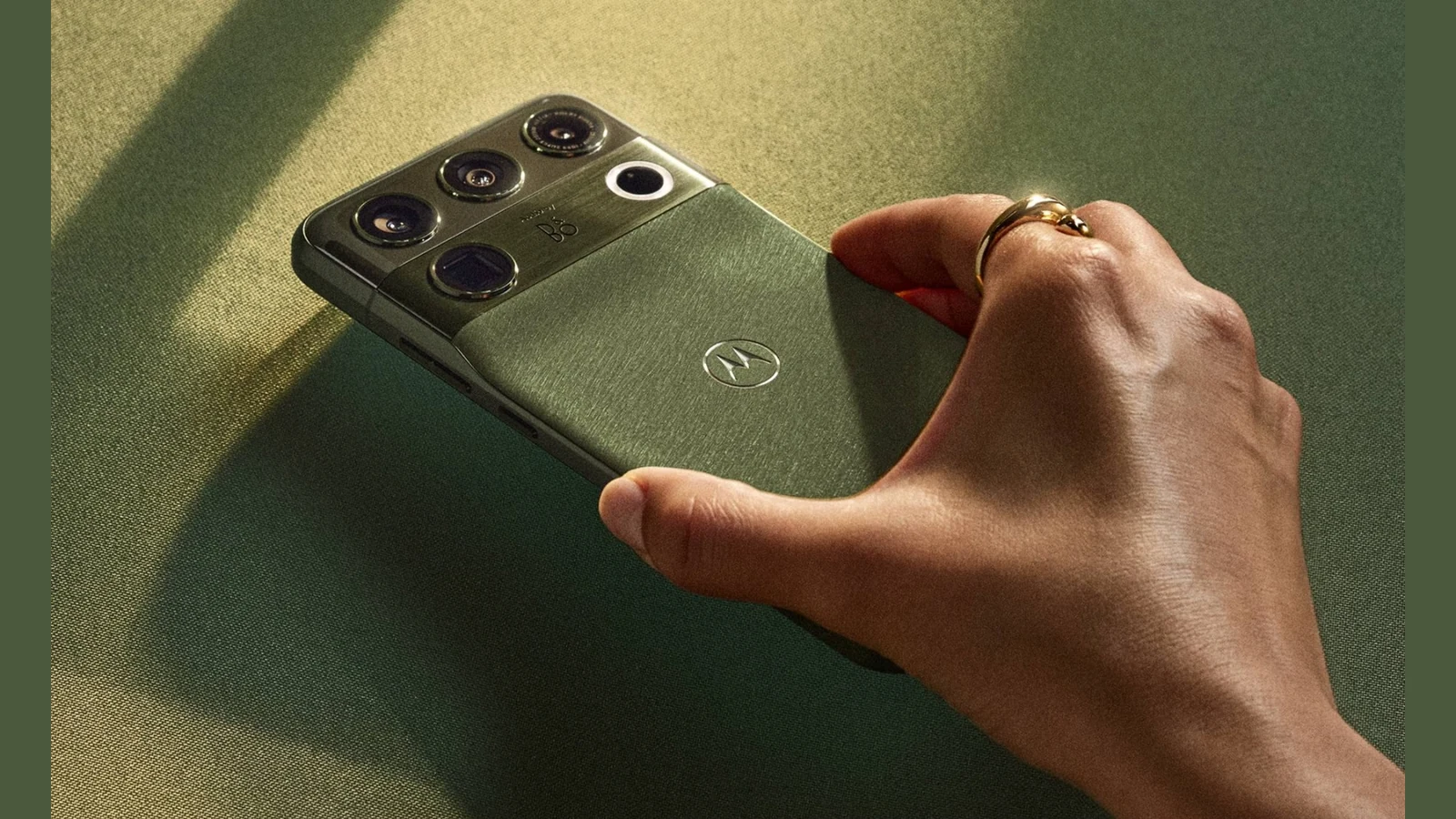
With a 200MP periscope telephoto, a 50MP Sony LYTIA main camera and a separate motion-sensing chip, the Motorola Signature 27 aims to be a compelling phone for photographers and video creators.
Motorola first previewed its new flagship at the Snapdragon Summit in September 2026, and a detailed official product page is now available. Alongside its processor and display, the emphasis is an imaging system that combines dedicated optics with computational processing.
Sony LYTIA main camera and 200MP periscope telephoto
The main camera uses a 50MP Sony LYTIA L910 sensor with LOFIC technology, designed to preserve more information in highlights and shadows. That is particularly relevant for high-contrast scenes, such as concerts and city streets at night.

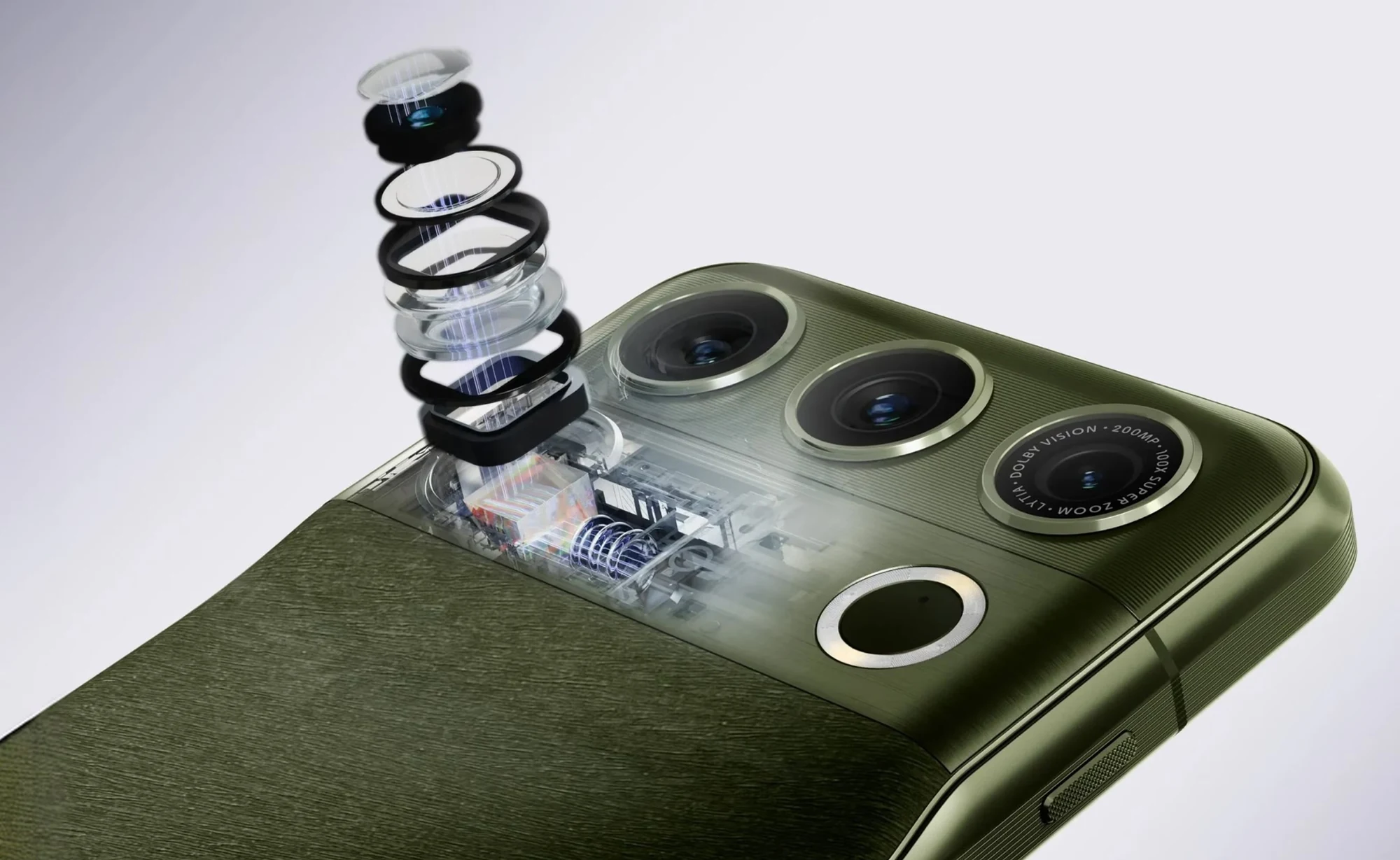
The standout feature is a 200MP periscope telephoto with 3x optical magnification. High resolution allows more flexibility to reframe and crop, while Super Zoom Pro reaches up to 100x with AI-assisted image processing. It is important to distinguish the optical 3x capture from an image enhanced by AI at extreme zoom levels.
There is also a 50MP 122-degree ultrawide camera with macro focusing down to 2.5cm, plus a 50MP autofocus selfie camera. The ultrawide typically combines pixels to produce 12.5MP photographs.
EVS Action Sensor: a different way to approach moving subjects
The phone has a dedicated Event Vision Sensor (EVS), which detects pixel-level changes in light intensity and gathers motion data separately from the main cameras. Working with Action Shot, it helps the phone react to moving subjects and reduce blur, including in difficult light.
For photographing children, wildlife or fast action, the practical promise is recognising movement before the moment passes. A separate motion sensor does not, however, eliminate the physical constraints of shutter speed or available light.
Dolby Vision video, 8K recording and stabilisation
Motorola specifies 4K Dolby Vision at up to 60fps across all rear cameras and 8K at up to 60fps with the main and telephoto cameras. Its Video Enhancement Engine processes colour, exposure, noise and detail in real time, while stabilisation combines Qualcomm Electronic Image Stabilization and a 3.5-degree optical OIS mechanism.
For filmmakers, the nominal 8K resolution may be less useful than reliable exposure, autofocus and colour when lighting or camera changes. Dolby Vision offers extended visual range on compatible screens and workflows, but it does not replace the need to assess file formats, thermal performance and editing flexibility.
Display, performance and design
The Snapdragon 8 Elite Extreme Gen 6 is paired with a cooling system using diamond-infused thermal gel and a 3D vapour chamber. The 6.78-inch Extreme AMOLED Duo uses a tandem OLED structure, with Motorola claiming peak brightness of up to 12,000 nits — a peak-condition figure, not sustained full-screen brightness.
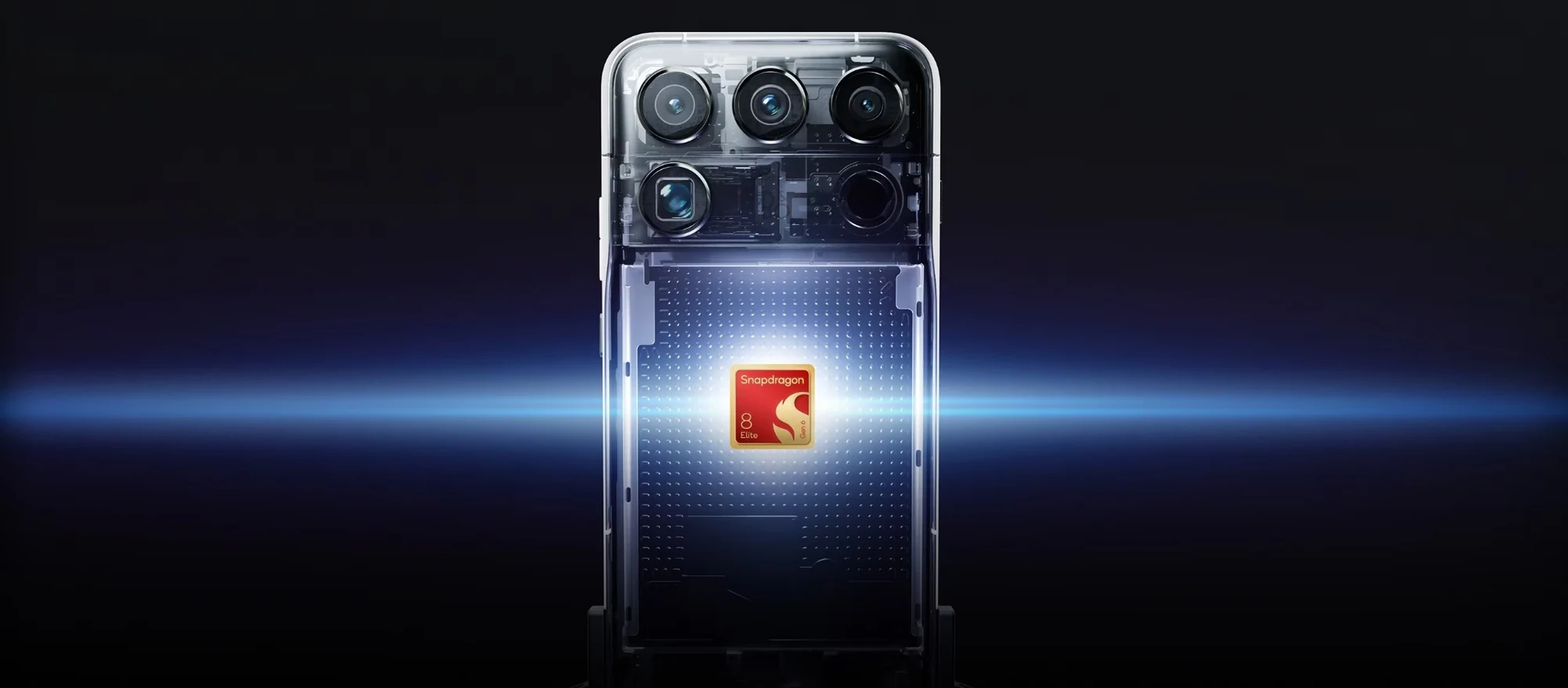
The chassis combines aluminium, ceramic detailing and textured finishes in PANTONE Capulet Olive and Coal Smoke. Audio is developed with Bang & Olufsen, and Motorola promises seven operating-system upgrades and up to seven years of security updates.
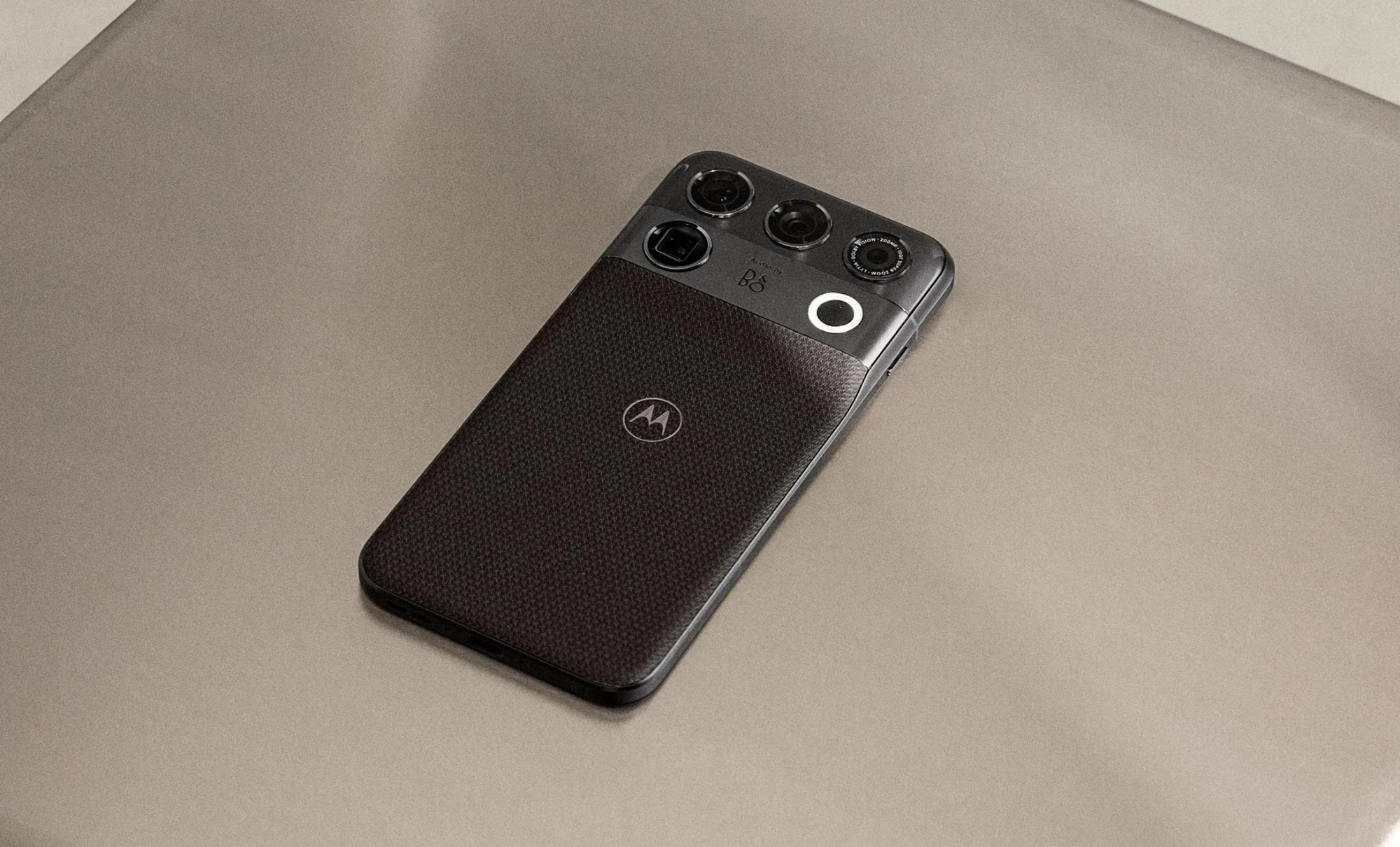
Build quality also matters in everyday use, especially for creators shooting on location or travelling with minimal equipment.

More information here.
Price and availability
Official French and German Motorola listings show €1,899 for a 12GB/512GB version, while the Irish page shows a different local price of €1,399.99. No confirmed Greek price or immediate availability was found on the Greek product page checked. These figures should not be treated as offers for Greece.
What we think
A 50MP main sensor, 200MP periscope and dedicated EVS sensor are a more meaningful combination than simply adding megapixels. If you photograph people in motion or use a phone for behind-the-scenes footage, these are capabilities with a clear practical purpose.
We are more interested in the 3x optics and motion capture than the AI-assisted 100x headline. Predictable quality at a useful focal length often matters more than an extreme zoom figure. For video, consistency between cameras and control in challenging lighting will ultimately determine how useful the phone is for creators.
With pricing reaching €1,899 in some European markets, expectations are understandably high. The Signature 27 has hardware worth considering seriously, but for real production work we would look at actual files and video workflow options before being won over by specifications alone.