

Summary
- Manios Cine Tools is the official Blazar distributor in Greece
- The available range covers 1.33x, 1.5x and 2x anamorphic lenses for full frame and Super 35
- Talon and Apex add autofocus to selected E-mount systems
- Mantis, Remus, Beetle, Cato, Viper and Sentinel cover different sizes and looks
- Prices start at €680.76 including VAT for individual models
Blazar anamorphic lenses now have an official and expanded presence in the Greek market, with Manios Cine Tools distributing a range that extends from compact 1.33x models to full-frame 2x sets and autofocus options.
The development matters to filmmakers and rental houses because it brings local availability, pricing and support together for lenses with different squeeze factors, sensor coverage, mounts and focusing methods.
A range that goes beyond one anamorphic look
Blazar does not follow a single optical recipe. Its ranges differ in squeeze, coverage, flare, size and mechanics, allowing creators to choose between subtle anamorphic character and more pronounced oval bokeh or horizontal flares.
The local range currently includes Apex, Beetle, Cato, Great Joy adapter, Mantis, Remus, Sentinel, Talon and Viper. This makes it possible to compare compact lenses, traditional manual cinema sets, autofocus options and zoom solutions within the same ecosystem.
Mantis and Beetle: 1.33x for 16:9 capture
Mantis uses a 1.33x squeeze and covers full-frame sensors. When shooting 16:9, desqueeze produces an image close to 2.39:1 without the very wide expansion of a 2x lens. The lenses offer T2, 14 iris blades, 180-degree ring rotation and interchangeable PL, E, EF, RF, L and Z mounts depending on configuration.
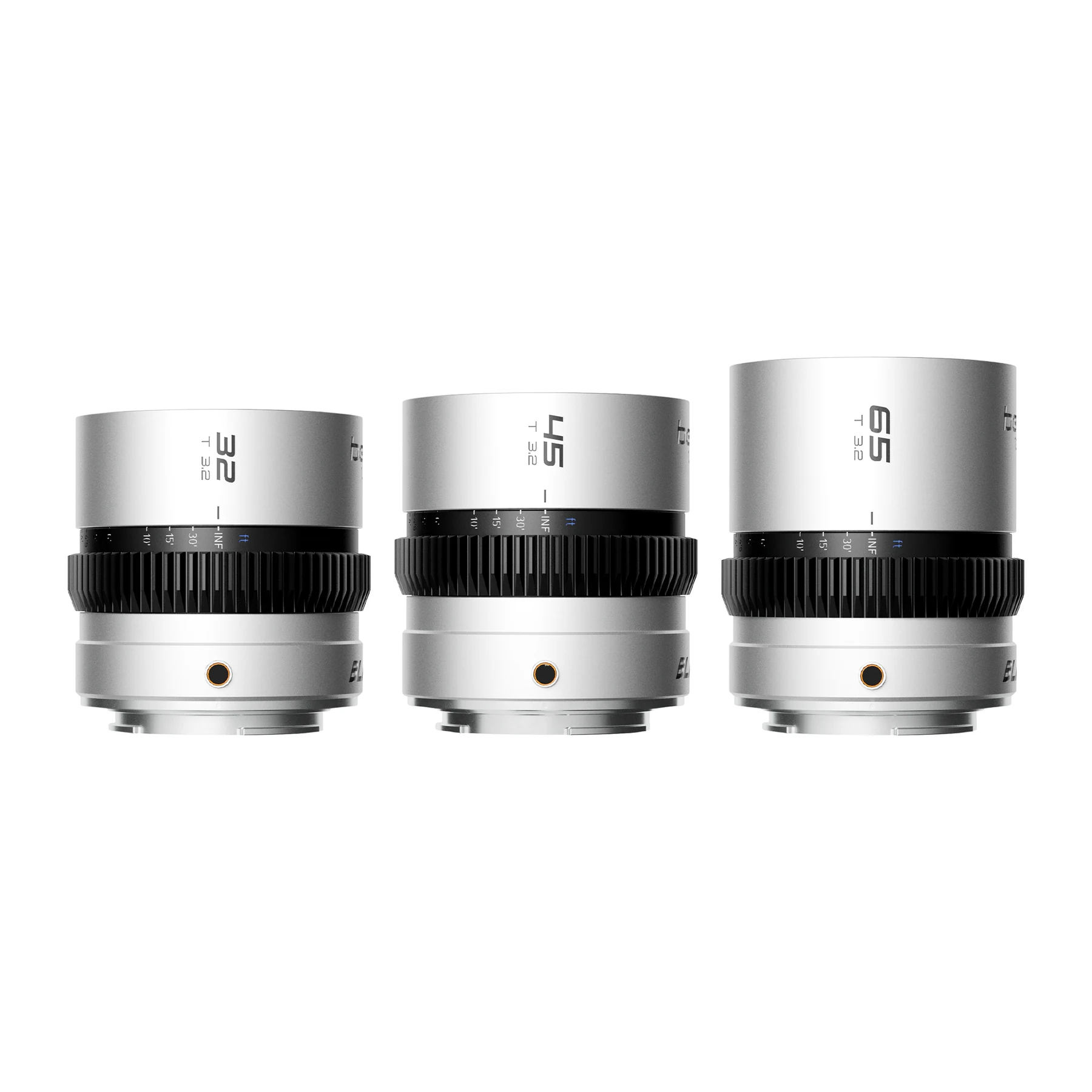
Beetle also uses a 1.33x squeeze but prioritises smaller bodies and lower weight. The 32mm, 45mm and 65mm lenses are available individually or as a three-lens set, fitting gimbals, compact rigs and mobile productions.
Remus, Viper and Talon: 1.5x as a middle ground
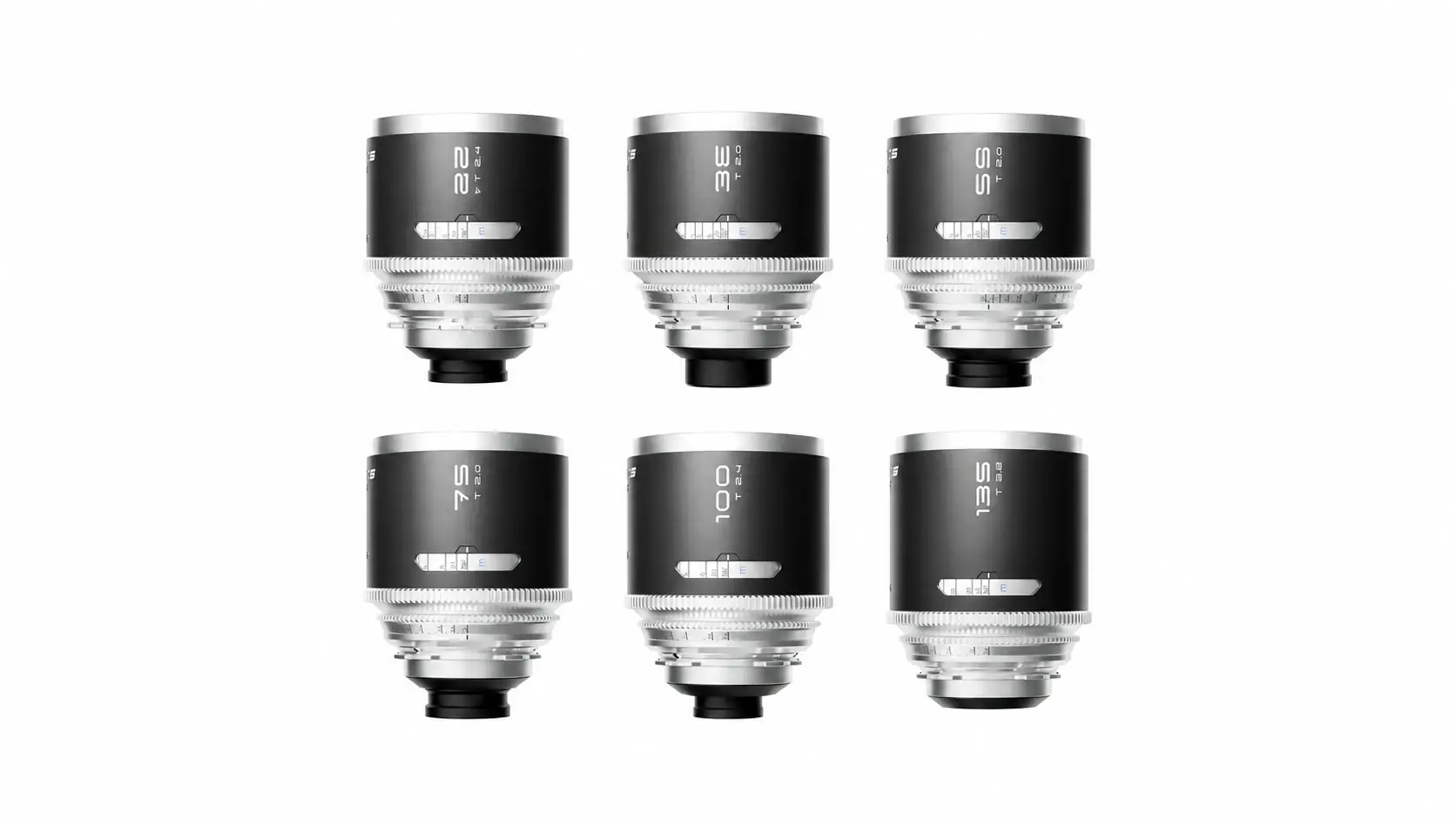
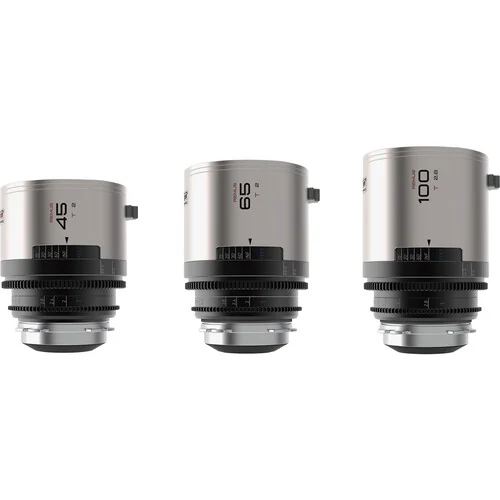
Remus lenses are manual full-frame 1.5x models at T2.0, available in 45/65/100mm or 50/85/125mm sets. The 1.5x squeeze creates more visible anamorphic traits than 1.33x without the framing and desqueeze demands of a 2x system.
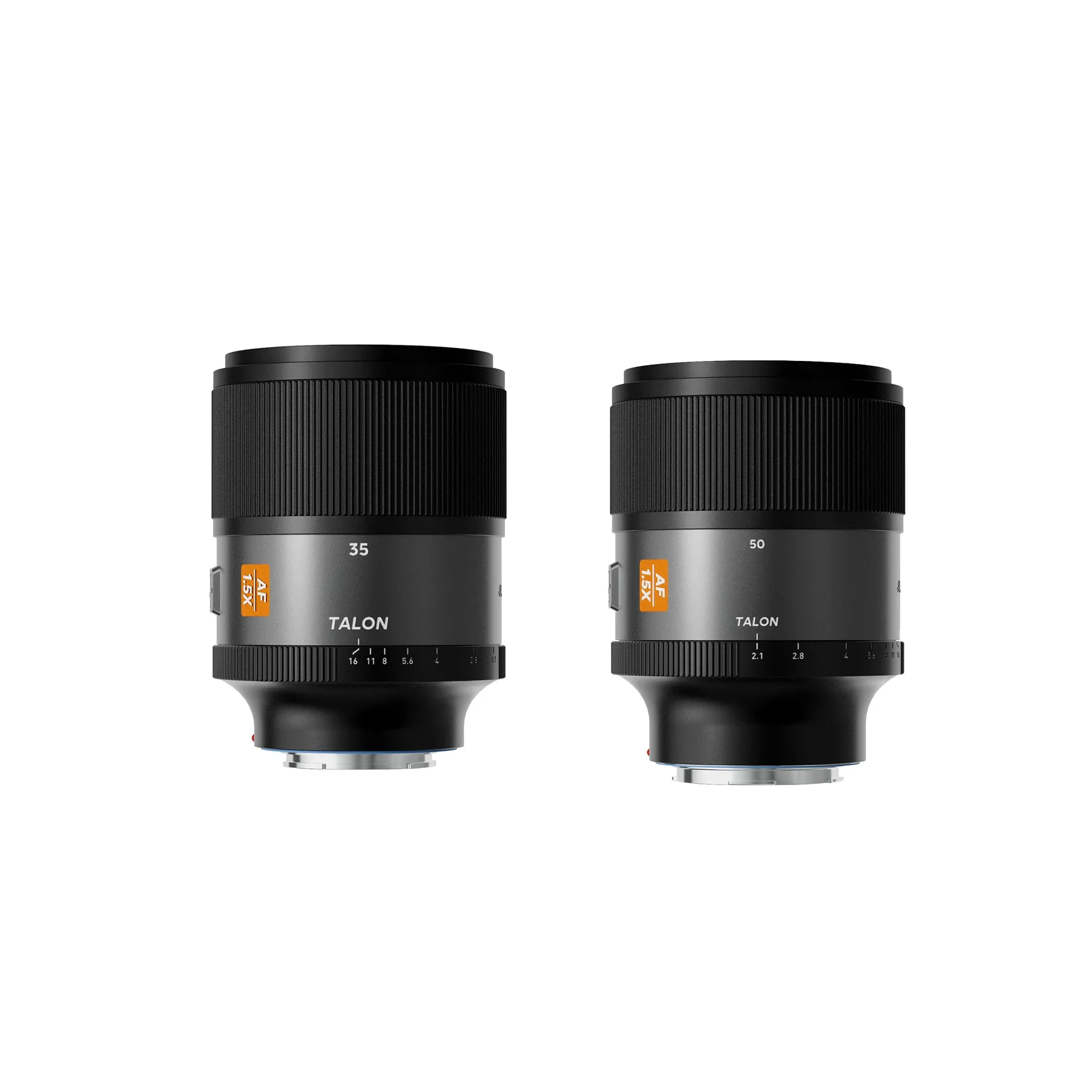
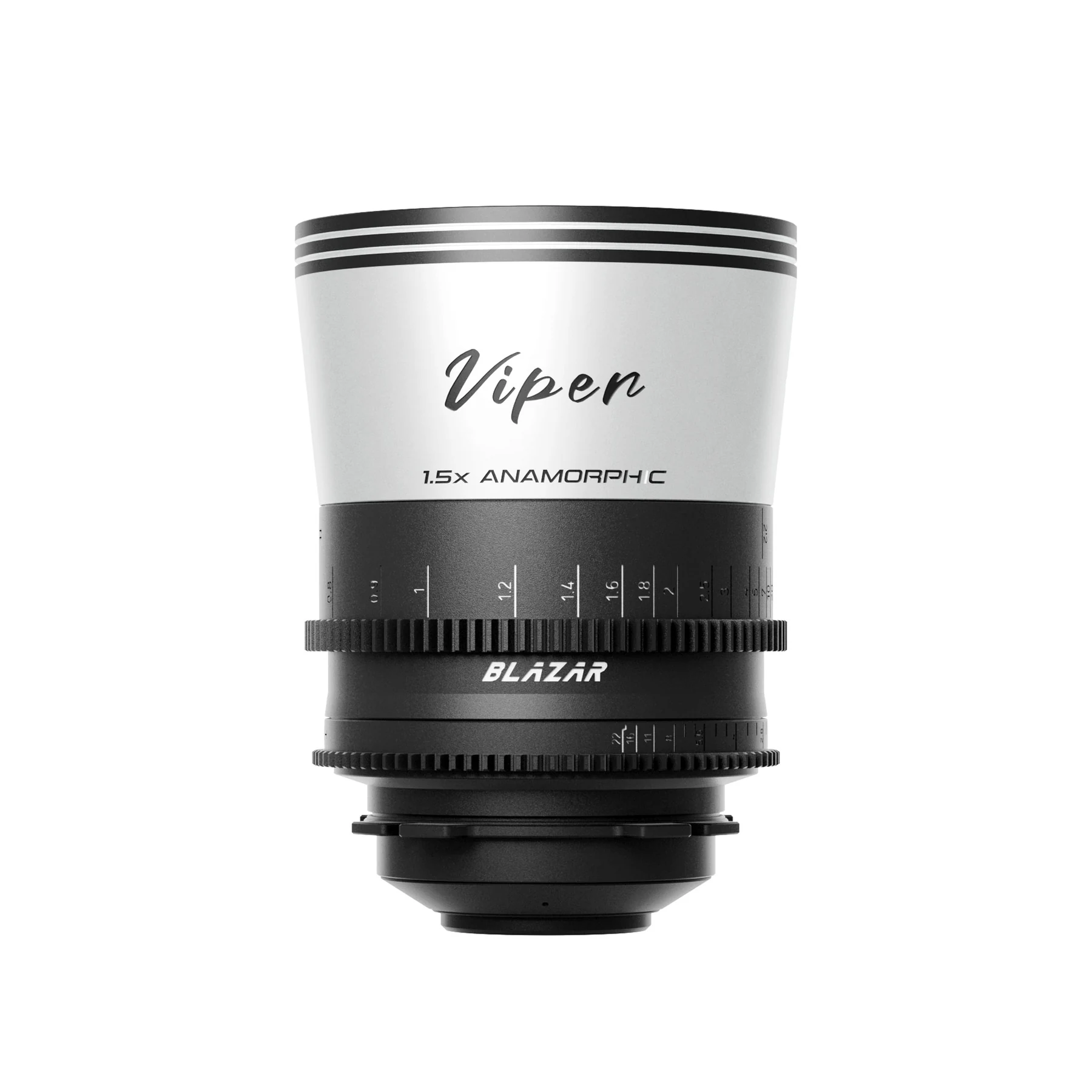
Viper expands the full-frame 1.5x category at T2.1, while Talon adds autofocus in E-mount configurations. Autofocus still requires compatibility testing, but it opens anamorphic shooting to solo operators and small crews without a dedicated focus puller.
Cato 2x and Sentinel zoom
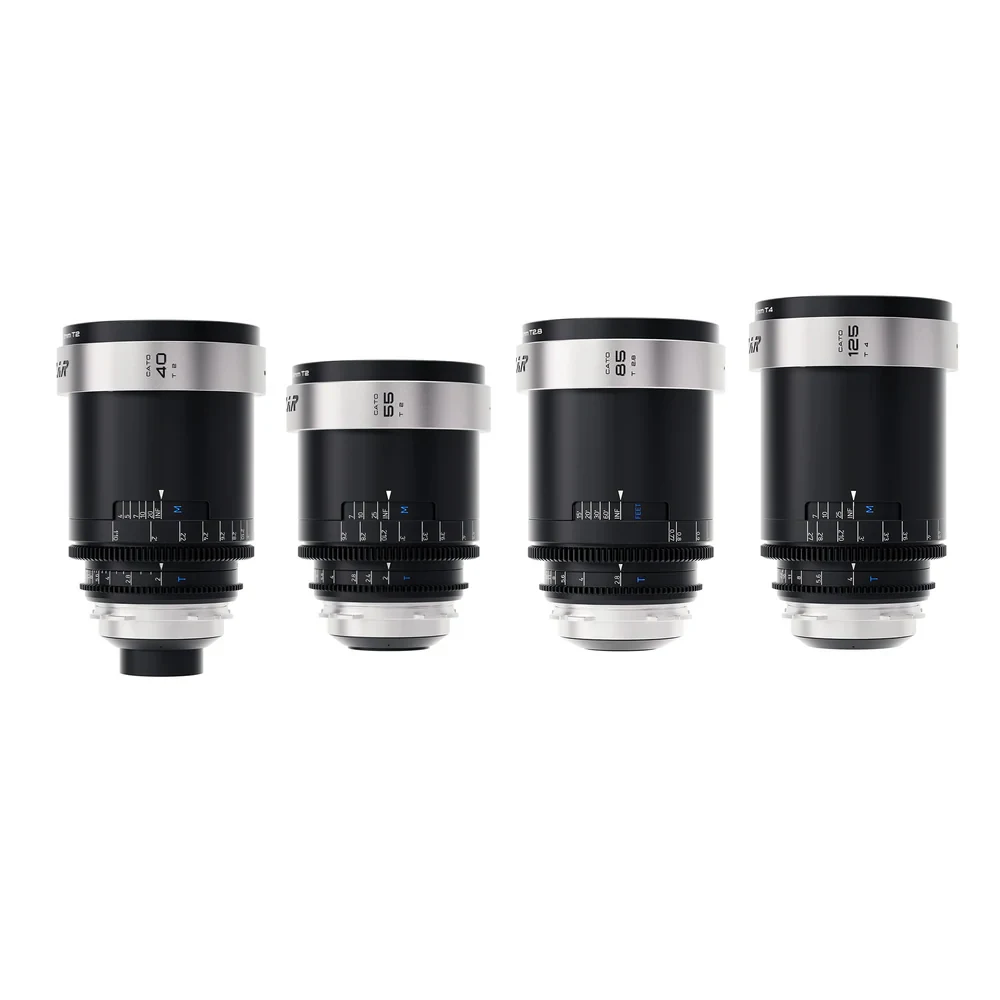
Cato uses a 2x squeeze for a stronger anamorphic rendering and is available as a 40mm, 55mm, 85mm and 125mm set. It targets productions seeking more pronounced oval bokeh, flares and the classic geometry of a 2x system.
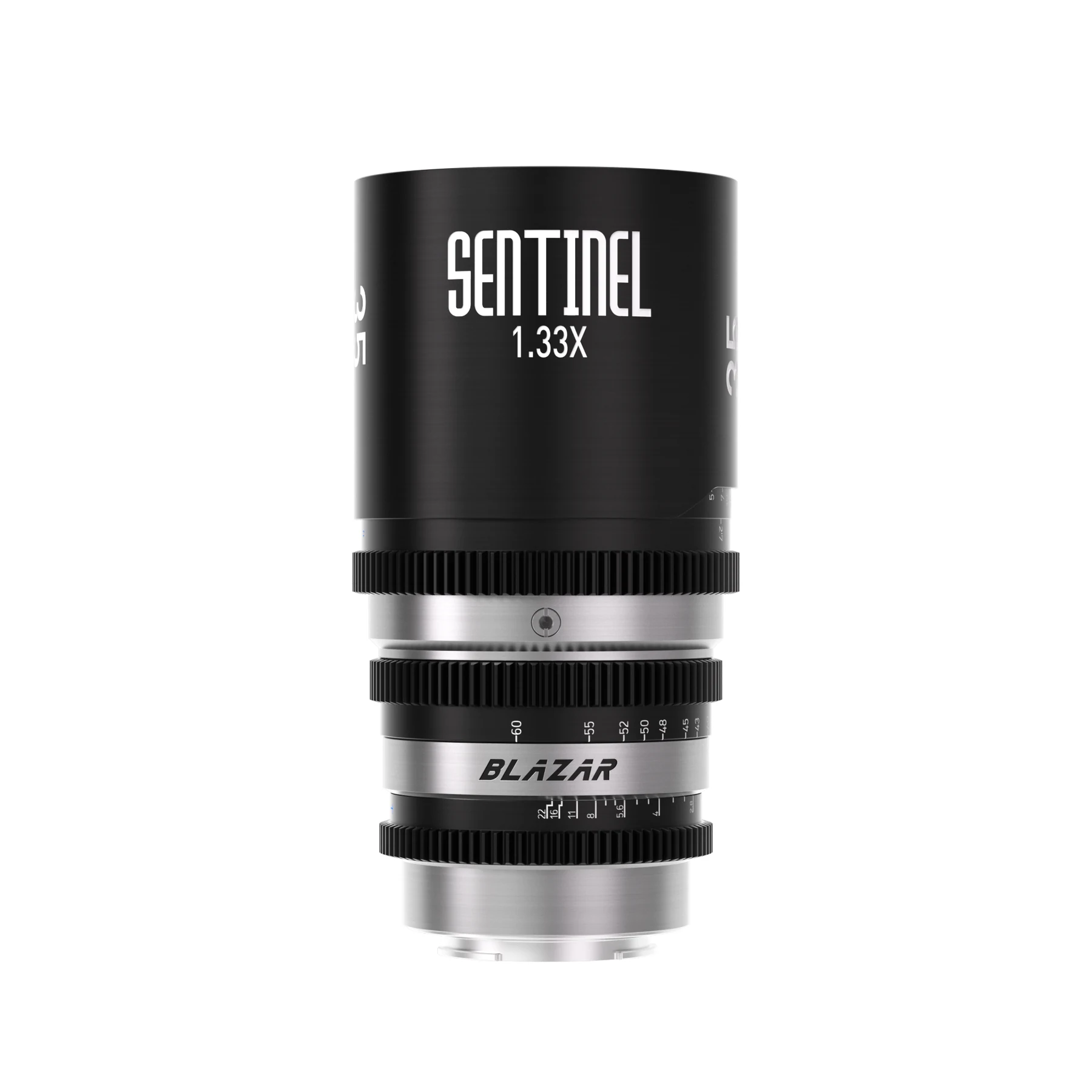
The Sentinel Full Frame 1.33x Anamorphic Zoom adds zoom flexibility to a field dominated by primes. For documentary, commercial and fast productions, reframing without changing lenses can save time and reduce how often the camera package is opened on set.
Apex: autofocus for Super 35
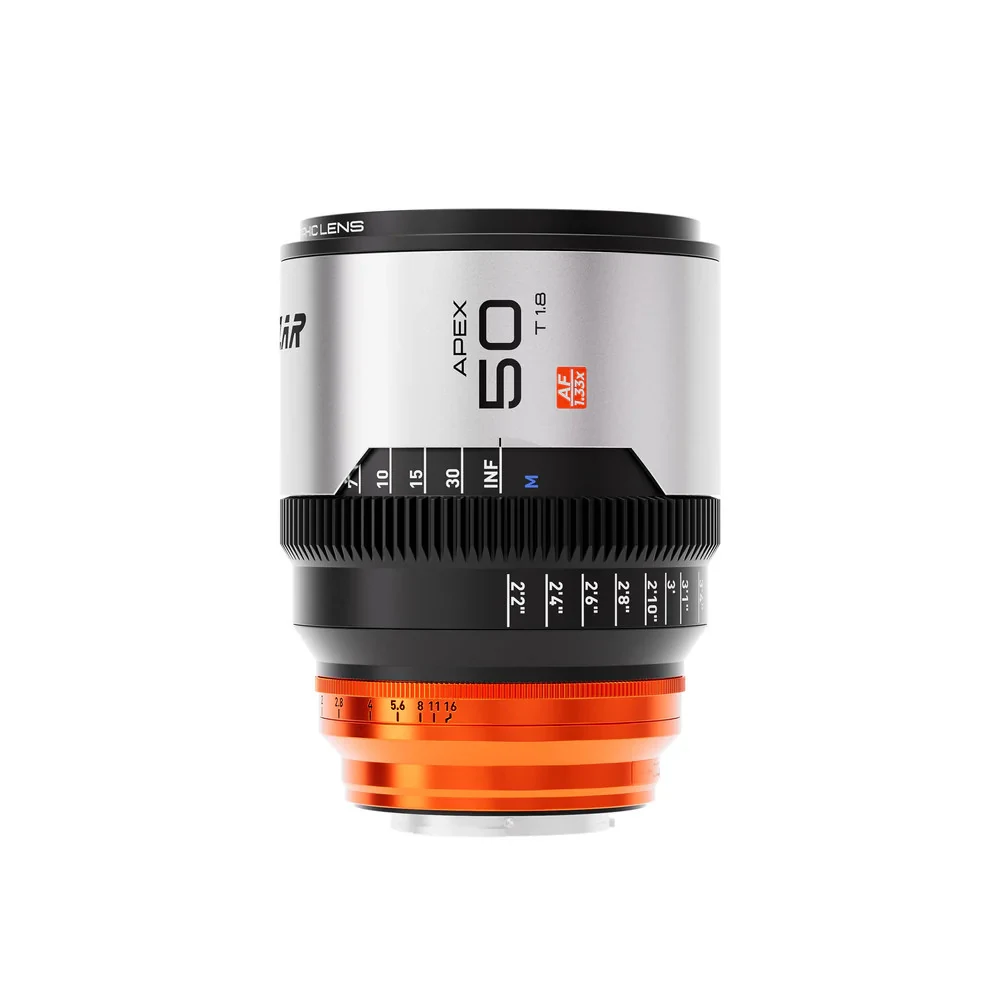
The Apex 50mm T1.8 1.33x covers Super 35 and provides autofocus, making it a different proposition from the company’s manual full-frame lenses. Its T1.8 aperture and compact form are relevant for low light, handheld work and cameras where autofocus is part of the normal workflow.
Availability and price
The current Blazar range is available from Manios Cine Tools. Individual Beetle 32mm, 45mm and 65mm lenses are listed at €680.76 including VAT, the three-lens Beetle set at €1,734.76, the Apex 50mm at €990.76 and Talon/Viper models from €1,238.76. Complete Mantis, Remus and Cato sets vary by focal length selection and mount.
What we think
The value of official Greek distribution is not simply another brand in a catalogue. It creates a comparison point for different anamorphic approaches, from lightweight 1.33x systems to 2x sets and autofocus models. A Blazar choice should be based on squeeze, sensor format, mount, flare behaviour and production focusing workflow. Local support makes that testing and matching more practical.
Frequently asked questions
Which squeeze factors are available?
The range includes 1.33x, 1.5x and 2x lenses, producing different final aspect ratios and levels of anamorphic character.
Are Blazar autofocus lenses available?
Yes. Apex and Talon include autofocus models for selected E-mount configurations.
Do all Blazar lenses cover full frame?
No. Many ranges are full frame, but the Apex 50mm is designed for Super 35. Coverage should be checked for each model.
Why is 1.33x practical on 16:9 sensors?
After desqueeze it produces an image close to 2.39:1, using more of the 16:9 sensor height than stronger squeeze factors.