

Summary
- The New York Times is restricting Photoshop 2027 on photographic assignments.
- The concern involves generative AI tools and their metadata.
- The decision reflects the need to preserve trust in photojournalism.
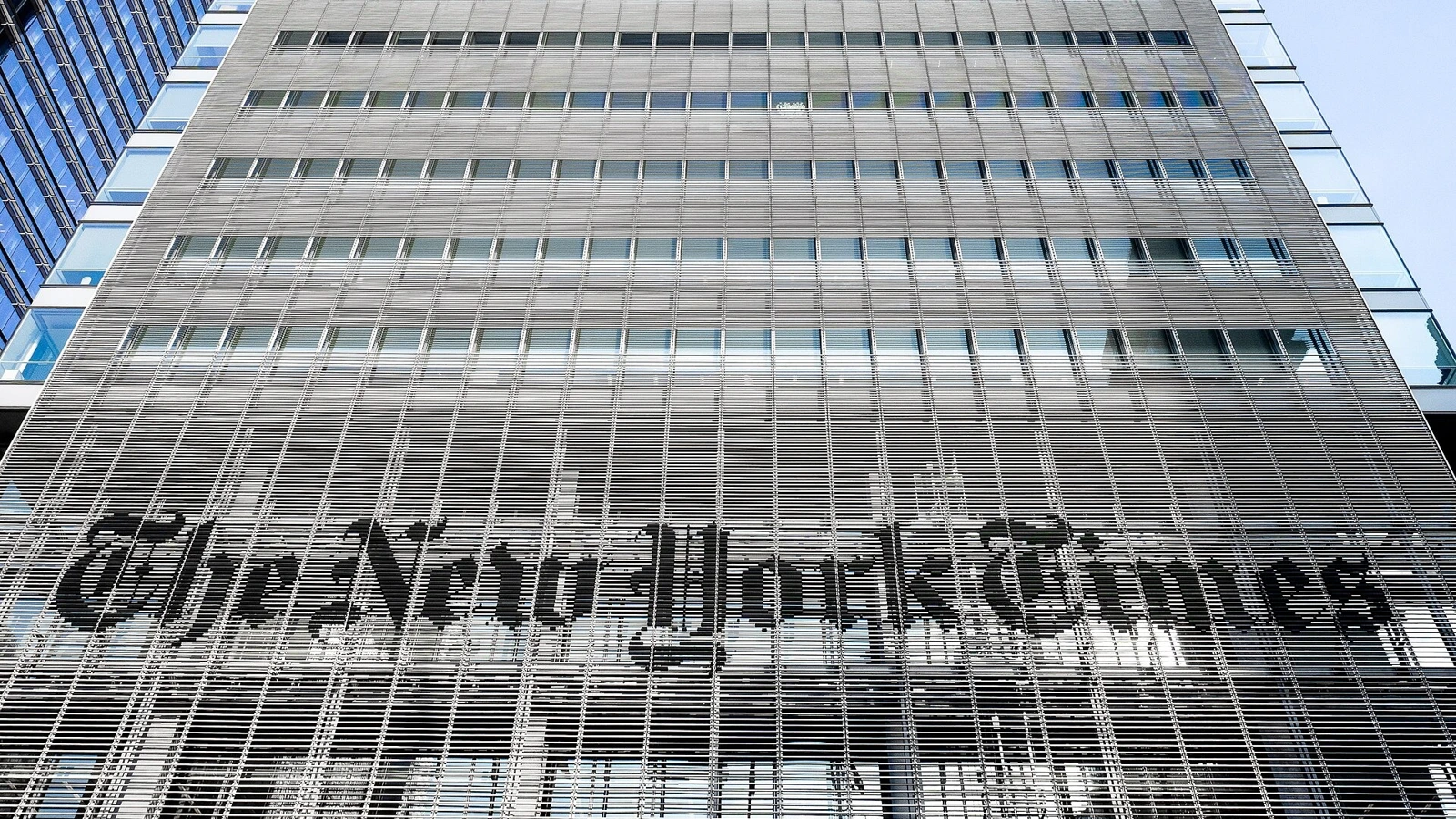
The New York Times is requiring all contributing photographers to avoid Adobe Photoshop 2027 (release 28.0.0 and subsequent updates) when working on assignments for the newspaper. Its spokesperson, Graham James, confirmed the instruction to PetaPixel on November 24, 2026. The restriction concerns the new version and those assignments, not Photoshop as a whole.
According to an email from photography leaders Meaghan Looram and Josh Haner seen by The Verge, certain functions use generative AI in ways that may not be obvious to the user. A photograph can consequently acquire metadata identifying it as AI-generated.
What changed in Photoshop
The November 2026 update introduces tools that go well beyond routine corrections. Relight changes the lighting of a scene, Generative Restyle changes an image’s appearance through prompts, and the updated Remove tool can eliminate an object along with its shadows or reflections. Generative Recompose adapts the composition to new aspect ratios, while AI Assisted Editor brings AI tools together in a simpler workspace.
For those who need an older release, Adobe’s release notes identify 27.11.1 as the long-term support (LTS) version of Photoshop 2026. Availability of previous versions through Creative Cloud and compatibility with the rest of the workflow should be checked before an assignment.
The metadata problem
Adobe explains that qualifying generative AI tools automatically attach metadata based on the C2PA standard without changing the file’s appearance. It distinguishes this process from conventional AI-powered functions. The information can indicate, among other details, whether an image was entirely generated or modified using generative AI.
The distinction matters: a general AI label does not by itself describe the extent to which a photograph’s content was altered. At the time of the initial reports, the specific tools that prompted the newspaper’s response had not been identified, and Adobe had not responded.
Ethics did not begin with AI
The newspaper dealt with similar issues long before today’s AI tools. In December 2016, The New York Times replaced a photograph because the photographer had moved a framed picture from the wall to avoid lighting reflections. The photograph was taken again with the object in place. The issue then was not digital editing, but changing the scene itself.
What we think
The New York Times’ decision is reasonable for a publication that uses photographs as evidence of events. A photojournalist needs to know precisely what each tool does to a file, not merely whether the result looks natural. Adobe should clearly identify generative AI before it is applied and offer a distinct workflow for users who are not permitted to create or alter elements of the scene.
For photographers working with news outlets, retaining original RAW files, documenting edits and checking metadata before delivery help establish image provenance. Concealing AI use, however, should not be the solution. The aim is to preserve the reality that the photographer was commissioned to document.