

Summary
- CAD drawings described by Engadget point to a new camera housing for the iPhone 18e without a second rear lens.
- The iPhone 18 and iPhone Air 2 could get thicker camera modules.
- The Air 2 may gain an ultra-wide camera, and all three models are expected in spring 2027.
Three different rear-camera changes for upcoming iPhones are described by Filipe Espósito in a November 23, 2026 Engadget report based on CAD drawings he has seen. The iPhone 18e could gain a raised housing, the iPhone 18 a thicker camera module, and the iPhone Air 2 a second rear lens.
According to the report, the drawings came from a supply-chain source who had accurately tipped the colors of the iPhone 17 and iPhone 18 Pro. The drawings have not been published, and Apple has not confirmed the changes.
iPhone 18e: A new housing, not a second camera
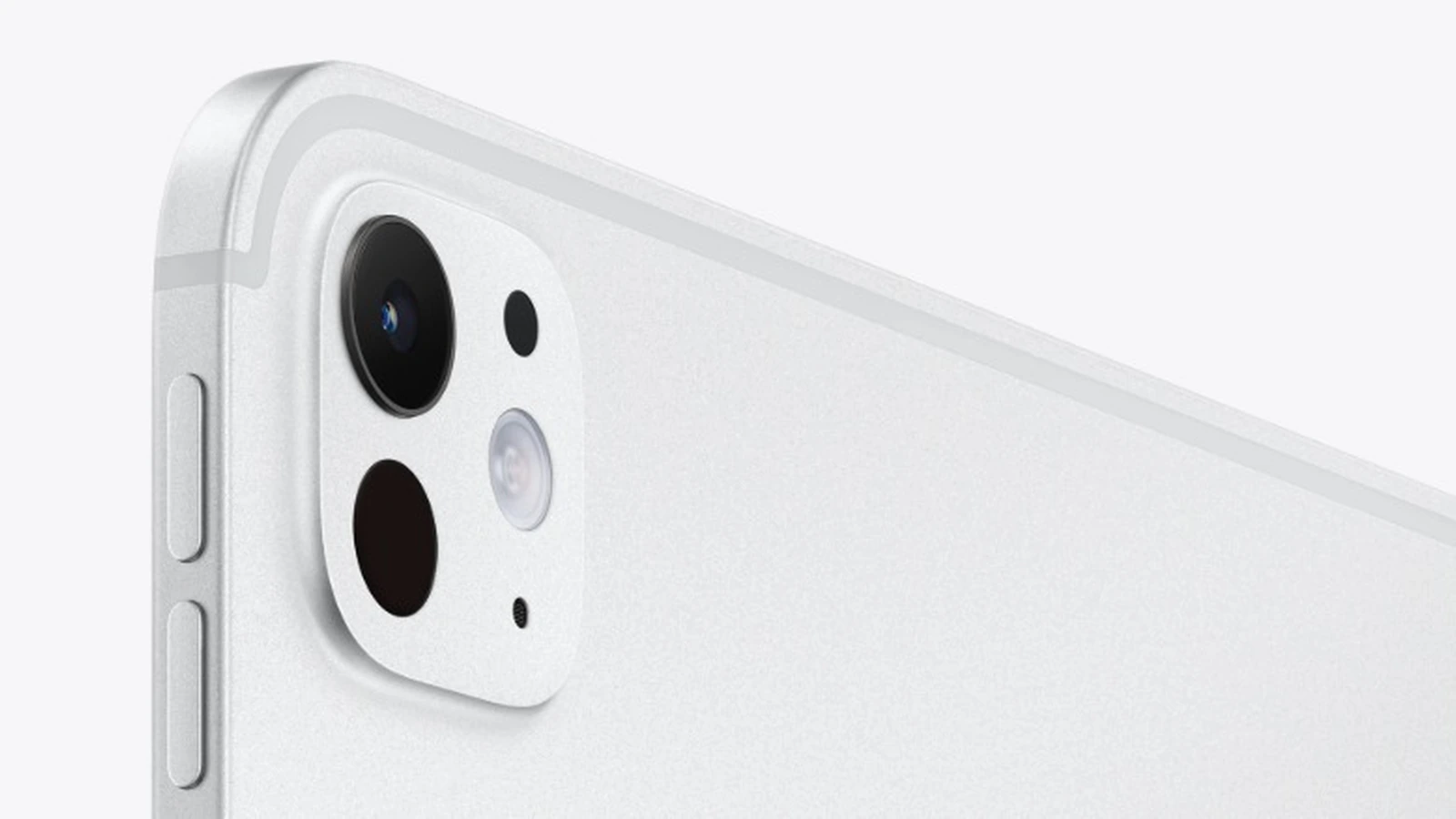
On the iPhone 18e, the camera, LED flash and rear microphone would reportedly sit together on a nearly square raised platform measuring about 28 × 35 mm, resembling the M5 iPad Pro design. On the current iPhone 17e, the corresponding components are separate on the back.
The iPhone 17e has one 48MP main camera with a 26mm equivalent focal length, an f/1.6 aperture and optical stabilization. Its 12MP 2x option provides a 52mm field of view by cropping the sensor rather than using a separate telephoto lens.
A new housing does not require another lens. It could make room for different components, but external dimensions reveal neither sensor size nor aperture or stabilization performance. Even the resemblance to the iPad Pro concerns the shape of the housing, not the presence of LiDAR on the iPhone.
iPhone 18: More room for the camera?
For the standard iPhone 18, Engadget describes the same external design as its predecessor but a camera module increasing in thickness from 3.45 to 3.8 mm. The report says Apple has used the 48MP Sony IMX904 sensor in its standard models since the iPhone 15 and considers a camera-system upgrade one possible explanation.
A larger optical assembly or sensor may require more space. Thickness alone, however, does not reveal which component has changed. The difference would matter photographically if it translated into better image quality, especially in low light, rather than simply a larger protrusion.
iPhone Air 2: The most meaningful change
The iPhone Air 2 would reportedly retain its 5.6mm body, while the camera module would measure 3.8 mm rather than 3.45 mm. The new layout shows two horizontally aligned lenses.
Bloomberg’s Mark Gurman had already reported the possibility of an ultra-wide camera on the iPhone Air 2, with similar information from Digital Chat Station and analyst Jeff Pu. The new drawings lend weight to that possibility. The current Air has no separate ultra-wide camera.
For interiors, architecture, group photos and video in confined spaces, a second camera with a wider field of view enables compositions that the main camera cannot capture from the same position. There are still no details about the potential new camera’s resolution, autofocus or video capabilities.
The same report expects all three devices to arrive in spring 2027, following the September 2026 launch of the iPhone 18 Pro and iPhone Duo. It also expects the iPhone 18 and Air 2 to retain the current Dynamic Island rather than the smaller cutout of the new Pro models.
What we think
Of the three rumored changes, the Air 2’s ultra-wide camera is the one that could immediately change how we shoot with a phone. An additional physical lens expands our compositional options in a way that cropping an image cannot.
On the iPhone 18e and iPhone 18, we would place more weight on image quality, stabilization and low-light performance than on the shape or thickness of the housing. For someone who uses a smartphone as a second camera every day, these are more meaningful upgrade criteria than the appearance of the device.