Summary
- Francisco Bailón Rodríguez won Weather Photographer of the Year 2026 with a fog-filled landscape in Mallorca.
- The Royal Meteorological Society announced nine distinctions across four categories.
- Other winners featured lightning, sunrise, mobile photography and the human impact of climate change.
- We present every awarded image alongside its creator and story.
A river of mist spilling over Mallorca’s cliffs earned Francisco Bailón Rodríguez the Weather Photographer of the Year 2026 title, in a competition that also honoured lightning, wildfire and photographs made on mobile devices.
The Royal Meteorological Society announced the results on 17 November 2026 following more than 5,500 entries. From the 30 photographs selected for the 2026 Weather Photographer of the Year shortlist, nine received distinctions across the main category, mobile photography, the Climate Award and the public vote.
Judges considered originality, photographic approach and meteorological interest. The public separately selected its own favourite. Here are all nine award-winning photographs, with the stories behind them.
Overall winner and main category results
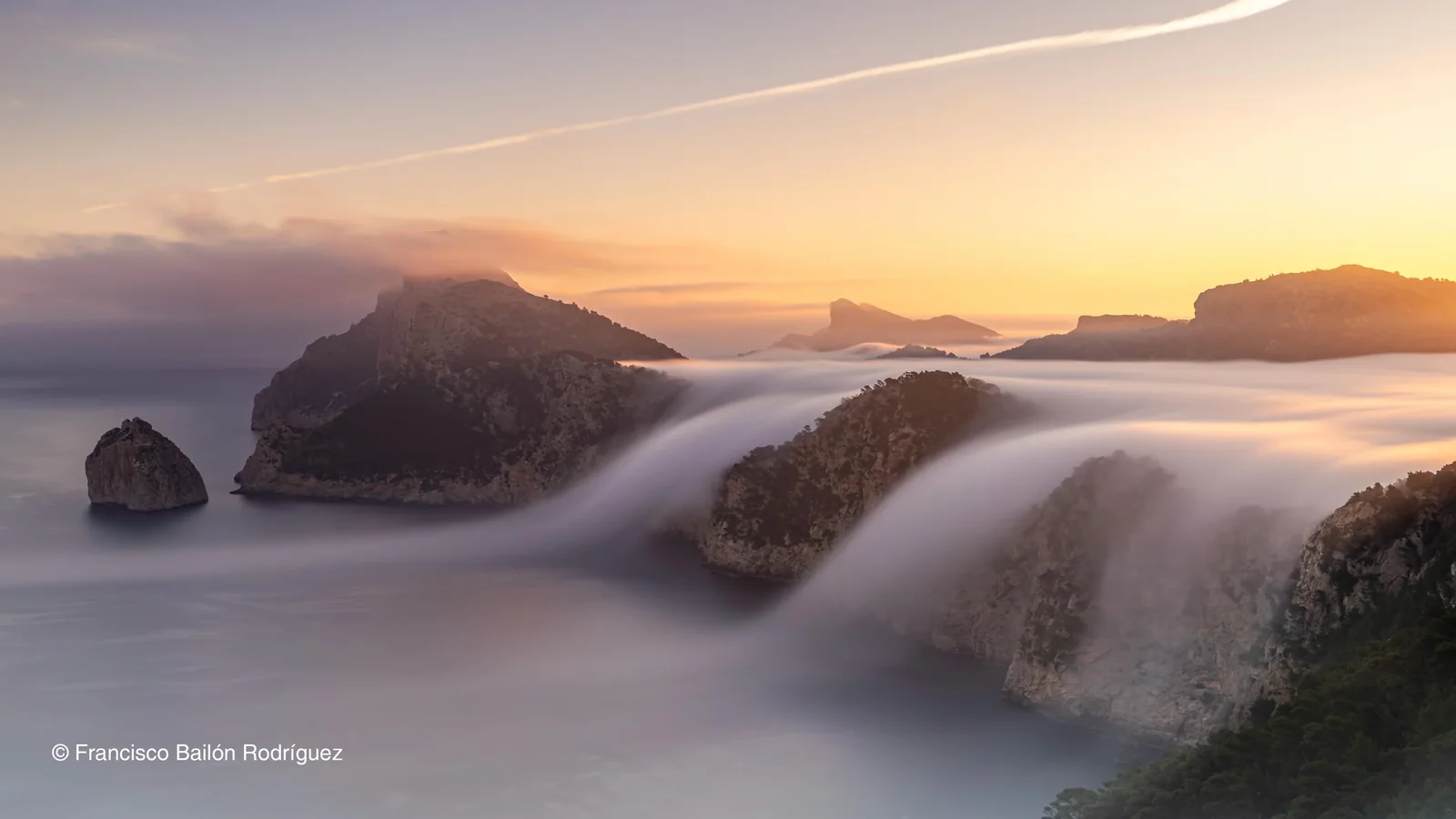
“Mares de niebla” — Francisco Bailón Rodríguez. Mist spills over the cliffs of Mallorca’s Formentor Peninsula towards the sea, photographed at dawn from the Albercutx watchtower. Several days of high pressure and humid nights allowed the fog to develop; a southwesterly wind carried the low cloud across the ridges.
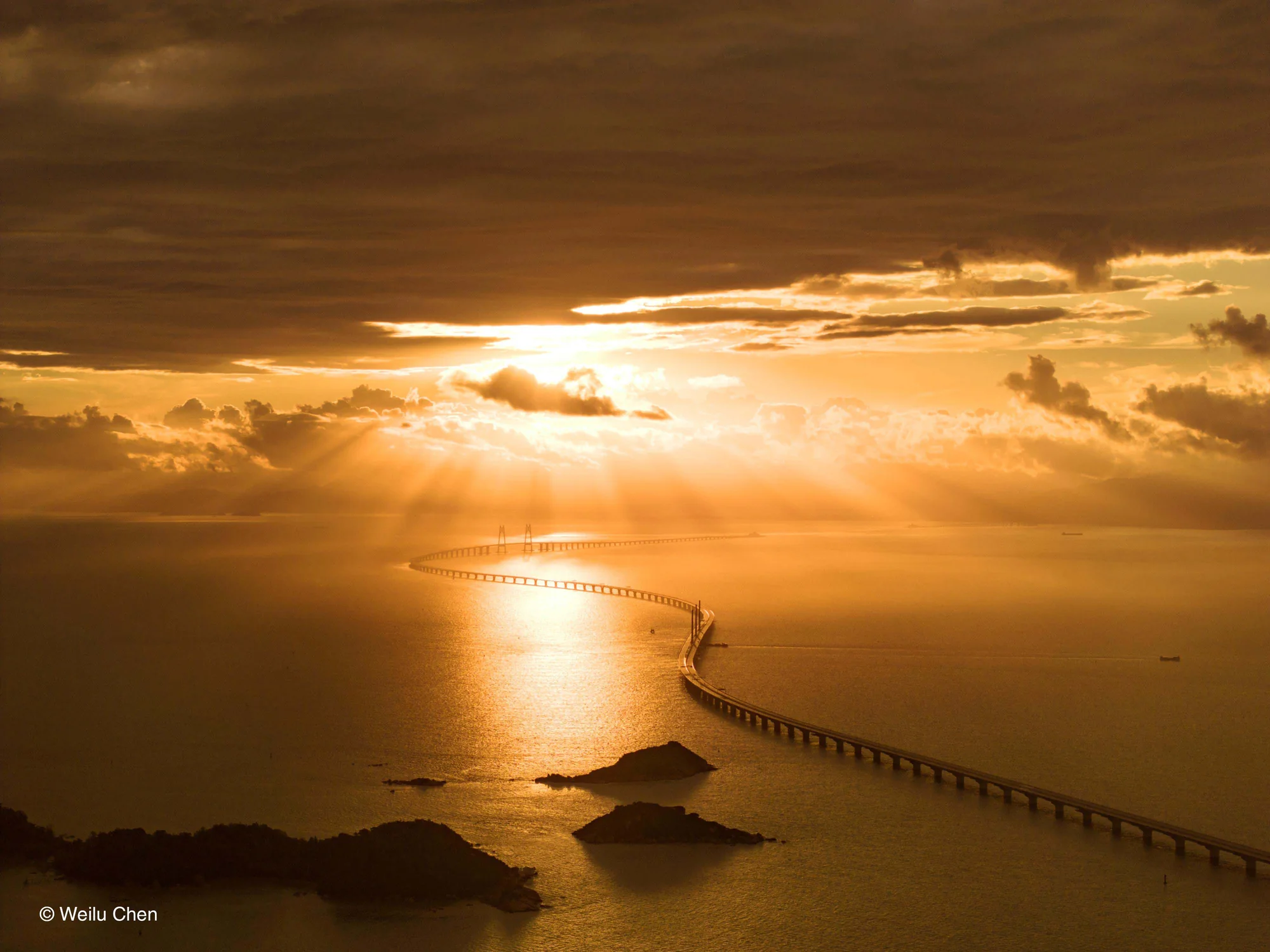
“Sunrise and Morning Glow” — Weilu Chen. Second place went to dawn light spilling through clouds above the Hong Kong–Zhuhai–Macao Bridge. The visible bands are crepuscular rays, formed as sunlight passes through gaps in the clouds and atmospheric particles make the beams visible.
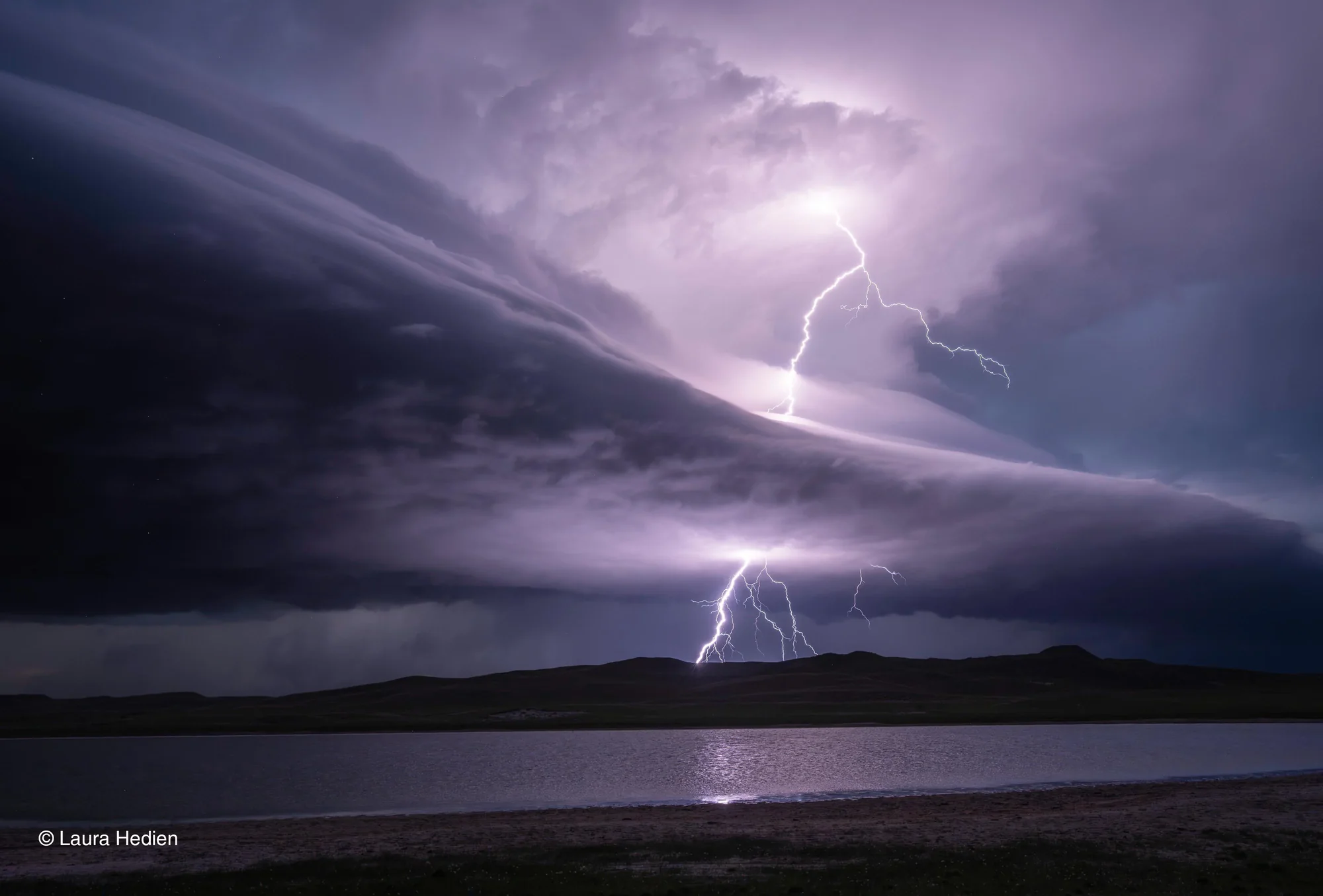
“A Supercell in the Sandhills of Nebraska” — Laura Hedien. Third place shows a supercell during a night-time storm chase in Nebraska, USA. Lightning illuminates the cloud structure and the lake below. A low shelf cloud marks the storm’s leading edge, where cooler outflow lifts warmer, moist air.
Two mobile photographs recognised
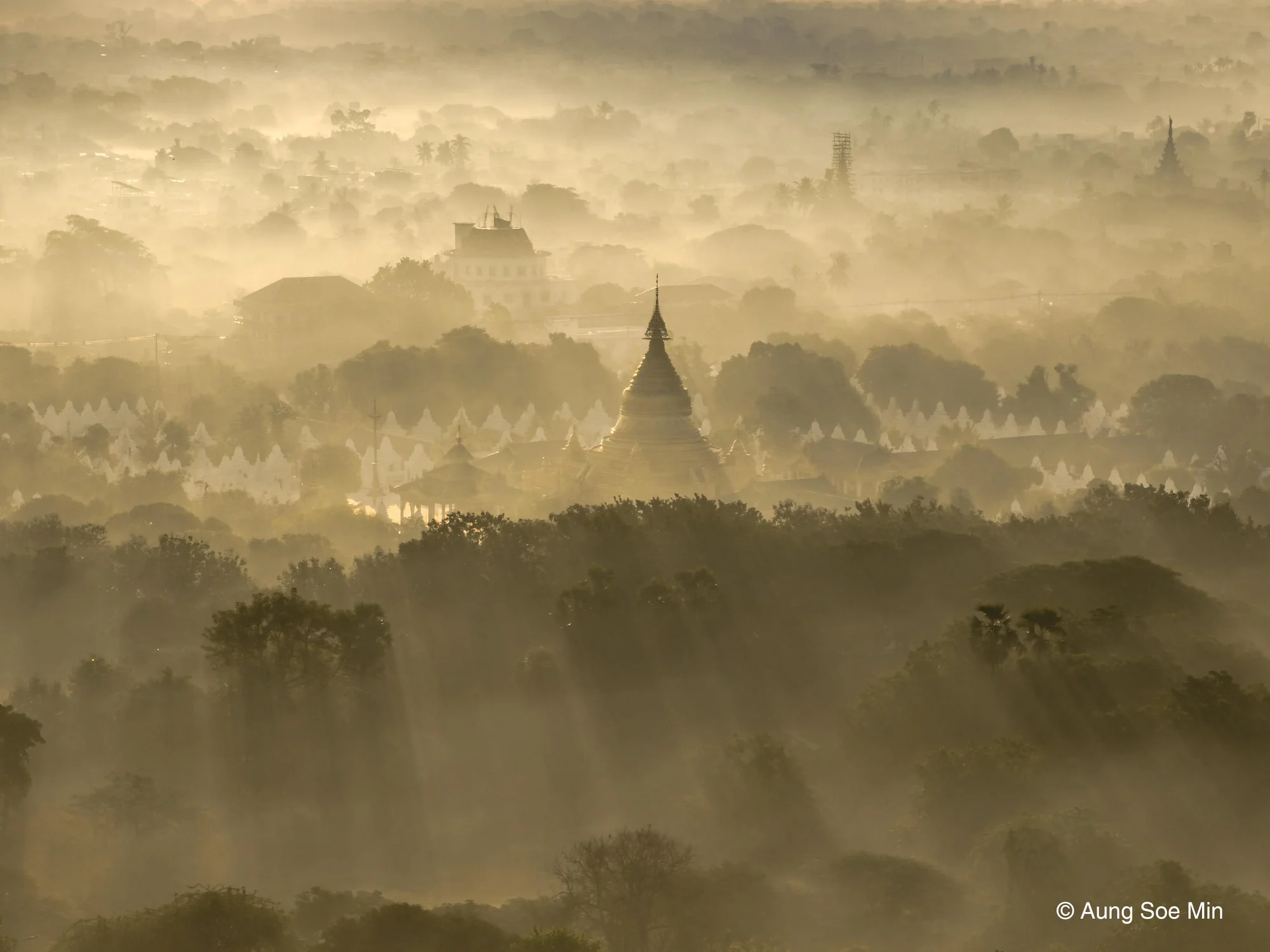
“A Winter Morning” — Aung Soe Min. The mobile category winner shows Myanmar’s Kuthodaw Pagoda and treetops emerging from successive layers of morning mist. Early sunlight scatters through the fine water droplets, softening the view.
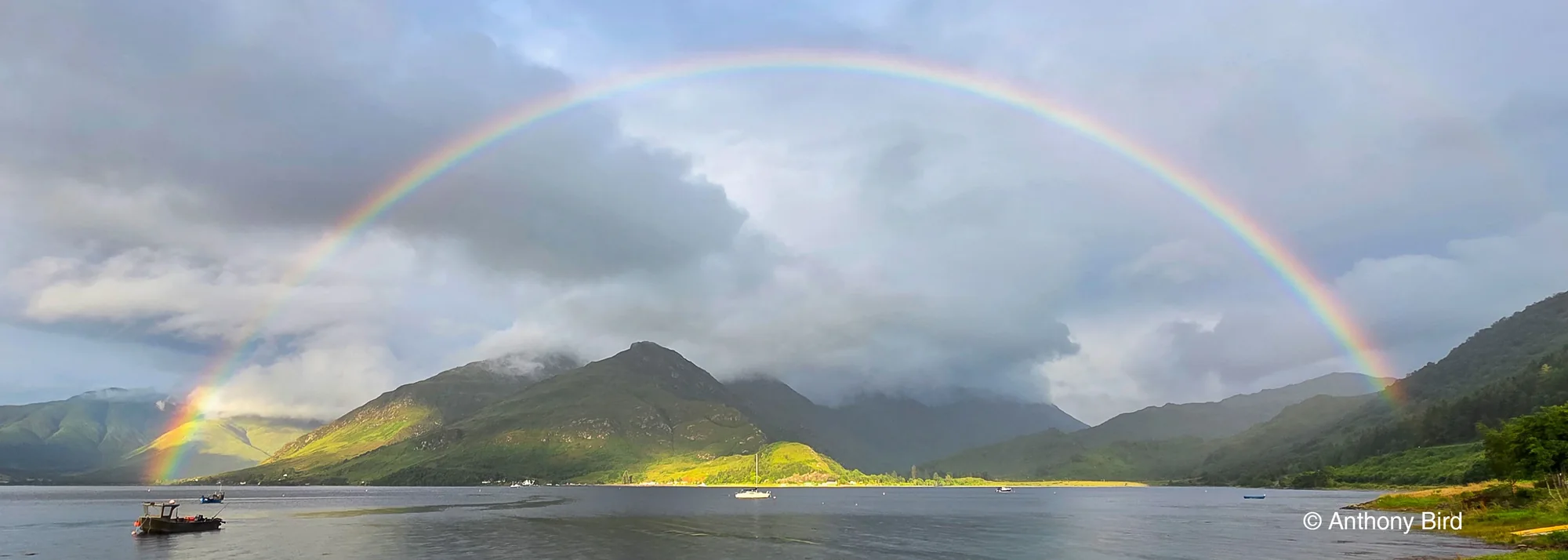
“Rainbow over Loch Duck” — Anthony Bird. The mobile runner-up captures a rainbow spanning Loch Duck in Scotland. Anthony Bird hurried out of his accommodation to catch the fleeting light, using the water and hills as a natural frame.
Climate Award: Fire and ice
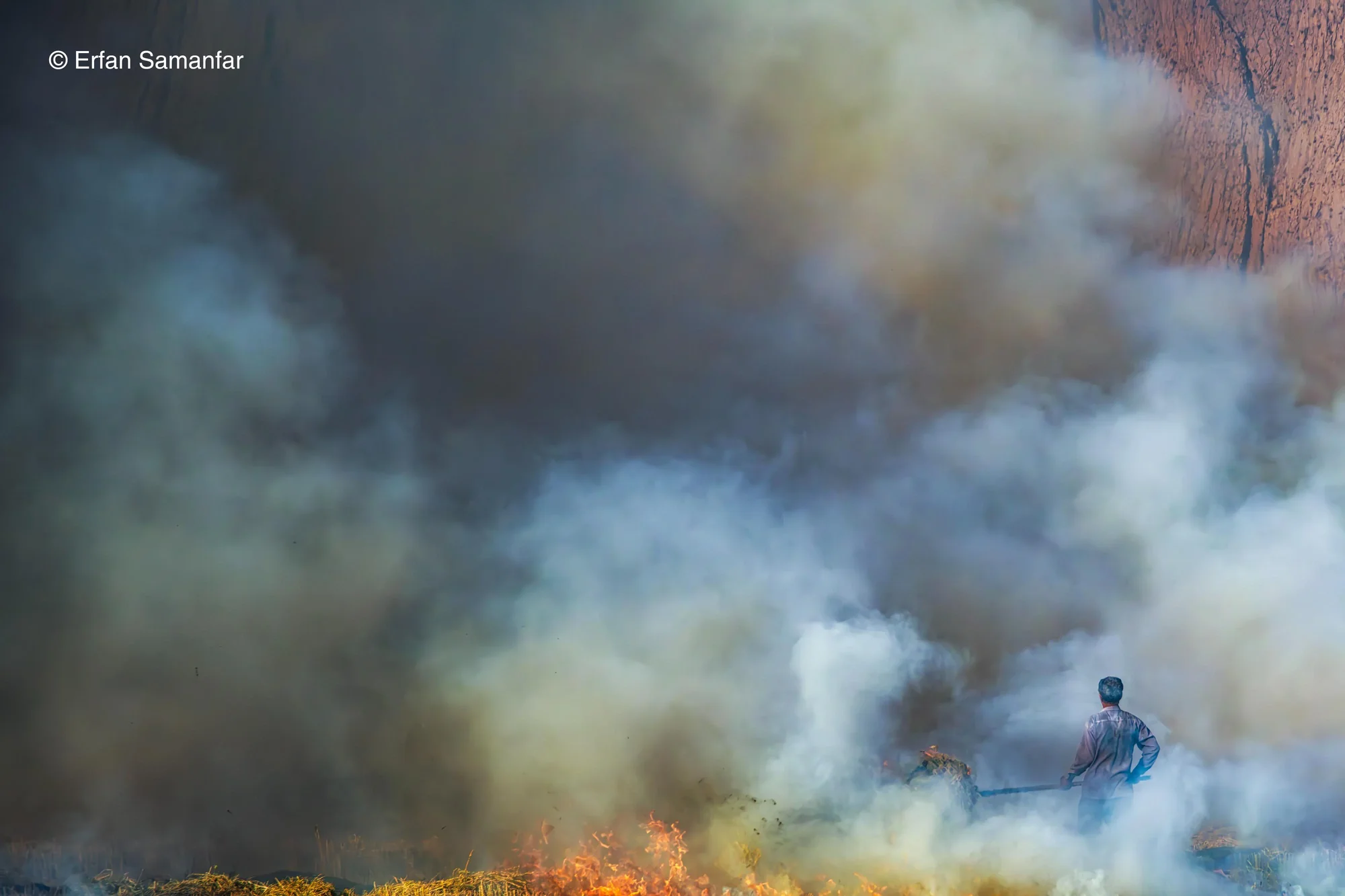
“Fire” — Erfan Samanfar. The Climate Award winner records a farmer trying to defend their land from fire in Marvdasht, Iran, in October 2025. Prolonged heat and dryness can leave vegetation more vulnerable to spreading fire, threatening crops and livelihoods.
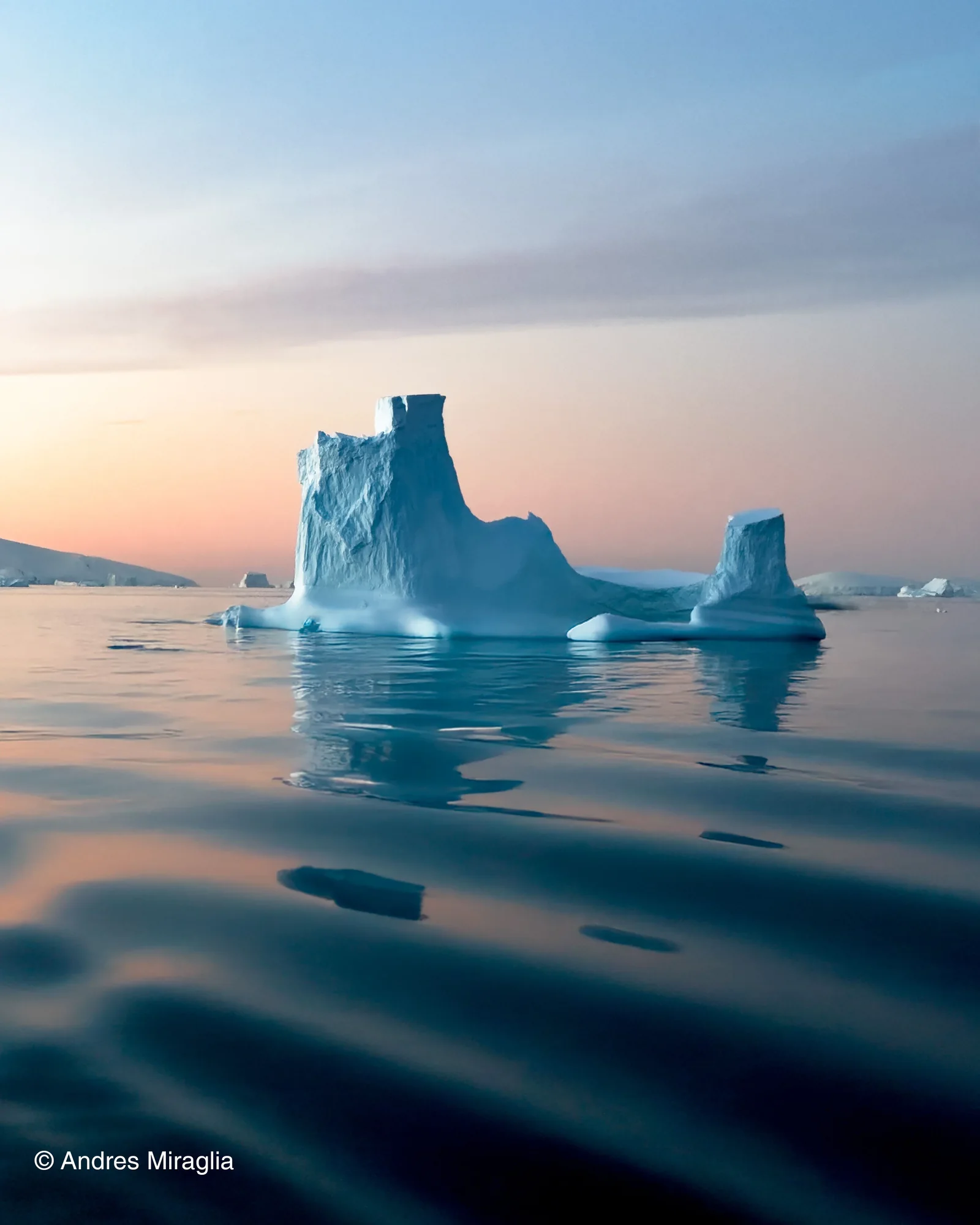
“Castles in the Wind” — Andres Miraglia. The climate runner-up shows an iceberg drifting through Antarctica’s Paradise Harbour after calving from a glacier. Calving is a natural process, so a single iceberg cannot prove climate change; the photograph sits within the wider context of Antarctic ice loss.
Public vote: Vietnamese mist and New York lightning
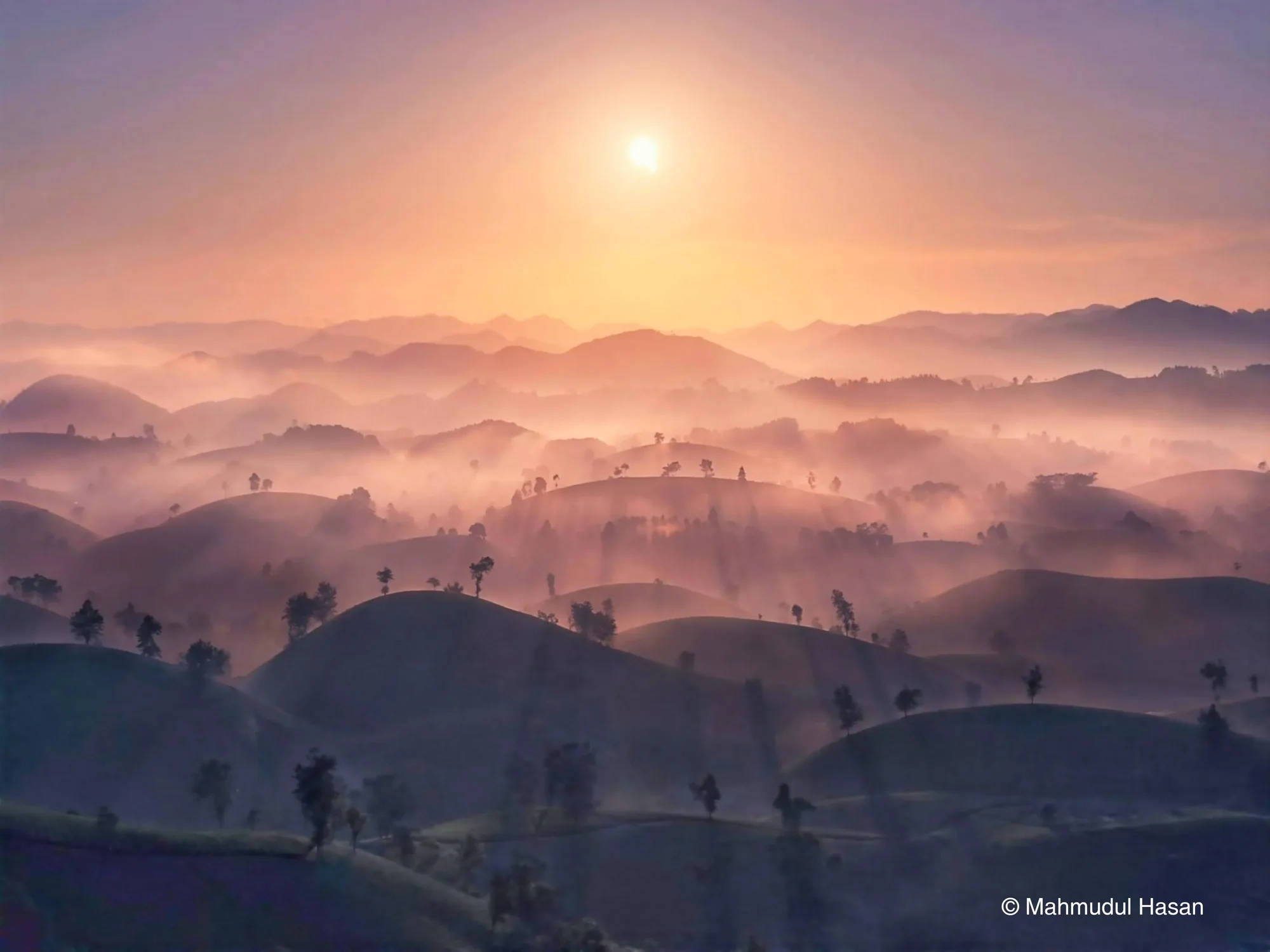
“Misty Sunrise Over the Long Coc Tea Hills” — Mahmudul Hasan. The public chose the tea-growing hills of Long Coc, Vietnam. Mahmudul Hasan set off at 3 a.m. for the viewpoint, where dawn mist and low sunlight turned the rounded hills into a series of rolling waves.
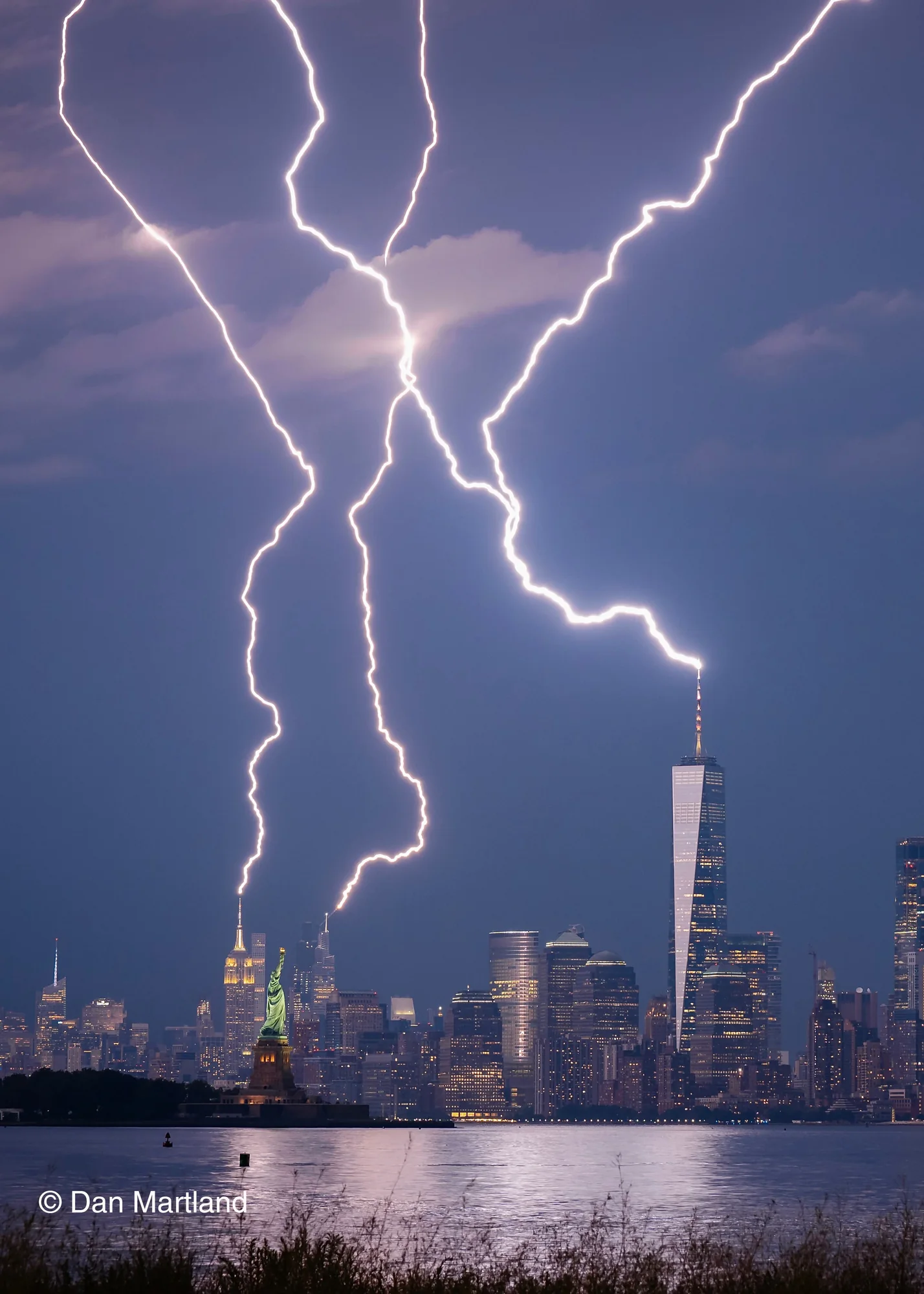
“Triple strike NYC” — Dan Martland. The public vote runner-up captures three lightning strikes over the New York skyline in a single frame. Dan Martland photographed from Bayonne, New Jersey, tracking the storm on radar and using a lightning trigger.
What we think
The overall winner is an excellent lesson in landscape photography. The decisive ingredient is not necessarily an unfamiliar location, but knowing when familiar scenery becomes extraordinary. Dawn light, rugged terrain and a short window of suitable weather gave the mist movement and scale.
Dan Martland’s lightning photograph speaks to a different kind of preparation: watching the storm, finding a position and using equipment that can react at the right instant. The two mobile winners are a useful reminder that observation and timing often matter more than the size of the camera.
“Fire” is perhaps the image that stays with you longest. It avoids treating flames as a spectacle and puts a person fighting to protect their land at the centre of the frame. That is what elevates an impressive scene into meaningful documentary photography.