Summary
- The 19th Tamron Railway Landscape Photo Contest recognized 45 works from 7,636 entries.
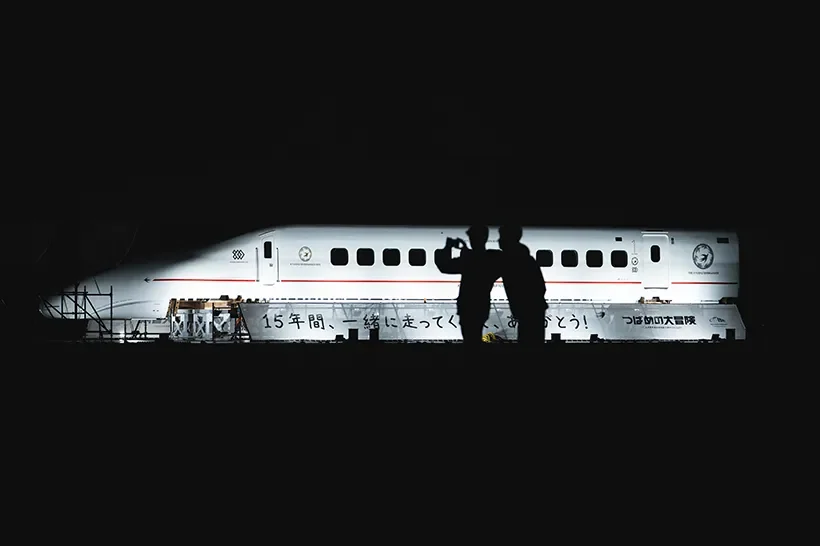
- An abstract night photograph of Shinkansen trains won the general Grand Prix.
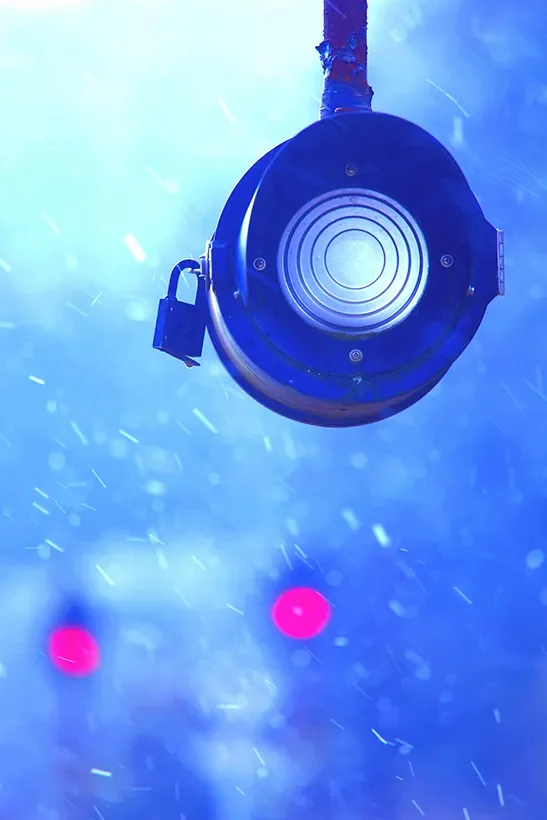
- A snowy locomotive scene won the under-18 Grand Prix.
- The 20th edition in 2027 will be the last.
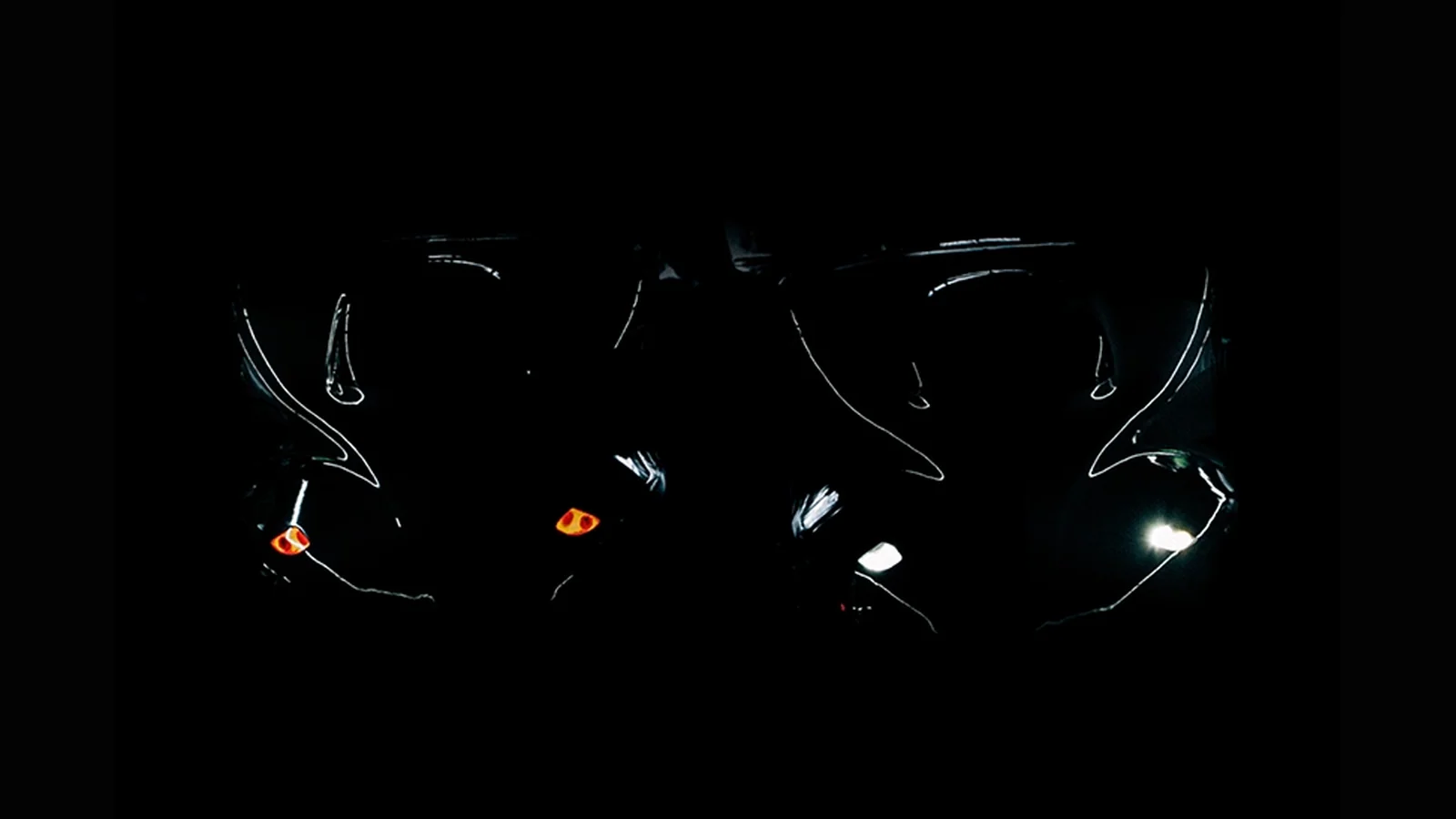
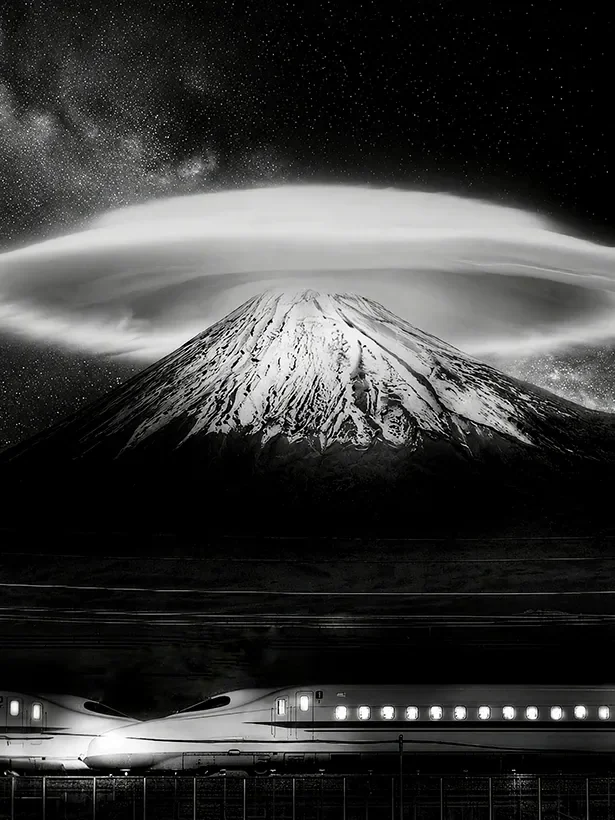
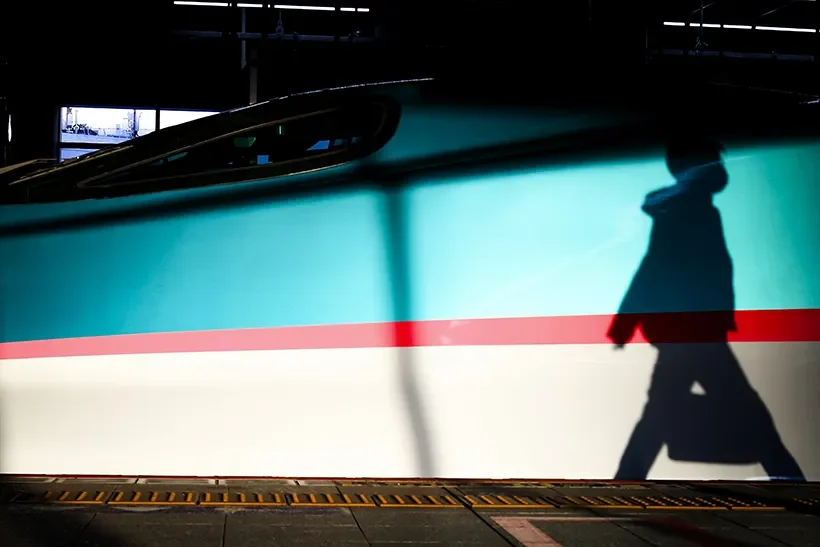
A train barely visible against a black background won the Grand Prix at the 2026 Tamron Railway Landscape Photo Contest, which drew 7,636 entries and recognized 45 photographs.
Now in its 19th edition, the contest attracted 1,907 entrants across a general category and an under-18 category. Tamron has published all 45 honored images, ranging from abstract night photographs to everyday scenes, nature, and humor.
There is another major announcement: the competition, established in 2008, will end after its 20th edition in 2027.
A Grand Prix composed out of darkness
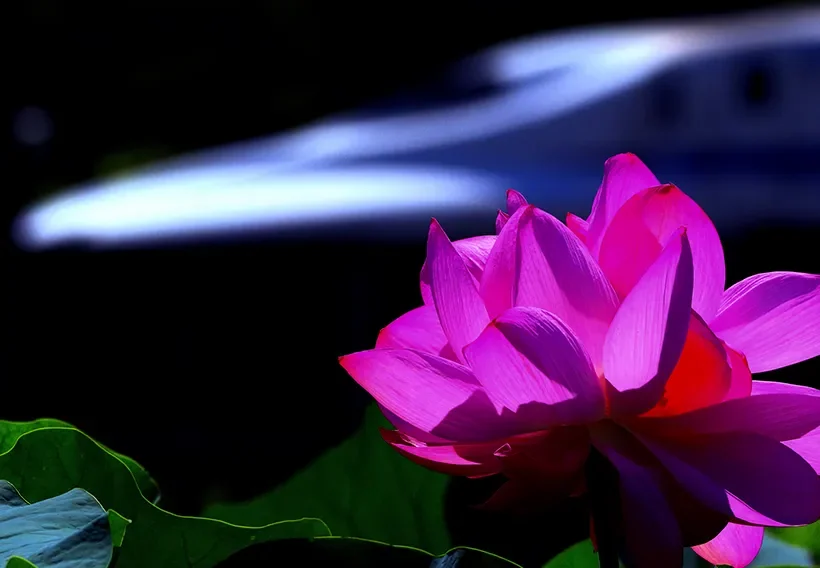
奧田 孝 won the general-category Grand Prix with “輪郭” (“Outline”), photographing the illuminated outlines of two Shinkansen trains at Shin-Kobe Station. Instead of showing the entire trains, the photographer kept only enough lines of light for viewers to recognize them.
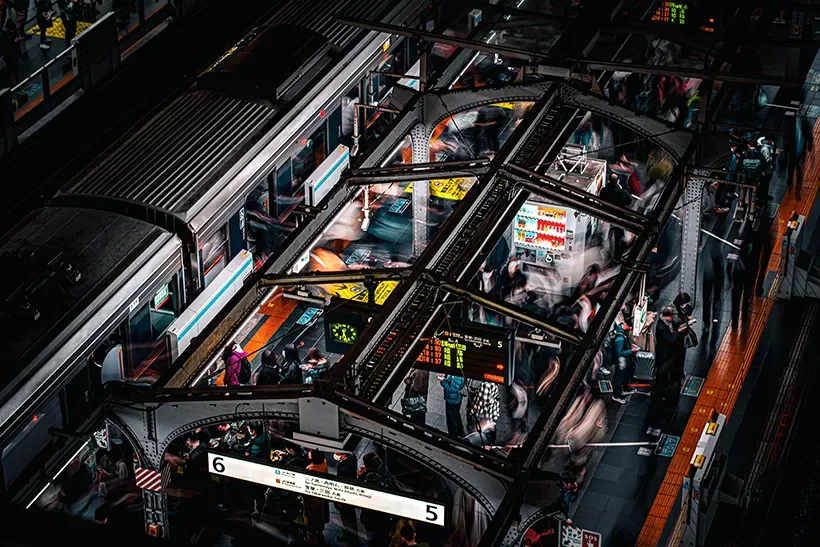
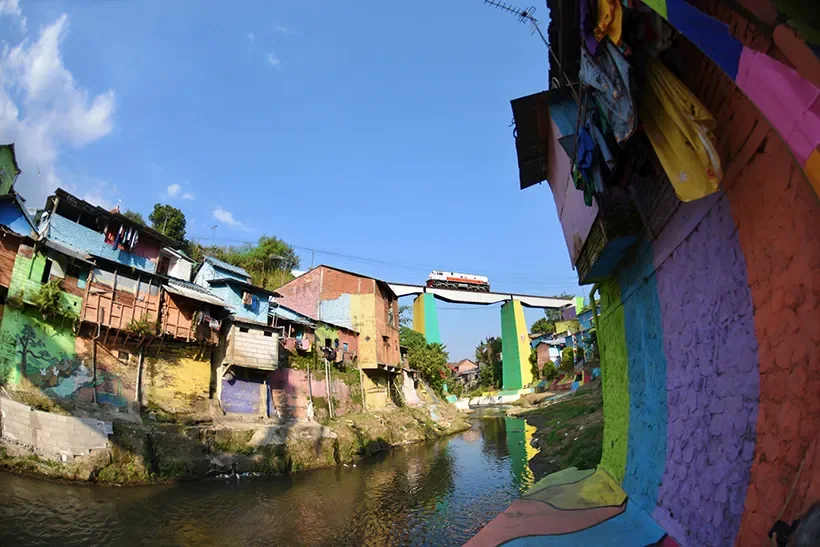
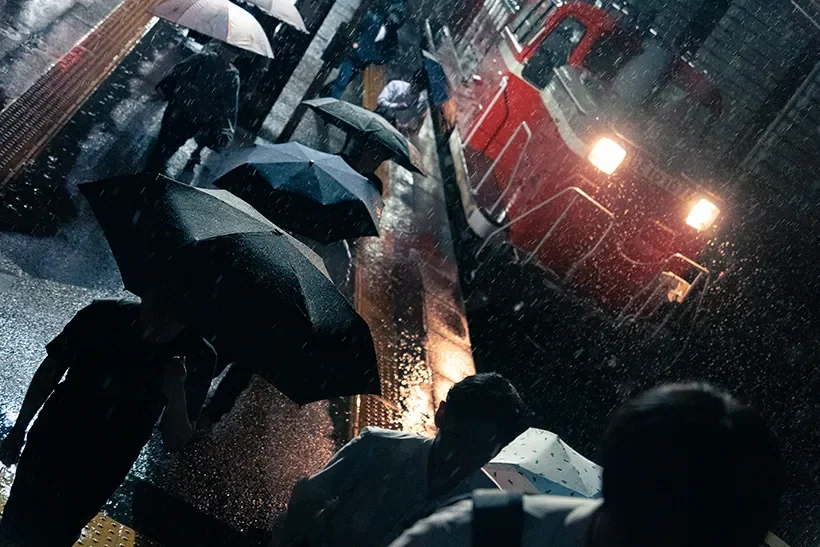
General-category runner-up 泉 敬史 used a one-second exposure at Osaka Station to convey movement across the platforms. Another runner-up, 吉成 悠馬, explored the vividly colored urban landscape of Malang, Indonesia, where the train is a small element of a larger street scene.
The three judges — 広田尚敬, 矢野直美 and 金盛正樹 — remarked on the prominence of dark, low-key compositions and the expressive possibilities of digital photography. That creative approach to darkness also offers an interesting connection with the winning night photographs of Capture the Dark 2026, although the railway remains the central theme here.
All 20 winning photographs: general category
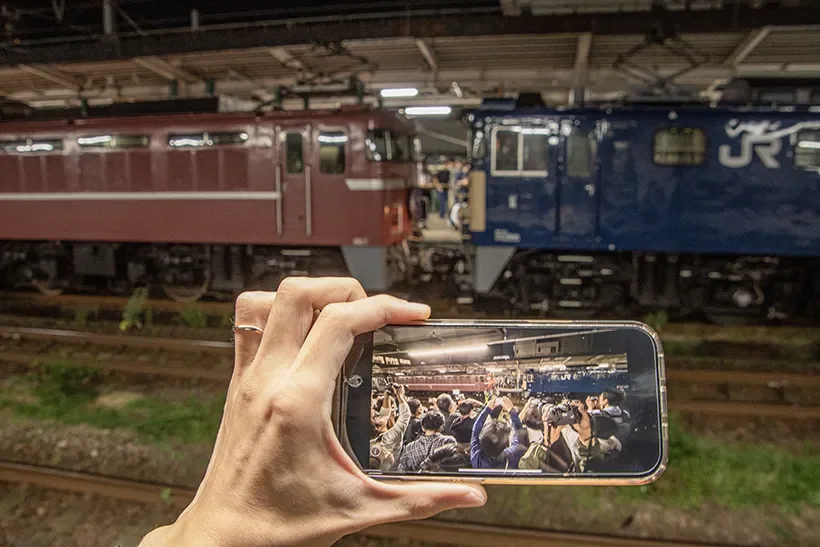
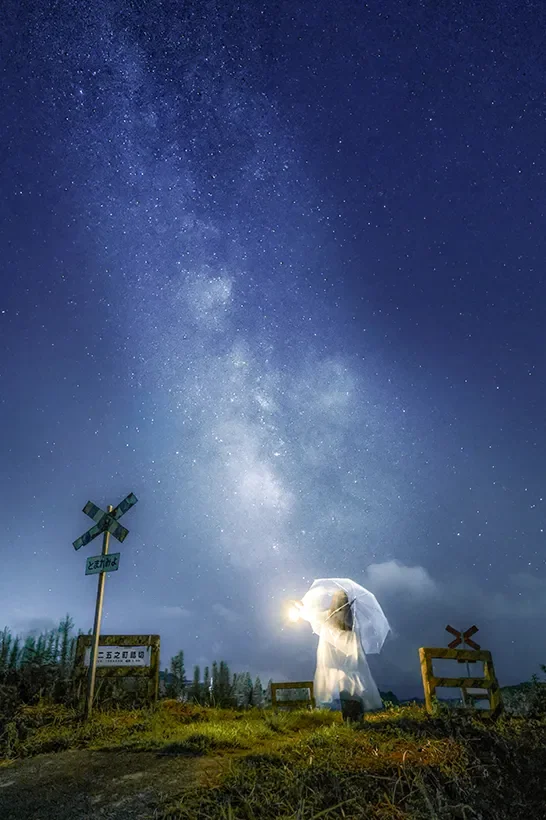
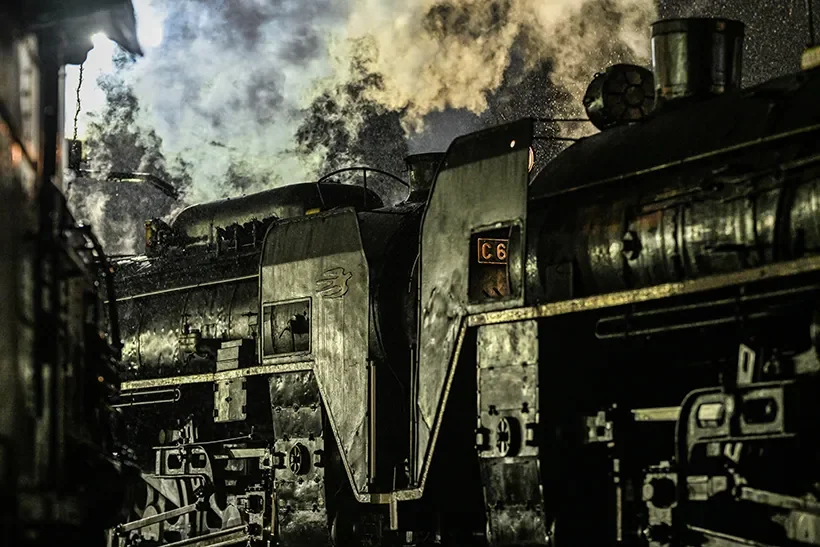
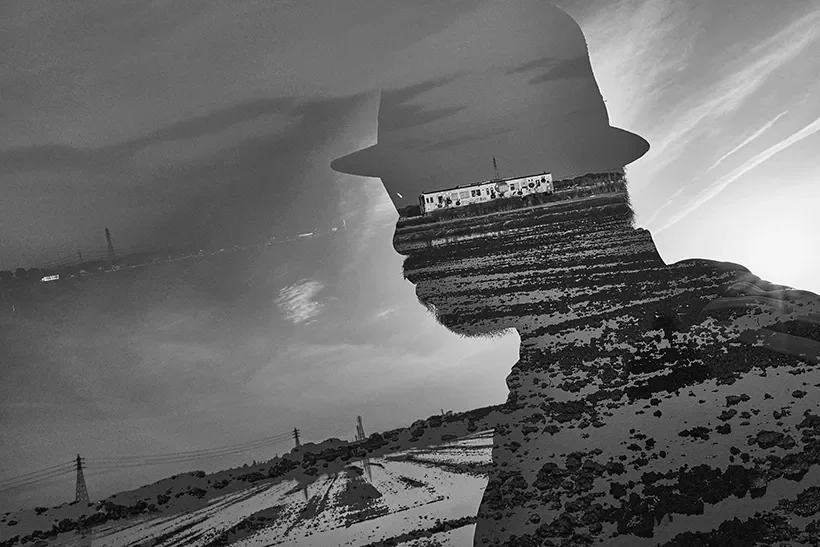
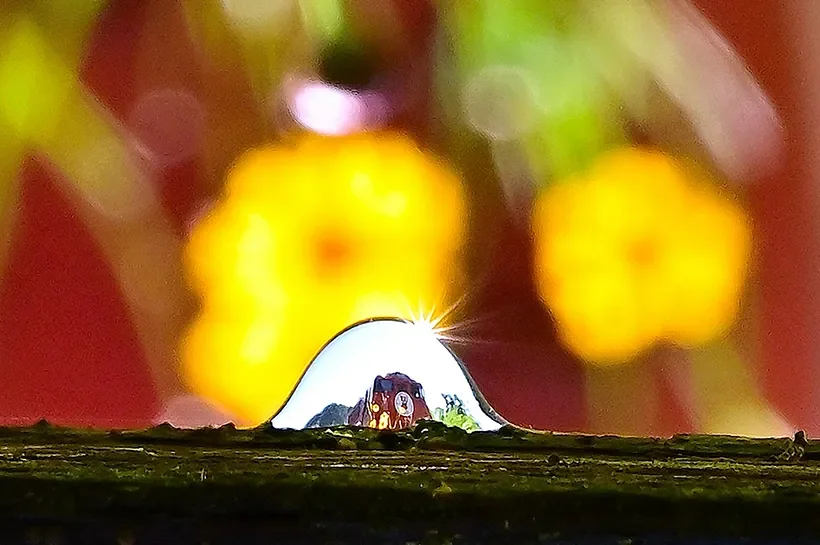
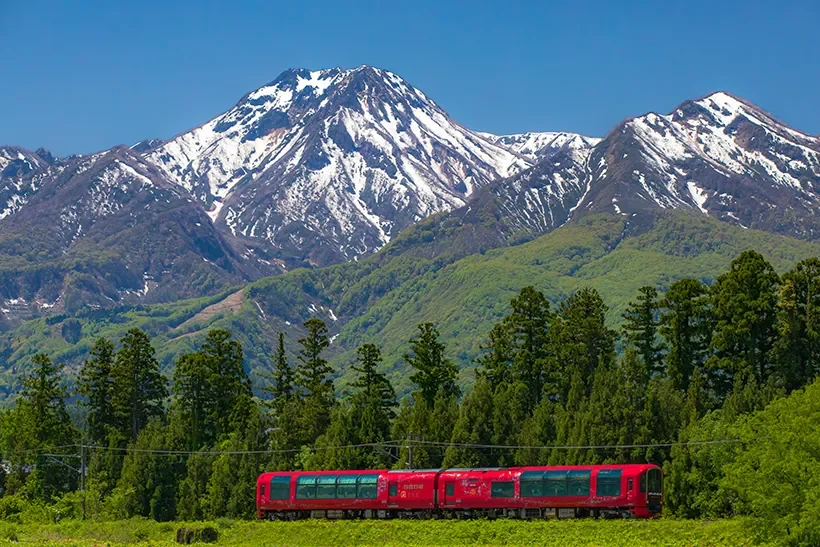
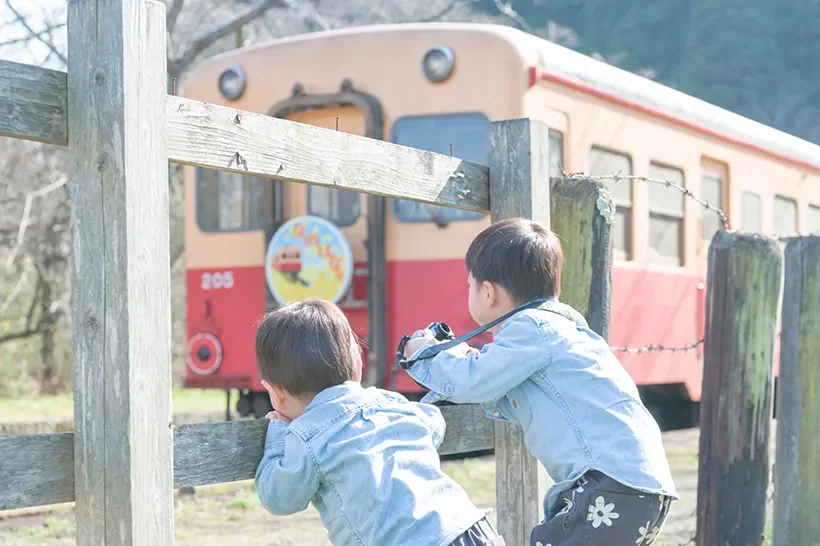
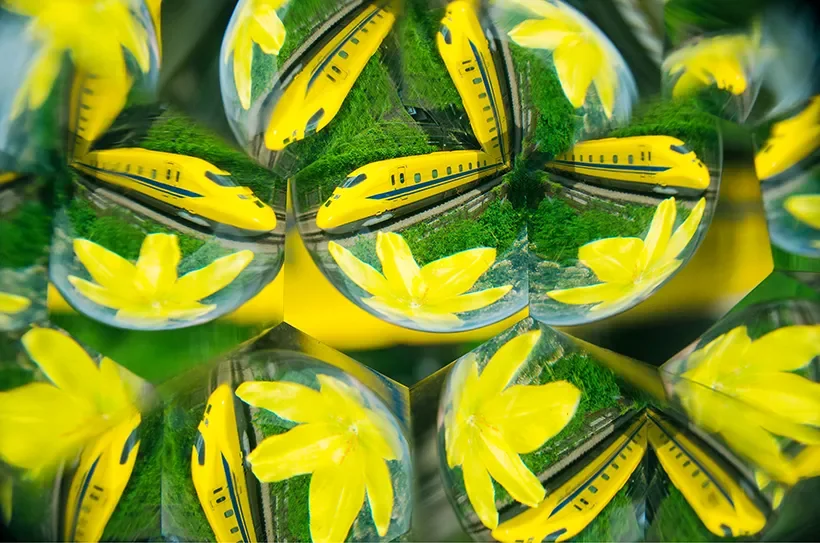
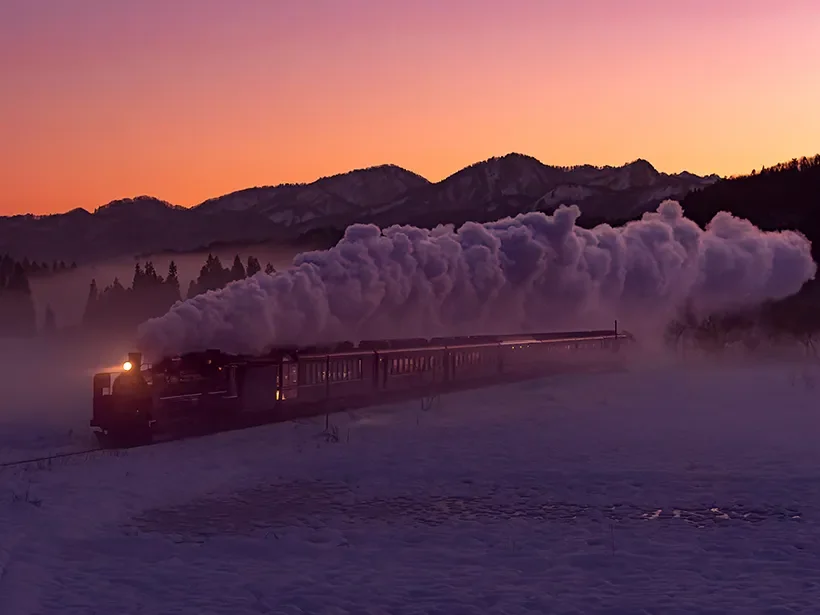
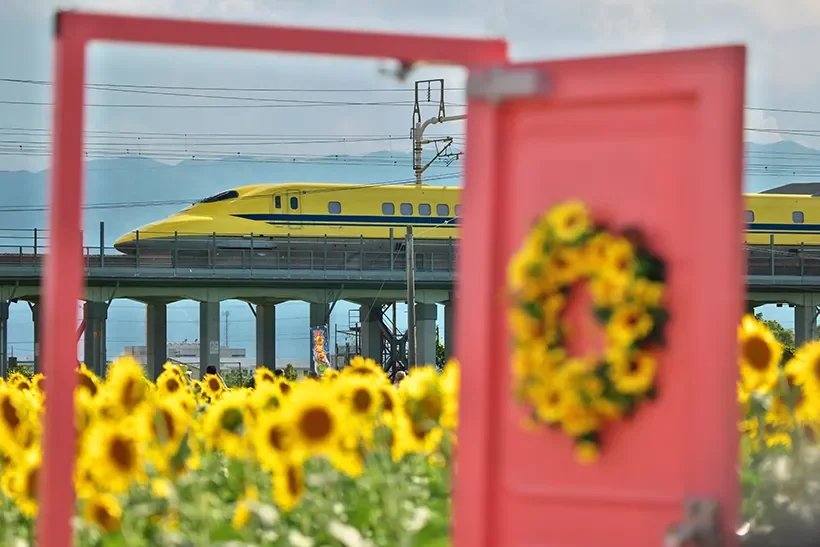
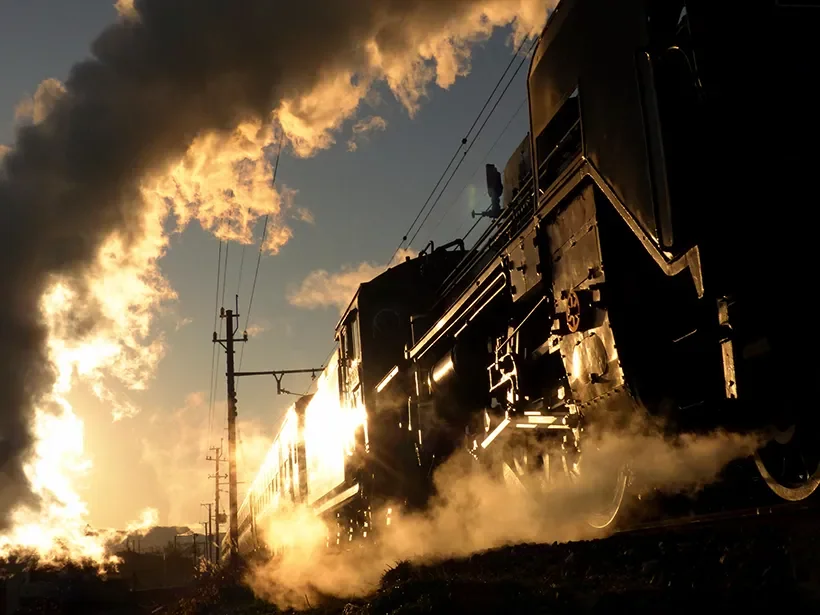
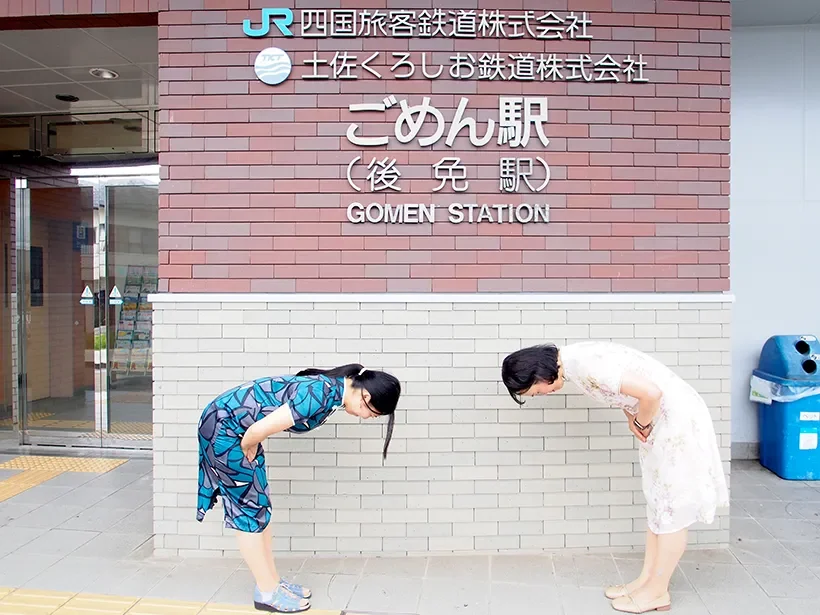
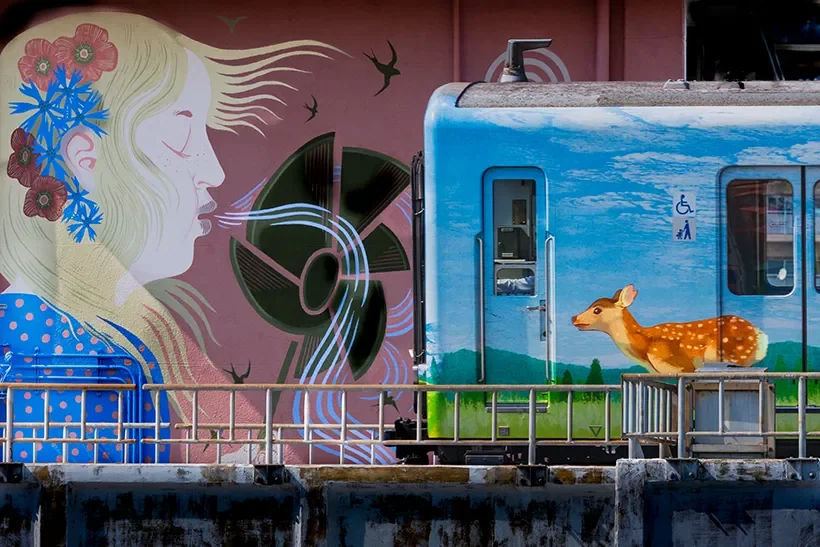
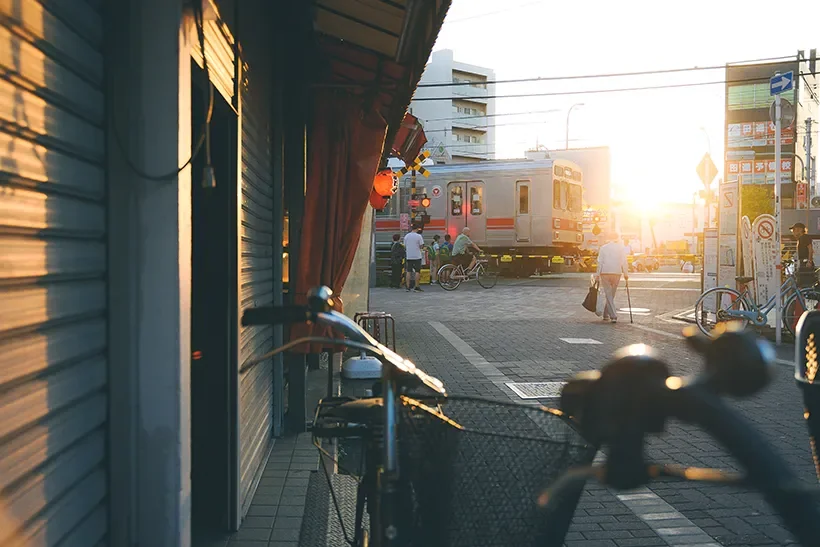
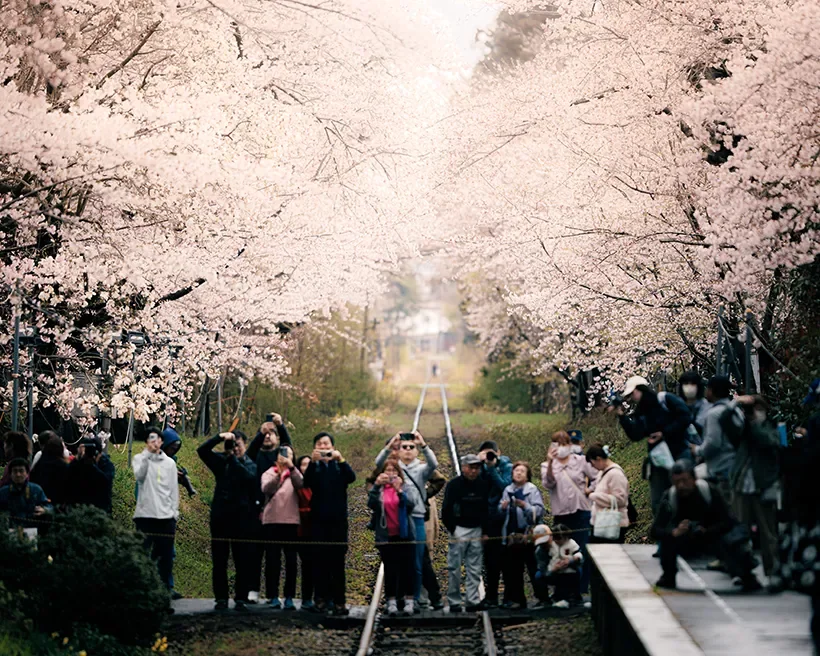
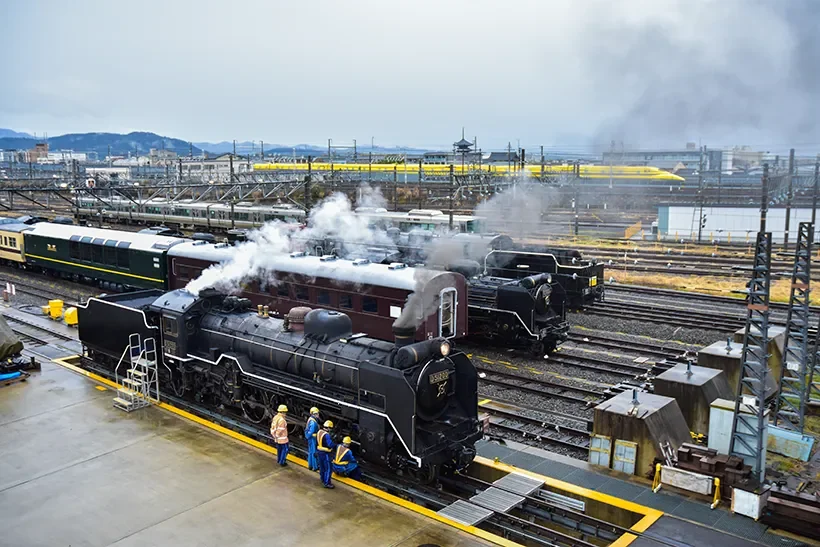
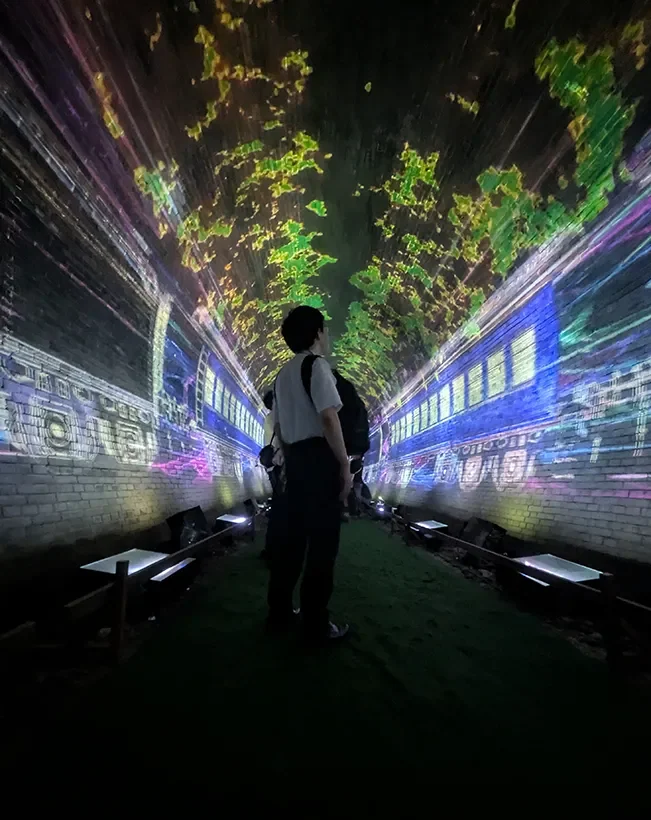
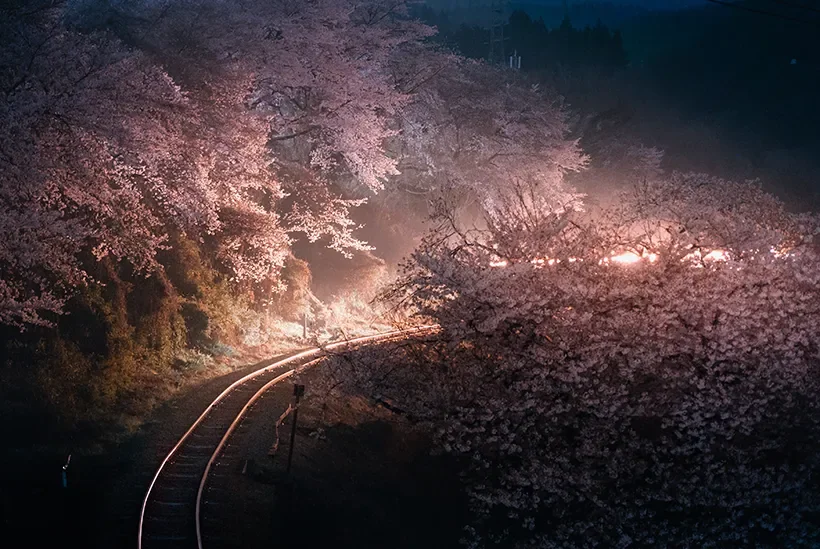
From the almost abstract Grand Prix to the station called “Gomen,” these works use long exposures, multiple exposures, reflections, patient timing and humor. All 20 photographs appear below with their makers’ names and original titles.
All 20 winning photographs: under-18 category
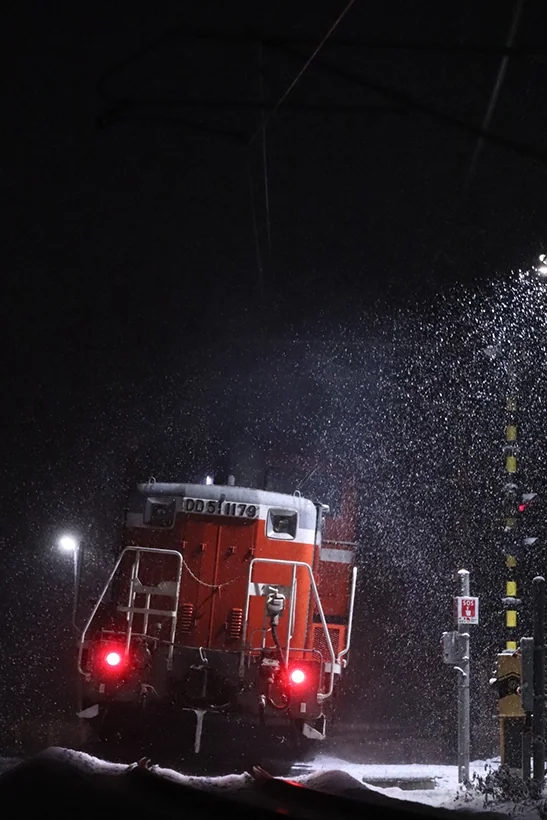
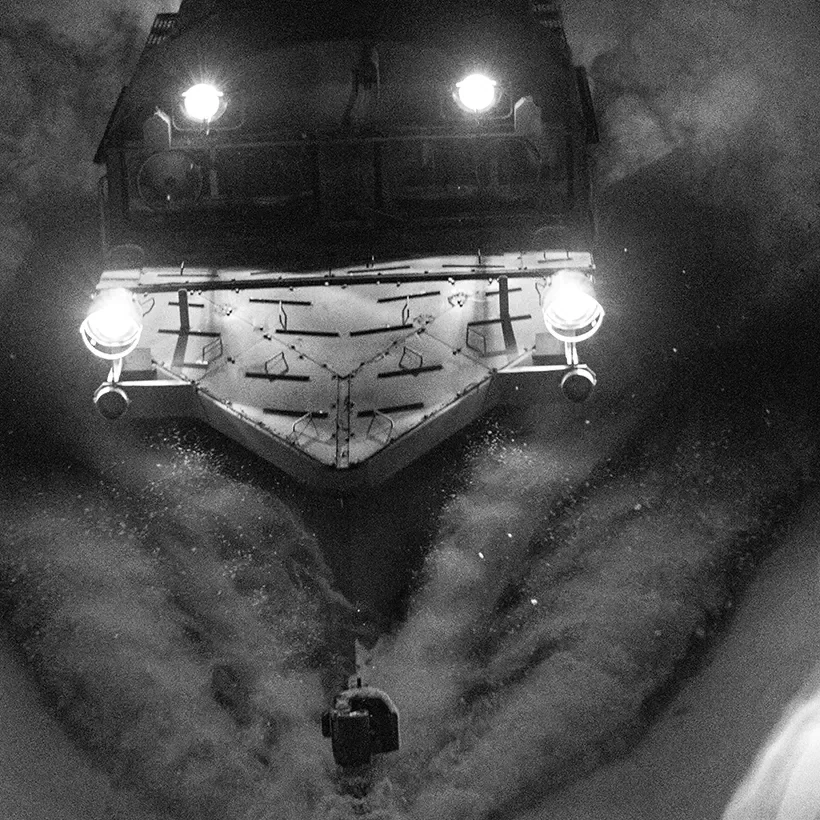
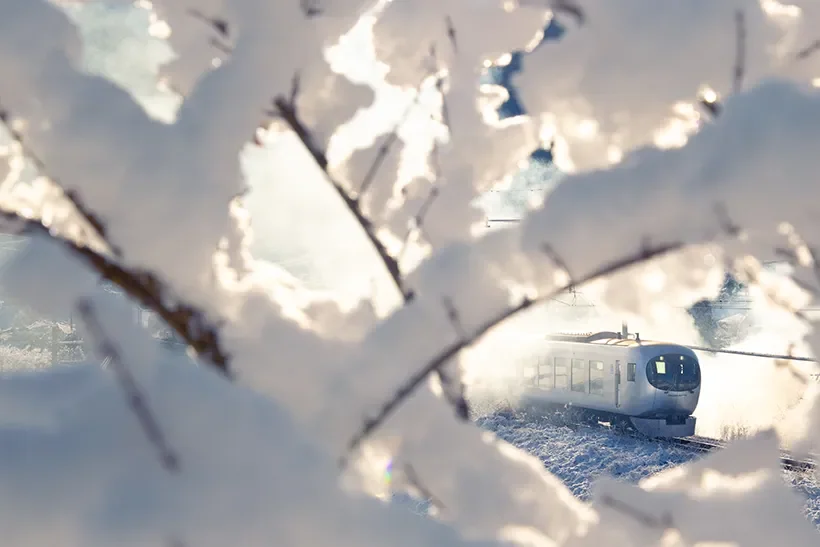
The under-18 Grand Prix went to 16-year-old 日野原 庵俐 for the minimal “あ”: a DD51 locomotive moves through falling snow in Yonago. Another 16-year-old, 長谷川 智勇, was runner-up with a stark, nearly square black-and-white portrait of a snowplow train.
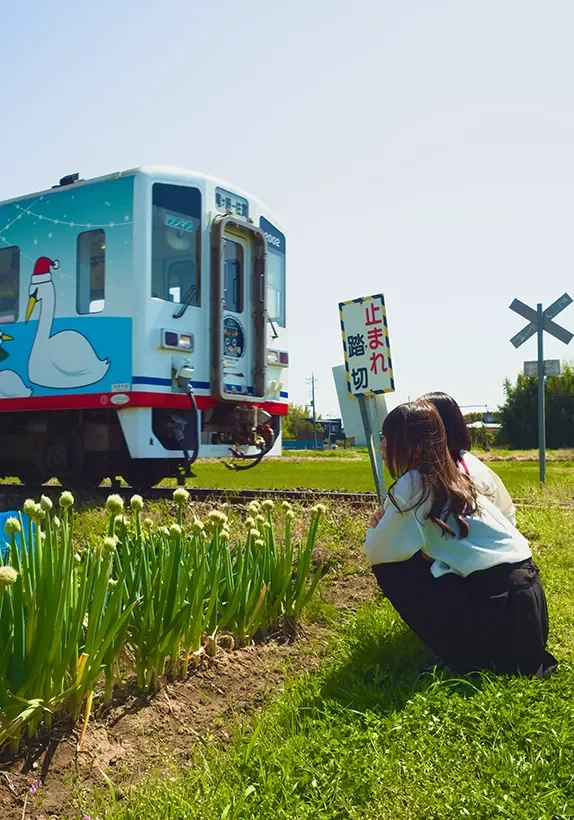
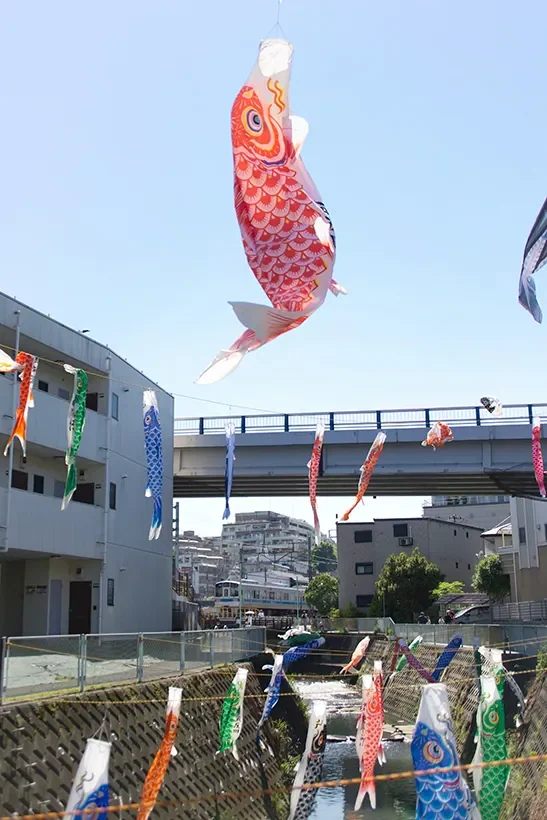
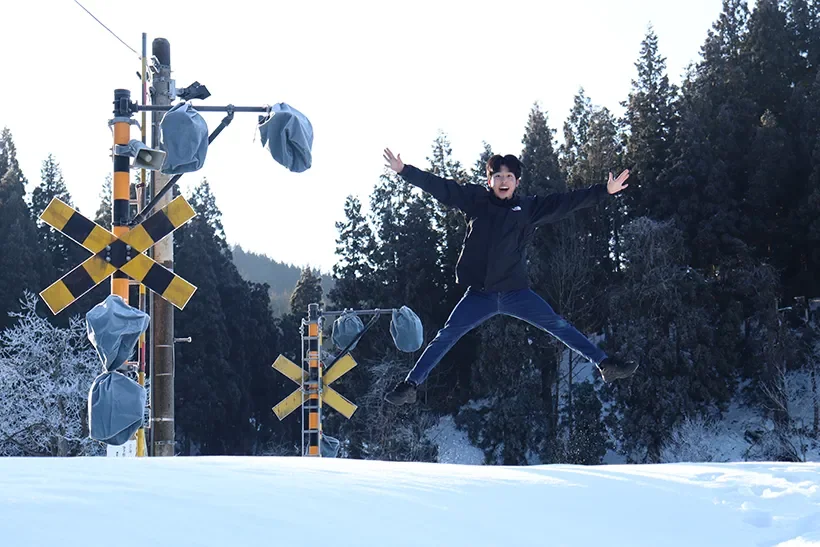
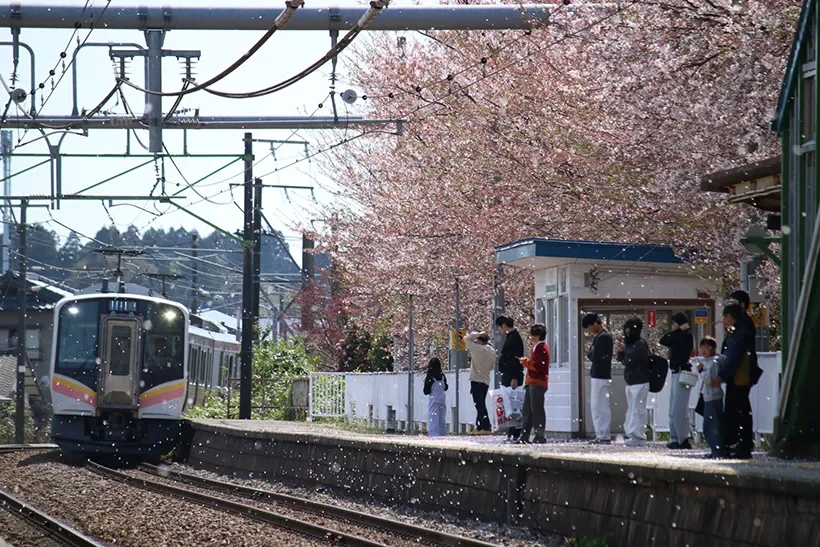
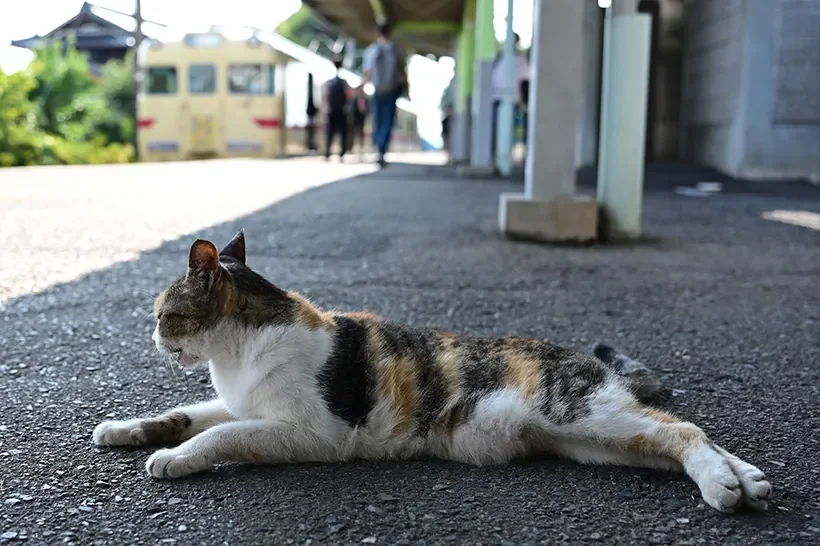
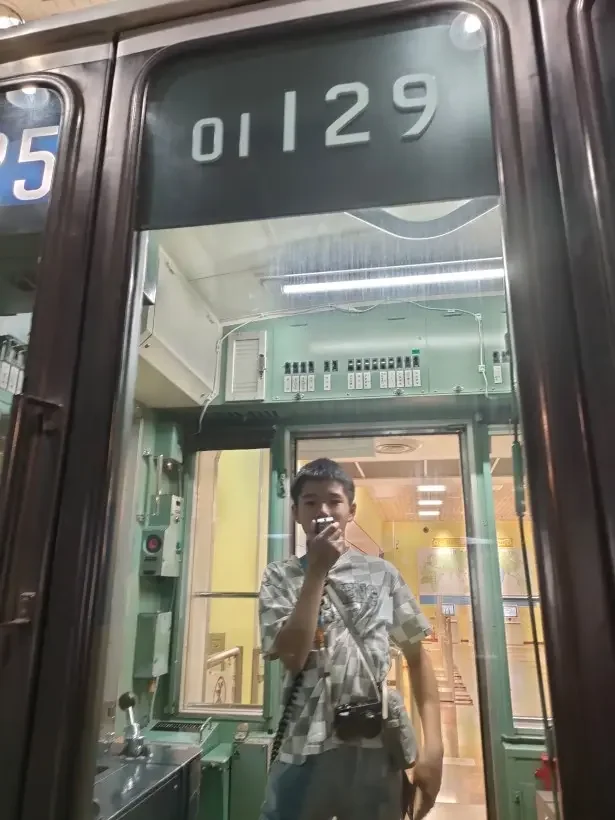
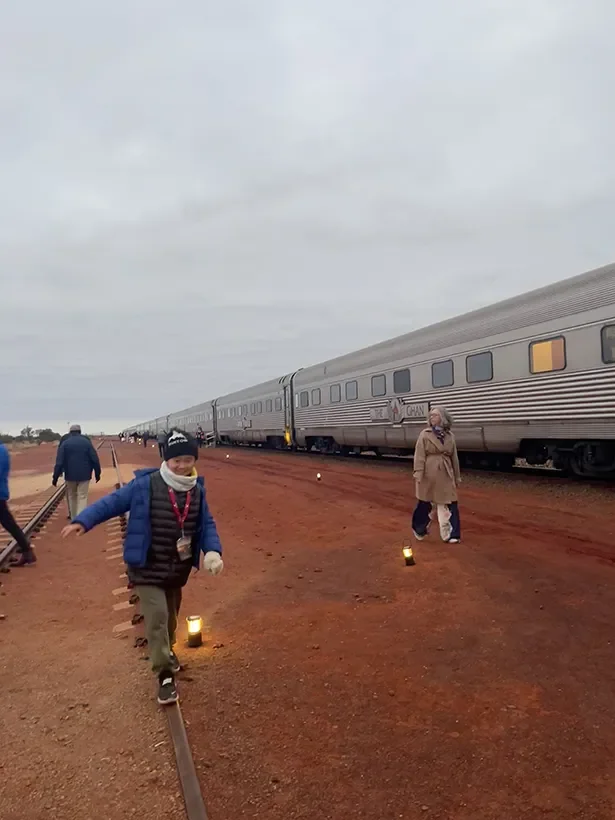
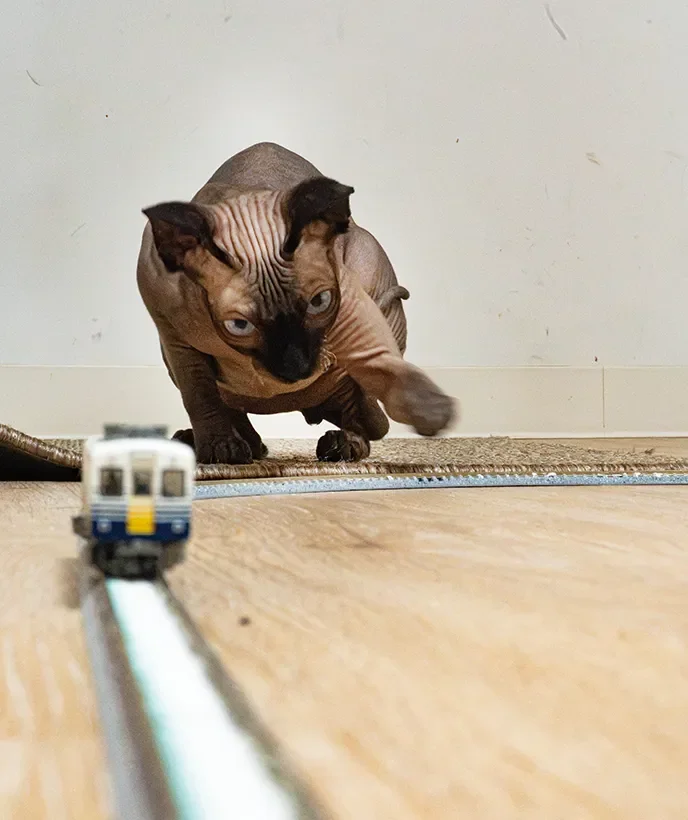
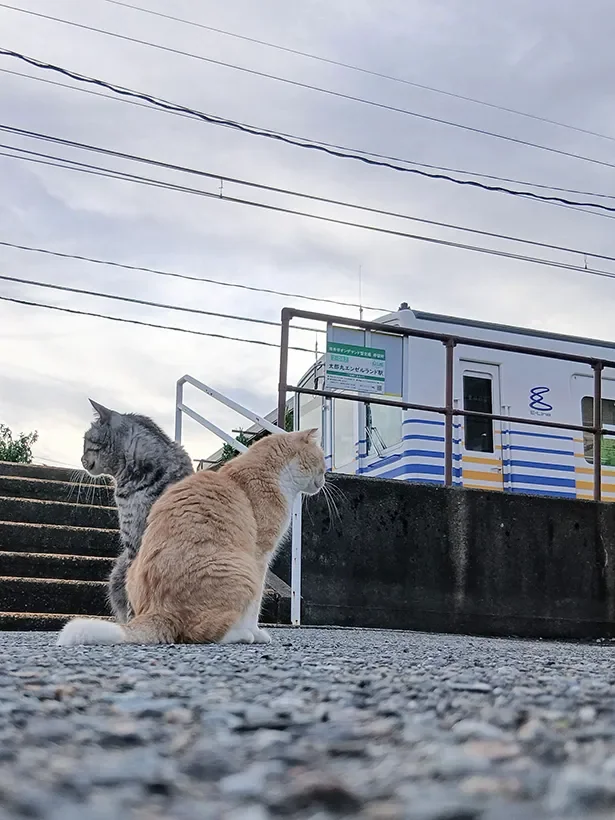
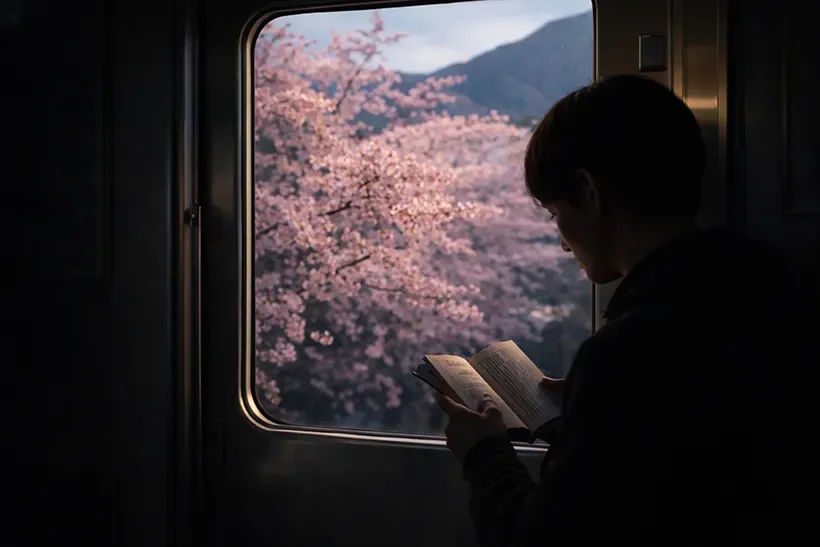
The young photographers look beyond conventional train portraits. Cats at stations, children, people, cherry blossoms and small moments from journeys share the frame with the tracks.
The five special awards
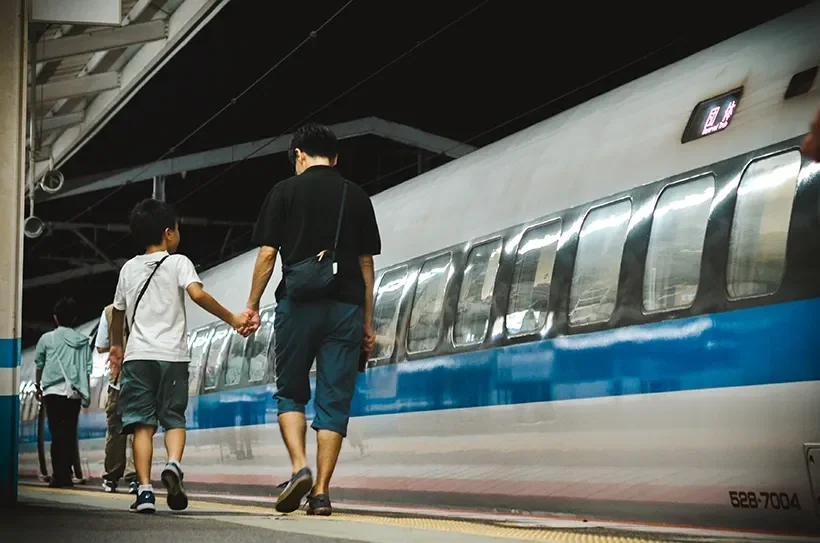
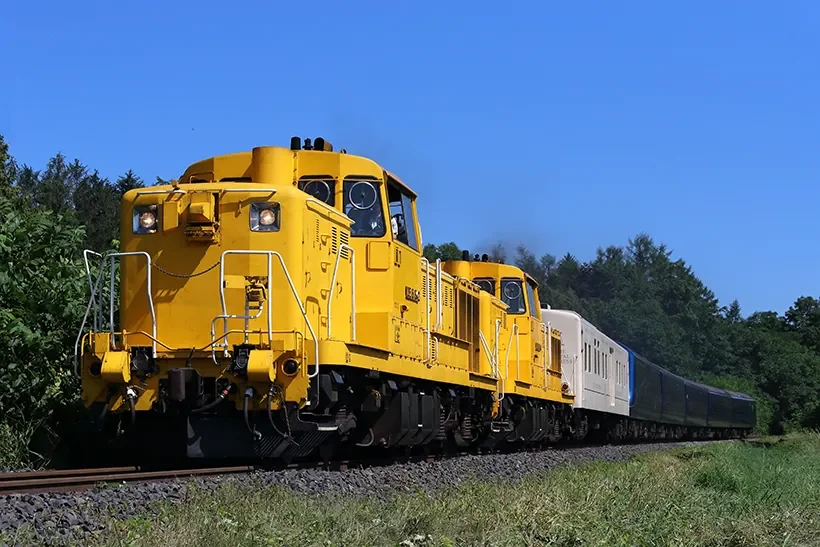
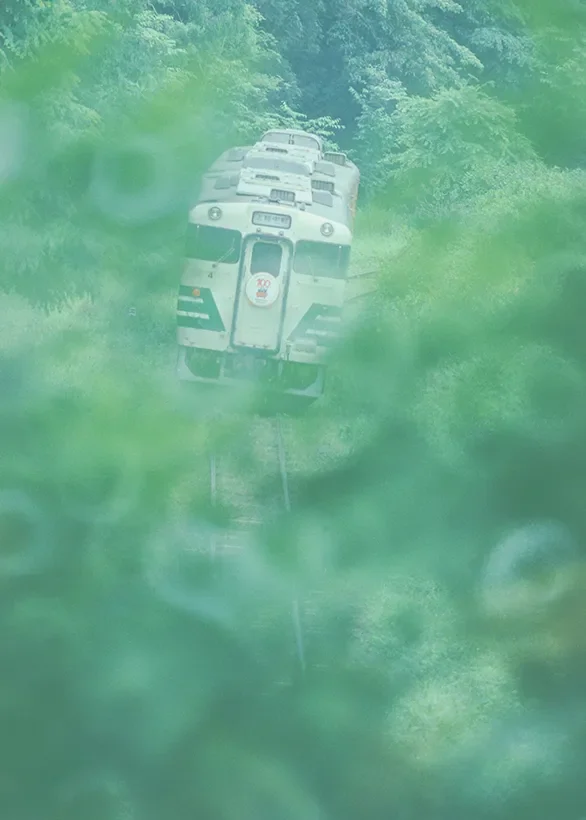
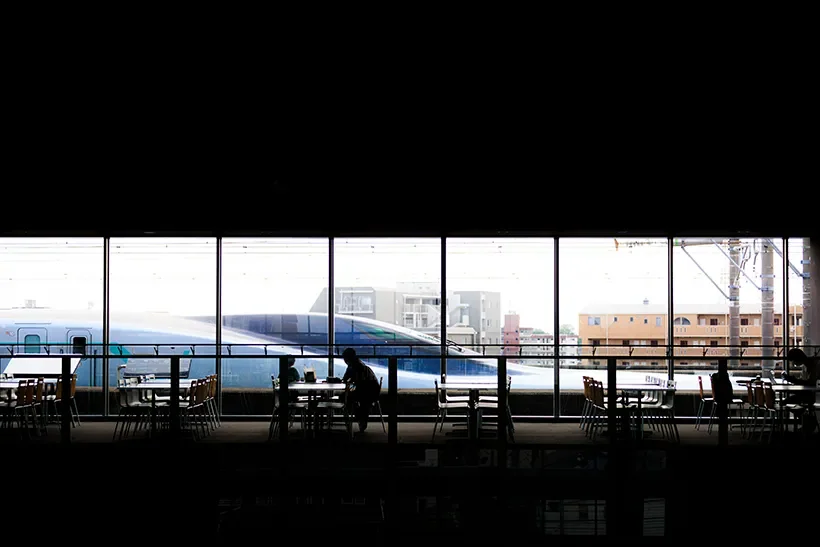
The overall originality/humor prize went to 布施 剛, who captured a cat lying near a railway bridge, seemingly reaching for a passing train. The remaining awards honored a quiet onboard portrait, a vivid rolling-stock study, an abstract optical effect and a view through the windows at Ōmiya Station.

The contest will end in 2027
Tamron says that, after 19 editions, more than 117,000 image submissions and more than 31,000 cumulative participant entries, the contest has fulfilled its original mission of promoting railway and photographic culture. The 20th edition in 2027 will be its last.
Submissions in 2026 were accepted online only, and the 7,636 entries exceeded last year’s total, according to the organizer. All winning photographs are also scheduled to appear on digital signage at JR Ōmiya Station around the November 21, 2026 event and the March 16, 2027 railway celebration.
Other 2026 contests, including the 74th Nikkor Photo Contest, also demonstrate the appeal of well-curated winner galleries. Tamron’s collection stands out for how many creative directions photographers explore while keeping the railway as the shared starting point.
What we think
The Grand Prix image is a reminder that you do not have to show the whole subject to make a photograph work. Almost everything has disappeared into black, but the lines of light and the rhythm between the trains make the frame instantly readable. That takes a strong sense of composition — and the confidence to leave unnecessary details out.
The under-18 winners are particularly compelling in their variety. Snowfall at night, cats and everyday railway journeys make a point that is easy to forget when chasing technically perfect pictures of vehicles: sharp detail is not the entire story.
It is a shame to see such a long-running contest end. At least the final edition will offer one more opportunity to photograph railways not simply as machines, but as part of the human landscape.