Summary
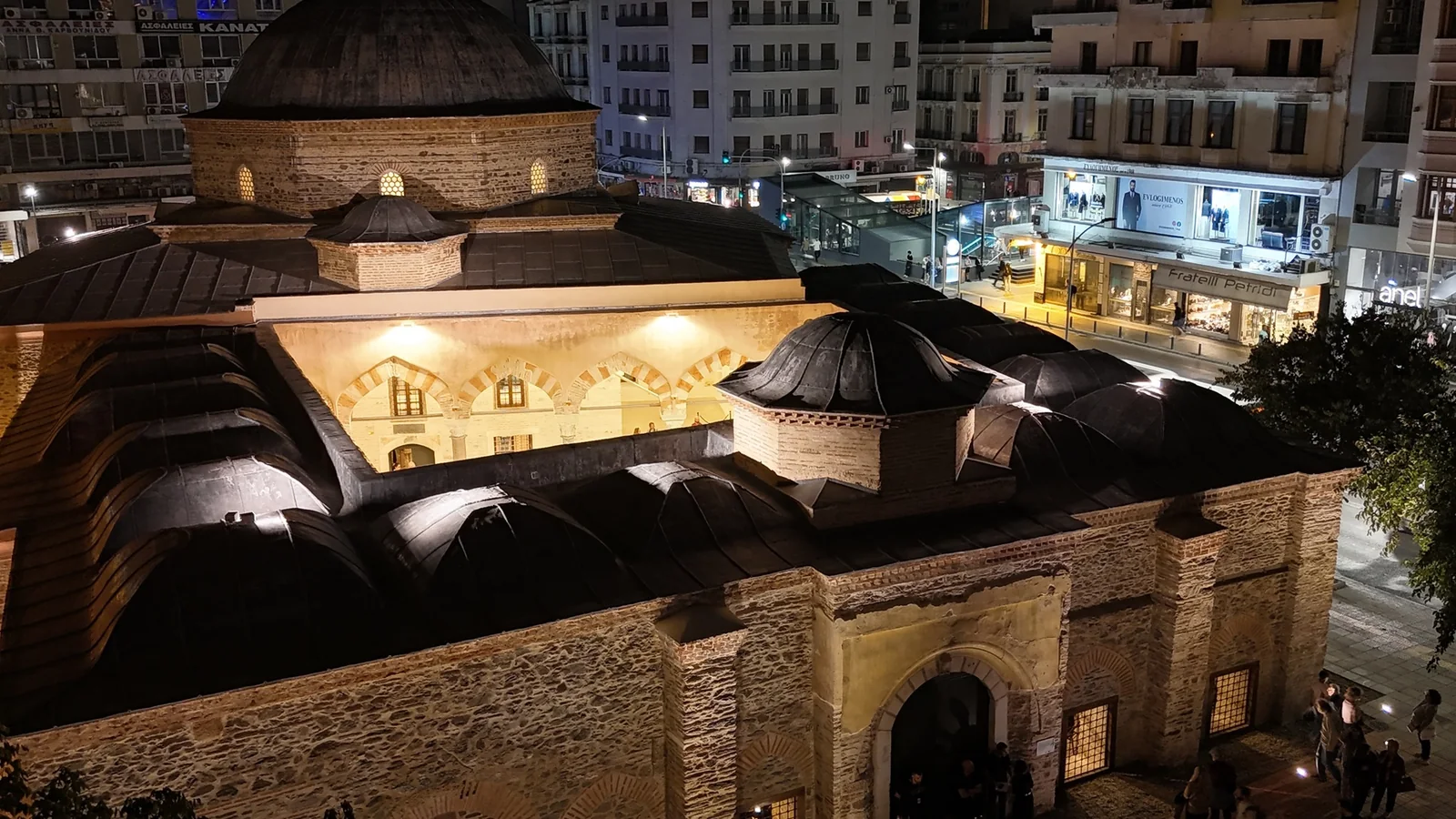
- The Hamza Bey Mosque, known as Alkazar, has reopened after roughly four decades.
- Its first exhibition presents previously unseen photographs of Thessaloniki by Pete Marifoglou from 1960 to 1980.
- The images explore commerce, everyday life and historic buildings amid urban change.
- Admission is free through October 25, 2026.
Event Details
A landmark in central Thessaloniki is welcoming visitors again after four decades, opening with previously unseen black-and-white photographs of the city by Pete Marifoglou from the 1960s to the 1980s.
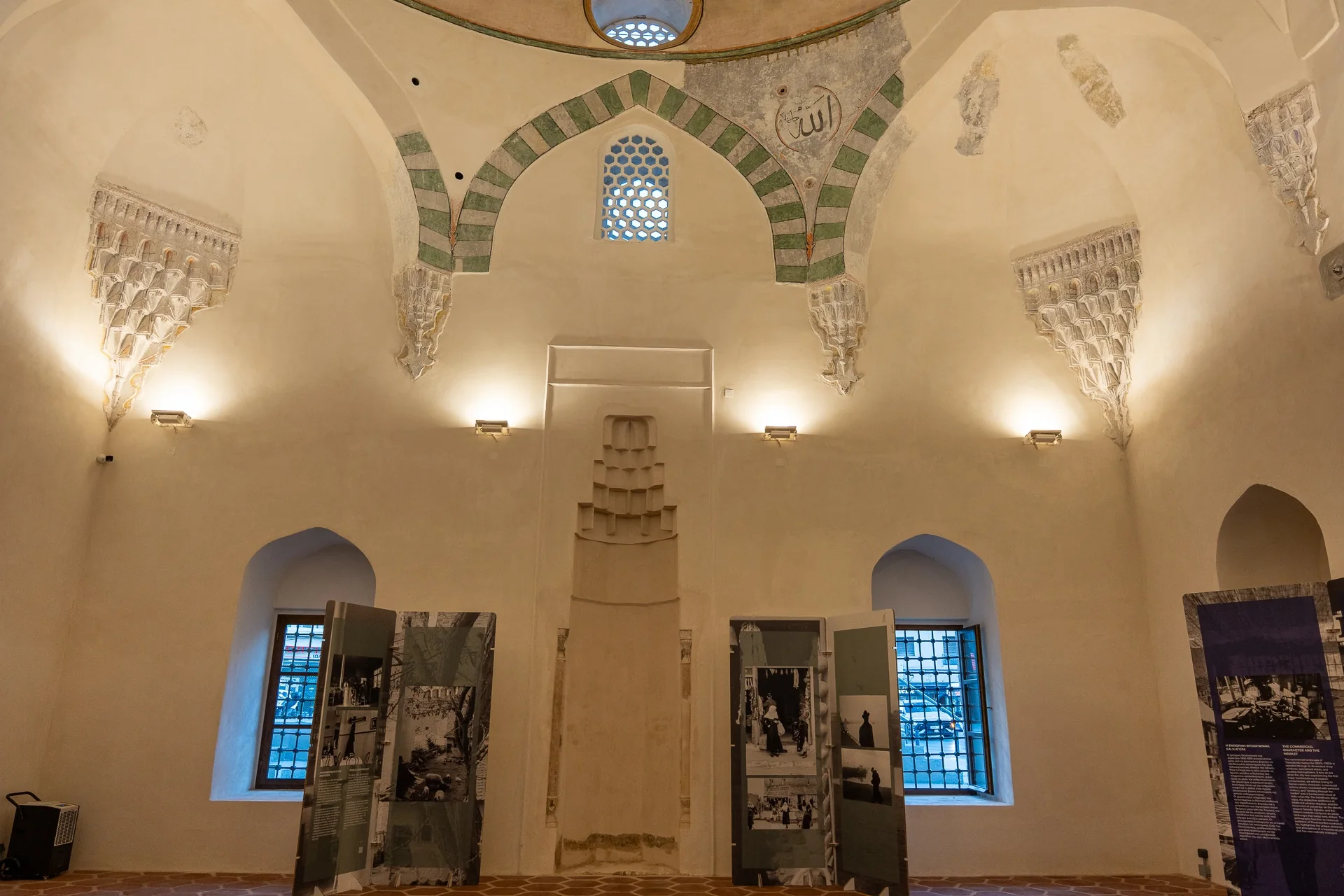
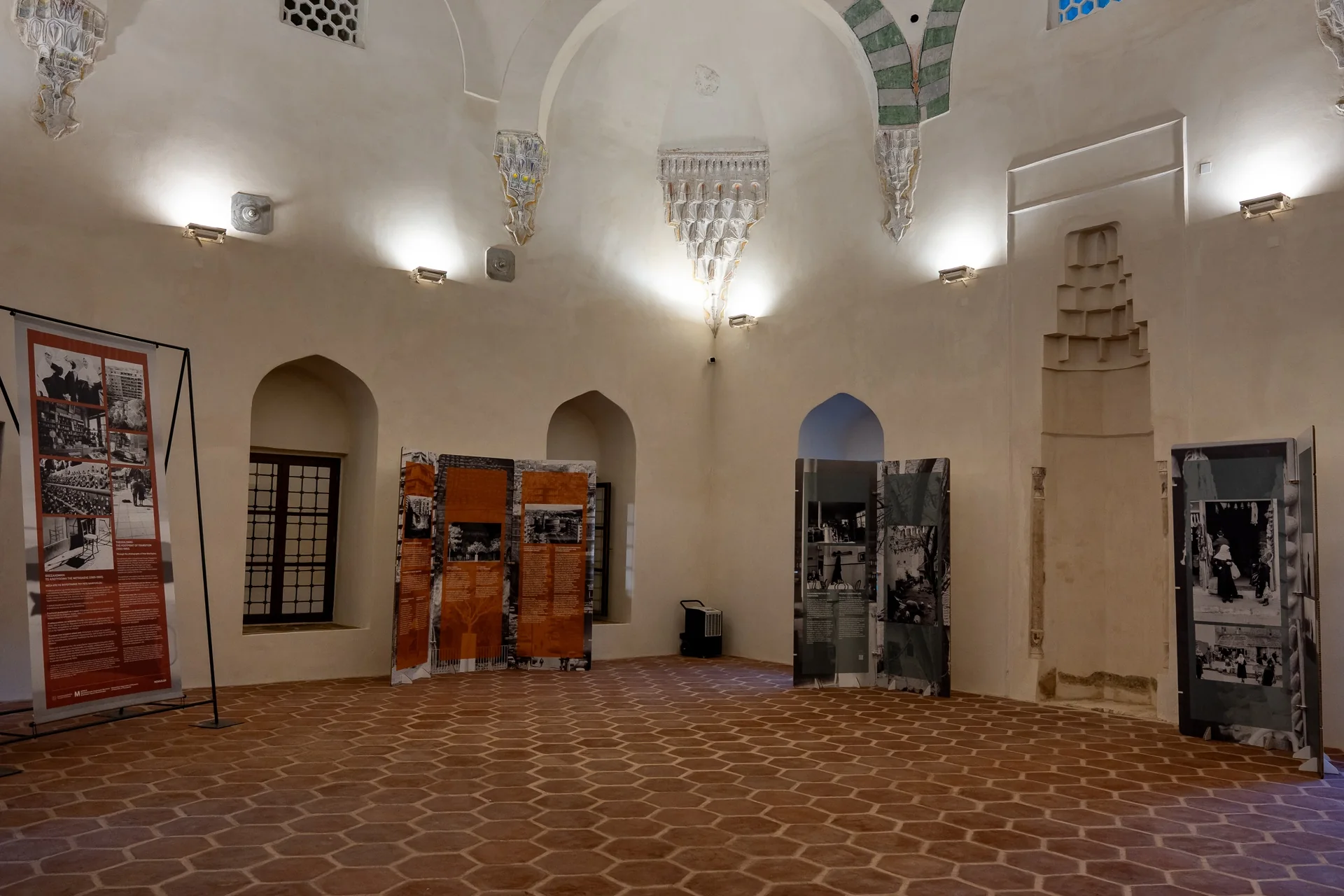
The restored Hamza Bey Mosque, widely known as Alkazar, stands at the junction of Egnatia and Venizelou streets. Its inaugural exhibition, “Thessaloniki: The Imprint of Transition (1960–1980). Through the Photographs of Pete Marifoglou,” brings together the story of a building returning to public life and that of a rapidly changing city.
Previously unseen photographs of a changing Thessaloniki
Born in Thessaloniki but based for decades in the United States, Marifoglou photographed his hometown during visits to Greece. The photographs are being shown publicly for the first time, tracing the changing postwar city. The exhibition is curated by Thouli Misirloglou, artistic director of the MOMUS Museum of Contemporary Art, and Thodoris Markoglou, curator at the same museum.
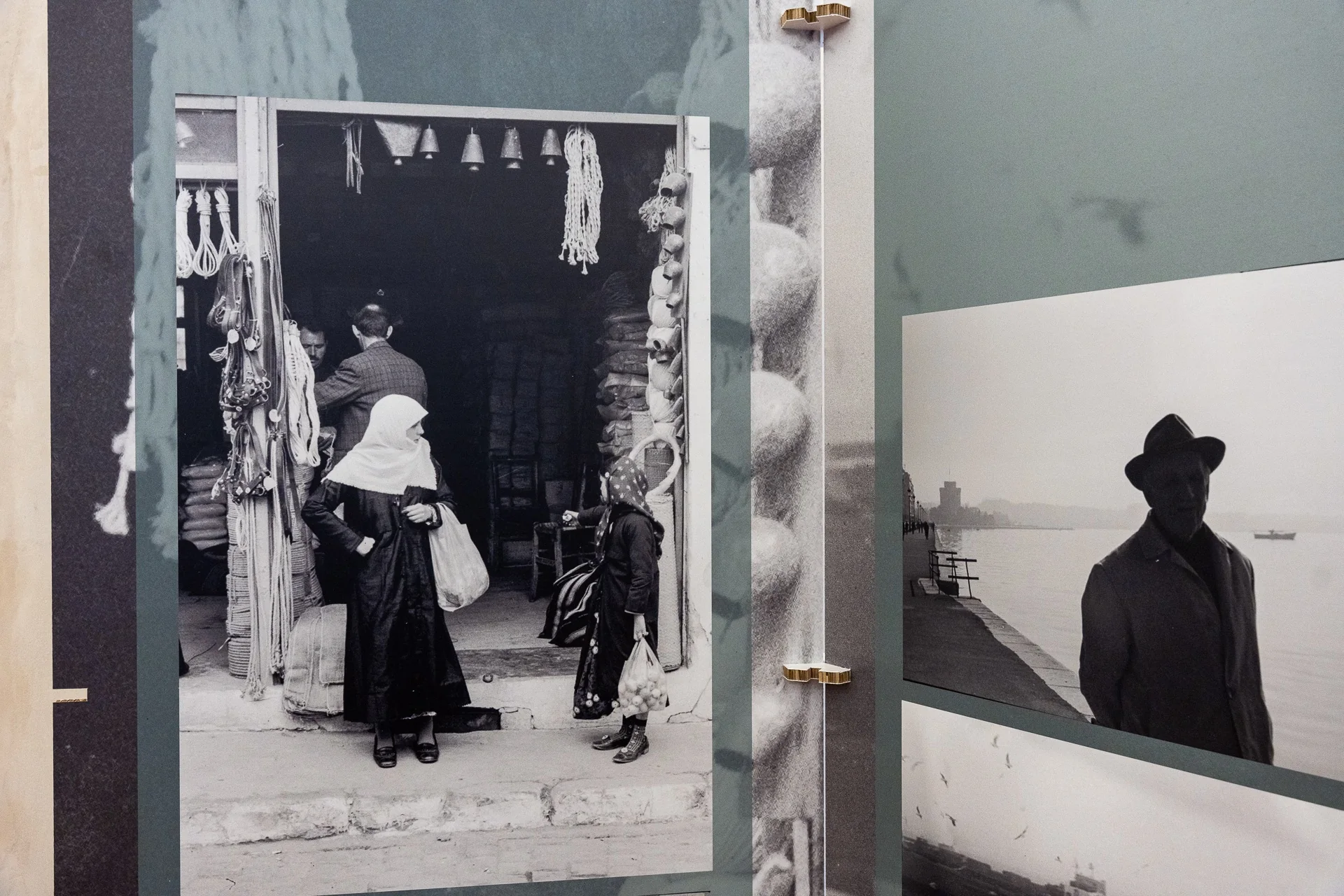
Three themes guide the visitor: commerce and the city’s historic markets; everyday life, from traditional cafés and Upper Town courtyards to mist over the Thermaic Gulf; and the changing place of Roman, Byzantine and Ottoman monuments amid widespread urban redevelopment.
The photographs draw attention to the things grand histories often leave out: a street gesture, an ordinary encounter at a shop, the familiar façade of a neighbourhood before it changes. For photographers working in cities today, this is a reminder of the archival value an everyday picture can acquire over time.
Who is Pete Marifoglou?
Pete (Panagiotis) Marifoglou was born in Thessaloniki in 1944. His family moved to Manhattan in 1950, when he was six. He studied at New York’s School of Visual Arts and worked on experimental film sets at Andy Warhol’s Factory. Throughout his career in New York, he continued photographing Thessaloniki on occasional visits. He returned to the city in recent years.
Alkazar itself is part of the experience
Following restoration under an initiative of the Greek Ministry of Culture, the monument has reopened to visitors after roughly 40 years. MOMUS is responsible for the exhibition programme and operation in collaboration with the Ephorate of Antiquities of Thessaloniki. The restored arches, domes and ornamental details provide the setting for the photographic works.
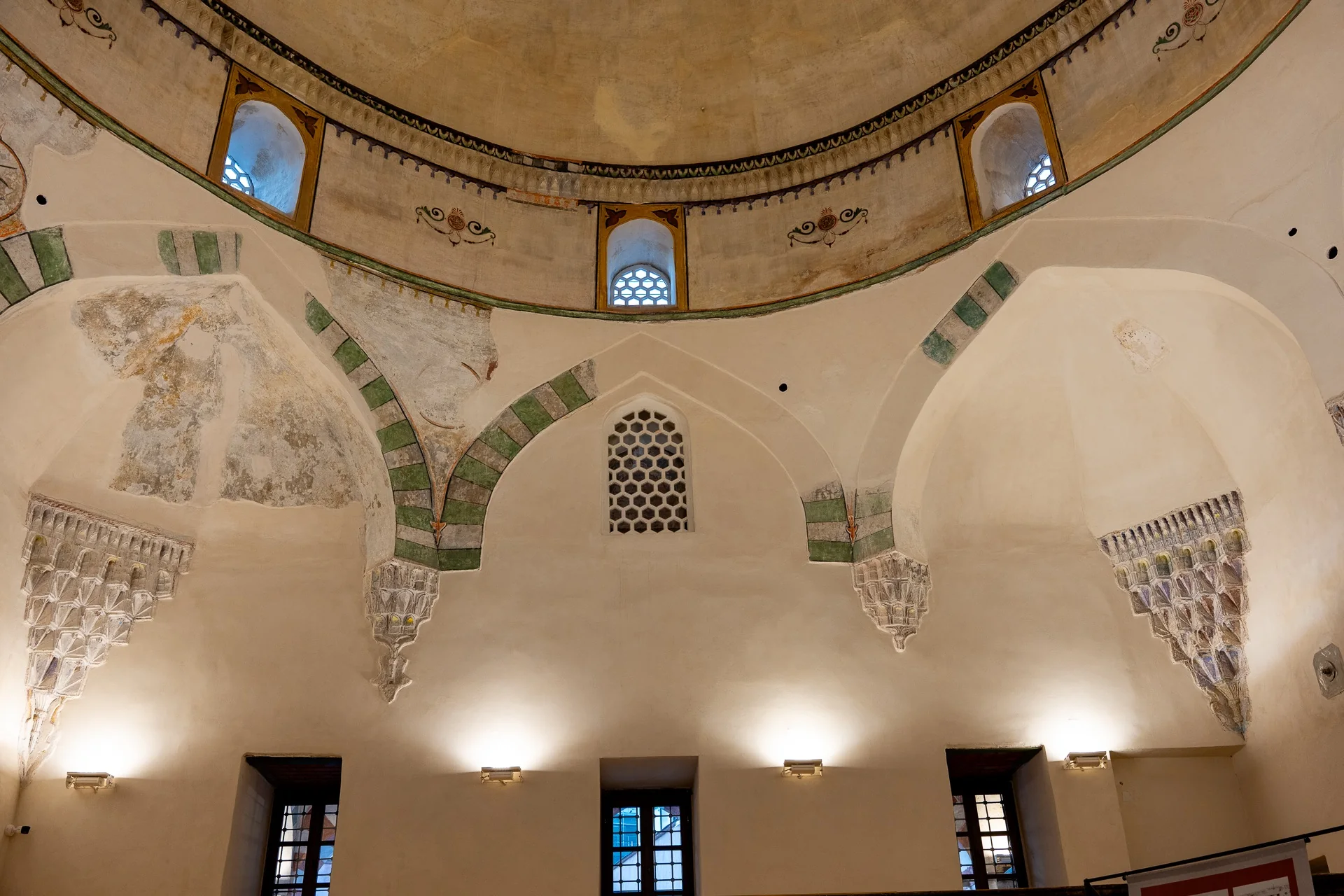
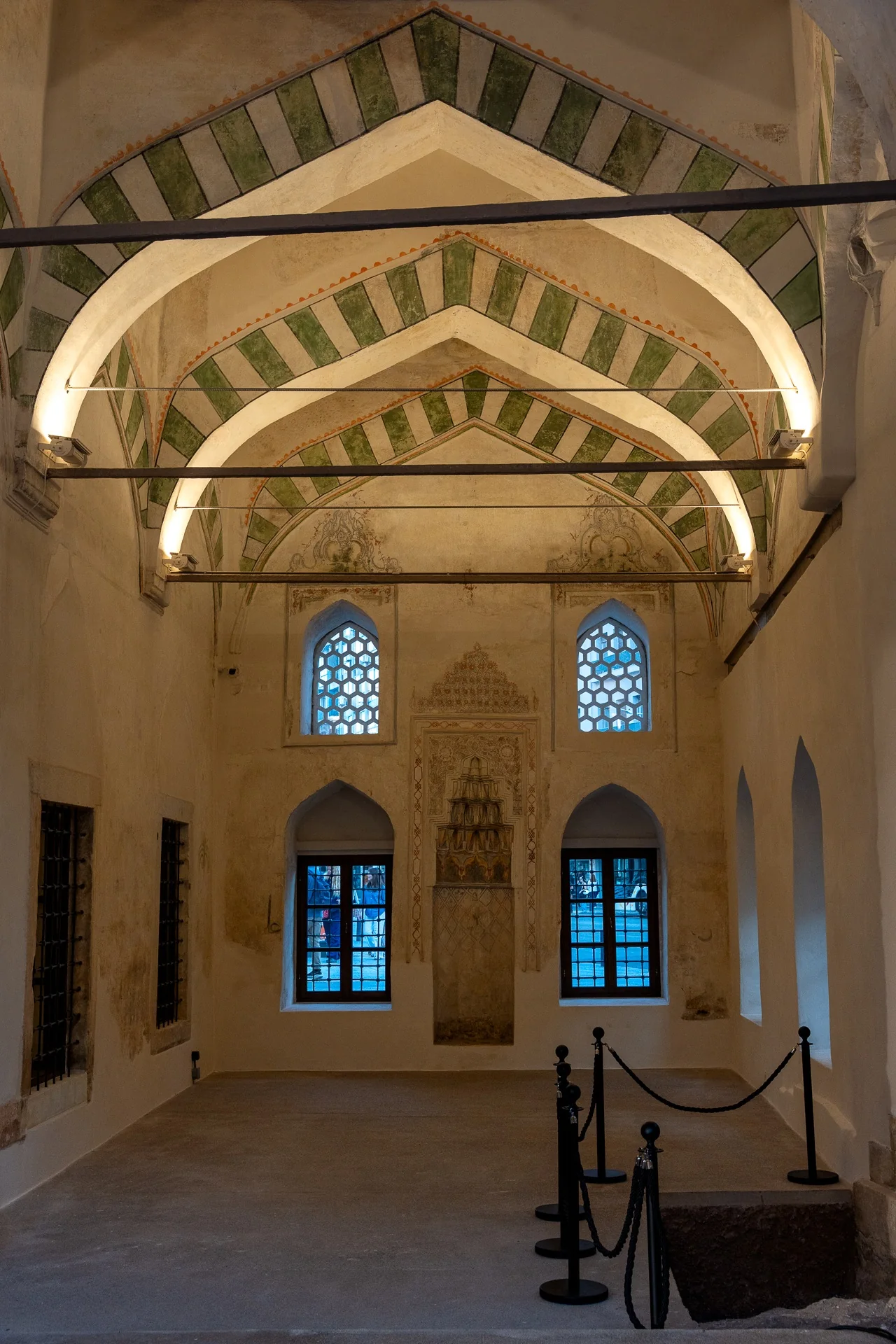
The choice of venue is particularly apt: the photographs chronicle the changing city, while the building around them is another surviving record of its layered history. Thessaloniki now gains another place to encounter photography alongside MOMUS projects such as the László Moholy-Nagy exhibition and the exhibition featuring Manos, Economopoulos and Canaj.
Visiting hours and tickets
Alkazar is located at 49 Egnatia Street, Thessaloniki, near Venizelou metro station. Opening hours are Tuesday to Sunday, 10:00–18:00, with last admission at 17:30; it is closed on Mondays. Visitors begin leaving 15 minutes before closing.
Admission is free through 25 October 2026. Afterwards, the standard ticket costs €5, with applicable discounts and exemptions. An audio guide developed with Smartify is available in Greek, English and Turkish. The official announcement does not specify an exhibition end date; check MOMUS for programme updates.
What we think
Reopening Alkazar with a photography exhibition is a fitting decision. The photographs are not simply decoration for a historic venue: they explore the very city whose layered history the building embodies.
Marifoglou’s position is particularly interesting. He photographed his birthplace while living elsewhere, returning periodically with a viewpoint that combined familiarity and distance. That may provide a distinctive account of everyday life, different from a systematic commissioned survey. Much will depend on how the sequencing and presentation allow the photographs to tell their own story.
It also matters that a monument closed off to everyday public access for decades now has a cultural role. The greater achievement would be to make this a place people can revisit for future exhibitions and activities, rather than a one-off reopening.
Frequently asked questions
Where is the exhibition?
At the Hamza Bey Mosque (Alkazar), 49 Egnatia Street, near Venizelou metro station in Thessaloniki.
How long is admission free?
Through Sunday, 25 October 2026. The standard ticket then becomes €5, subject to the usual discounts and exemptions.
When does the exhibition end?
The official announcement does not specify a closing date. The venue is open Tuesday–Sunday, 10:00–18:00, with last admission at 17:30.