

Summary
- The 2026 European Photography Awards received more than 3,000 entries from over 40 countries.
- Michelle Valberg and Thea Mihu were named Professional and Amateur Photographer of the Year.
- Four photographers representing Greece earned five awards.
- The Greek results comprise one Platinum, three Gold, and one Silver distinction.
More than 3,000 submissions from over 40 countries, two Photographer of the Year titles, nine Category Winners, and five Greek distinctions define the 2026 European Photography Awards. This year’s selection moves from wildlife and architecture to documentary work, fine art, and cultural memory.
Canadian photographer Michelle Valberg was named Professional Photographer of the Year, while Germany’s Thea Mihu received the Amateur Photographer of the Year title. The results also carry special interest for Greek readers: four photographers representing Greece earned five awards with four different works.
The Greek distinctions: five awards for four photographers
The official results database lists one Platinum, three Gold, and one Silver award for entries from Greece. Two of the Gold awards went to the same photograph by Akis Papazahariadis, entered in two separate categories. These are ranking-level awards, not the overall Photographer of the Year or Category Winner titles.
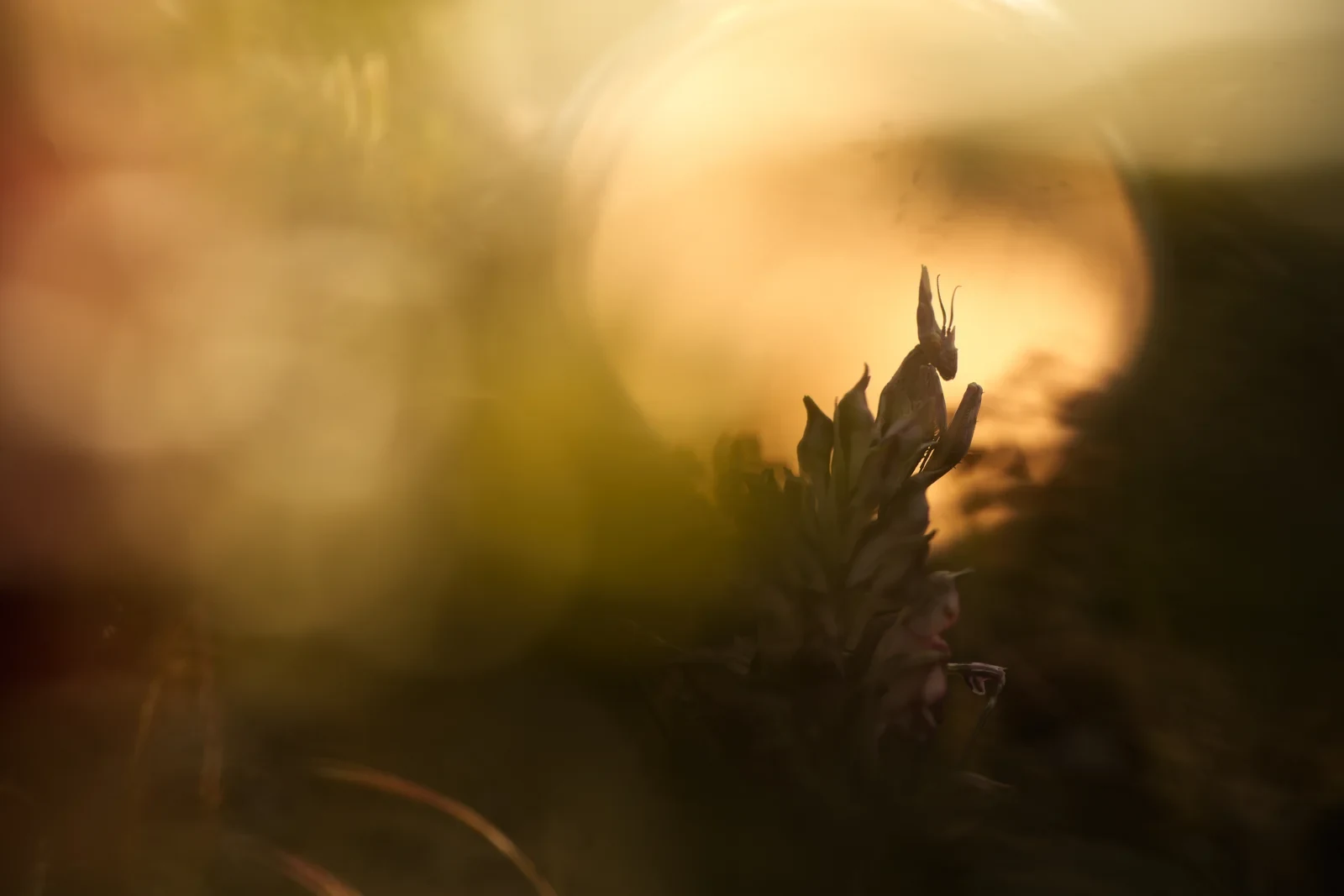
Panagiotis Dalagiorgos: Platinum for “Glorious sunset”
Panagiotis Dalagiorgos received a Platinum Winner award in Nature Photography – Macro in the amateur division. The image shows a backlit Empusa fasciata nymph and was made on a mountain near Athens. Dalagiorgos combined natural light, diffusion, and a flash with an orange gel, making the light itself the central subject of the composition.
Akis Papazahariadis: two Gold awards for “Barbora’s Nature”
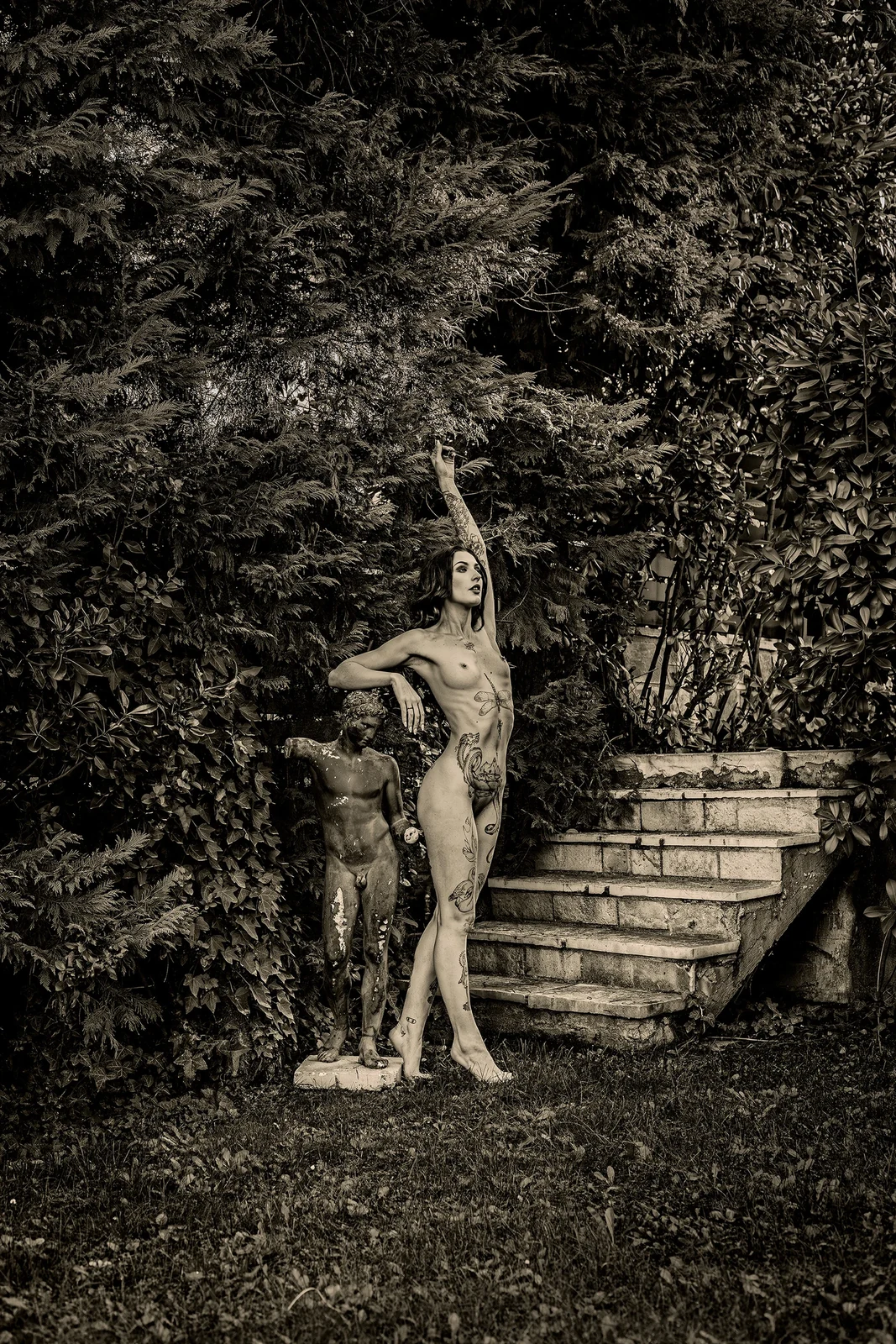
The black-and-white “Barbora’s Nature” by Akis Papazahariadis earned Gold Winner awards in both Black & White Photography – Nudes and Fine Art Photography – Nudes, also in the amateur division. A female figure, a weathered statue, stone steps, and dense foliage create a dialogue between the body, nature, time, and memory. The official credits name Barbora Aria.
Christos Angelidis: Gold for “The Lineage of Silence”
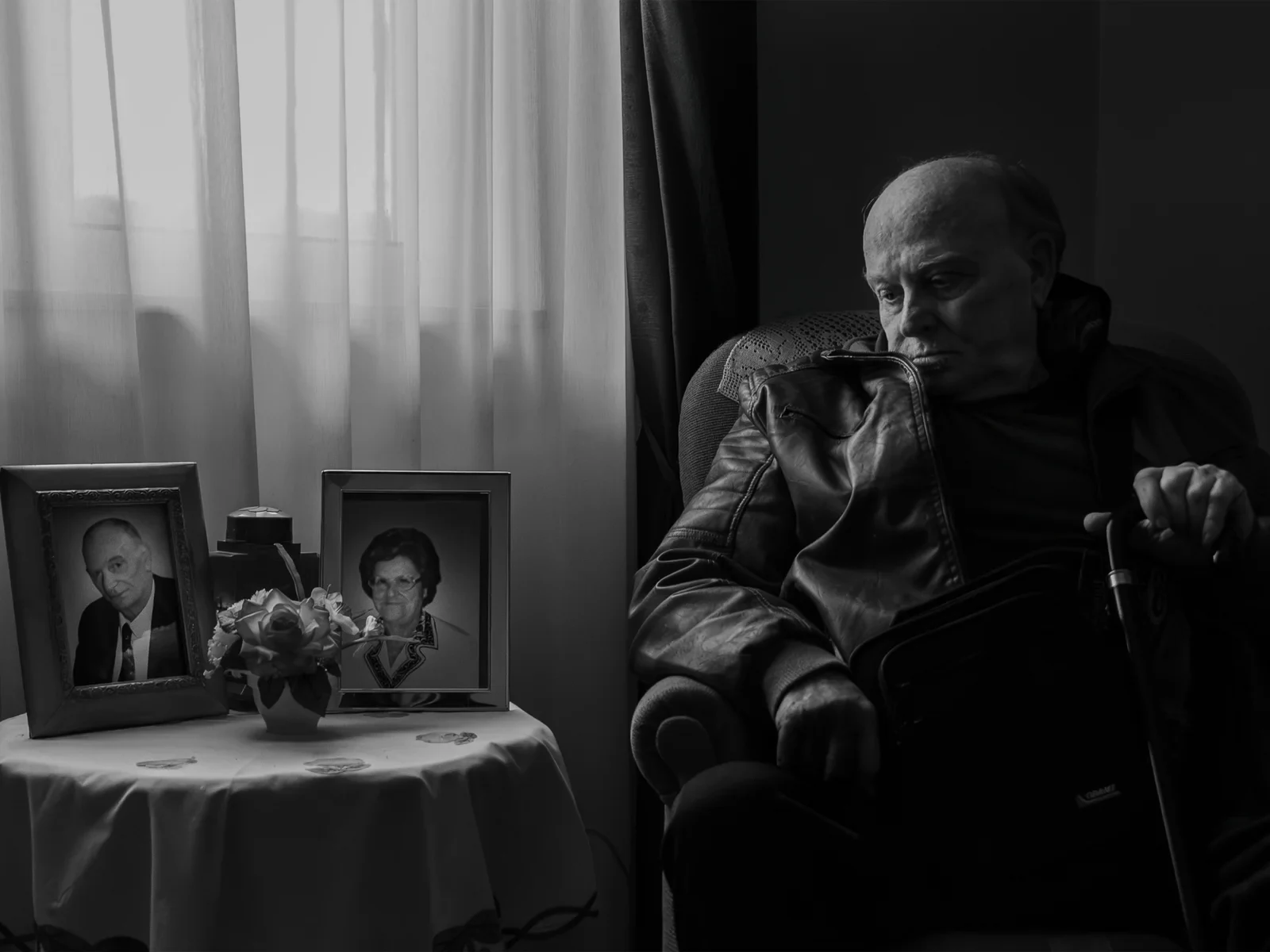
In the professional division, Christos Angelidis and Aggelidis Photography received a Gold Winner award in Black & White Photography – People. The photographer’s father looks downward, framed by portraits of his own parents. The image becomes a silent conversation across three generations and a reminder that family presence continues through memory.
Konstantinos Aleiferis: Silver for “Happily Ever After”
Konstantinos Aleiferis received a Silver Winner award in People Photography – Family in the professional division. “Happily Ever After” is a spontaneous family portrait from a christening next-day session: laughter, embraces, and genuine connection replace rigidly staged perfection.

The two Photographers of the Year
Michelle Valberg: a split-second encounter between species
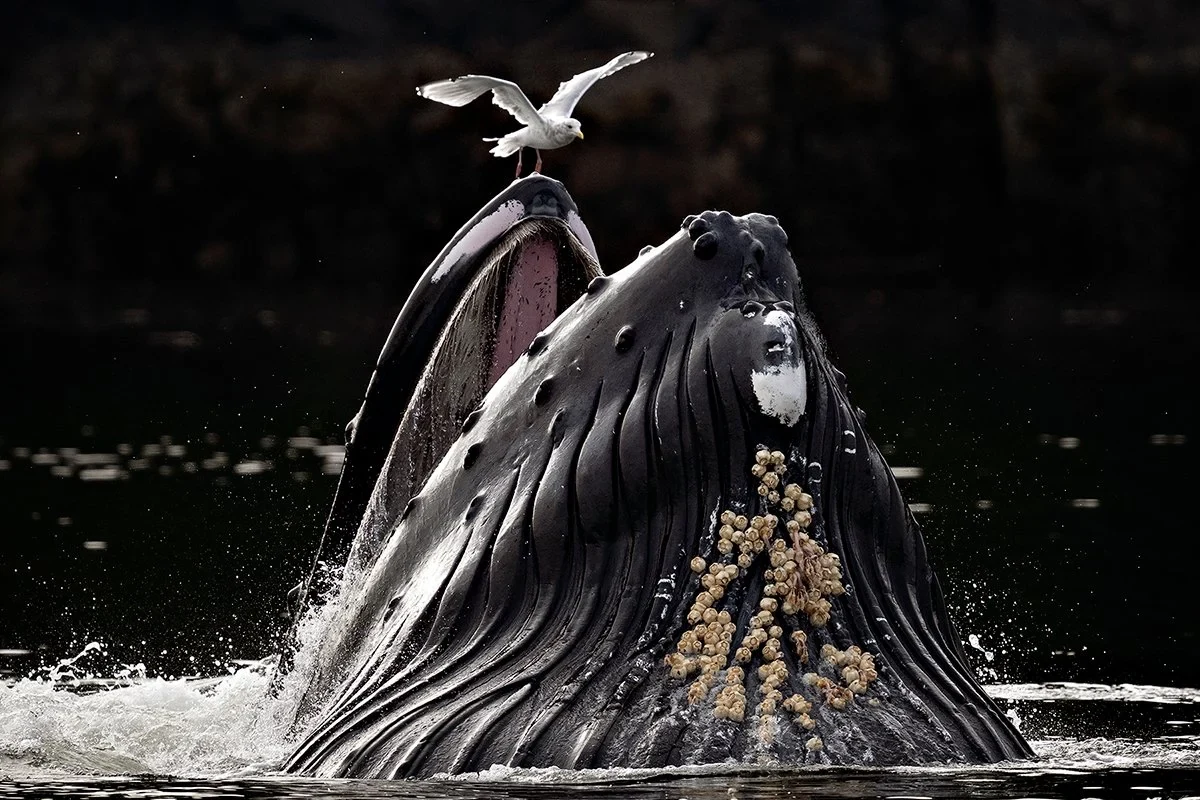
In “Edge of the Feast,” a humpback whale rises in British Columbia’s Great Bear Rainforest with its mouth wide open while a gull hovers at the edge of its upper jaw. The moment combines risk, opportunity, and precise timing. The photograph earned Michelle Valberg the Professional Photographer of the Year title, a $3,000 cash prize, and the competition statuette.
Thea Mihu: documenting the manual salt harvest
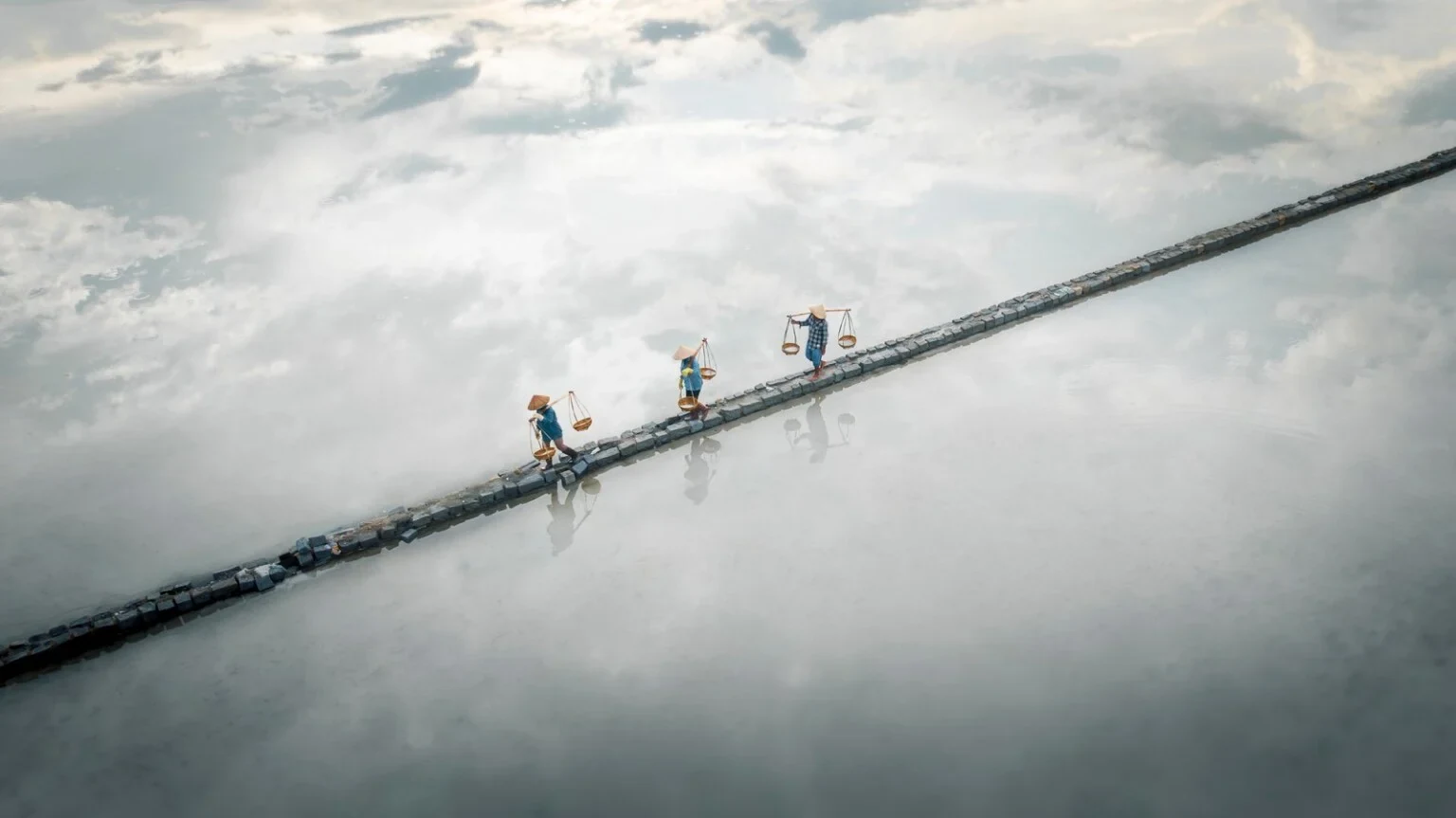
Thea Mihu won Amateur Photographer of the Year and a $2,000 cash prize with “The White Harvest.” At Vietnam’s Hon Khoi Salt Fields, a small number of workers continue a demanding traditional process built around seawater, sunlight, and wind. The immense scale of the landscape makes the people appear small without diminishing the weight of their labour.
The professional Category Winners
Architecture from above: Derry Ainsworth
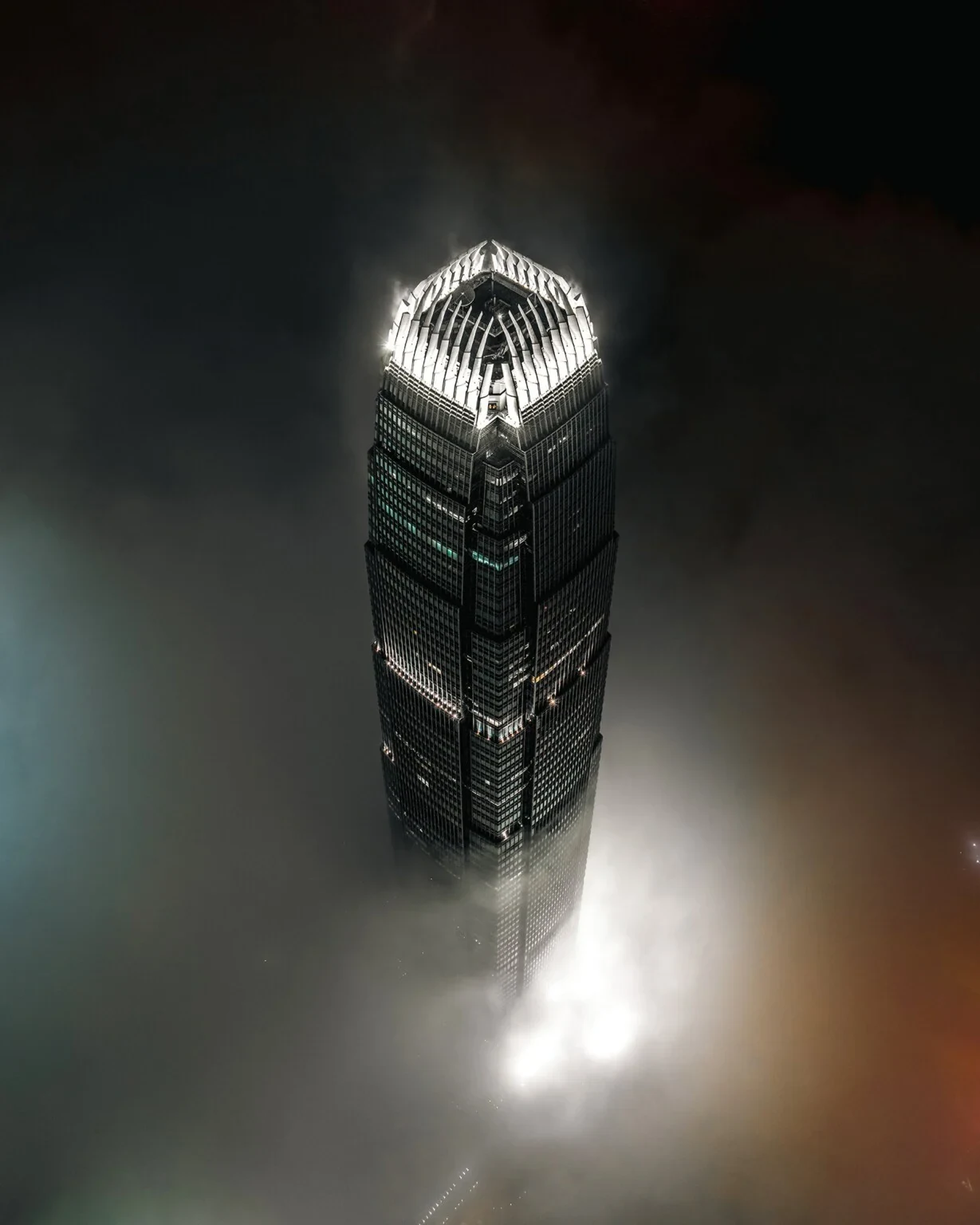
“Hong Kong From Above” turns the city’s density into a geometric, almost abstract landscape. Derry Ainsworth’s architectural design background is visible in the way he organises repetition, colour, and scale. The series won Architecture Photography – Drone.
Life amid demolition: Lucas Dragone
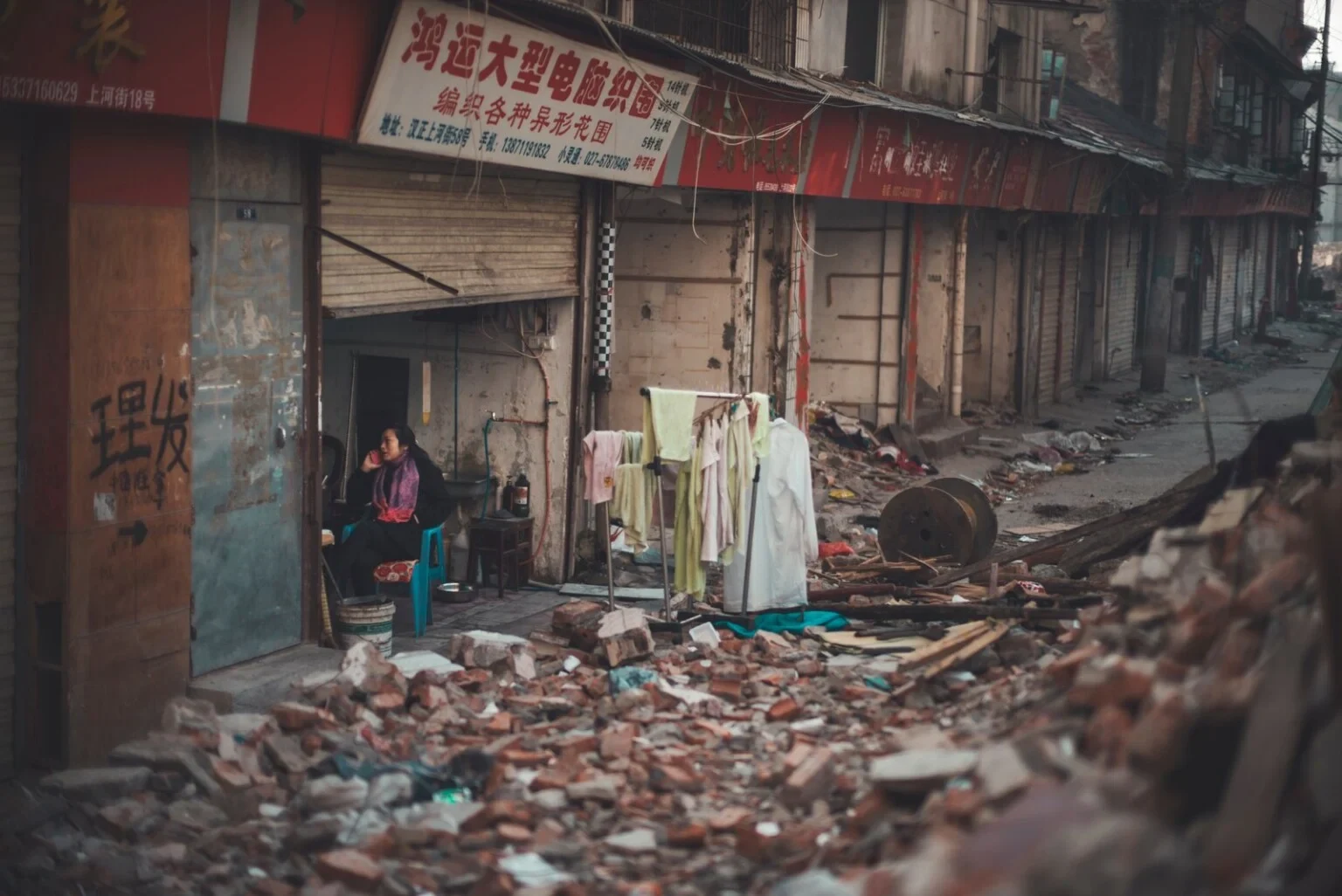
In “Silent Resilience,” Lucas Dragone observes Wuhan neighbourhoods being transformed by demolition. Rubble exists alongside laundry, chairs, and ordinary gestures. The strength of the series, winner of Editorial Photography – General News, lies in the quiet persistence of daily life rather than spectacle.
Attraction as a black hole: Eva Wang
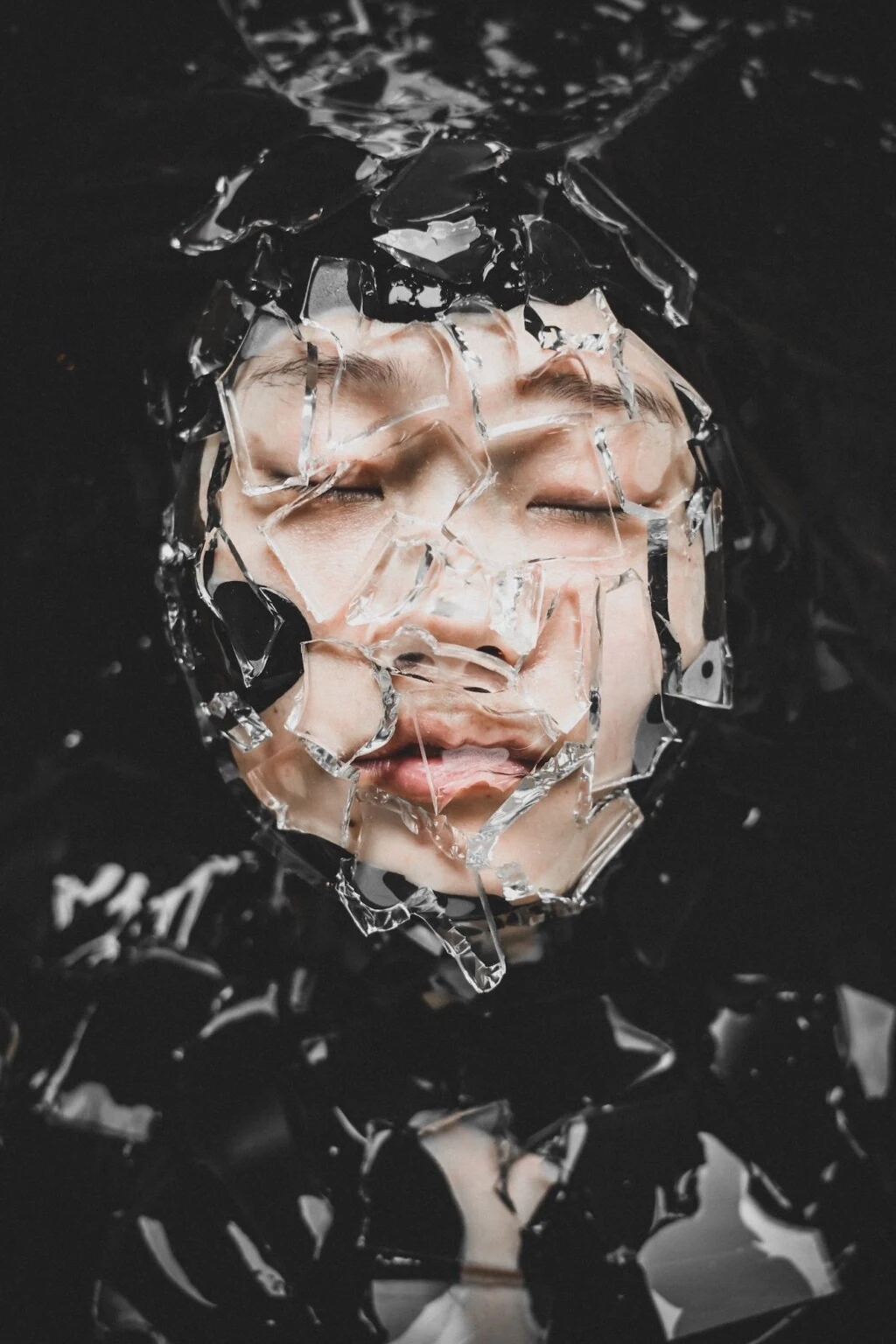
Eva Wang’s “BLACK HOLE,” the Fine Art Photography – Portrait winner, translates gravitational attraction into a dark portrait about desire, obsession, and the surrender of control. Fragments and a distorted surface intensify the feeling of a world collapsing inward.
Endurance against the elements: Michelle Valberg
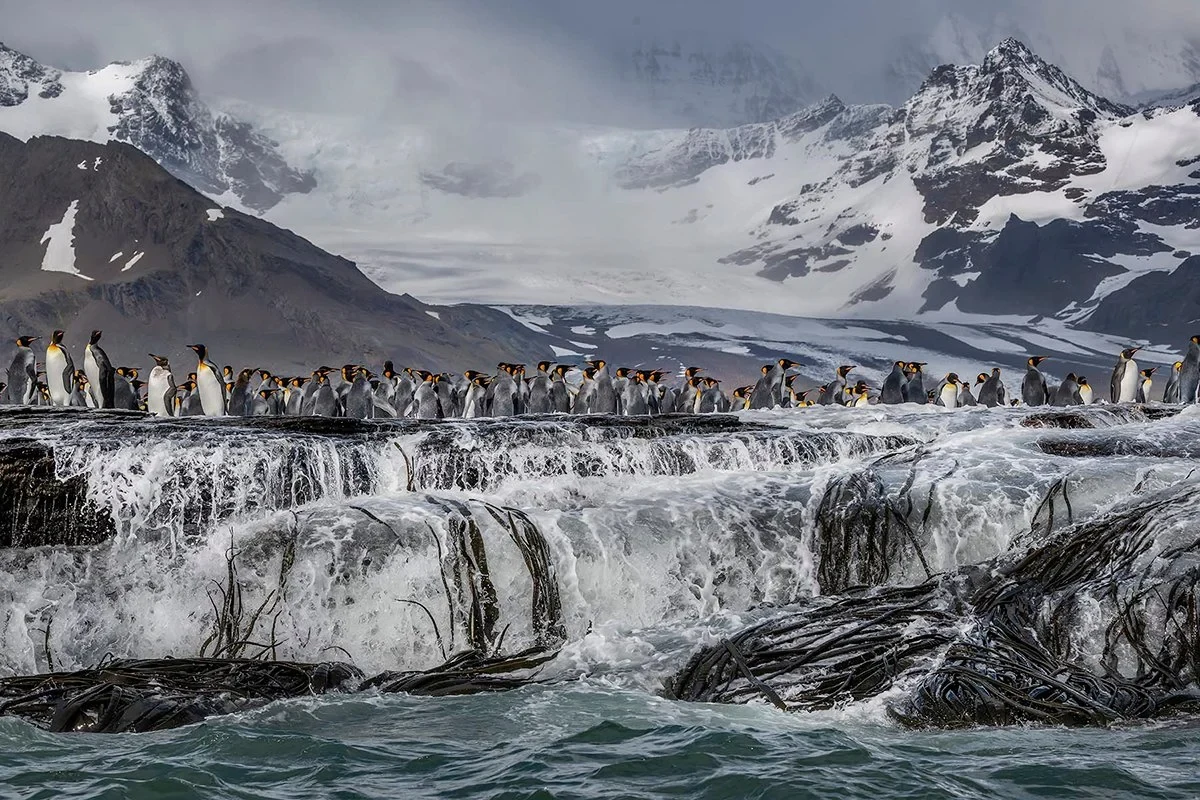
Valberg appears again with “Standing Tall,” winner of Nature Photography – Wildlife. King penguins in South Georgia remain almost motionless as waves, wind, and kelp move around them. Repetition and the vast scale of the landscape build a photograph about endurance.
Cultures at risk of disappearing: Roberto Pazzi
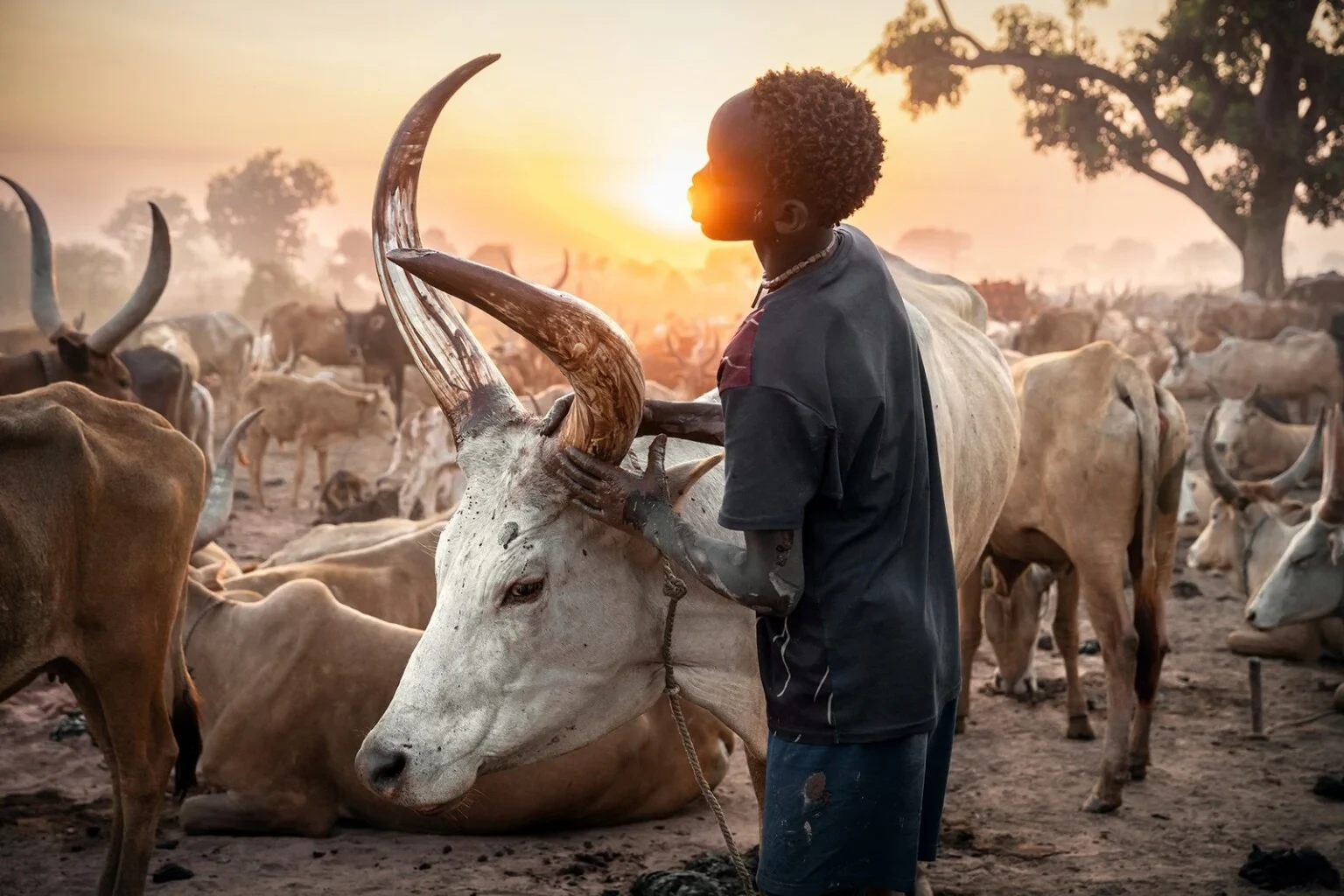
Roberto Pazzi’s “Vanishing Worlds” won People Photography – Culture. The project records rituals, languages, ancestral knowledge, and collective memory being transformed under the pressure of globalisation. It does not treat communities as relics, but as living presences whose differences are worth preserving.
The amateur Category Winners
Montpellier’s white tree
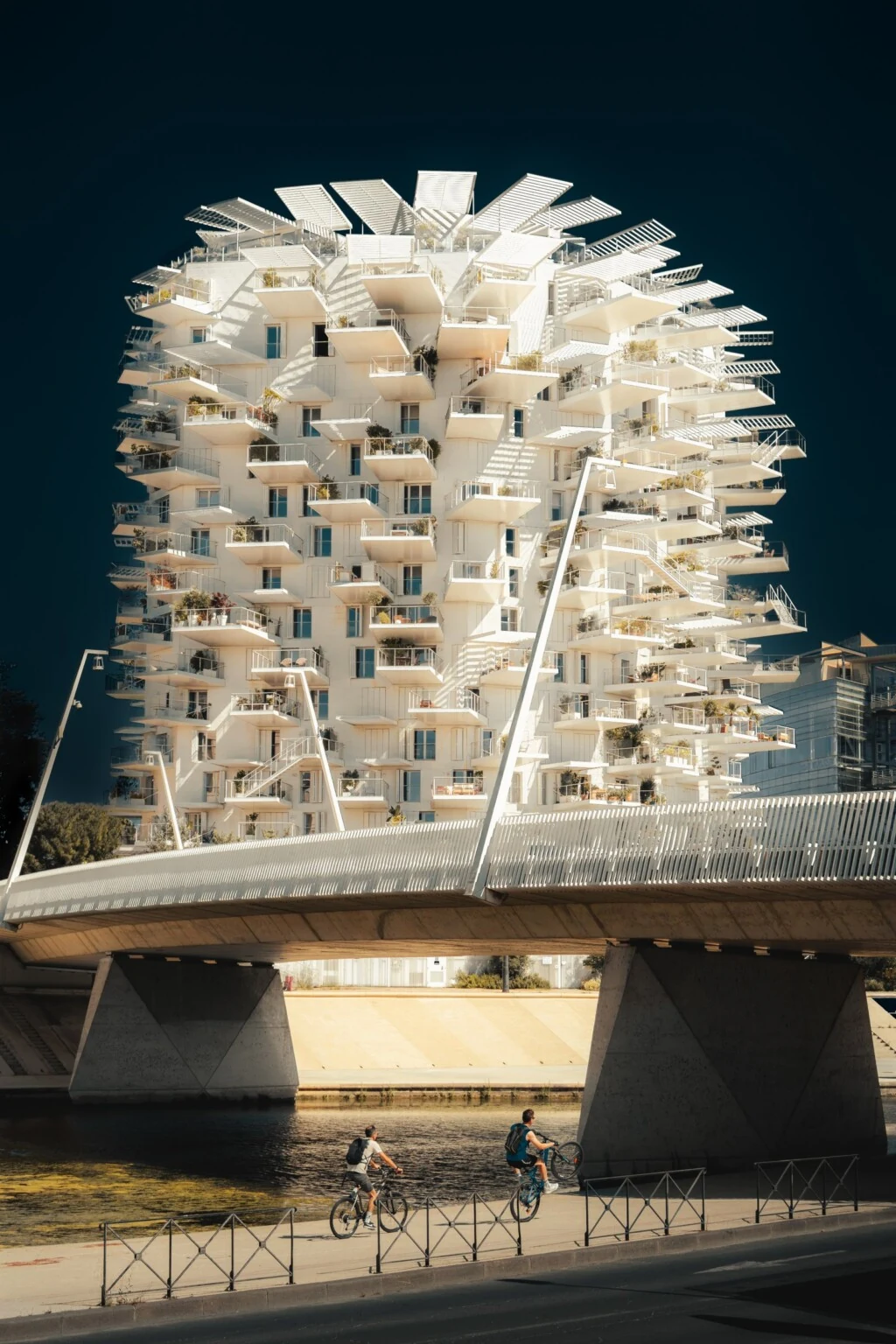
Felipe Martín-Serrano Ortiz won Architecture Photography – Building with “L’Arbre Urbain: Montpellier’s white canopy.” The vast cantilevered balconies of L’Arbre Blanc extend like branches, while cyclists below bring the striking building back to the scale of everyday life.
The Nuba through Philipp Schmieja’s lens
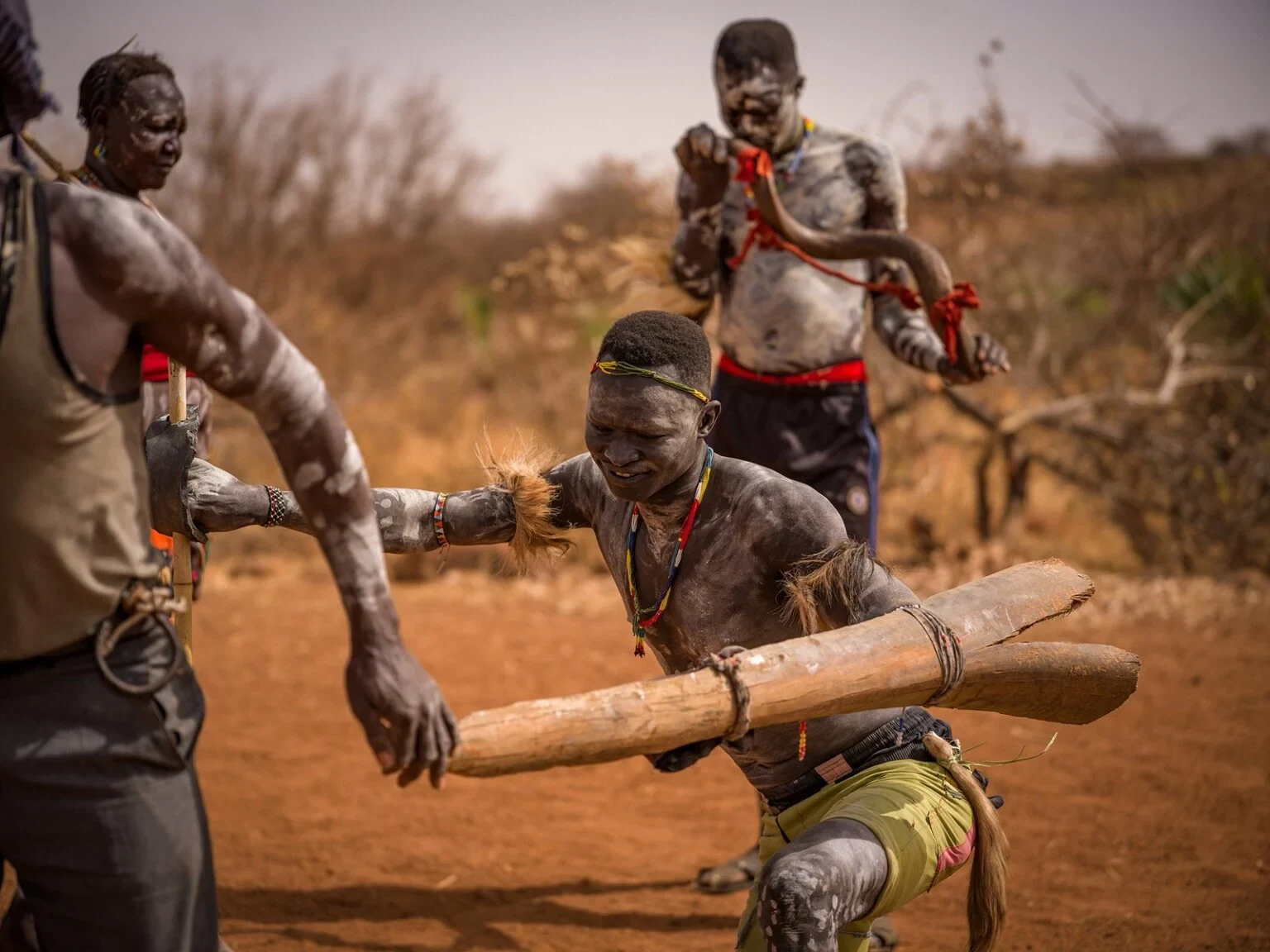
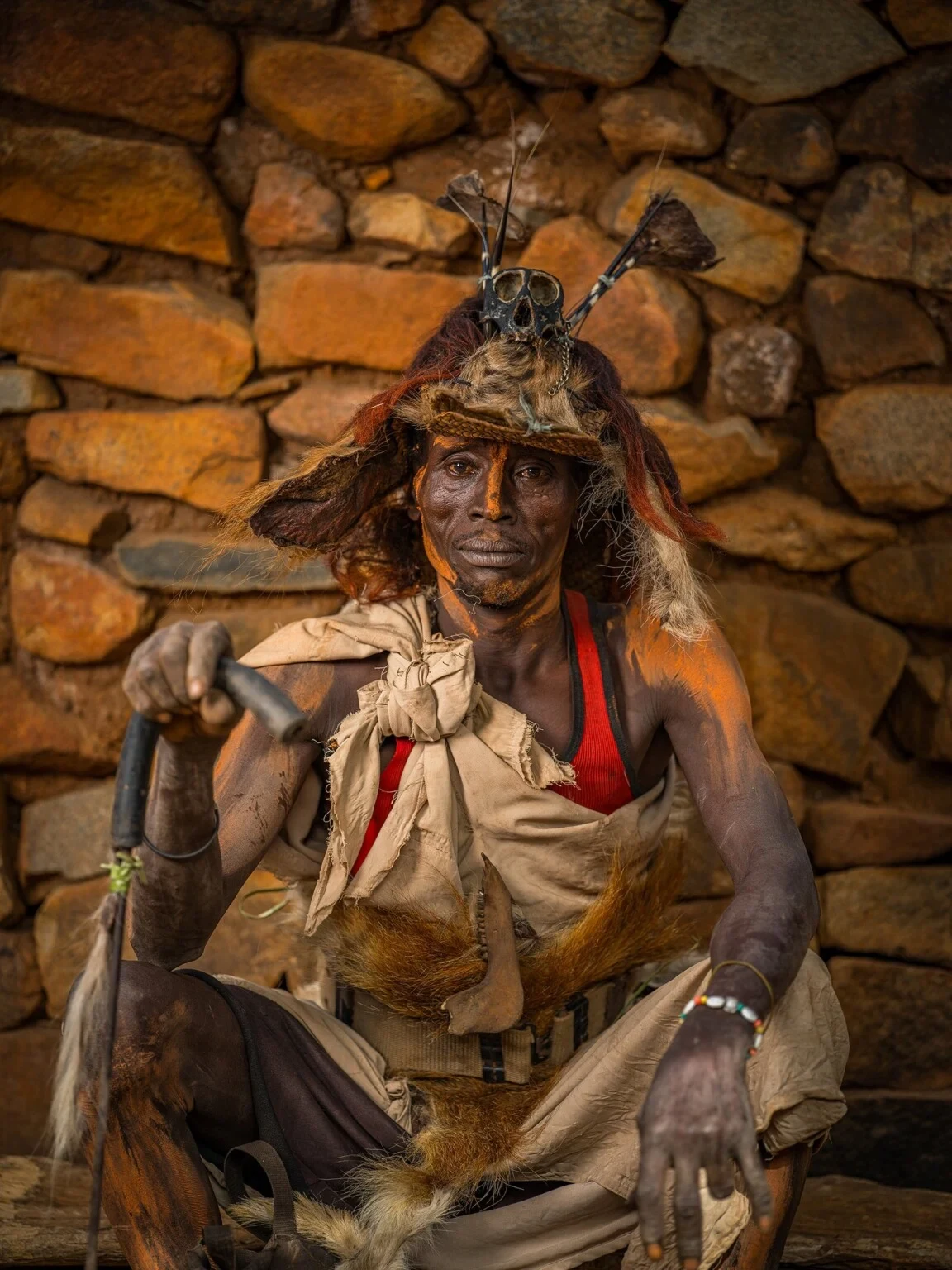
“Survive to legacy,” winner of Editorial Photography – Documentary, takes the viewer to South Kordofan, Sudan. Schmieja photographs the Nuba and practices such as wrestling and stick fighting, which carry cultural identity through decades of conflict, displacement, and outside pressure.
Fuego paints the night
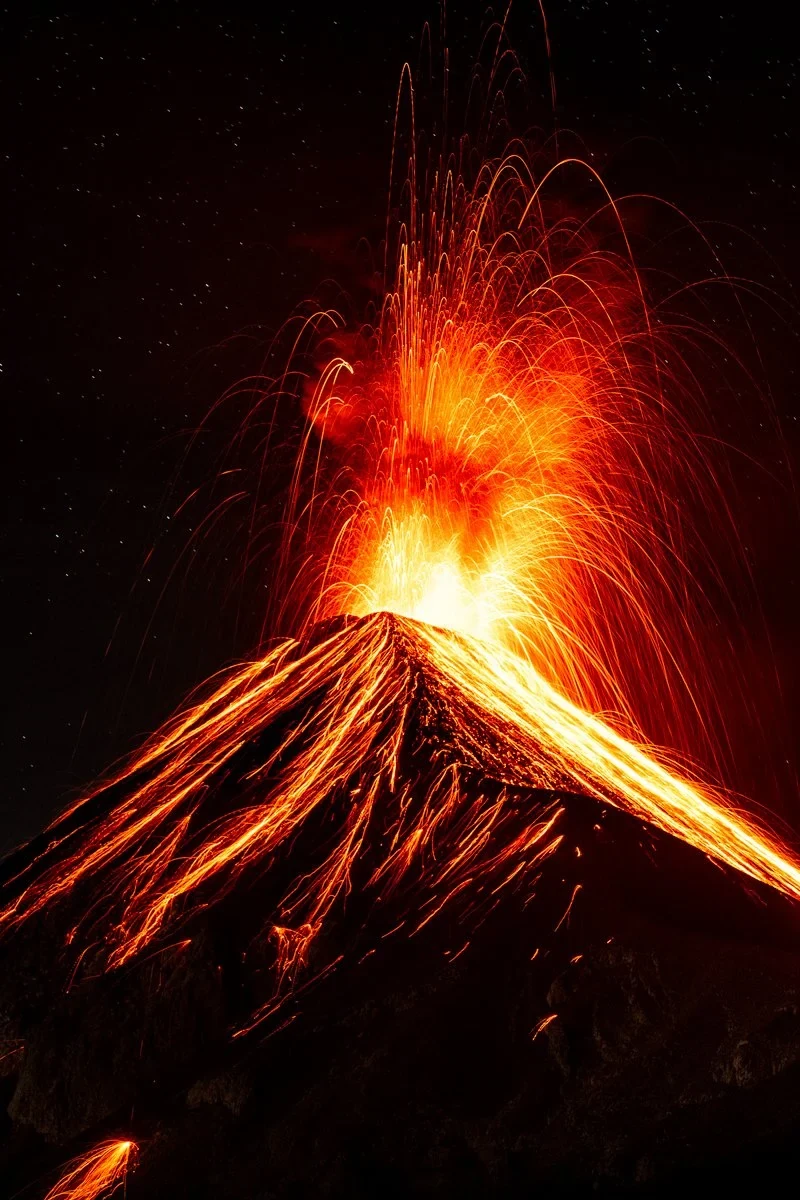
In Andreia Costa’s “Veins of Fire,” Guatemala’s Fuego volcano sends lava and volcanic material into the darkness. The Nature Photography – Natural Art winner isolates the few seconds in which geological forces become visible as light and movement.
Photography as an archive of memory
Schmieja also won People Photography – Culture with “Fading – the last of their kinds.” The project considers what happens when conflict, colonialism, displacement, and modernisation transform languages, clothing, rituals, and practices. The images become traces of knowledge before it disappears from view.
What we think
The most interesting quality of this year’s selection is not a single style, but the absence of one. Precise wildlife observation sits beside social documentation, architectural abstraction, and photography used as a vessel for cultural memory. Technique remains essential, yet the works that stay with the viewer are those that organise information into a clear visual idea.
The Greek entries reflect the same breadth on a smaller scale: macro photography near Athens, fine-art nude work, intergenerational family memory, and an unguarded family portrait. They do not form a single national school, but they show that distinct photographic voices from Greece can hold their place in an international field.
For more major competition coverage, see the International Aerial Photographer of the Year 2026 winners, the Capture the Dark 2026 winning images, and the Greek distinction at Current Archaeology Photo 2026.
Frequently asked questions
Who are the two top winners of the 2026 European Photography Awards?
Michelle Valberg was named Professional Photographer of the Year for “Edge of the Feast,” and Thea Mihu was named Amateur Photographer of the Year for “The White Harvest.”
How many submissions did the competition receive?
More than 3,000 entries from photographers representing over 40 countries.
How many Greek distinctions were recorded?
Five: one Platinum for Panagiotis Dalagiorgos, two Gold awards for Akis Papazahariadis, one Gold for Christos Angelidis, and one Silver for Konstantinos Aleiferis.
Why are there more Greek awards than unique works?
Because Akis Papazahariadis’s “Barbora’s Nature” received Gold awards in two separate categories. The five distinctions therefore correspond to four unique photographs.
Where can I see all the results?
In the official European Photography Awards winners gallery.