

Summary
- Krikor-Georg George Agopian has died at the age of 83.
- His professional career spanned more than 50 years in photography.
- The Agopian family has been active in the photography sector since 1936.
- The PTTL team extends its sincere condolences to his family and loved ones.
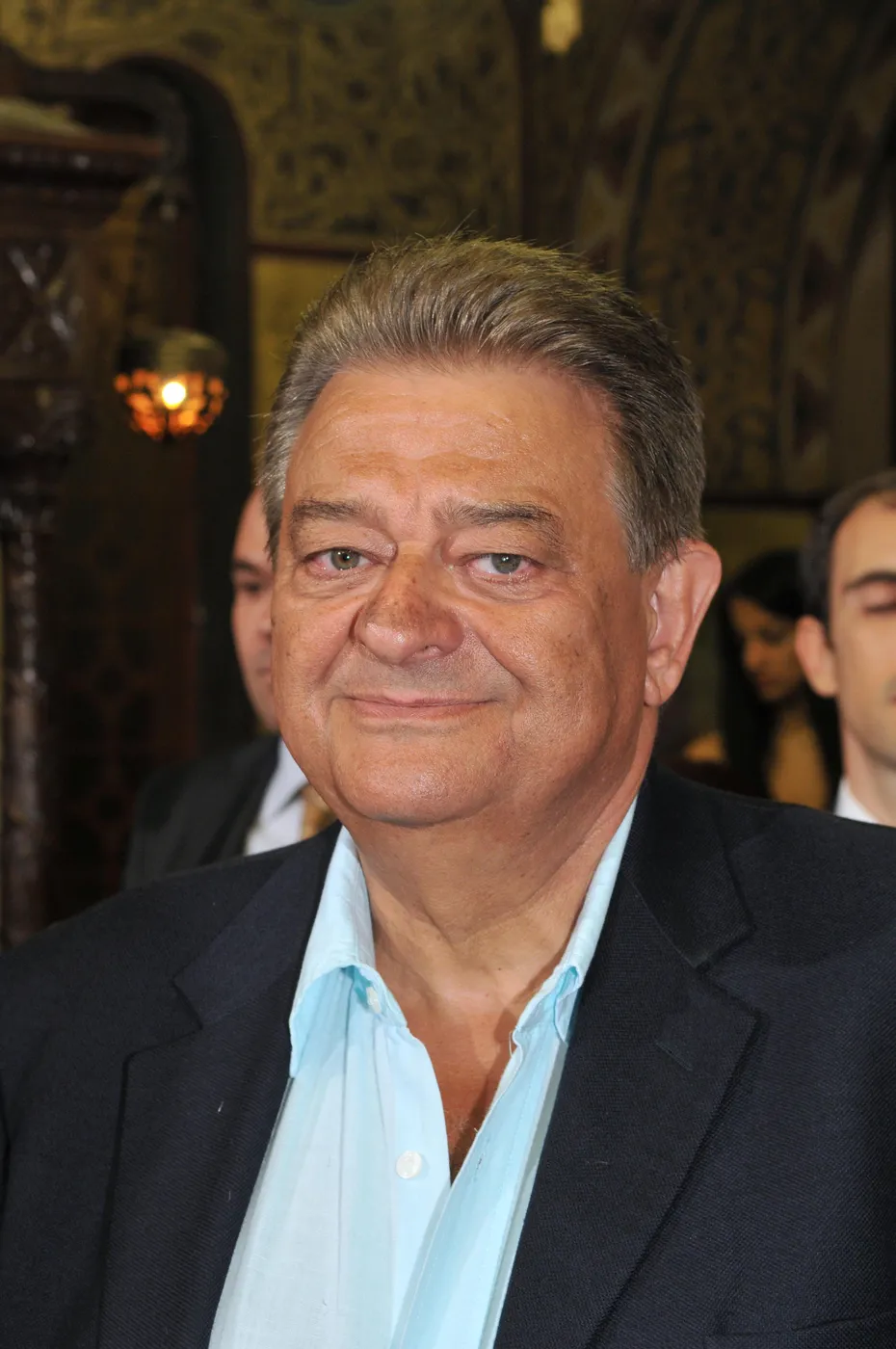
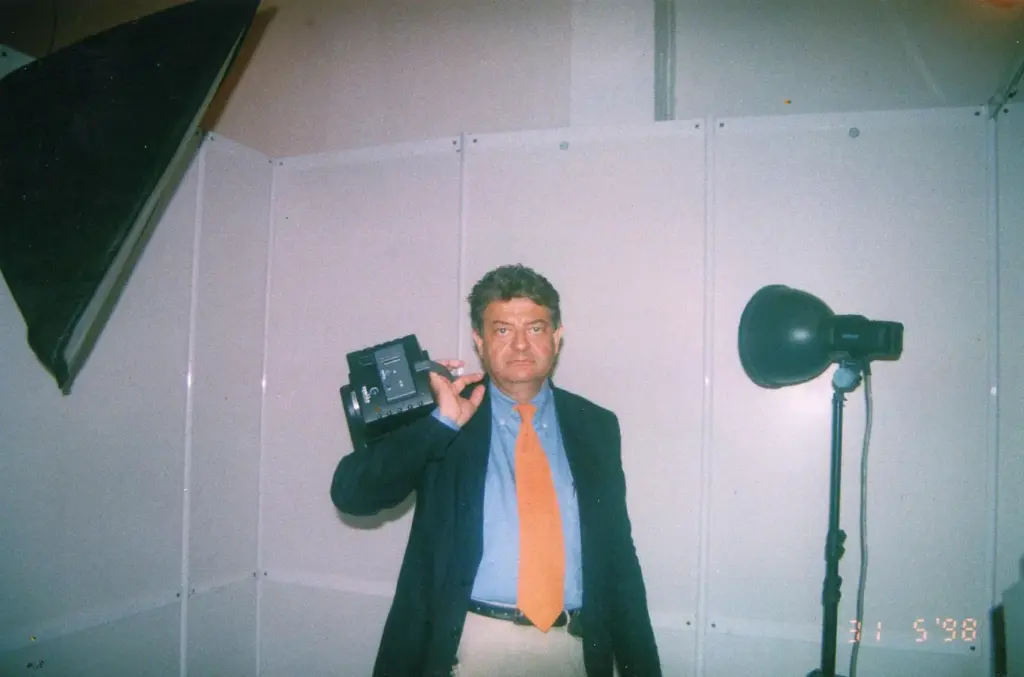
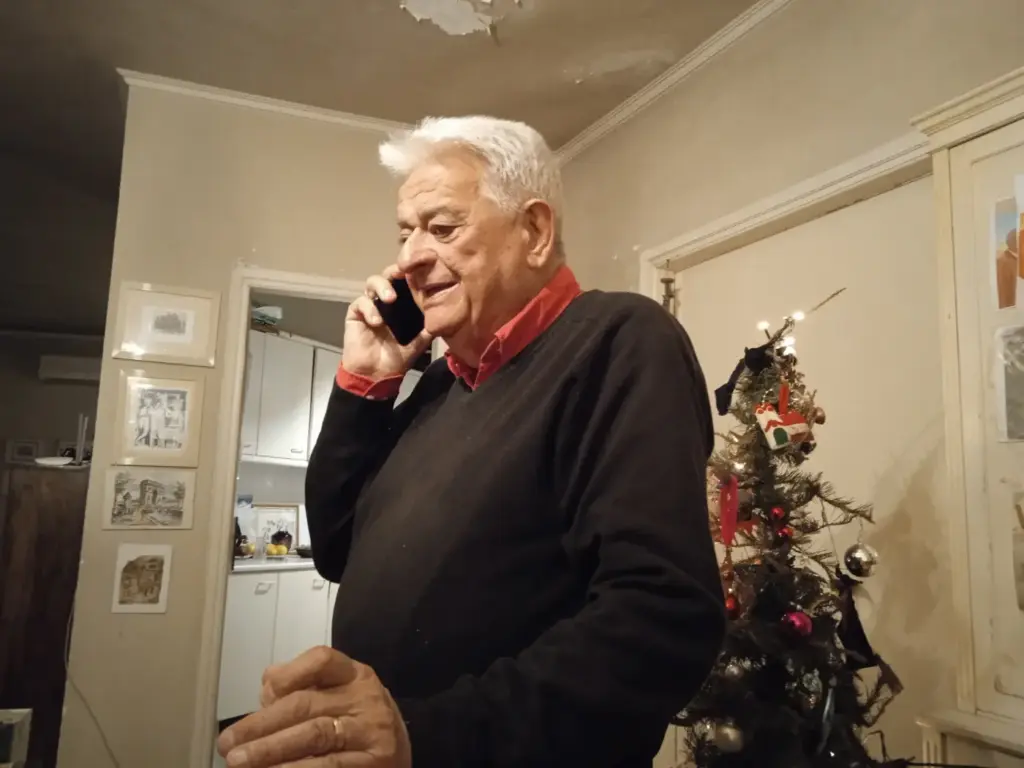
Krikor-Georg (George) Agopian has died at the age of 83, leaving behind a career spanning more than 50 years in photography and imaging in Greece.
The Agopian family announced his passing in an emotional farewell statement that portrays both the man and his professional career, from the era of film and minilabs to digital technology.
His career was connected with a family history in photography that began in 1936 with Nerses Agopian, while George Agopian represented the second generation of the business during a period of major technological change for the photography industry.

The family statement in full
KRIKOR – GEORG (GEORGE) AGOPIAN (1943 – 2026)
The Agopian family says goodbye with deep sorrow and immense emotion to Krikor-Georg (George) Agopian, who passed away at the age of 83.
The son of Armenian Nerses Agopian and Danish writer Dagny Kjaersgaard-Agopian, G. Agopian grew up in a home where he was exposed from the outset to several languages —German, English, Danish— and as he grew older he came to speak six languages fluently.
G. Agopian entered the photographic-equipment distribution company as the second generation after his father and founder, Nerses. With studies in photography, directing and economics, his technical background helped him emerge as one of its leading salespeople. He expanded the network of agencies and customers and established innovative technical-support services and photographer training.
His arrival coincided with the representation of leading international manufacturers in the photography market, including Mamiya (since 1964!), Sinar, Broncolor, Durst, Pentax, Hasselblad and soon the Japanese Sakura, which evolved into the widely known Konica.
Thanks to G. Agopian’s foresight, boldness and persistence, the company expanded rapidly, building its own facilities in Paradeisos, Marousi, directly opposite the then-powerful Kodak.
He created one of the largest networks of Konica photography stores in Europe, with more minilabs — not proportionally but in absolute numbers — a fact that made him a frequent invited speaker at Konica’s international conferences on the “Konica phenomenon in Greece.”
His foresight also led him towards digital technology, then still in its infancy, with the first black-and-white Pentax scanners and other technologies that were pioneering for their time.
Gradually, however, the company’s focus shifted almost exclusively towards the giant Konica, which absorbed almost 95% of the company’s resources while generating a corresponding share of its returns.
This development, combined with Konica’s decision to end the partnership and attempt to operate as a subsidiary – with what was known within the sector as internal undermining in 1997 – did not stop G. Agopian. Instead, it proved to be a blessing in disguise: once again showing foresight and business acumen, he travelled to America and introduced pioneering new technologies and partnerships, becoming one of the early movers into digital capture —which at the time appeared immature and still a distant dream— working with manufacturers such as Megavision, Betterlight and Jenoptik Eyelike. The company was among the first two in Greece to install digital backs for medium- and large-format systems.
For the record, a few years later, Konica abruptly shut down its photographic division worldwide overnight.
At the same time, G. Agopian secured the Profoto representation in 1999, just before its rapid growth and establishment as a leading lighting-equipment company for rental and fashion photography productions worldwide —a partnership that has successfully continued for 27 years. At the same time, he was at the forefront of digital printing, the evolution of the Minilab, with the American company Sienna, while also representing the major Noritsu between 2000-2003, with machine installations in key locations in Greece and Cyprus.
Alongside his business activity, he significantly supported the Armenian Community through donations, advertising and partnerships. He was an exemplary employer, even during temporary difficult periods —such as the end of Konica— fully compensating all employees / associates, actions that, although they should be taken for granted, deserve to be highlighted in Greece’s long-suffering imaging sector. More broadly, he was an exemplary partner to international companies, customers and suppliers, something that can be confirmed by anyone.
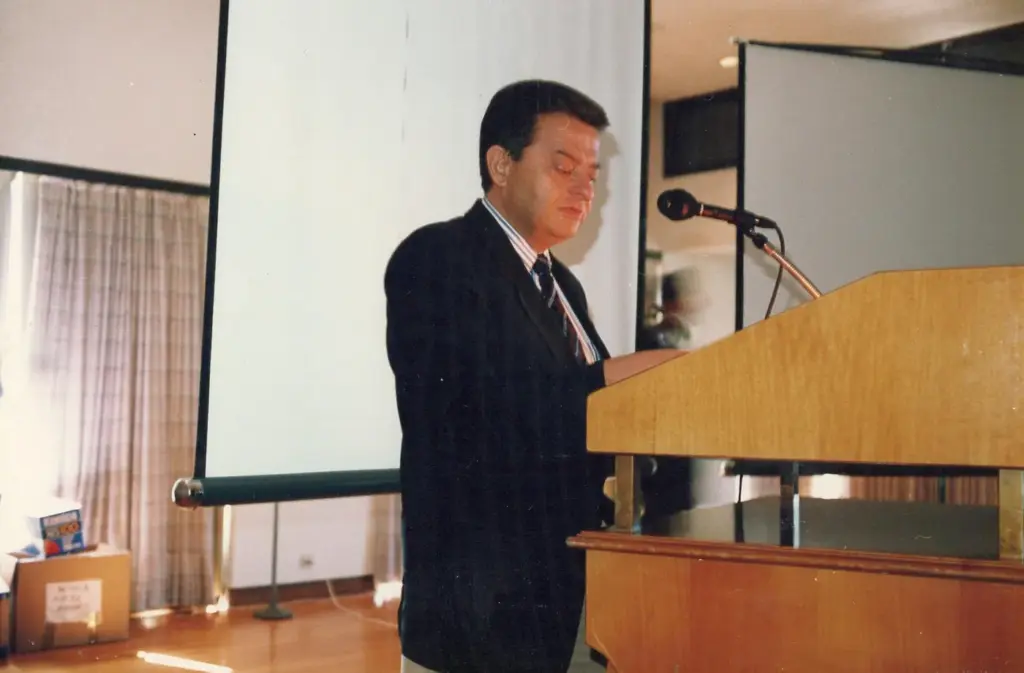
Over an impressive career lasting more than 50 years, G. Agopian played a decisive role in the history of the commercial side of photography in Greece, with a strong presence at international and national exhibitions and forums, and contributed significantly to the development and progress of photography, photographers and imaging in the country.
What we think
The loss of someone with such a long-standing presence in photography is, first and foremost, a difficult moment for his family, friends and the people who worked alongside him.
The PTTL team extends its sincere condolences to George Agopian’s family and loved ones. The career described in the family’s statement also forms part of the history of professional photography in Greece, from the analogue era to the major digital transition.