

Summary
- Ian Berry died on September 13, 2026, at the age of 92.
- He was the only photographer to document the Sharpeville massacre in 1960.
- His photographs and testimony were used in court and helped clear protesters of charges related to the violence.
- Henri Cartier-Bresson invited him to Magnum Photos in 1962, and he became a full member in 1967.
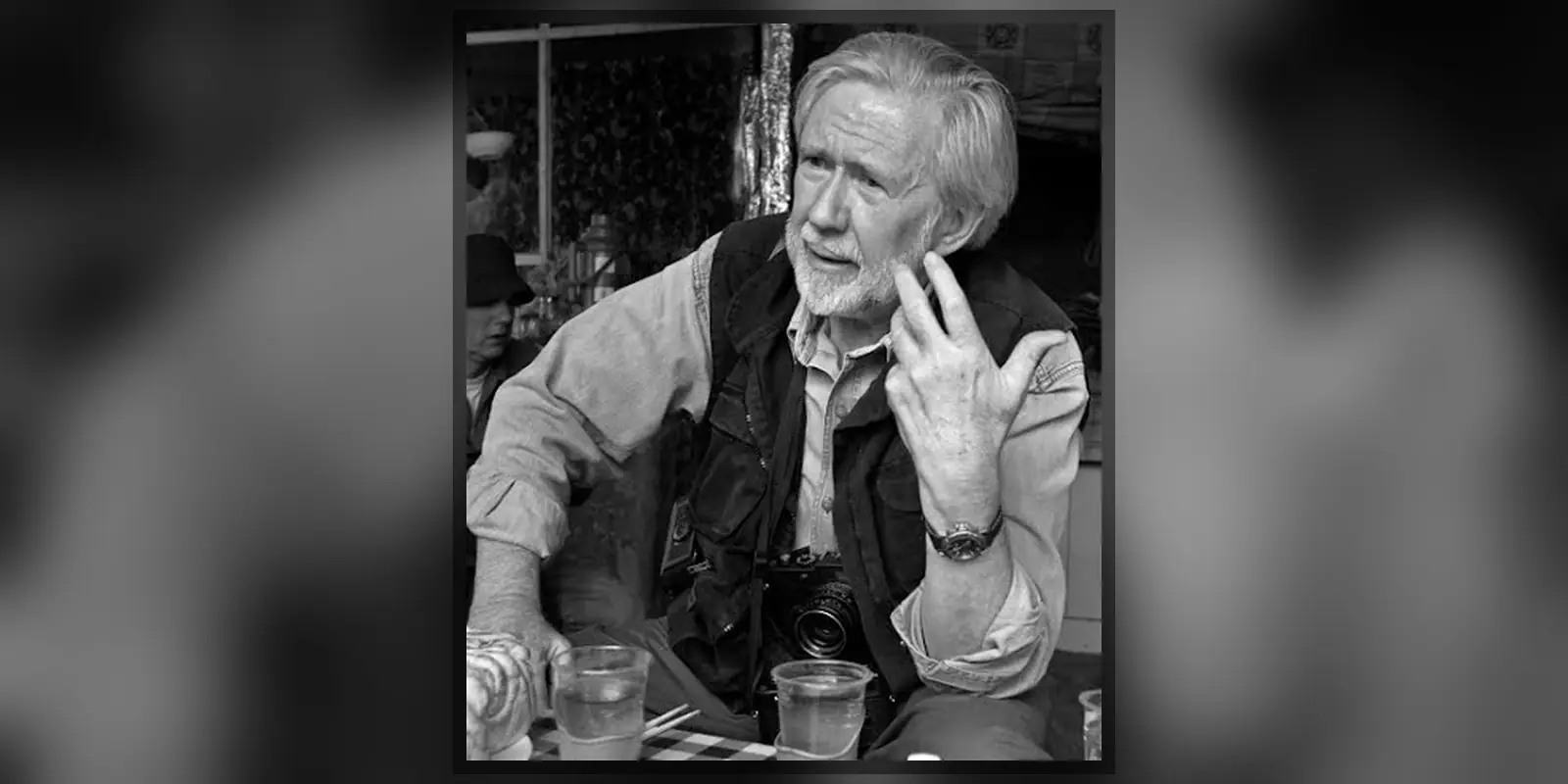
British photojournalist Ian Berry, one of the historic figures of Magnum Photos and the photographer who documented the Sharpeville massacre in 1960, died on September 13, 2026, at the age of 92.
According to Amateur Photographer, Berry died after a short illness. His photographic career spanned eight decades, with assignments covering wars, social crises and periods of profound political change.
His name became most closely associated with South Africa and apartheid. The photographs he made at Sharpeville did not remain merely historic images: they were used in court and helped establish that Black protesters were not responsible for the violence that followed.
The Sharpeville photographs that became historical evidence
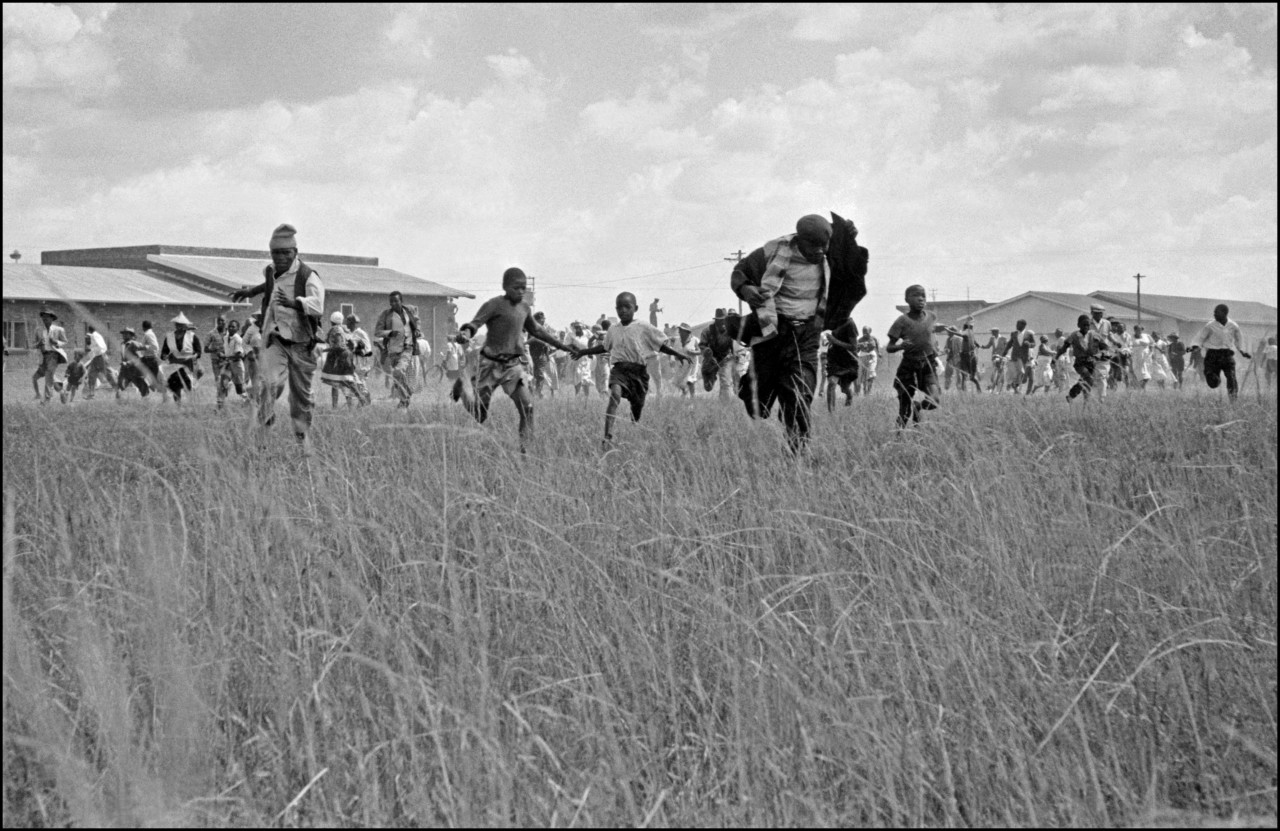
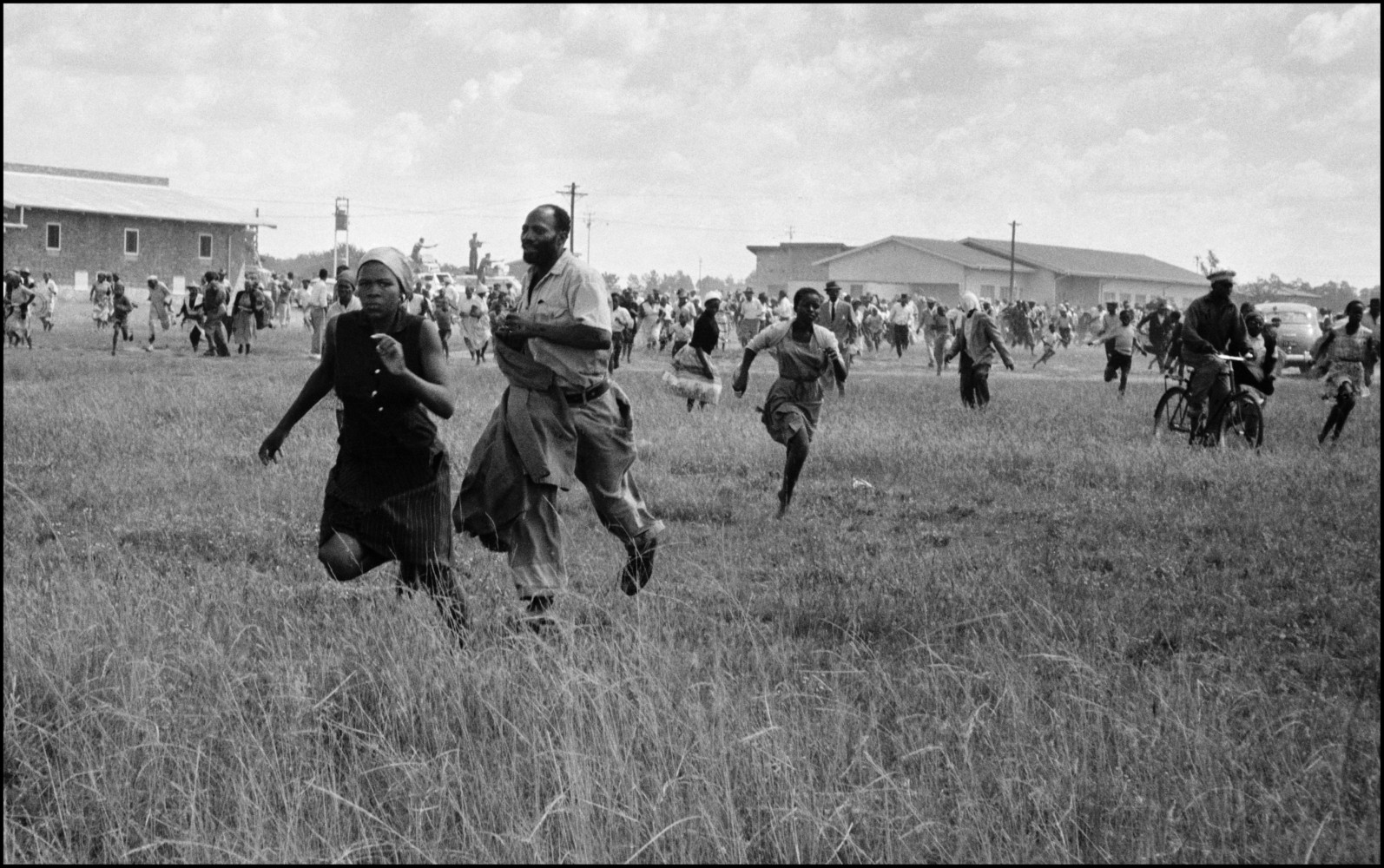
On March 21, 1960, Berry was working for Drum magazine in South Africa when he was sent to Sharpeville after the first reports of shooting during a protest against the pass laws. He stayed in the area when the situation appeared to have calmed, and shortly afterward police gunfire began.
The attack left 69 people dead and 249 casualties in total, according to the account cited by Amateur Photographer. Berry photographed what unfolded with his 35mm cameras and ultimately became the only photographer to have documented the event itself.
Because of apartheid censorship, the photographs could not be published in South Africa at the time. They reached London through an agency and were published internationally by outlets including LIFE and Paris Match. Berry’s photographs and testimony became the only independent visual and eyewitness record of the day and were used in court proceedings that cleared Black local residents of charges related to the unrest.
From South Africa to Magnum Photos
Ian Berry was born in Preston, Lancashire, in 1934 and moved to South Africa in 1952. He worked for the Daily Mail and later Drum, building his reputation through reportage focused on everyday life, social inequality and political violence. His official Magnum Photos biography confirms that his Sharpeville work was central to his international reputation.
Henri Cartier-Bresson invited him to join Magnum in 1962, and Berry became a full member in 1967. In 1964 he moved to London and became the first contract photographer for Observer Magazine.
His assignments took him to Czechoslovakia during the Soviet invasion of 1968, as well as Israel, Ireland, Vietnam, Congo and Ethiopia. He also documented political and social change in China and the former Soviet Union, while his photographs appeared in publications including National Geographic, LIFE, Stern, GEO, Esquire and Paris Match.
South Africa remained central to his work
Although he travelled widely, Africa—and South Africa in particular—remained at the center of his work. A major part of that body of photography was collected in the books Black and Whites: L’Afrique du Sud and Living Apart, the latter featuring a foreword by Desmond Tutu.
When Nelson Mandela became president in 1994, Berry returned to a country from which he had been barred for years. He continued photographing the post-apartheid transformation while carrying with him one of the most important visual records of the period that preceded it.
Later projects addressed subjects including child slavery in Ghana and the long-term Water project, which examined how too little or too much water affects communities and the environment. Water was published as a book by GOST in 2023, and Berry continued working into the final years of his life.
35mm, Leica and the importance of being there
Berry was closely associated with the 35mm format and especially Leica MP cameras, but he did not treat film as dogma. He embraced the move to digital photography and stressed that the photographer’s judgment mattered more than the camera body itself.
That approach is visible throughout his work: technique mattered because it allowed him to stay close to events, respond quickly and make images that functioned both as journalism and as a historical record. One of his 1964 photographs from an underground London club was used decades later on the cover of Bob Dylan’s album Rough and Rowdy Ways.
What we think
Ian Berry’s legacy is not limited to a single famous frame or a long list of assignments. Sharpeville shows with unusual clarity what photojournalism can mean when a photographer’s presence, accuracy and persistence turn an image into evidence with real consequences.
For today’s image makers, his work is a reminder that technology matters when it serves observation, access and responsibility toward what is happening in front of the lens.
Frequently asked questions
When did Ian Berry die?
Ian Berry died on Sunday, September 13, 2026, after a short illness. He was 92.
Why is his Sharpeville work so important?
He was the only photographer to document the Sharpeville massacre in 1960. His photographs and testimony were later used in court and helped show that the protesters had not caused the violence.
When did he join Magnum Photos?
Henri Cartier-Bresson invited Berry to join Magnum Photos in 1962, and he became a full member in 1967.
What cameras did Ian Berry use?
He was devoted to the 35mm format and especially Leica MP cameras. He also embraced digital photography and believed that the photographer’s eye and judgment mattered more than the camera itself.