

Summary
- Google has introduced Pixel Tag, its first first-party item tracker.
- Pixel Tag uses Find Hub and a network of more than one billion Android devices.
- It supports Ultra-Wideband, Precision Finding, Left Behind alerts and a replaceable battery lasting up to one year.
- Google is entering a category Apple established with AirTag back in 2021.
- AirTags have already helped photographers recover lost or stolen camera equipment worth thousands of dollars.
- In France, Pixel Tag costs €34.99 or €109.99 for a four-pack.
- Finally, a real Google AirTag
- Find Hub is the key
- Photographers already know the value of AirTag
- AirTags have already helped recover stolen cameras
- Pixel Tag can warn users before equipment disappears
- Precision Finding with UWB
- Share it with up to ten people
- Small, durable and with a replaceable battery
- Quick setup on Android
- Pixel Watch and Pixel Buds integration
- Protection against unwanted tracking
- Pixel Tag pricing
- Pixel Tag versus AirTag: The comparison is inevitable
- It is not an anti-theft system
- What we think
- Frequently asked questions
Google has finally introduced its own item tracker, Pixel Tag, following a path Apple established with AirTag and one that photographers have already demonstrated can be extremely useful for protecting valuable equipment.
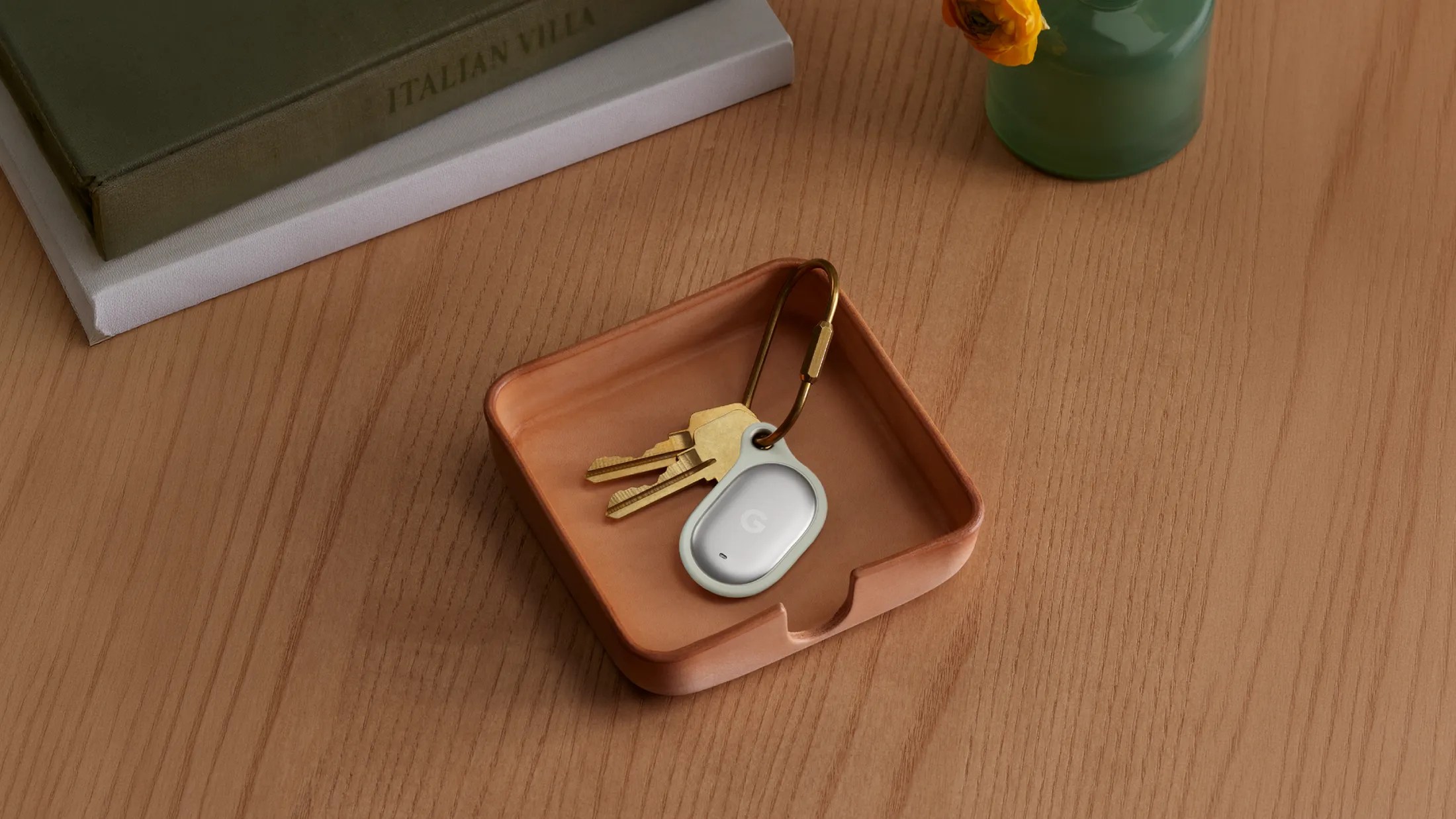
Google announced Pixel Tag, its first first-party finder tag, with Find Hub integration, Ultra-Wideband location technology, a built-in speaker, Left Behind alerts and access to the wider Android network when the tag is far away from its owner.
The announcement is particularly interesting for photographers, not because item trackers are new, but precisely because they are not. AirTags have been available since 2021 and have already been used in camera bags and with cameras, with documented cases in which they helped recover equipment worth thousands of dollars.
Finally, a real Google AirTag
Google is not trying to disguise what Pixel Tag is: a small tracker for keys, wallets, luggage and other belongings users do not want to lose.
What matters is that this is Google’s first finder tag, directly integrated into Find Hub. In other words, Google is finally entering with its own hardware a category in which Apple has operated since 2021 with AirTag.
Android users already had compatible trackers from other manufacturers. Pixel Tag, however, is Google’s own solution and ties directly into the Pixel ecosystem and Find Hub, much as AirTag has become closely associated with Apple’s Find My ecosystem.
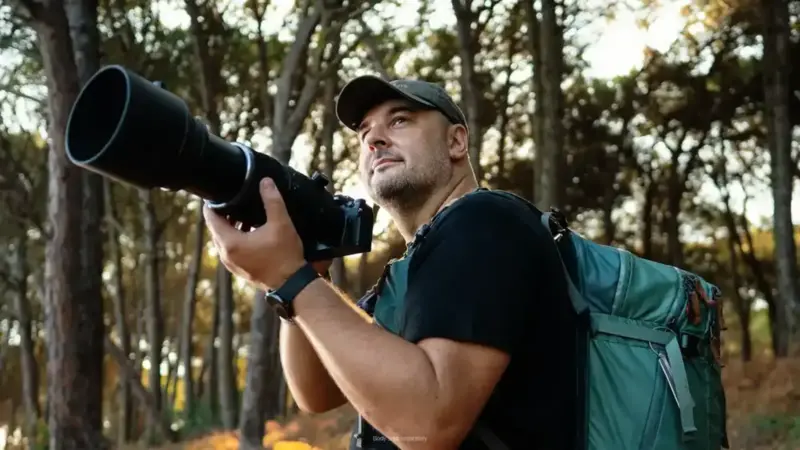
For photographers, the concept is already familiar: a small tracker placed in a camera bag, backpack, hard case or equipment suitcase can provide another layer of tracking when something is forgotten, lost or stolen.
Find Hub is the key
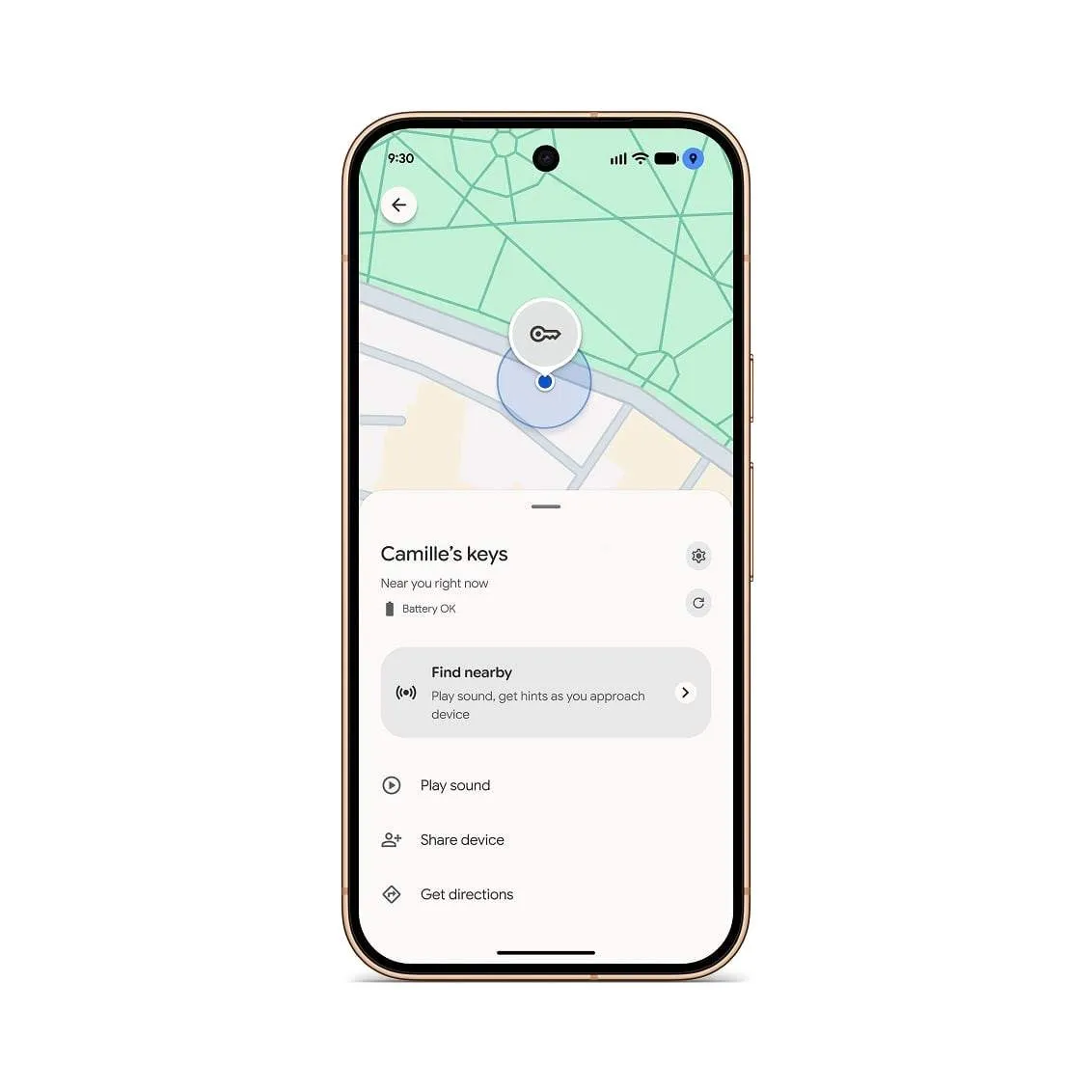
Pixel Tag uses Google Find Hub to show an item’s location on a map.
When it is nearby, users can trigger the built-in speaker. Google also adds more precise locating through Ultra-Wideband and Bluetooth Channel Sounding, with visual distance and directional guidance on compatible Android devices.
The more important capability begins when the tag is far away.
Find Hub uses a crowdsourced network of more than one billion Android devices. Compatible devices passing near a missing Pixel Tag can help update its location, while Google says location information is protected with end-to-end encryption.
The philosophy is broadly similar to Apple’s Find My network, which also uses more than one billion devices to help locate AirTags and other belongings that are away from their owners.
Photographers already know the value of AirTag
For a photographer, the real attraction is not finding keys under a sofa.
A camera bag can contain bodies, lenses, laptops, SSDs, memory cards and other professional tools worth many thousands of euros.
That is exactly why AirTags quickly found their way into photography equipment. Specialized accessories have even appeared that hide AirTags inside camera body caps, making the tracker less obvious than simply dropping it into a bag.
There is a practical reason behind that use.
AirTags have already helped recover stolen cameras
In 2022, photographer Graham Tait had equipment stolen from his vehicle while traveling in South Australia. He had attached AirTags to a camera and laptop bag and was able to use Find My to trace the belongings to a room in the hotel where he was staying. Police became involved and the equipment, valued at around $7,000, was recovered.
This is not an isolated point of interest for photographers. Products specifically designed to conceal AirTags in and around camera equipment appeared because photographers increasingly saw trackers as an additional locating tool.
As recently as 2026, an AirTag attached to a photojournalist’s camera bag in New Jersey provided location information pointing to a specific residence, with authorities later recovering several missing items.
Those examples explain far better than a specification sheet why Pixel Tag should interest photographers using Android.
Pixel Tag can warn users before equipment disappears
The usefulness of a tracker does not require a theft.
Google allows users to enable Left Behind alerts. When someone moves away from an item, a notification can warn that it has been left behind, although Google notes that timing and effectiveness depend on network connectivity and device settings.
For photographers working at weddings, concerts, stadiums, airports or assignments involving several bags and cases, this could become one of Pixel Tag’s most useful features.
Ideally, the best tracker is not the one that finds a bag after it disappears, but the one that warns the photographer early enough that it never gets left behind.
Precision Finding with UWB
Pixel Tag supports Ultra-Wideband for Precision Finding with compatible Android devices.
When the user is close enough, the phone can display distance and directional information to guide them more accurately toward the missing object. Google also uses Bluetooth Channel Sounding for precise finding.
It is an experience that clearly recalls AirTag’s Precision Finding, which also provides compatible devices with distance and directional guidance.
Once again, Google is following a formula Apple has already proven in practice and adapting it to Android and its own ecosystem.
Share it with up to ten people
Google allows a Pixel Tag to be shared with up to ten people.
That could be particularly useful for photography and film crews where a case containing lenses, lighting or other equipment is handled by several team members.
Multiple people can therefore help locate a shared item instead of tracking access being limited only to the person who originally paired the device.
Small, durable and with a replaceable battery
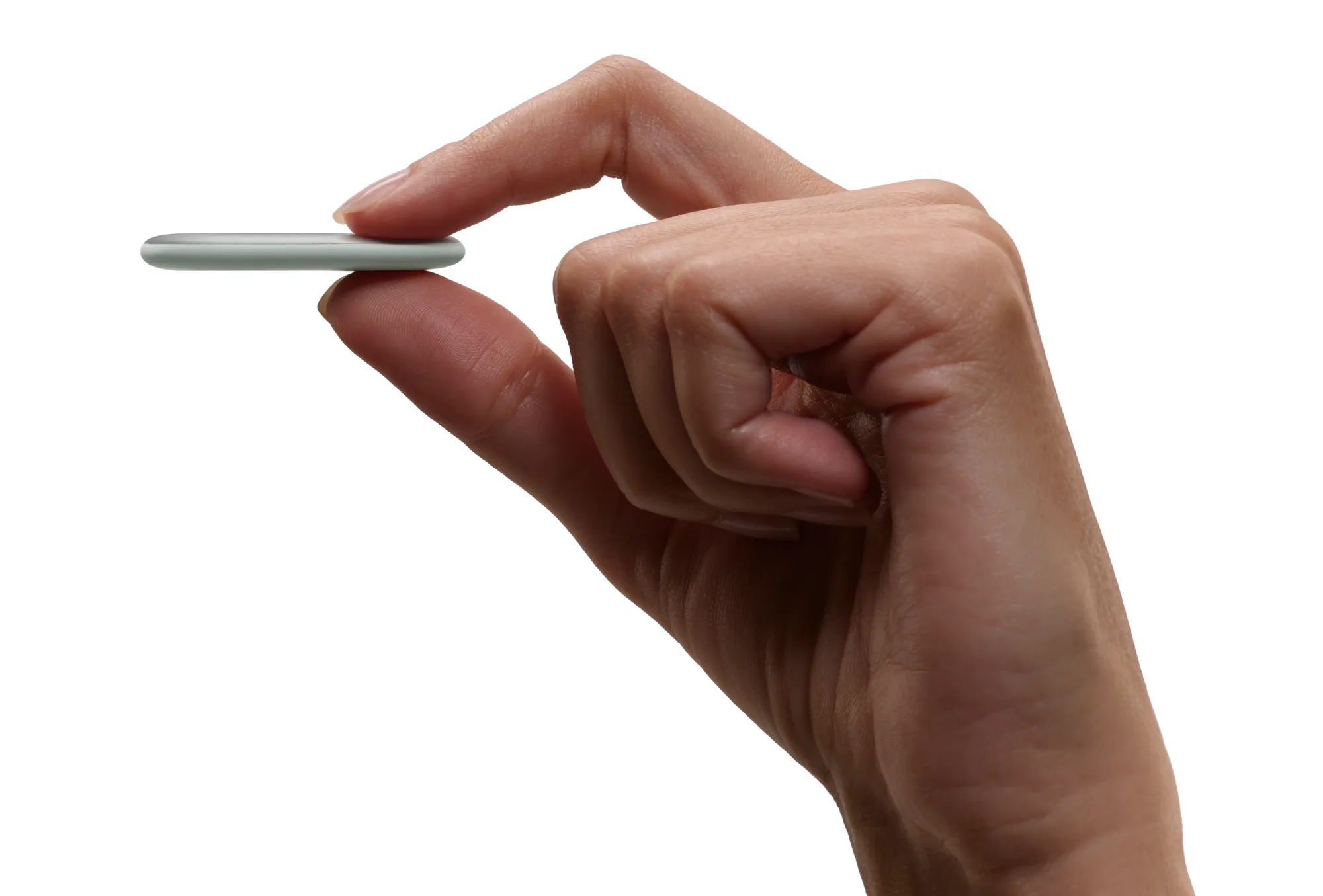
Google has built Pixel Tag with a durable stainless-steel internal structure and an IP67 rating for water and dust resistance under specified conditions.
It includes a speaker, while the physical button can also work in reverse: users can press Pixel Tag to make their connected smartphone ring when it is the phone that has gone missing.
Google claims battery life of up to one year, and importantly for this product category, the battery can be replaced by the user.
Quick setup on Android
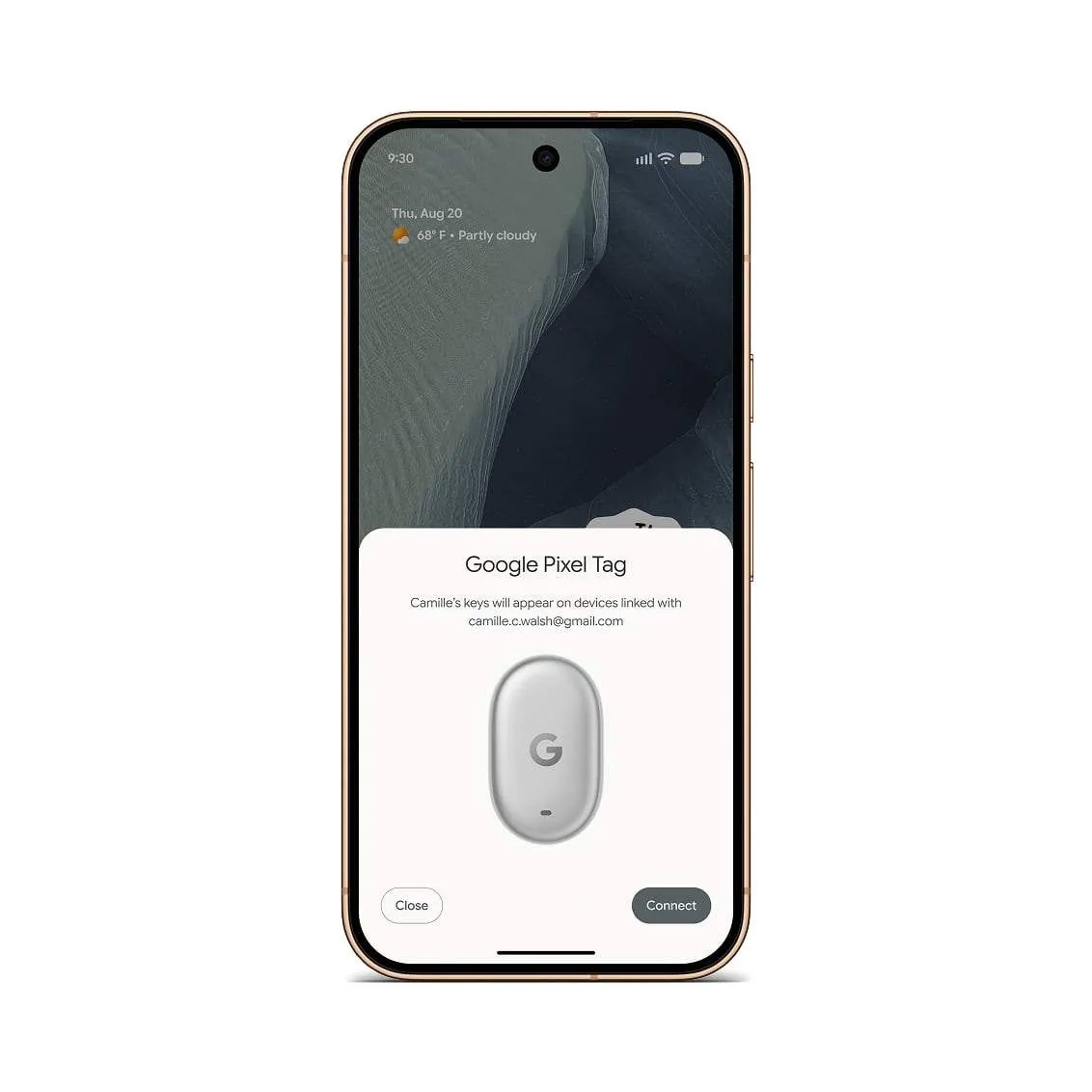
Pairing is designed to be straightforward.
Users remove the battery tab, bring Pixel Tag near a compatible Android device and follow the Fast Pair instructions. Google lists support for Android 9 or later.
Inside Find Hub, users can name the item by selecting a category or entering a custom label.
For a photographer, that could mean separate tags for a primary camera bag, laptop backpack, lighting case or another piece of luggage.
Pixel Watch and Pixel Buds integration
Pixel Tag is not limited to a smartphone.
Google says it can be located and rung from a Pixel Watch through Find Hub, while Pixel Buds users can ask Gemini to make the tracker ring.
It is the same ecosystem logic Apple has developed around AirTag, iPhone, Apple Watch and Find My, and Google is now building its own version for Android users.
Protection against unwanted tracking
Item trackers also have a problematic side because they can be misused to track people.
Google says Android phones can automatically warn users when an unknown tracker appears to be moving with them. The system can also provide information on how to make the tracker ring and what to do next.
Apple has also built similar protections into its ecosystem, with alerts for unknown AirTags that appear to be traveling with a person.
Pixel Tag pricing
In the United States, Google has announced a price of $29 for one Pixel Tag and $99 for a four-pack, with sales beginning on November 11, 2026.
In France, Google has officially announced a price of €34.99 for a single Pixel Tag and €109.99 for a four-pack, with availability coming soon.
Separate pricing or availability for Greece has not been announced.
Pixel Tag versus AirTag: The comparison is inevitable
Pixel Tag should not be presented as the invention of an entirely new category.
Apple introduced the first AirTag in 2021 and announced its latest generation in early 2026, with expanded Precision Finding range and a louder speaker. Find My has developed into a mature item-tracking network using more than one billion Apple devices.
Google is arriving later.
What matters is that it is now arriving with its own hardware and with Find Hub, which also relies on more than one billion Android devices.
For photographers using Android, this may be the biggest part of the Pixel Tag announcement. They no longer have to look enviously at one of the most practical features of Apple’s ecosystem.
It is not an anti-theft system
As useful as AirTags have proven in real-world cases, neither they nor Pixel Tag are anti-theft systems.
A tracker cannot prevent someone from taking a camera bag, it can potentially be found and removed, and there is no guarantee that its location will continuously update.
A tracker should therefore be treated as an additional measure alongside careful handling, recording serial numbers and, particularly for professionals, appropriate equipment insurance.
If tracking data indicates that potentially stolen equipment is at a specific location, the safer approach is to contact the relevant authorities rather than attempt a personal confrontation.
What we think
Google took its time introducing its own tracker, but for Android users and especially photographers, Pixel Tag is a genuinely useful addition.
Apple has already shown for years how effective a huge device network can become when combined with a tiny tracker. More importantly for photographers, real users have demonstrated that an AirTag hidden with camera equipment can sometimes make the difference between a permanent loss and recovering a bag worth thousands.
Pixel Tag does not change the basic rules and is not a guarantee against theft. It does, however, finally give Android users a complete first-party solution from Google with Find Hub, UWB, Left Behind alerts and a network of more than one billion devices.
For a photographer routinely carrying valuable equipment, such a small gadget is difficult to dismiss.
Frequently asked questions
What is Google Pixel Tag?
Pixel Tag is Google’s first first-party item tracker. It connects to Find Hub and can locate belongings using Bluetooth, Precision Finding and the wider Android network.
How much does it cost in Europe?
Google France has announced a price of €34.99 for one Pixel Tag and €109.99 for a four-pack. Separate official pricing for Greece has not yet been announced.
Can Pixel Tag be used in a camera bag?
Yes. Pixel Tag is designed for locating personal belongings and can be placed in bags, luggage and equipment cases.
Have AirTags really helped recover photography equipment?
Yes. There are documented cases in which AirTags helped photographers locate and recover camera equipment worth thousands of dollars.
How long does the Pixel Tag battery last?
Google claims up to one year of battery life depending on usage and conditions, and the battery can be replaced by the user.