

Summary
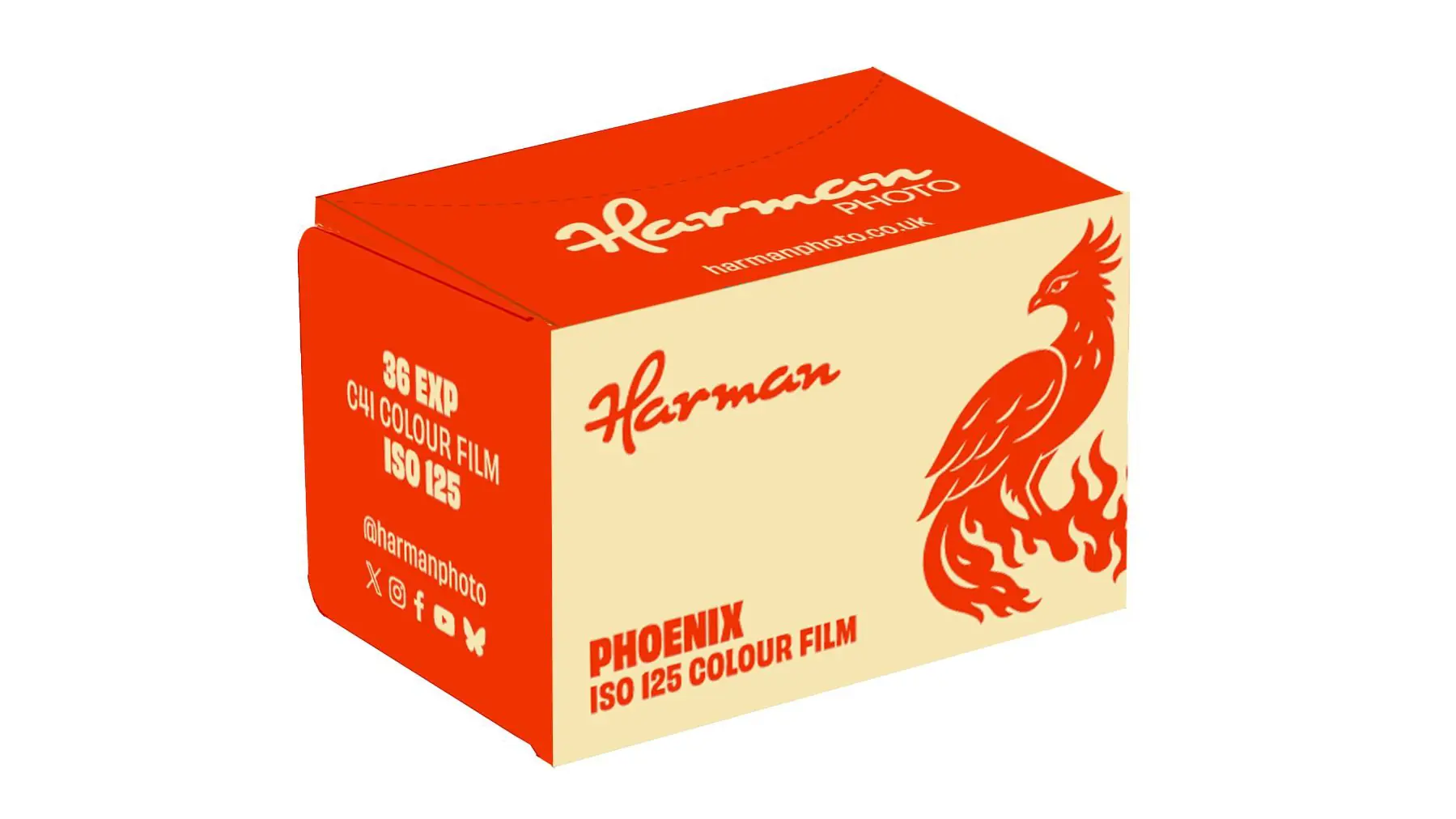
- HARMAN Phoenix returns with a new official sensitivity rating of ISO 125.
- It retains the high contrast, strong grain, vibrant colors, and potential halation of the original Phoenix.
- It is available in DX-coded 35mm and 120 formats, with standard C41 processing.
- Phoenix 125 is based on the original Phoenix 200 and is not a version of the distinctly different Phoenix II.
HARMAN Photo is bringing back the character of the original Phoenix in a revised ISO 125 version, adjusting its official sensitivity rating to reflect how photographers demonstrated they preferred to use the film.
The company has introduced HARMAN Phoenix 125, a new color negative film based on the philosophy of the original Phoenix 200 from 2023. The new version retains the high contrast, strong visible grain, and distinctive analog character of the first Phoenix, but now has a box speed of ISO 125 and DX coding on its 35mm cassettes.
The change matters because it is more than simply putting a different label on the same product. According to HARMAN, the formulation has been tweaked and the official speed adjusted to better reflect how the photography community was actually using the original Phoenix. It also represents a different direction from Phoenix II, which is a separate second-generation ISO 200 film with a new formulation.
From ISO 200 to ISO 125
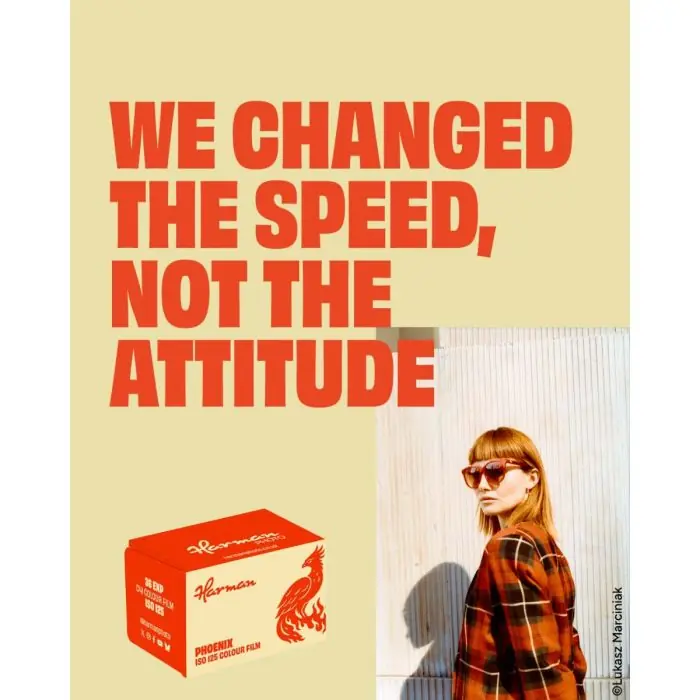
The first HARMAN Phoenix launched in December 2023 as an experimental, limited-edition ISO 200 color negative film and was the first color film manufactured entirely at HARMAN’s facility in Mobberley, United Kingdom.
With Phoenix 125, HARMAN is returning to that original aesthetic rather than using the later Phoenix II as its foundation. The company says photographers effectively demonstrated through the way they shot Phoenix that a lower exposure rating suited the film better, leading to the new version being officially rated at ISO 125.
High contrast, strong grain, and vibrant colors
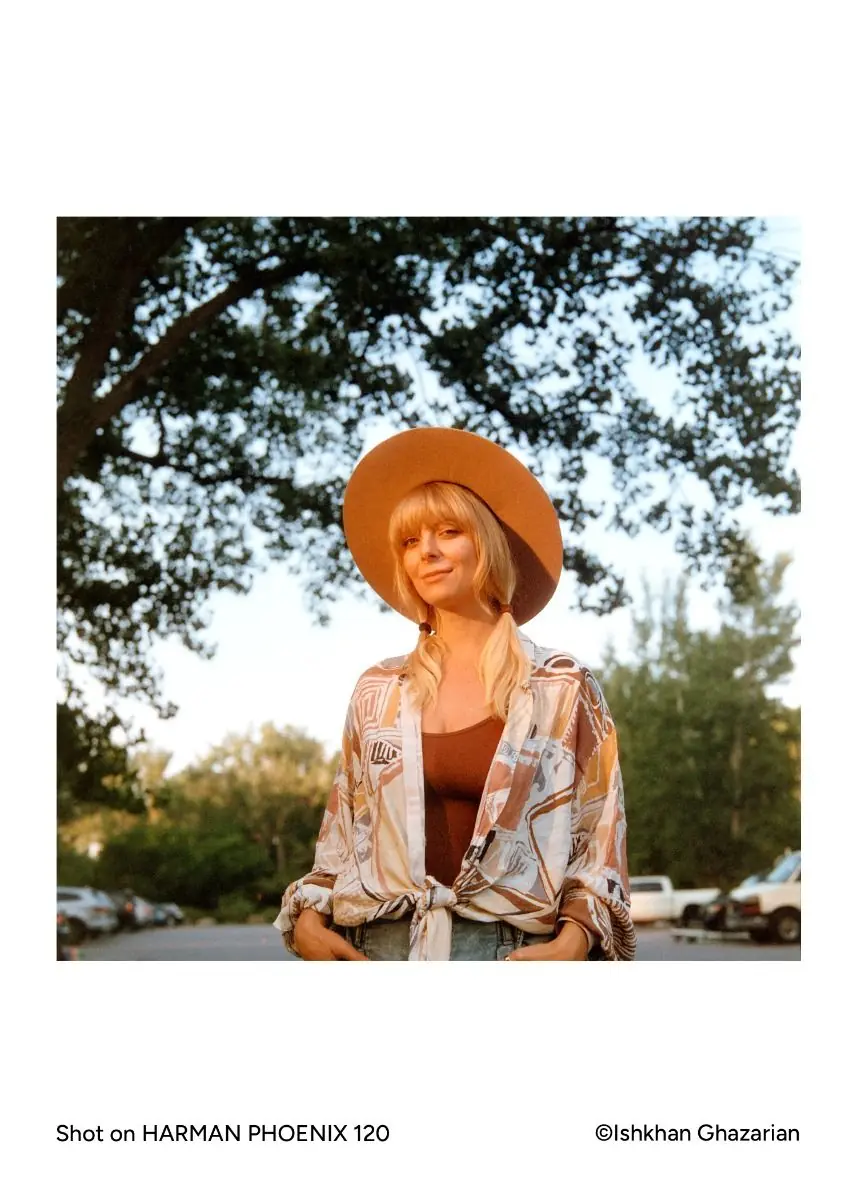
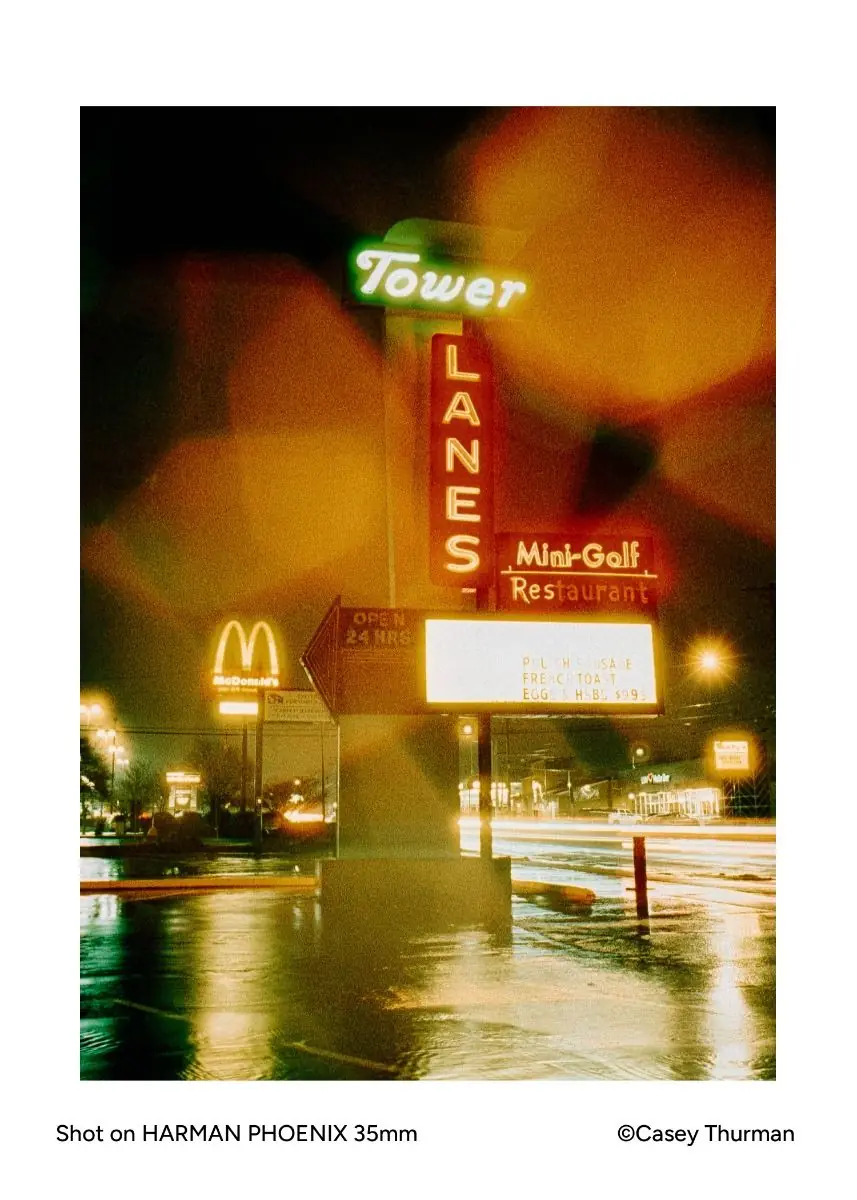
HARMAN has not tried to smooth away the characteristics that made the first Phoenix so distinctive. Phoenix 125 continues to produce high contrast and clearly visible grain, while the company describes its colors as punchy and vibrant. Final color rendering can vary depending on the scanner and settings being used.
The film performs best in good, consistent light. On bright days or when shooting toward a strong light source, halation may appear, a characteristic that contributes to its distinctive aesthetic.
HARMAN also warns that exposure accuracy remains important. It recommends metering for the midtones to preserve as much shadow and highlight information as possible, since significant overexposure or underexposure can result in less controlled results.
 C41 processing and two available formats
HARMAN Phoenix 125 is designed for standard C41 processing, just like a conventional color negative film. HARMAN also leaves the door open to experimentation with E6 or ECN-2 processes, although these are not the product’s standard development method.
The new film is offered in both 35mm and 120 for medium format cameras. The 35mm version comes in a DX-coded cassette rated at ISO 125.
HARMAN also emphasizes that a degree of unpredictability is part of the Phoenix experience. The negatives have a distinctive color appearance, and occasional coating anomalies may occur, characteristics the company treats as part of the film’s experimental nature.
It is not Phoenix II at a lower ISO
An important distinction is that Phoenix 125 is not an ISO 125 version of Phoenix II. Phoenix II, introduced in 2025, is HARMAN’s second-generation color film and was developed around a substantially new formulation, including new dyes, couplers, and a different layer construction.
Compared with the original Phoenix, Phoenix II has more restrained contrast, finer grain, improved sharpness, and wider exposure latitude. Phoenix 125 instead follows the philosophy of the first film, retaining its more pronounced and less predictable character.
PetaPixel also noted that around the time Phoenix 125 was introduced, a 36-exposure roll of 35mm Phoenix II 200 had been discounted by $2 at B&H to $11.99. That price applies to Phoenix II rather than the new Phoenix 125.
The next step in HARMAN’s color film program
The original Phoenix effectively represented HARMAN’s first step into modern color film production. The company has said it is investing significantly in color film manufacturing and research and development while also using feedback from the photography community to shape future products.
Phoenix 125 may be one of the clearest examples of that process: rather than completely replacing the unusual character of the first Phoenix, HARMAN is retaining it while changing one of its most fundamental practical specifications, its official sensitivity rating.
What we think
The move to ISO 125 is interesting precisely because HARMAN is not attempting to turn Phoenix into a more neutral and predictable film. Strong grain, high contrast, halation, and demanding exposure remain part of its identity, while the lower official speed appears to align the product more closely with the way many photographers were already using it.
For photographers looking for more flexibility and controlled results, Phoenix II remains the more logical choice within the family. Phoenix 125 is more clearly aimed at those who consider the quirks of the original Phoenix part of the creative process rather than problems that need to be eliminated.
Frequently asked questions
What is the sensitivity of HARMAN Phoenix 125?
The film has an official sensitivity rating of ISO 125, and the 35mm version features matching DX coding.
Is Phoenix 125 a new version of Phoenix II?
No. Phoenix 125 is based on the character and philosophy of the original Phoenix 200, while Phoenix II is a separate second-generation formulation rated at ISO 200.
Which formats are available?
HARMAN Phoenix 125 is available in 35mm and 120 formats for medium format cameras.
How is Phoenix 125 processed?
The standard process is C41. HARMAN also says photographers can experiment with E6 or ECN-2 if they want to explore different results.
What exposure approach does HARMAN recommend?
The company recommends careful metering for the midtones and good, consistent lighting, as Phoenix is relatively unforgiving of significant overexposure or underexposure.