

Summary
- Jay Maisel died on August 20 2026 at the age of 95
- The news was announced by photographer and former student Stephen Wilkes
- He was associated with the Kind of Blue cover and the use of light color and gesture
- The documentary Jay Myself chronicled his life and departure from the historic building known as The Bank
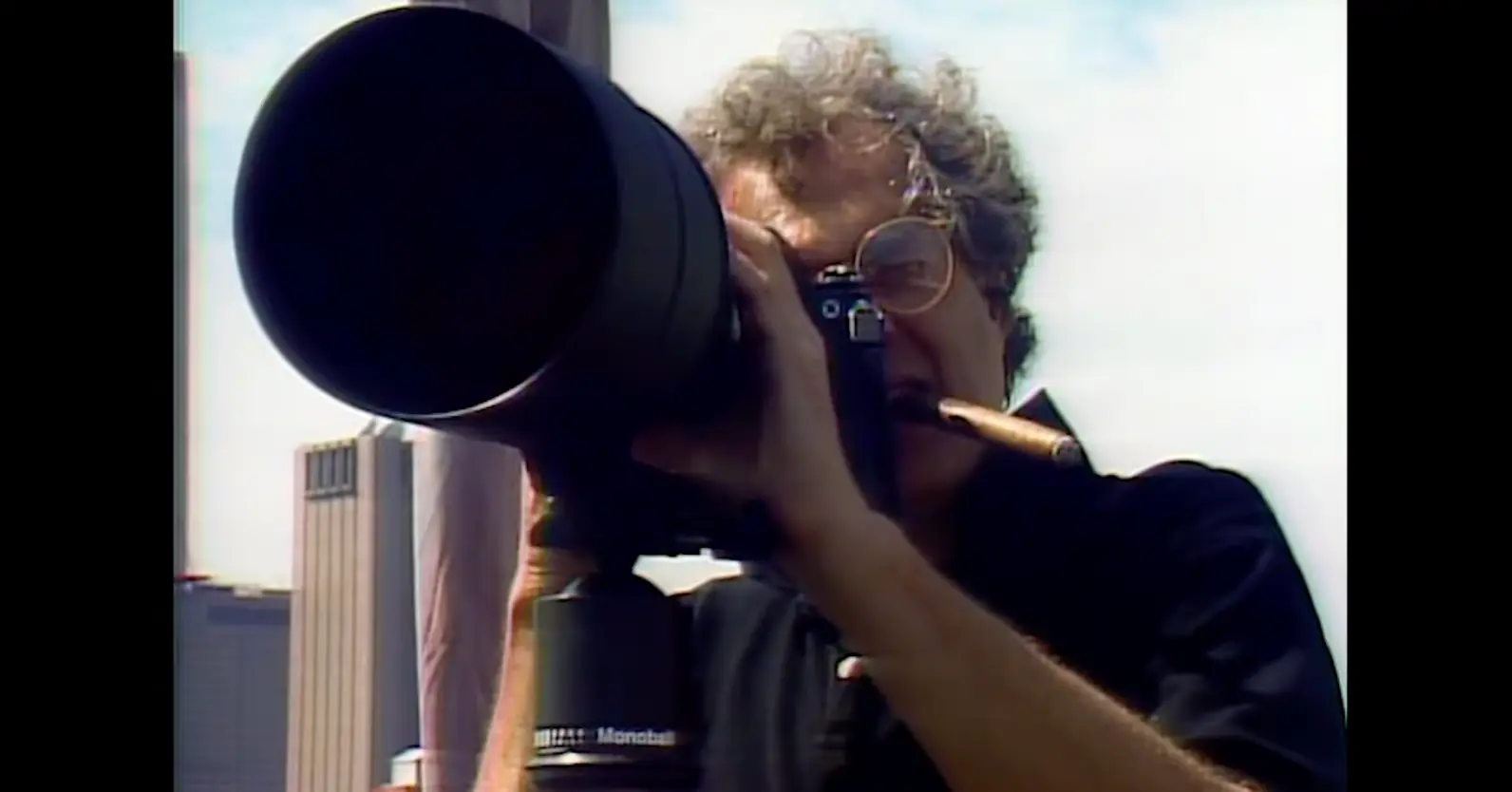
Jay Maisel, one of America’s most influential color photographers and the creator of the iconic photograph featured on the cover of Miles Davis’ Kind of Blue, has died at the age of 95.
Maisel died on August 20, 2026, according to Pro Photo Daily, while the news became widely known two days later through photographer Stephen Wilkes, his student, close friend, and collaborator for more than 50 years. Nikon also paid tribute to the photographer who worked with its system for decades, while the public announcements available through August 25 did not state a cause of death.
His death carries particular weight for the imaging world because his career connected commercial and editorial photography with a deeply personal body of work centered on natural light, color, and the unpredictable moments of everyday life. From 1954 and for more than seven decades, Maisel influenced others not only through his photographs but also as a teacher and mentor to generations of image-makers.
From painting to photography
Jay Maisel was born on January 18, 1931, in Brooklyn, New York. He studied graphic design with Leon Friend at Abraham Lincoln High School, continued with fine art and painting at Cooper Union, and completed his studies at Yale, where he studied color under Josef Albers.
His move into photography was not an abrupt departure from painting. Instead, his visual education remained visible in the way he organized colors, surfaces, and contrasts within the frame. He began his professional photography career in 1954 and had already presented a solo exhibition in New York by the middle of the 1950s.
Kind of Blue and his commercial career
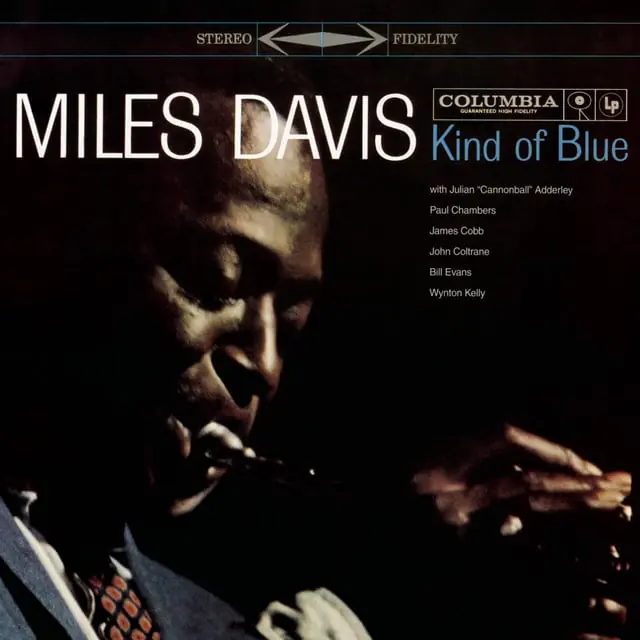
The photograph of Miles Davis used on the cover of the 1959 album Kind of Blue remains the image that most strongly connected Maisel’s name with popular culture. The deep blue tone, Davis’ face, and the trumpet formed a visual whole that became inseparable from the identity of one of the most important albums in jazz history.
His professional career, however, was much broader. His portfolio included figures such as Marilyn Monroe and Miles Davis, five Sports Illustrated swimsuit covers, the first two covers of New York Magazine, and a long-running advertising relationship with United Technologies. Maisel stopped accepting commercial assignments in 1995, continuing to work on his personal archive and teaching.
Photography as an act of observation
Maisel summarized his photographic thinking through three central ideas: light, gesture, and color. “Gesture” was not limited to the movement of a human body. It could be the relationship between two objects, the direction of a gaze, a shadow, or the visual element that gave character and meaning to an entire scene.
His approach depended more on selection and patience than on imposing an image. He favored available light, avoided excessive intervention before or after exposure, and waited until conditions reached the right balance. In his personal work, he wandered without a rigidly predetermined subject, remaining open to whatever might appear before him.
This method explains why his photographs did not necessarily depend on spectacular events. A wall, a cloud, a reflection, a face in the street, or an unexpected meeting of colors could become a complete photographic subject, provided the photographer was genuinely present.
190 Bowery and life inside The Bank
In 1966, Maisel bought the former Germania Bank Building at 190 Bowery in Manhattan for $102,000. The six-story building, covering approximately 3,300 square meters and containing 72 rooms, became a family home, studio, workshop, photographic archive, and storage space for countless objects that fed his powers of observation.
In February 2015, after almost half a century, he sold the building to investor Aby Rosen for $55 million. That amount is equivalent to approximately €47.2 million using the European Central Bank reference exchange rate for August 24, 2026, although this is not an adjustment for inflation or the historical value of money.
PTTL had already introduced Jay Maisel and his remarkable Bowery home and studio in 2013, when the building was still the center of his daily and creative life.
Jay Myself as a portrait of an era
Maisel’s departure from The Bank was documented in Jay Myself, Stephen Wilkes’ first feature-length directorial work. The film follows the photographer as he is forced to empty a space filled with artwork, archives, and objects accumulated over several decades.
The documentary premiered at DOC NYC in 2018 and received a wider theatrical and on-demand release in 2019. Beyond the story of an unusual building, it serves as a portrait of an artist’s relationship with time, memory, New York, and the unavoidable acceptance of change.
Teacher, mentor, and acclaimed creator
After leaving commercial photography, Maisel devoted even more of his time to personal work and photographic education. From 2008 to 2015, he hosted workshops at 190 Bowery attended by more than 640 students, while also teaching and lecturing across the United States.
His major honors included the International Center of Photography’s Infinity Award for Applied Photography in 1987, induction into the Art Directors Club Hall of Fame in 1995, the American Society of Media Photographers’ Lifetime Achievement Award in 1996, and induction into the International Photography Hall of Fame in 2020.
His influence as a teacher did not come from a complicated technical system. It was based on demanding that photographers look more carefully, recognize the behavior of light, and understand what gives life to a frame before releasing the shutter.
What he leaves photographers
Maisel’s legacy is a reminder that color is not merely decoration but a fundamental structural element of composition. The same applies to light, which in his work did not simply illuminate the subject but frequently became the subject itself.
His practice also demonstrates that meaningful photography does not depend exclusively on equipment or a spectacular location. It depends on awareness, patience, and the ability to recognize a moment that most people would pass by. This may be the most immediately applicable part of his teaching for photographers working today.
What we think
Jay Maisel’s true significance is not found only in the iconic Kind of Blue cover or in the major commercial assignments of his career. It lies primarily in the consistency with which he defended photography as a way of observing.
At a time when technical processing can easily dominate the act of making an image, his work remains a useful reminder that the essential process begins before the shutter is released: with whether the photographer is available to truly see what is in front of them.
Frequently asked questions
When did Jay Maisel die?
Jay Maisel died on August 20, 2026, at the age of 95. The news became widely known on August 22 through a post by Stephen Wilkes.
Which photograph was he best known for?
His most recognizable photograph is the portrait of Miles Davis used on the cover of the 1959 album Kind of Blue.
What was The Bank?
It was the former Germania Bank Building at 190 Bowery in New York, a six-story building covering approximately 3,300 square meters that served for decades as Maisel’s home, studio, archive, and teaching space.
What is Jay Myself?
It is a documentary by Stephen Wilkes chronicling Maisel’s life and his move out of The Bank. It premiered at DOC NYC in 2018 and received a wider release in 2019.
Has a cause of death been announced?
The public announcements and reports available through August 25, 2026, did not state a cause of death.