

Summary
- M6 is Apple’s first 2nm chip, with a 12-core CPU, 12-core GPU and a Neural Accelerator in every GPU core.
- Mac mini with M6 starts with 16GB of unified memory, can be configured with 32GB and offers 170GB/s bandwidth.
- Connectivity includes Wi‑Fi 7, Bluetooth 6, three Thunderbolt 4 ports, HDMI, 2.5Gb Ethernet and USB‑C genlock.
- European pricing starts at €1,069, with availability from September 22.
- Apple Greece directs buyers to authorised resellers.
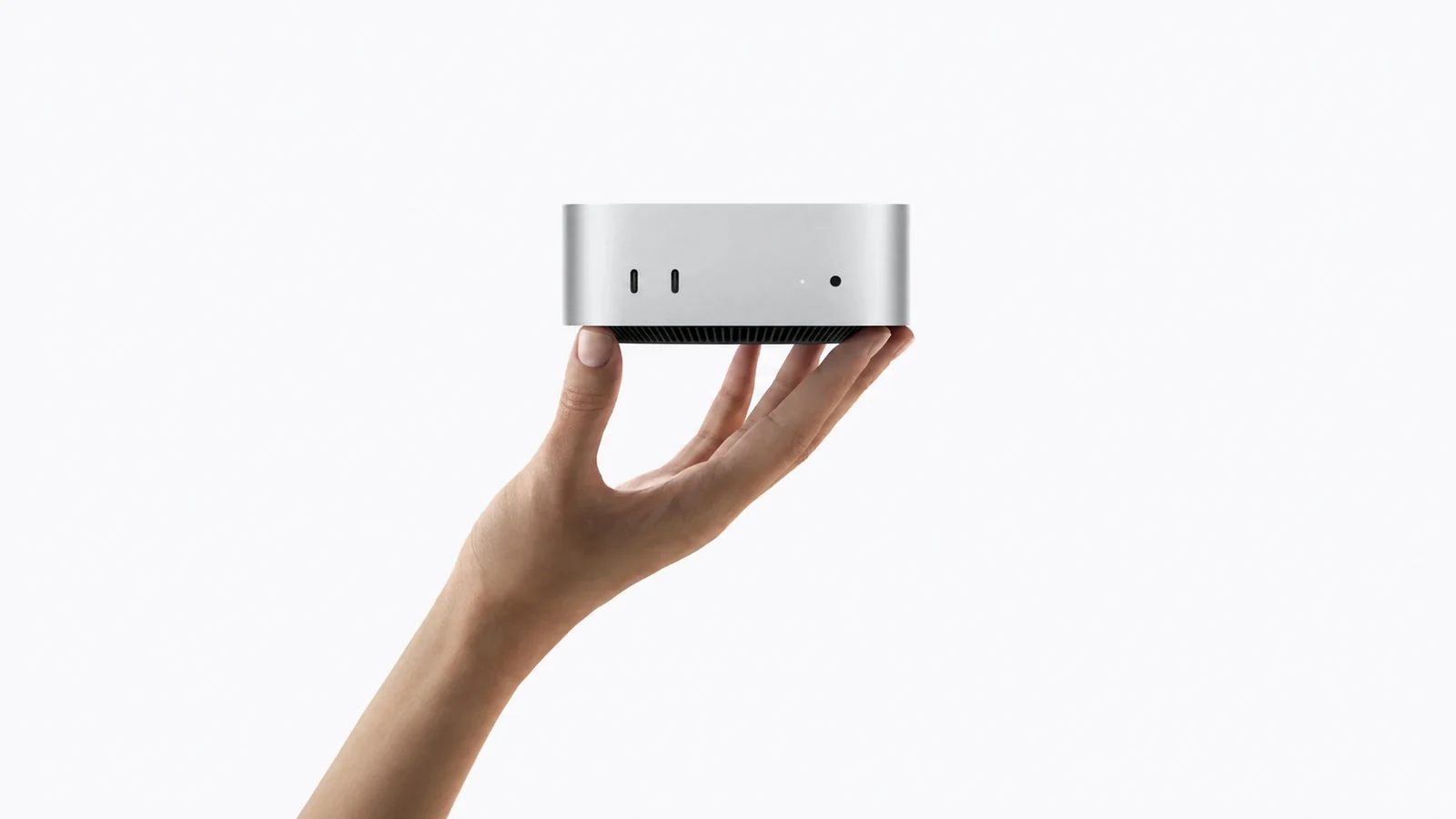
Apple has announced the new Mac mini with M6, its first desktop built around a 2nm chip, targeting faster everyday work and demanding creator tasks without changing the computer’s compact design.
The important change is not just the chip name. M6 combines a 12-core CPU, a 12-core GPU with a Neural Accelerator in every core and dual 16-core Neural Engines. Mac mini also gains Wi‑Fi 7, Bluetooth 6 and USB‑C genlock. For photographers and videographers, that should translate into faster exports, more capable AI tools and better integration in modern video setups.
M6 is Apple’s first 2nm chip
The M6 CPU has 12 cores: two Super Cores, four performance cores and six efficiency cores. Apple claims up to 1.2x faster multithreaded performance than M5 and up to 2.4x versus M1. These are Apple’s own measurements, not independent benchmarks.
The 12-core GPU adds a Neural Accelerator to every core, third-generation hardware ray tracing, Dynamic Caching and an updated shader core. Apple says peak GPU AI performance is nearly 30% higher than M5, while geometry processing is up to 50% faster. The dual 16-core Neural Engine offers up to twice the previous peak compute.
Memory: 16GB standard, up to 32GB
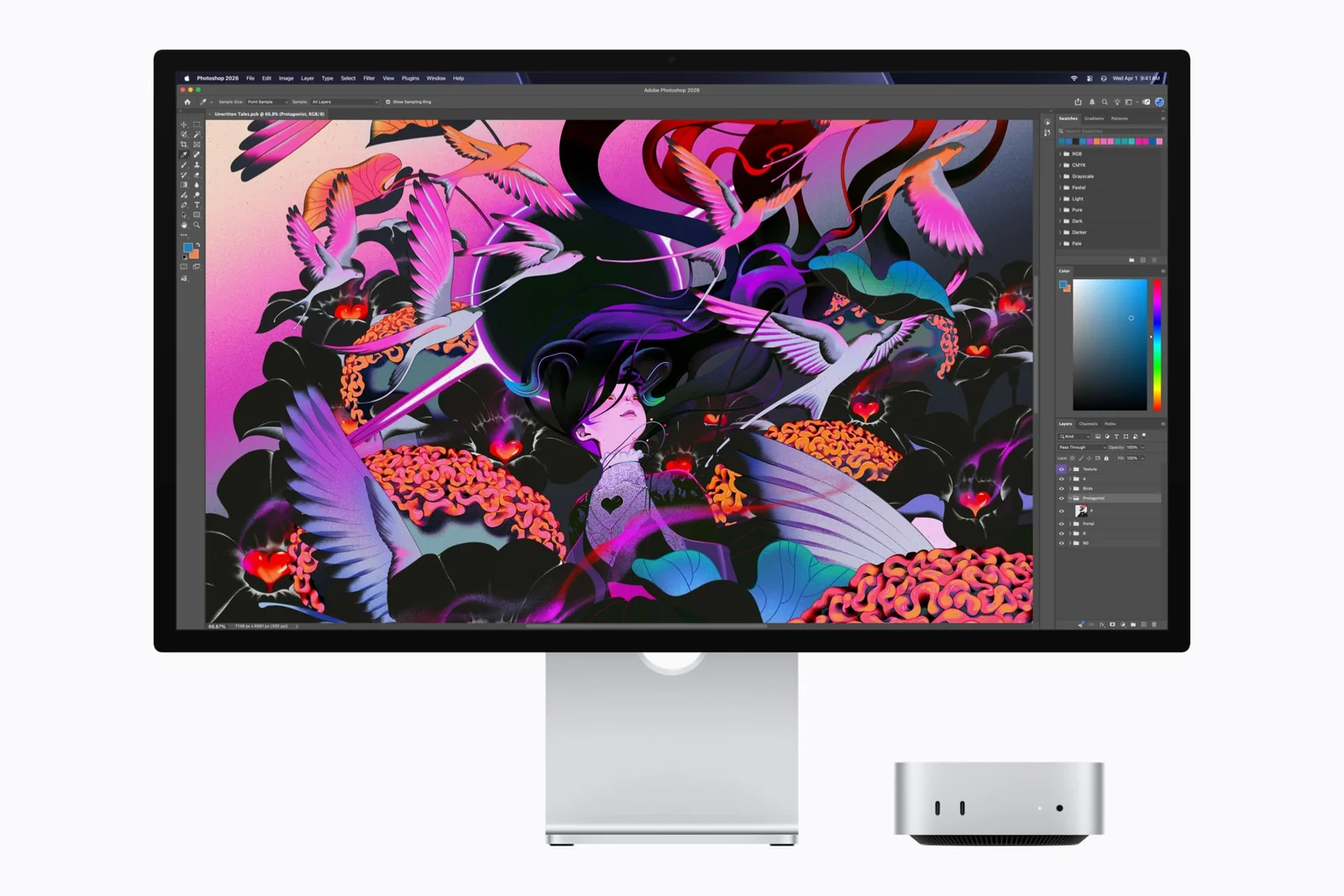
Mac mini with M6 starts with 16GB of unified memory, can be configured with 32GB and provides 170GB/s bandwidth. Sixteen gigabytes can handle ordinary Lightroom and Photoshop work, but 24GB or 32GB is the safer choice for large RAW catalogs, panoramas, heavy layer stacks, multiple applications and 4K video.
What it means for Lightroom, Photoshop and Capture One
- Lightroom Classic: the faster CPU should help browsing, previews and exports, while AI acceleration matters for denoise, masks and subject selection.
- Photoshop: filters, compositing and AI features can benefit from the GPU, Neural Engine and fast unified memory. Heavy multi-gigapixel documents make 32GB more sensible than the base configuration.
- Capture One: gains should primarily appear in previews, adjustment rendering and exports. There are no independent M6 benchmarks yet, so we are not assigning an exact performance percentage.
Final Cut, Premiere Pro and DaVinci Resolve
For video, Mac mini with M6 is best suited to 4K editing, social productions, sensible multicam projects and widely supported codecs. Final Cut Pro should make direct use of Apple silicon and the media engine, while Premiere Pro and DaVinci Resolve benefit from GPU acceleration, Neural Accelerators and unified memory.
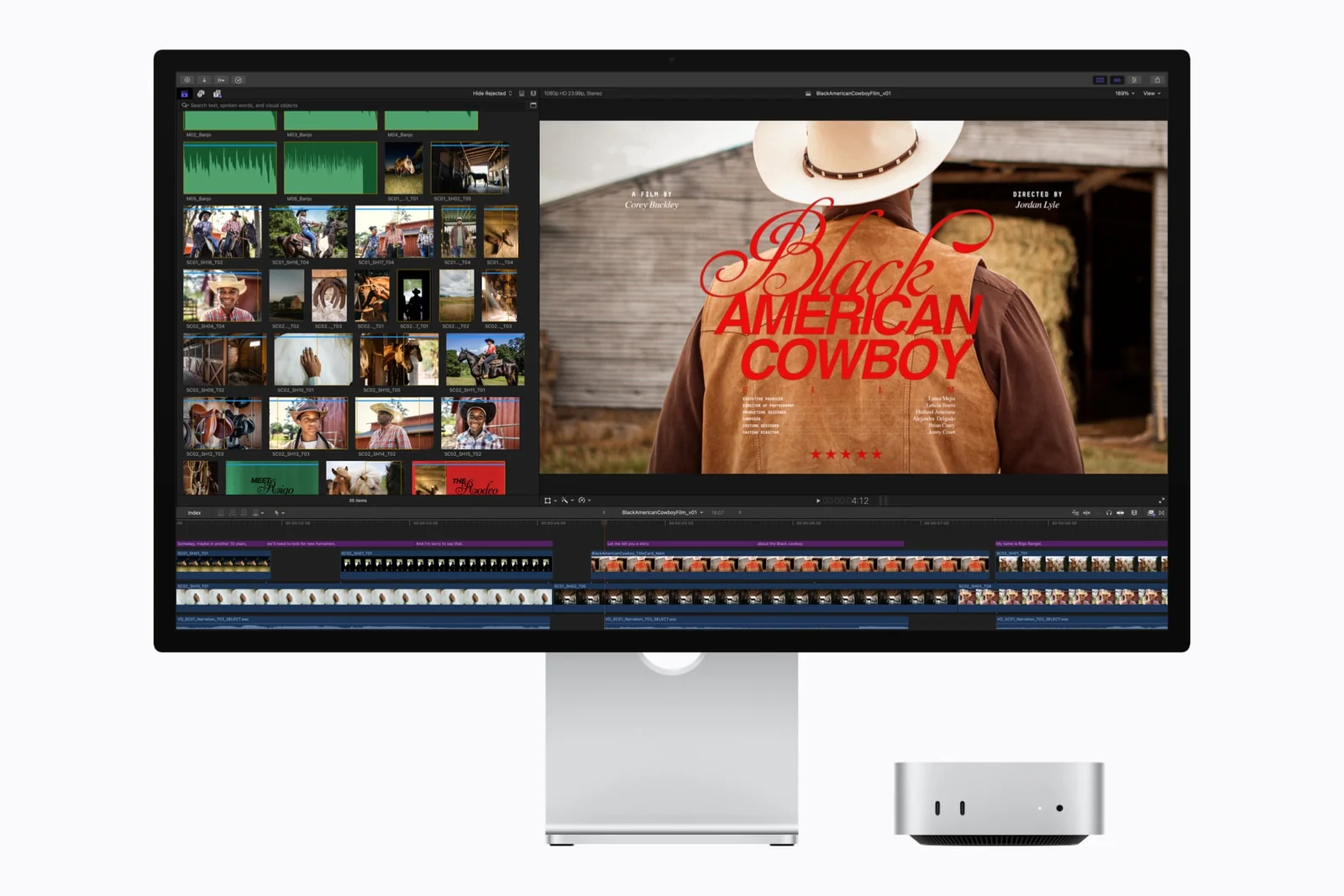
For heavy 8K RAW, complex grading with temporal effects or many simultaneous streams, Mac Studio’s larger memory pool and extra media engines remain meaningful. PTTL previously covered the earlier Mac Studio generation with M4 Max and M3 Ultra, which shows where Apple’s professional desktop tier begins.
Connectivity, displays and genlock
The front includes two USB‑C ports with USB 3 and a headphone jack. On the back, the M6 model has three Thunderbolt 4 ports, HDMI and 2.5Gb Ethernet as standard, with 10Gb Ethernet optional. It supports up to three displays, Wi‑Fi 7 and Bluetooth 6.
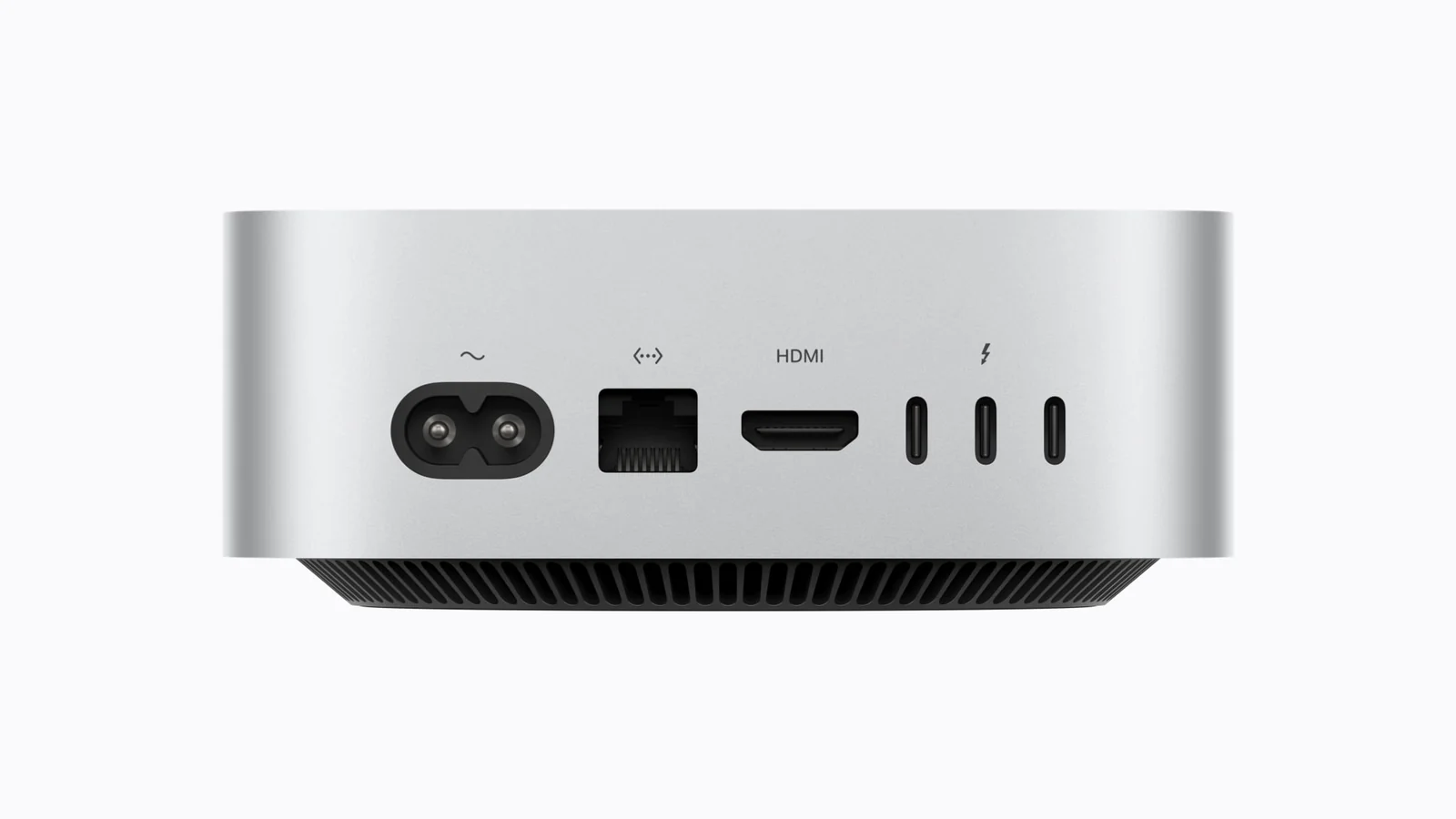
USB‑C genlock is especially relevant to multicamera production, virtual production and installations where computers, displays and cameras must share timing. Apple also lists compatibility with iPhone 17 Pro.
European price and Greek availability
In Spain, an official reference for euro pricing, Mac mini with M6 starts at €1,069 and the M5 Pro model at €2,019. Preorders opened on August 25, with availability beginning September 22, 2026.
At the time of writing, Apple’s Greek website had not yet updated its product pages or listed local prices and directs buyers to authorised resellers. There is therefore no confirmed official Greek price yet.
What we think
Mac mini with M6 is likely to be the rational choice for most photographers and many 4K editors. Memory is the key trap: the base model is attractive, but we would choose 24GB or 32GB for serious Lightroom, Photoshop and concurrent video work. Anyone who does not need 8K, very large memory configurations or several media engines may struggle to justify Mac Studio pricing.
Apple has already closed the chapter on the expandable tower, as we reported when it permanently discontinued Mac Pro. The new Mac mini shows how much professional work now fits into Apple’s smallest desktop.
Frequently asked questions
When is Mac mini with M6 available?
Apple says availability begins September 22, 2026 in the first markets.
How much memory does a photographer need?
Sixteen gigabytes can cover lighter work, but 24GB or 32GB is safer for large RAW catalogs, AI denoise, panoramas and heavy Photoshop layers.
Is it suitable for 8K video?
It can handle selected 8K workflows, especially with optimized media or ProRes, but Mac Studio leaves more headroom for heavy 8K RAW, many streams and complex grading.