Summary
- Marumi has announced the Black Mist Cross 4X and 6X.
- Both combine diffusion equivalent to Black Mist 1/4 with four- or six-ray star effects.
- They feature rotating mounts and come in 12 thread sizes.
- The Japanese release is scheduled for 6 November 2026.
Marumi’s new Black Mist Cross range combines soft light diffusion with star-shaped highlights, giving photographers two optical effects from a single filter.
Announced on 30 October 2026, the filter comes in 4X and 6X versions. Both effects are created in front of the lens at capture: point light sources develop distinct rays while bright areas gain a softer glow.
Black Mist 1/4 diffusion with 4X or 6X stars
According to Marumi, the diffusion strength is equivalent to its existing Black Mist 1/4. The aim is a gentler transition around strong highlights and less harsh rendering of bright areas, without adding a digital glow effect afterwards.
The 4X version creates four rays around suitable light sources; 6X creates six. These are separate filters with different star patterns, not two settings on the same filter.
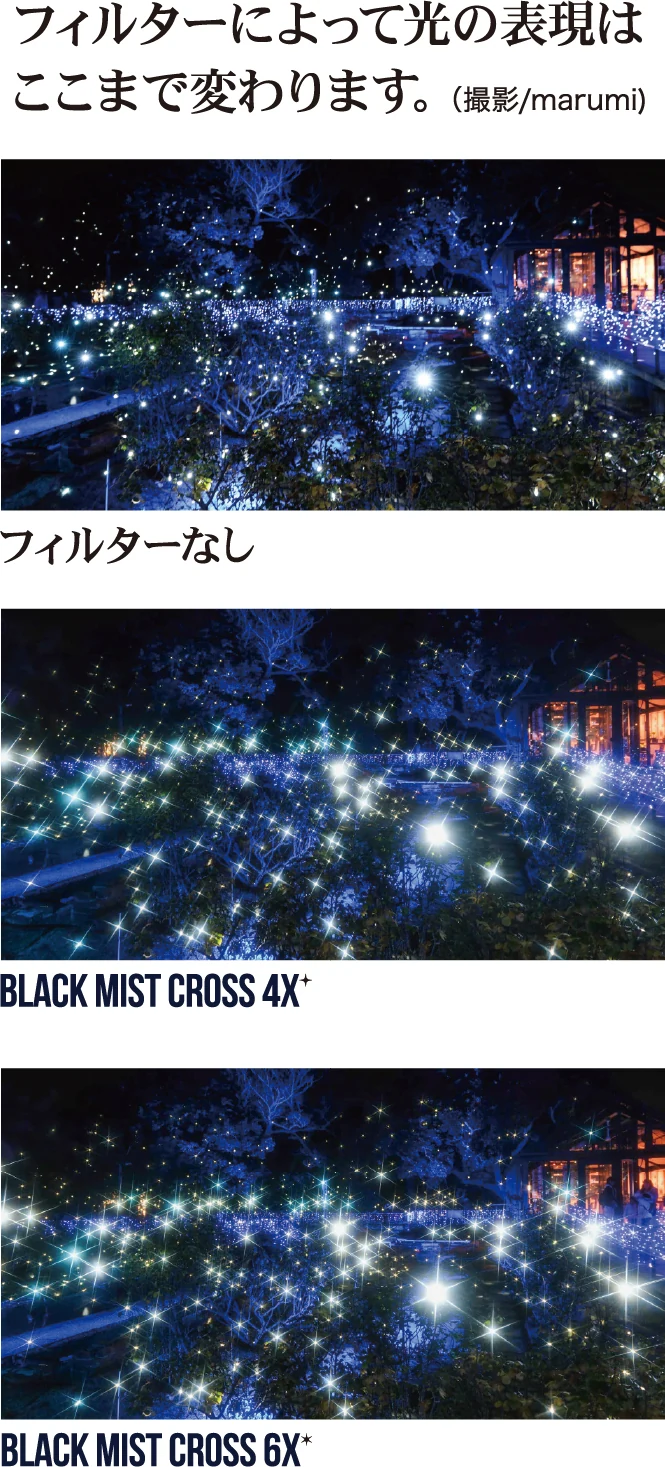
In night-time city scenes, streetlights, decorative lighting and reflections, the two effects work together: diffusion softens the rendering while the cross pattern gives highlights a defined direction.


Rotating mount controls ray direction
A rotating mount lets photographers change the angle of the rays without recomposing. Rotation does not turn a 4X into a 6X or remove the diffusion; it changes the orientation of the star effect only.

Marumi specifies water-repellent and dirt-resistant coatings plus a slim frame. There are 12 thread sizes: 40.5, 43, 46, 49, 52, 55, 58, 62, 67, 72, 77 and 82 mm. The correct size depends on the lens’s filter thread.
From night lights to portraits
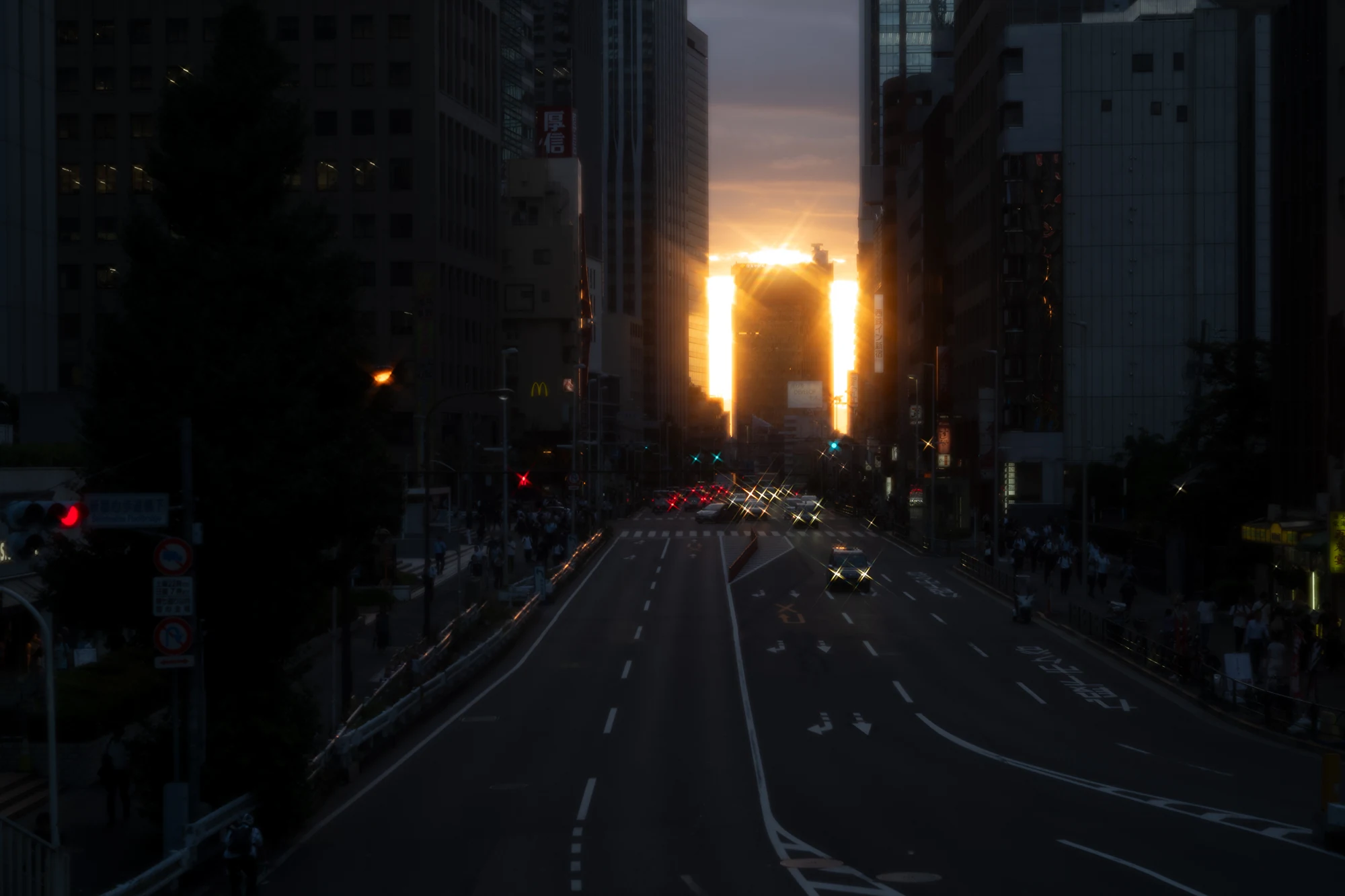
This is not exclusively a night filter. Backlit scenes or sunlight breaking through leaves can gain defined rays alongside a softer glow. In portraits, the intensity and position of practical lights matters: a scene filled with small highlights can quickly become crowded with stars.

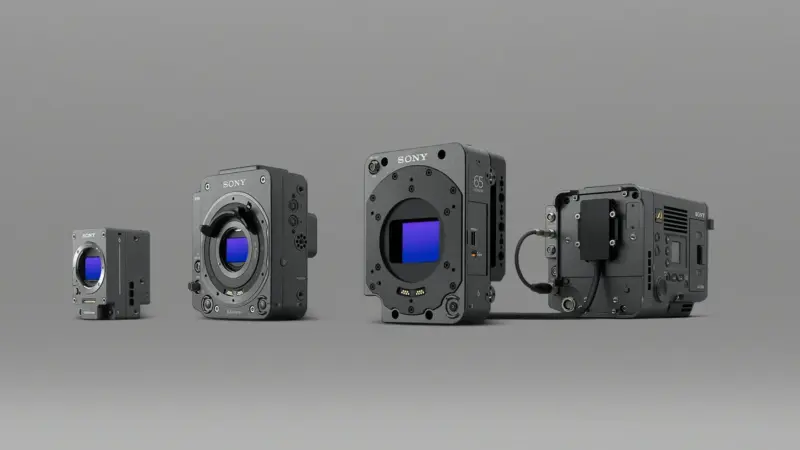
Black Mist filters are also established tools in cinematography. For example, Black Mist filters in the NiSi ATHENA Drop-In PL system sit behind compatible PL cinema lenses. Marumi’s Black Mist Cross is instead a front-mounted screw-in filter that adds a star effect as well.
More information here.
Price and availability
The Japanese release is scheduled for Friday, 6 November 2026. Marumi lists open pricing, without a single fixed retail price across sizes. No official European price or Greek release date was found.
What we think
For city photography at night, live performances or portraits with lights in the background, the appeal is seeing the finished effect through the lens. You can compose around those stars on location rather than deciding later in editing which highlights to transform.
We would lean towards 4X for quieter compositions and 6X when those starbursts are central to the picture. The rotating mount may be the most practical detail: it lets you align the rays with your subject instead of accepting one fixed angle.
It also needs restraint. Dozens of small light sources can make a composition overly busy, and optical diffusion is not something you can fully undo in the RAW file afterwards. We would treat this as a deliberate creative choice for particular shots, rather than a filter to leave on the lens permanently.
Frequently asked questions
Can you turn the 4X into a 6X by rotating the filter?
No. The rotating ring adjusts only the angle of the rays. The four-ray and six-ray patterns require the corresponding 4X or 6X version.