Summary
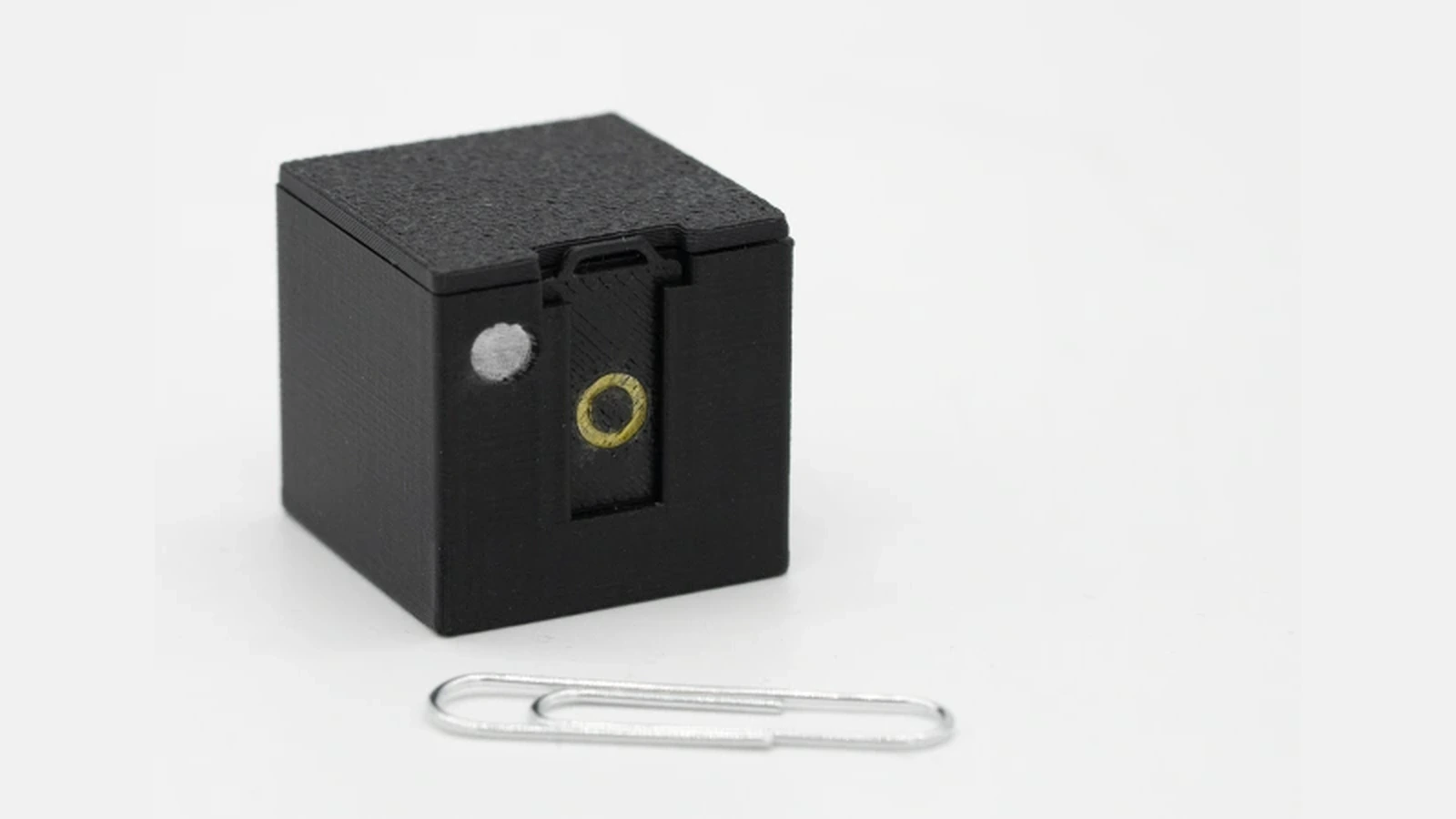
- Luke Fazekas built a functioning analogue camera measuring 2.48 × 2.41 × 2.48 centimetres.
- The Pocket Obscura uses 3D printing, a pinhole aperture and a manual shutter.
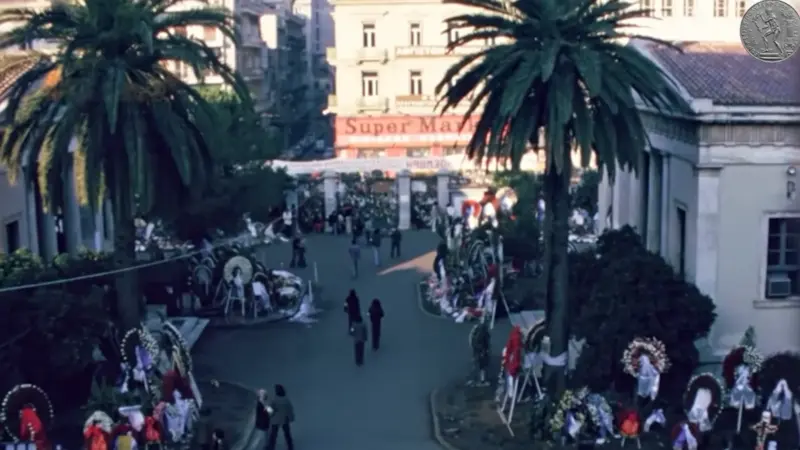
- Its real black-and-white sample photographs have a characteristic soft look.
- The Guinness record effort required precise measurements and supporting documentation.
A film camera measuring less than three centimetres has earned a Guinness World Records distinction, and the surprising part is that it really does produce photographs on film.
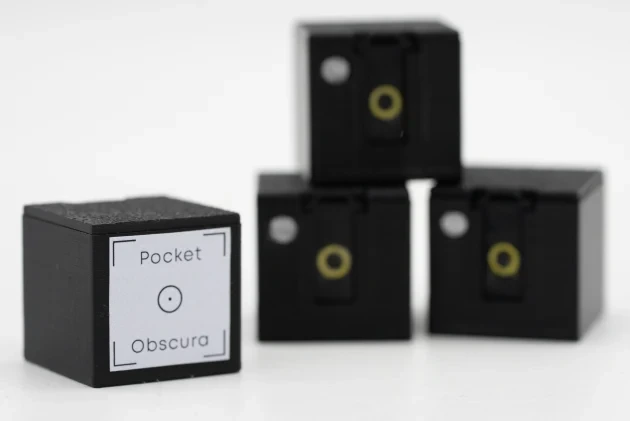
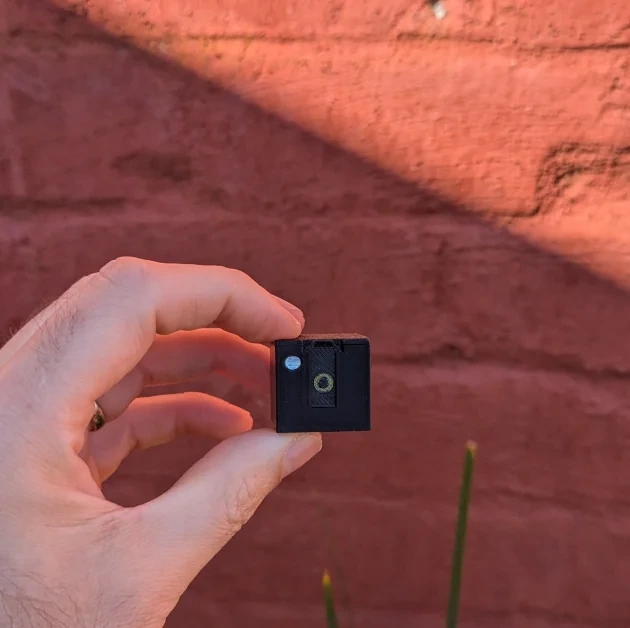
Melbourne-based photographer and art teacher Luke Fazekas built the Pocket Obscura using 3D printing. It measures just 2.48 × 2.41 × 2.48 centimetres, with a simple paperclip alongside it making the scale immediately clear.
A working camera in a 2.5-centimetre box
The design takes its cue from the historic Kodak Brownie: a simple light-tight box with a way to expose photosensitive material. But here the available space is exceptionally tight. Fazekas had to fit the image-forming aperture, manual shutter and film positioning into the tiny enclosure.
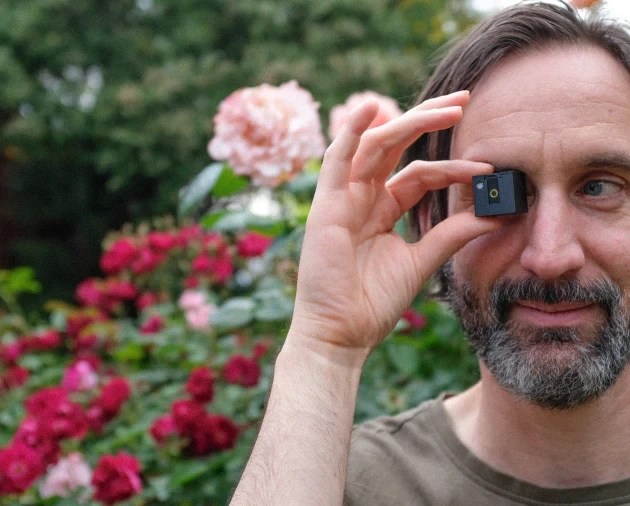
The project went through repeated design, printing, testing and refinement before it produced a usable image. The goal was not merely to make a miniature ornament but to complete a genuine photographic process.
What kind of pictures does it take?
The Pocket Obscura uses a pinhole aperture to form an image and a manual shutter to expose the film. The result is distinctly soft, with limited sharpness and the atmosphere familiar to photographers who have experimented with a camera obscura.
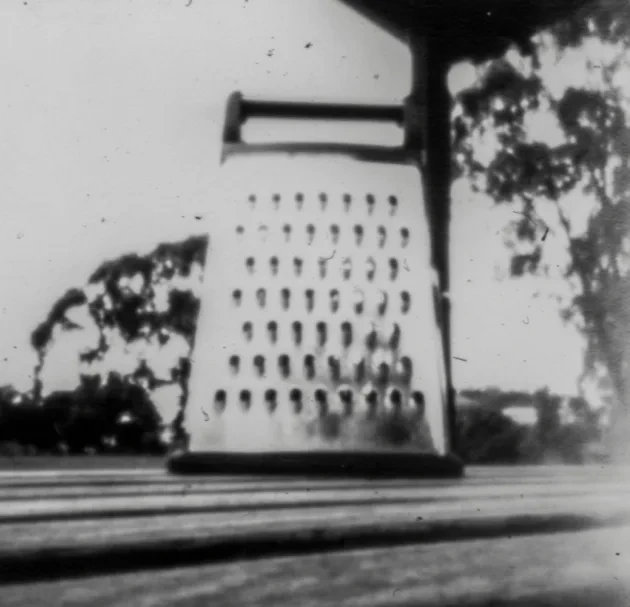
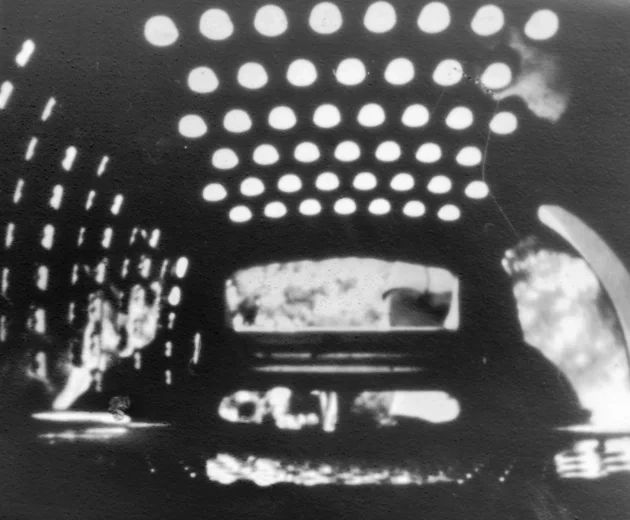
The pictures matter more as evidence of an extreme design experiment than as a demonstration of image resolution. Fazekas has not publicly shared every step between exposing the film and obtaining the visible picture, although he has confirmed that the workflow involves a darkroom.
For more unusual experiments with light, there is also the pinhole camera made from an orange, another reminder that the underlying photographic process does not require complex equipment.
How the Guinness record was documented
Fazekas first investigated how small film cameras could get and found there was no established Guinness World Records category specifically for the smallest film camera. After contacting the organisation, he received measurement requirements and set about showing the device truly worked.
A qualified metrologist had to measure its dimensions to the nearest 0.01 centimetre, with the procedure recorded on video. The application also required photographs, video documentation and witness statements. He made backup units because minor variations between 3D prints could affect the measured dimensions.
The record attempt itself lasted less than an hour, but compiling the supporting evidence took around three weeks. The achievement was reported as a Guinness World Records entry in an interview published on 16 November 2026.
The project also builds on Fazekas’s work creating 3D-printed adapters for older equipment and discontinued film formats. His Pocket Obscura project page explores the meeting point between analogue photography and modern fabrication.
What we think
This is the kind of build that raises a smile before you have even seen the photograph. Holding it between two fingers makes a great picture, but the real achievement is managing the light, shutter and exposure within such a tiny body.
Its photographs are not “good” by conventional technical standards, and that is perfectly fine. The soft, imperfect monochrome results reflect the limits of the design. For anyone who loves film, the project is a useful reminder that you can make a photograph with very simple materials if you understand the behaviour of light.
There is a practical angle beyond the record, too. 3D printing is not only about gadget prototypes. It can give older camera systems a second life, replace hard-to-find components and make entirely personal camera designs possible. That is a more lasting takeaway than the centimetres alone.
Frequently asked questions
Does the Pocket Obscura actually take pictures or is it only a miniature?
It is a functioning camera. It exposes photographic film using a pinhole aperture and a manual shutter, and sample photographs have been published.
What type of film does it use?
The specific film material and full process used to turn the exposure into a finished image have not been disclosed. Fazekas has said the workflow involves a darkroom.