Summary
- Lomography has launched the Lomo72 half-frame 35 mm camera.
- It captures up to 72 exposures on a standard 36-shot roll.
- A 27 mm glass lens, built-in flash and multiple exposures support creative shooting.
- European preorders start at €79.
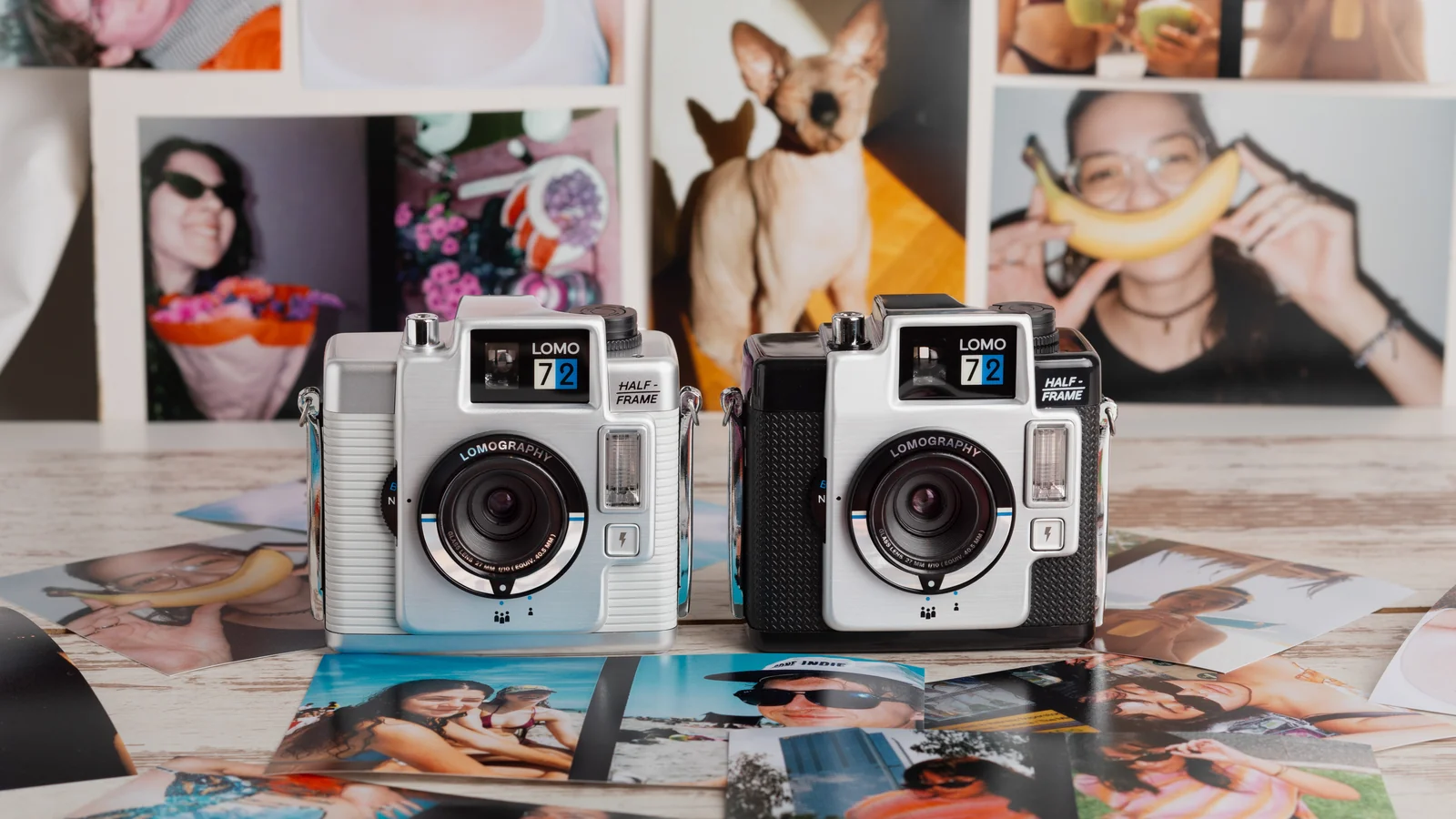
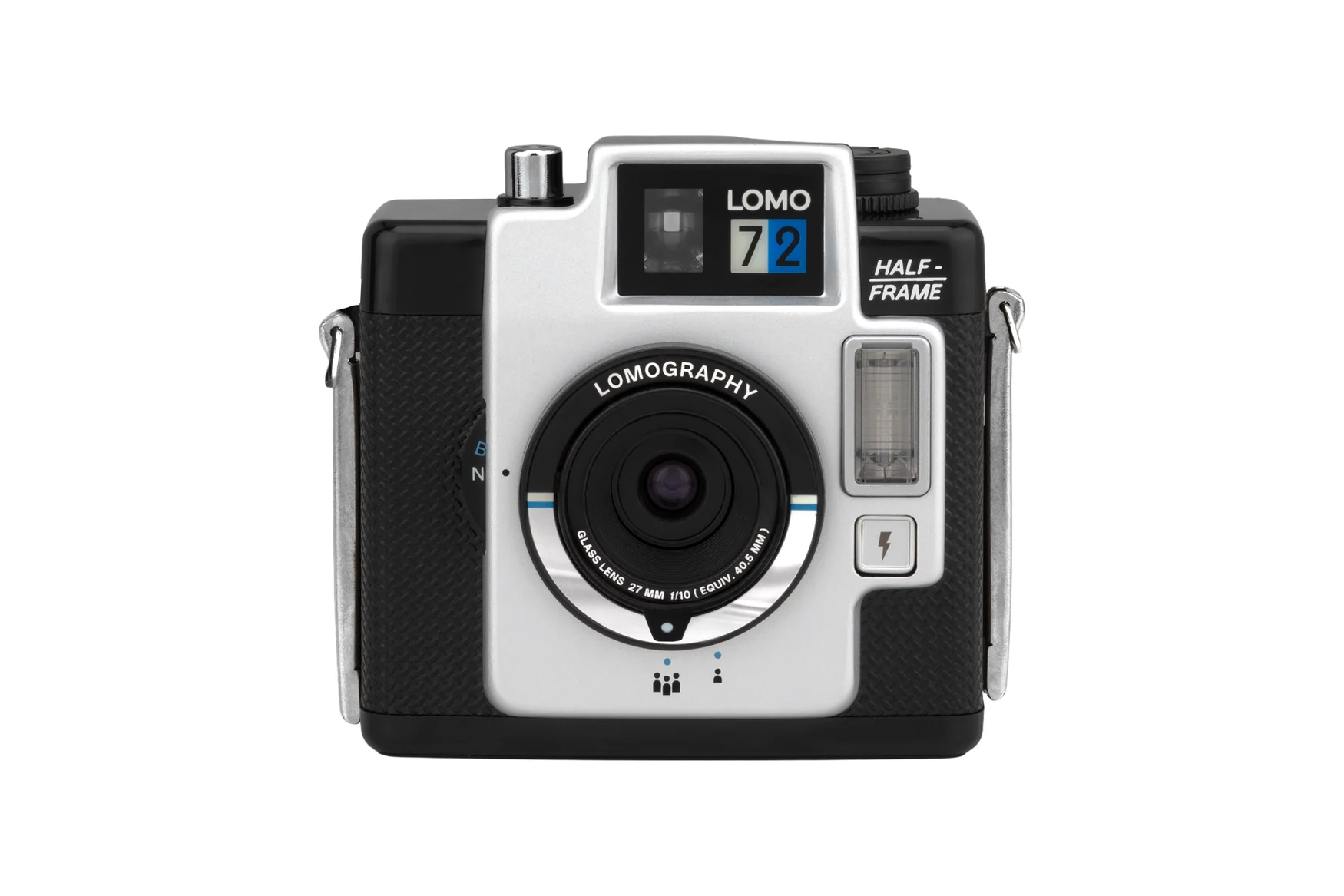
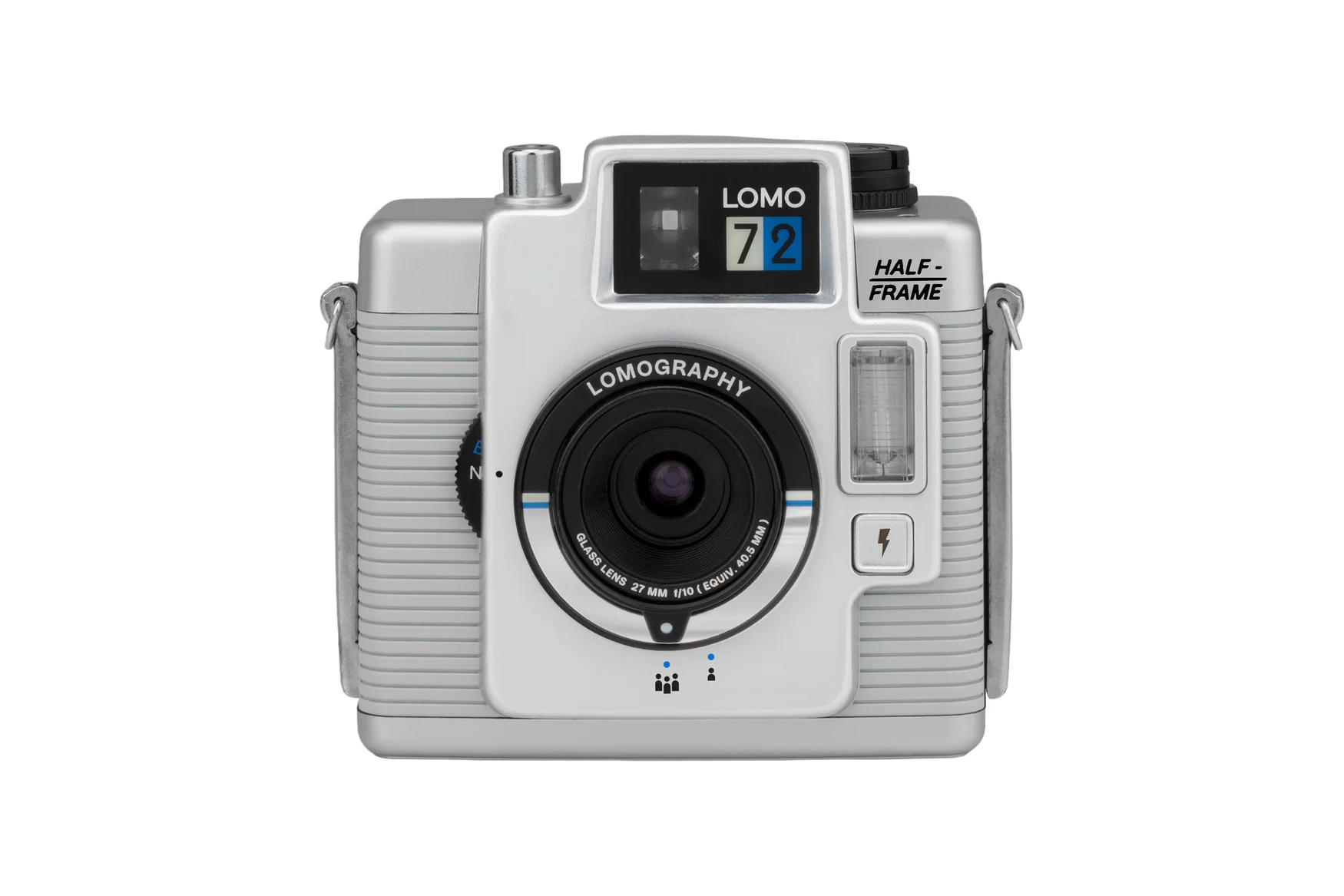
With the new Lomo72, Lomography packs up to 72 photographs onto an ordinary 35 mm film roll, adding a glass lens, built-in flash and experimental controls with a starting price of €79.
The analogue camera was unveiled on 16 November 2026 in black and silver. Its half-frame format turns the area normally used by one standard 35 mm photograph into two separate exposures, without requiring a special type of film.
72 photographs where there would normally be 36
Each exposure measures 17 × 24 mm rather than the usual 24 × 36 mm still-image frame. That means a standard 36-exposure roll can deliver up to 72 photographs. The smaller negative reduces film consumption per shot but also has less area for fine detail, particularly when making large prints.
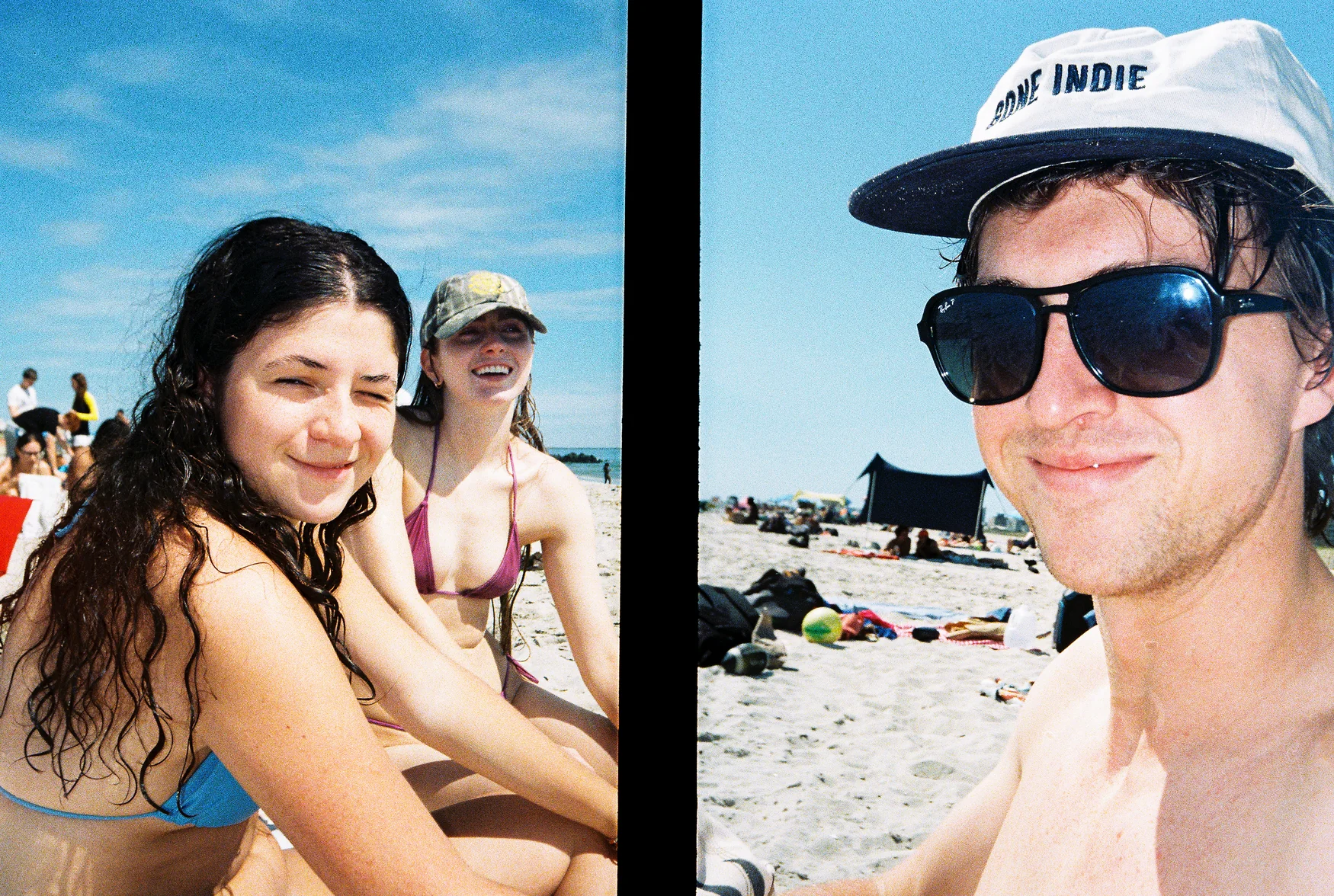
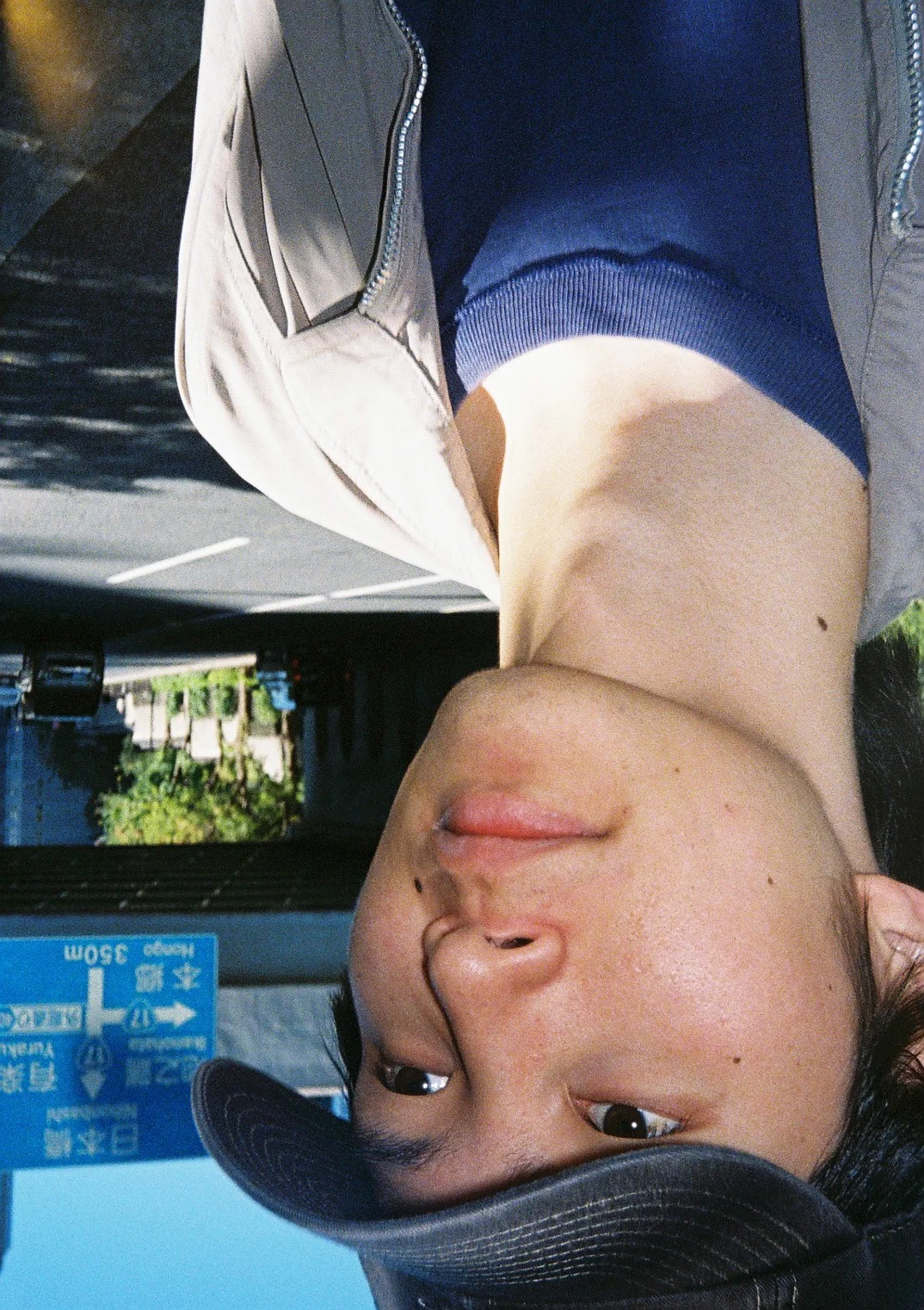
The image is typically vertical when the camera is held horizontally, while successive frames can be displayed together as a diptych. Lomography already has a more affordable half-frame option in its Simple Use Half-Frame; the Lomo72 brings a different build and optical design.
27 mm glass lens and manual zone focusing
The 27 mm lens uses two glass elements in two groups with multi-coating. Both the press release and the company’s detailed launch article list a fixed f/10 aperture. Individual pages in the European online shop instead list f/8, leaving an inconsistency in the manufacturer’s published specifications that calls for clarification.
There is no autofocus: photographers choose between two focus zones, 0.4–1 metre for closer subjects or 1 metre to infinity. The camera has no automatic exposure metering or adjustable ISO setting either. With a fixed 1/100-second shutter speed in normal mode, lighting conditions and the chosen film stock strongly influence the result.
Flash, multiple exposures and Bulb
The built-in flash uses one 1.5 V AAA battery. Lomography quotes a reach of approximately 1 metre with ISO 100 film or 2 metres with ISO 400, and coloured gels can be placed in front of the flash for deliberate colour effects. This makes the flash better suited to close-up portraits and snapshots than illuminating a large room.
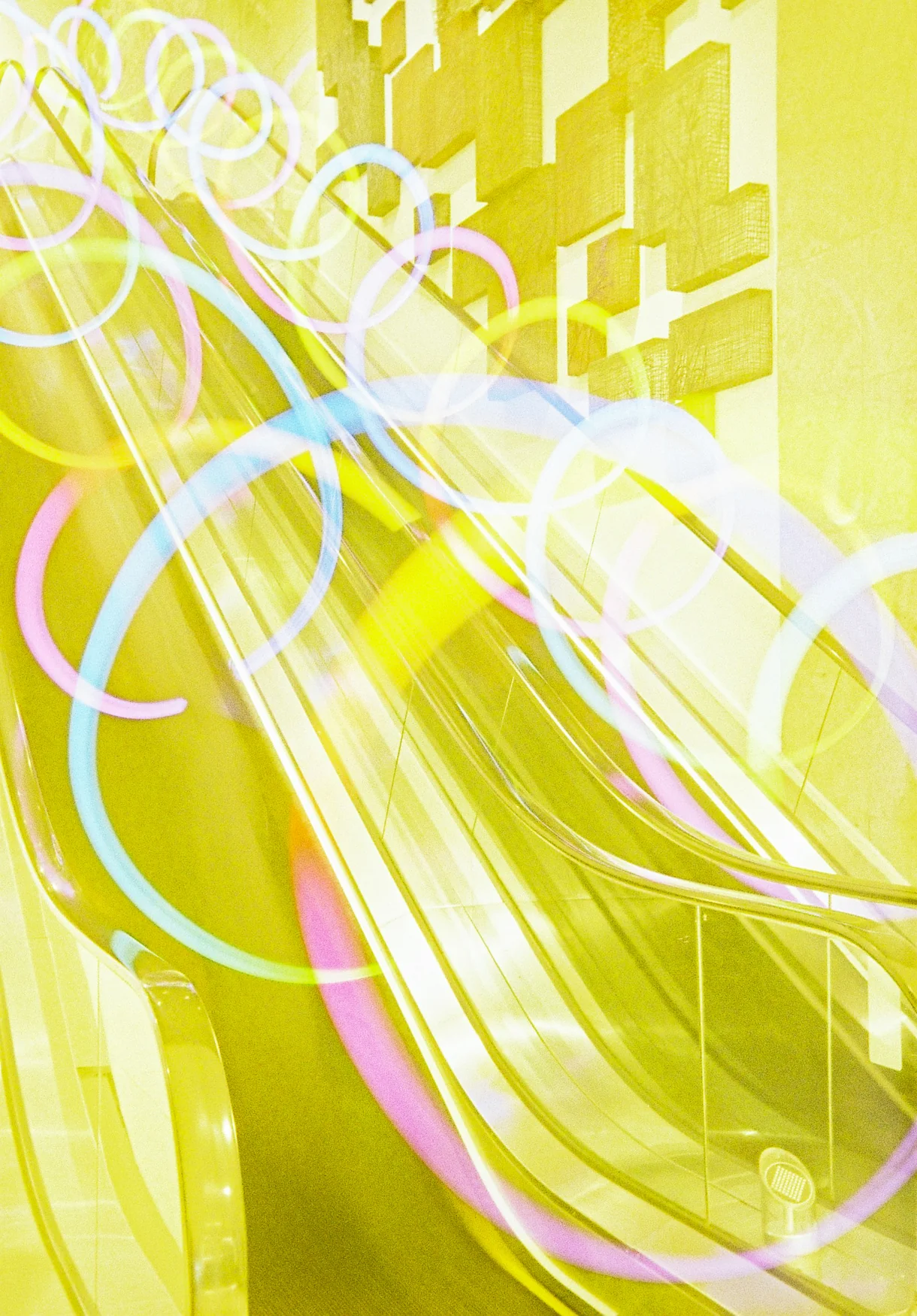
An MX switch enables unlimited multiple exposures on one frame. In B (Bulb) mode, the shutter stays open while the button is held down, allowing light trails and night-time experiments. A standard 1/4-inch tripod socket and threaded mechanical cable-release connection help control camera shake during long exposures.
Price and availability
The Lomo72 is available for preorder from the European Lomography store. The individual product pages list both black and silver models at €79, with estimated shipping in December 2026. The package includes a lens cap, coloured flash gels, fabric strap, postcard set and short manual.
This camera is aimed at a different photographer from the substantially more expensive Lomo MC-A, which offers autofocus and far more control. Here, the appeal is simplicity, more shots per roll and playful frame-making.
Black edition: More information here. Silver edition: More information here.
What we think
Getting 72 shots from a roll makes practical sense when you photograph daily life on film: there is more room to experiment without constantly changing rolls. And because half-frame naturally suggests pairs of pictures, it is an invitation to build small visual stories instead of treating every frame as a standalone snapshot.
The Lomo72 has more going for it than its charming styling. A glass lens, two focus zones and multiple exposures offer room to make deliberate creative choices. On the other hand, the fixed aperture and single regular shutter speed mean you cannot manage exposure the way you can on a fully manual 35 mm camera.
We see it as a camera for walks, friends, flash photography and experimental diptychs rather than jobs that demand precisely controlled exposure. Before buying, it is worth getting confirmation from Lomography on whether the aperture is f/10 or f/8: with so few settings, that detail matters when choosing a film stock.
Frequently asked questions
Does half-frame film need special processing or scanning?
It is still ordinary 35 mm film and uses the normal developing process appropriate to the chosen film stock. When requesting scans or prints, tell the lab the negatives contain 17 × 24 mm half-frames so they can frame them correctly, individually or as diptychs.