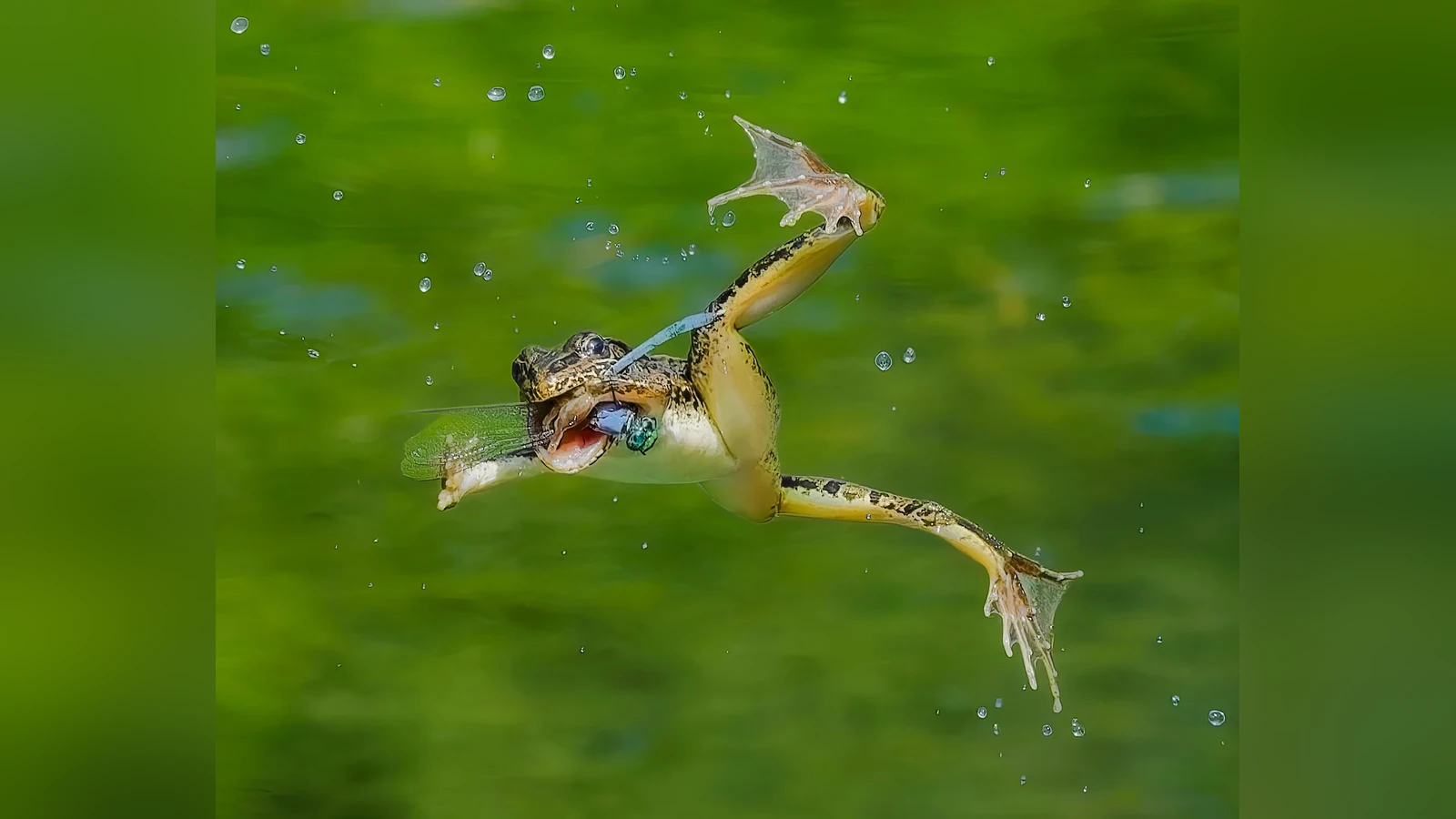
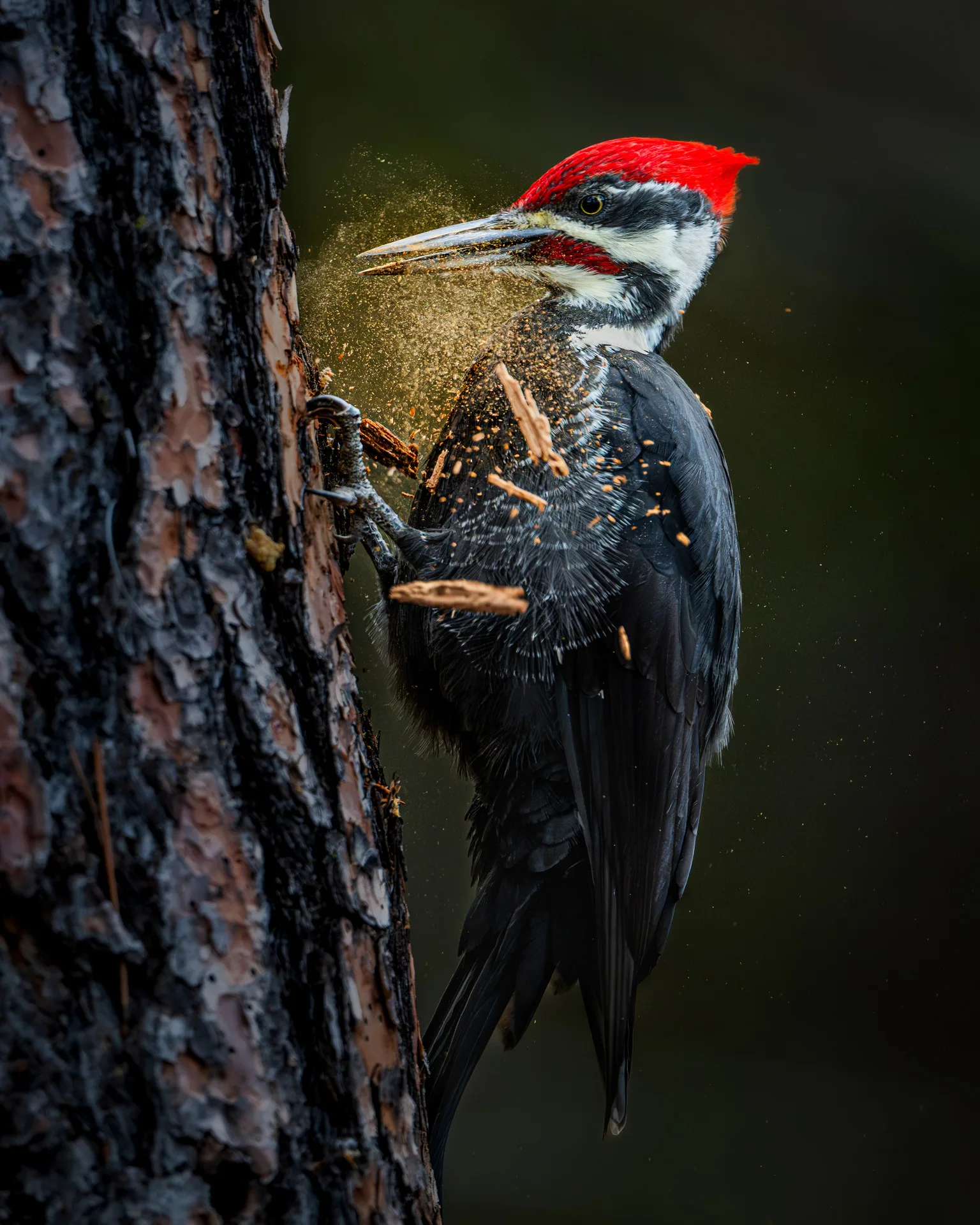
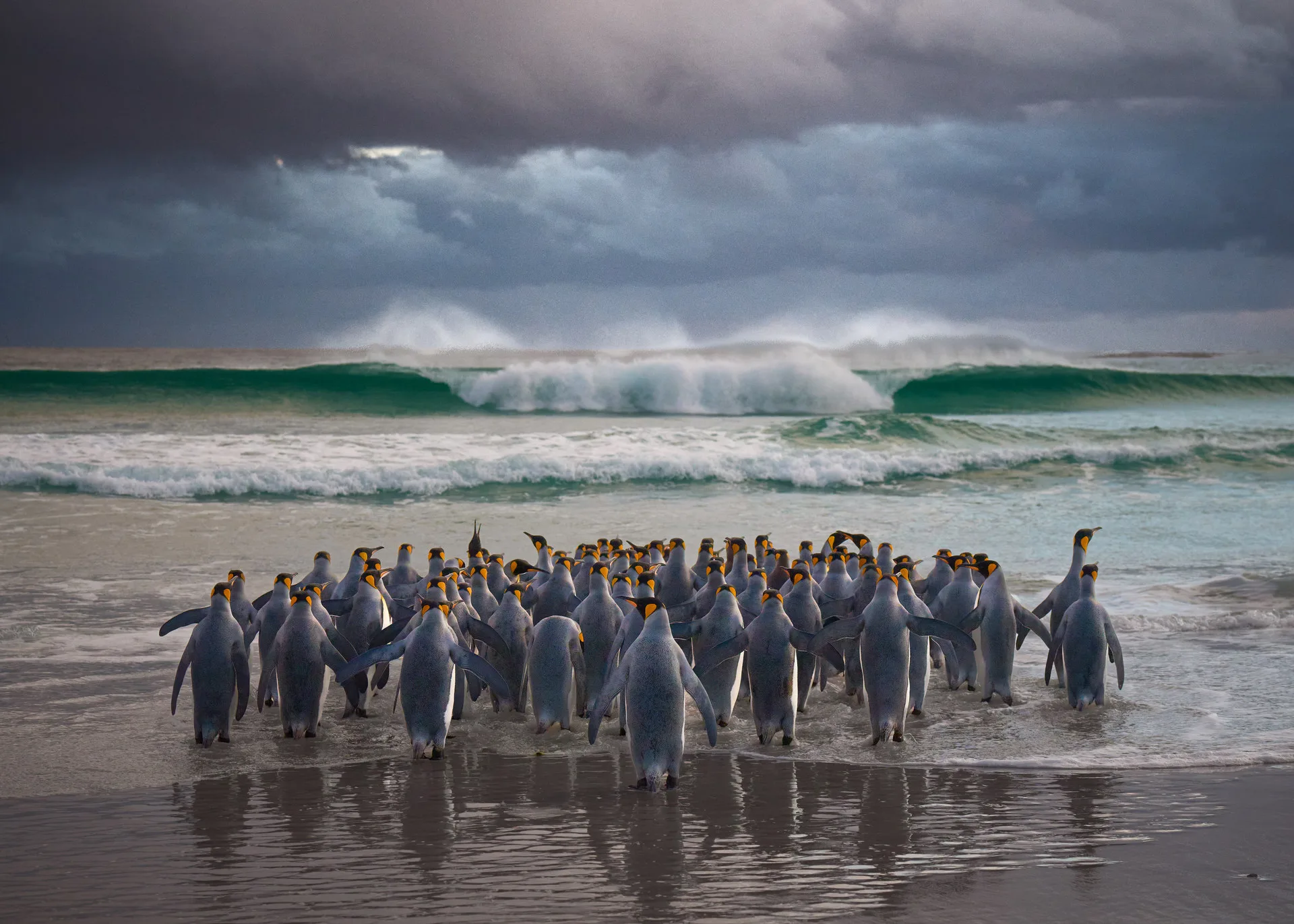
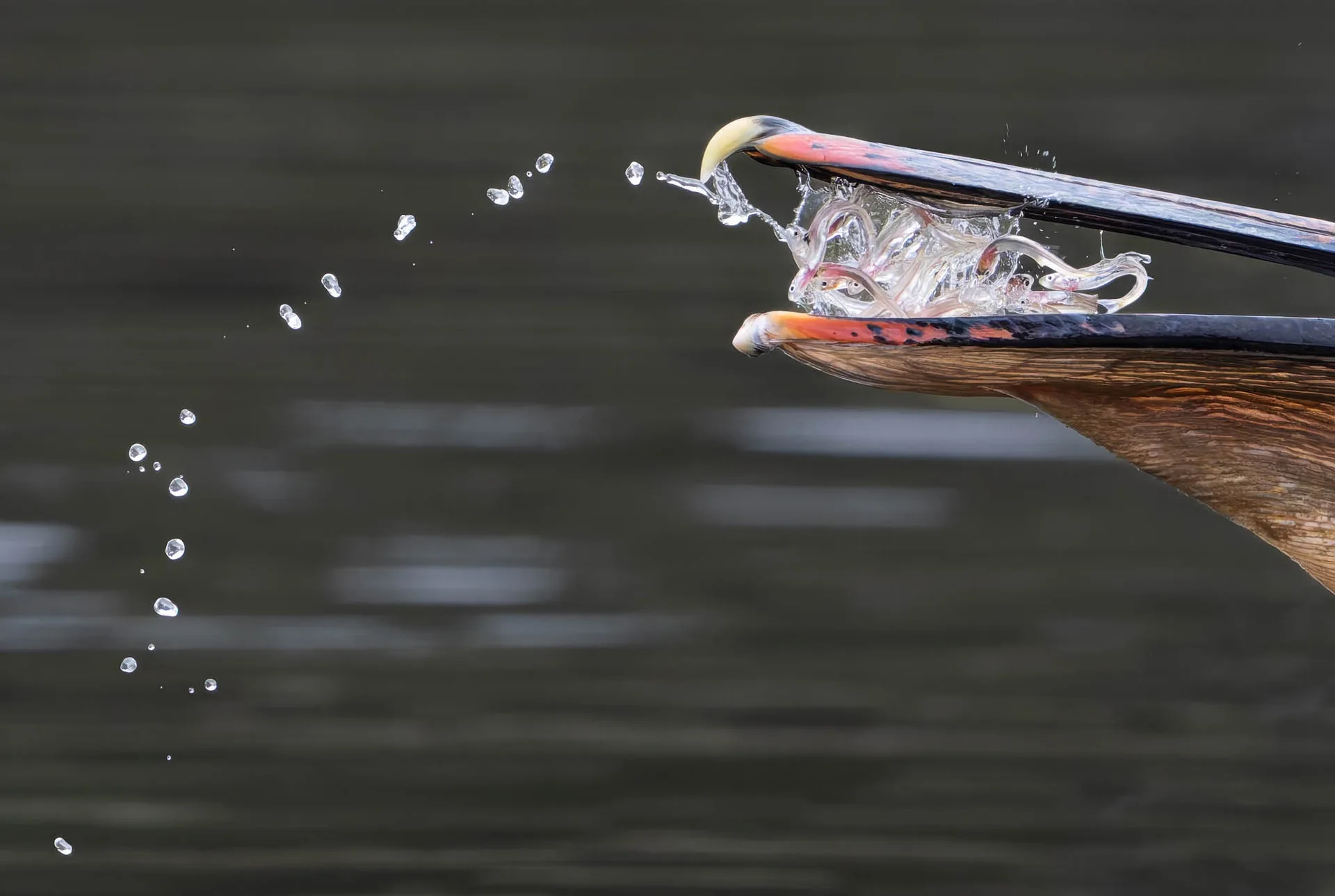
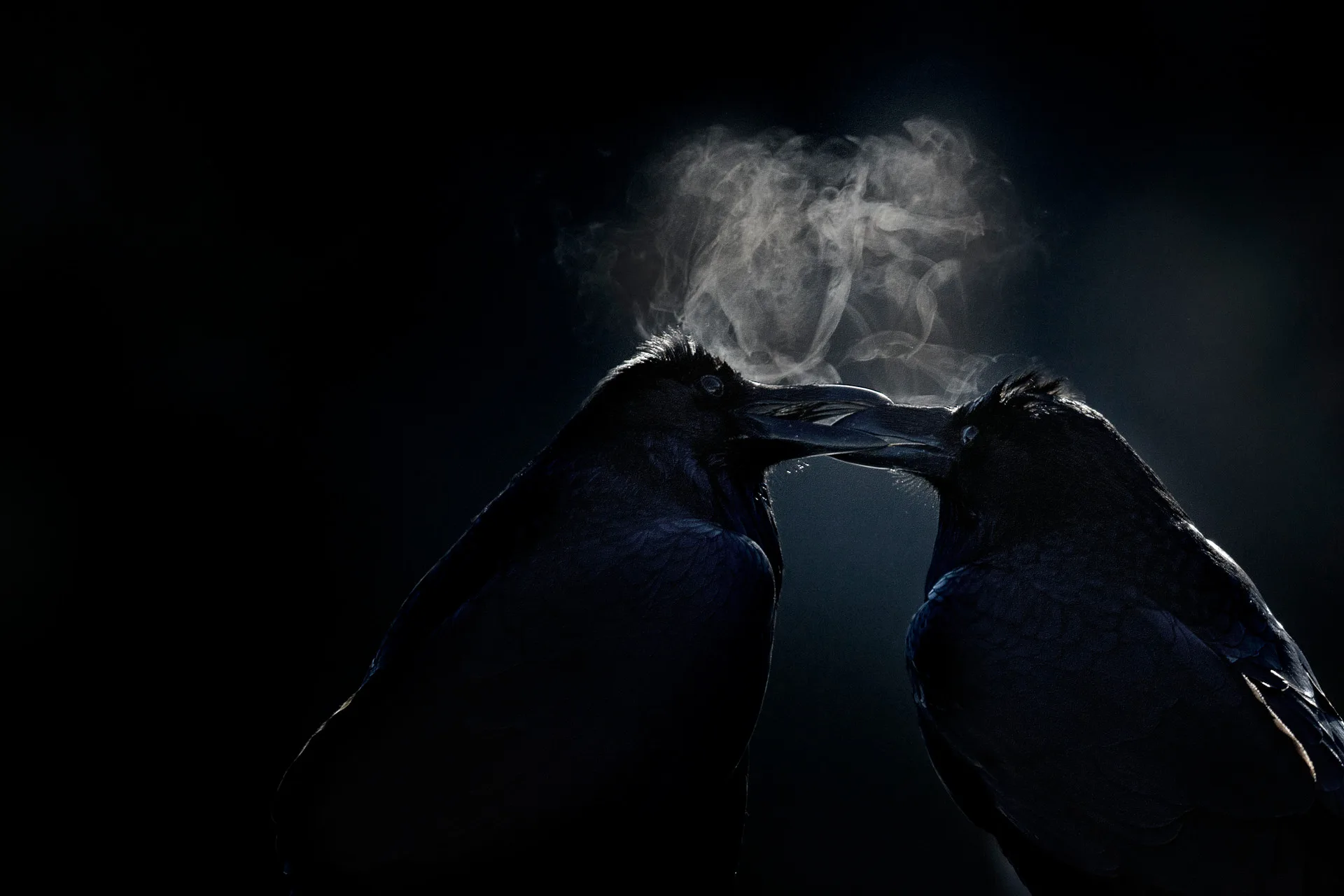
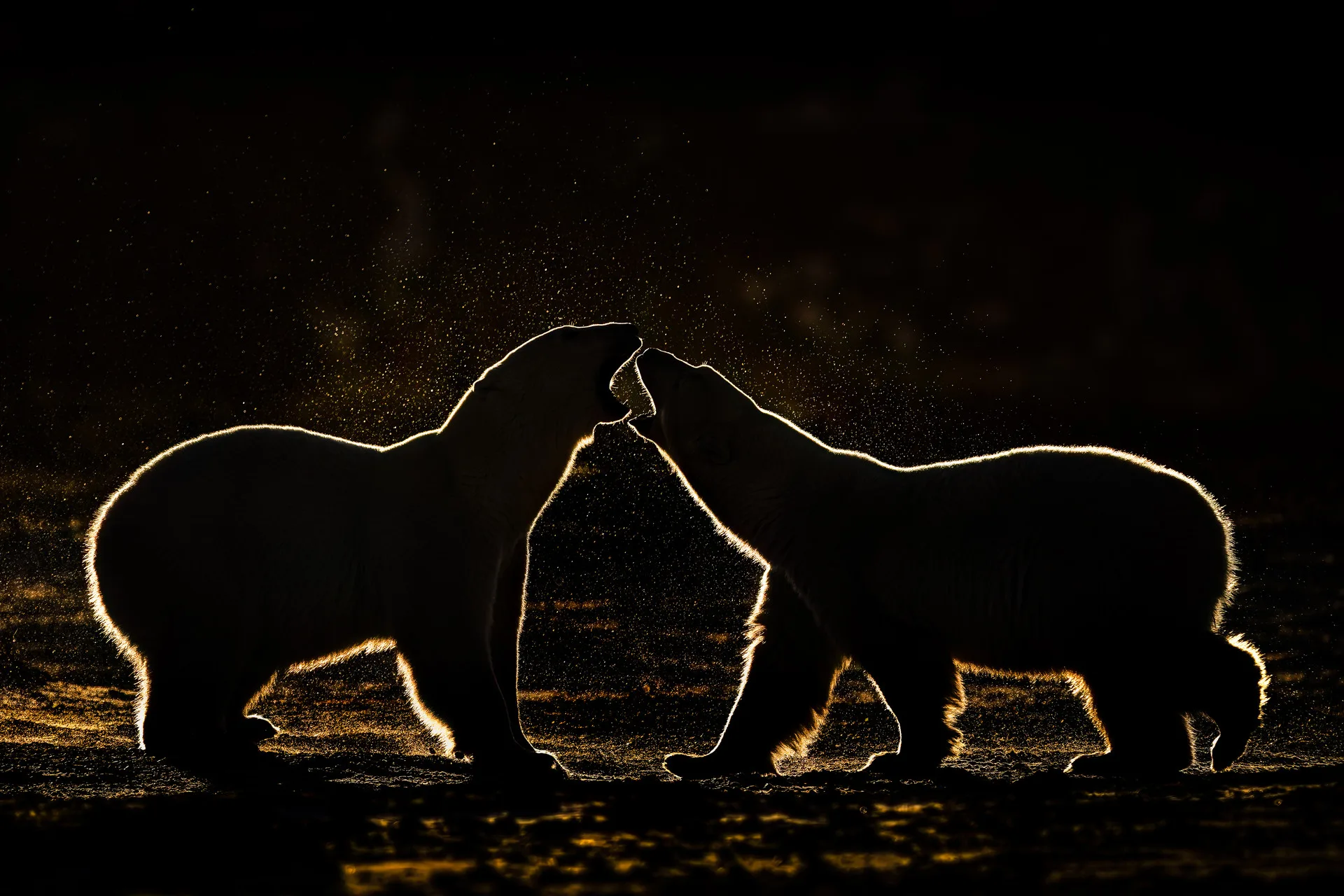
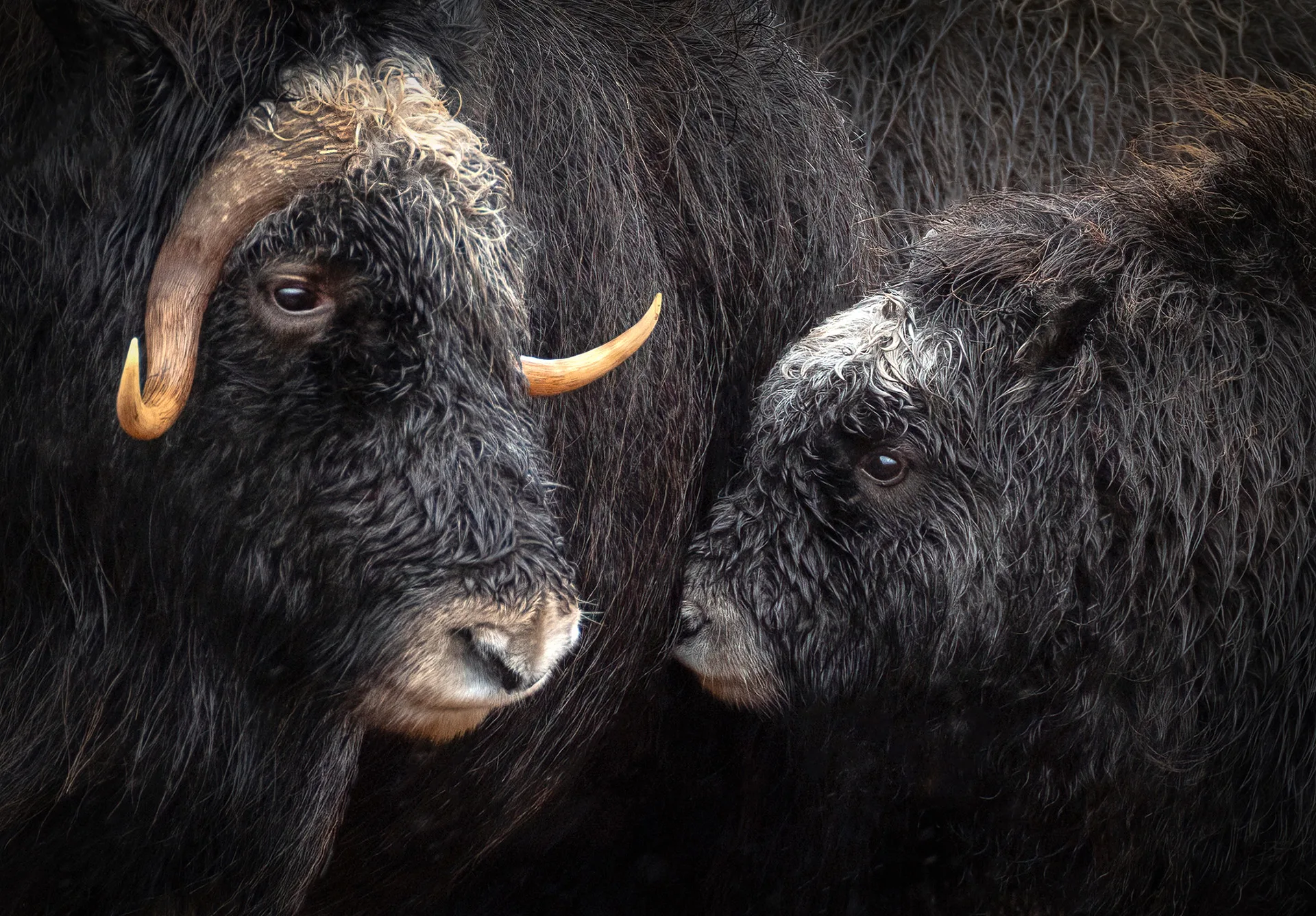
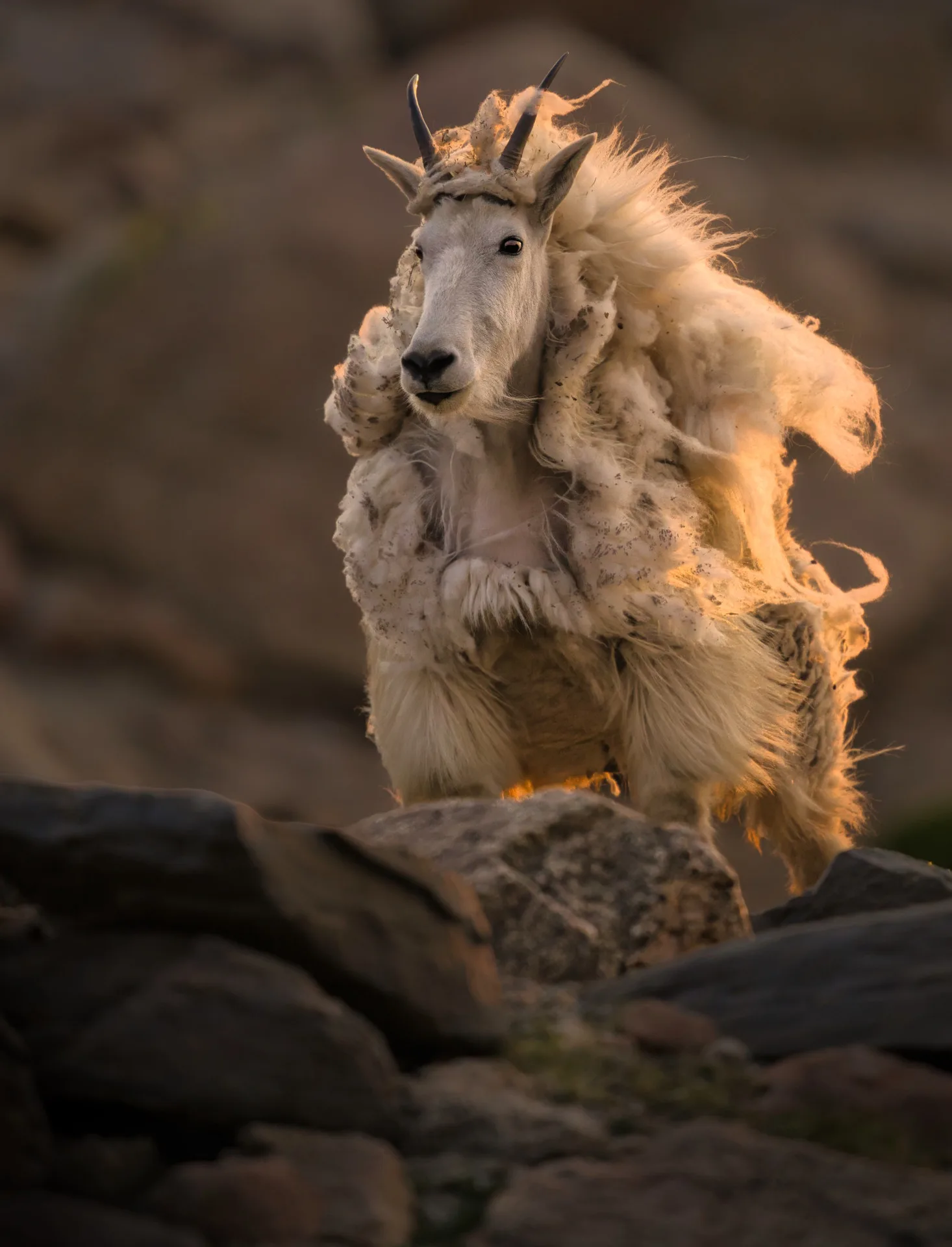
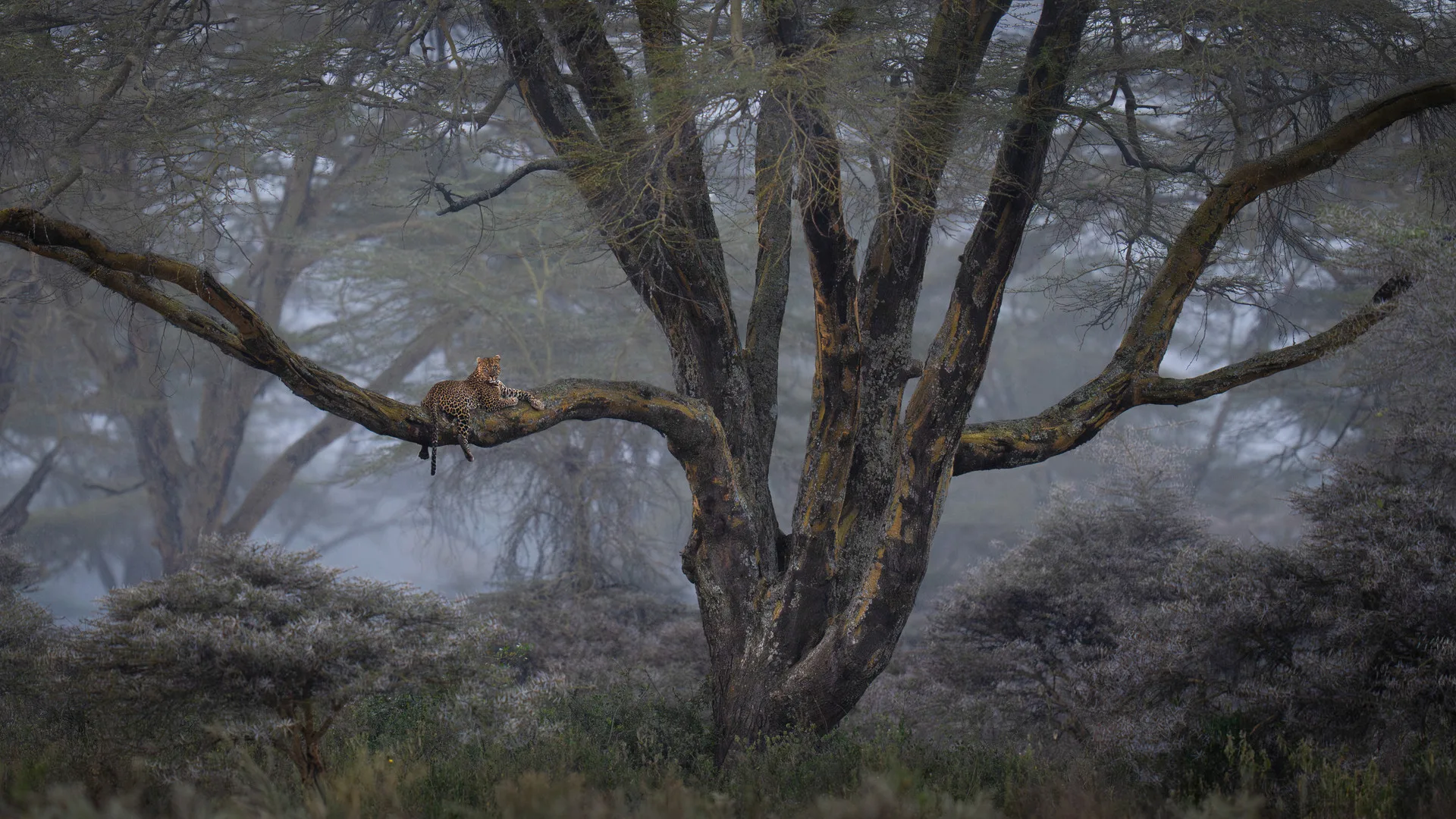
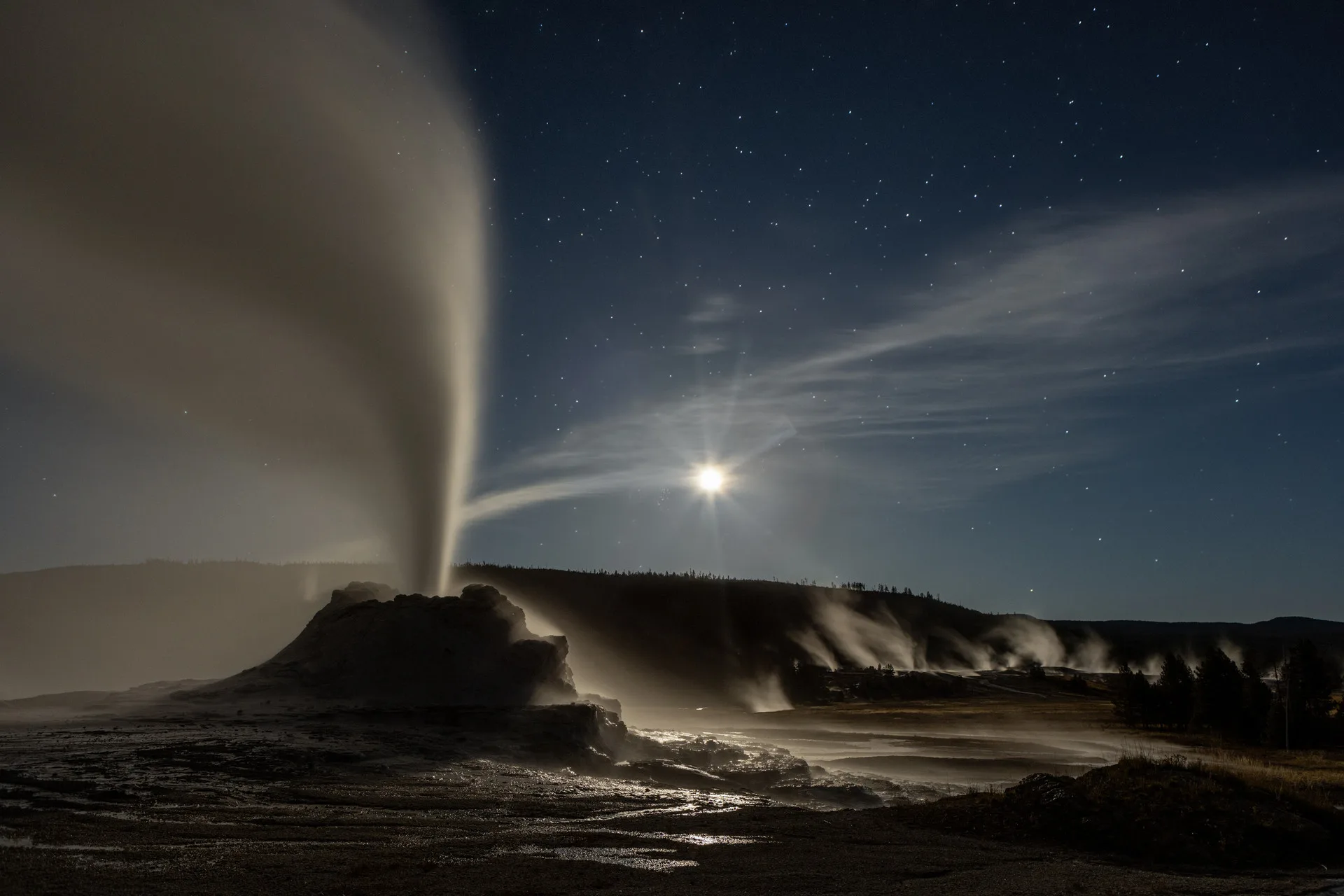
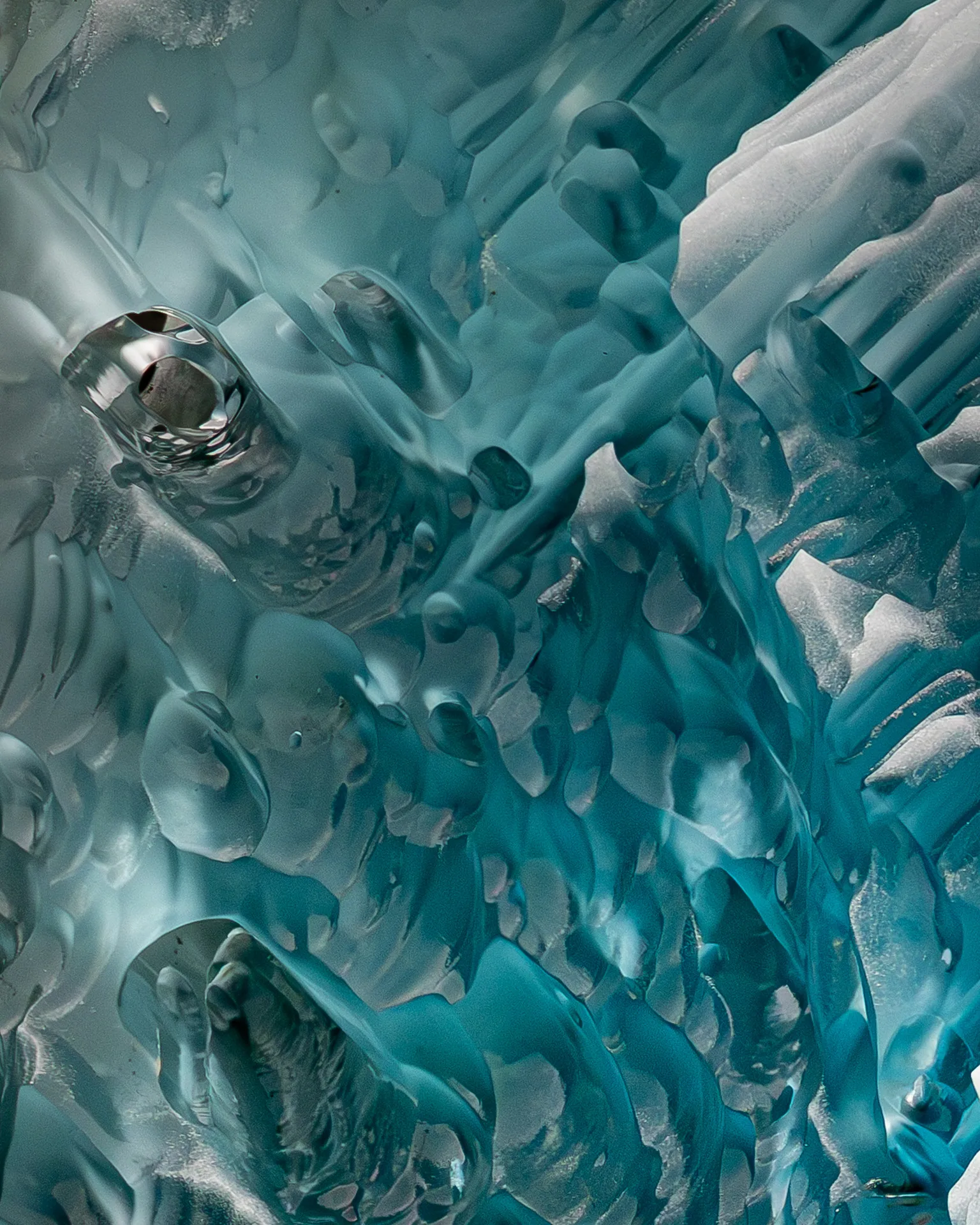
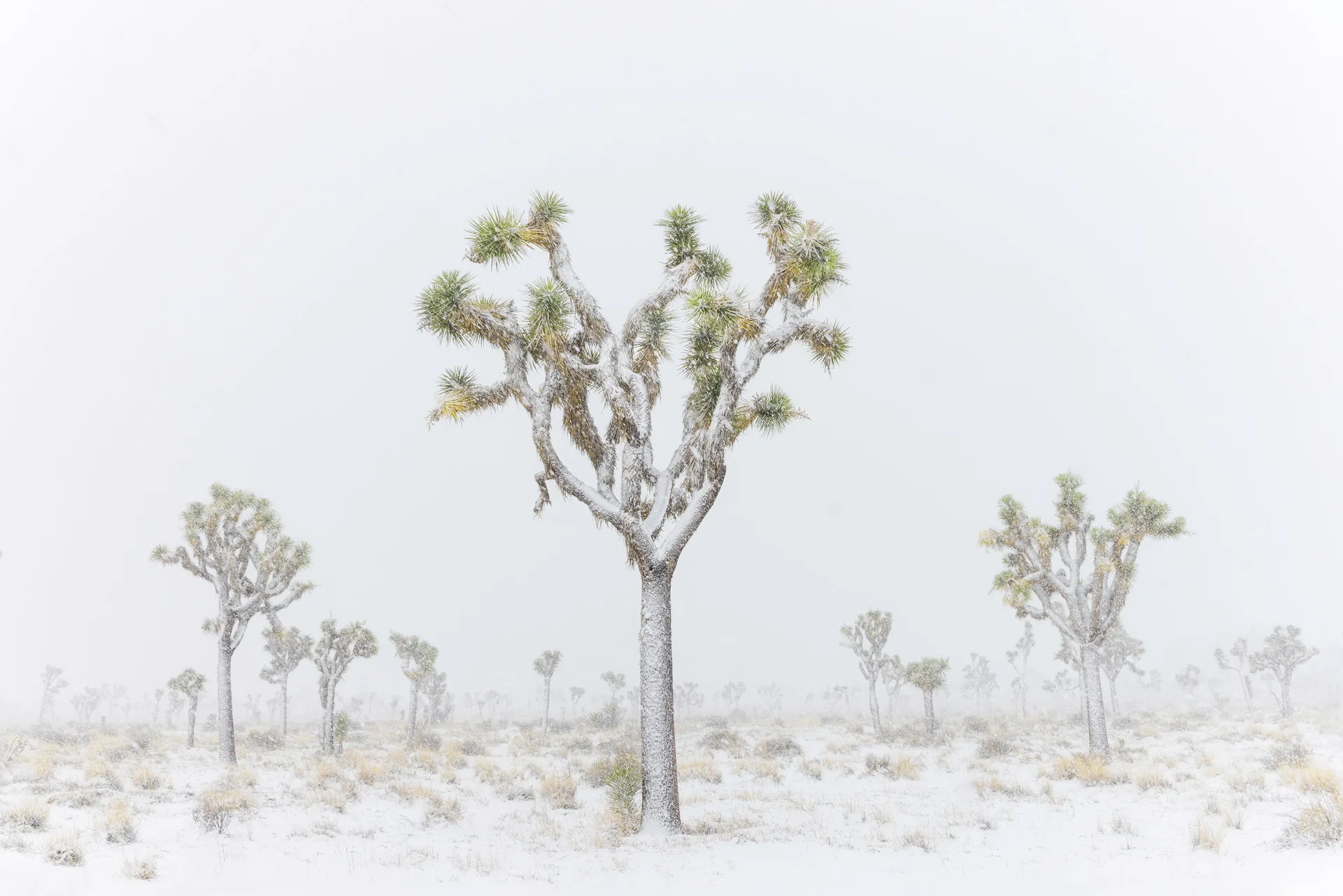
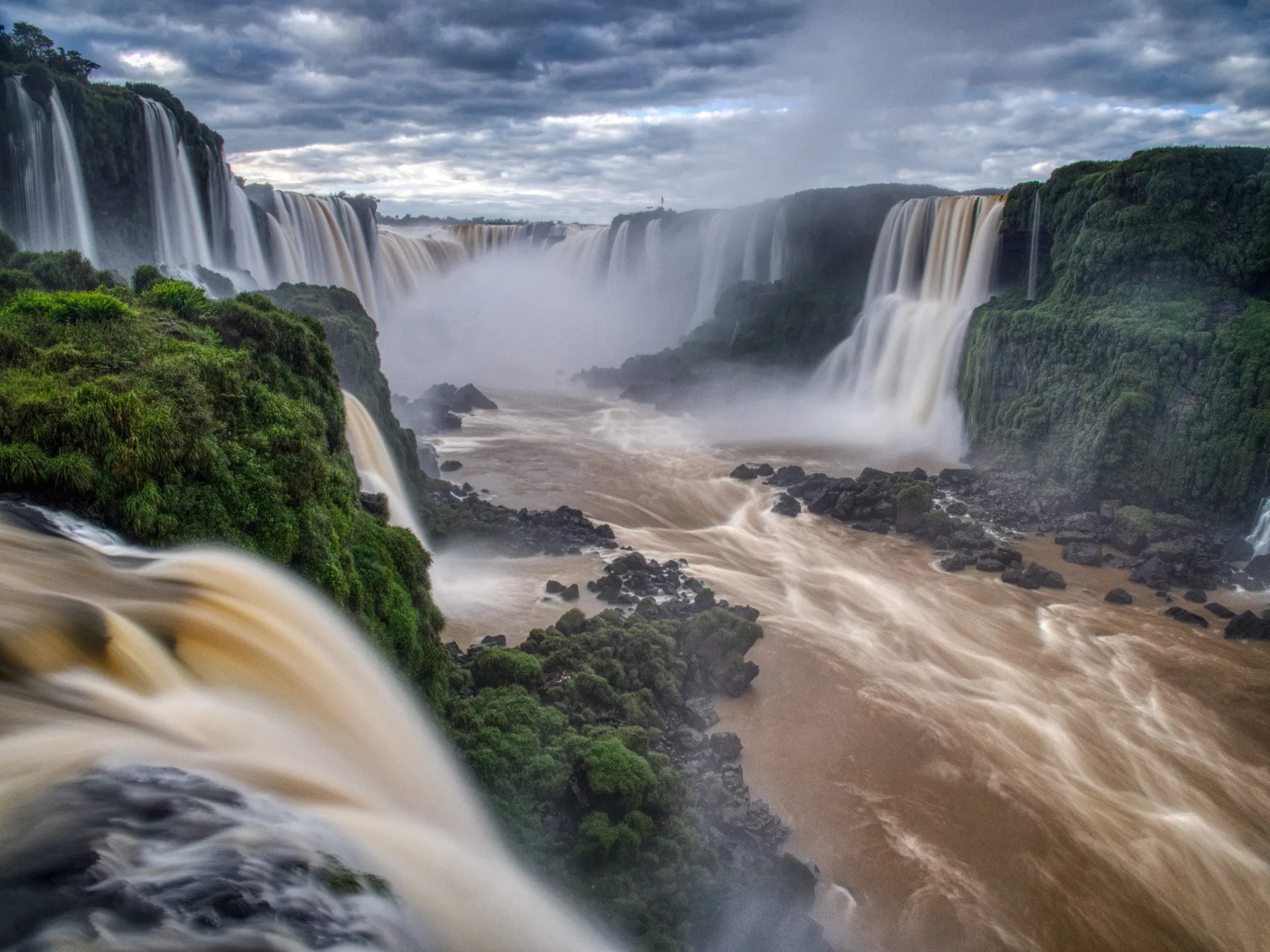
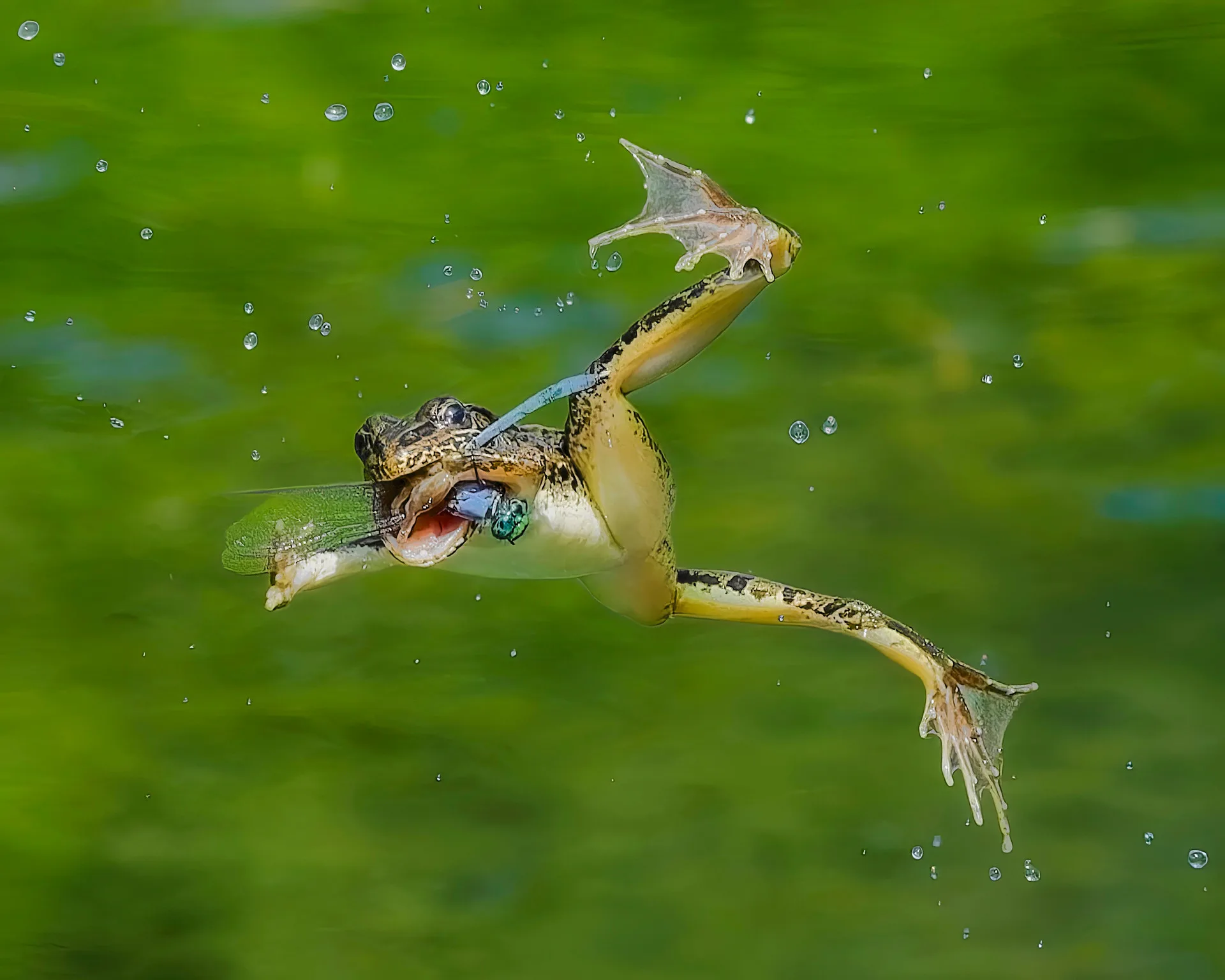
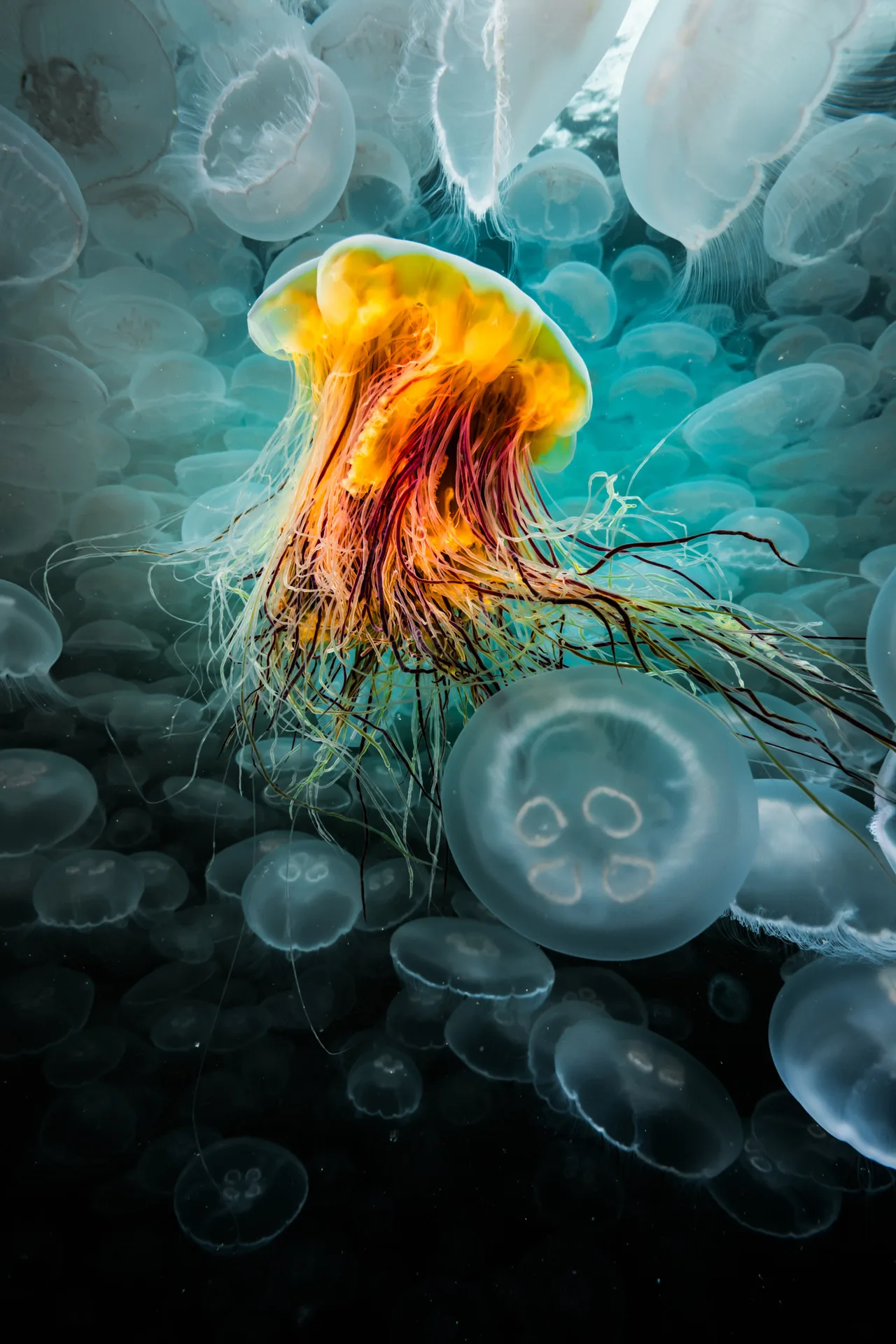
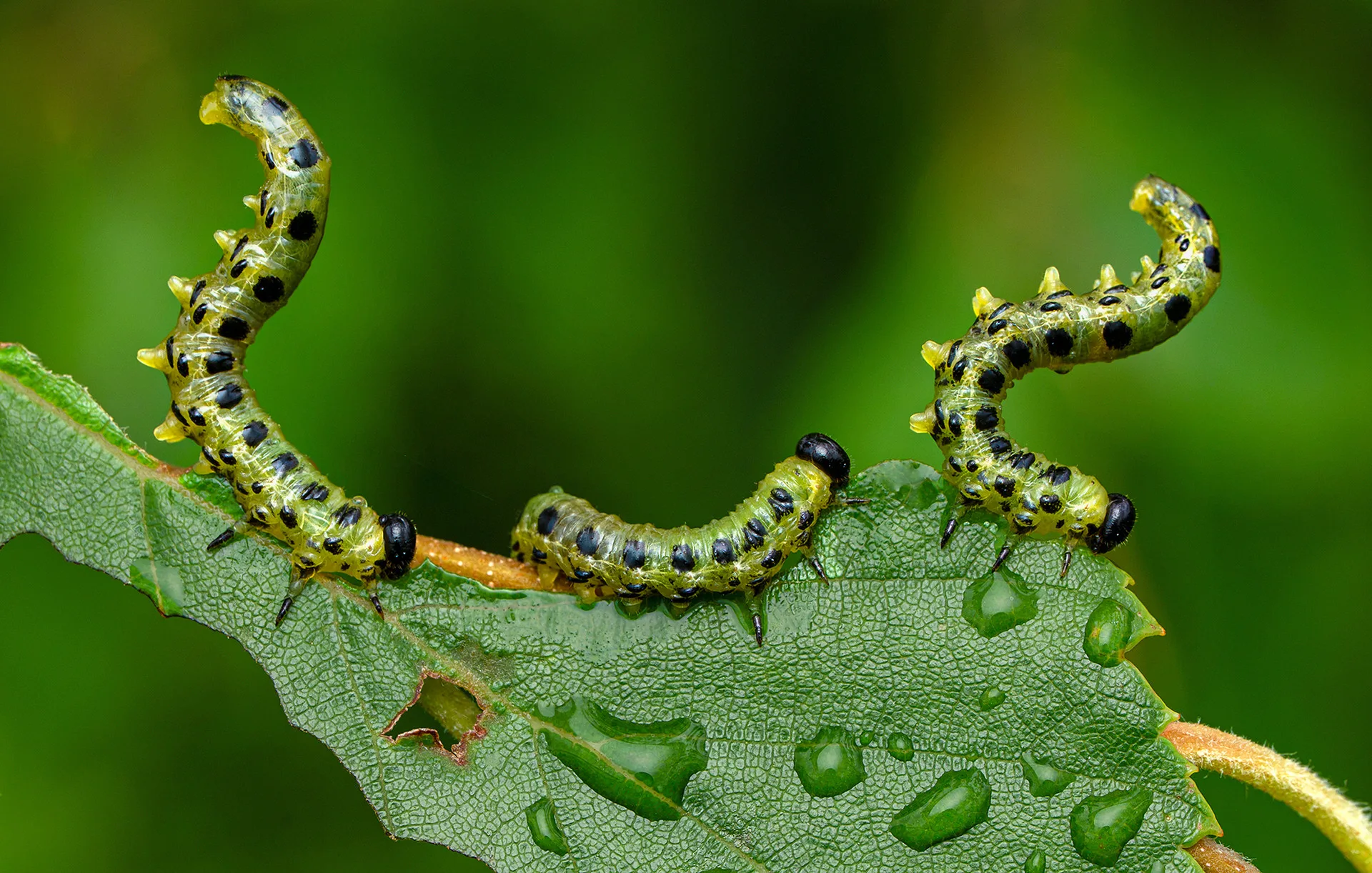
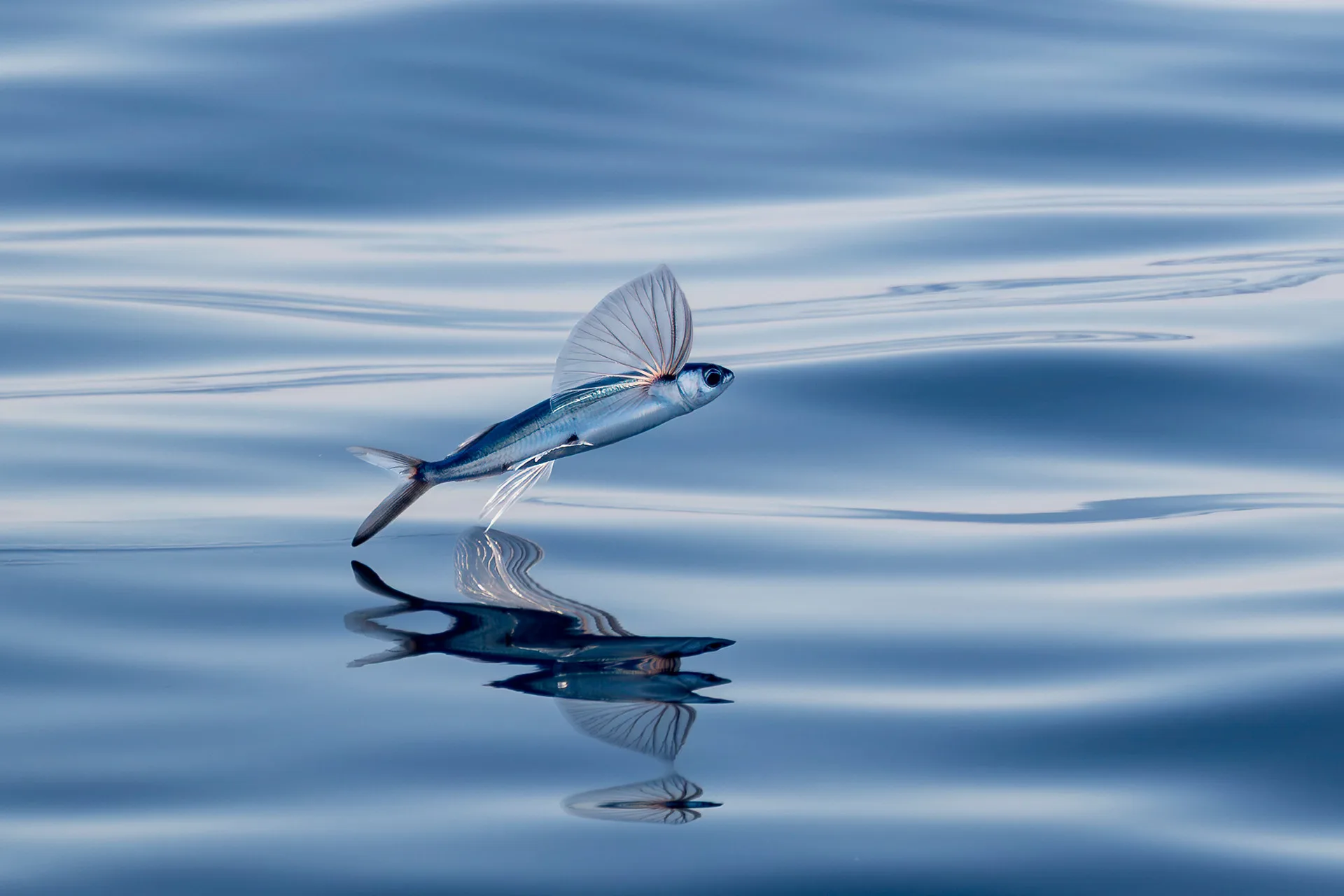
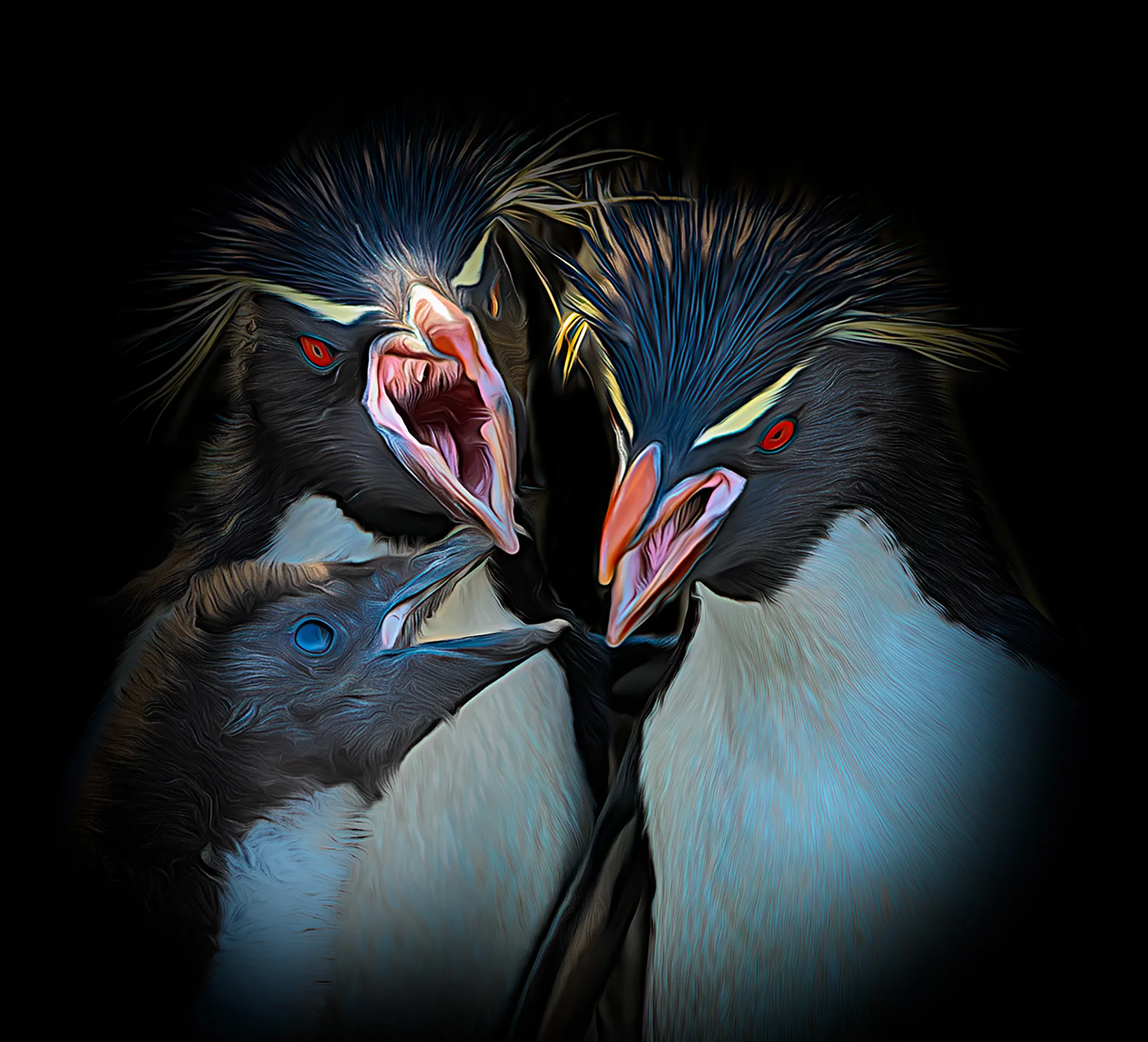
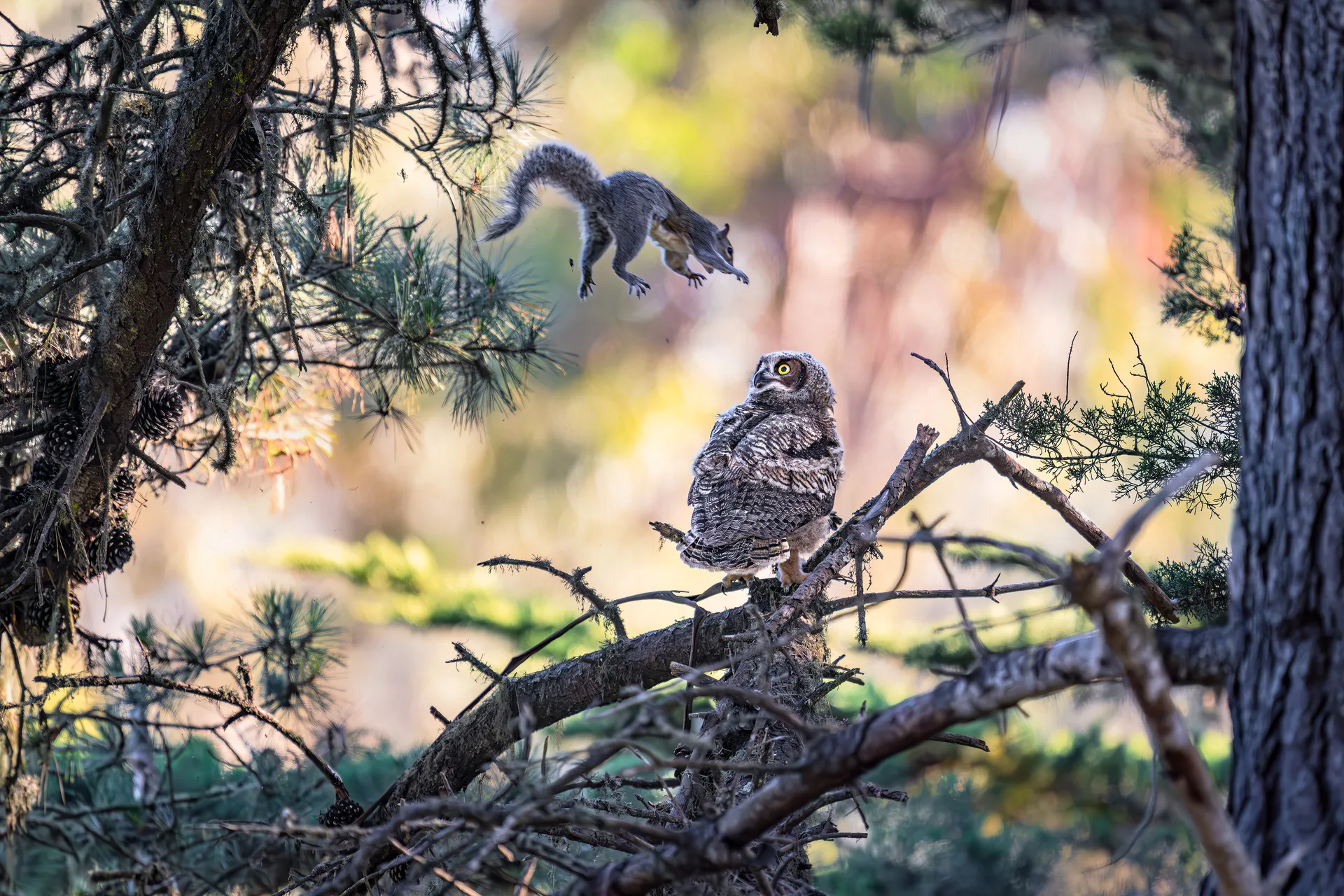
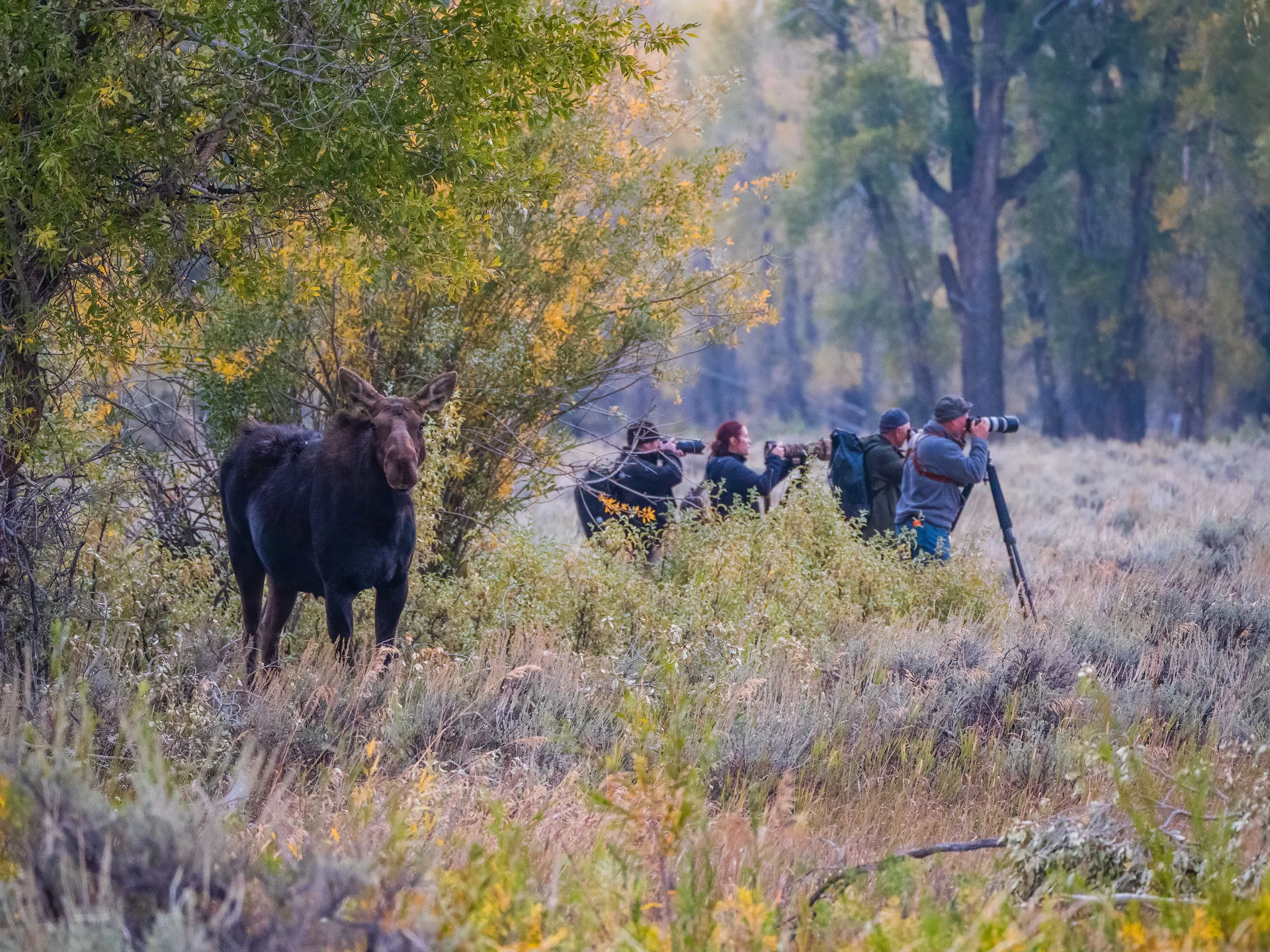
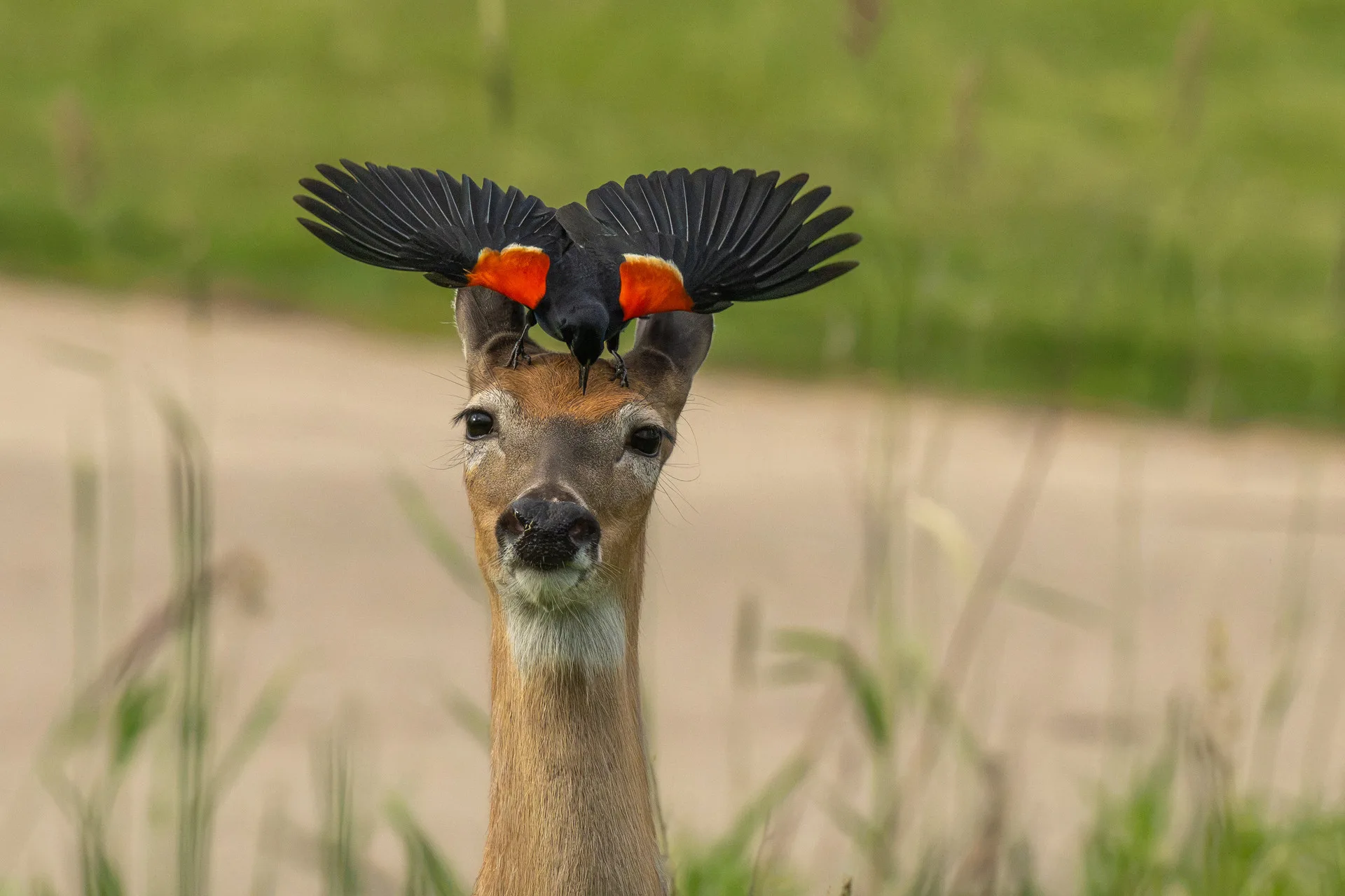
A leopard frog snatching a dragonfly in mid-air has won the top prize at the 2027 NANPA Showcase, in a collection of 56 images from award-winning works.
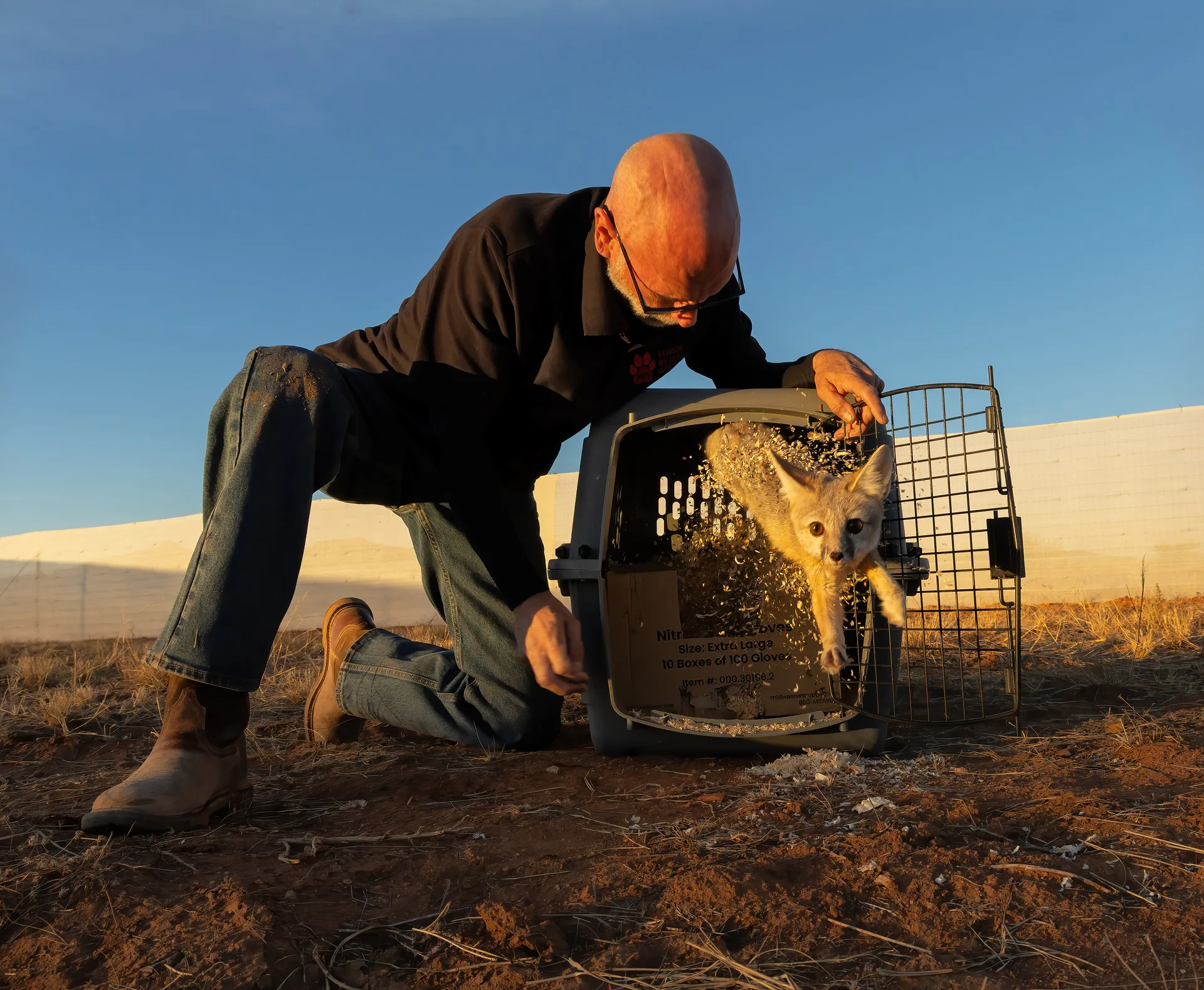
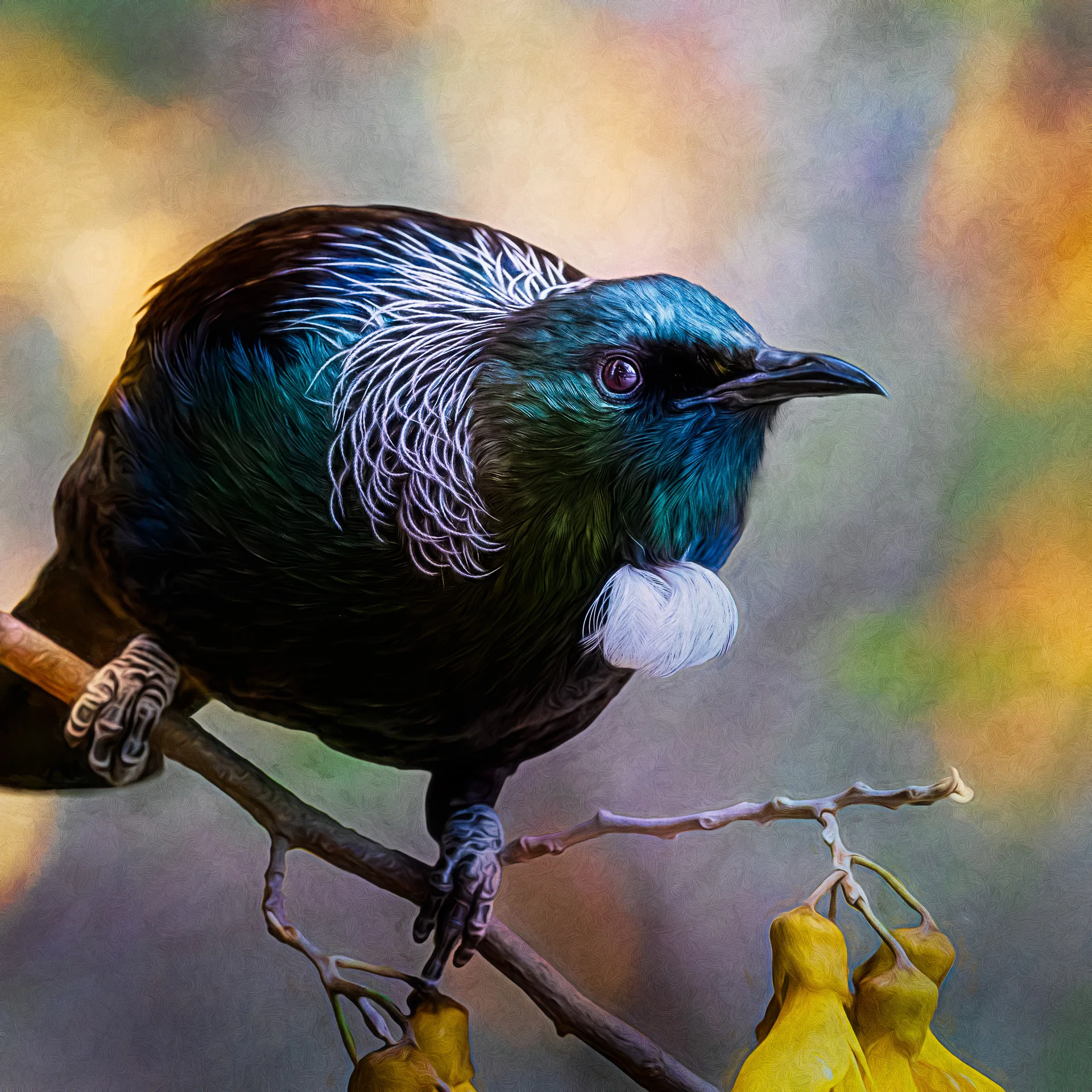
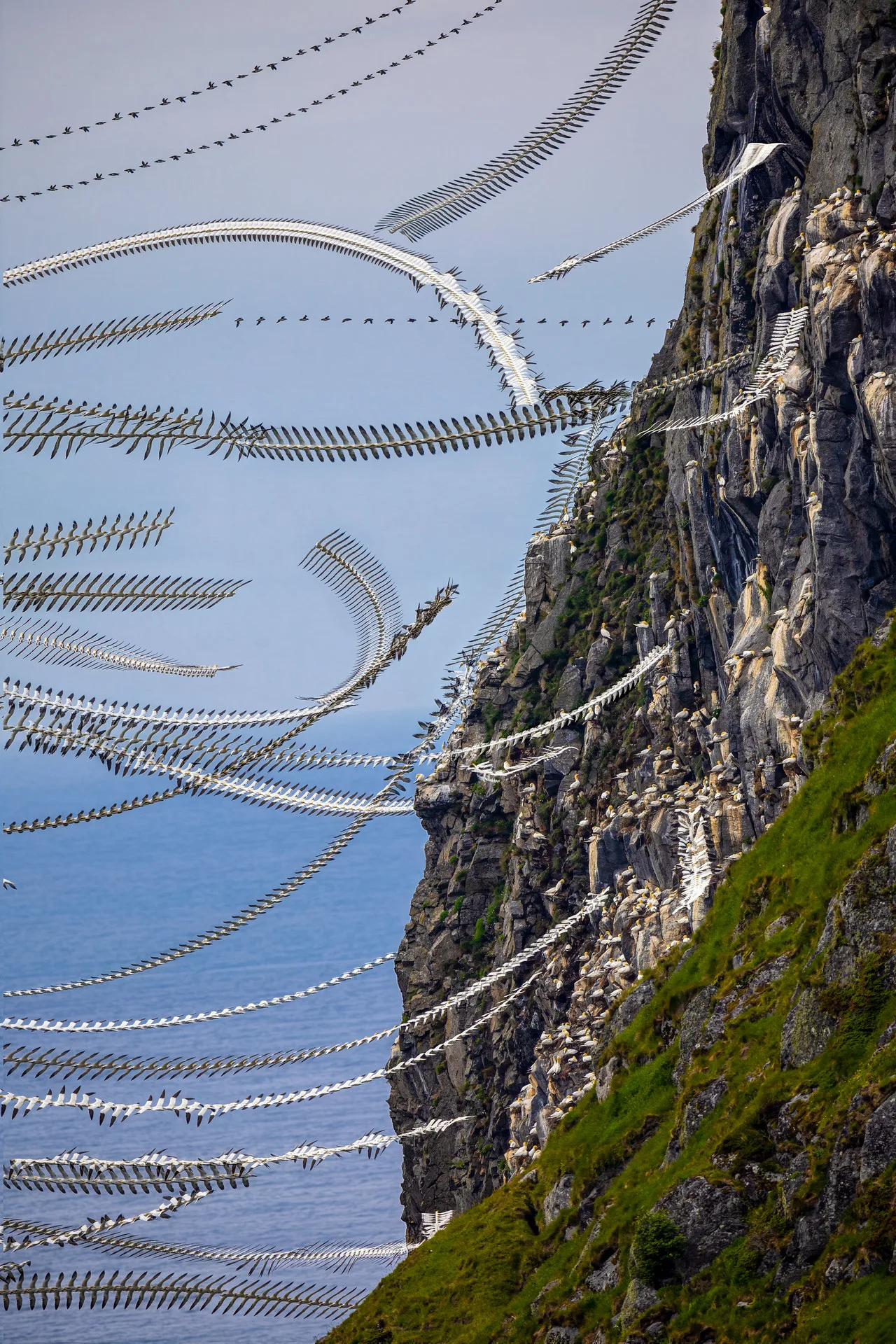
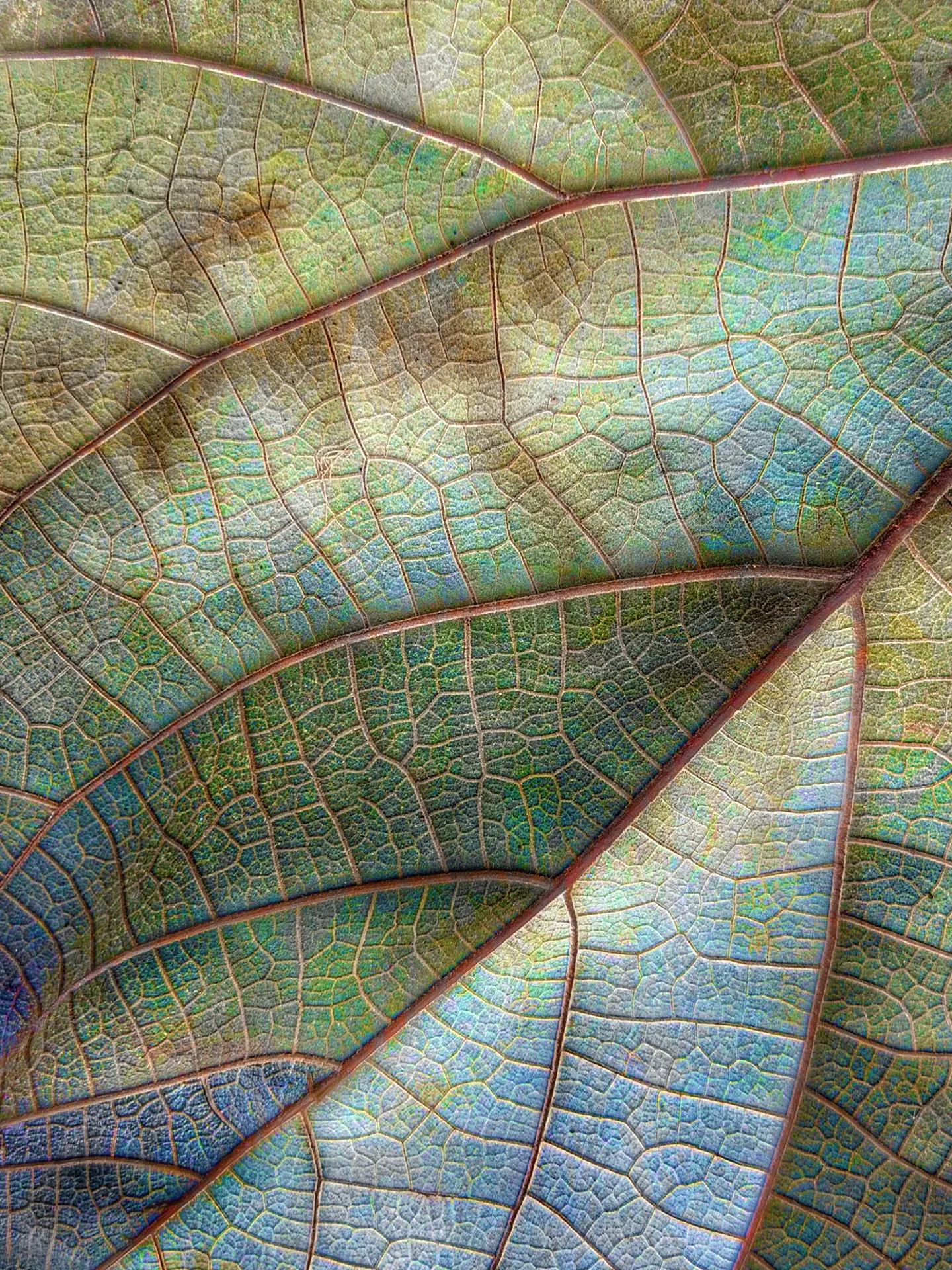
The North American Nature Photography Association announced the results on November 9, 2026, following the live reveal at NANPA LIVE on November 7. A total of 250 works by 121 photographers were recognized from more than 2,600 entries. The leading selection comprises 28 individual photographs and four seven-image series.
“Slaying Dragons” by Cissy Beasley, photographed in Starr County, Texas, claimed both Best in Show and Best in Category in Macro / Micro / All Other. Beasley watched a leopard frog leap repeatedly in pursuit of dragonflies until she captured the moment it caught one.
The overall winner belongs to this category: a leopard frog catching a dragonfly. The other selections explore moments and details that are easy to miss.
Four seven-frame stories show what one photograph alone cannot: the relationship between animals, habitats and events unfolding over time.
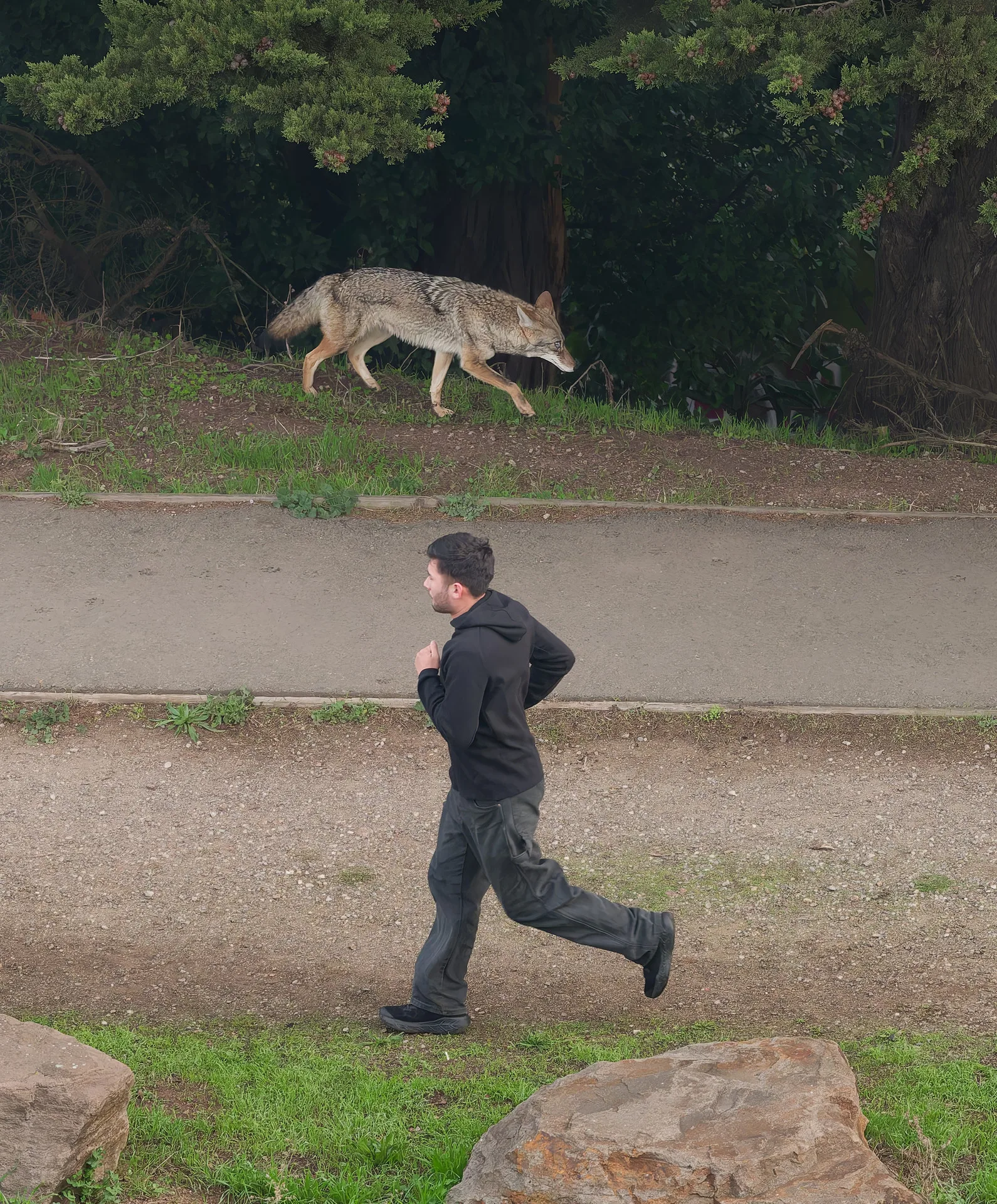
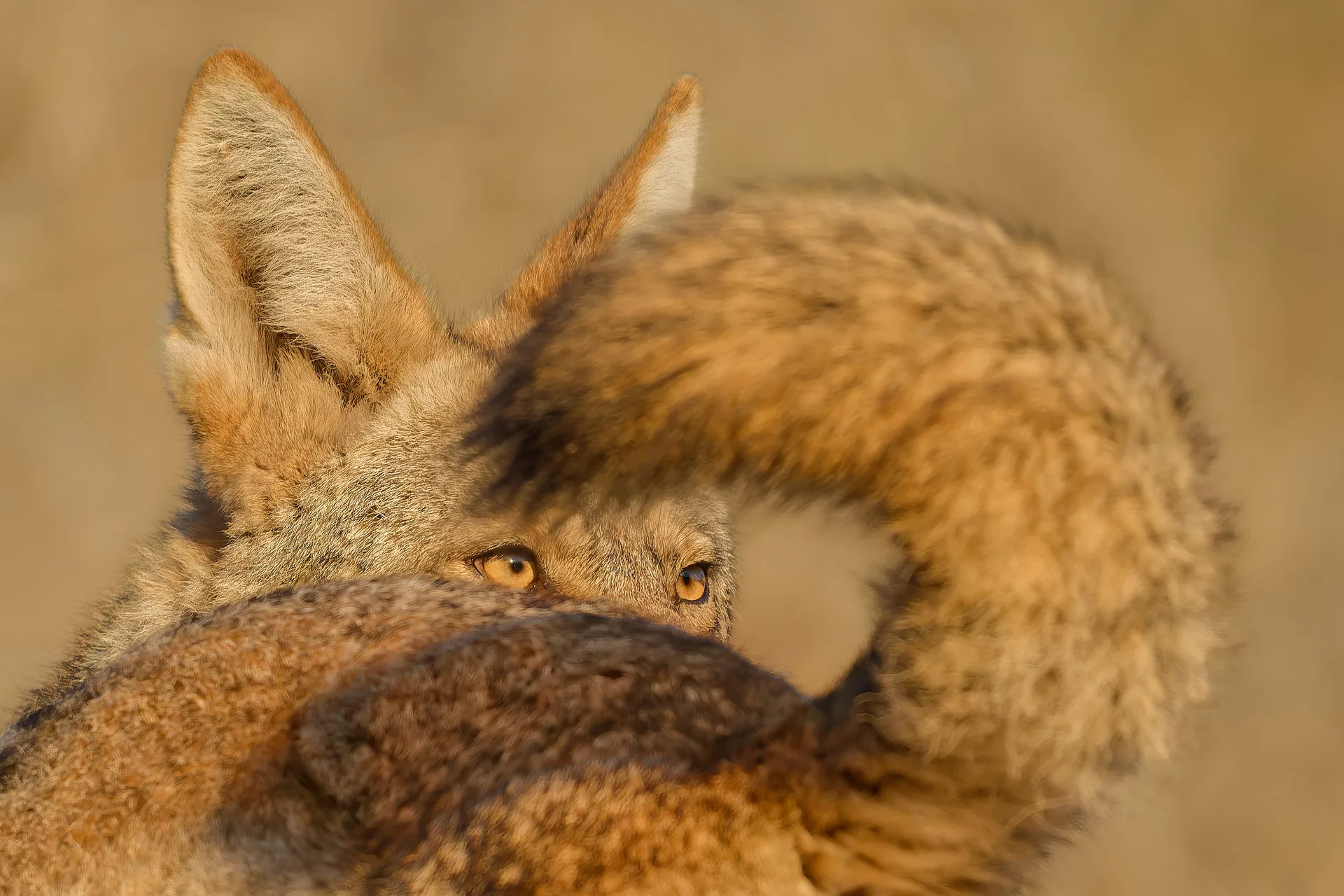
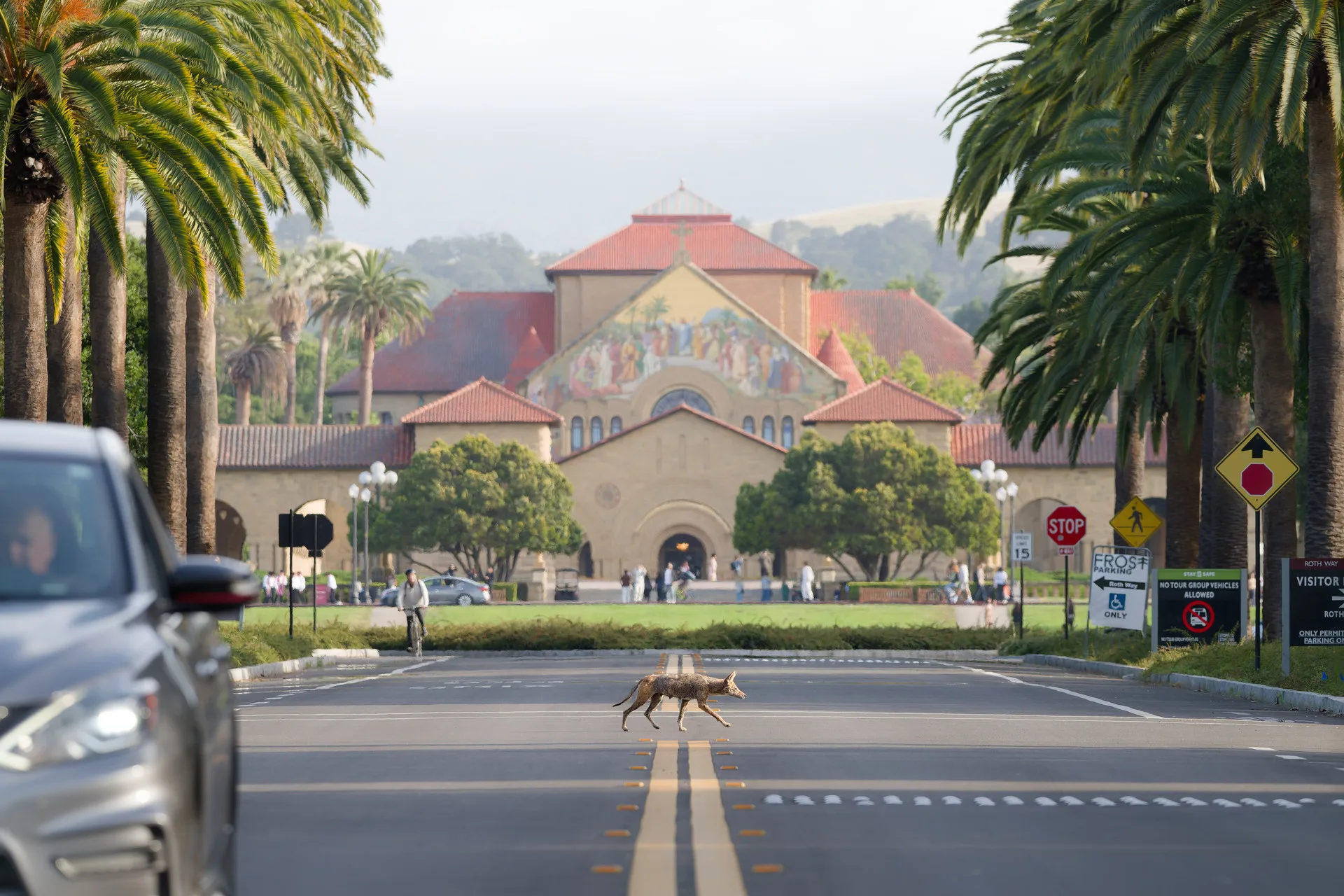
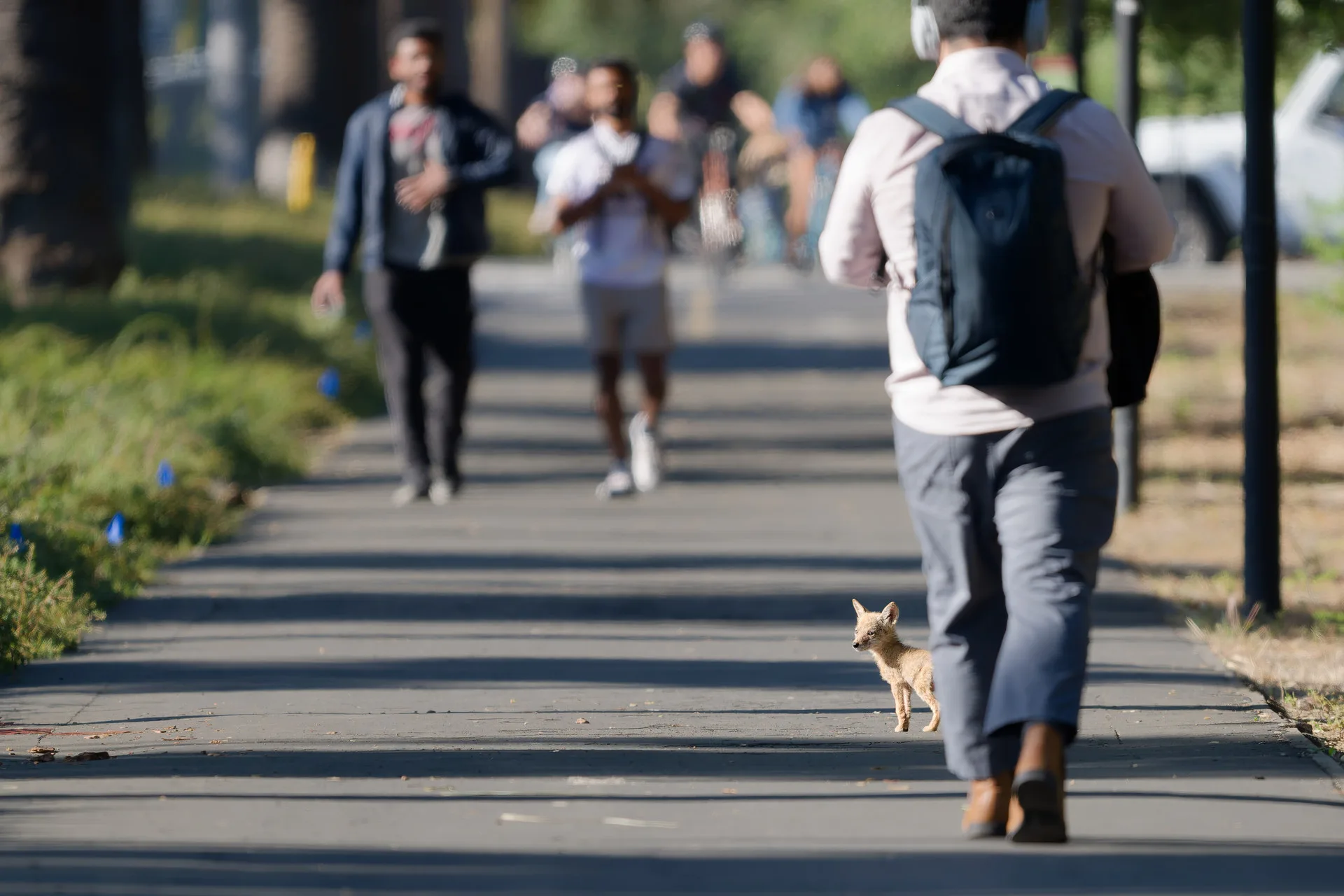
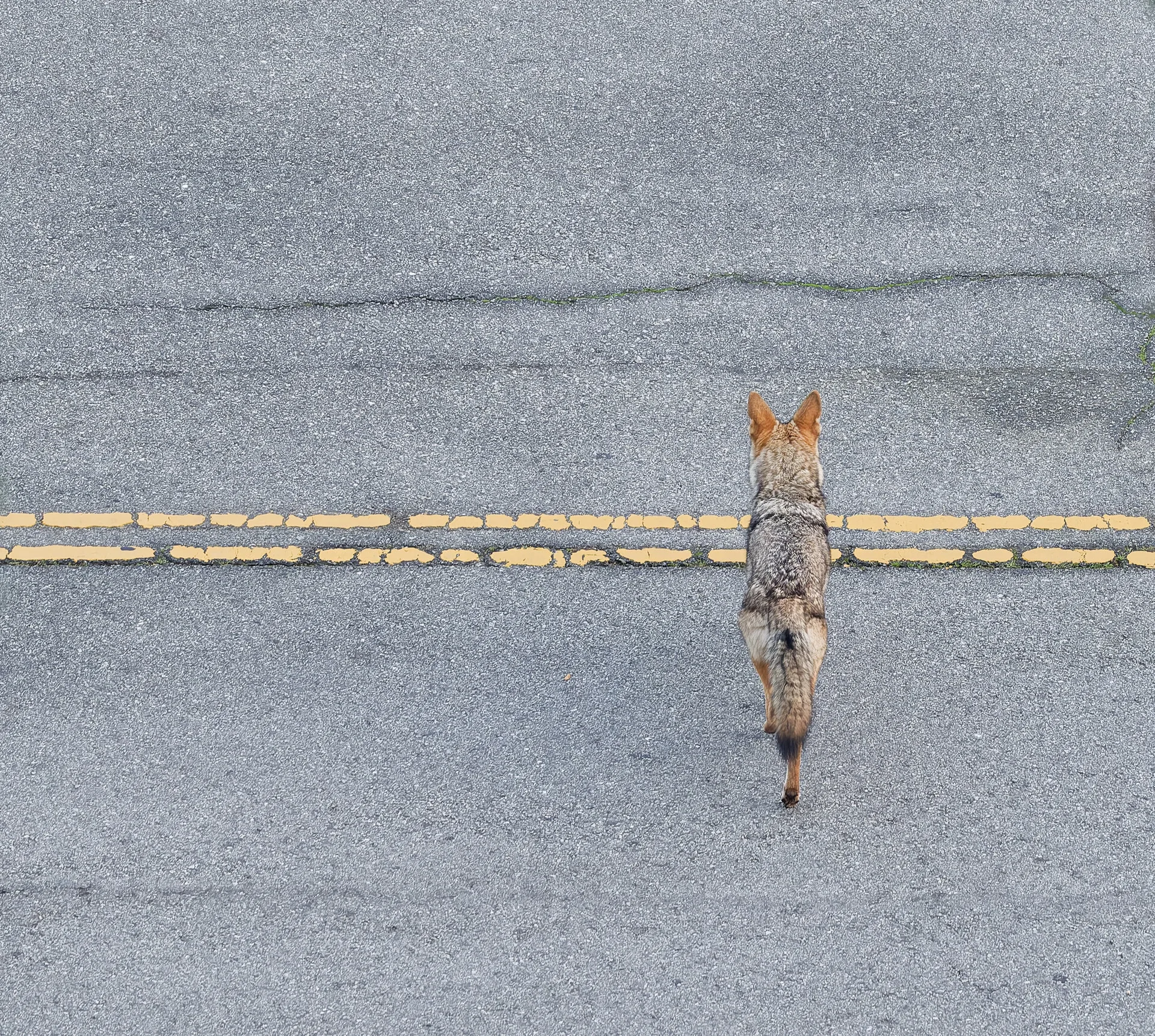
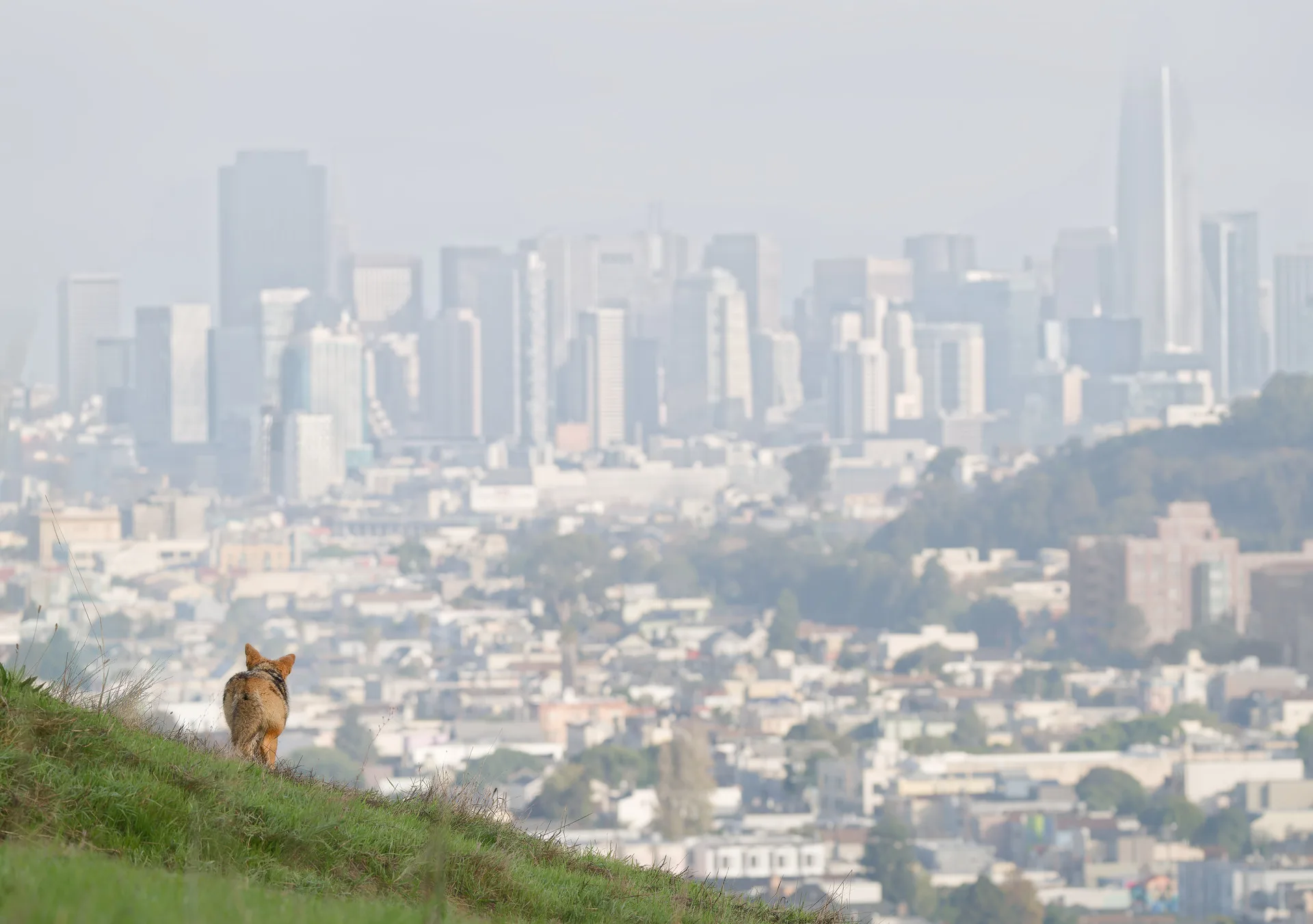
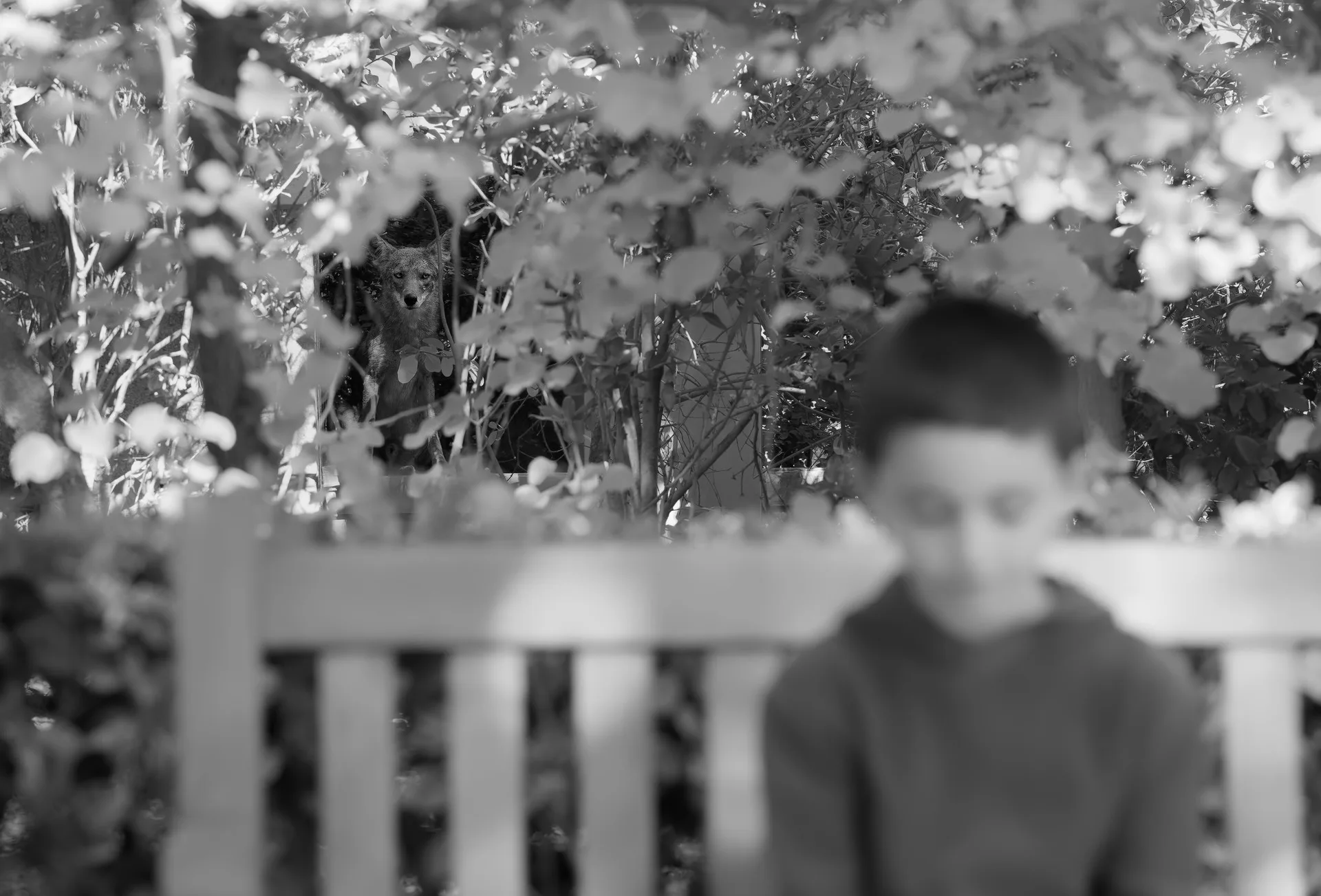
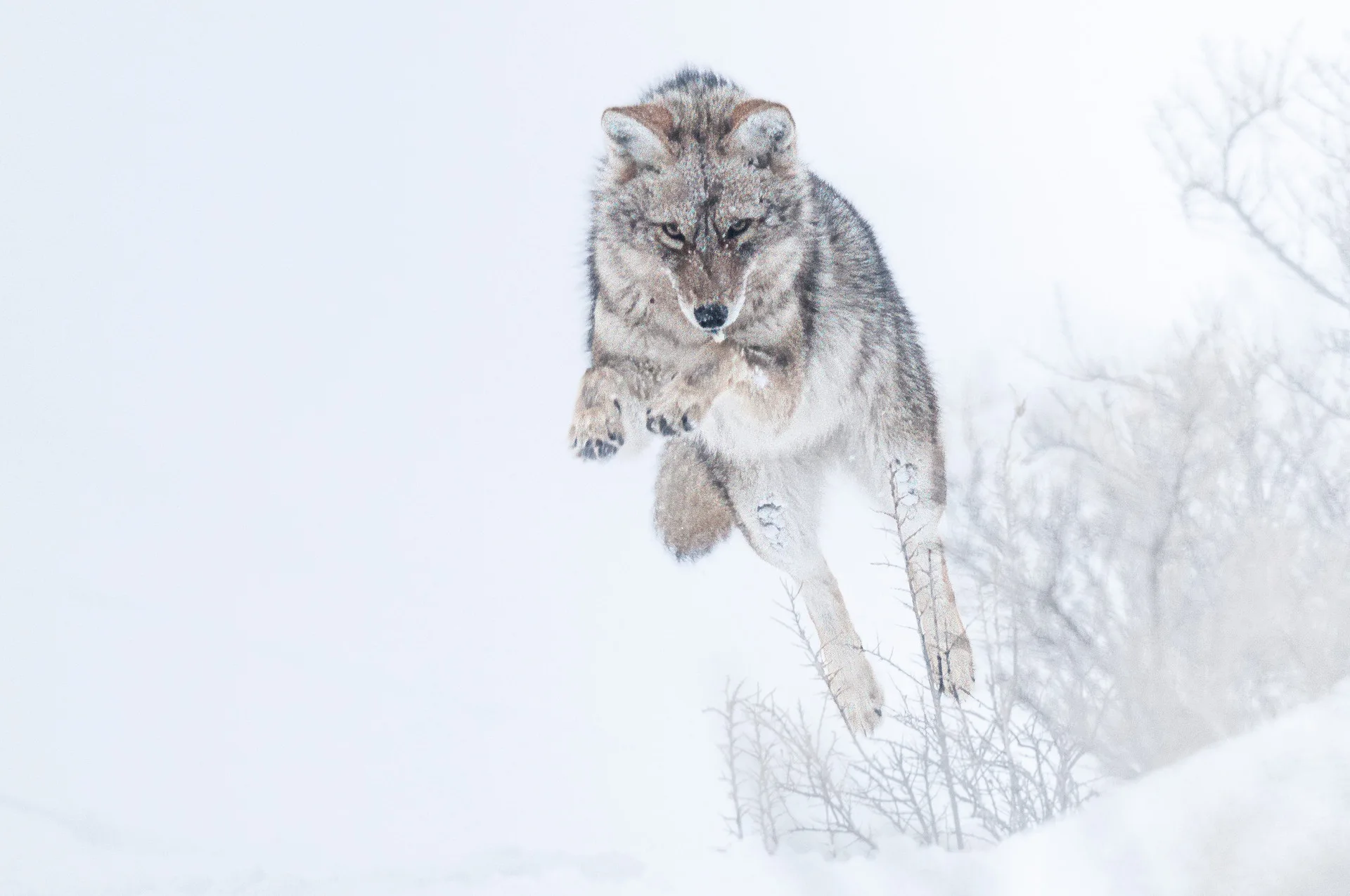
The Urban Coyote — Parham Pourahmad. Parham Pourahmad follows coyotes in the urban San Francisco Bay Area. Seven frames reveal how close these animals live to people, often without passers-by noticing them.
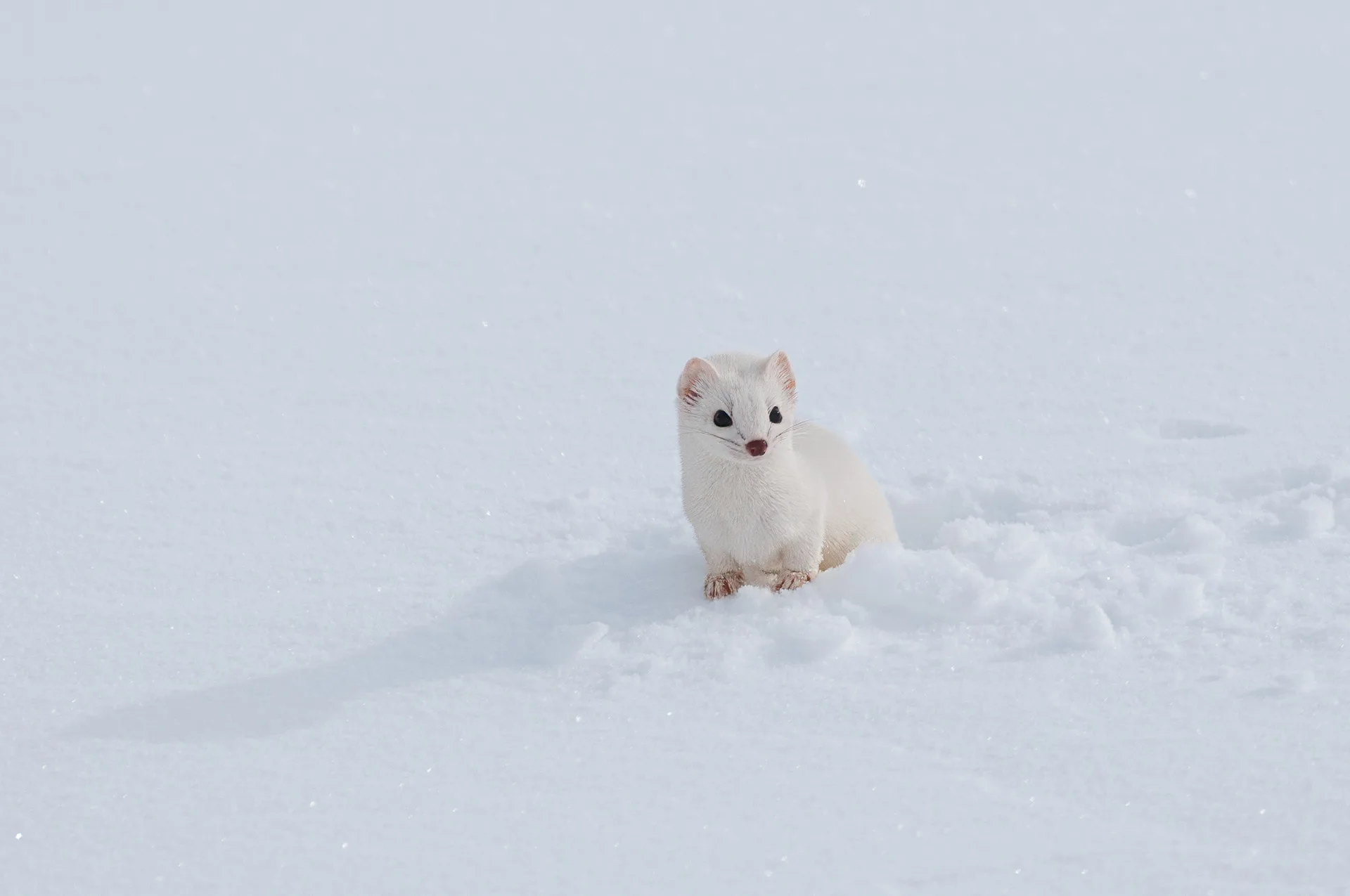
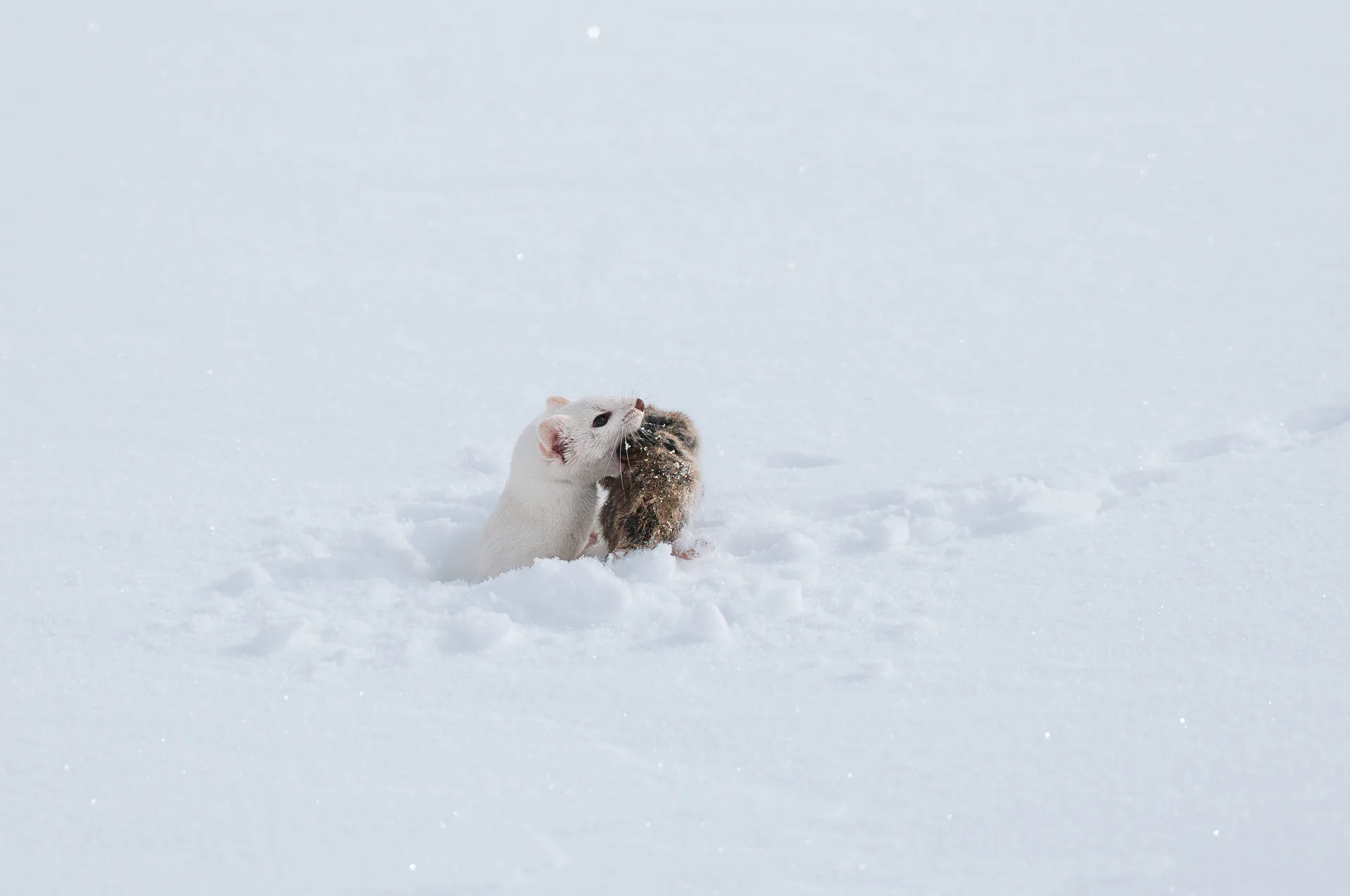
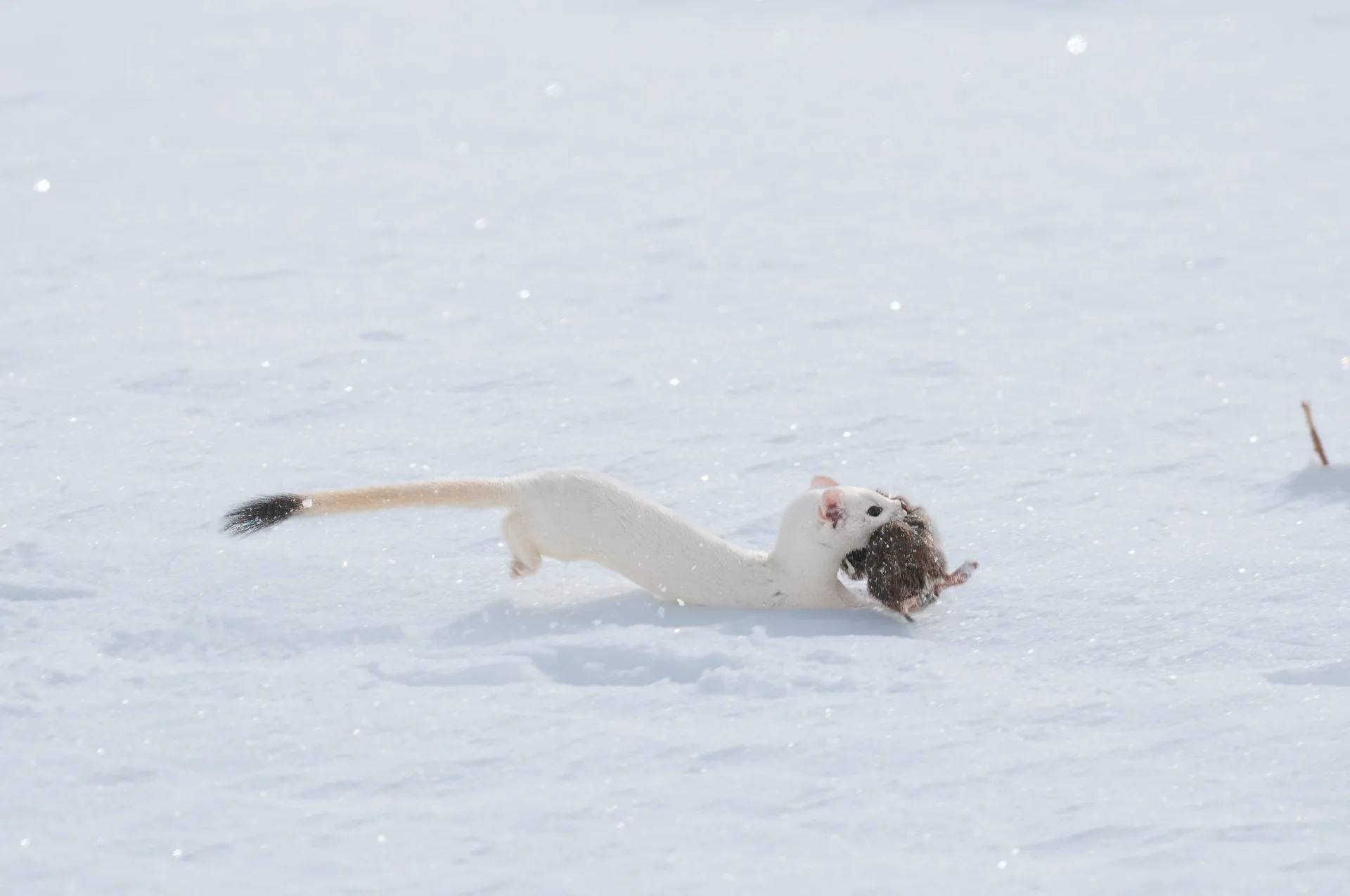
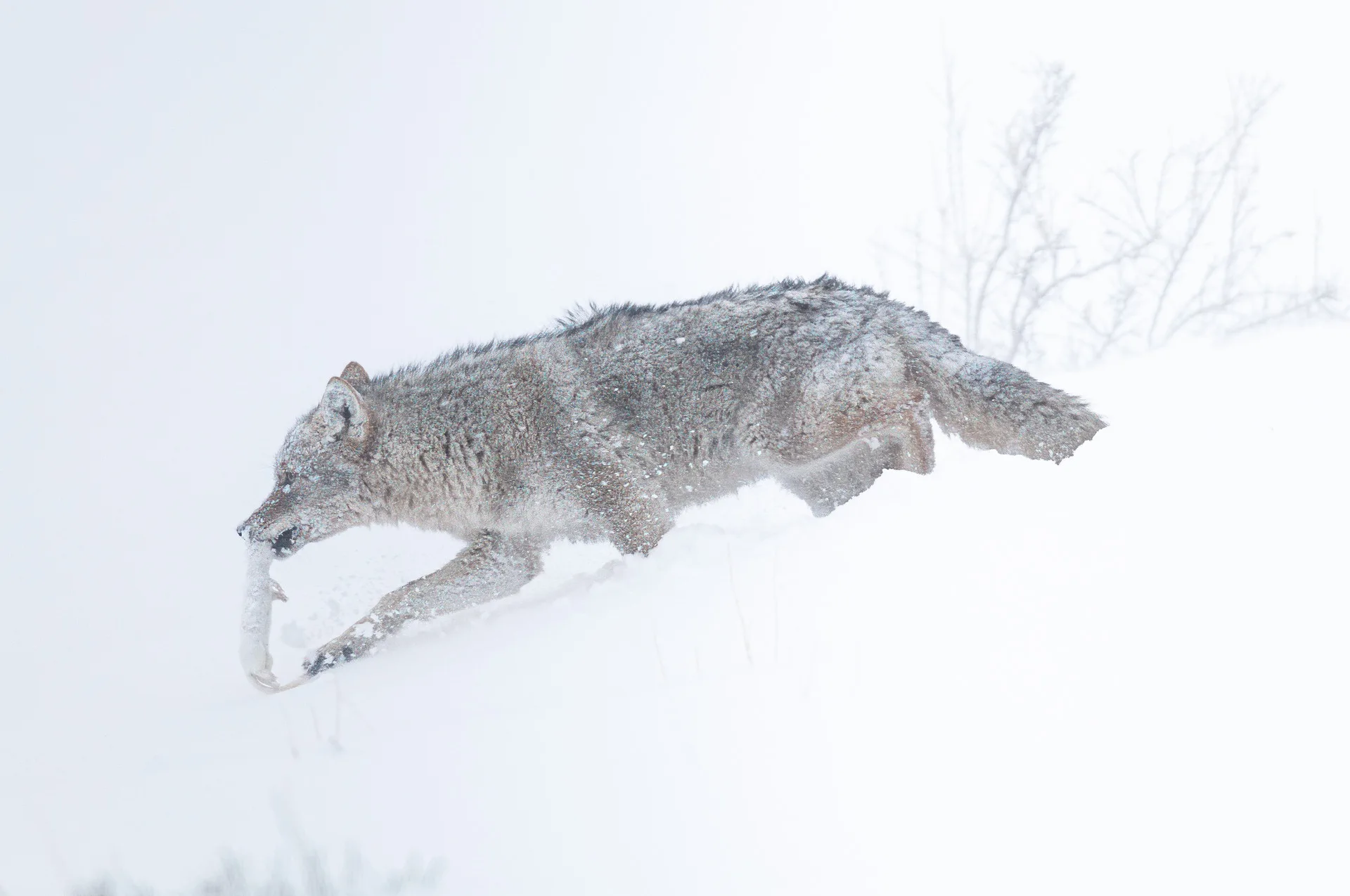
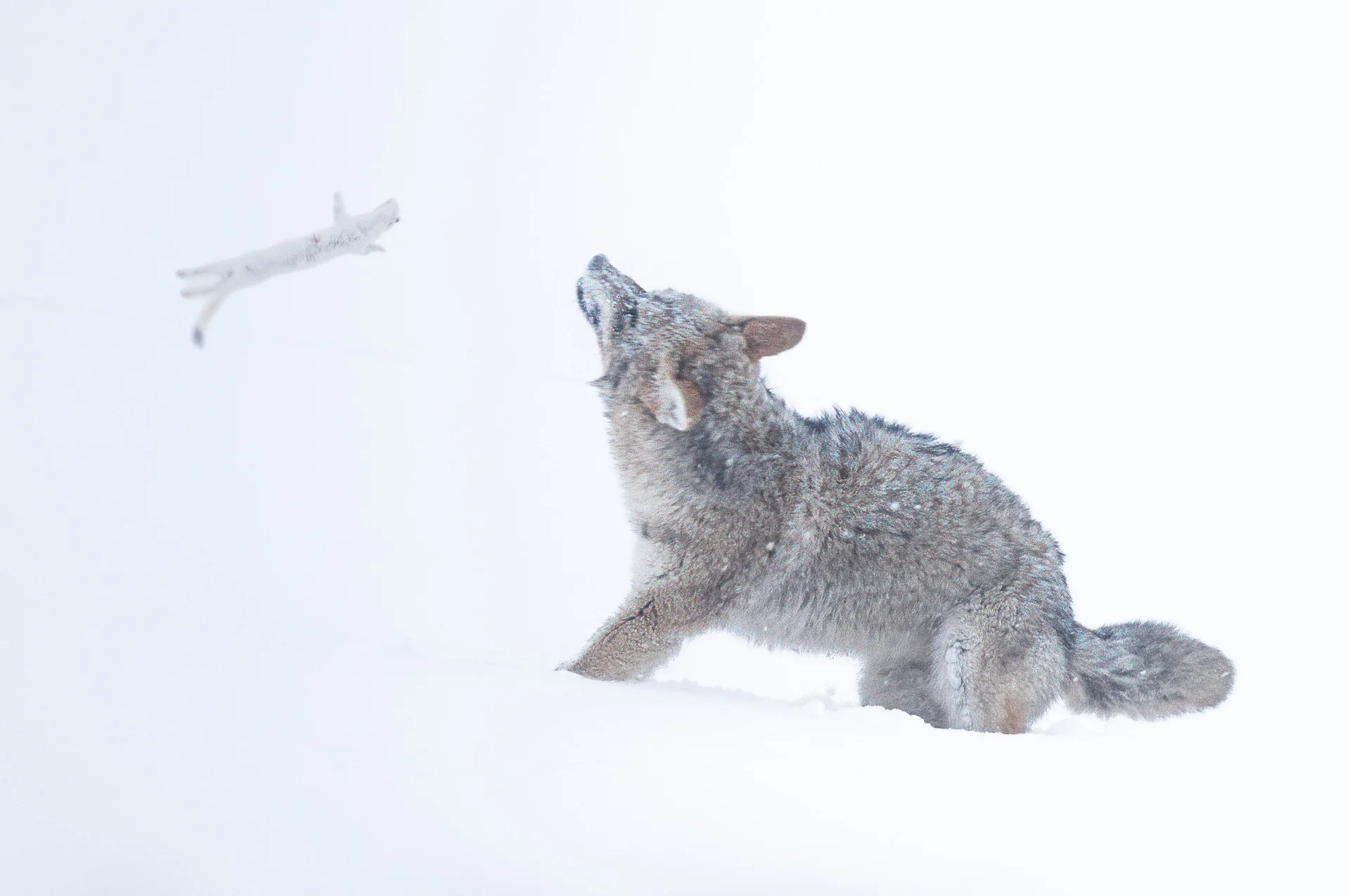
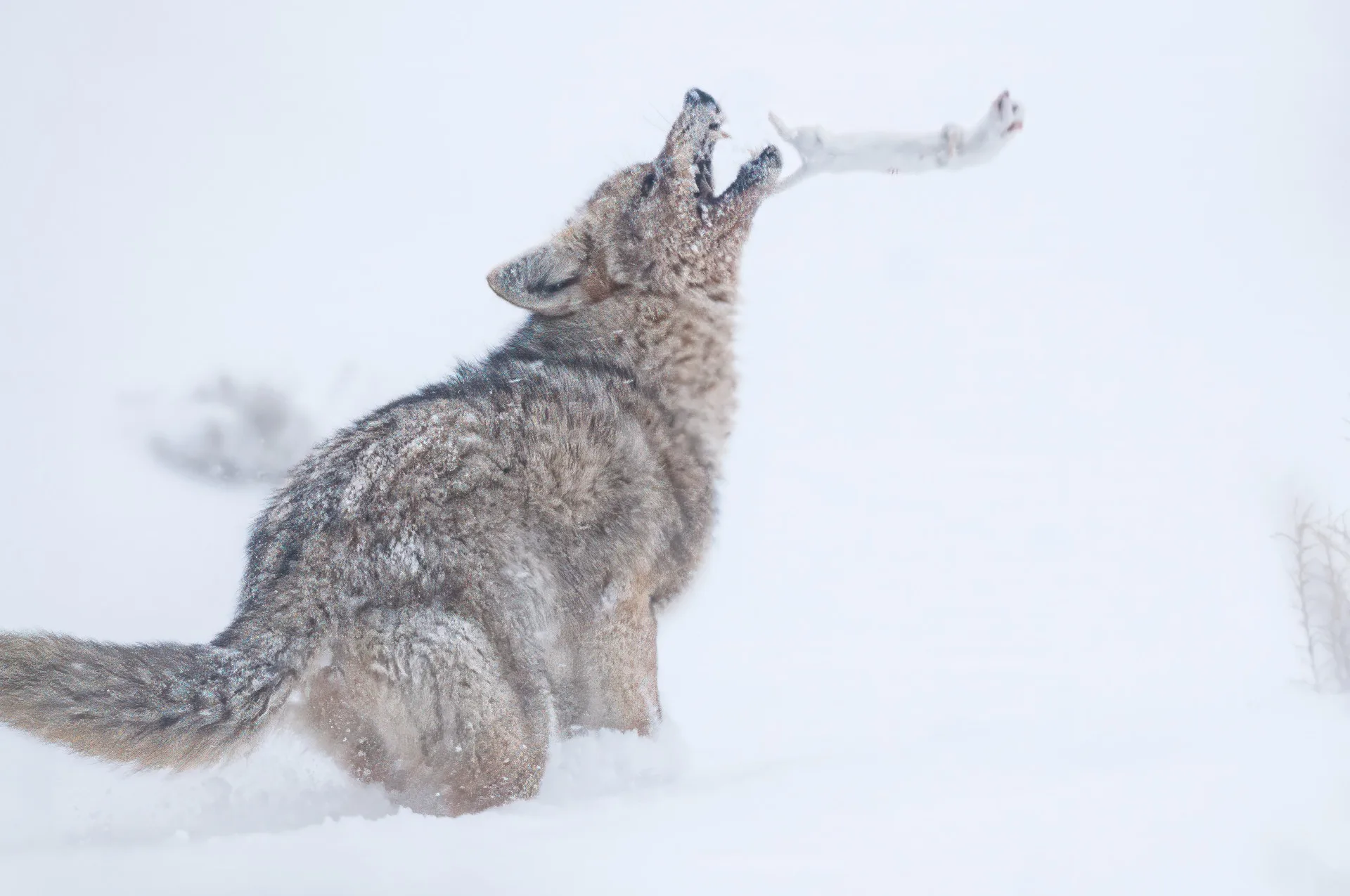
A Yellowstone Winter Story: Predator, Then Prey — Jerry Jividen. Jerry Jividen connects two winter encounters in Yellowstone: an ermine catches a vole beneath the snow, then days later a coyote hunts an ermine. The sequence reveals how a predator can also become prey.
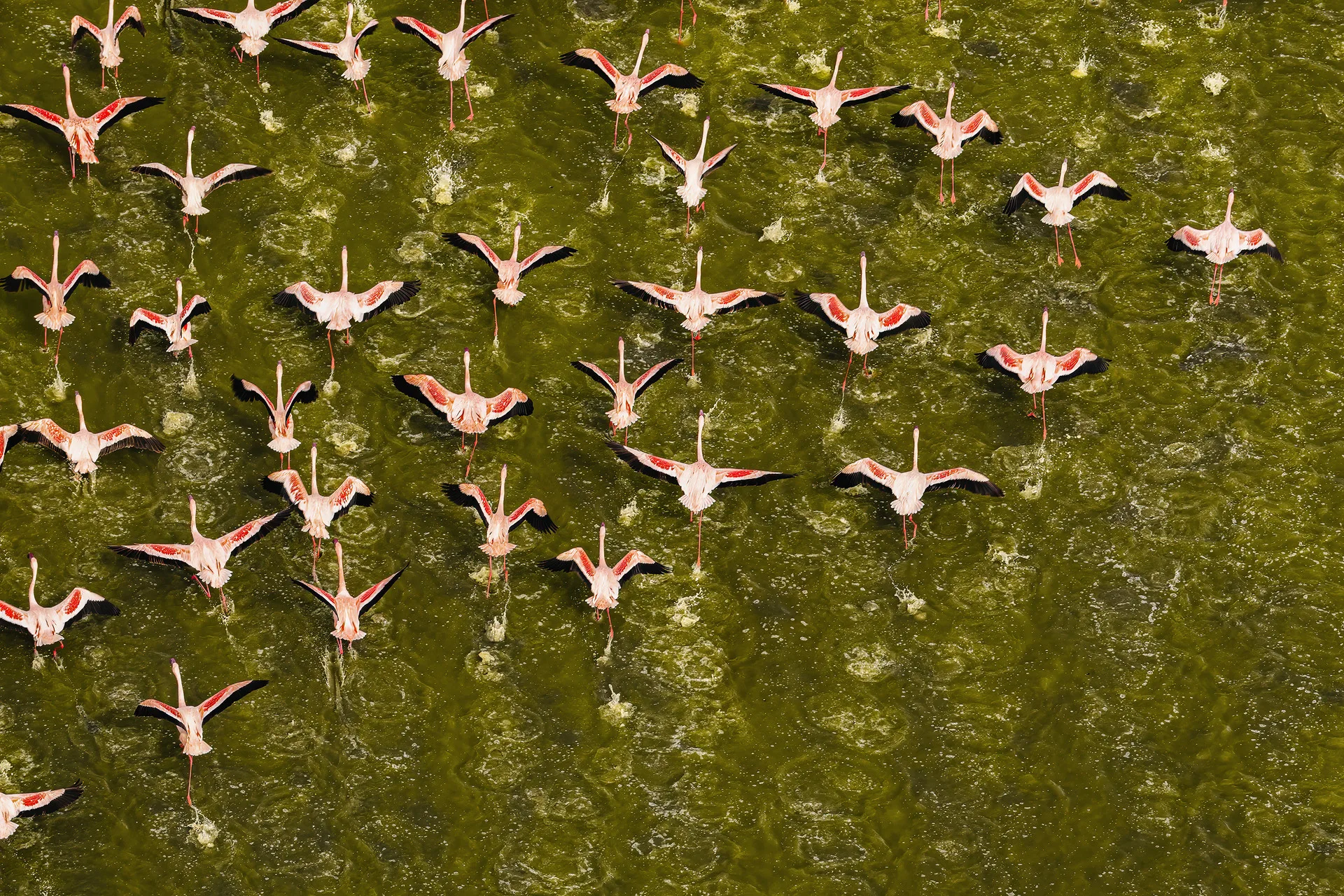
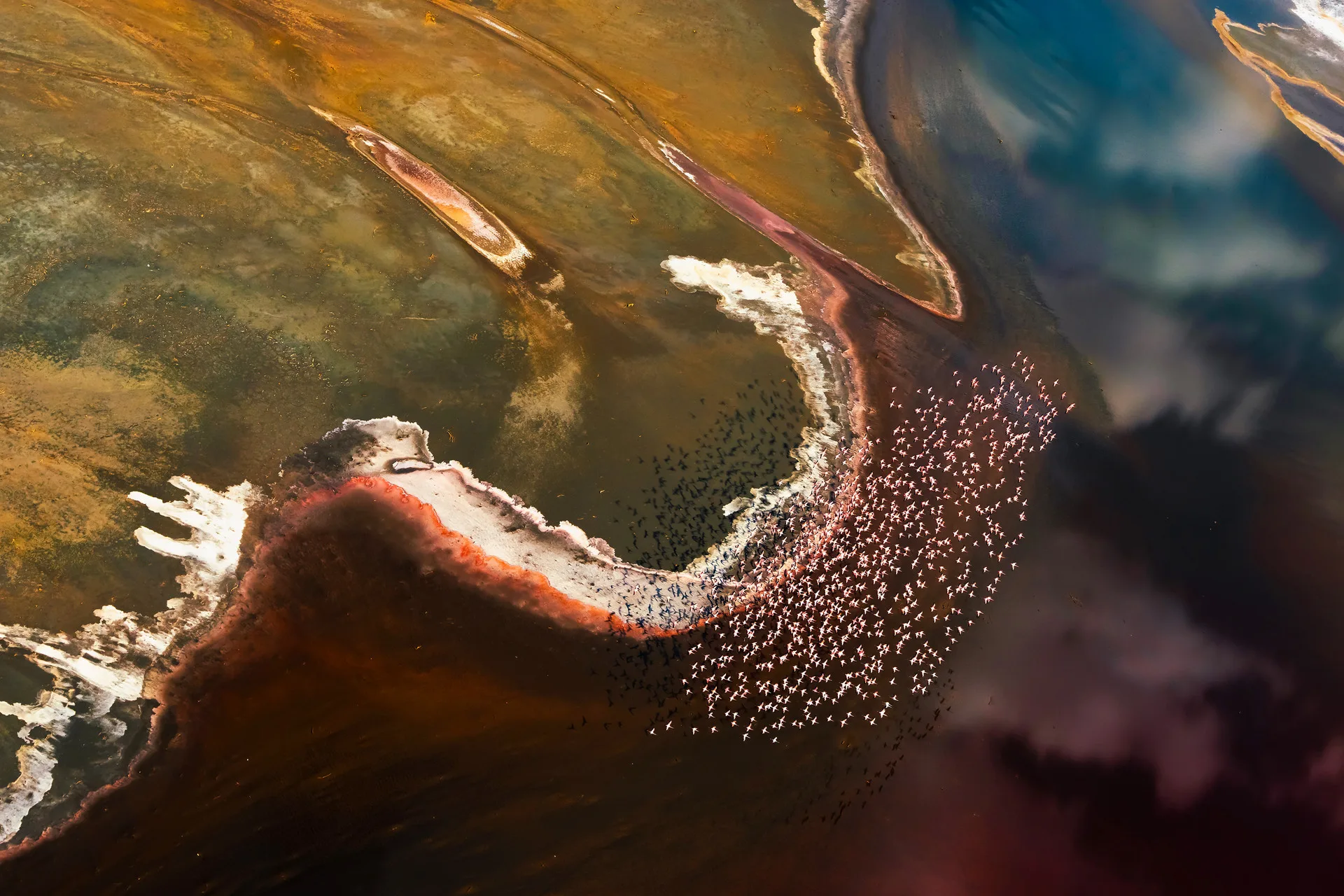
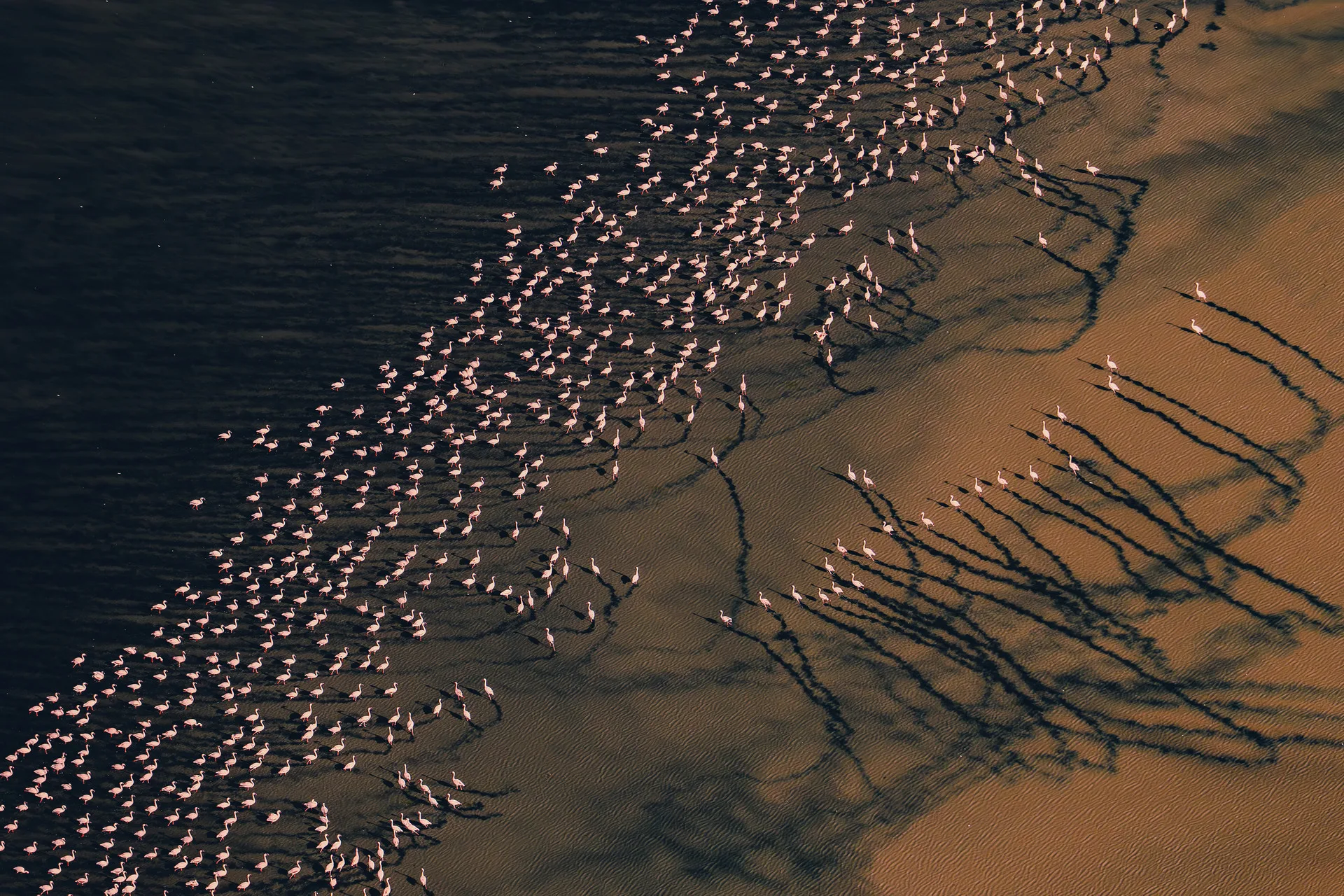
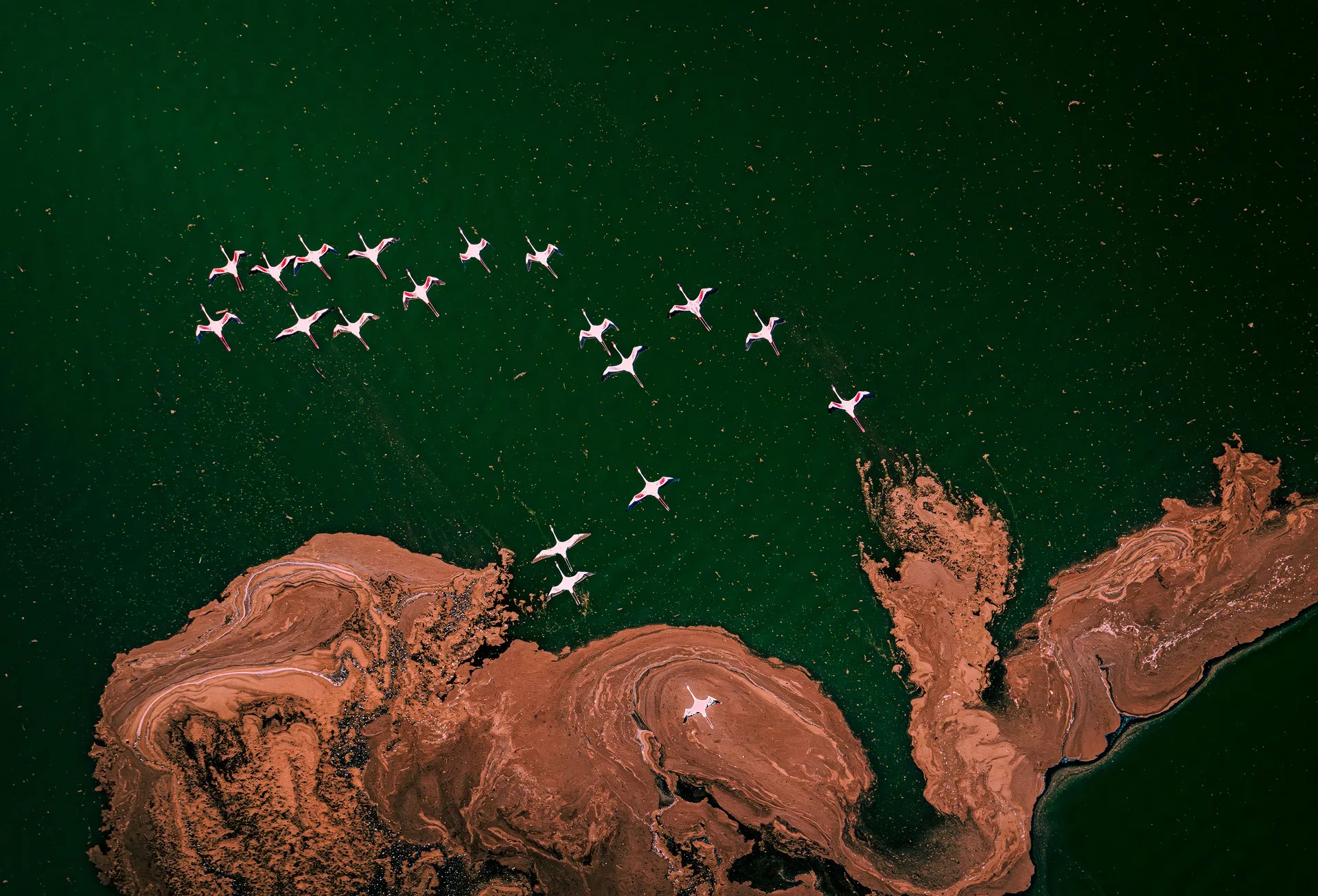
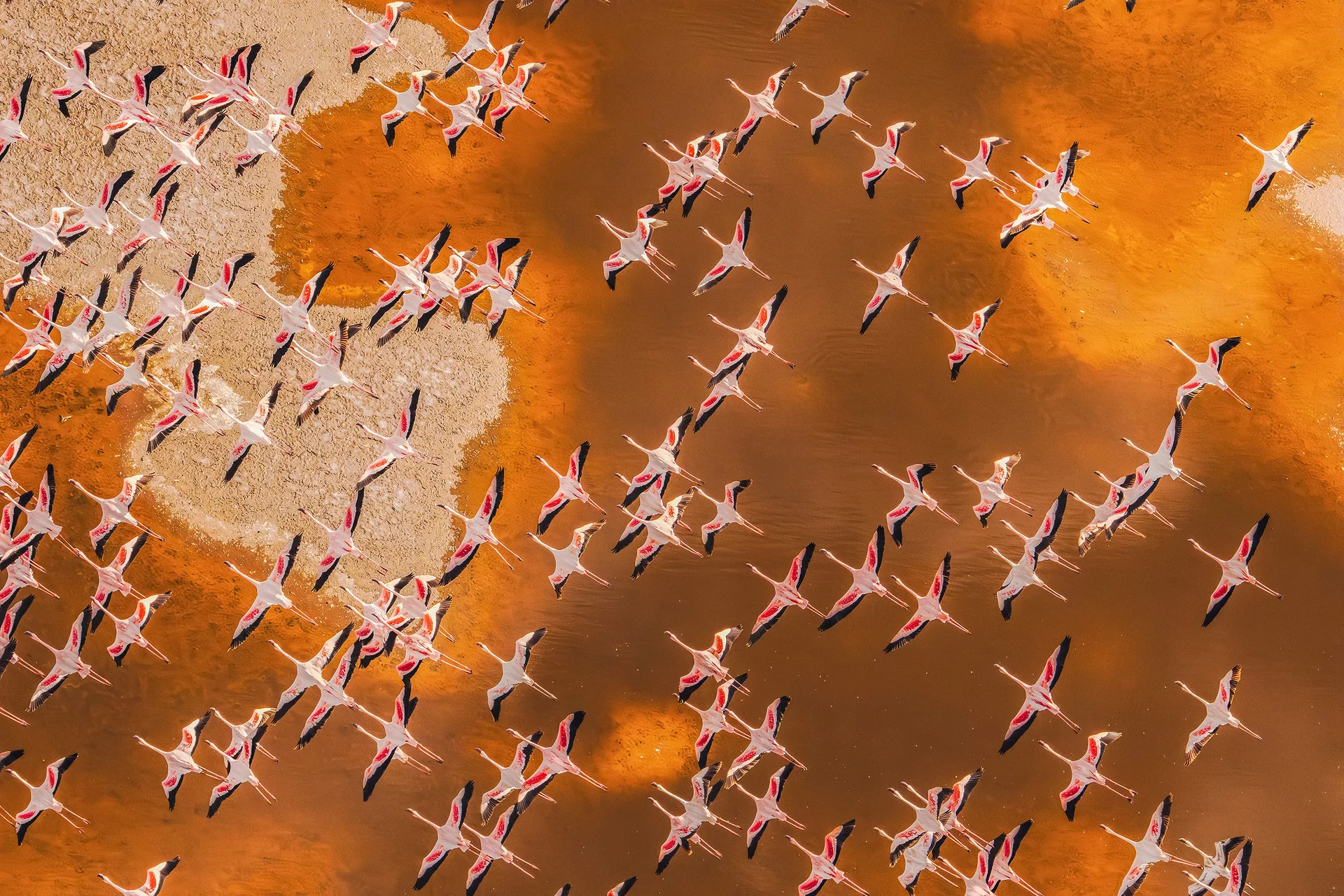
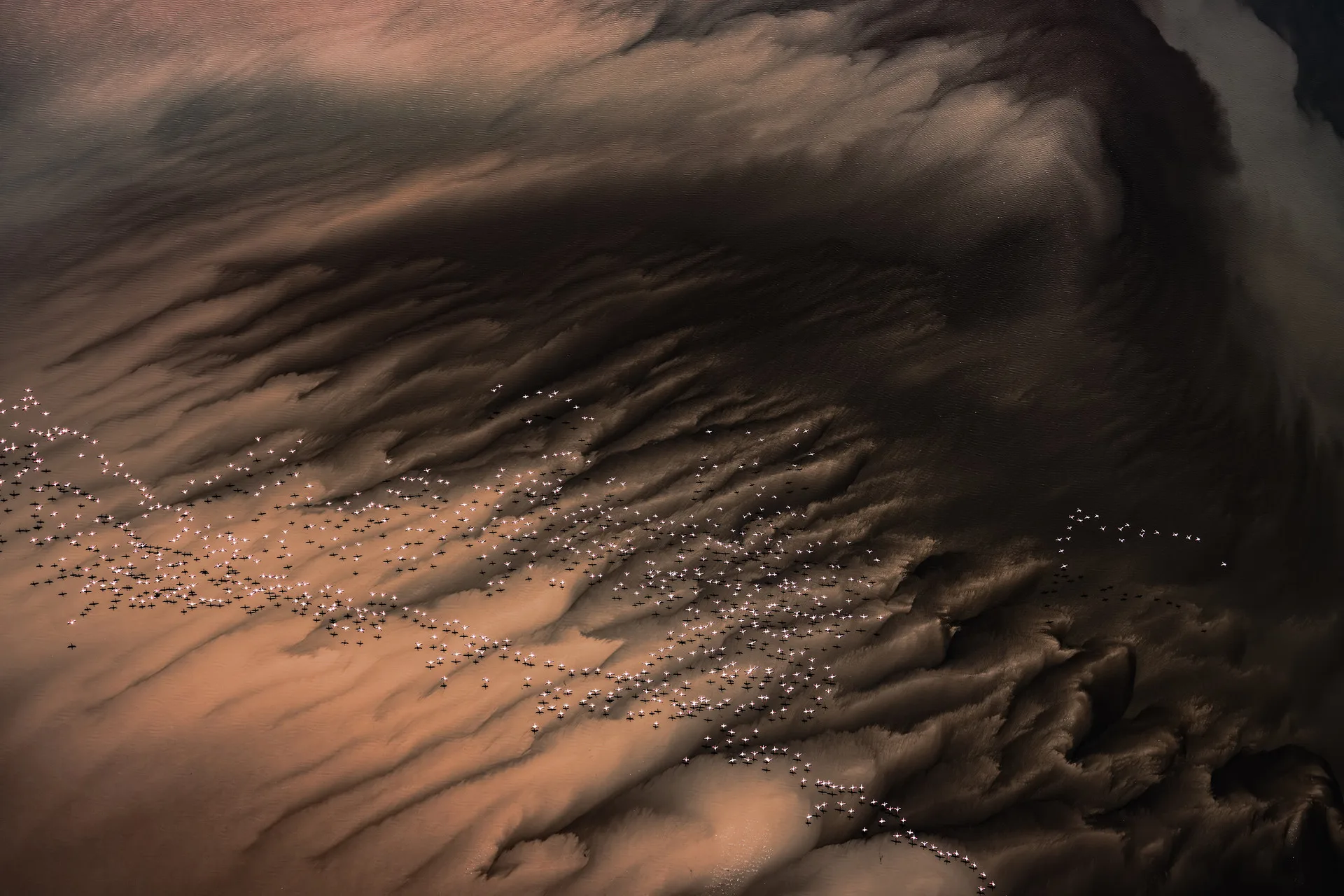
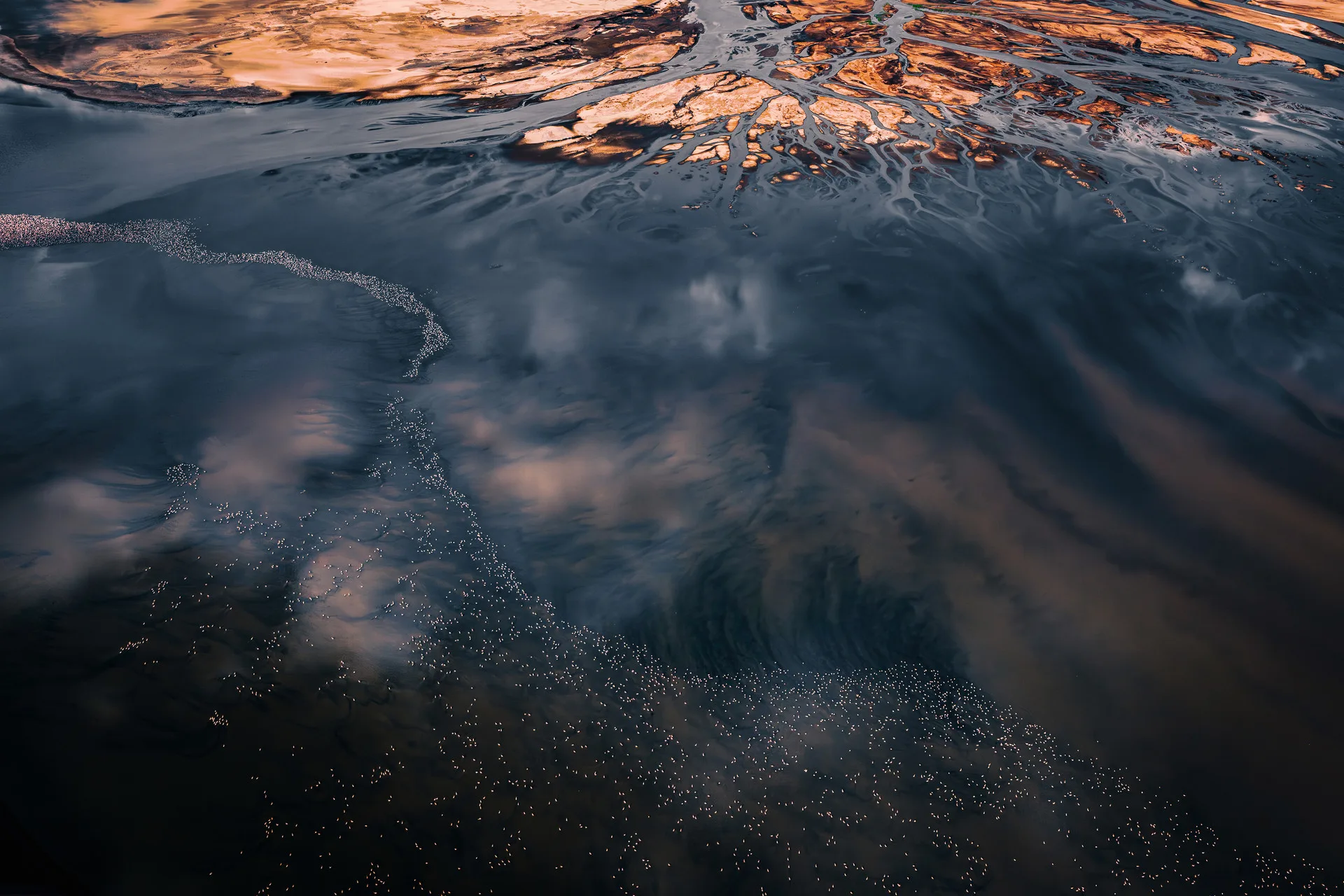
From Above: Flamingos over Lake Magadi and Lake Natron — Holly Kirkland. Holly Kirkland photographs flamingos from above at Lakes Magadi and Natron. The alkaline water, sediments and moving flocks reveal a close relationship between geology and life.
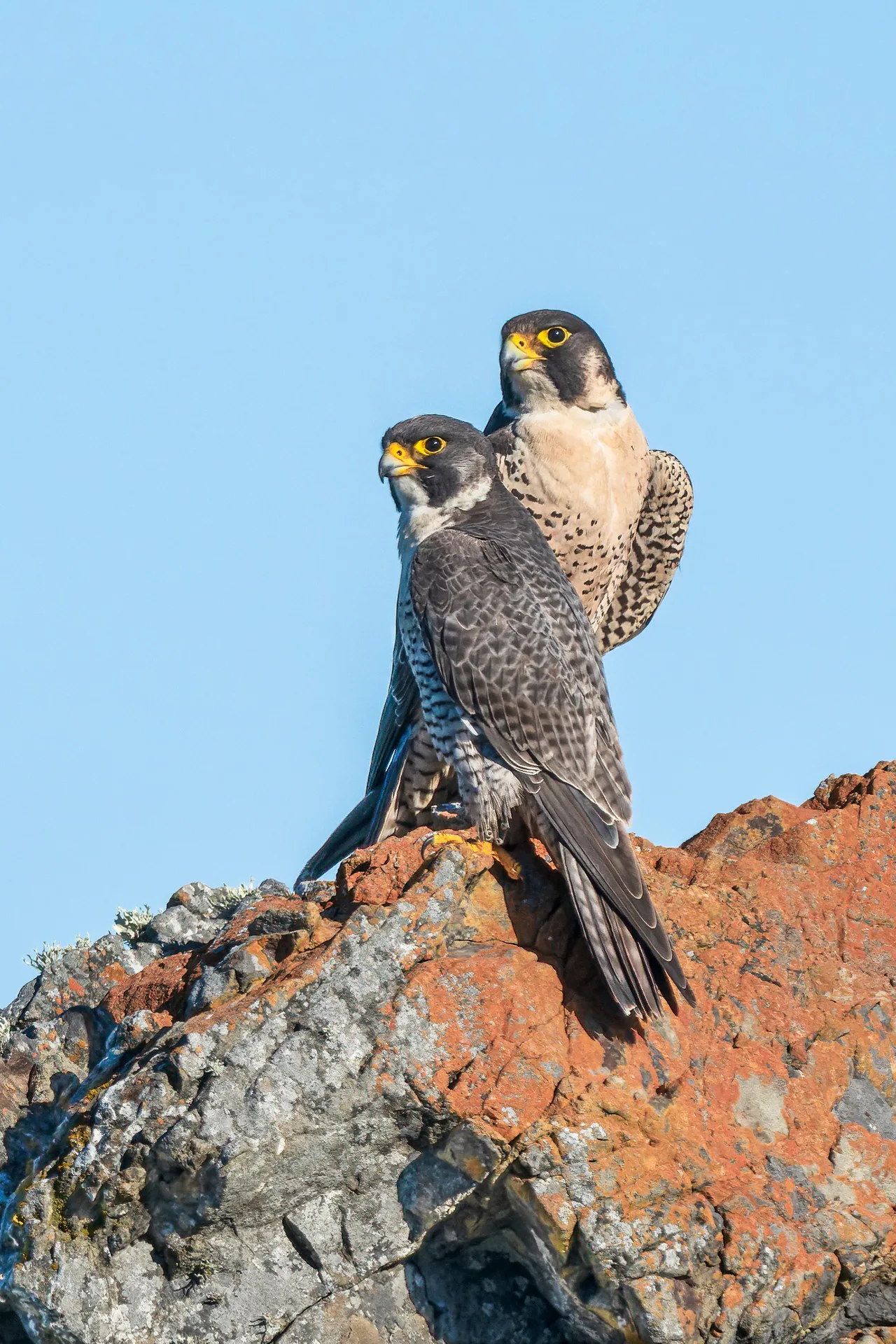
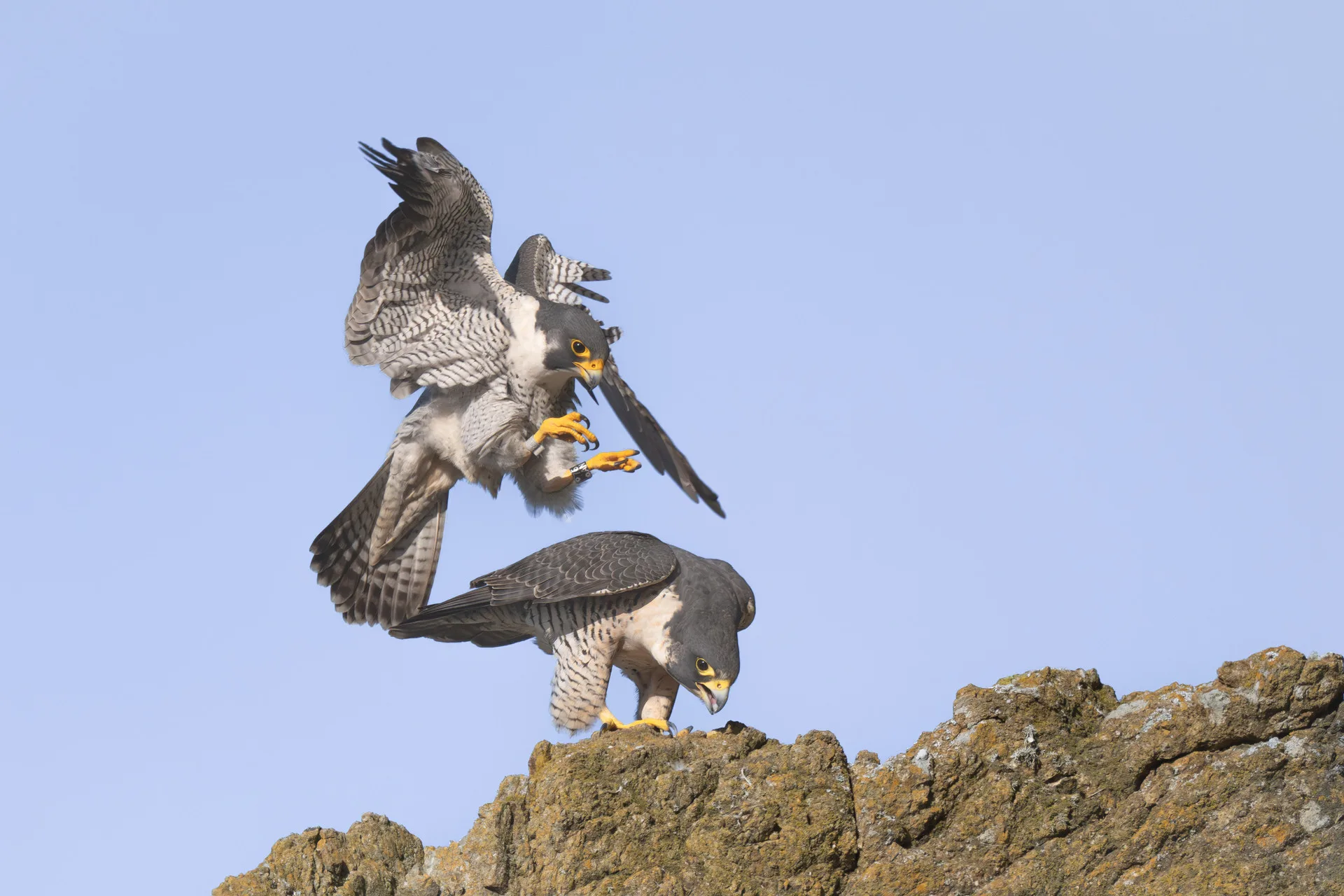
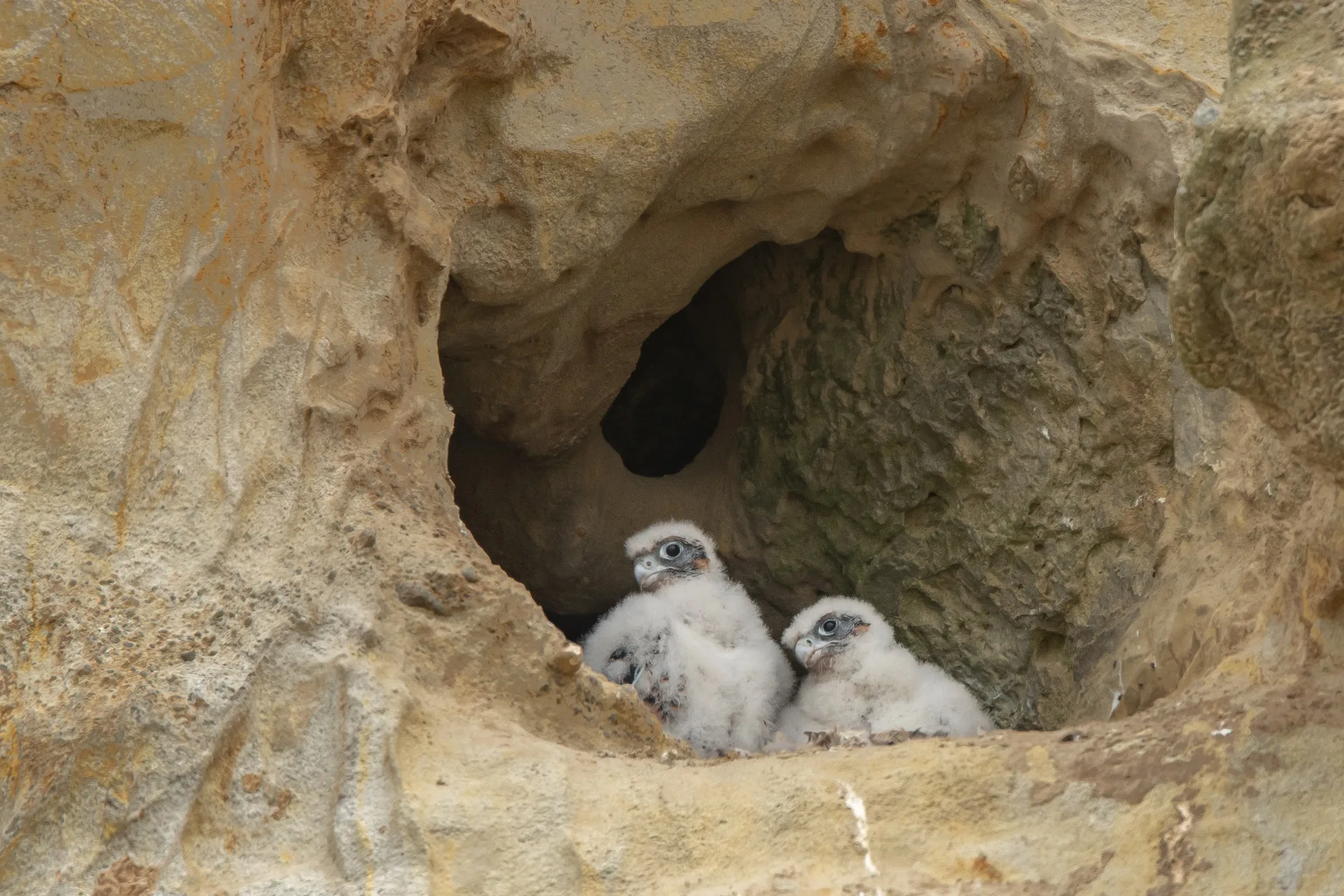
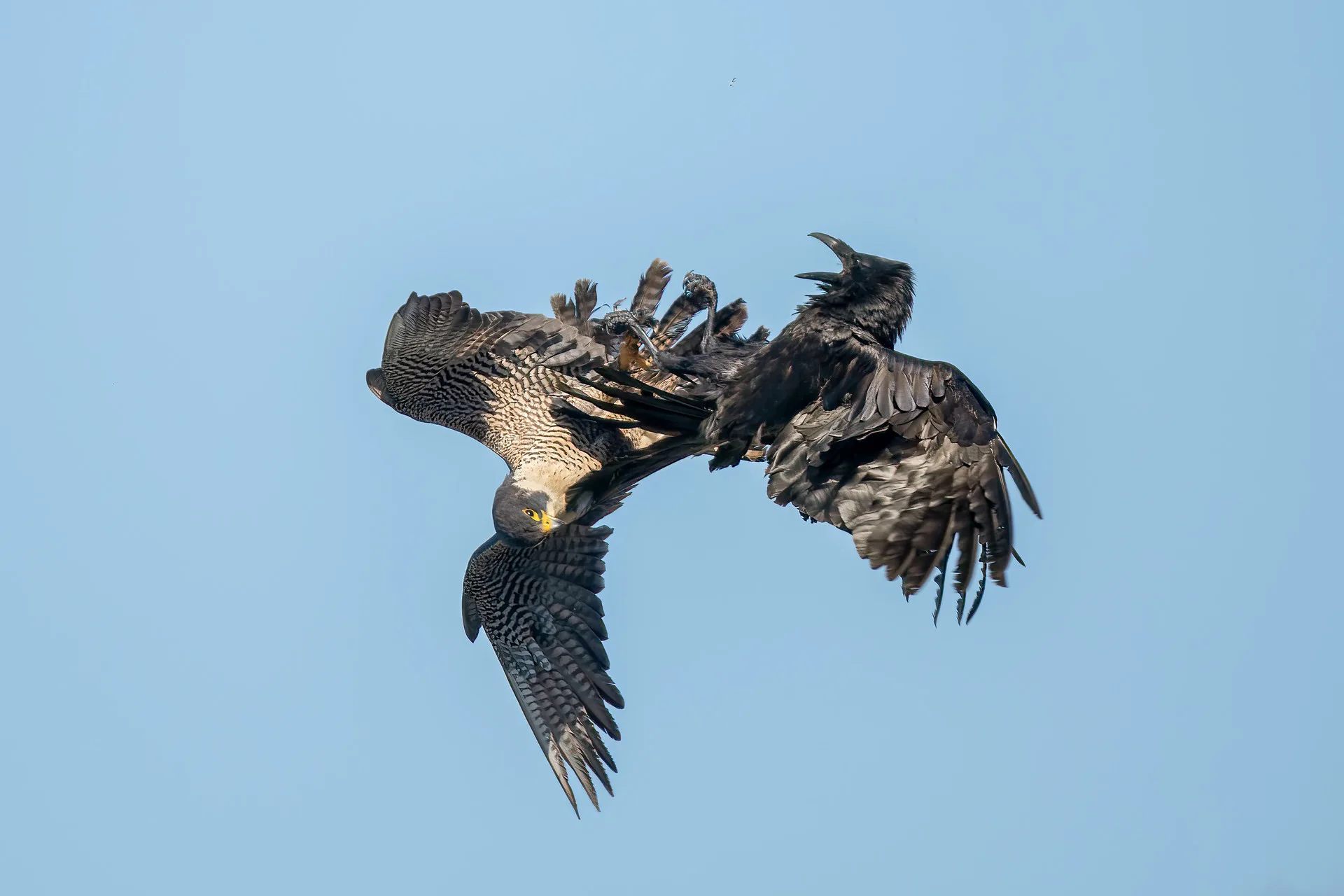
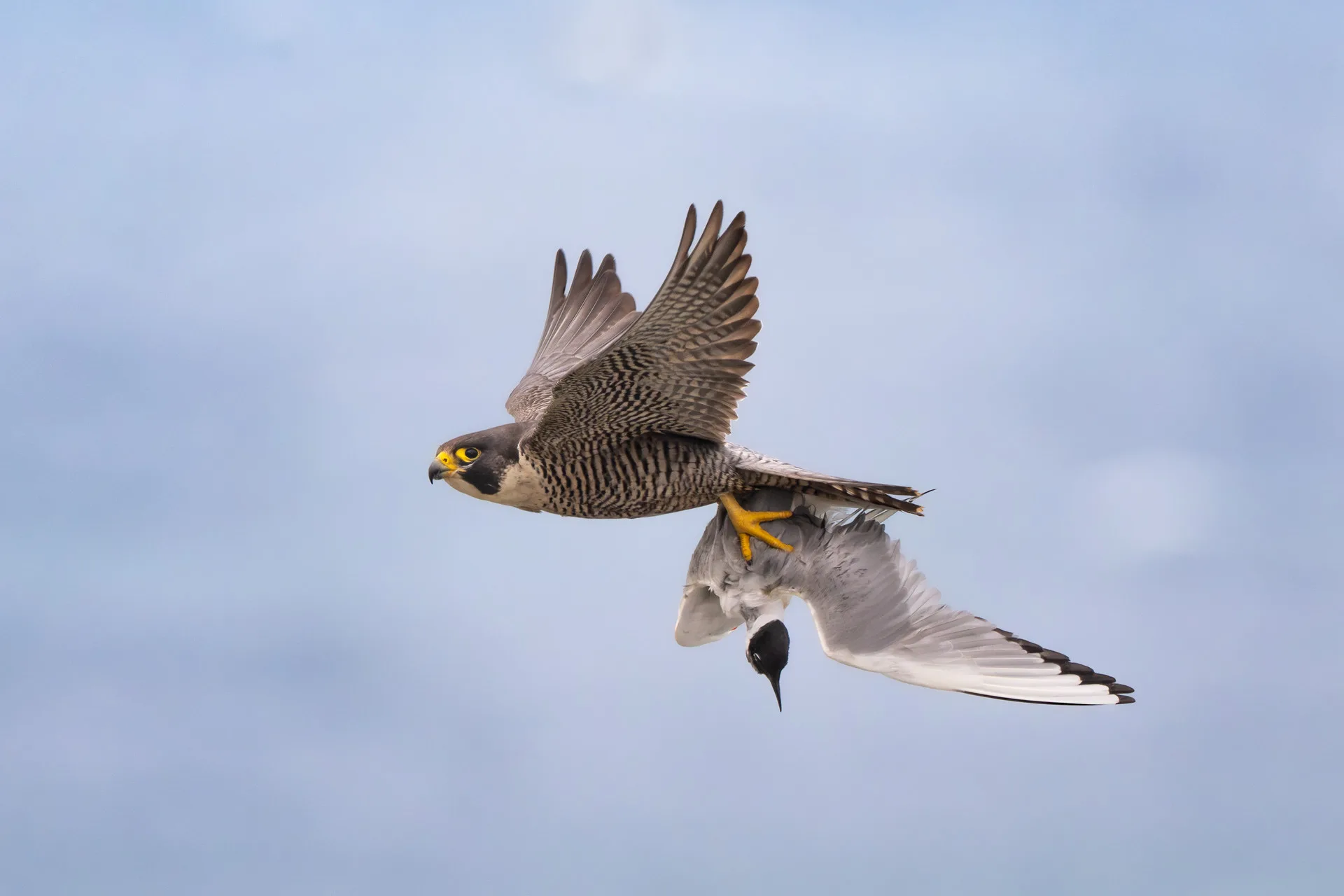
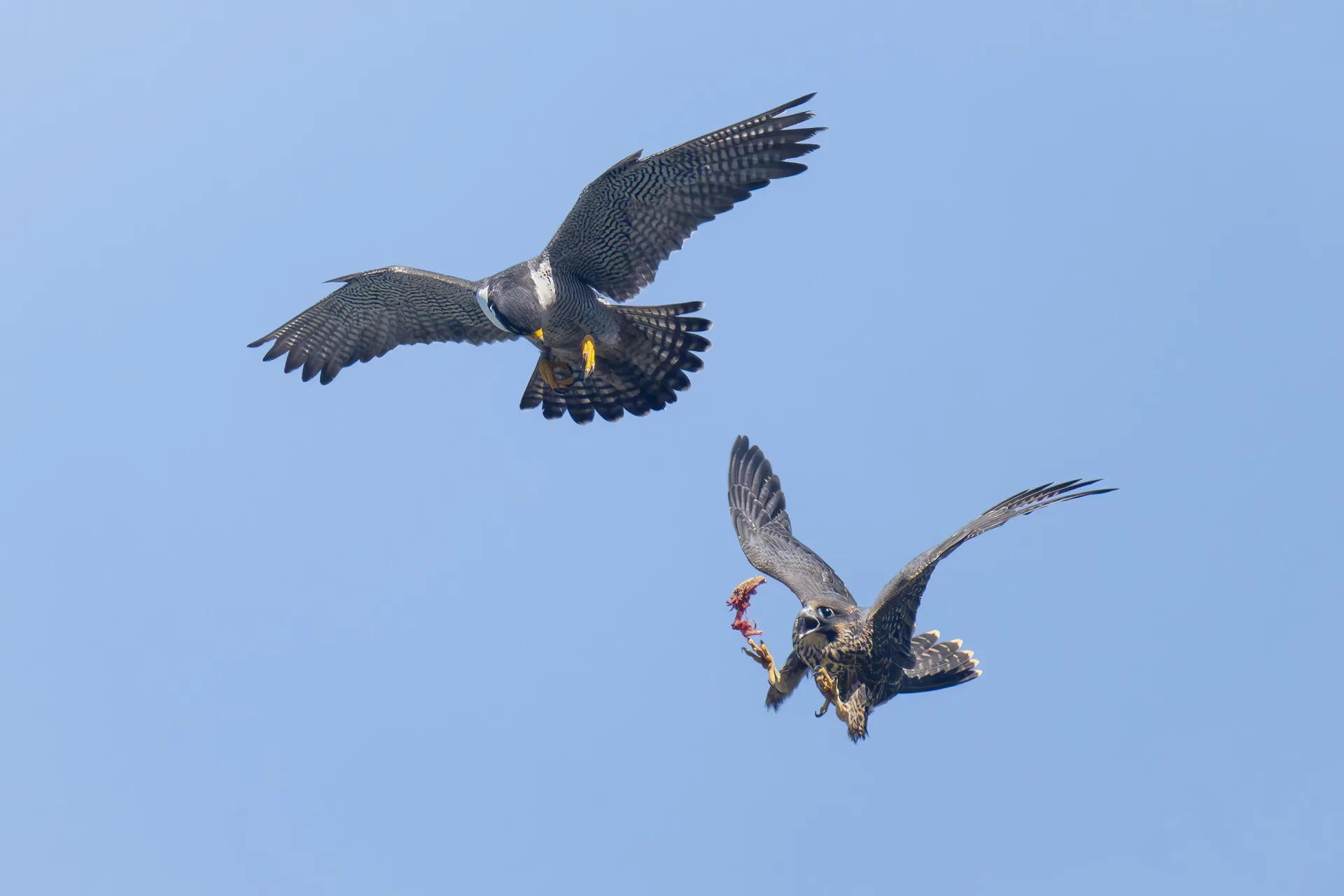
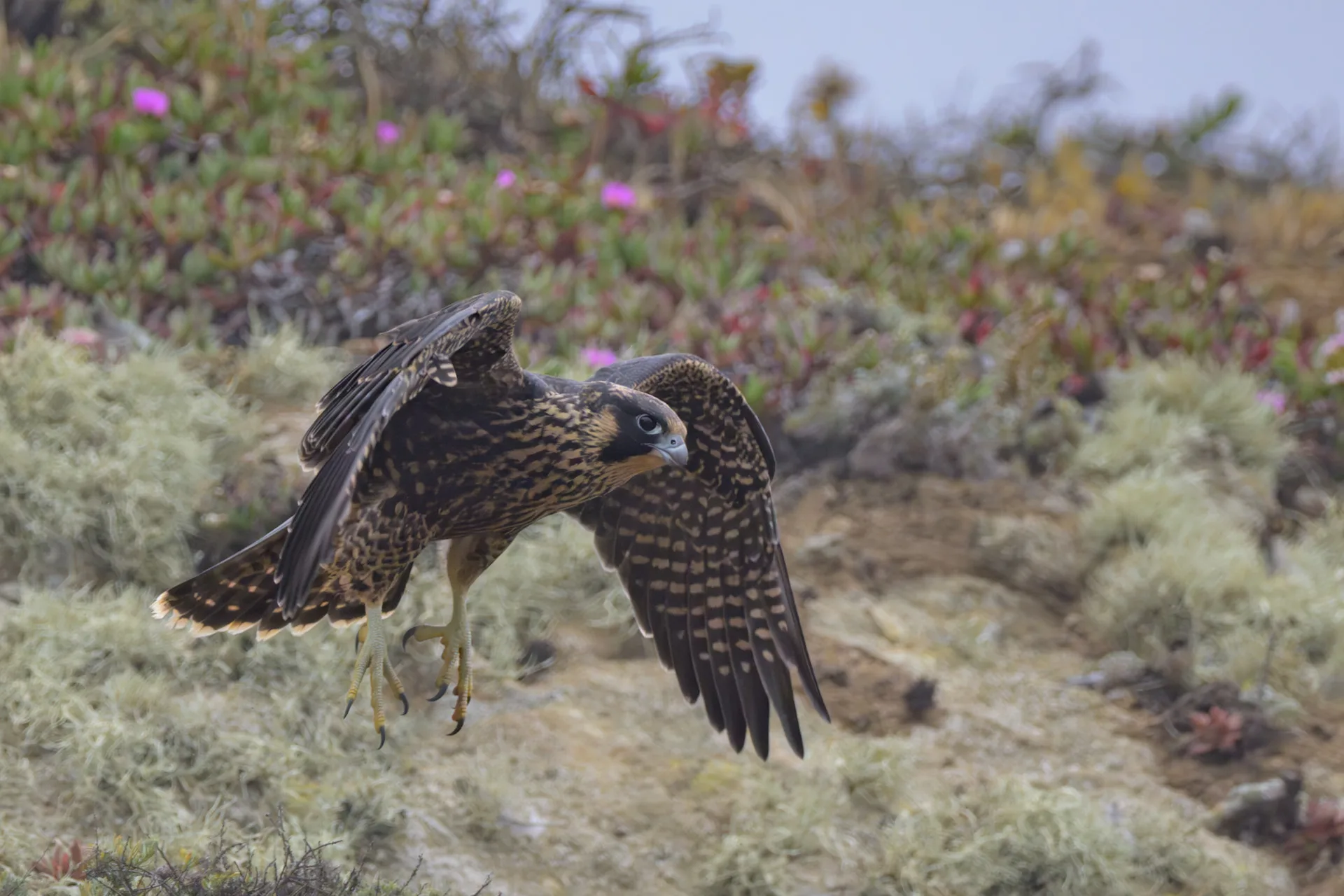
A Peregrine Falcon Breeding Season, Start to Finish — Corey Raffel. Corey Raffel follows a peregrine falcon breeding season from start to finish. The narrative builds across seven frames rather than a single moment.
What makes this collection work is that it does not rely solely on rare subjects. “Slaying Dragons” is powerful because Beasley understood what the frog was trying to do, stayed with the behaviour and caught the precise instant. For wildlife photographers, that is a useful reminder: knowing your subject can matter more than simply owning a longer telephoto lens.
We particularly like the space given to complete stories in the Series category. Urban coyotes cannot be explained through one attractive portrait, and the changing predator–prey relationship in Yellowstone needs more than a single frame. For photographers working on longer projects, the edit and sequence of images are part of the craft.
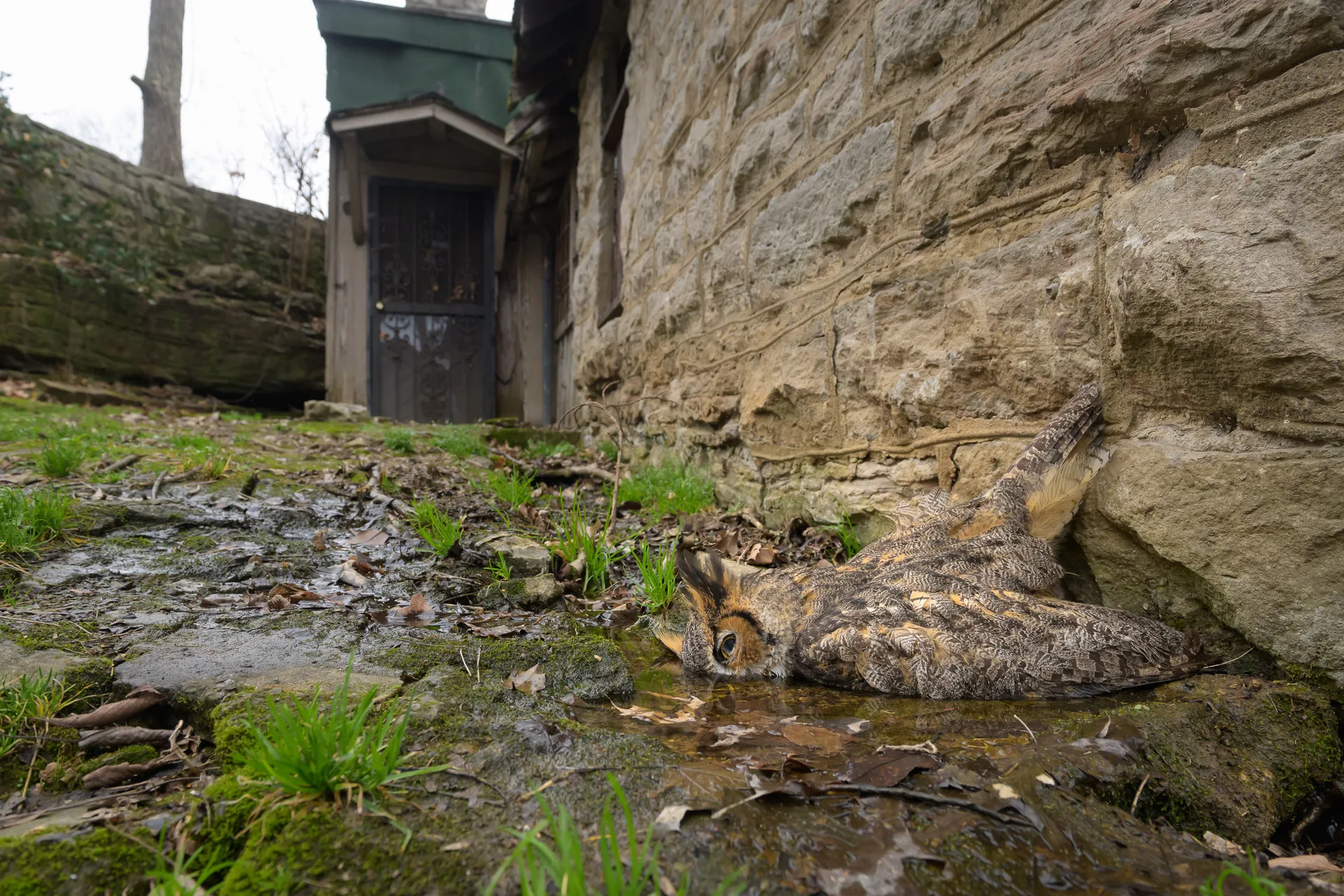
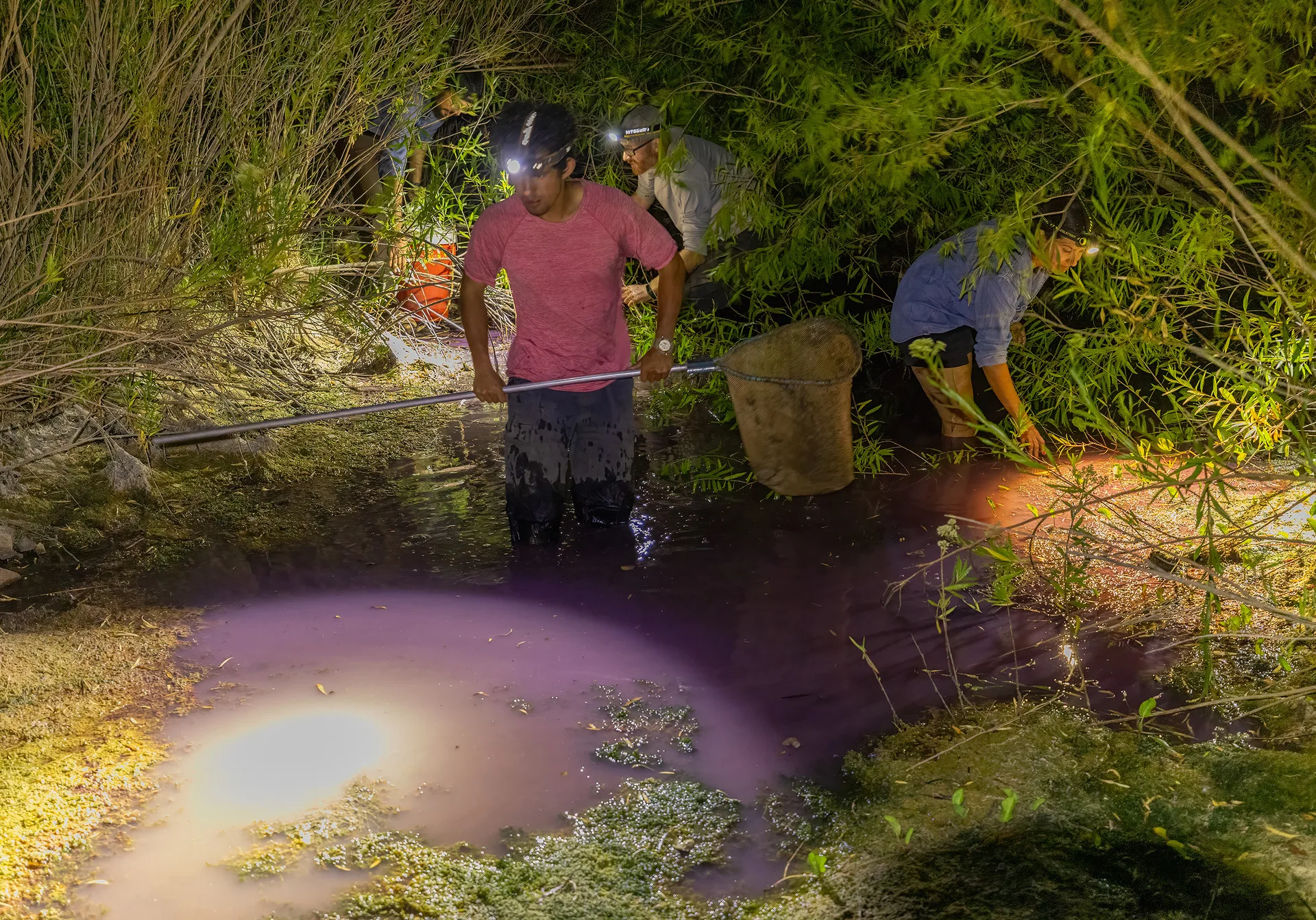
The Conservation category makes an equally important point. Nature photography is not restricted to spectacular encounters. Difficult pictures belong alongside beautiful ones when they help us understand what is happening to animals and their habitats.
We use essential cookies for the site to work. With your permission, we also use Google Analytics to understand traffic and improve PTTL. Cookies Policy
COOKIE SETTINGS
Choose what you allow
You can change your choice at any time from the Cookies button.
Essential
Required for security, saved preferences and core site functions.