

Summary
- Sony’s Kumamoto Technology Center returned to pre-earthquake production levels on August 19
- Production stopped after the M7.1 earthquake on July 28 and began restarting in stages on August 4
- Sony reported no employee casualties, while its other major facilities in the region suffered no significant damage
- Recovery was considerably faster than after the 2016 Kumamoto earthquakes
- There is no official confirmation that specific camera delays were caused by the earthquake
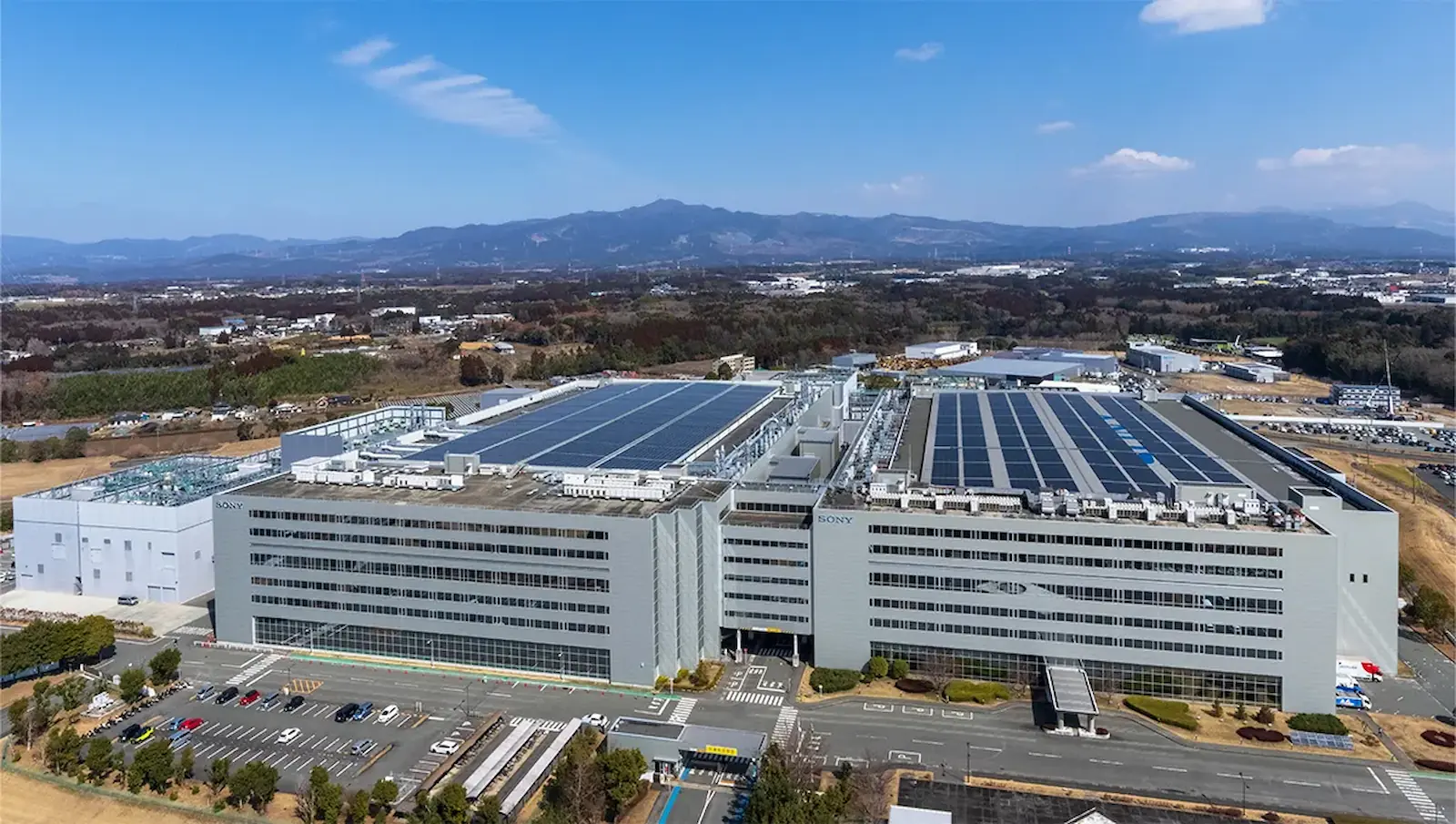
Sony’s Kumamoto Technology Center returned to its pre-earthquake production level on August 19, completing in less than a month a recovery with significant implications for the image sensor supply chain.
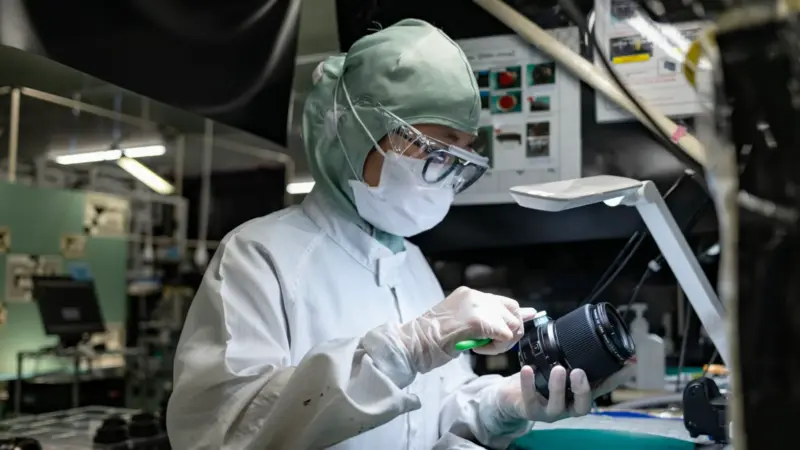
Sony Semiconductor Manufacturing’s facility in Kikuyo, Kumamoto Prefecture, suspended production immediately following the July 28, 2026 earthquake. Sony announced on July 31 that safety inspections of its buildings and facilities had been completed and that production would begin restarting in stages from August 4, with the company targeting a return to pre-earthquake levels by mid-August. More recent reports from Japan indicate that this level was ultimately reached on August 19.
The development matters for more than the reopening of a single factory. Kumamoto is an important Sony image sensor production hub, while the previous major earthquake crisis in the region in 2016 resulted in a much longer disruption. This time, the significantly faster recovery reduces the risk of prolonged problems across the global supply chain for cameras and other devices that depend on the company’s sensors.
What happened in Kumamoto
The earthquake struck the Kumamoto region at 4:27 PM local time on July 28. According to the Japan Meteorological Agency, it had a magnitude of M7.1, a focal depth of 16 kilometers and reached the maximum intensity of 7 on Japan’s Shindo seismic intensity scale. The Mw 6.8 figure seen in some international reports reflects a different method of calculating the magnitude of the same earthquake.
Sony immediately suspended production activities at the Kumamoto Technology Center so that the building and manufacturing lines could be inspected. The company said no employees working at its facilities at the time of the earthquake were injured.
At Sony Semiconductor’s other technology centers in Nagasaki, Oita and Kagoshima, no significant damage to buildings or facilities was identified.
The restart was carried out in stages
On July 31, Sony Semiconductor Solutions announced that the main safety inspections had been completed and recovery work was progressing. The restart was scheduled for August 4, not immediately at full capacity but through a series of stages.
The company itself estimated that the Kumamoto Technology Center would return to its pre-earthquake production level by mid-August. Japanese reports citing Sony Group place the full return to that level on August 19.
In practical terms, roughly three weeks passed between the complete shutdown on July 28 and the restoration of pre-earthquake production capacity.
Why 2016 was very different
The comparison with the 2016 Kumamoto earthquakes is unavoidable. At that time, the same center suffered a serious disruption and Sony needed months to fully restore production. In official material from that period, the company described Kumamoto as a primary manufacturing facility for image sensors used in digital and security cameras, as well as micro-display devices.
Sony has since incorporated lessons from that disaster into its Business Continuity Planning strategy. In its 2025 Sustainability Report, the company specifically states that it used lessons from the Kumamoto earthquakes to establish seismic countermeasure guidelines and strengthen its ability to rapidly recover operations.
Following this year’s earthquake, the company also pointed to stronger infrastructure, experience gained from the previous crisis and cooperation with external partners as factors contributing to the much faster recovery.
What it means for the camera market
The recovery is positive news for the wider industry, not only for Sony cameras. Sony Semiconductor is a major supplier of image sensor technology, and any prolonged interruption at an important manufacturing facility can cause delays that become visible several weeks or months later in the supply chain.
That does not mean the roughly three-week disruption will necessarily leave no trace. Semiconductor manufacturing involves complex sequences of processes, and even a temporary reduction in capacity can affect future deliveries. At present, however, Sony has made no official announcement linking a particular photographic or cinema camera model to a sensor shortage caused by the earthquake.
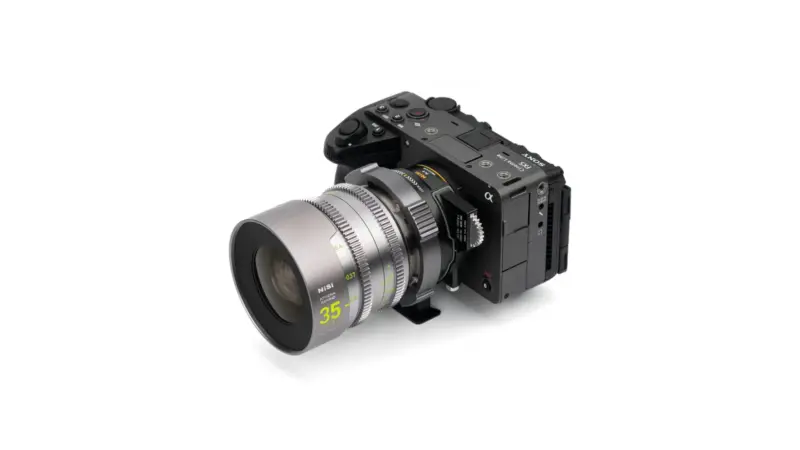
One notable example is the new Sony FX5. Sony has announced in Japan that the camera’s launch has been postponed for “production reasons,” but it has not stated that the delay was caused by the Kumamoto shutdown. Any direct connection between the two events therefore remains speculation rather than confirmed information.
The broader importance of the region
Sony was not the only company affected by the earthquake. Kumamoto has developed into one of Japan’s most important semiconductor manufacturing hubs, with facilities operated by several major companies. Following the earthquake, manufacturing plants in the region had to suspend or restrict operations temporarily for inspections.
The rapid return of several facilities also demonstrates the growing importance of seismic protection investments and business continuity planning in an area where the concentration of critical technology manufacturing facilities has become very high.
What we think
The return of the Kumamoto Technology Center to pre-earthquake production levels in roughly three weeks is a much better outcome than a prolonged shutdown, particularly when compared with Sony’s experience in 2016. For the photography market, the most important point is that there is currently no indication of months of restricted sensor production.
At the same time, it is still too early to conclude that the temporary interruption will have absolutely no effect on individual deliveries. Until Sony or other manufacturers make specific announcements, there is no solid basis for attributing any particular product delay to the earthquake without additional confirmation.
Frequently asked questions
When did Sony’s Kumamoto factory fully return to normal production?
Japanese reports citing Sony Group state that production returned to pre-earthquake levels on August 19, 2026. Sony’s official July 31 forecast had called for recovery by mid-August.
Were any Sony employees injured?
Sony said there were no reported casualties or injuries among employees working at its facilities when the earthquake struck.
Will the earthquake cause camera shortages?
There has so far been no official announcement confirming widespread shortages or delays of specific cameras because of the earthquake. The rapid return to normal production reduces that risk, although smaller supply-chain effects cannot yet be ruled out.