


Summary
- The Toy Story franchise has generated $51 billion in total economic activity
- Disney’s direct revenue is estimated at approximately $16.2 billion
- Around $7.5 billion was generated in the United States
- Businesses outside Disney received 81% of the wider economic impact
- Revenue extends across films, streaming, merchandise, parks and cruises
The Toy Story franchise has developed into one of the most powerful and profitable film properties in the history of Disney and Pixar.
A new study estimates that the franchise has generated $51 billion in total economic activity since the first film was released in 1995, while direct revenue for Disney amounts to approximately $16.2 billion.
The figures demonstrate that the true value of a successful film franchise is not limited to cinema ticket sales. It also extends to consumer products, streaming, theme parks, cruises and a large network of partner businesses.
A Franchise With Global Economic Influence
The study was conducted by impact advisory firm Steward Redqueen on behalf of Disney and examined Toy Story’s financial performance across approximately three decades.
According to its findings, revenue directly associated with the franchise reached $16.2 billion. About $7.5 billion came from the United States, with the remaining amount generated across international markets.
The total level of economic activity is significantly higher because it includes the money distributed throughout the production and retail supply chain for related products and services.
81% of the Impact Exists Outside Disney
One of the study’s most significant findings is that 81% of the franchise’s total economic footprint benefited businesses that are not directly owned by Disney.
These include toy manufacturers, suppliers, distributors, retailers, small businesses and service providers. The popularity of the characters has created a broad ecosystem of commercial activity across numerous countries.
This finding explains the difference between Disney’s revenue and the estimated $51 billion in total economic activity. The larger figure does not represent the profit of a single company, but the wider distribution of the franchise’s value throughout the economy.
From Cinemas to Merchandise and Theme Parks
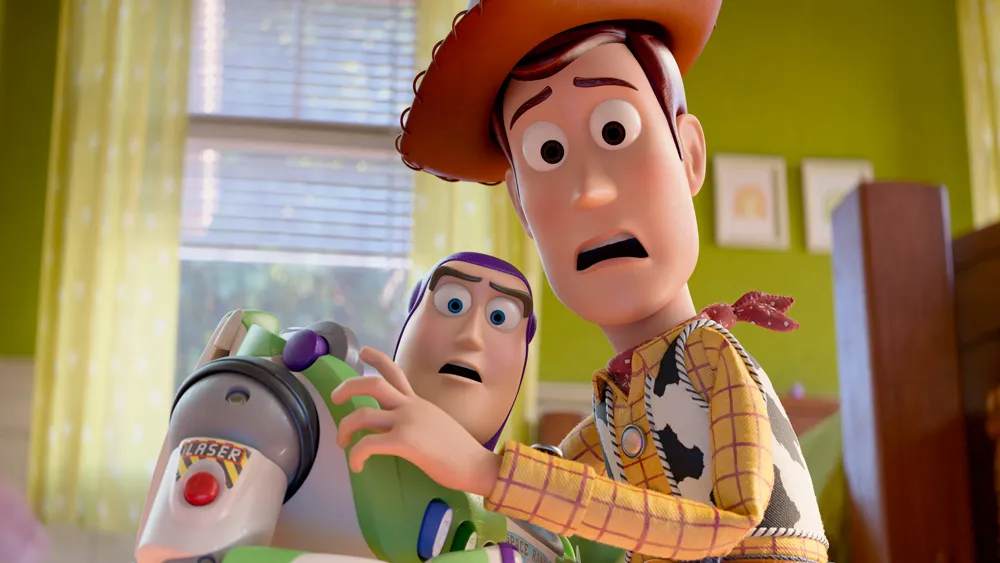
Toy Story’s economic strength is built on much more than its theatrical films. Woody, Buzz Lightyear and the other characters appear on toys, clothing, books, collectables and a vast range of licensed products.
The franchise is also used across streaming services, Disney theme parks and the company’s cruise operations. Every new film renews audience interest and can boost sales of products connected to the series.
The enduring recognition of its characters also allows Toy Story to reach different generations. Children who discovered the original film in 1995 can now return to the franchise with families of their own.
The Film That Transformed Pixar
The original Toy Story was a landmark production, becoming the first feature-length animated film created entirely with computer-generated imagery.
Its success played a decisive role in establishing Pixar and opened the way for a series of films that combined technological innovation with stories designed to appeal to both children and adults.
Disney acquired Pixar in 2006 for $7.4 billion. The current assessment of Toy Story’s economic footprint illustrates how valuable the franchise became as a long-term asset for the company.
What We Think
The $51 billion figure demonstrates that the value of a film franchise cannot be measured through box-office receipts alone. Toy Story has remained culturally relevant for three decades, transforming popular characters into an economic platform that stretches across the global entertainment industry.
Frequently Asked Questions
How much economic activity has Toy Story generated?
The study estimates that the franchise has generated approximately $51 billion in total economic activity.
How much direct revenue has it generated for Disney?
Disney’s direct revenue from the Toy Story franchise is estimated at approximately $16.2 billion.
Why is the economic impact larger than Disney’s revenue?
The total impact includes activity generated by manufacturers, suppliers, distributors, retailers and other businesses commercially connected to the franchise.
Which activities generate Toy Story revenue?
Revenue comes from films, streaming, consumer products, theme parks, cruises and licensing agreements.
When was the first Toy Story released?
The original film was released in 1995 and became the first feature-length animated production created entirely with computer-generated imagery.