

Summary
- Matt Deakin won the overall title with “Ethereal Encounter”
- The image shows a critically endangered green sawfish beside a green turtle
- The competition received 2,129 entries from 501 photographers in 17 countries
- Winners were named in ten categories, from Macro to Our Impact
- The exhibition of 100 shortlisted images runs until 14 February 2027
- “Ethereal Encounter” and the moment that looked like AI
- Wildlife, behaviour and the youngest winner
- When technique becomes part of the story
- The images that confront danger directly
- Lewis Burnett’s “Our Island Ark”
- The full winners announcement
- 2,129 entries and a stronger emphasis on ethics
- The exhibitions in Adelaide and Sydney
- What we think
- Frequently asked questions
An almost unreal encounter between a critically endangered green sawfish and a green turtle has earned Matt Deakin the title of 2026 Australian Geographic Nature Photographer of the Year.
The professional drone photographer from Broome, Western Australia, won the overall title with “Ethereal Encounter”, an aerial photograph made in the shallow waters of the Pilbara. The announcement completes this year’s competition, after PTTL previously covered its powerful shortlist of 100 photographs.
The win matters because it combines a rare natural-history moment with an image many viewers initially mistook for artificial intelligence. The ten category winners also show how broad contemporary nature photography has become, moving from evidence of human negligence to controlled experiments with ultraviolet light and slow shutter speeds.
“Ethereal Encounter” and the moment that looked like AI
Deakin saw a large shape emerge through the milky water of a tidal estuary as the last light touched the shallow reef. The green sawfish (Pristis zijsron), a critically endangered species, moved towards a group of green turtles and passed among them before disappearing into deeper water.
The drone was about 2.5 kilometres away, its battery warning was sounding and the light was fading. The photographer continued a little longer as four or five turtles moved away and one remained in the frame. As he explained, repeated questions about whether the image is AI do not offend him; they simply underline how unusual the scene appears.
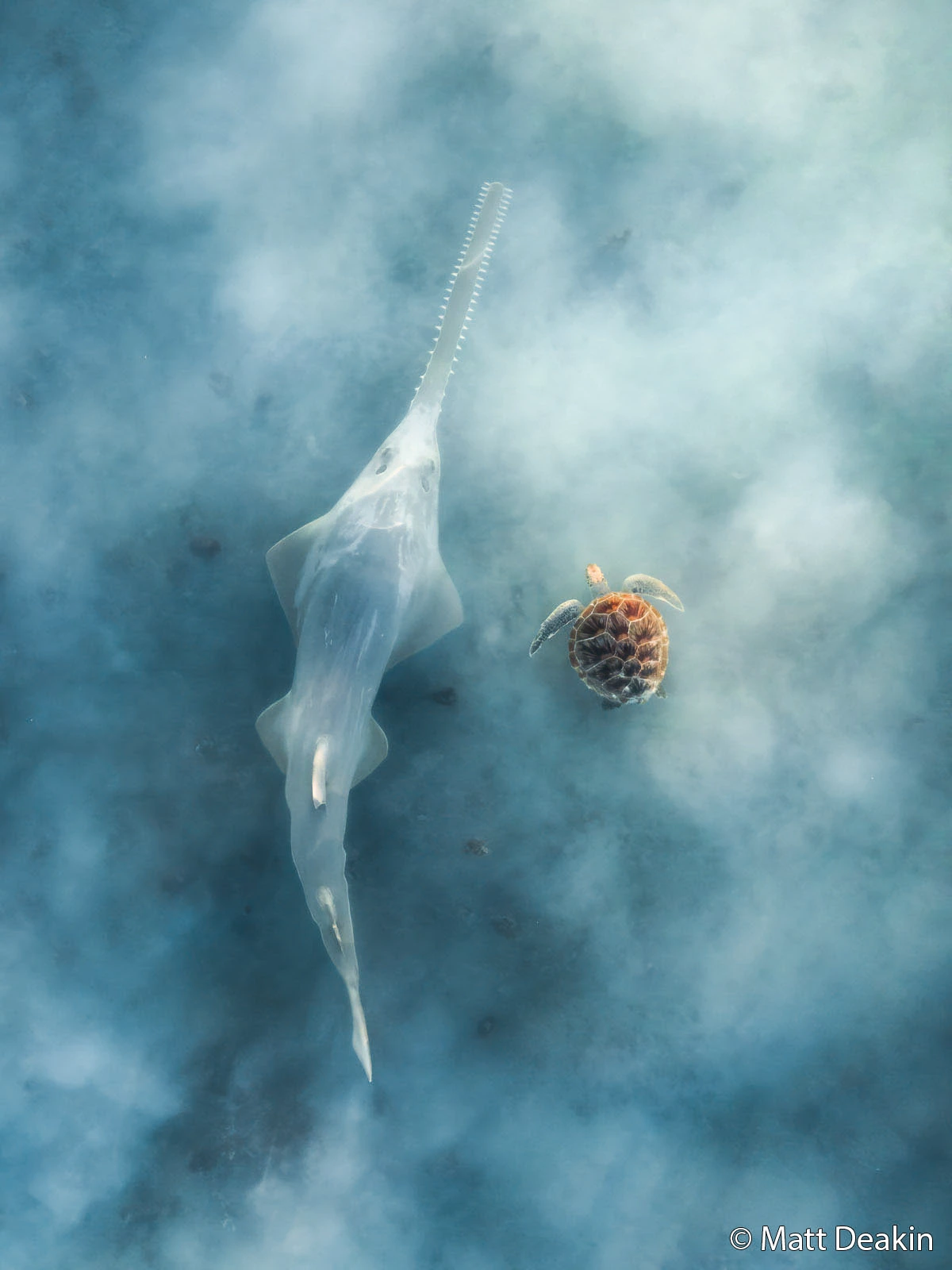
The image was captured with a DJI Mavic 3 Pro and its Hasselblad L2D-20c camera at 1/200 sec, f/3.2 and ISO 100. It was Deakin’s first entry in this competition. The overall winner received AU$10,000 and a Coral Expeditions cruise.
Wildlife, behaviour and the youngest winner
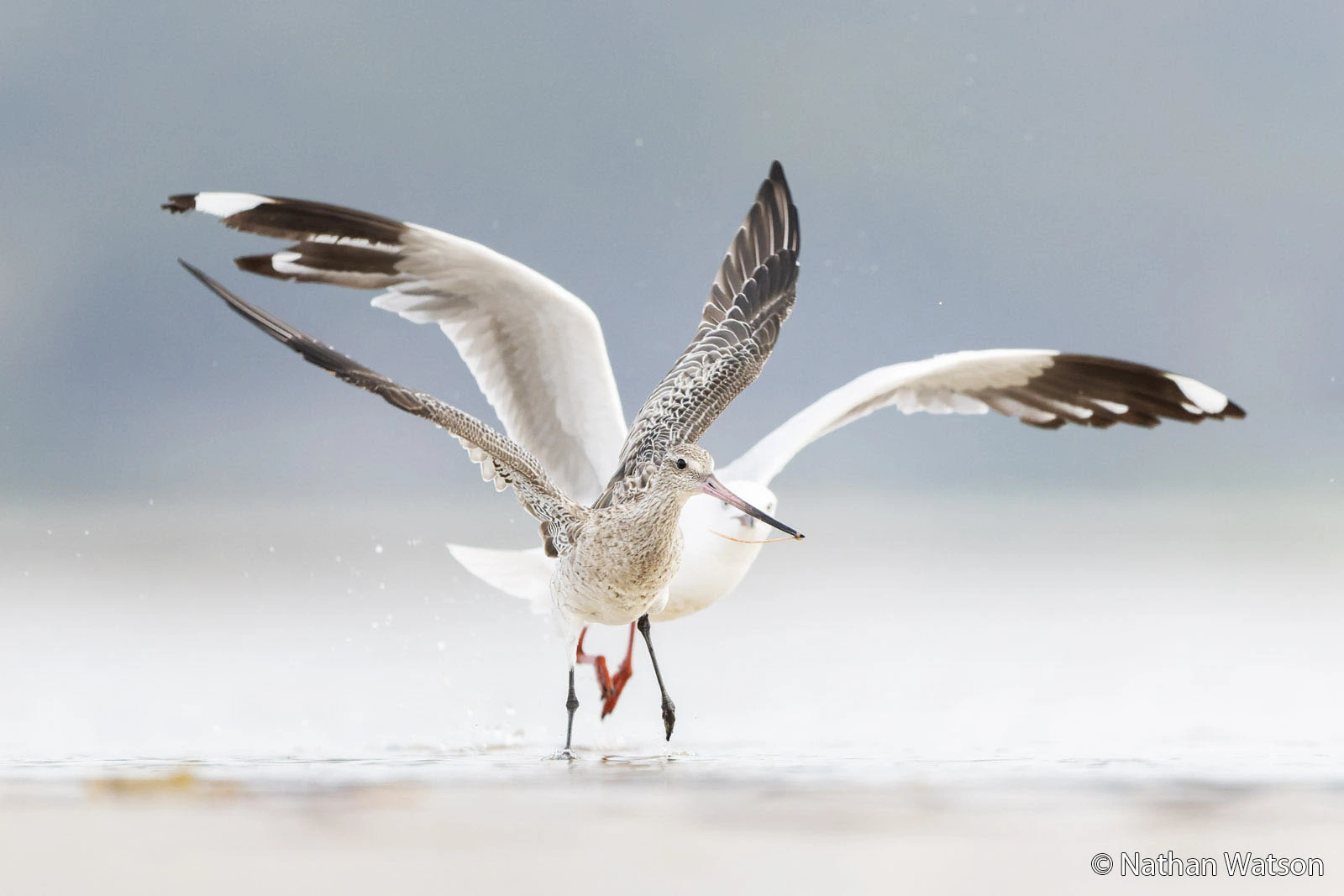
In Animal Behaviour, Nathan Watson used a low viewpoint to record a bar-tailed godwit and a silver gull fighting over a sandworm. “Worm Wars” condenses the entire drama into one frame as the migratory shorebird ultimately loses its meal to the persistent gull.
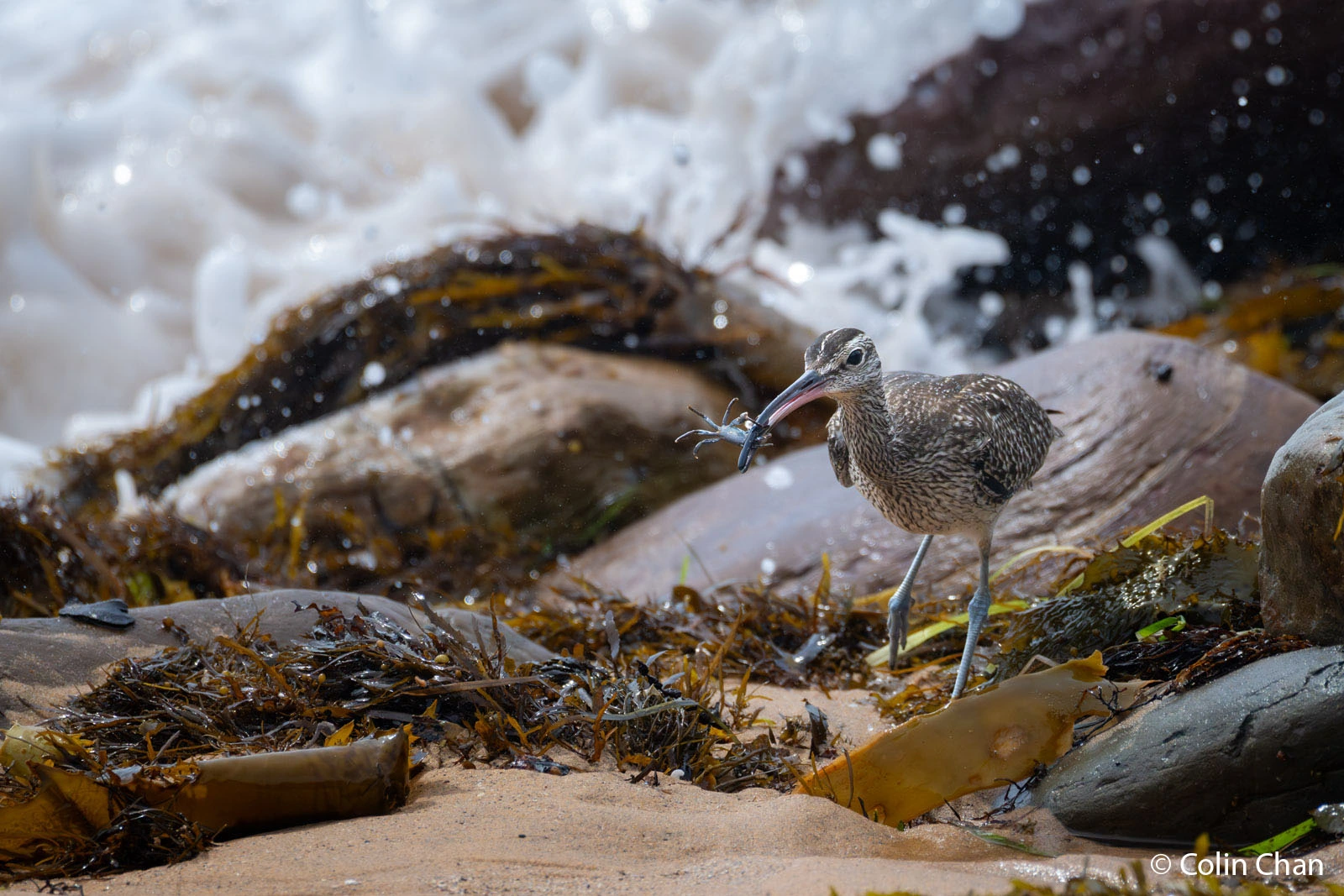
Colin Chan won Animals in Nature with “Just in Time”. A whimbrel has just caught a crab and must escape the incoming wave while securing enough energy for its long migration north towards the Arctic. A Nikon Z8, Nikkor 200-500mm and 1/8000 sec shutter speed froze the tension.
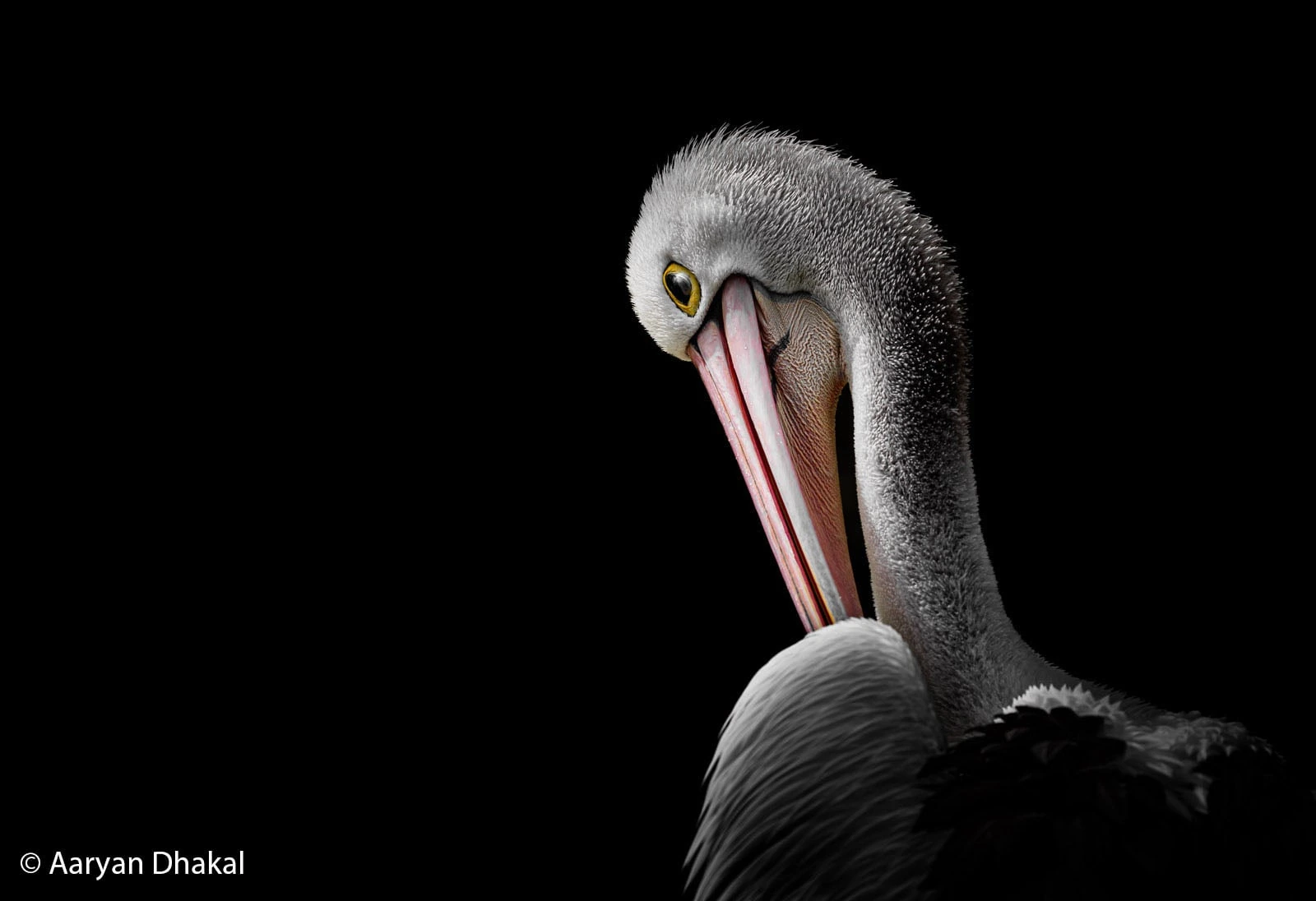
In the Junior category, Aaryan Dhakal transformed the familiar subject of an Australian pelican into a dramatic portrait. “Silent Grace” relies on the direction of light, feather detail and the strict isolation of the bird against a black background.
When technique becomes part of the story
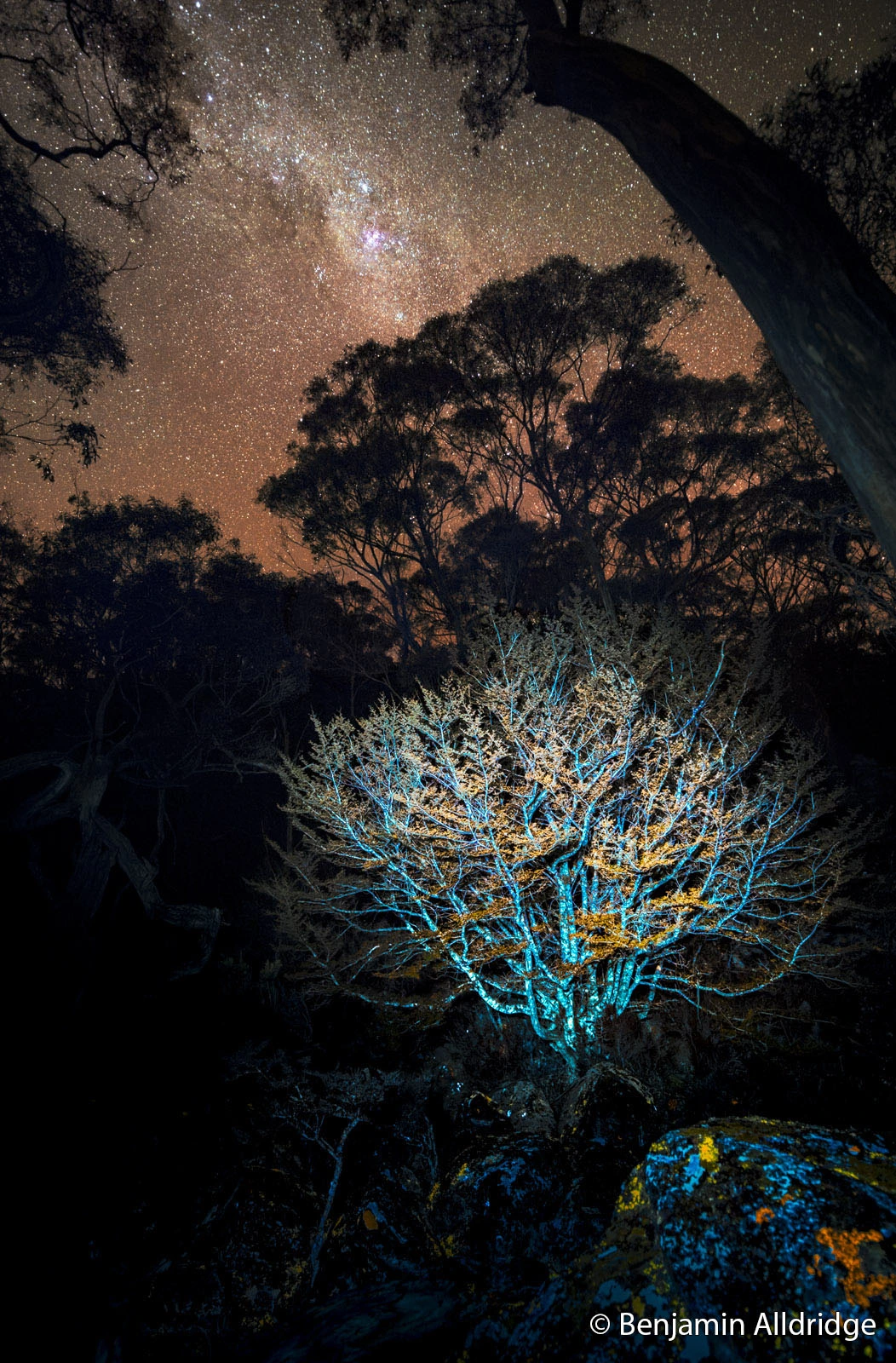
Ben Alldridge won Botanical with “Alchemy”, using multispectral ultraviolet light to illuminate Nothofagus gunnii, Australia’s only cold-climate deciduous species. The biofluorescent vegetation shares the night landscape with subtle aurora and airglow in central Tasmania.
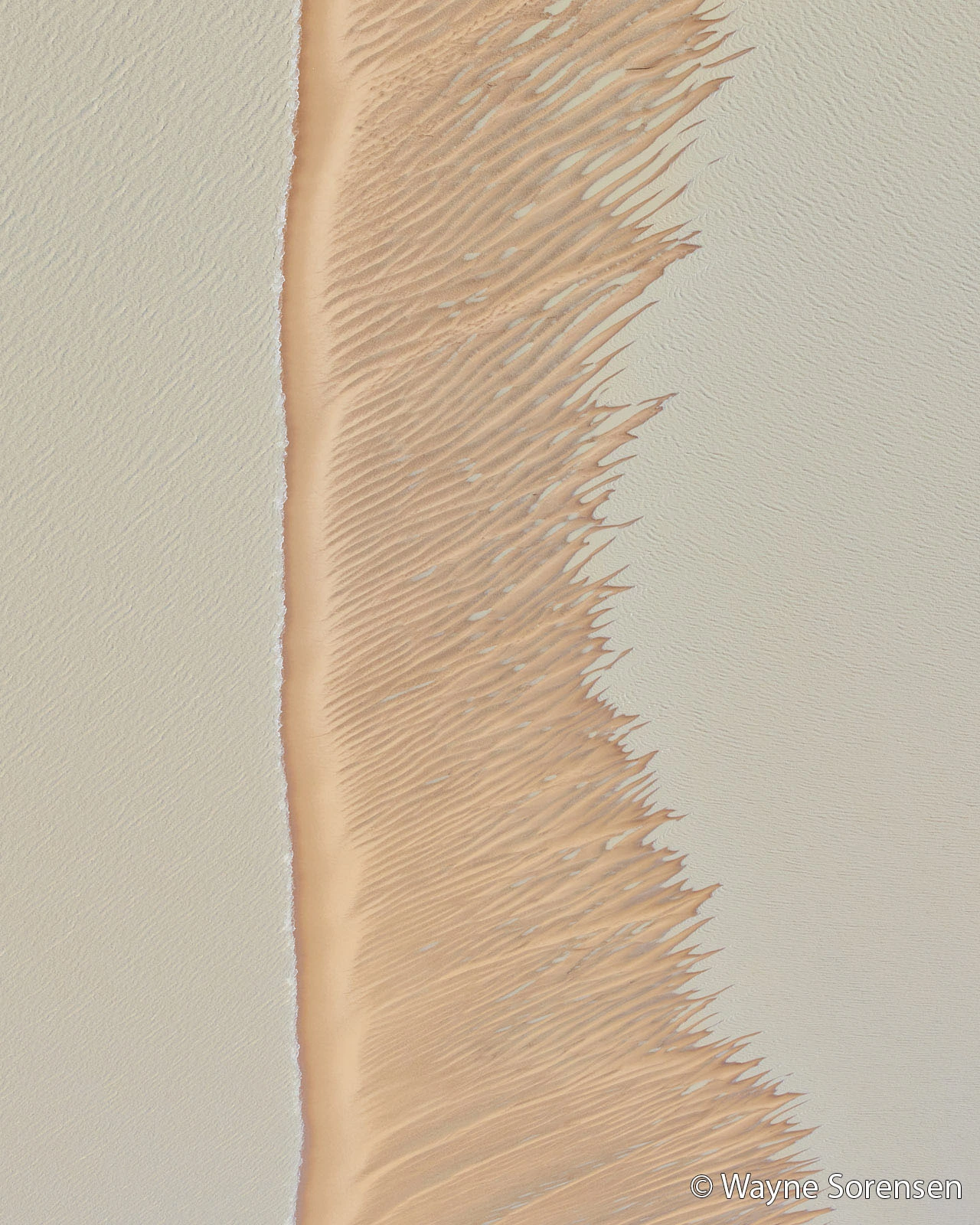
In Landscape, Wayne Sorensen photographed a sandbank north of Derby from a helicopter. Fine lines of water and sand resemble flames, while the restrained palette and detail of “Flicker” avoid excessive processing.
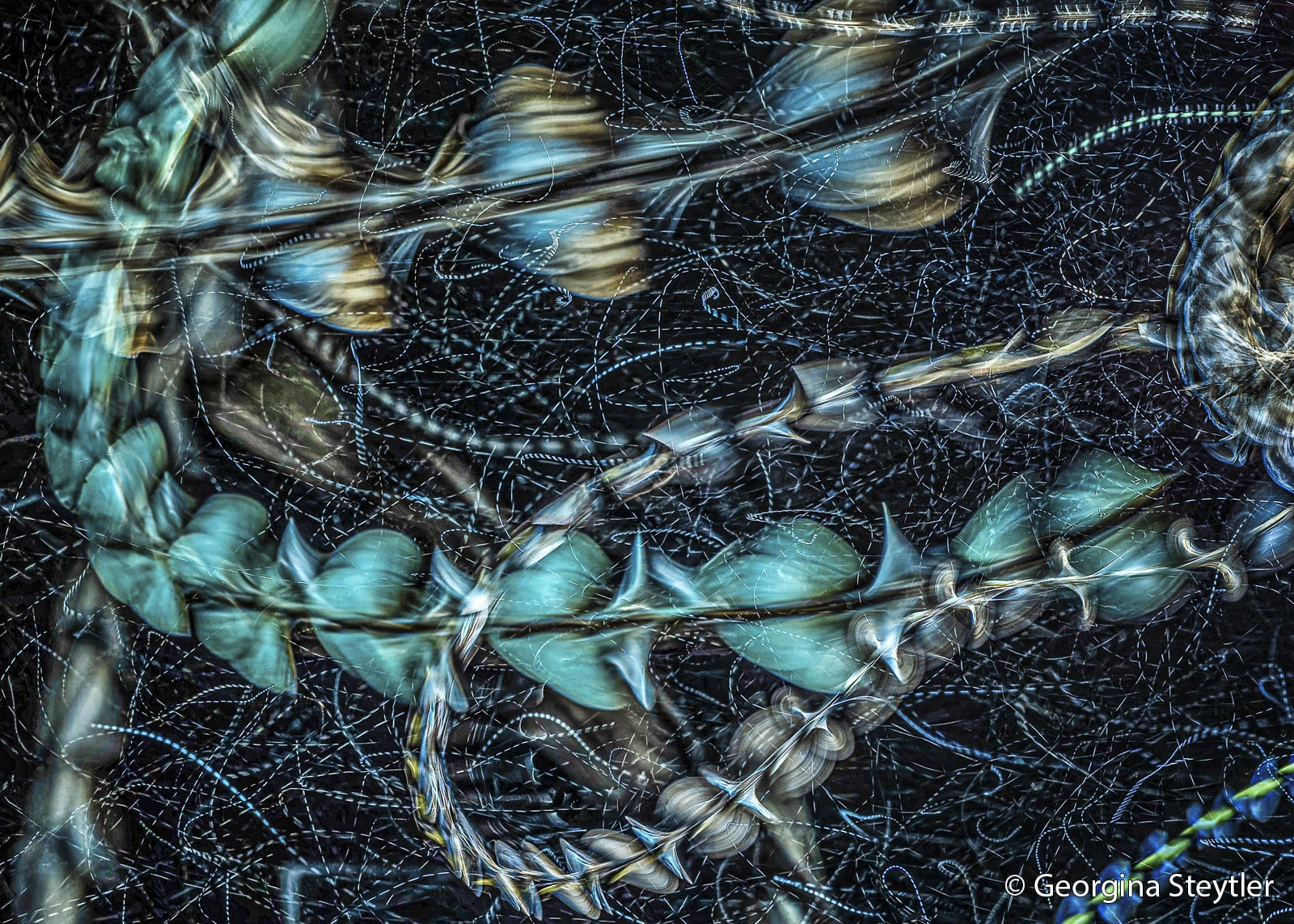
Georgina Steytler used a streetlight, a long lens and a half-second exposure to record colourful insect trails. “Insect Trails”, winner of Macro, works both as nature observation and as an abstract image revealing movement invisible to the naked eye.
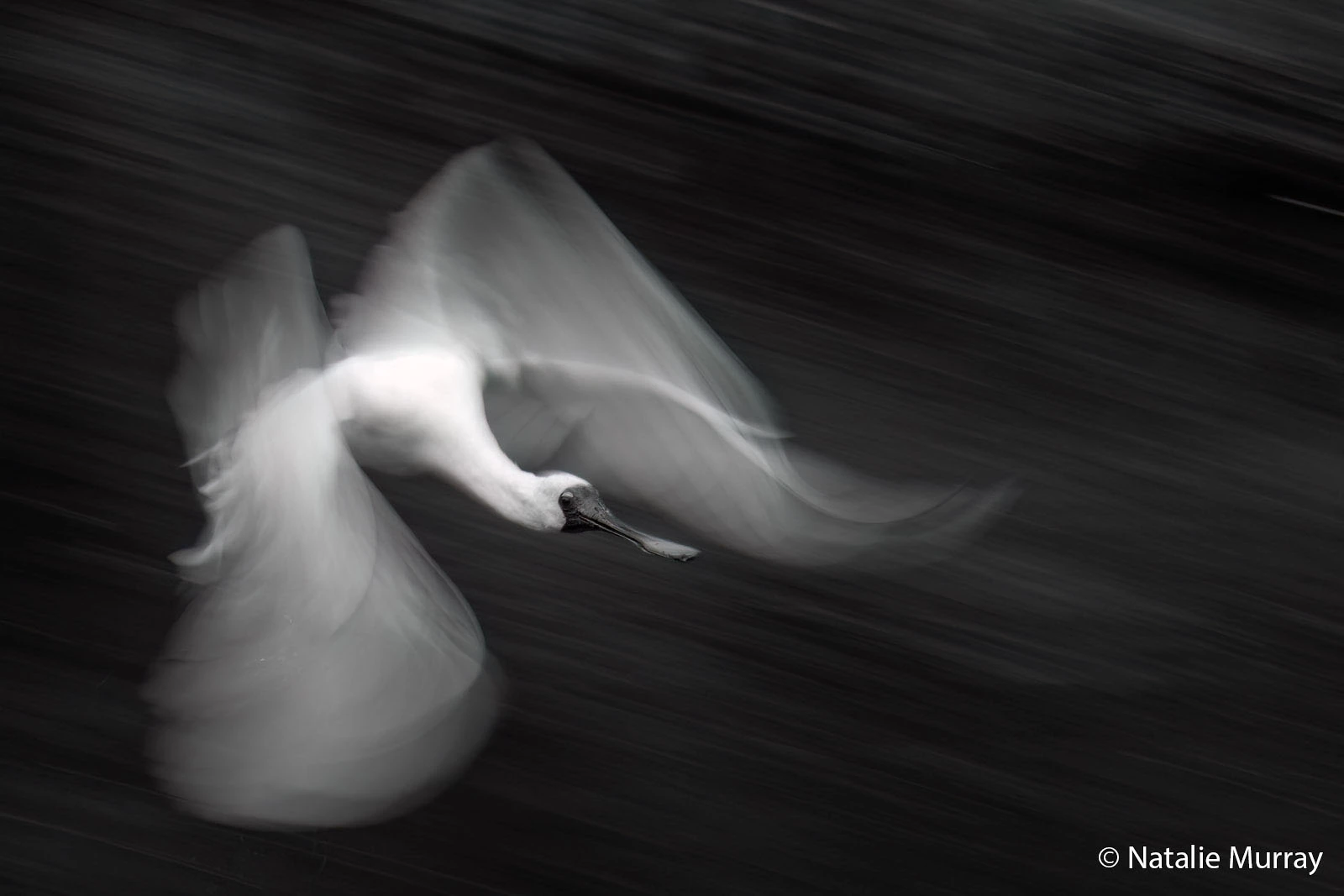
Natalie Murray won Monochrome with “Flight of Fantasy”. Panning at 1/15 sec turned the body and wings of a royal spoonbill into luminous motion while keeping its face sharp enough to anchor the image.
The images that confront danger directly
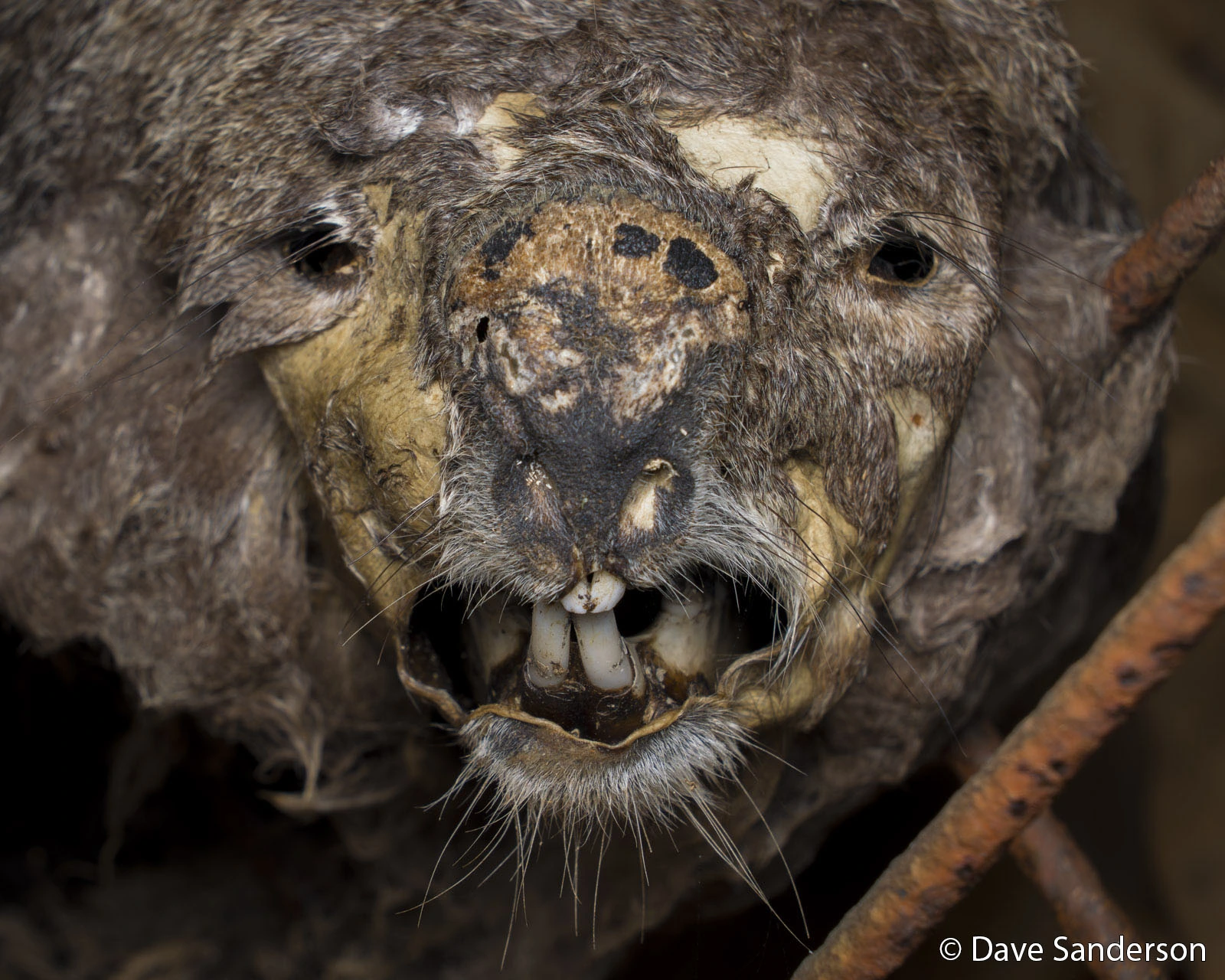
Dave Sanderson’s “Neglect” is the most difficult photograph in this year’s selection. A juvenile koala died after becoming trapped on exposed construction-site rebar in Brisbane. The image won Our Impact because it turns a specific, preventable death into a clear statement about the responsibility that comes with development.
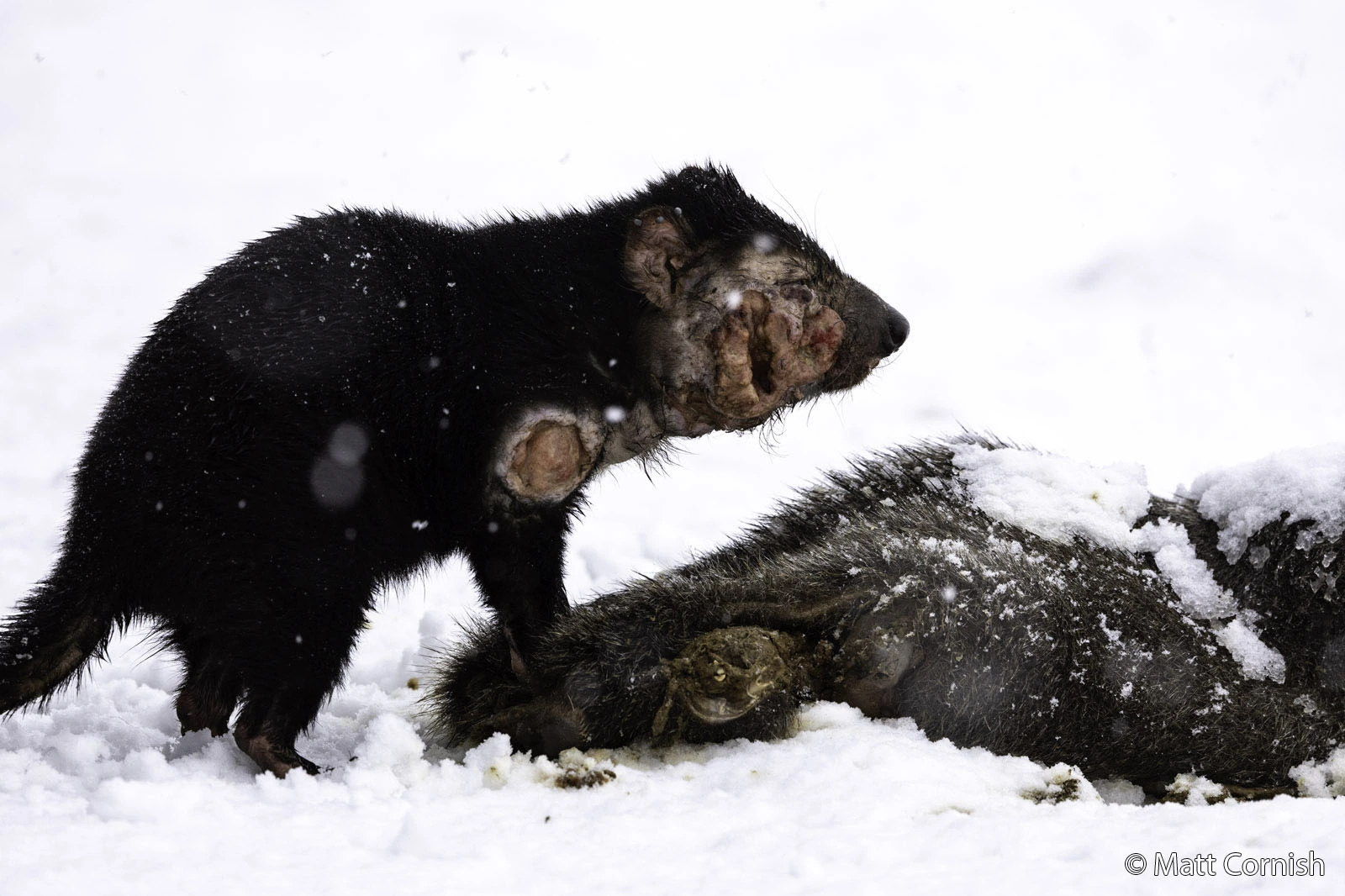
Equally hard to view is Matt Cornish’s “Resilience: A Fight for Survival”, winner of Threatened Species. An endangered Tasmanian devil visibly affected by devil facial tumour disease feeds from a wombat carcass during a central Tasmanian winter. The image does not romanticise survival, which is why it remains memorable.
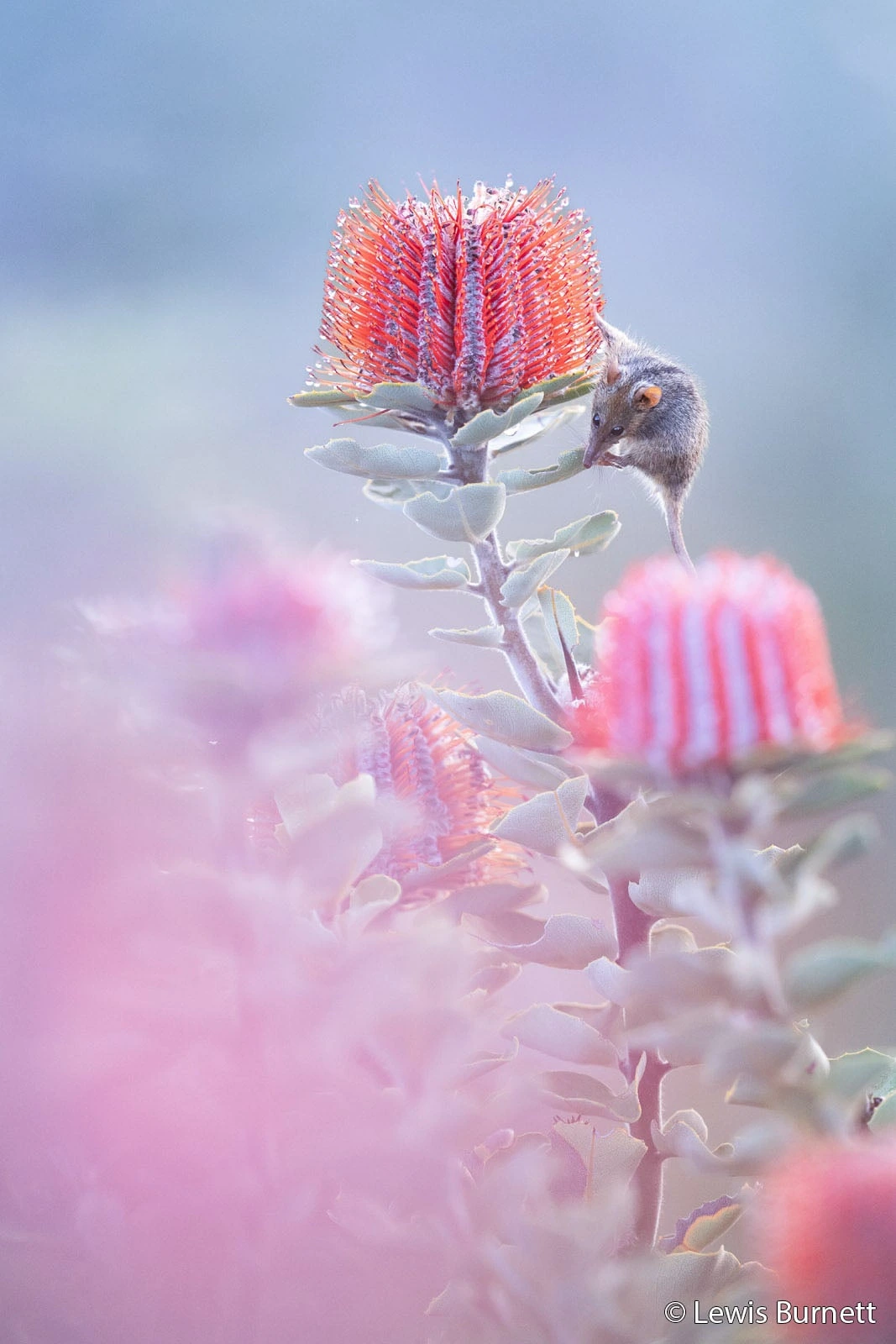
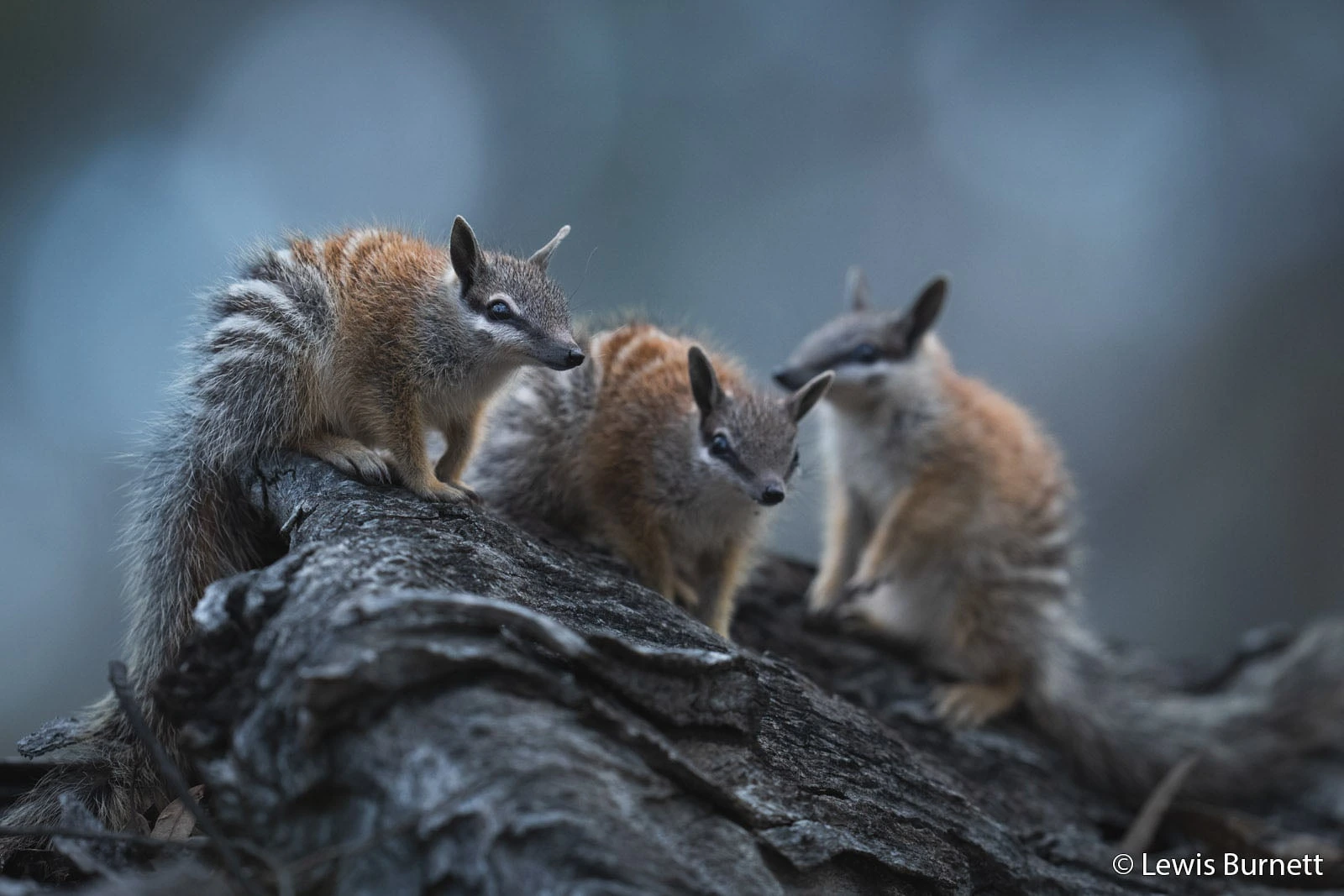
Lewis Burnett’s “Our Island Ark”
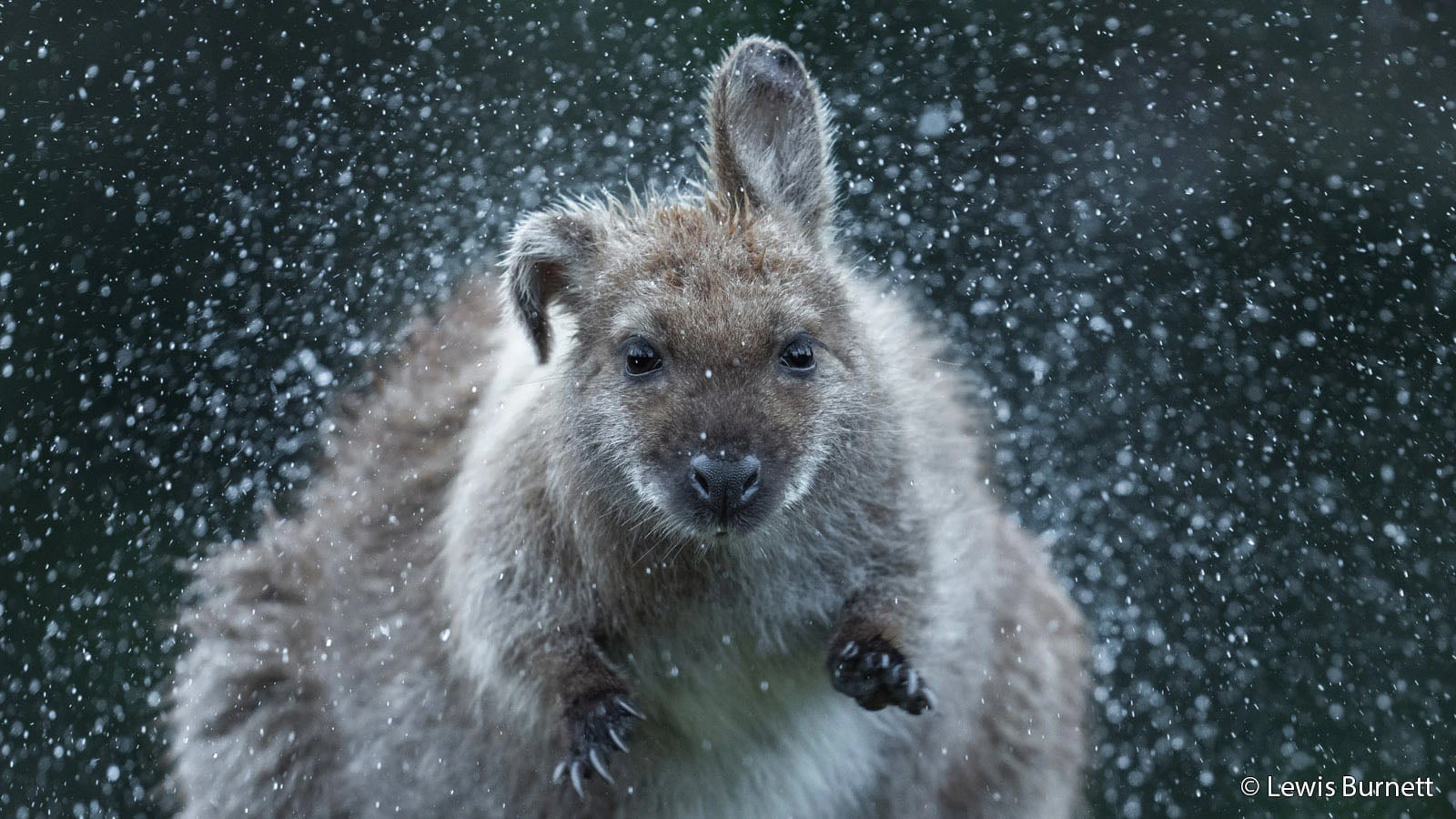
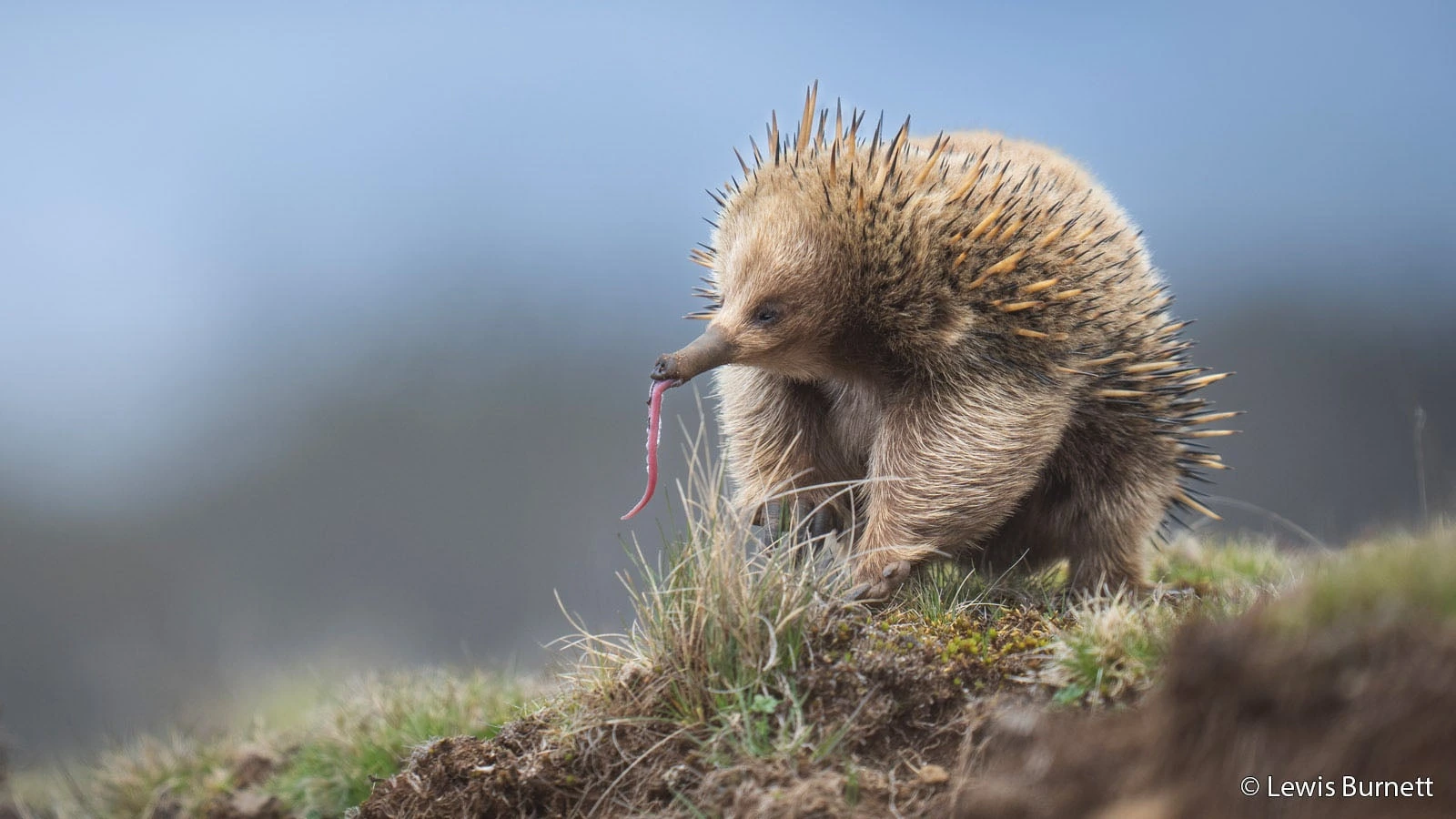
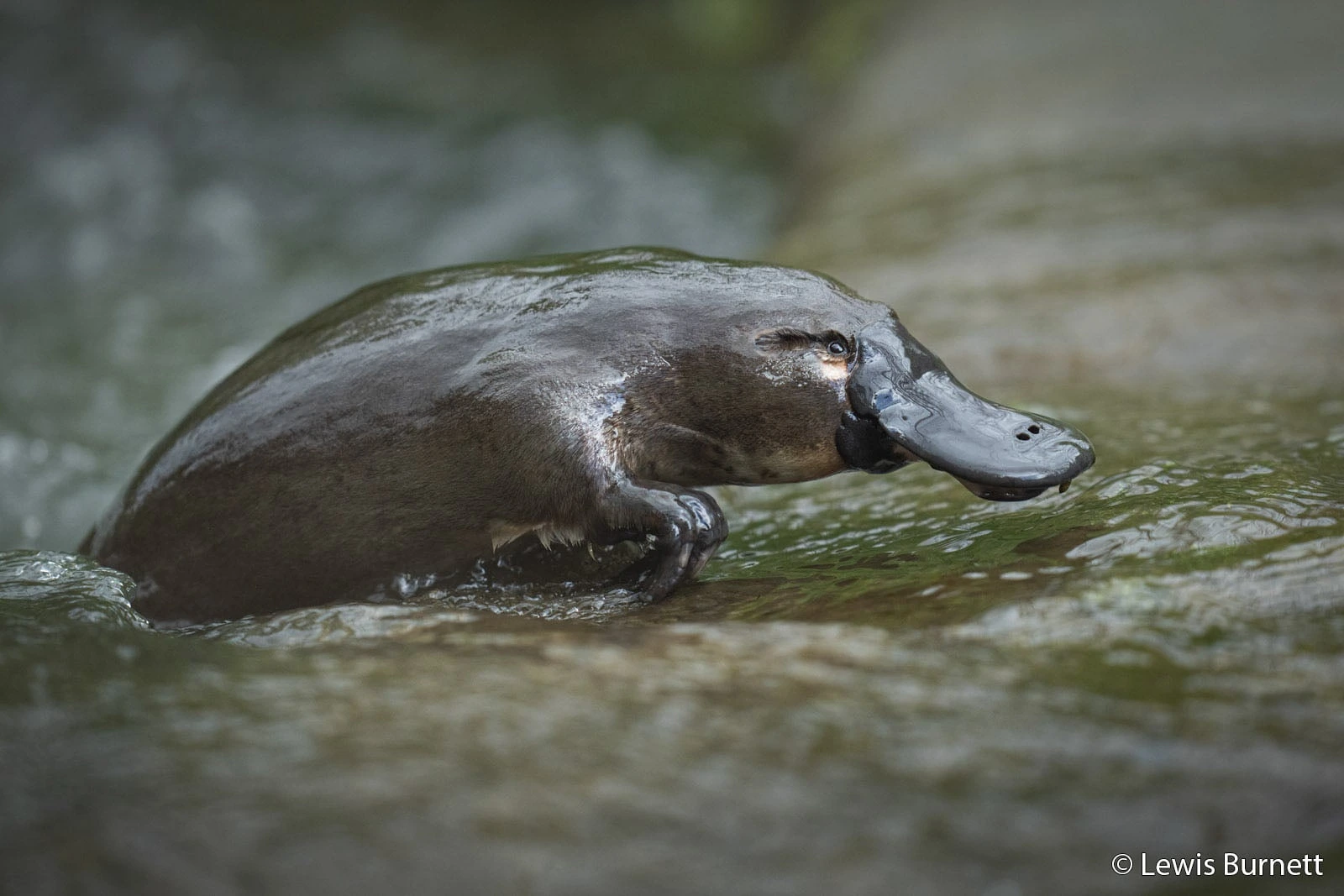
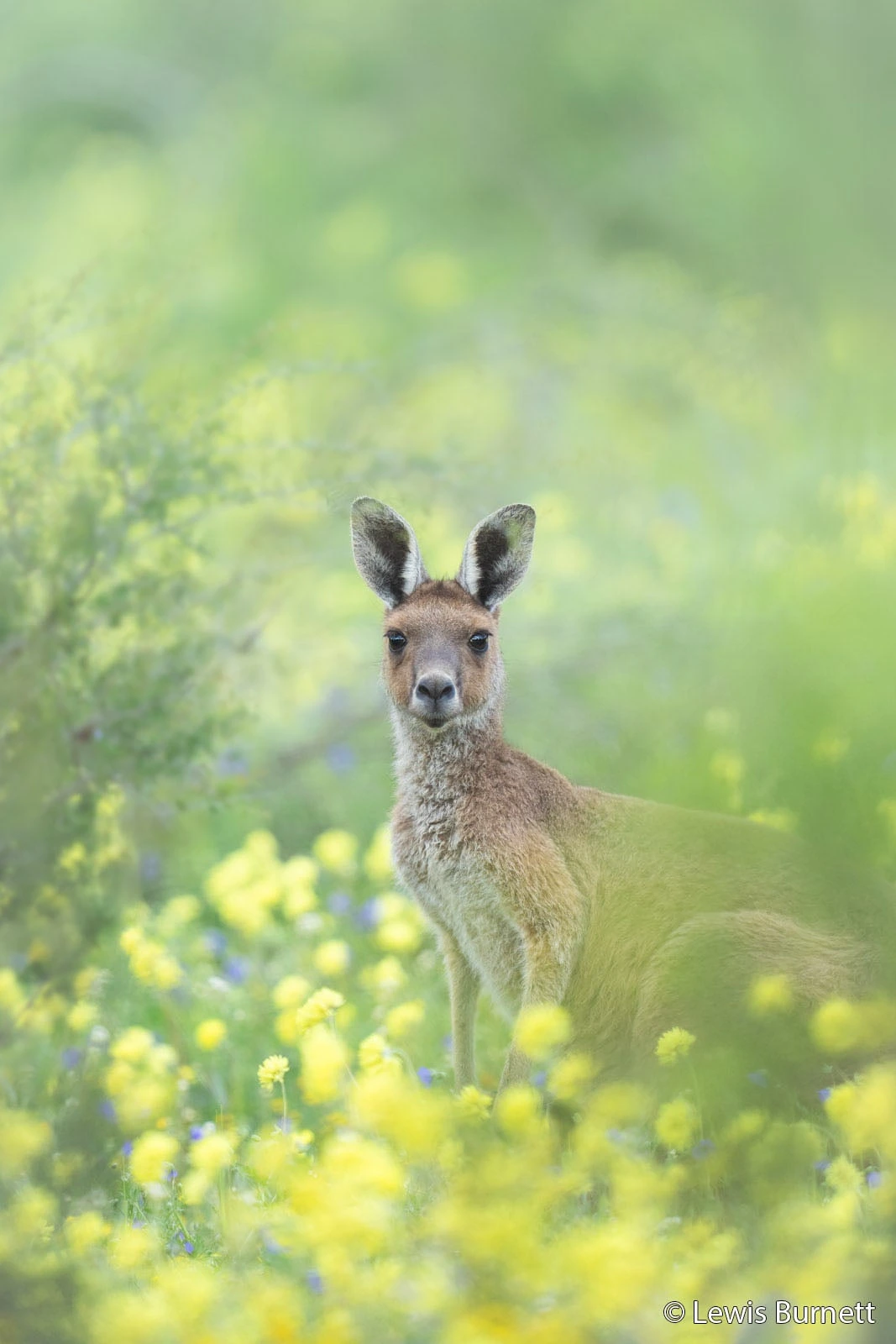
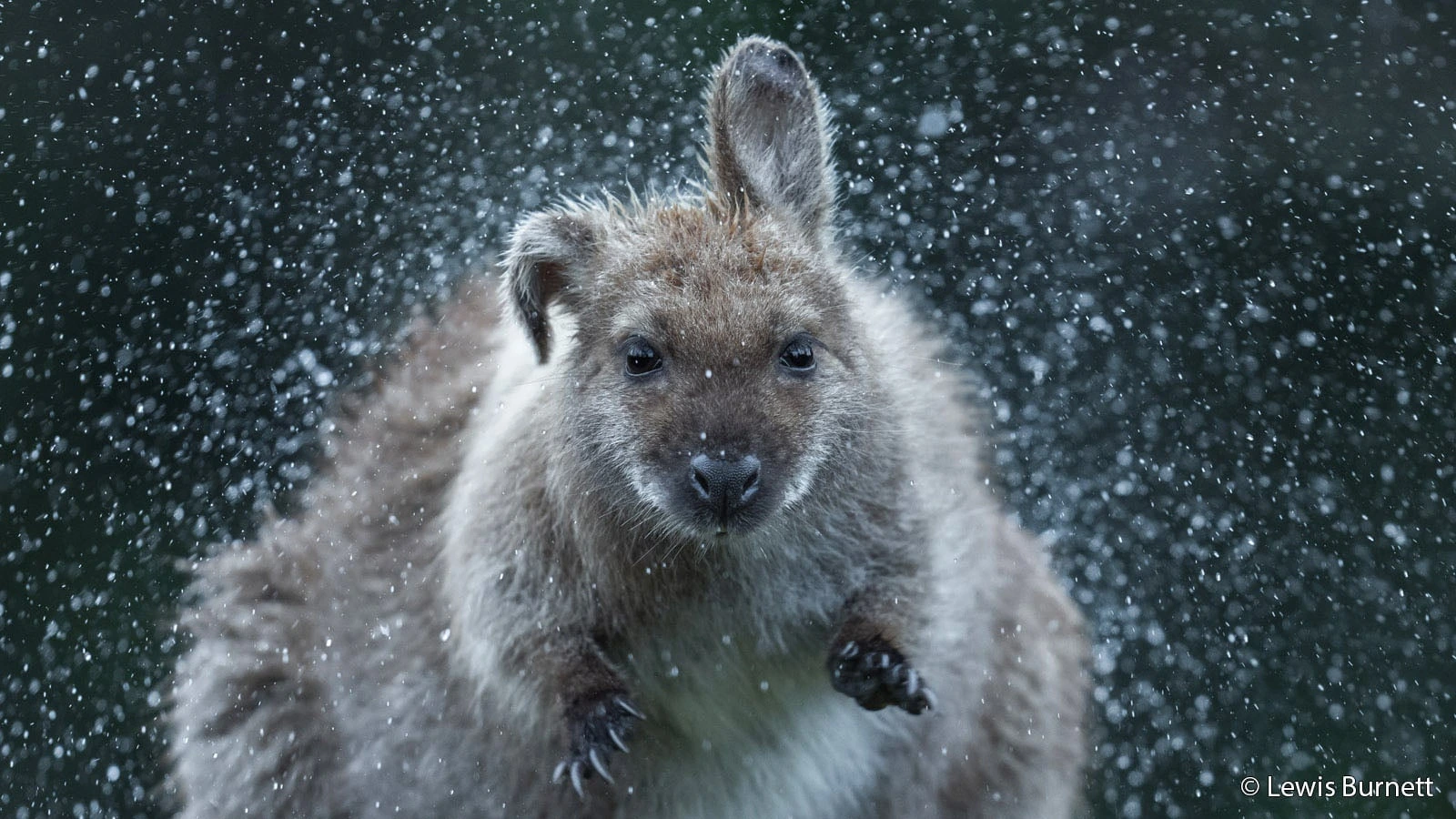
The Portfolio prize went to Lewis Burnett for “Our Island Ark”, a six-image celebration of Australia’s distinctive fauna. The series moves from the tiny honey possum to the platypus and wallaby, maintaining consistent technique and close observation of behaviour.
The full winners announcement
The South Australian Museum presented the winners in an official video announcement featuring the photographs and the reasoning behind this year’s selection.
2,129 entries and a stronger emphasis on ethics
The competition, owned and produced by the South Australian Museum, is in its 23rd year. The 2026 edition received 2,129 entries from 501 photographers in 17 countries, covering Australia, New Zealand, Antarctica and New Guinea — the ANZANG bioregion.
The rules placed particular weight on ethical practice. Lures are prohibited in the Animal Behaviour and Animals in Nature categories, and disturbance to subjects must be minimal. In Threatened Species, careful handling of location information is intended to avoid creating new risks for vulnerable populations.
The judging panel comprised landscape and aerial photographer Mieke Boynton, 2025 winner Ross Gudgeon and multi-award-winning nature photographer Jake Wilton. Open-category winners received AU$1,500 each, while the Junior prize was AU$500.
The exhibitions in Adelaide and Sydney
The 100 shortlisted images are on display at the South Australian Museum in Adelaide from 29 August 2026 to 14 February 2027, daily from 10am to 5pm. Adult admission is AU$16, concessions, seniors and students pay AU$14, and children under 12 enter free when accompanied by a paying adult. More information and booking are available on the official exhibition page.
The exhibition also runs at the Australian Museum in Sydney from 12 September 2026 to 14 February 2027. The People’s Choice award is expected to be announced in early January.
What we think
“Ethereal Encounter” succeeds because subject rarity, compositional clarity and the water’s unusual colour work together without requiring excessive processing. The wider selection matters just as much: the competition treats nature not only as spectacle, but as a field of responsibility, technical experimentation and documentation. Its explicit emphasis on ethical image-making is one of the most meaningful features of the 2026 edition.
Frequently asked questions
Who won the 2026 Australian Geographic Nature Photographer of the Year?
Matt Deakin won the overall title with the aerial photograph “Ethereal Encounter”.
What does the winning photograph show?
It shows a critically endangered green sawfish swimming among green turtles in the Pilbara waters of Western Australia.
What equipment was used?
A DJI Mavic 3 Pro with the Hasselblad L2D-20c aerial camera, at 1/200 sec, f/3.2 and ISO 100.
How many entries did the competition receive?
The competition received 2,129 entries from 501 photographers in 17 countries.
When and where can the exhibition be seen?
At the South Australian Museum in Adelaide from 29 August 2026 to 14 February 2027, and at the Australian Museum in Sydney from 12 September 2026 to 14 February 2027.