

Summary
- The 4th experiential photography workshop will take place in Petrousa from January 5 to 8, 2027.
- Participation is free and up to three photographers will be selected through a portfolio review.
- Applications with 12–15 photographs close on Sunday, November 8, 2026.
- George Tsafos is the instructor, with a focus on photojournalism and human-centred storytelling.
- What the 4th experiential workshop offers
- Who can submit a portfolio
- Free participation, with travel and accommodation at participants’ expense
- Babinten as living cultural heritage
- Why photography here requires participation, not simple observation
- From fieldwork to the archive and exhibitions
- Key dates and requirements
- What we think
- Frequently asked questions
Event Details
The Cultural Association of Petrousa is opening up to three places for the 4th experiential photography workshop at Babinten, taking place from January 5 to 8, 2027, with free participation and photographer George Tsafos as instructor.
The four-day workshop will run in Petrousa, Drama, alongside the major local celebration and will focus on a photojournalistic, human-centred documentation of the custom. Applicants must email a portfolio of 12–15 low-resolution photographs to [email protected] by Sunday, November 8, 2026.
The importance of the initiative goes beyond an organised photography outing. Babinten was added to Greece’s National Inventory of Intangible Cultural Heritage in October 2025, so the images produced can serve at once as personal narratives, contemporary records and material for the community archive.
What the 4th experiential workshop offers
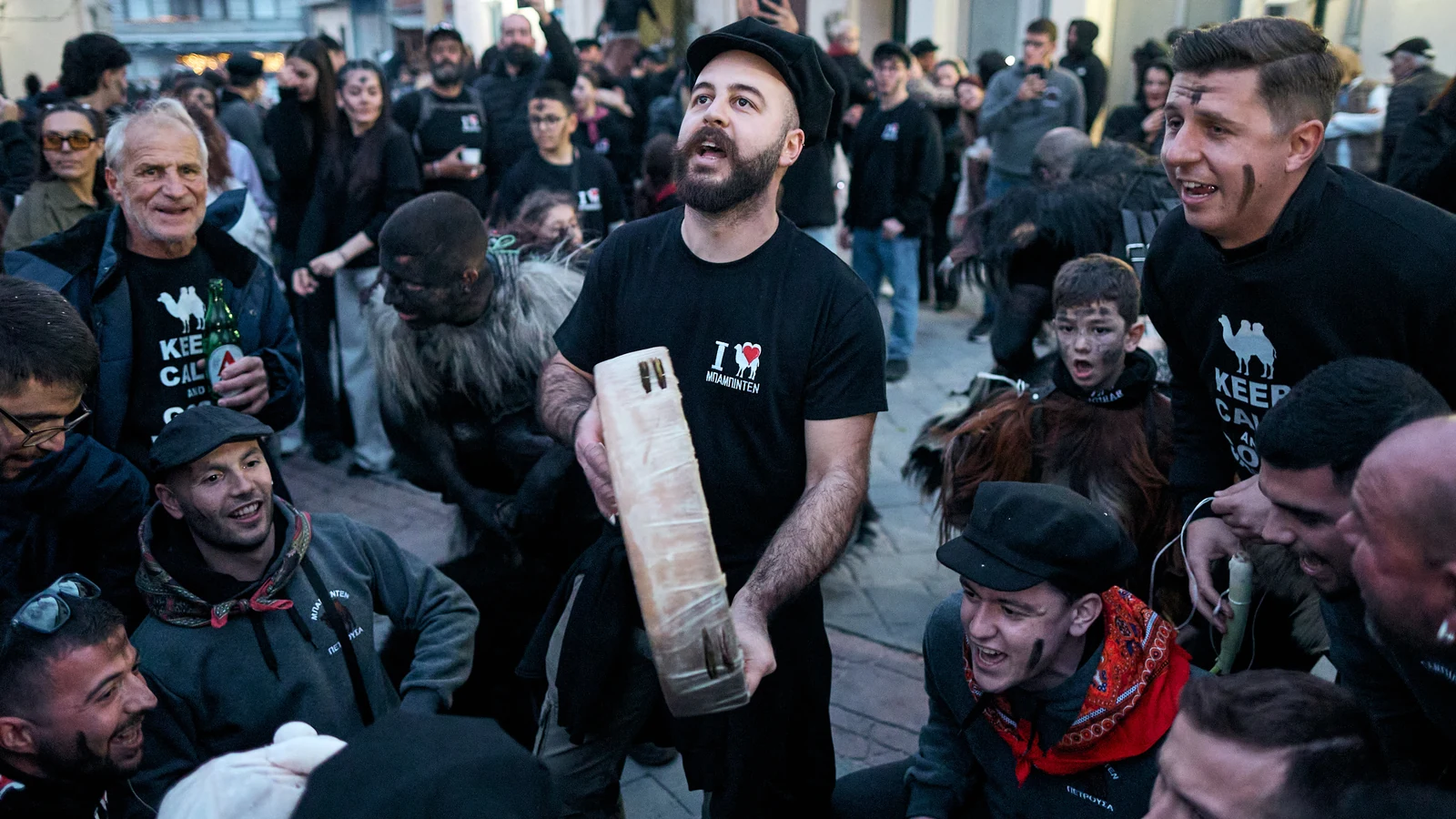
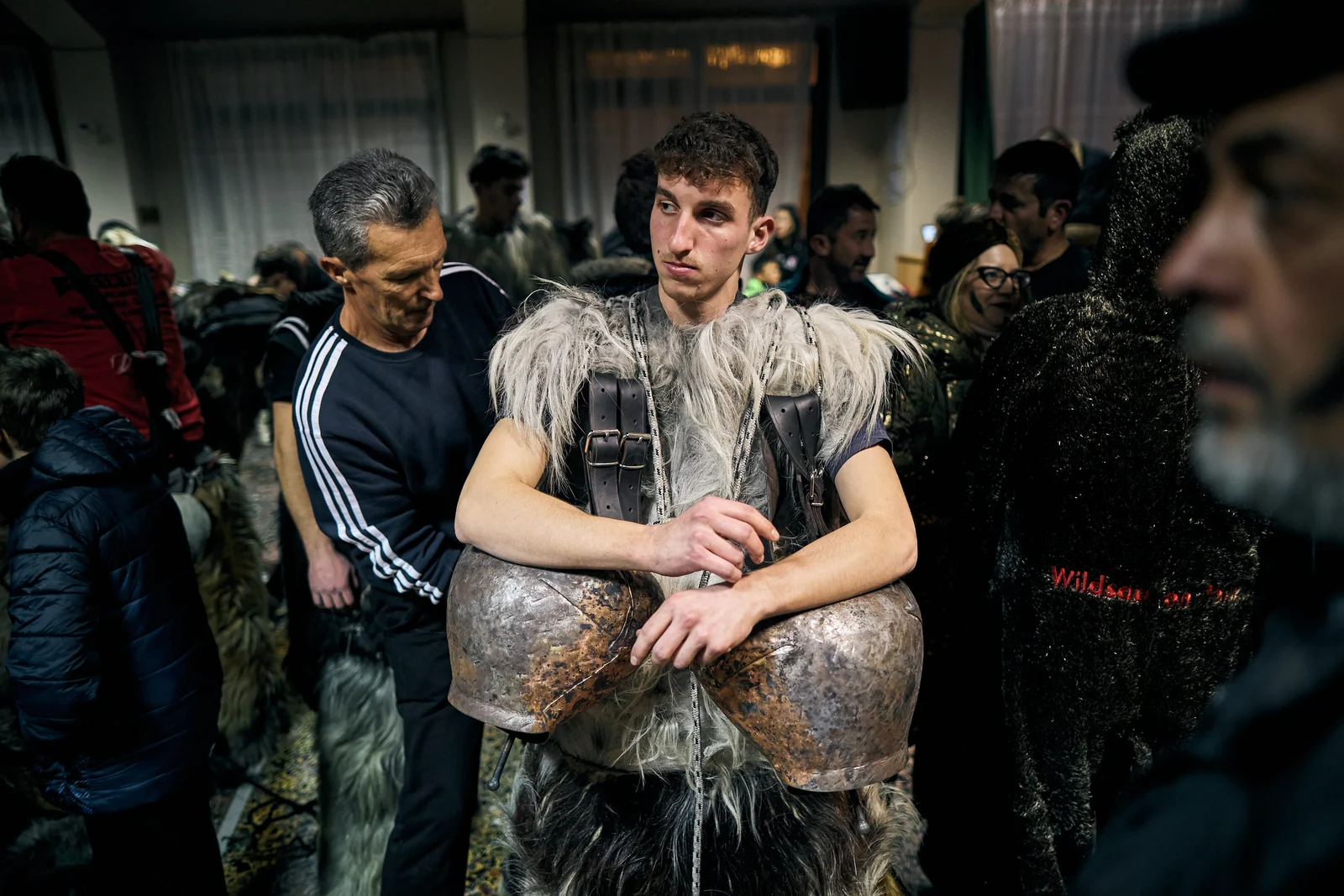
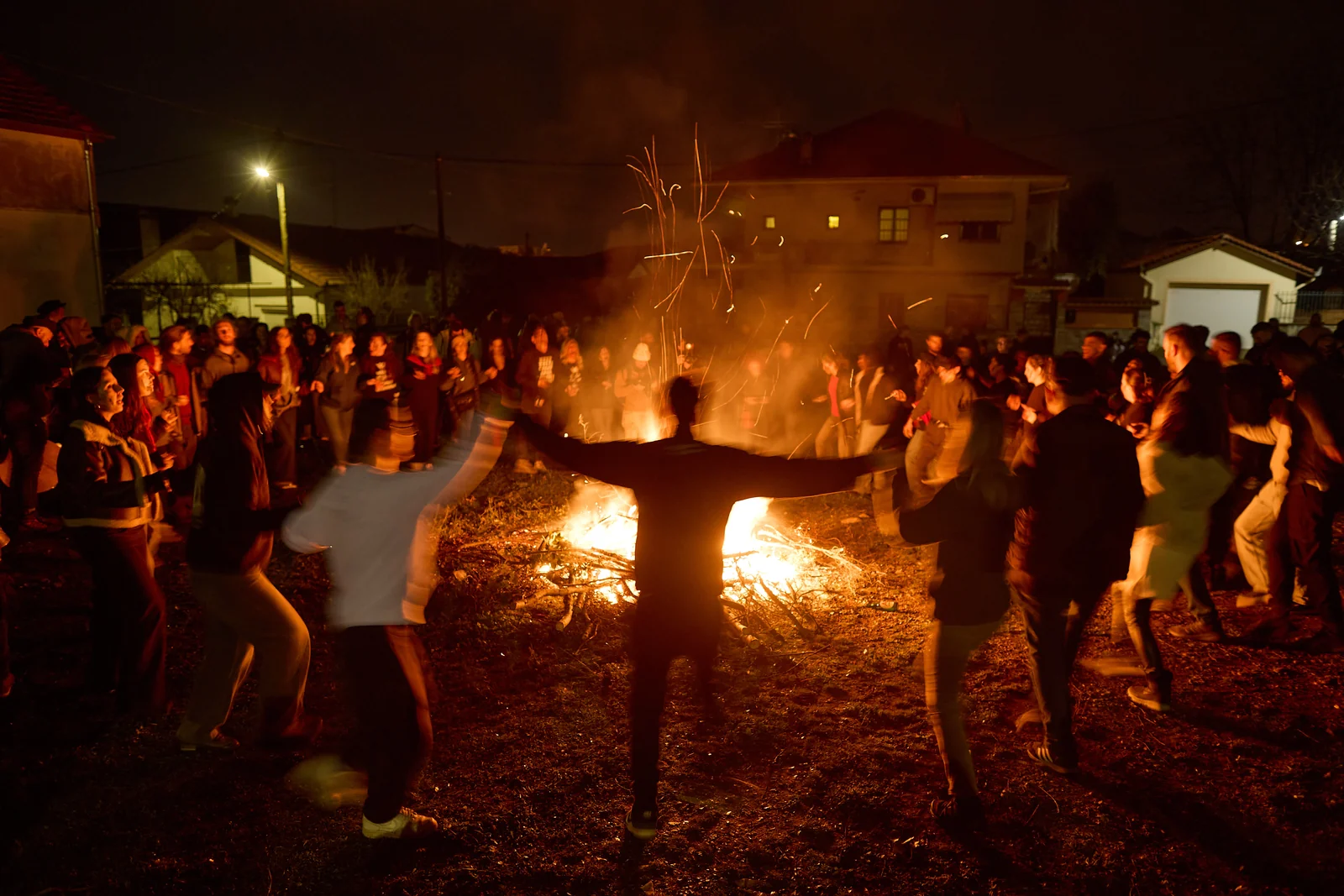
This is not a classroom-based seminar. Photography takes place inside the event itself—in streets, homes, processions and celebrations—with participants expected to follow the unfolding action and build a coherent photographic narrative.
The fieldwork will not be limited to Petrousa. According to the official invitation, the group will also travel to nearby villages where similar customary events take place. This broadens the range of subjects, but also raises the technical demands: rapidly changing light, night scenes, moving people, dense crowds and moments that cannot be repeated for the camera.
As in previous years, the instructor will be George Tsafos, who has worked extensively on the documentation of traditions, customs and folk events across Greece. PTTL also covered the previous experiential photography workshop in Petrousa; the 2027 edition is the fourth instalment of the initiative.
Who can submit a portfolio
The call is aimed at advanced amateur and professional photographers. Applicants must be completely familiar with their own equipment and have a working knowledge of photographic composition and technique. The organisers are looking for people willing not merely to observe from the sidelines but to participate actively in the festive environment.
The portfolio must contain 12–15 low-resolution photographs and be sent to [email protected] by Sunday, November 8, 2026. The images should relate to photojournalism and human-centred or narrative photography. The invitation specifically notes that landscape series or drone photographs do not match the selection’s intended character.
The instructor will assess the submissions and select up to three participants according to their visual approach and the relevance of their work to the subject. Those selected will be notified no later than November 12, 2026, giving them time to arrange travel and accommodation.
Free participation, with travel and accommodation at participants’ expense
Participation in the workshop is entirely free. Travel to and from Petrousa, local transport and accommodation are not included and must be arranged and paid for by the participants. Applicants should factor these practical requirements into their decision before submitting a portfolio.
An online preparation meeting will be scheduled after the selection. A member of the Cultural Association of Petrousa and an anthropologist will introduce the historical course and character of the event, giving photographers meaningful context before they arrive in the field rather than only a general shooting plan.
Babinten as living cultural heritage
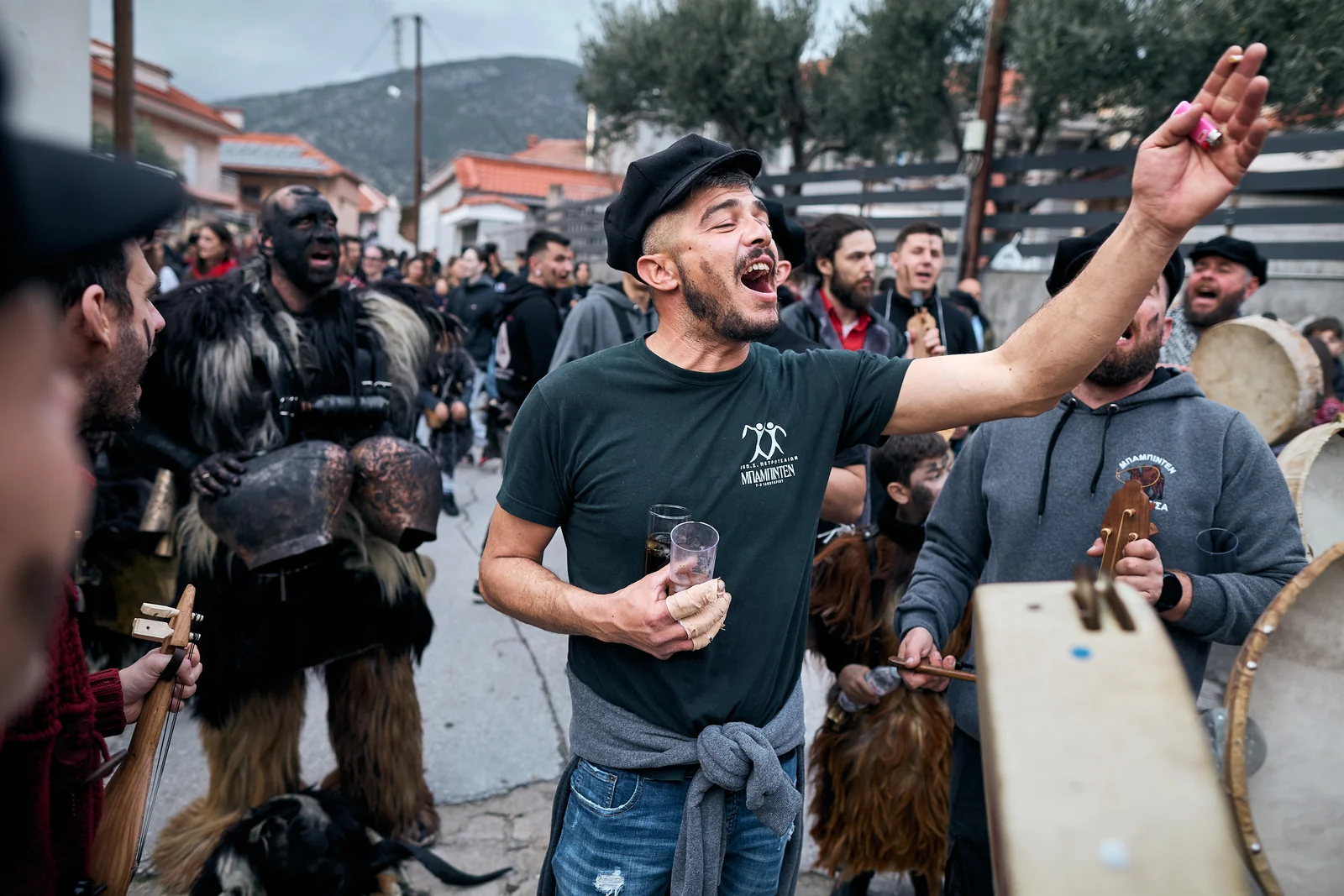
The Greek Ministry of Culture describes Babinten as a cultural phenomenon held in Petrousa on January 6, 7 and 8 and as the local community’s most important festive celebration. Residents take part in processions, dances and communal festivities over three days.
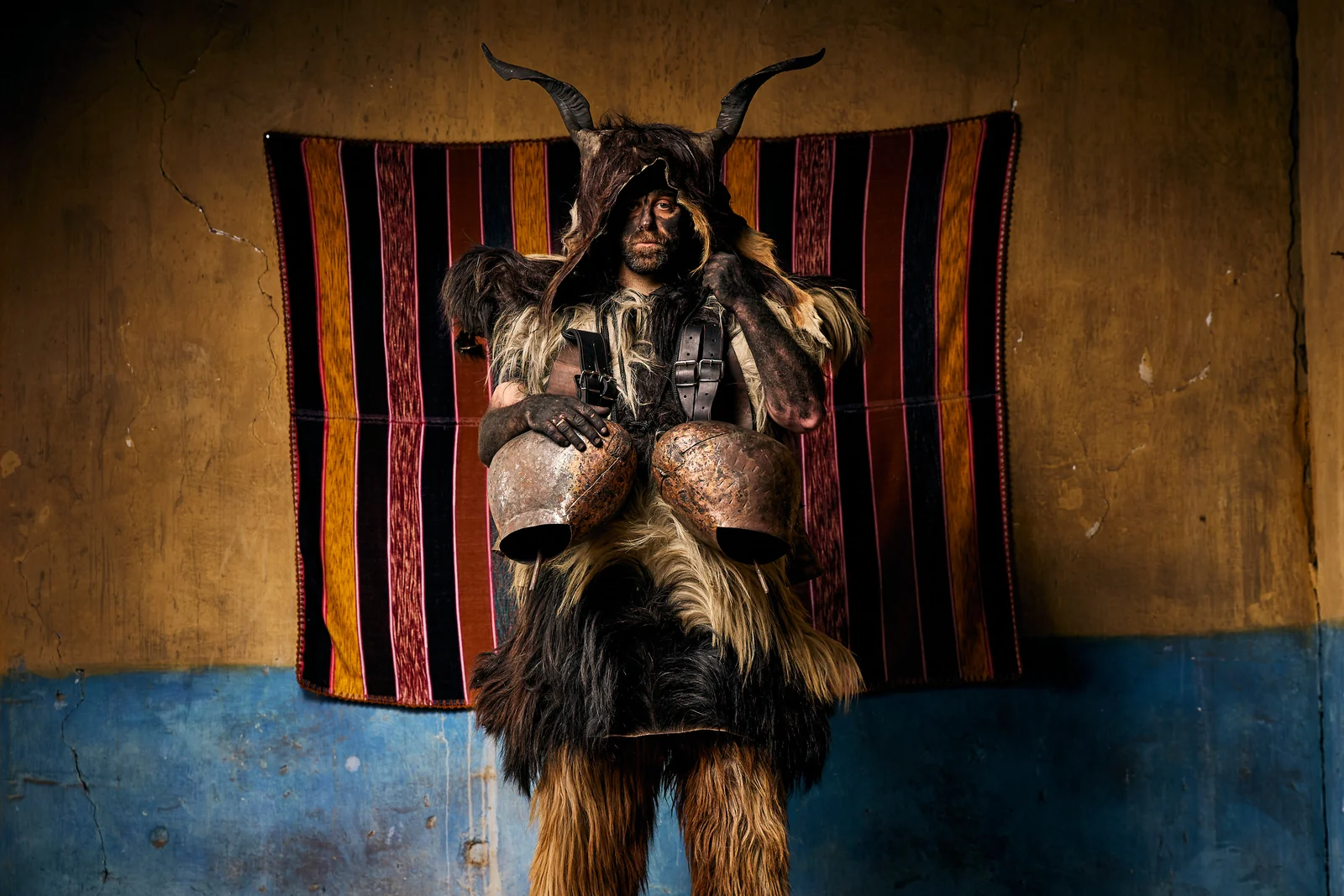
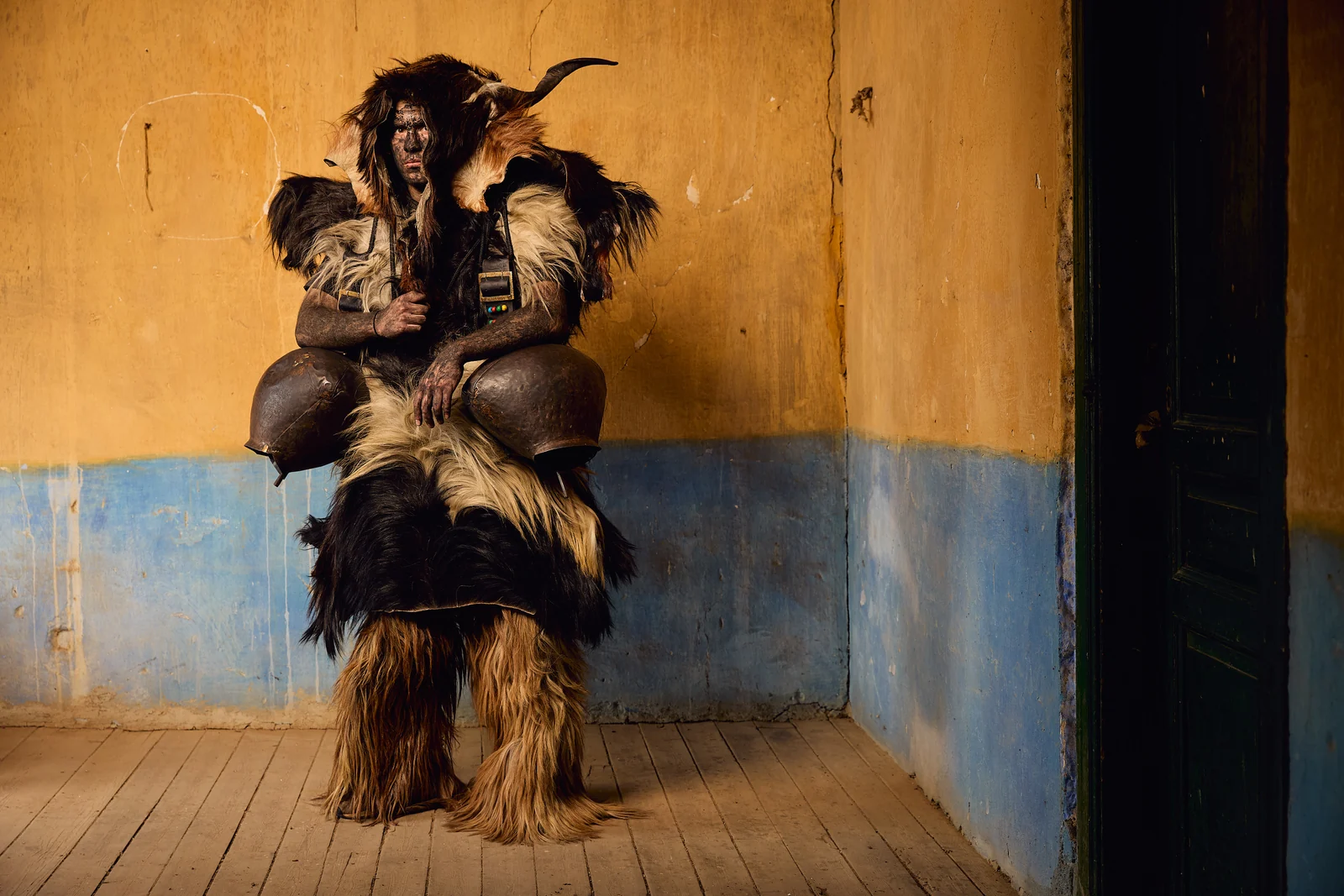
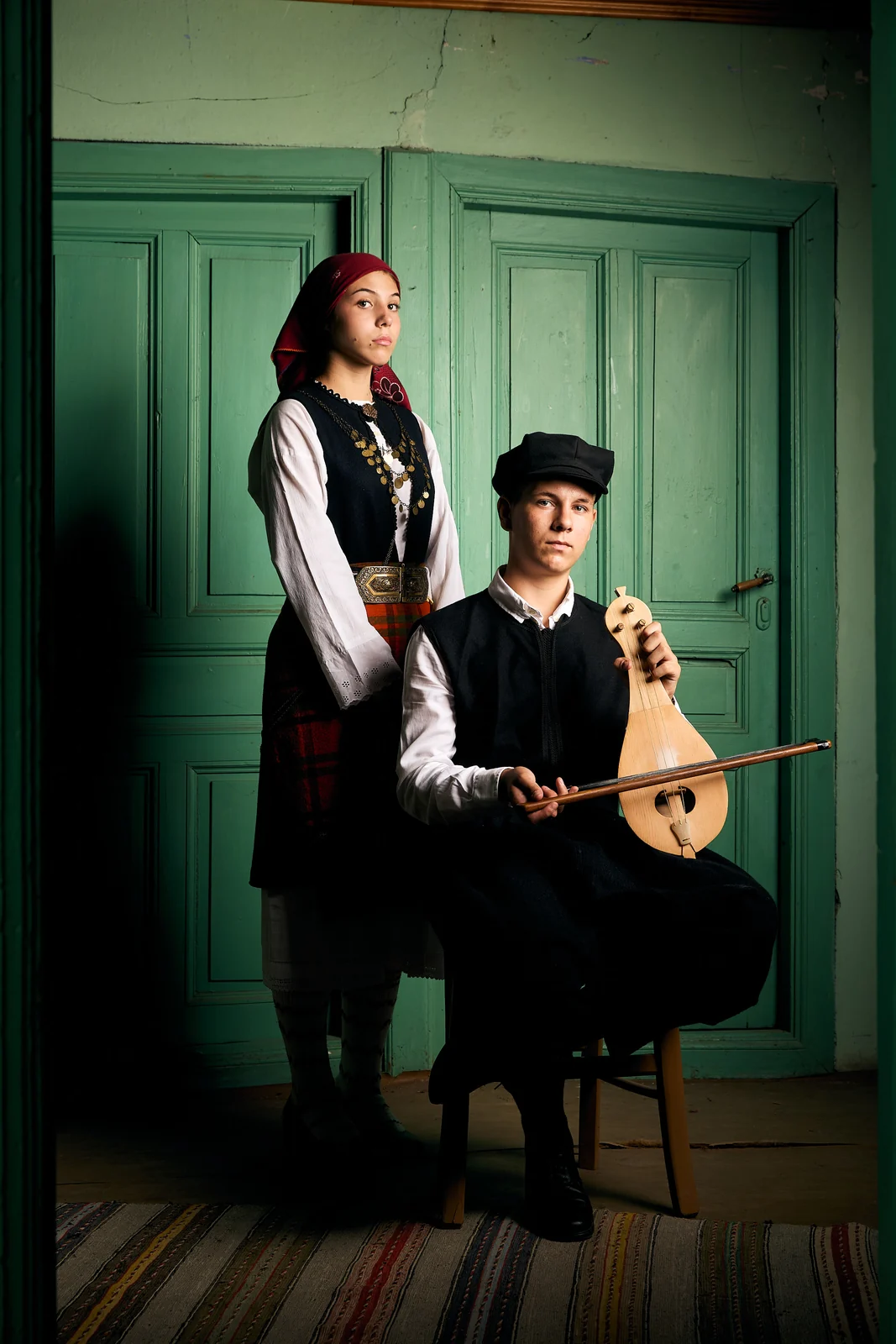
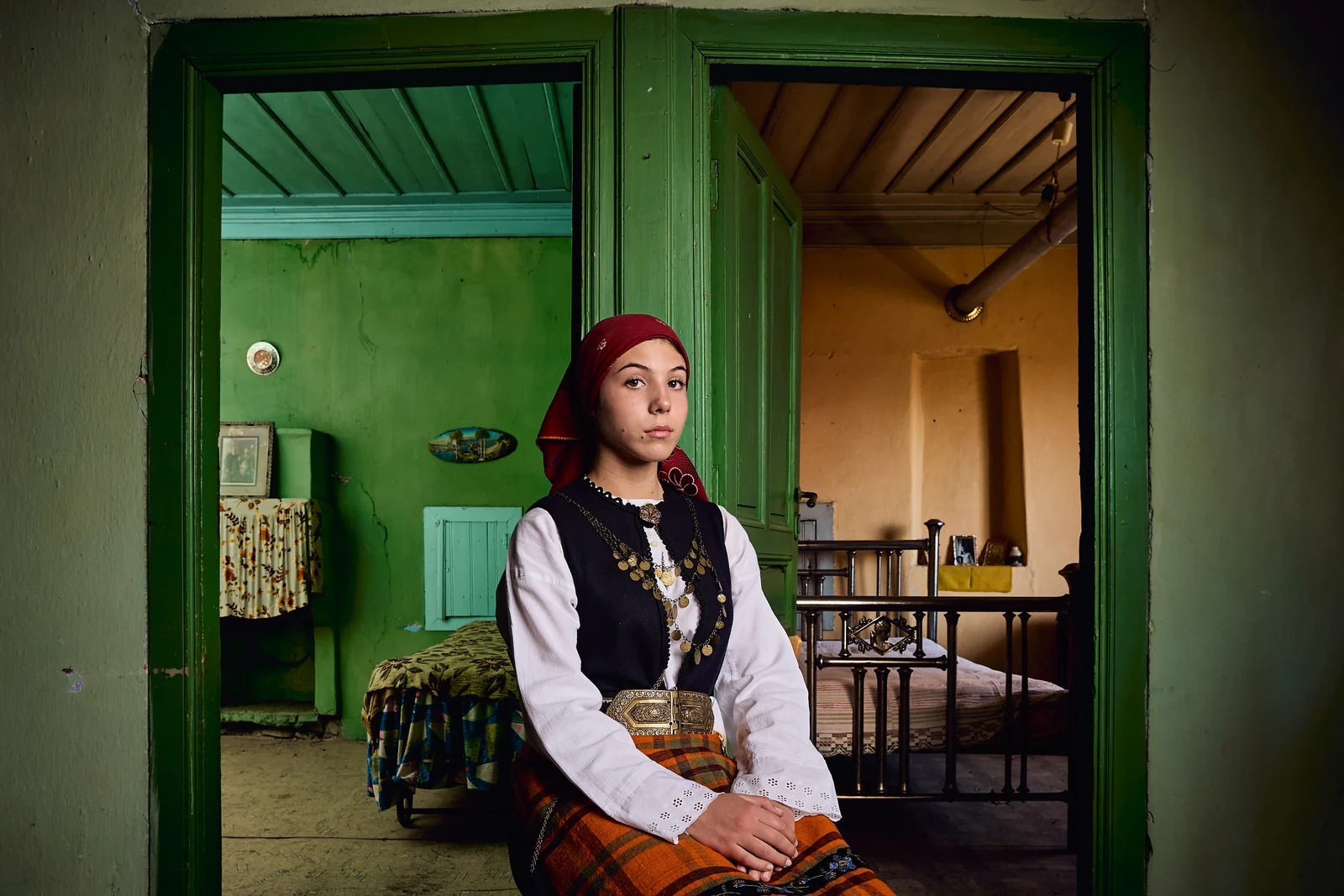
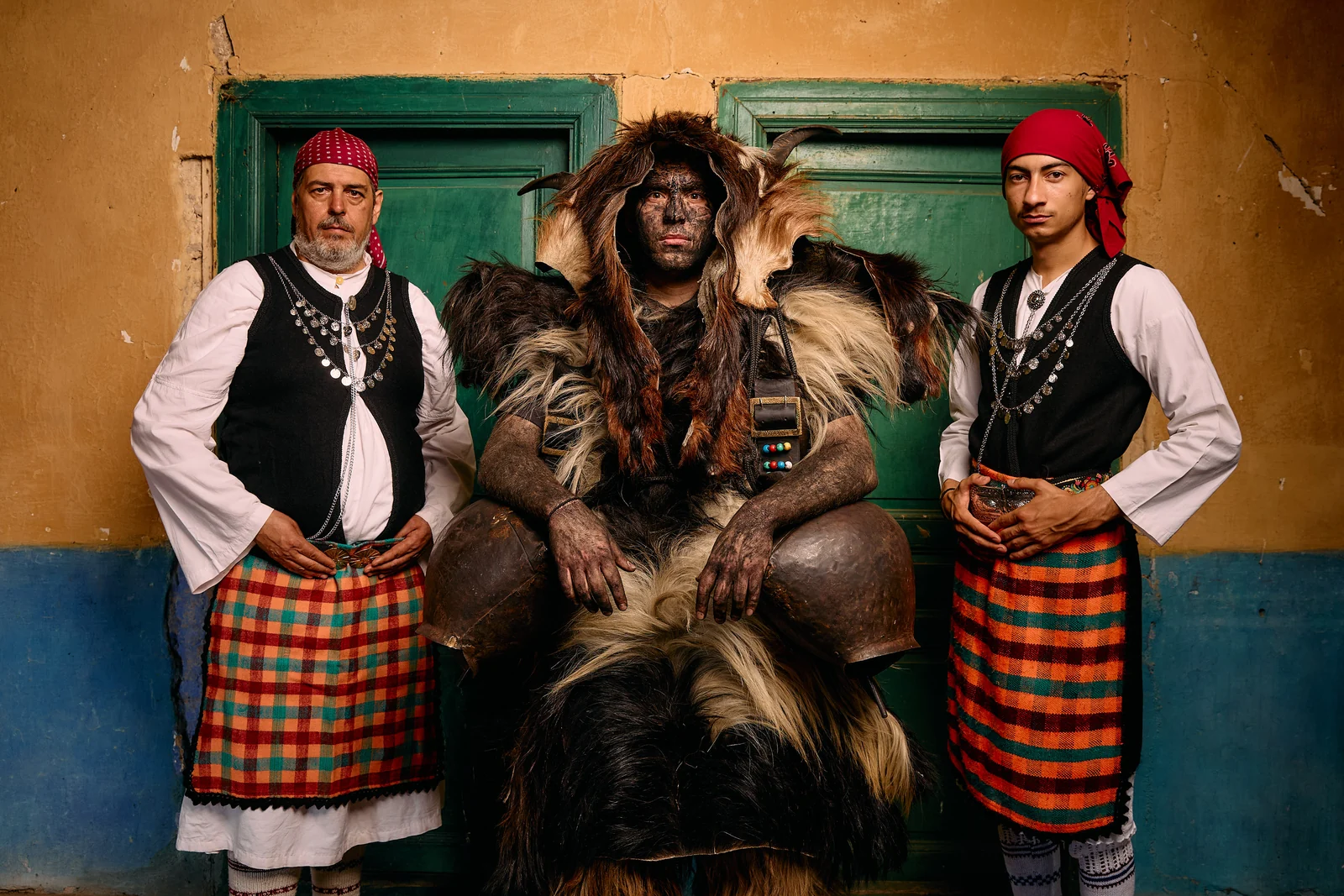
The defining elements include the lyres and ntahare frame drums of the local musical ensemble, costumed Arapides, effigies and prasoforoi, the camel figure that leads the neighbourhood rounds, as well as local dances and melodies. The celebration remains dynamic: it is shaped by the participation and mood of the people, so no two years unfold in exactly the same way.
Why photography here requires participation, not simple observation
In documentary photography, access to a community and an understanding of its rhythm matter as much as technical ability. This workshop emphasises a human-centred approach: faces, gestures, relationships, preparation and the transitions between events are what can turn a collection of striking individual pictures into a complete photographic report.
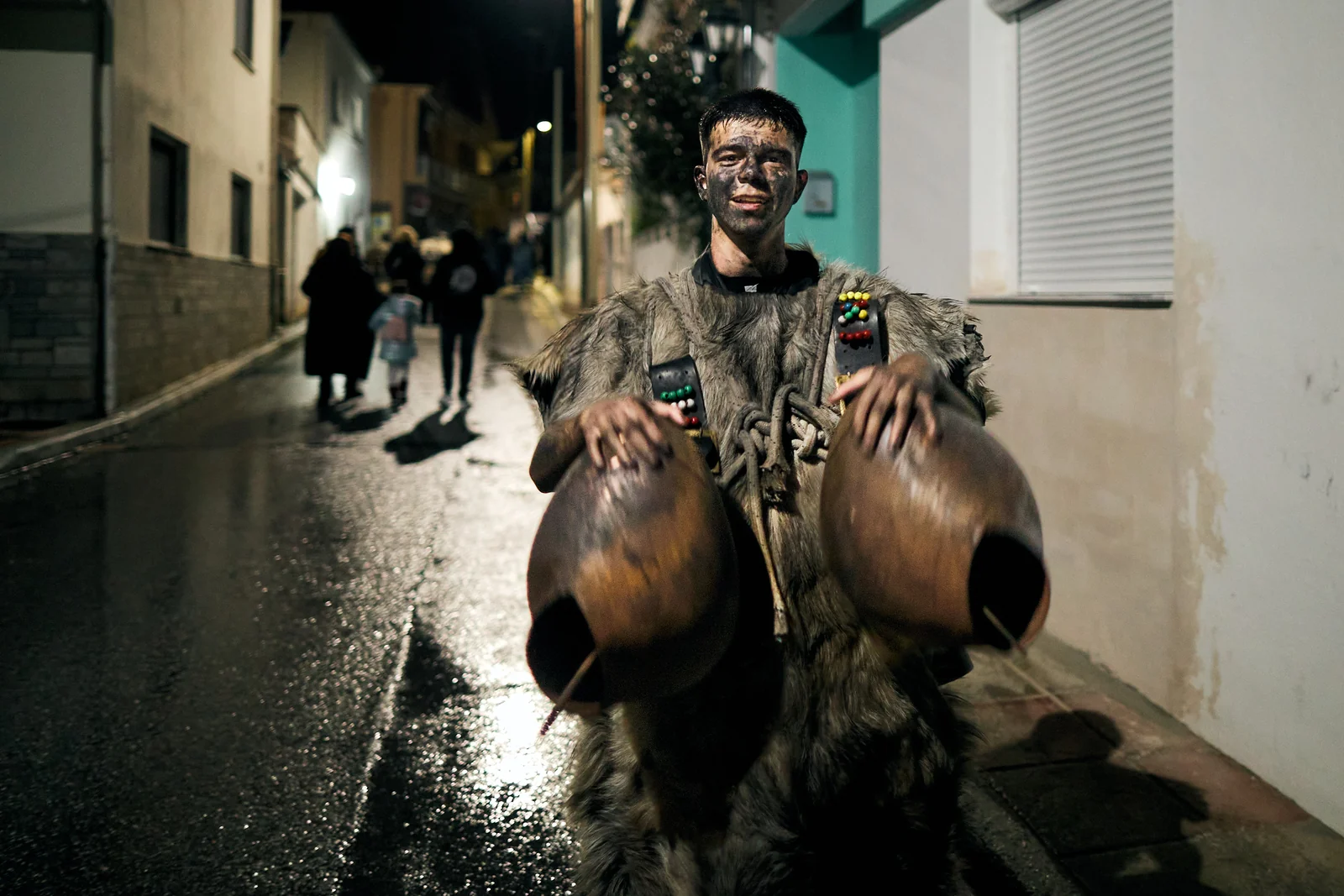
Four days in the field allow participants to work beyond the most obvious highlights. Quiet moments before a procession, the preparation of costumes, contact between generations and the return of everyday life between celebrations can become the links that give a story a beginning, development and conclusion.
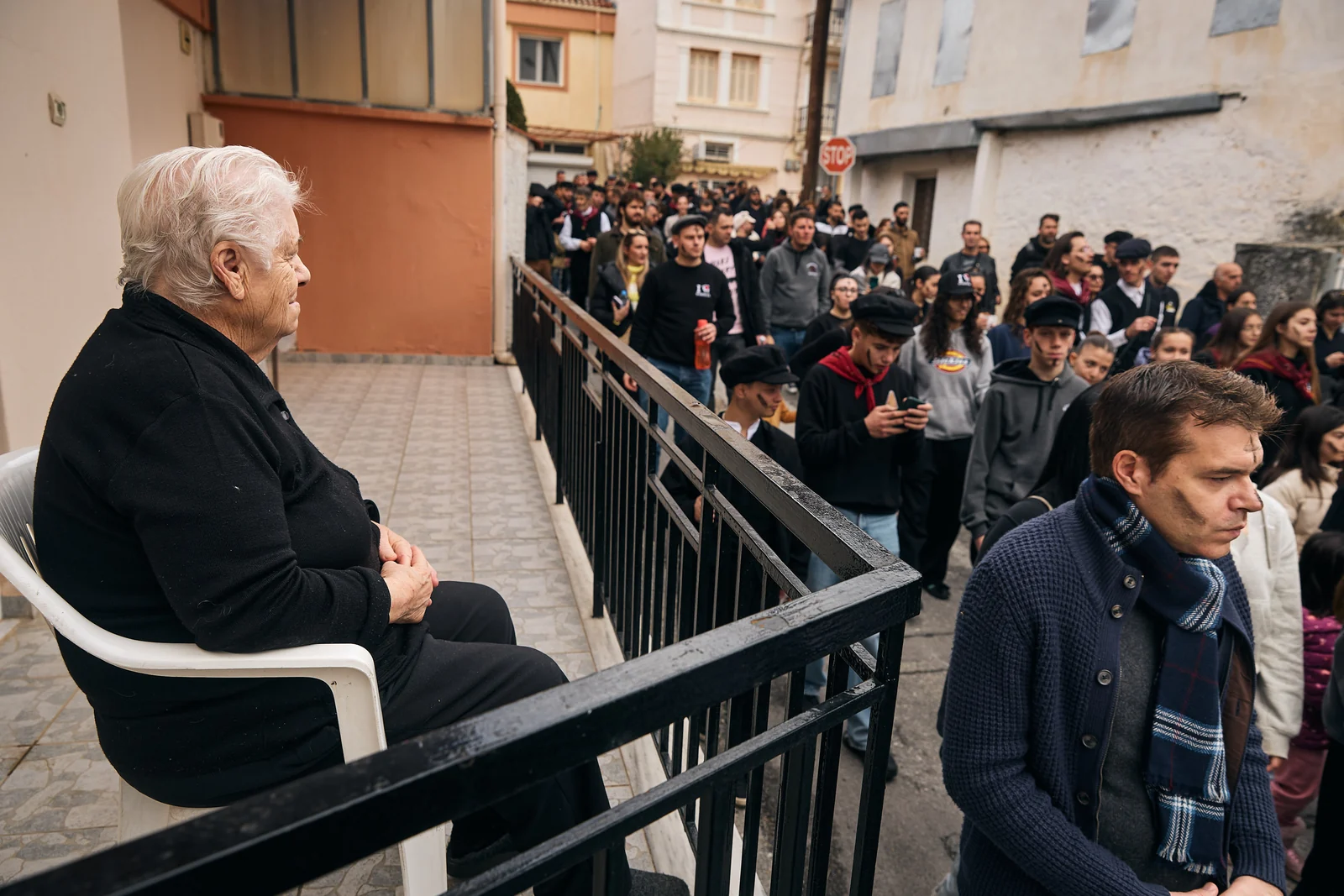
From fieldwork to the archive and exhibitions
The Cultural Association reports that previous workshops have already produced photographic work presented in an equal number of exhibitions, both inside and outside the Drama regional unit. For the 2027 edition, each participant will be asked to provide a small selection of photographs of their own choosing for the Association’s archive.
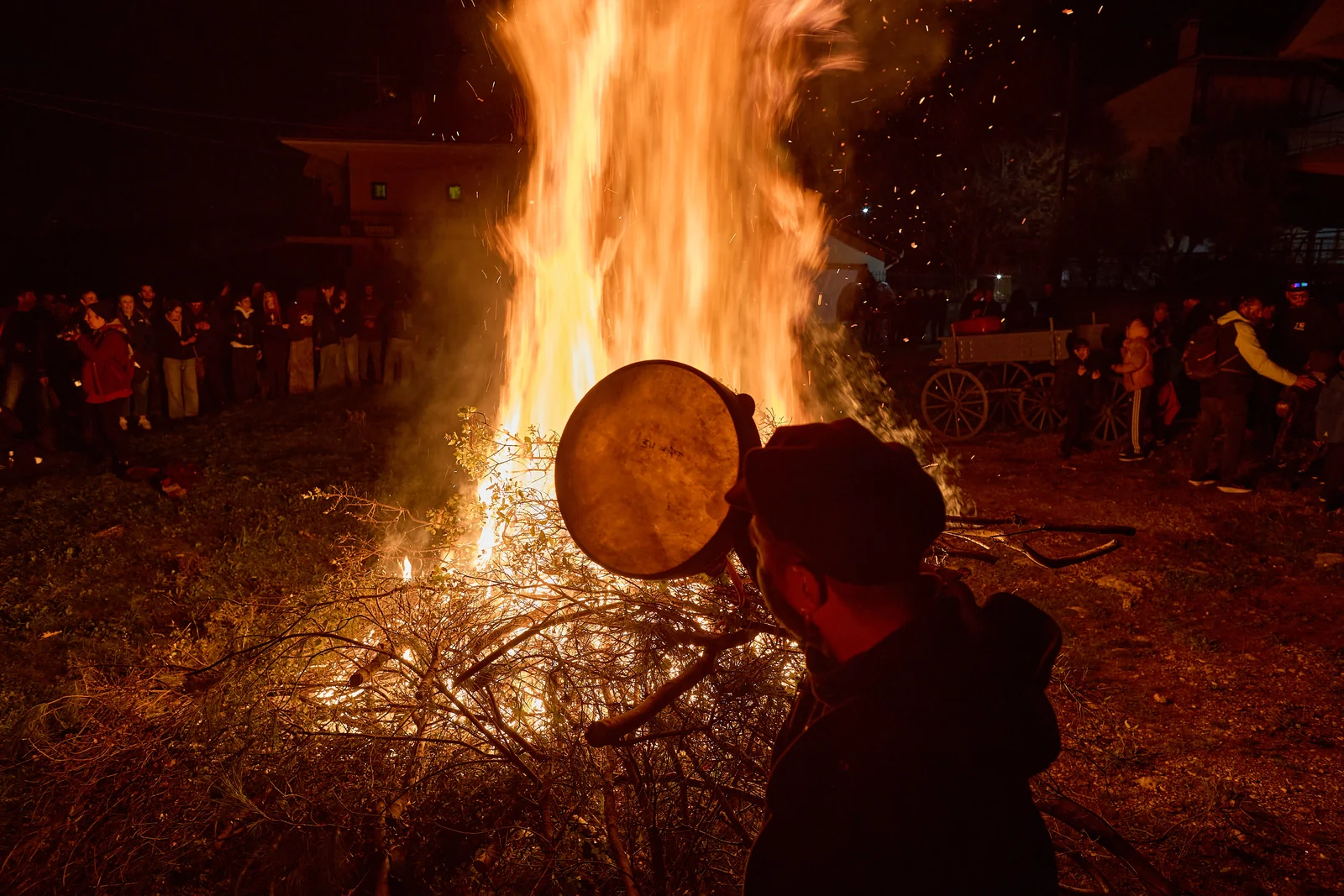
The organisers also hope to mount a new exhibition using work produced during the documentation. Participation in that effort will be optional and, for those who wish to contribute, will involve submitting selected photographs after the workshop.
Key dates and requirements
| Portfolio deadline | Sunday, November 8, 2026 |
| Number of photographs | 12–15 low-resolution images |
| Available places | Up to 3 people |
| Selection notification | No later than November 12, 2026 |
| Workshop dates | January 5–8, 2027 |
| Participation fee | Free |
| Location | Petrousa, Drama, and nearby villages |
Applications are completed by emailing the portfolio to [email protected]. With only three places available, the selection of 12–15 images should demonstrate consistency, observational skill and narrative continuity—not simply a set of unrelated spectacular frames.
What we think
The workshop’s most valuable feature is the way it connects photographic education with the responsible documentation of a living community. The limit of three places and the requirement for a focused portfolio raise the bar, but they also allow for personal guidance and deeper access to the subject. For photographers genuinely interested in documentary and human-centred storytelling, this is a rare field opportunity, provided they approach the custom with respect and consistency.
Frequently asked questions
When does the workshop take place?
From Tuesday, January 5 through Friday, January 8, 2027, based in Petrousa, Drama, with photographic outings to nearby villages as well.
How much does participation cost?
Participation is free. Attendees must arrange and cover their own travel and accommodation.
How do I apply?
Email a portfolio of 12–15 low-resolution photographs to [email protected] by Sunday, November 8, 2026.
How many people will be selected?
The instructor will select up to three participants. Those selected will be informed no later than November 12, 2026.
What type of portfolio is required?
A portfolio related to photojournalism or human-centred and narrative photography. Landscape work and drone photographs do not match the focus of the call.