Summary
- Billy Name’s photographic archive is at the center of a new trial in New York.
- His niece and former agent rely on competing wills.
- A jury trial in 2025 ended in a mistrial.
- The outcome will determine who administers the photographer’s legacy.
Ten years after photographer Billy Name died, a new trial in New York is set to determine who will control thousands of historic images from Andy Warhol’s Factory.
Jury selection at Ulster County Surrogate’s Court was scheduled to begin on November 16, 2026, with testimony expected from November 18. The opposing parties are Name’s former agent Dagon James and his niece Suzette Linich, identified as Susan Linich in court documents. Each relies on a different will.
The photographer who documented the Silver Factory
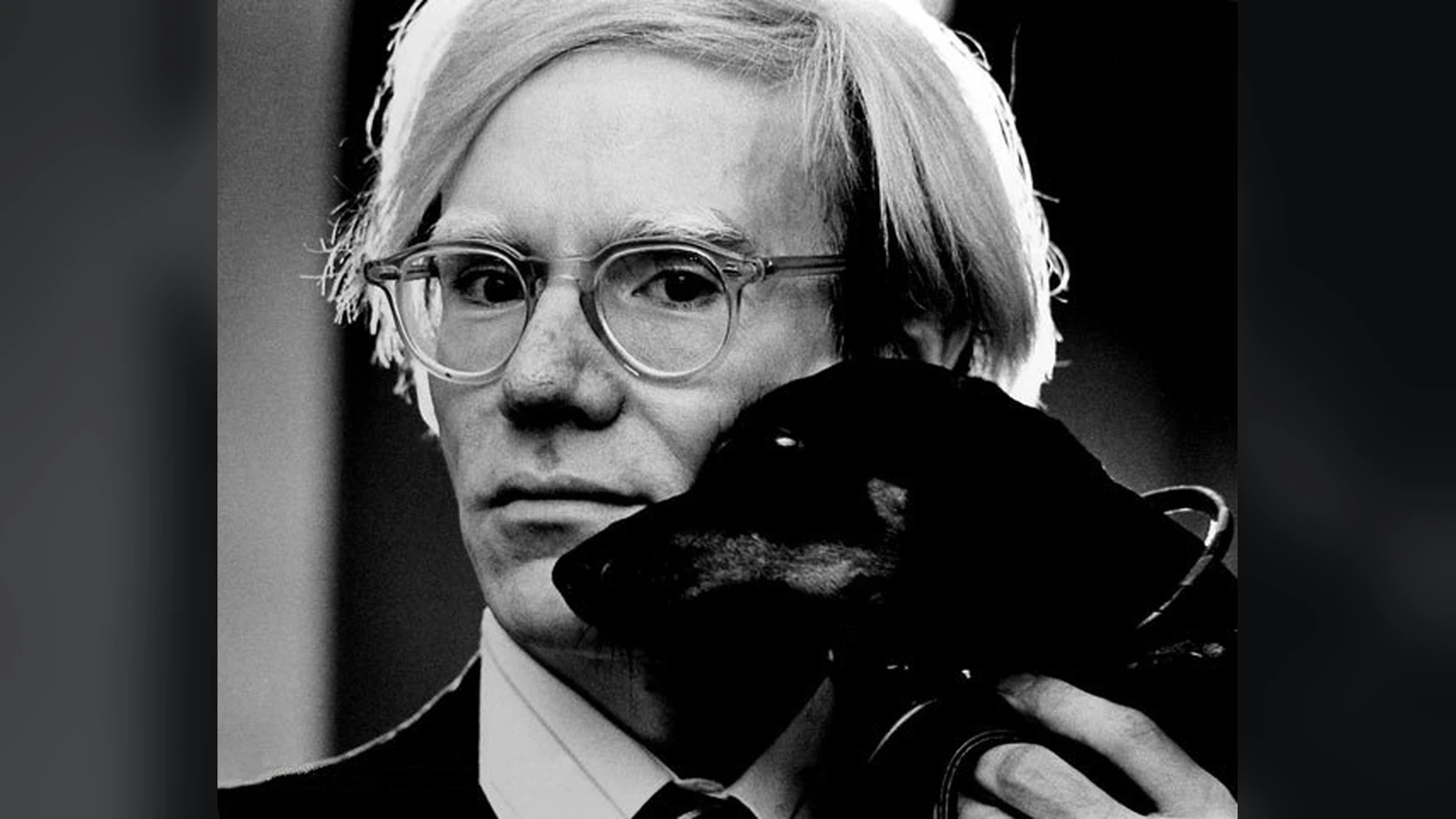
Born William George Linich in 1940, Billy Name was far more than an occasional visitor to Warhol’s studio. He lived at the Factory, helped transform its interior with silver foil and paint, and photographed the daily life of a group that shaped the art, music and filmmaking of the 1960s.
His camera recorded Warhol himself, collaborators and figures including Edie Sedgwick, Nico and members of the Velvet Underground. His pictures appeared in magazine coverage, posters and music releases, becoming historical documents as well as portraits. The Factory’s creative community also included photographer Pete Marifoglou, who worked on Warhol’s experimental films.
The 2014 photo book “Billy Name: The Silver Age” revisited that period. Reconstructing the collection was difficult because many of Name’s original negatives were no longer in his possession.
Two wills and two competing heirs
Name died on July 18, 2016. A 2011 will designated his niece as executor and sole beneficiary. Another, dated July 16, 2015, named Dagon James, the agent who had represented Name’s photography commercially.
The distinction matters enormously for the archive. Control of the estate affects who administers the assets and rights it includes, who can authorize reproductions and how the photographs may appear in exhibitions, books and other publications.
Linich contests the later will, raising questions about her uncle’s testamentary capacity when he signed it and alleging undue influence. James disputes having exploited the photographer and maintains that Name chose him to administer the estate. Those competing positions are for the court to resolve.
Why the case is going to trial again
In 2021, the Surrogate’s Court accepted the 2015 will. On January 19, 2023, however, a New York appellate court found factual issues requiring a trial over testamentary capacity and alleged undue influence. It did not revive the fraud allegation, which it found insufficiently substantiated.
A jury trial in September 2025 ended without a verdict. Judge Sara McGinty declared a mistrial after learning that jurors had been discussing an attorney’s behavior in the courtroom rather than confining their deliberations to the evidence. The proceedings therefore returned to court in November 2026.
The start of the retrial is not a verdict. No final resolution has been confirmed in the verified reporting available so far.
What the outcome means for the photo archive
For a collection of thousands of photographs, rights management is about more than selling prints. It affects access to the work, image authentication and licensing, future publications and the ability to continue showing the photographs to the public. The absence of original negatives makes accurate provenance records especially important.
This is a separate dispute from Lynn Goldsmith’s copyright case involving the Andy Warhol Foundation over a portrait of Prince. That case concerned the use of an existing photograph and the limits of fair use; this dispute concerns who controls the photographer’s estate.
What we think
Billy Name’s photographs remind us how much an era depends on the people who documented it. Without his images from the Factory, we would have a far thinner visual record of Warhol’s world, however famous Warhol himself became.
There is a practical lesson here for photographers too. Organizing negatives and digital files is only part of protecting an archive. It matters who is authorized to manage it, under what terms, where the originals are kept, and which agreement applies after the photographer is gone. The more valuable the work becomes, the more important those details are.
The risk for Name’s legacy is that the argument over control eclipses the photographs themselves. Whoever ultimately administers the archive will have a responsibility to preserve it, document it properly and make the work available with respect for its creator.
Frequently asked questions
Does the trial concern photographs taken by Andy Warhol?
No. The dispute primarily concerns Billy Name’s estate and the rights relating to the photographs he took of Warhol and the Factory community.
Has anyone definitively inherited the archive?
Not definitively, according to the verified updates available through November 19, 2026. The retrial is examining objections to the 2015 will.