Summary
- The Boss is Banff’s famous grizzly bear.
- Internal emails revealed discussions about possible lethal management.
- No decision to euthanize the bear has been confirmed.
- The story also highlights the responsibility of wildlife photographers.
The Boss, the famous male grizzly in Canada’s Banff National Park, has become the focus of a difficult debate about his future and the ways people and wild animals can share the landscape.
Known to Parks Canada as Bear 122, he has roamed the wider Banff area for more than two decades. His visibility near roads, the photographs taken of him and frequent encounters with visitors have made him famous far beyond the park.
From a celebrated bear to a management debate
Internal Parks Canada emails dated April 2025 and released in 2026 revealed that staff had discussed the possibility of lethally removing Bear 122 as part of future wildlife management. The discussion concerned his advanced age, behaviour and public safety.
Discussing a possibility is not the same as deciding to euthanize the bear. Parks Canada has indicated that lethal action would be a last resort after other management measures had been exhausted. That distinction matters when a potential response is being discussed publicly.
Wildlife photography, attention and pressure on bears
Bears seen near roads can attract crowds of vehicles and visitors, creating so-called “bear jams”. Pursuing a close-up photograph can reduce an animal’s space, interrupt feeding and increase the risk of a dangerous encounter.
Parks Canada advises visitors to remain at least 100 metres from bears, never surround or follow them and move on if congestion develops. Roadside photographs should be taken from the safety of a vehicle without obstructing traffic.
The safety of both photographer and animal is equally important in other encounters: during a photographer’s close encounter with a bear, retreat and protection took priority over continuing to shoot.
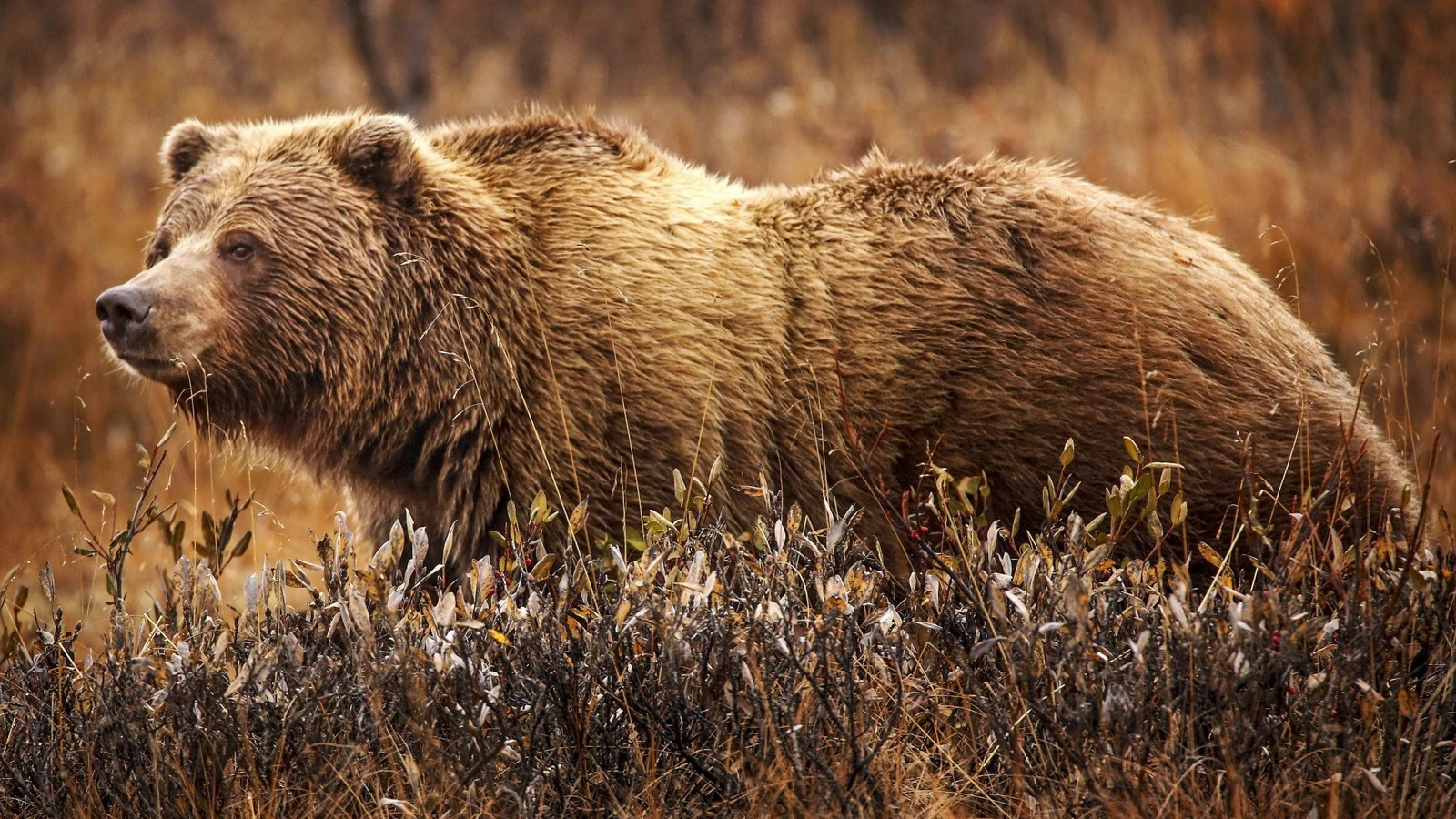
The featured image is an illustrative CC0 grizzly bear photograph by Jean Beaufort. It has not been verified as a photograph of Bear 122.
What we think
Photography can help people care about a wild bear, but fame can also encourage more visitors to chase the same close-up shot. The camera can raise awareness and inadvertently add pressure to the animal at the same time.
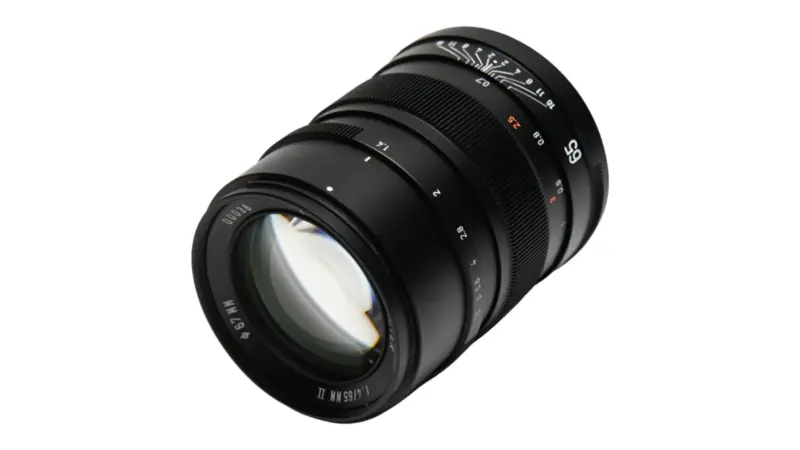
For wildlife photographers, the boundary is practical: if getting the picture requires approaching, following or blocking the animal, it is not worth it. A long lens, patience and the willingness to leave without a photograph are often the right tools.
The story of The Boss is also a reminder that a familiar animal remains wild. Long-term observation and evidence-based management matter more than the rush to capture the next viral image.