Summary
- The new Mitakon 65mm f/1.4 II is about 150 grams lighter.
- It retains the previous optical design but adds an 11-blade diaphragm.
- The manual-focus lens is available for Fujifilm GFX and Hasselblad X.
- The manufacturer lists a US$599 price.
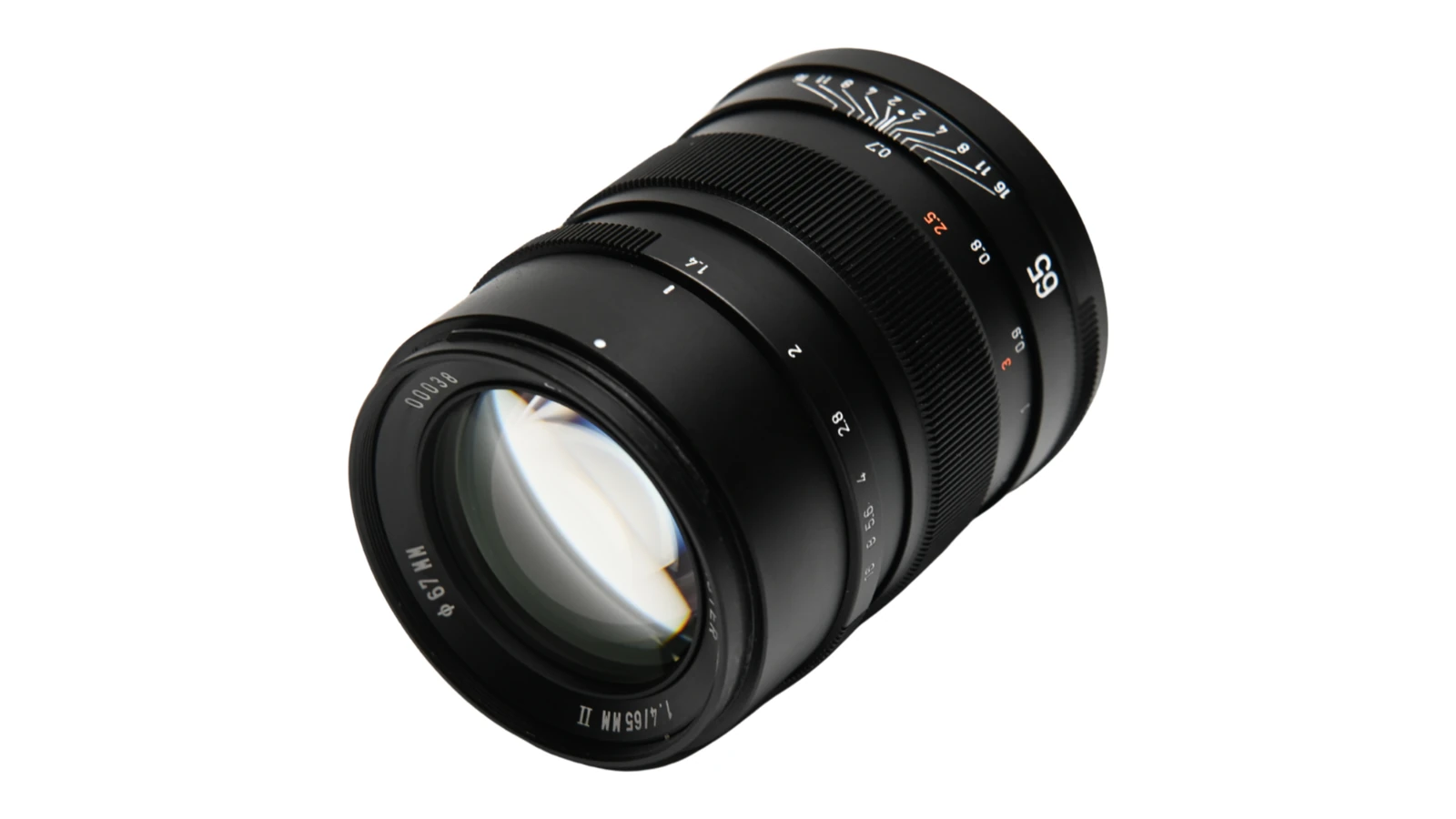
The Mitakon Speedmaster 65mm f/1.4 returns for medium format with around 150 grams less weight, a new 11-blade diaphragm and the same fast optical formula as its predecessor.
Zhongyi Optics offers the second-generation lens for Fujifilm GFX (G mount) and Hasselblad X. Japanese distributor Shoten Kobo announced sales beginning on November 18, 2026.
What changes compared with the original Mitakon 65mm f/1.4
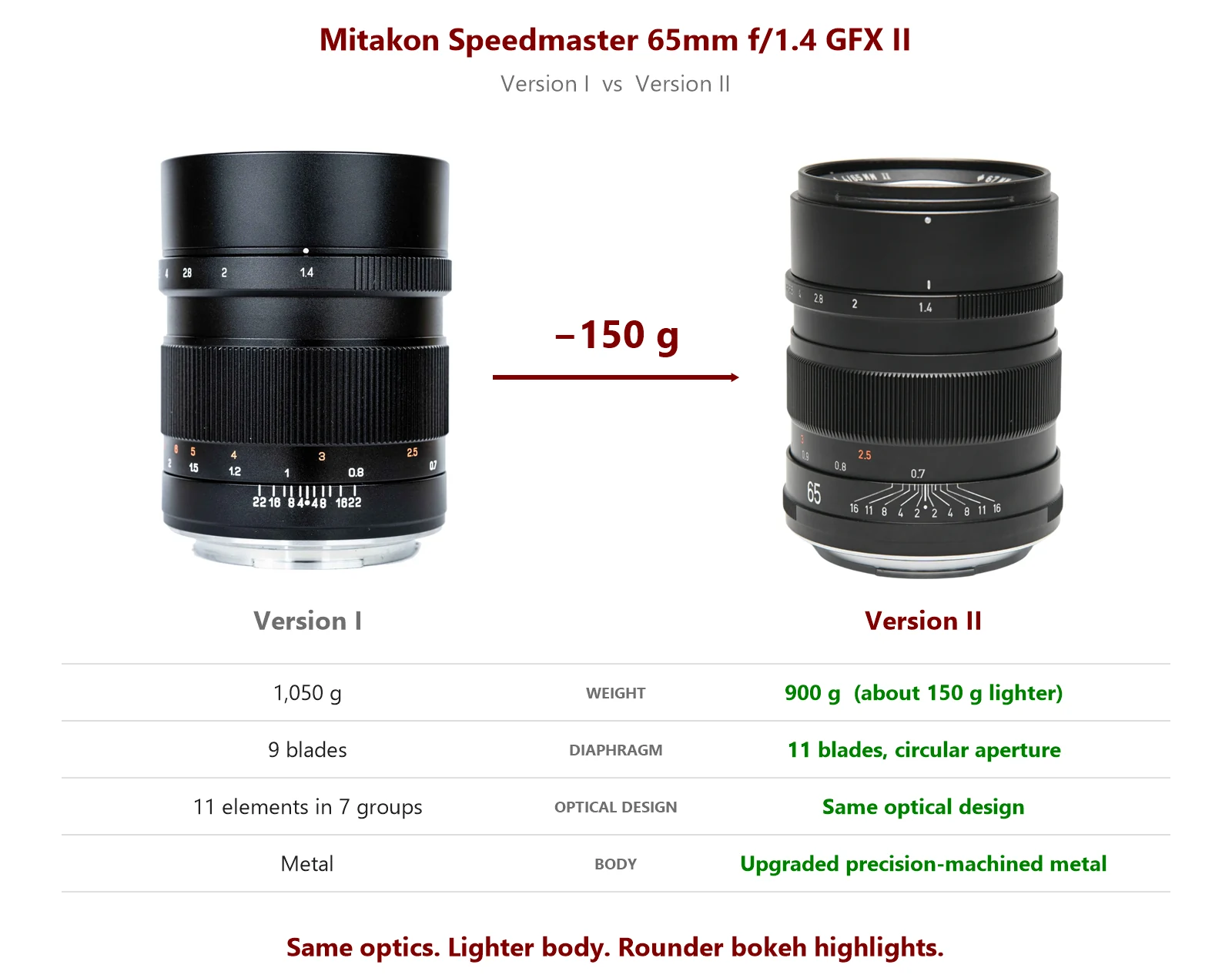
The most noticeable change is to the metal barrel: revised machining trims around 150 g. The G-mount version weighs approximately 885 g and the Hasselblad X version about 900 g, compared with roughly 1,050 g for the previous design. The filter thread also shrinks from 72 to 67 mm.
Aperture-blade count rises from nine to eleven, intended to keep out-of-focus highlights rounder as the lens is stopped down. The optical formula remains 11 elements in seven groups, including two ED and two high-refractive-index elements. This is not a wholesale optical redesign.
A fast normal prime, but no autofocus
On a 44 × 33 mm sensor, the 65 mm focal length gives a field of view comparable to roughly 51 mm on full frame. Its f/1.4 maximum aperture enables strong subject separation and shooting with less available light. Focusing is entirely manual, with aperture controlled on the lens.
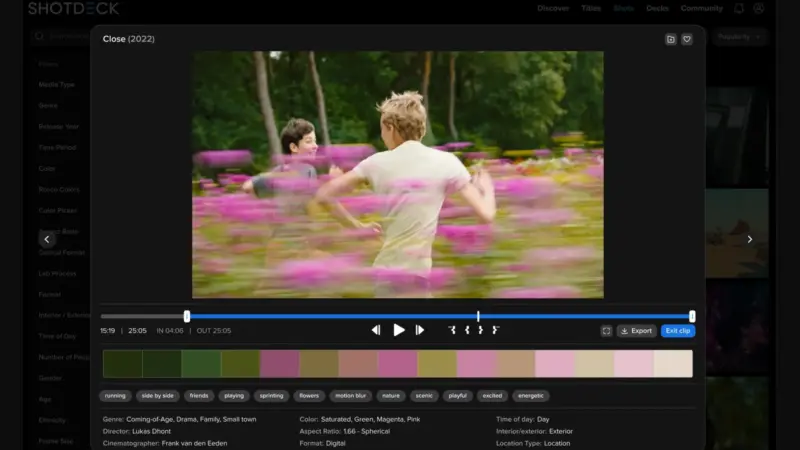
Minimum focusing distance is 70 cm, maximum magnification is 0.25×, and the aperture stops down to f/16. The distributor describes a softer rendering at f/1.4 and better-defined subject edges near f/2. The following photographs illustrate the optical design’s character rather than constituting an independent lab test of the Mark II.



Fujifilm GFX and Hasselblad X: what photographers should know
The manufacturer offers both mounts. Japanese distributor specifications give approximately 81 × 101 mm for G and 79 × 105 mm for X, excluding the mount. There is an important Hasselblad X limitation: according to the official announcement, the lens works with the camera’s electronic shutter only. That matters when photographing motion or under lighting that could produce banding.
Medium-format users have more third-party manual-focus choices. From the AstrHori 8mm f/2.4 with a 220° field of view to the Laowa 24mm f/2 tilt-shift, GFX and Hasselblad X photographers are no longer limited to first-party lenses. The Mitakon pursues a different goal: a normal field of view with a very wide aperture.
More information here for Fujifilm GFX and here for the two available mounts.
Price and availability
Sales began in Japan on November 18, 2026, at a suggested retail price of ¥154,000 including tax. Zhongyi’s official store lists both the GFX and Hasselblad X versions at US$599. An official euro-denominated European price was not identified.
What we think
Saving 150 grams does not turn a nearly 900-gram lens into a compact prime. But when carrying a GFX for hours, every bit of weight matters. The move to 67 mm filters is practical too: smaller filters are easier to pack and carry.
For portrait work, the interesting part is not simply two extra aperture blades on a specification sheet. It is whether background highlights stay pleasingly rounded when you stop down rather than shoot everything at f/1.4. That can matter in nighttime portraits with city lights behind the subject.
Manual focus, however, asks you to slow down and work deliberately. For posed portraits and carefully arranged shots, that may be part of the appeal. For moving children, weddings or fast reportage, I would prioritize dependable focusing over an extra-wide aperture. This Mitakon has a clear character; it is simply not the right tool for every assignment.
Frequently asked questions
Can I use the Mitakon 65mm f/1.4 II with a mechanical shutter on Hasselblad X?
No. The official announcement specifies electronic-shutter-only operation on Hasselblad X cameras.
Does the Mark II have a new optical formula?
No. It retains the 11-element, seven-group optical design. The principal changes are the lighter metal barrel and 11-blade diaphragm.