Summary
- Timothy Treadwell spent 13 summers filming grizzly bears in Alaska.
- He and Amie Huguenard died in Katmai in 2003.
- His camera captured audio but no pictures of the attack.
- Werner Herzog used his footage for Grizzly Man.
For 13 summers, Timothy Treadwell filmed grizzly bears in Alaska. In 2003, he and his partner Amie Huguenard were killed by a bear in the same wilderness he had come to regard as home.
Werner Herzog brought their story to a global audience in his 2005 documentary Grizzly Man. Beyond the tragedy, Treadwell’s own footage raises a difficult question for wildlife filmmakers: what happens when the desire to get close overwhelms respect for a wild animal’s boundaries?
A man who lived among bears
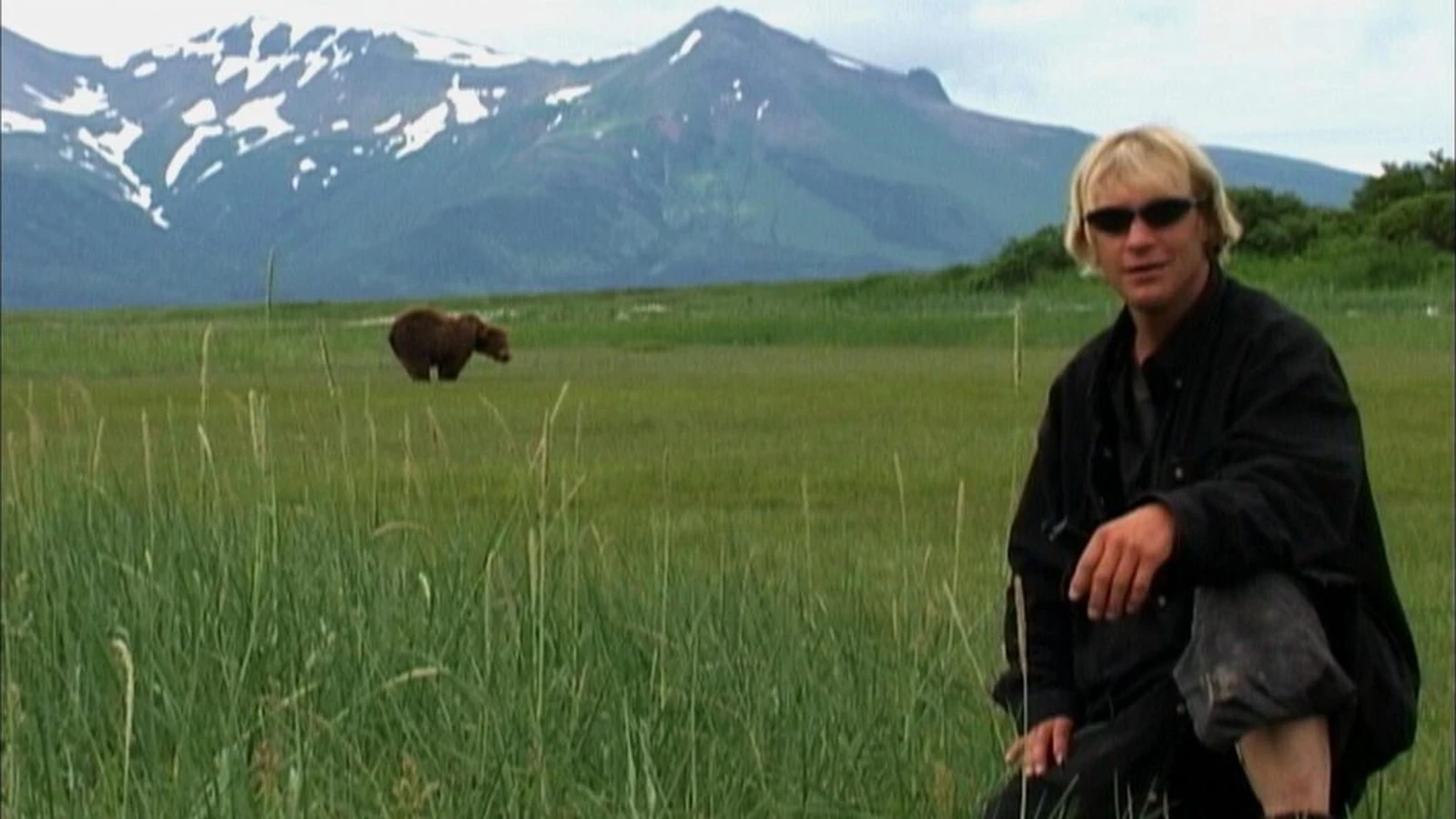
Treadwell was a self-taught bear observer and conservation advocate, not primarily known as a professional photographer. He returned to Katmai National Park over many summers, camped in remote areas, and filmed bears at remarkably close range. The familiarity he felt did not make these wild predators predictable.
Investigators recovered two 35mm still cameras and a Sony DCR-VX2000 video camera among his equipment. He therefore also worked with still photography, although the footage that made him famous was video.
What happened on October 5, 2003
Treadwell, 46, and Huguenard, 37, were camping near Kaflia Lake. On October 6, their pickup pilot found the camp in disarray. Authorities located their remains and concluded that they had been killed by a bear or bears.
The National Park Service investigation identified the campsite’s location as a major risk factor: it was at the intersection of active bear trails, close to late-season salmon, and surrounded by vegetation that reduced visibility. No electric fence was in use. Investigators also cited Treadwell’s practice of approaching bears and allowing them to come within a few feet.
Responders shot two bears, and human remains were found in the digestive tract of the larger animal. The report does not establish every moment of the attack with certainty.
The camera recorded sound, but no pictures
A recovered video cassette contained approximately six minutes and 21 seconds of audio from the attack, but no video images. After checking the camera clock, police established that the audio was recorded on October 5 at approximately 1:47–1:53 p.m. local time.
The recording indicates that Treadwell was attacked outside the tent first and that Huguenard came out to help him. Exactly when she died remains unknown. Herzog’s film does not play the fatal recording to its audience.
Werner Herzog’s Grizzly Man
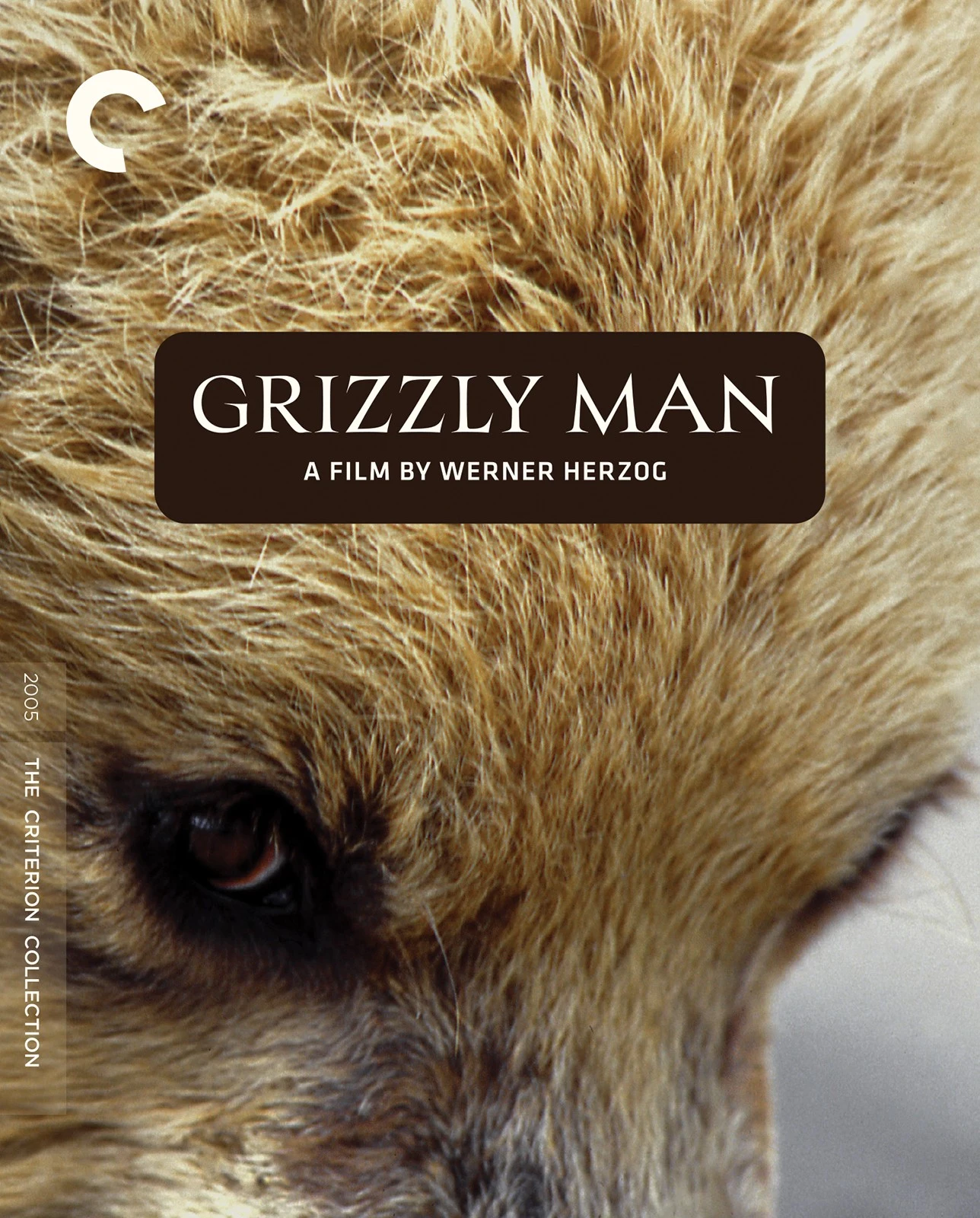
Herzog drew on more than 100 hours of video shot by Treadwell, weaving it together with interviews and his own narration. Released in 2005, Grizzly Man explores not only a passionate advocate for bears but also the troubling gap between his commitment to their protection and his belief that he could live among them safely.
A lesson for wildlife photographers and filmmakers
Today, long lenses, remote cameras and fieldcraft offer ways to make striking images without dangerously reducing the distance to wildlife. An animal tolerating a person does not amount to permission to move closer.
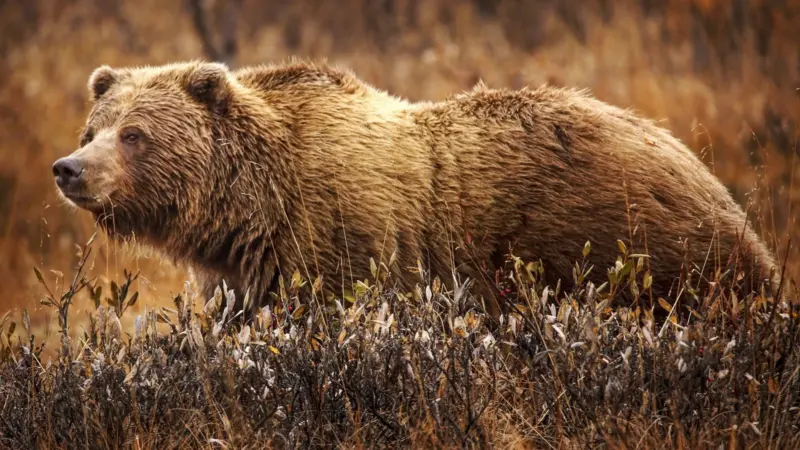
This remains relevant even when a bear approaches a photographer on its own, as in a close encounter at Katmai National Park. Managing distance and avoiding disruption to an animal’s behaviour are part of responsible image-making.
What we think
Treadwell left behind remarkable footage. But a bear tolerating you for years does not mean it considers you part of its world. That distinction can become a matter of life and death in the field.
For those of us working with wildlife images, distance is not the enemy of creativity. It is a tool that protects the photographer, the crew and the animal. When a shot depends on a wild bear being in the right mood, it is not a shot worth risking lives for.
Frequently asked questions
Was Timothy Treadwell a professional photographer?
He was best known as a conservation advocate and self-taught wildlife filmmaker, rather than a professional still photographer. Investigators did find two 35mm cameras at his camp.
Is there video footage of the fatal attack?
No. A video camera captured roughly six minutes and 21 seconds of audio, but no images of the attack.