Summary
- The main VistaVision camera on Digger belongs to Giovanni Ribisi and previously filmed One Battle After Another.
- Tom Cruise’s prosthetic makeup imposed a temperature limit of approximately 19°C.
- About 4,000 ARRI SkyPanel S60 fixtures and 60Hz generators were used during production.
- Lubezki combined 18 miniatures, modified lenses and a Sony VENICE 2 digital camera.
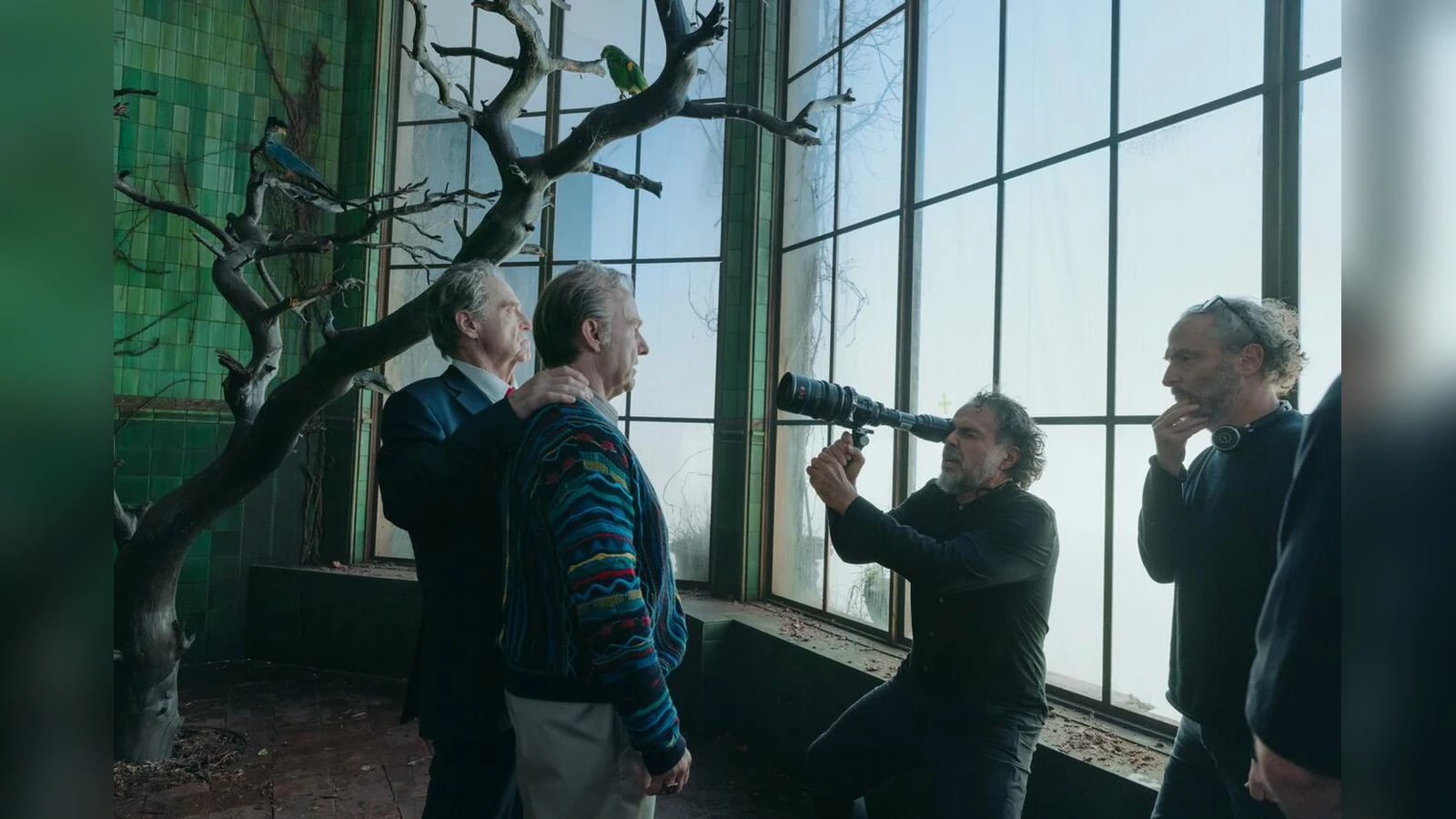
On Alejandro G. Iñárritu’s Digger, an aging VistaVision camera owned by Giovanni Ribisi went from Paul Thomas Anderson’s set to Emmanuel Lubezki’s crew, bringing some unusually demanding technical problems with it.
The camera’s journey is only part of the story. To photograph Tom Cruise, the production had to keep his prosthetic makeup cool, deploy thousands of LED fixtures and even change the way the studios were powered.
The film follows an oil tycoon attempting to cast himself as humanity’s savior after causing a catastrophe. The first official Digger trailer revealed Cruise’s dramatic physical transformation, but the work behind the frame tells a story of its own.
Giovanni Ribisi’s VistaVision had already shot One Battle After Another
Lubezki explained that the main Beaumont VistaVision camera belongs to actor and cinematographer Giovanni Ribisi. Before Digger, it had been used on Paul Thomas Anderson’s One Battle After Another. Lubezki’s team then had to rebuild the camera and work on its mechanical components for the new production.
VistaVision uses 35mm film travelling horizontally rather than vertically, exposing eight perforations per frame. The larger negative area offers extensive image detail and different framing and lens options. Keeping a vintage mechanical system running within a modern production, however, is far from straightforward.
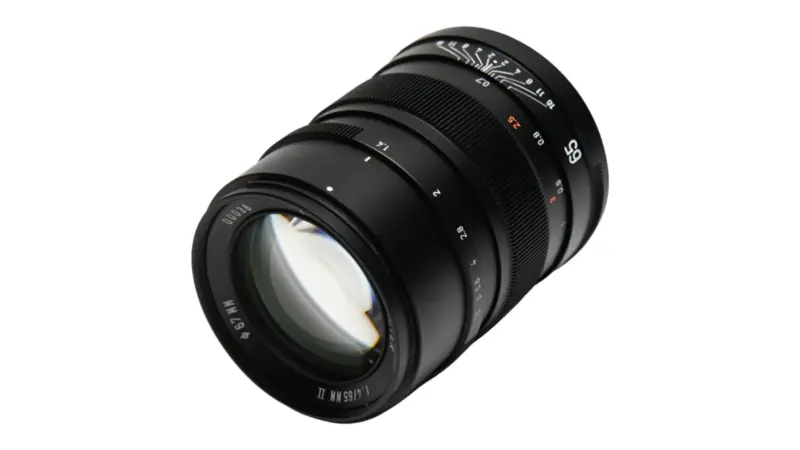
Iñárritu wanted wide compositions that would let viewers explore the whole environment. In Panavision’s production interview, he says much of the film was photographed on a 29mm lens. Modified Leitz ELSIE optics were also created for the production, including a custom 21mm focal length.
How Tom Cruise’s makeup imposed a 19°C limit
Cruise’s transformation involved extensive prosthetics, whose adhesives had to be kept below approximately 19°C. Higher temperatures could affect the materials and create continuity problems between takes. Lubezki therefore chose LED sources to limit the heat generated by the lighting package.
Gaffer Wayne Shields describes the extraordinary quantity of soft light needed in the sets and at the windows. Across the shoot, approximately 4,000 ARRI SkyPanel S60 fixtures were used. This is a production-wide figure, not a claim that all 4,000 were illuminated at once. More units were added as the original setup proved insufficient for the film stock and intended look.
A separate challenge came from electrical frequency. The camera used a fixed 170-degree shutter and a 60Hz operating setup, while UK mains supply runs at 50Hz. To eliminate flicker, the lighting team moved away from normal studio house power and brought in generators delivering a 60Hz cycle.
18 miniatures, practical sets and a Sony VENICE 2
The film’s uncanny world was not built exclusively with CGI. Eighteen miniatures were created at Simon Weisse’s Berlin workshop, flown in sections to Pinewood Studios and combined with practical sets. Windows looked onto miniature gardens, landscapes and architectural environments, allowing camera moves to progressively reveal how this constructed world worked.
The crew also mounted a Sony VENICE 2 alongside the VistaVision on the remote head as a digital reference for framing and lighting. Some unexpectedly compelling digital compositions were ultimately used in the finished film.
Another challenge was a roughly ten-minute speech at the European Parliament, staged with hundreds of extras. Originally planned as several separate shots, it developed during rehearsals into one continuous take, demanding meticulous coordination between the camera and crane operators and the performers.
What we think
This is a useful reminder that a camera choice goes far beyond negative size or how much detail the format can capture. A vintage VistaVision can create a distinctive image, but here it came with very real costs: mechanical rebuilding, custom lenses, huge lighting requirements and generators dedicated to keeping the system in sync.
The more relatable point is that an apparently simple constraint — preventing an actor’s makeup from getting hot — affected the entire photographic approach. On a smaller scale, filmmakers know how one practical restriction on set can end up shaping far more than a camera or lens choice.
The Sony VENICE 2 is just as interesting. Used creatively, a digital camera mounted as a reference can deliver unexpected compositions rather than serving only as a technical safety net.
Frequently asked questions
What does 8-perf VistaVision mean?
It is a 35mm film format that transports the negative horizontally, exposing eight perforations per frame and producing a larger image area than conventional vertically transported four-perforation 35mm.
Why were 60Hz generators needed when the crew used LEDs?
LED fixtures do not automatically remove every risk of flicker. The UK studios’ 50Hz mains supply did not suit the setup of this particular camera, so the crew supplied power at 60Hz.