Summary
- CUPOTY 8 unveiled its shortlist from 15,338 entries.
- Greek-heritage photographer Alexis Tinker-Tsavalas has four shortlisted images.
- This selection highlights 62 photographs across 11 categories.
- Winners will be announced in January 2027.
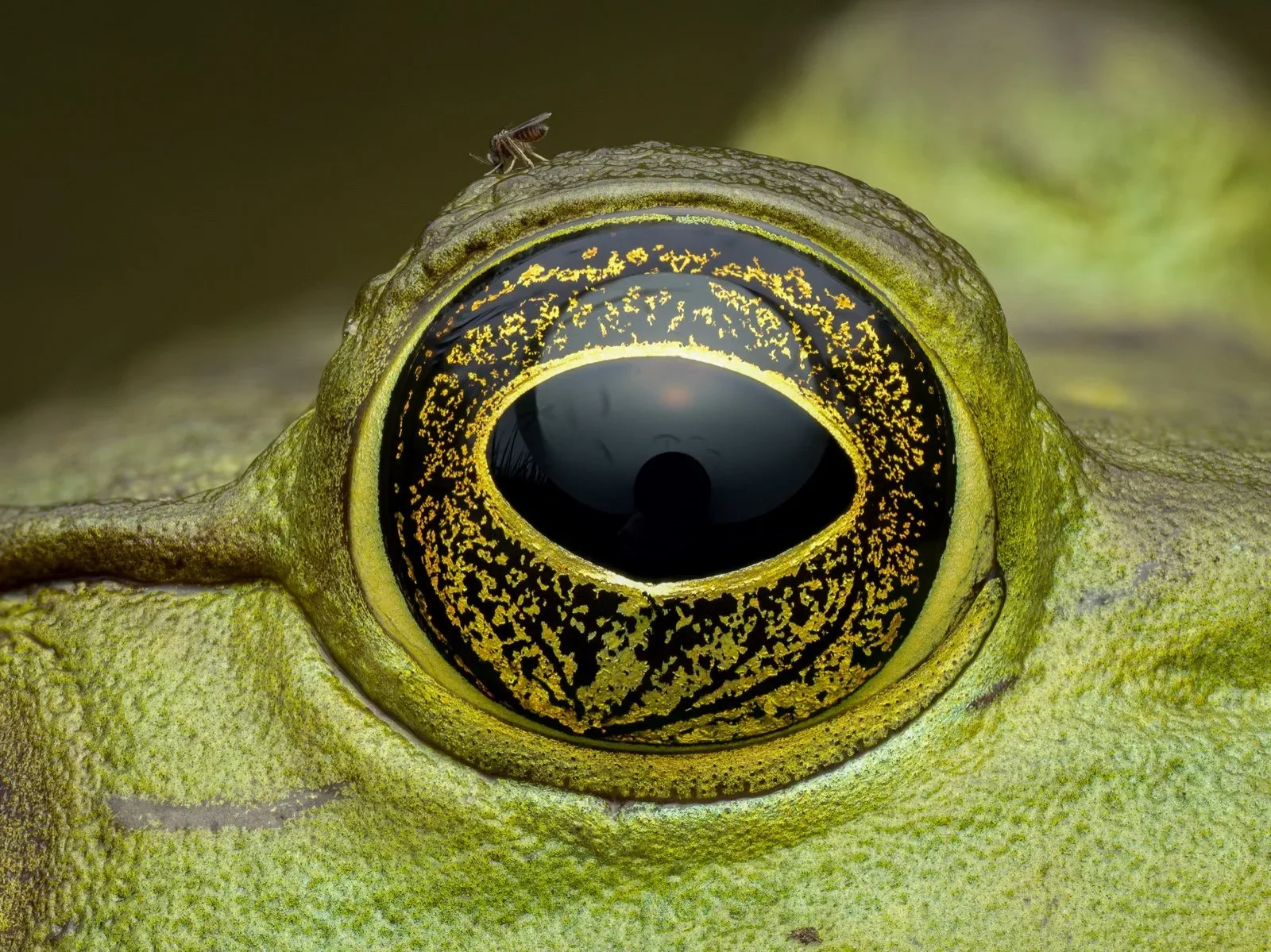
From a frog’s eye to the microscopic world of mites, the Close-up Photographer of the Year 2026 shortlist reveals extraordinary close-up photography, including four shortlisted images by a photographer of Greek heritage.
CUPOTY 8 unveiled its shortlist on 10 November 2026, selected from 15,338 entries. The 11 categories range from animals, insects and underwater photography to intimate landscapes and studio work. Winners are due to be announced in January 2027.
The following editorial selection presents 62 shortlisted photographs, each credited to its creator. These are shortlisted entries, not winning images.
Four shortlisted photographs by Alexis Tinker-Tsavalas
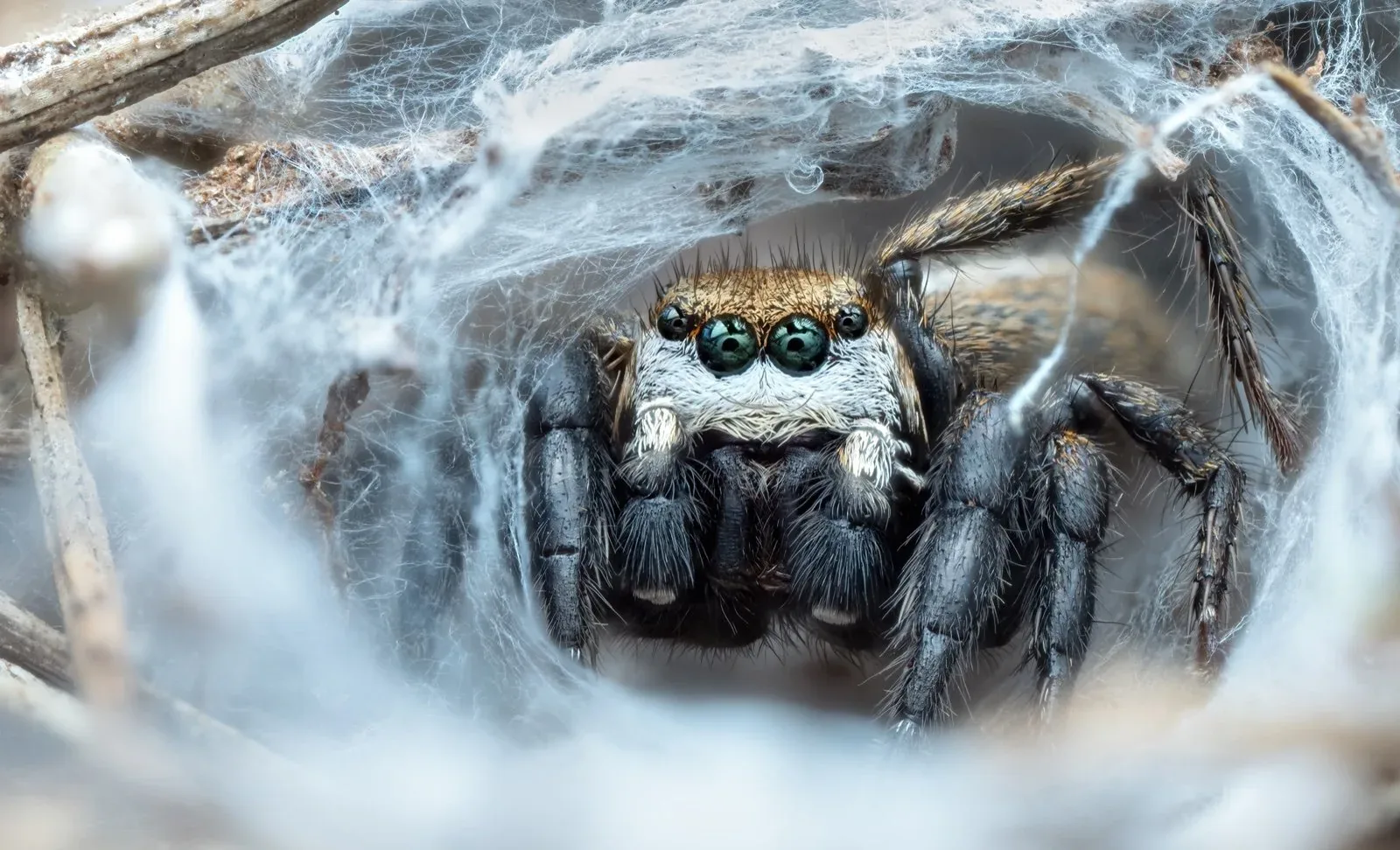
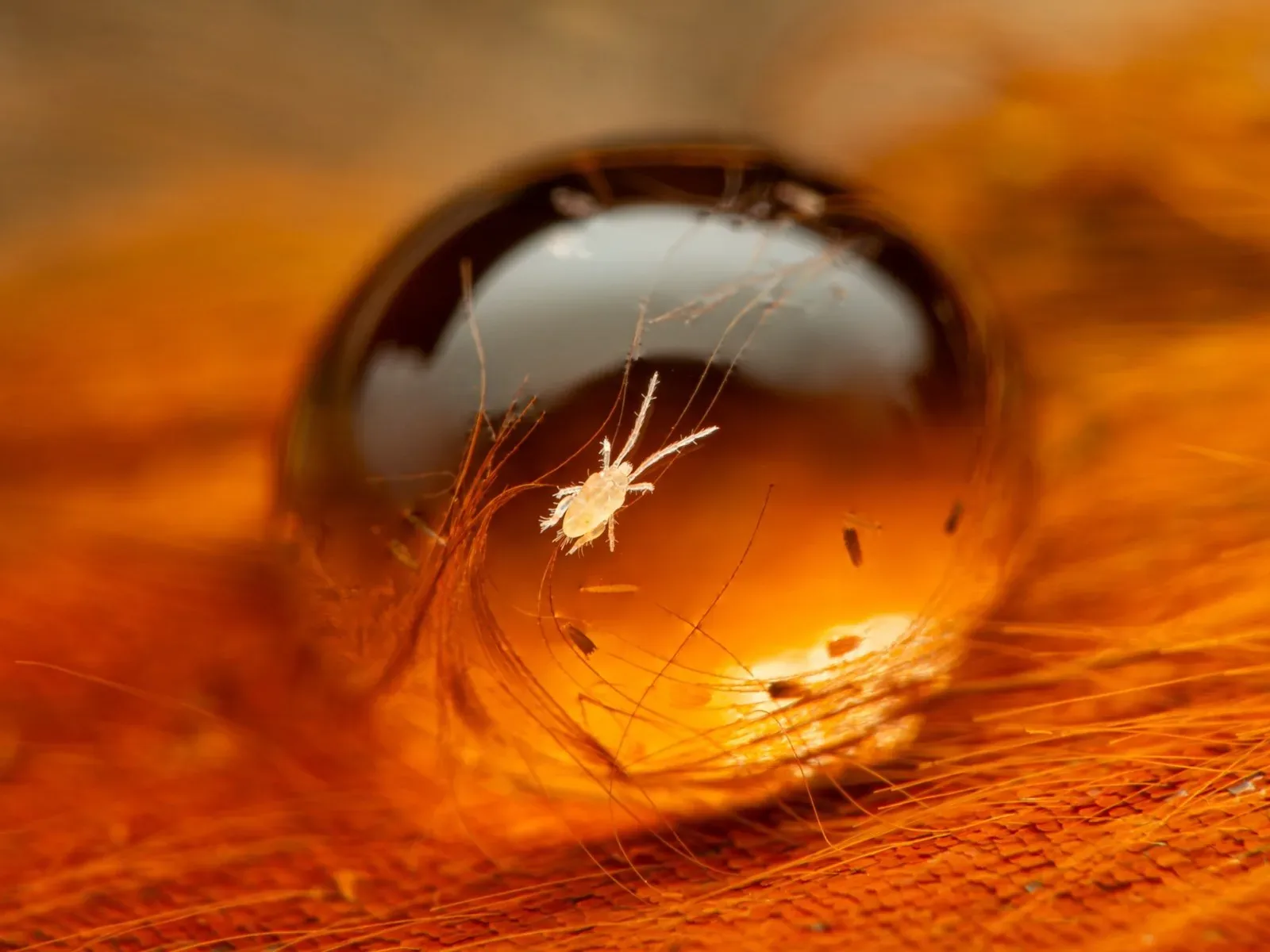
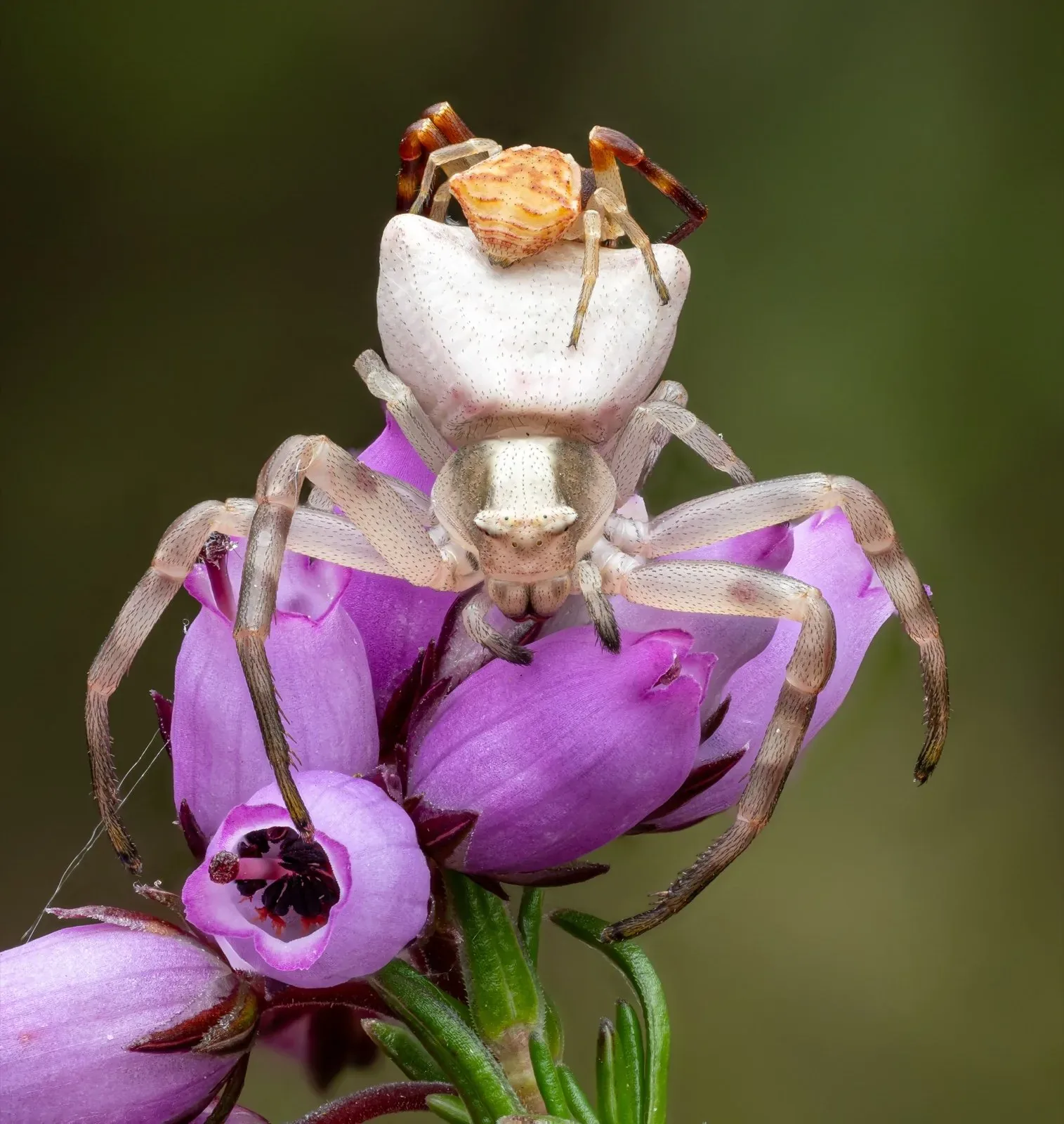
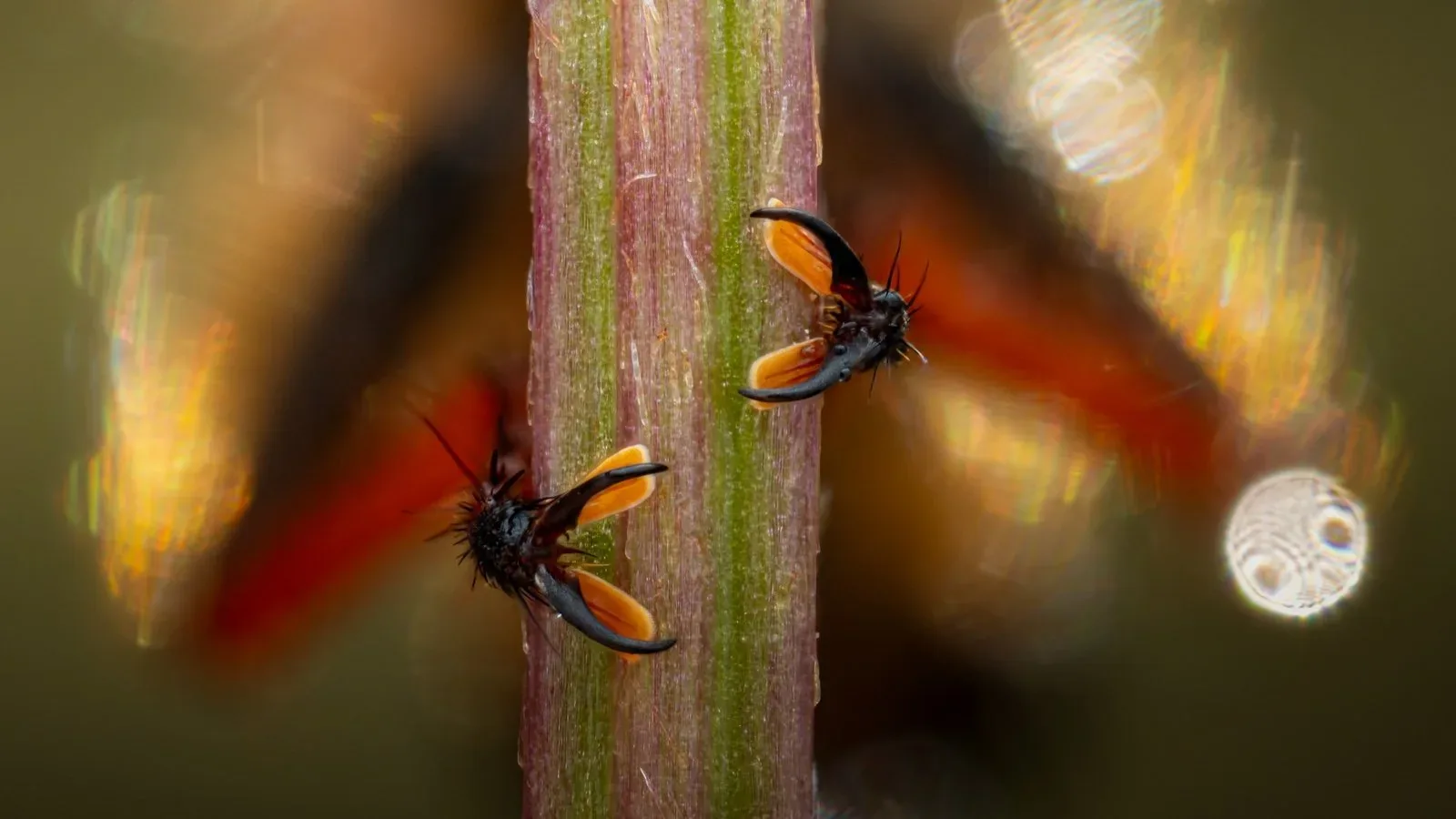
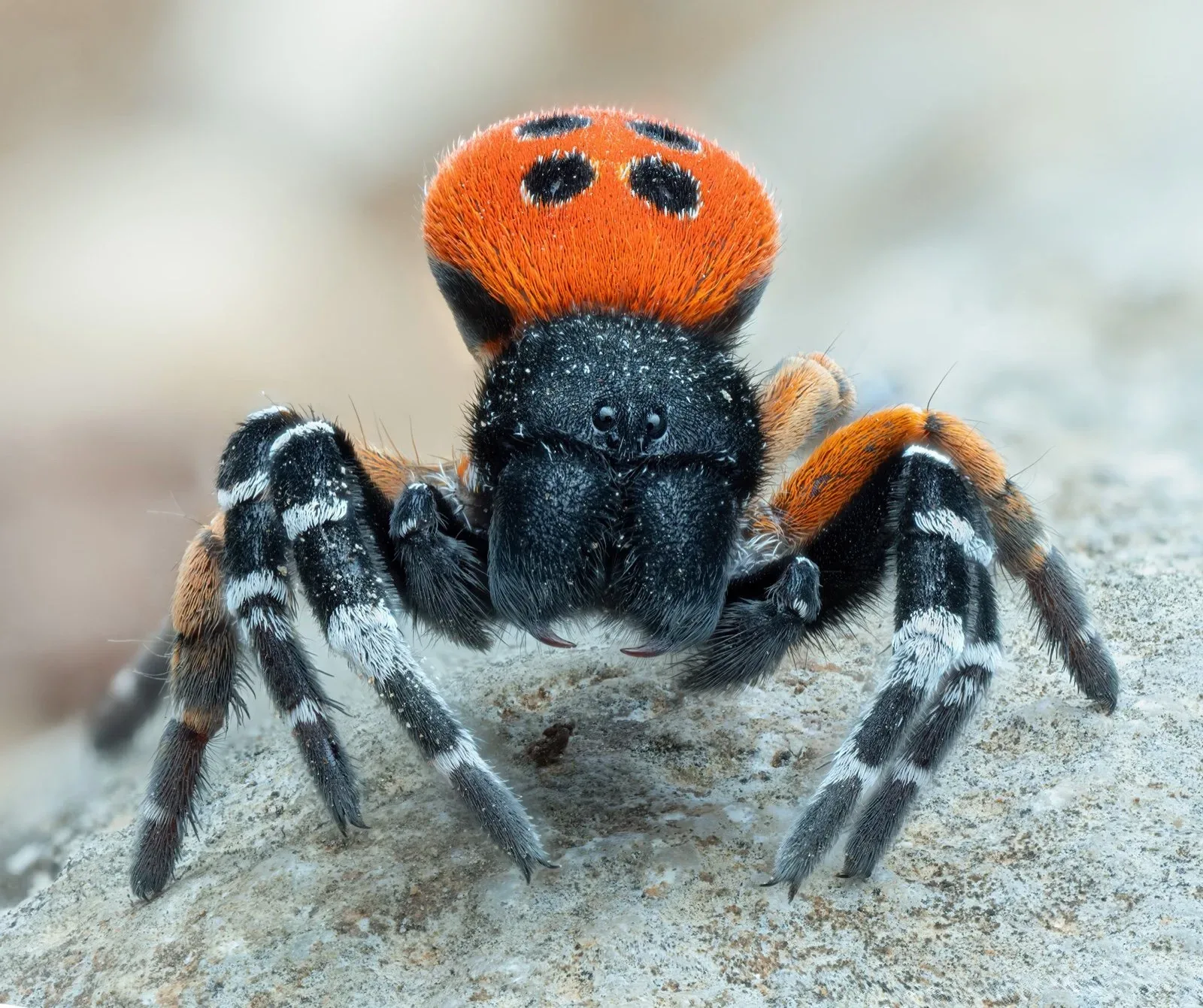
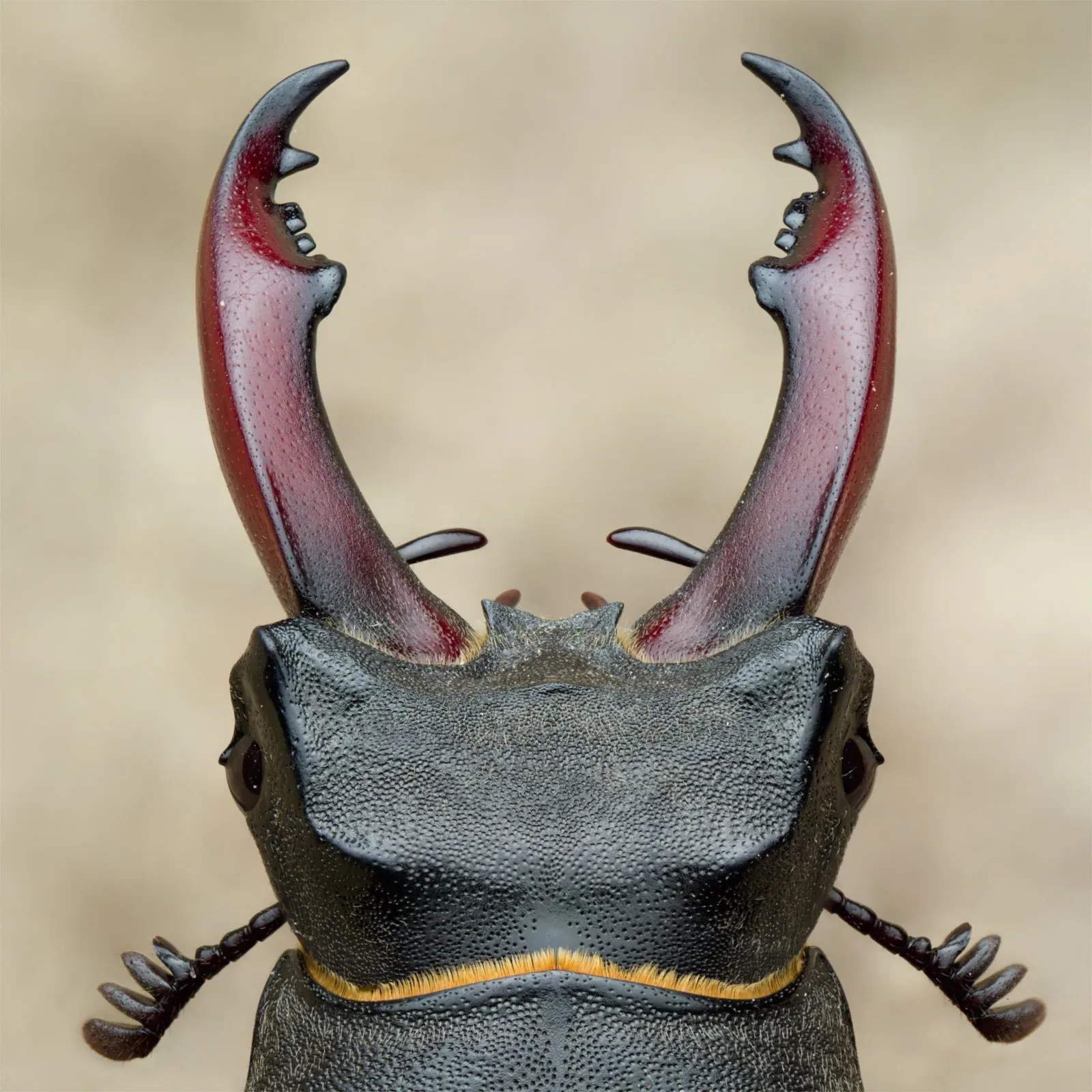
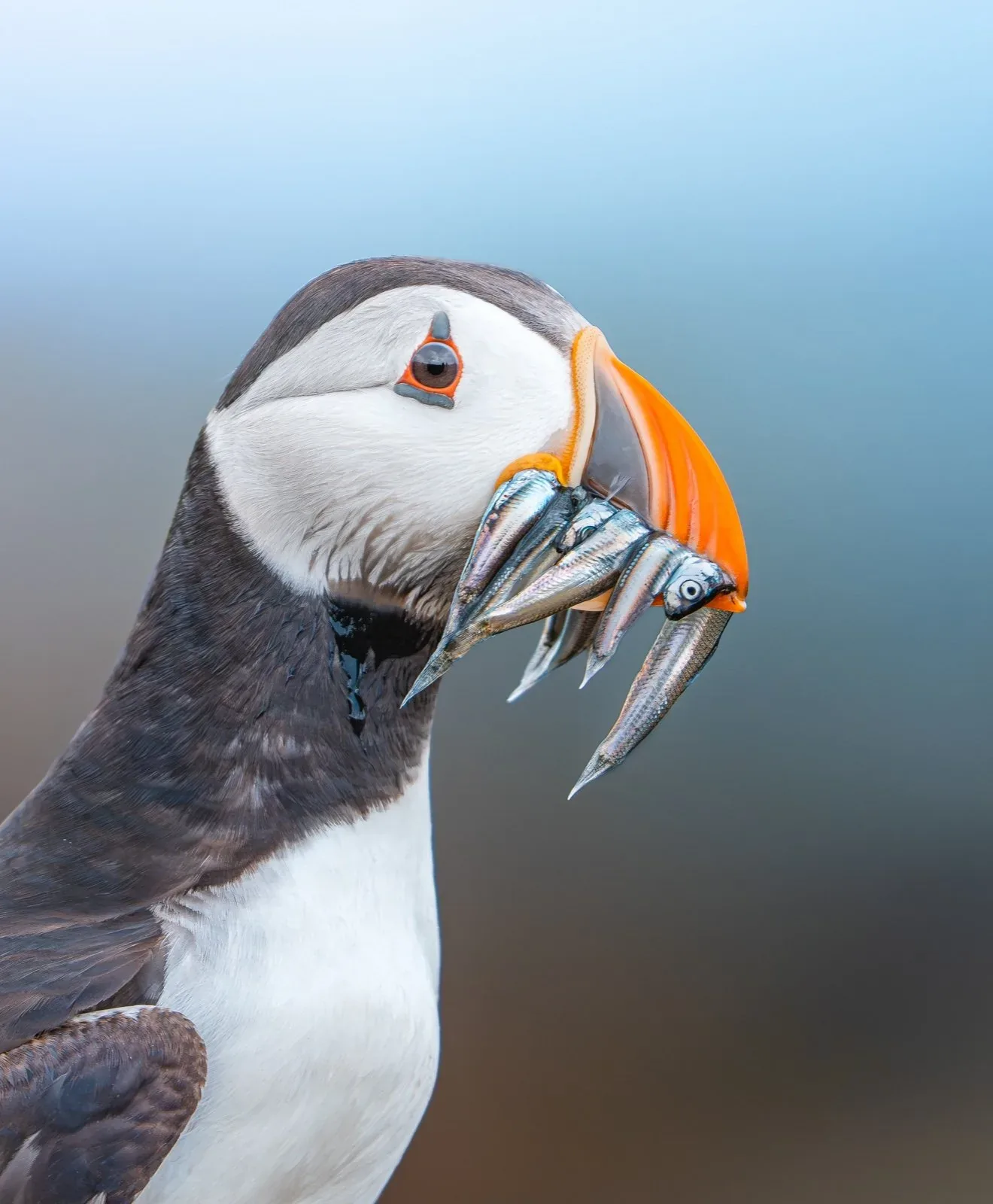
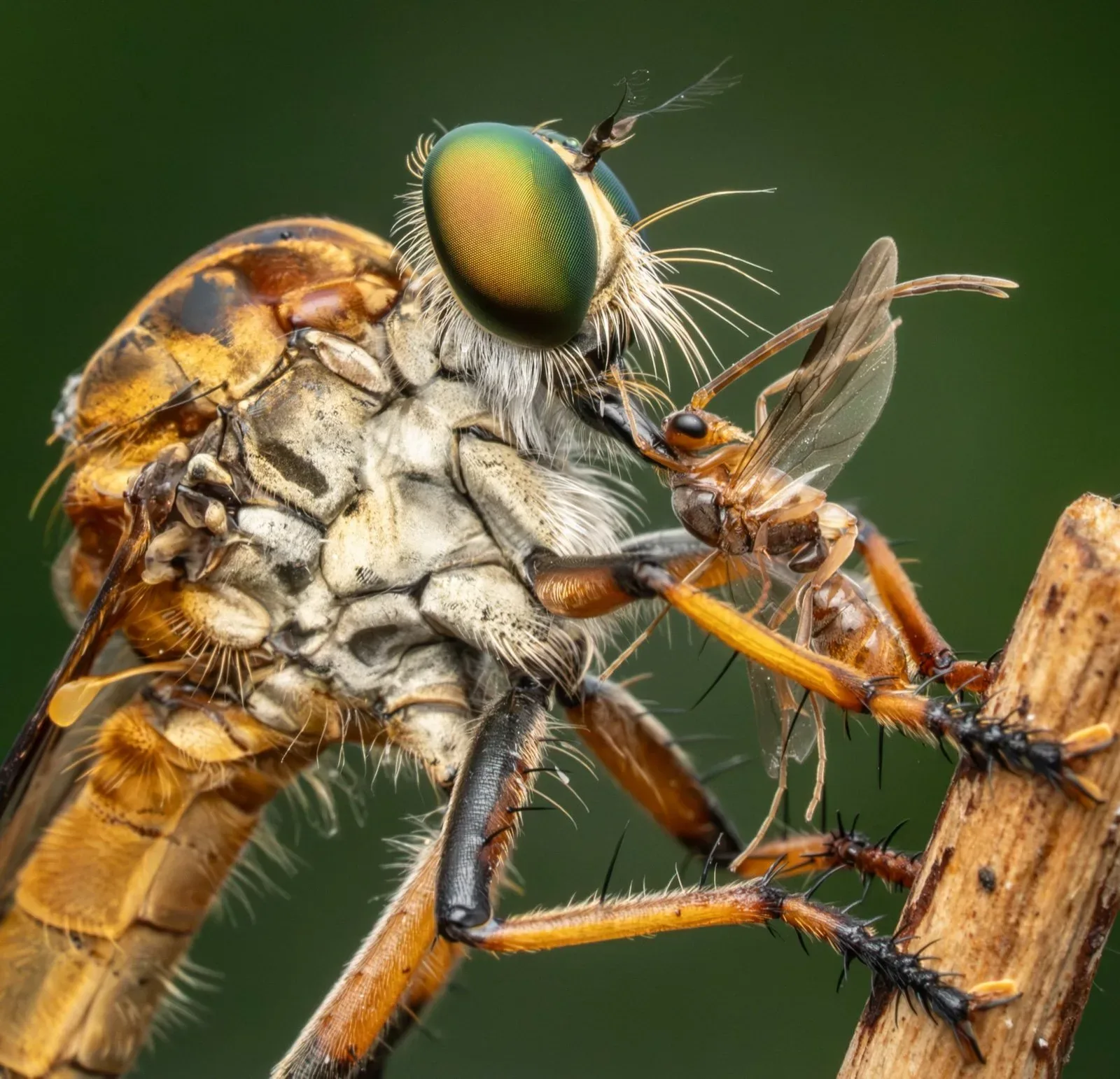
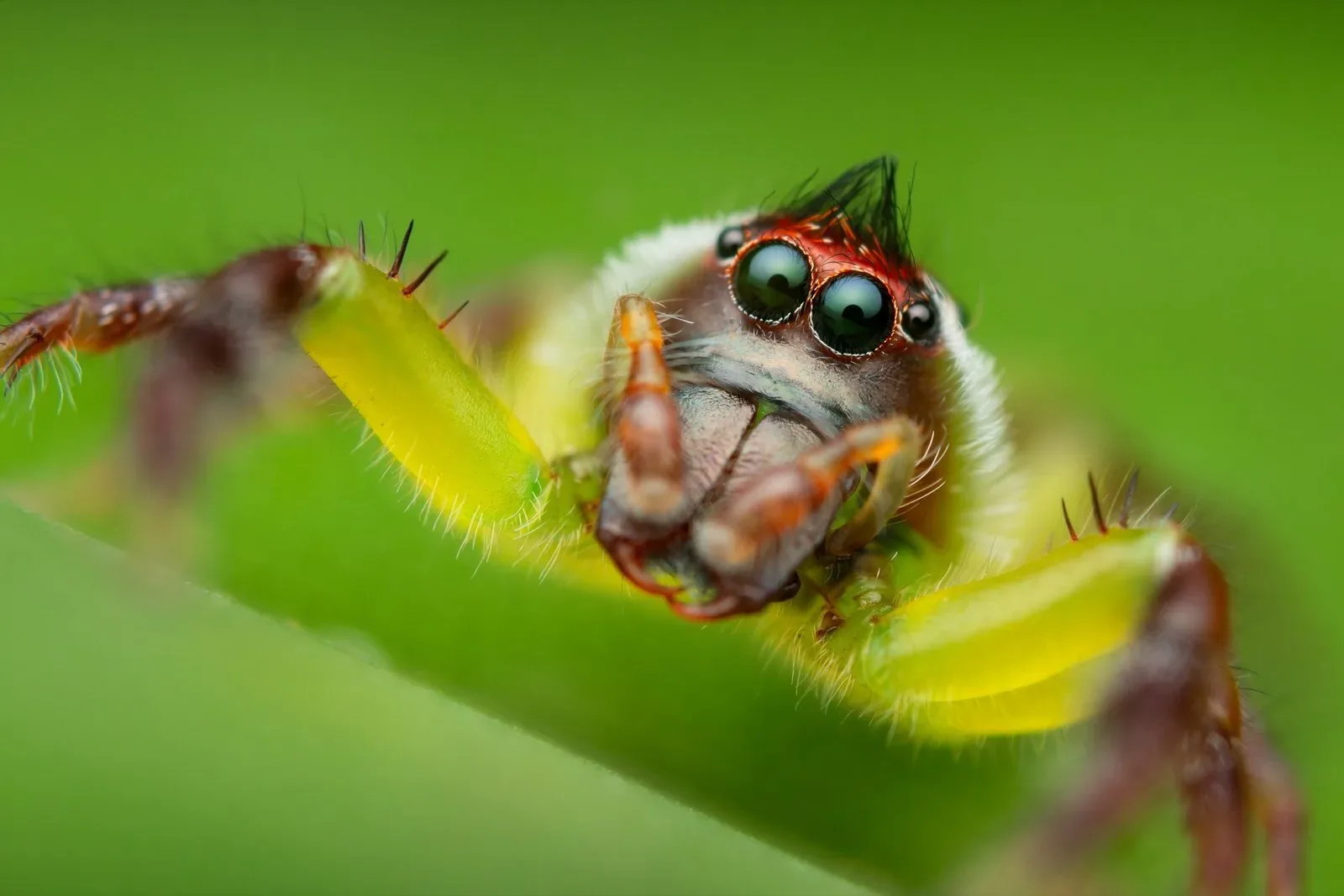
Alexis Tinker-Tsavalas, a Germany-based photographer of Greek heritage, has four images on the shortlist: “Eye to Eye” in Animals, “Home” and “Mitey Passenger” in Arachnids, and “Claws” in Insects. His attention to tiny organisms offers a particularly relevant connection for Greek readers.
In 2024 he won Young Wildlife Photographer of the Year, and in 2026 he received the Rising Star Portfolio Award at Wildlife Photographer of the Year. His CUPOTY 8 photographs are shortlisted entries, not confirmed category winners.
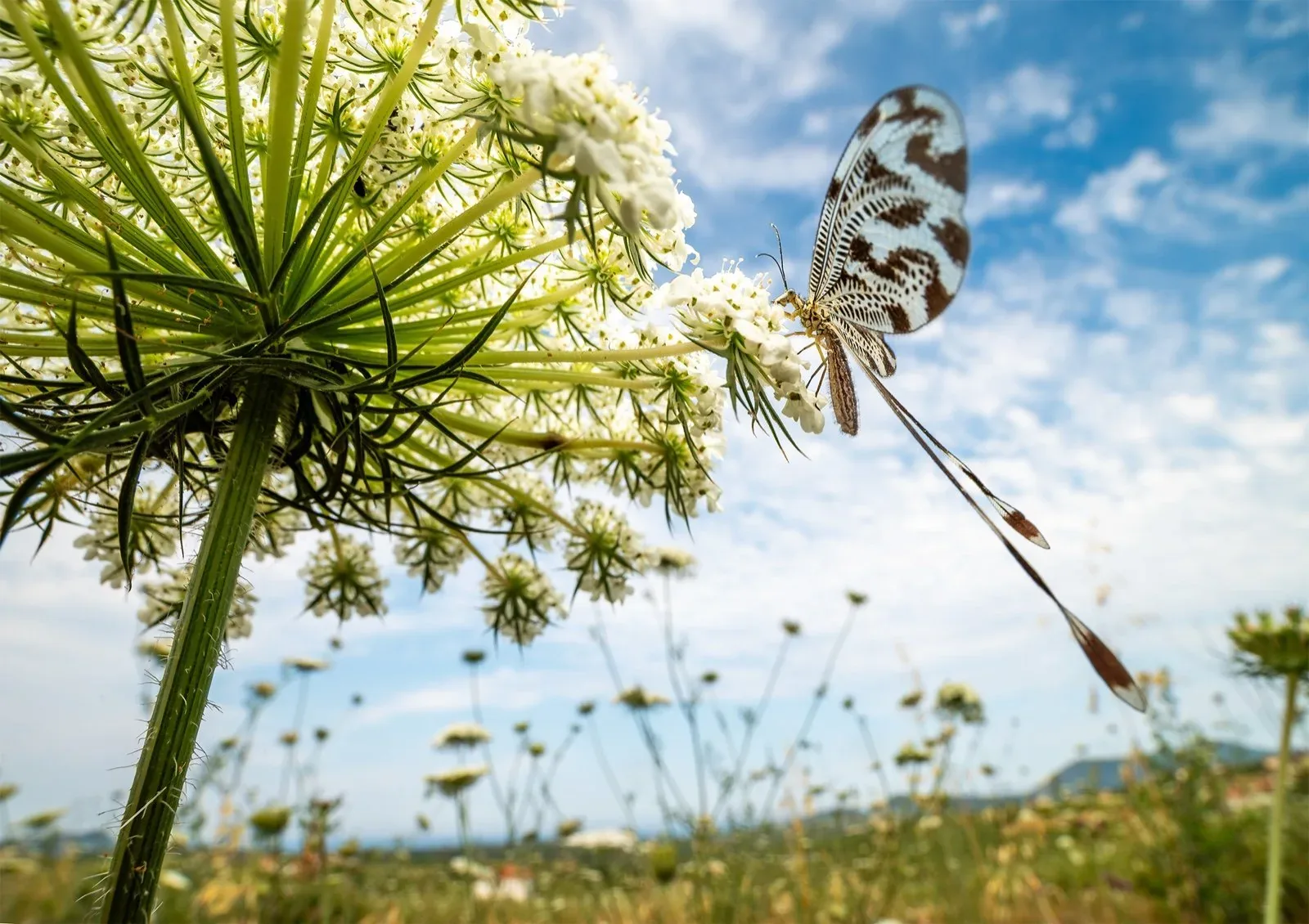
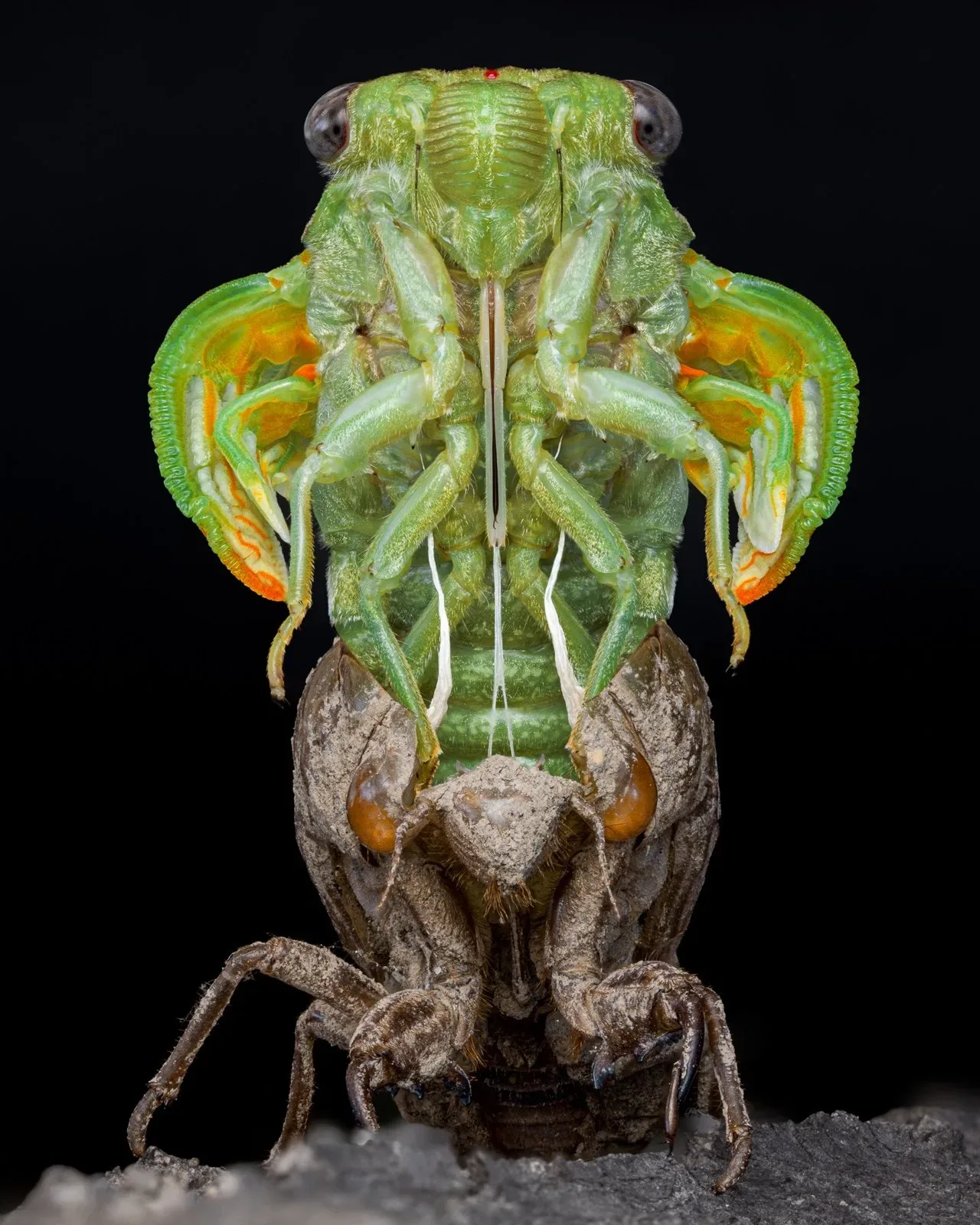
Other Greek connections include “Spoonwing” by Lucien Harris, photographed in the Peloponnese, and “Cicada Emergence” by Yanis Karamalengos. Neither Karamalengos’ Greek nationality or ancestry nor that of “Echo of Distress” photographer Alzbeta Chalivopulosova has been verified; a surname alone is not proof.
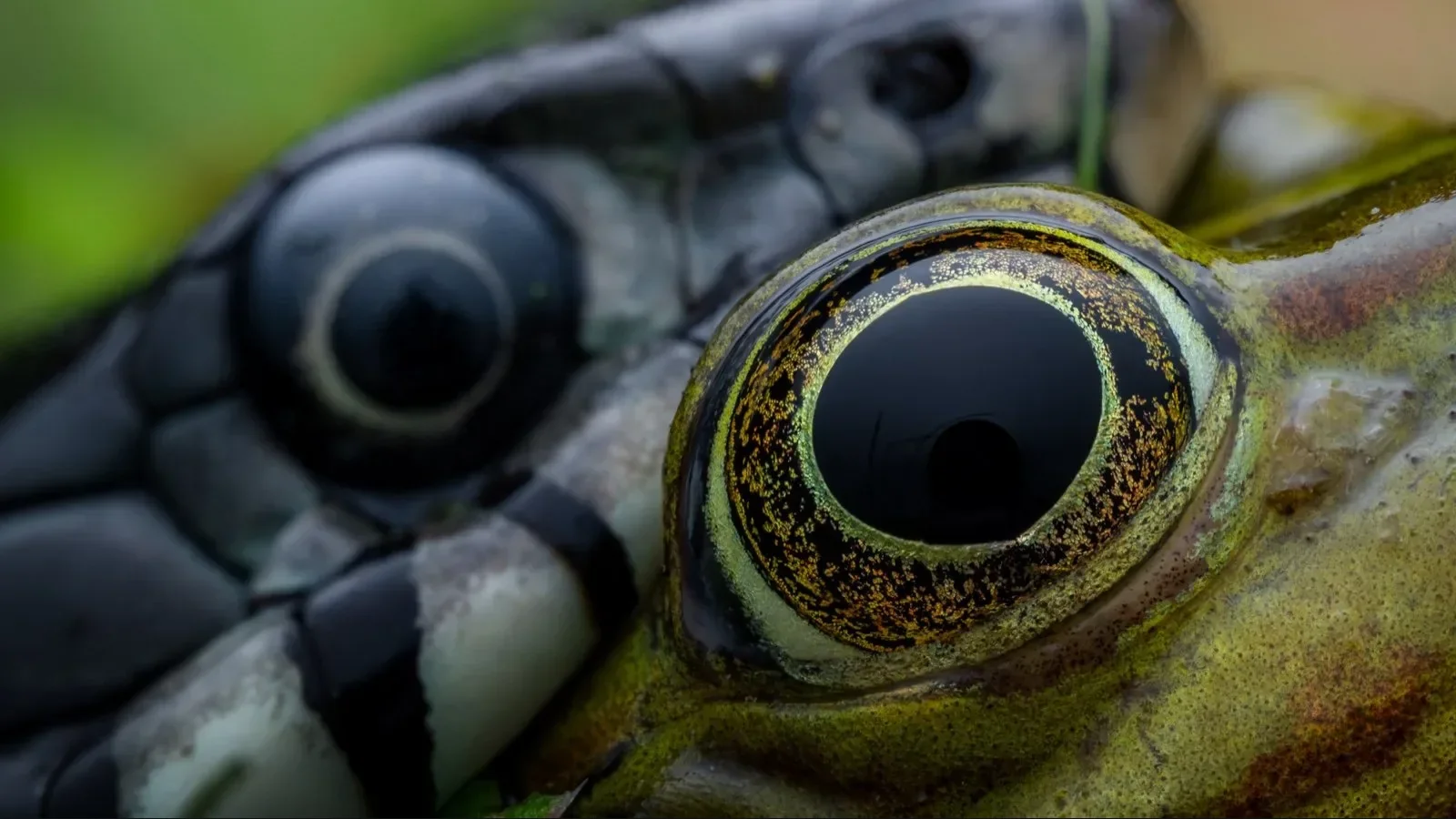
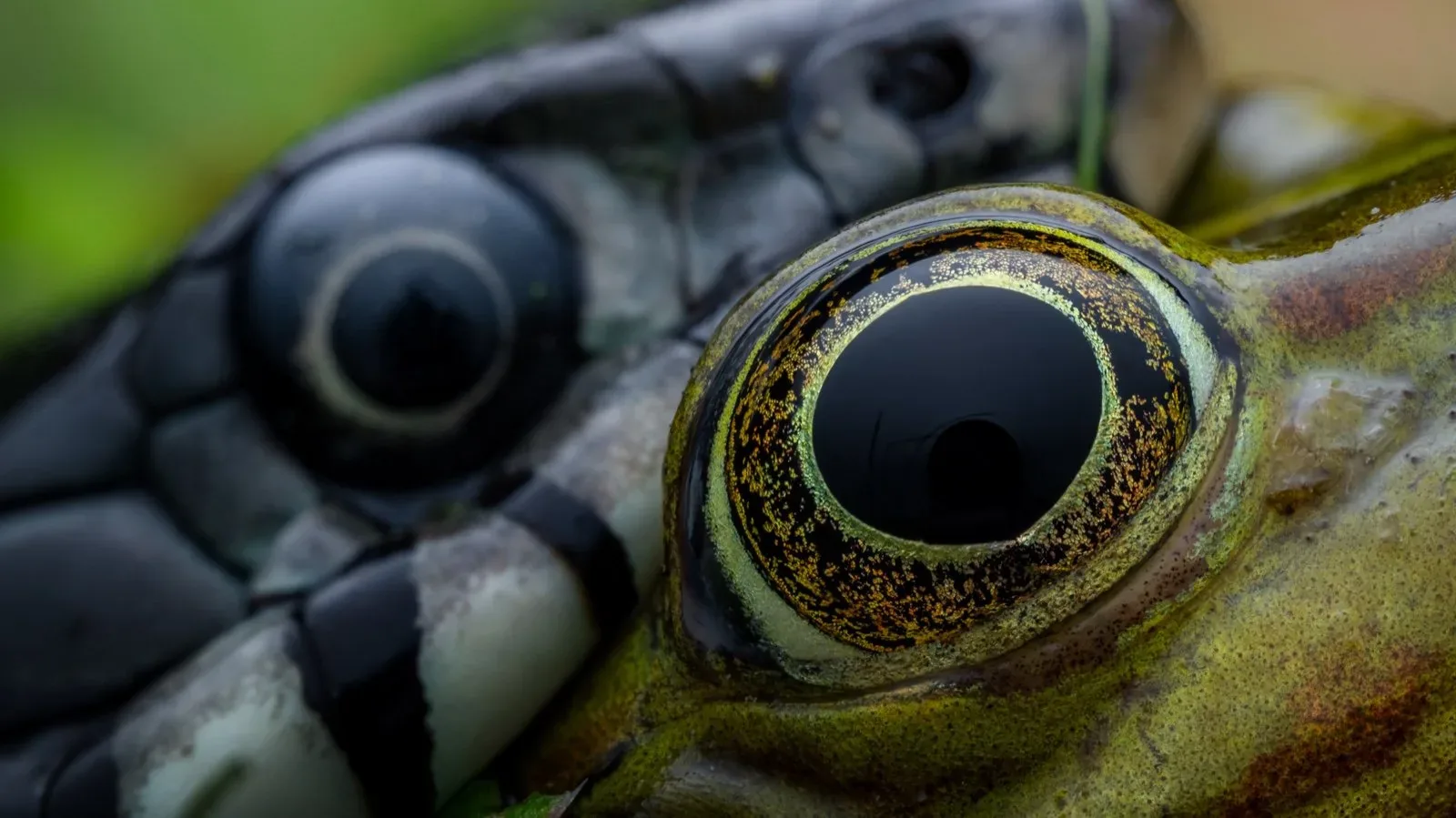
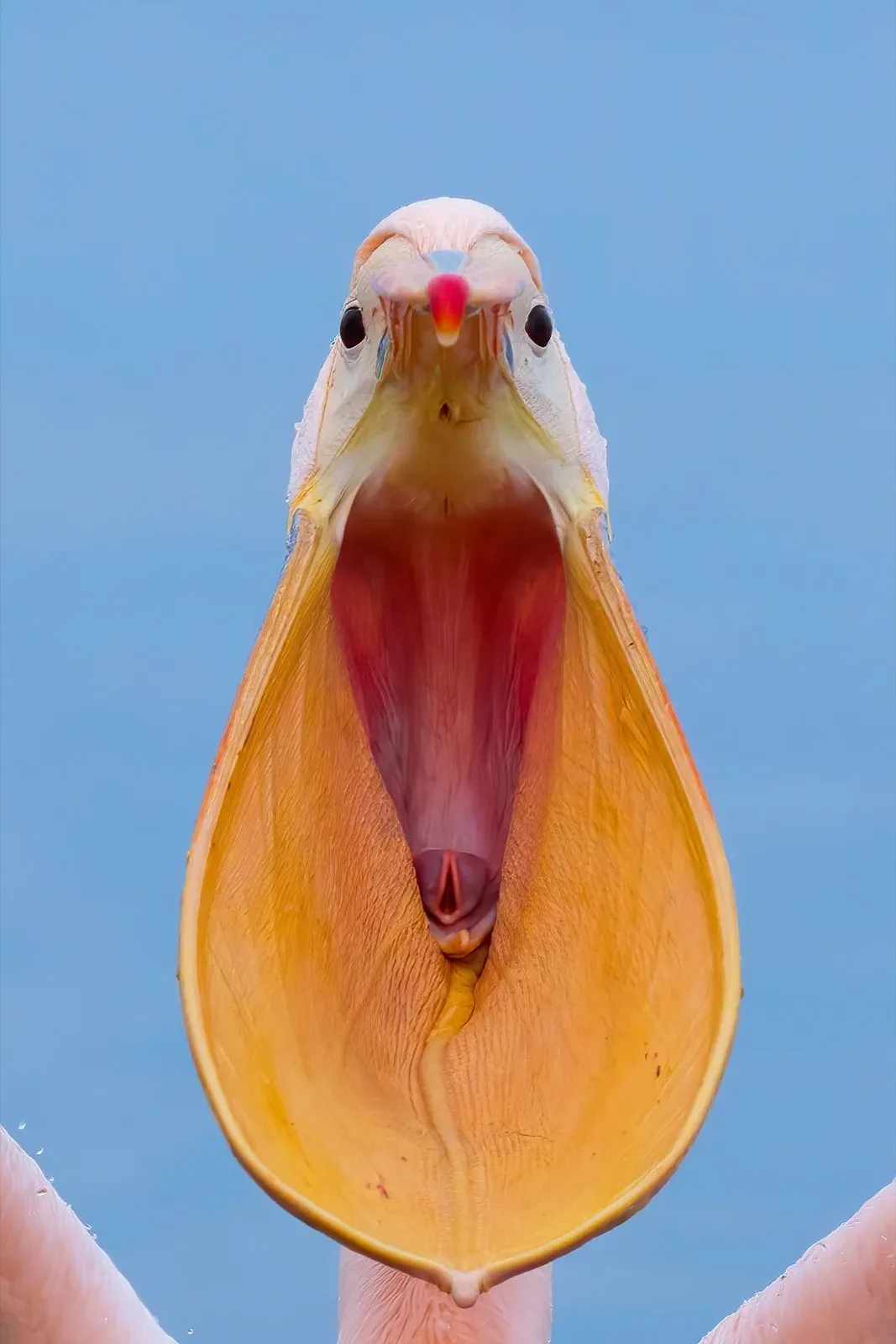
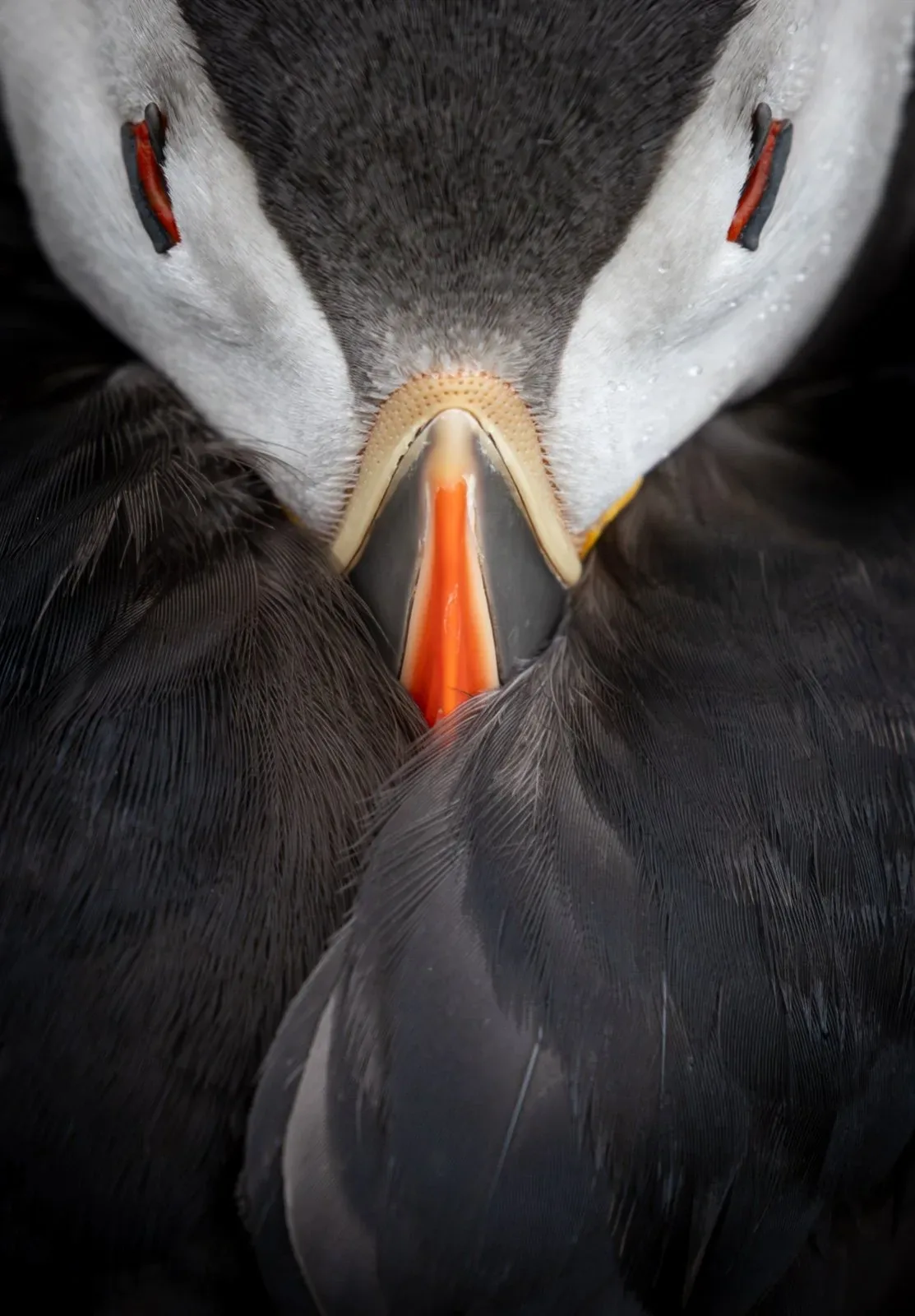
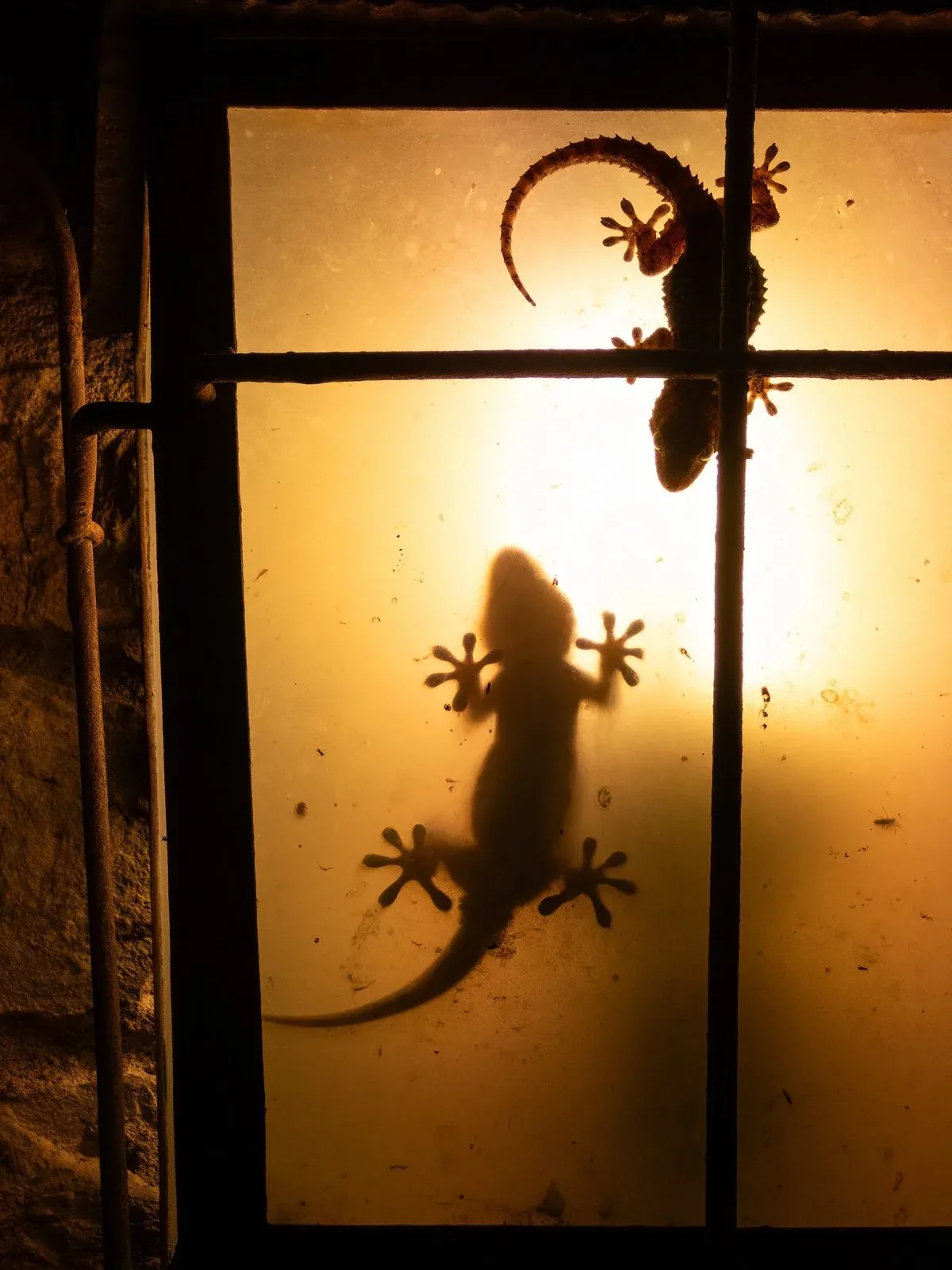
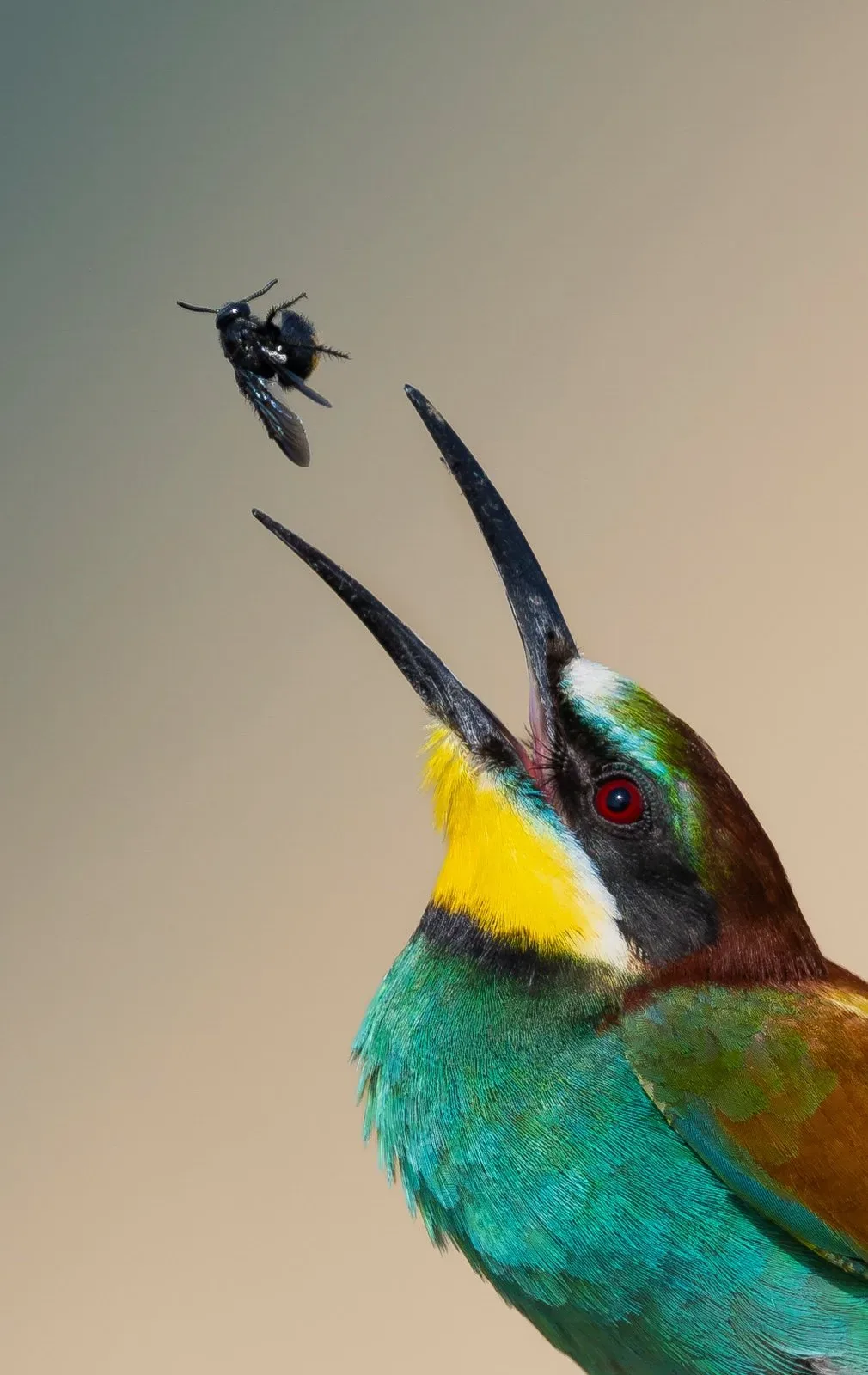
Animals
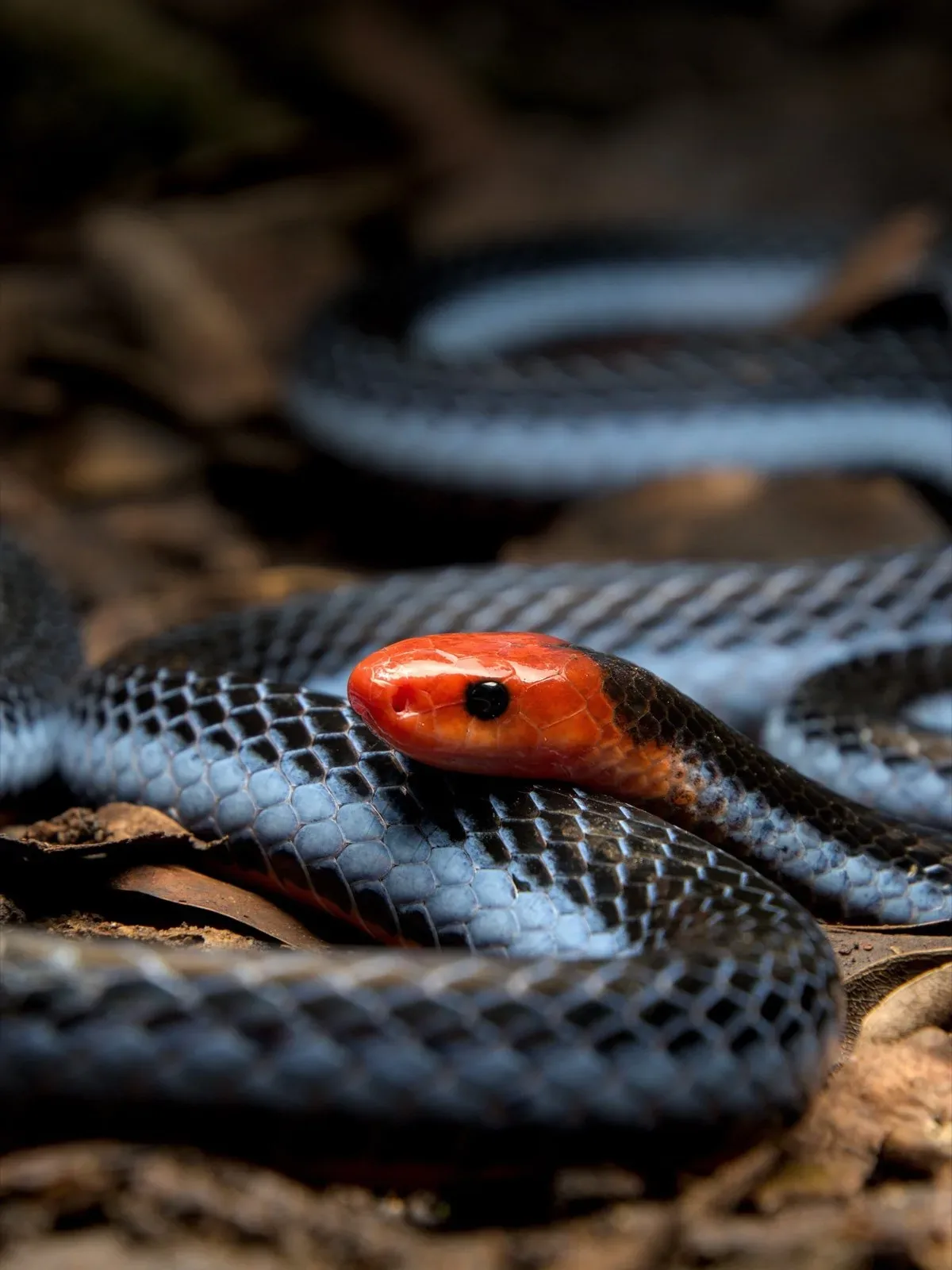
From amphibian eyes to unexpected encounters with birds and mammals, these photographs reveal details of animal behaviour.
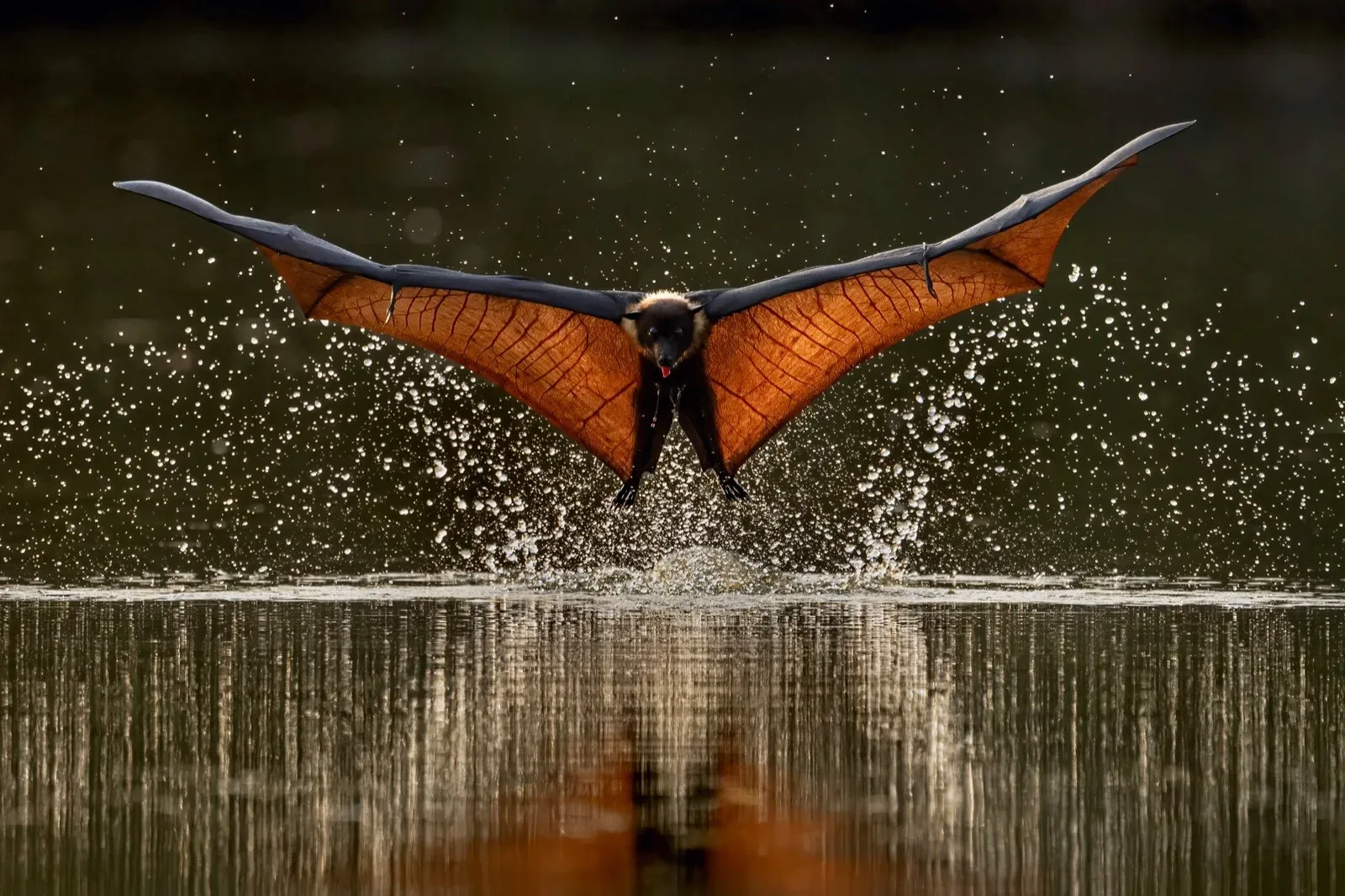
Arachnids
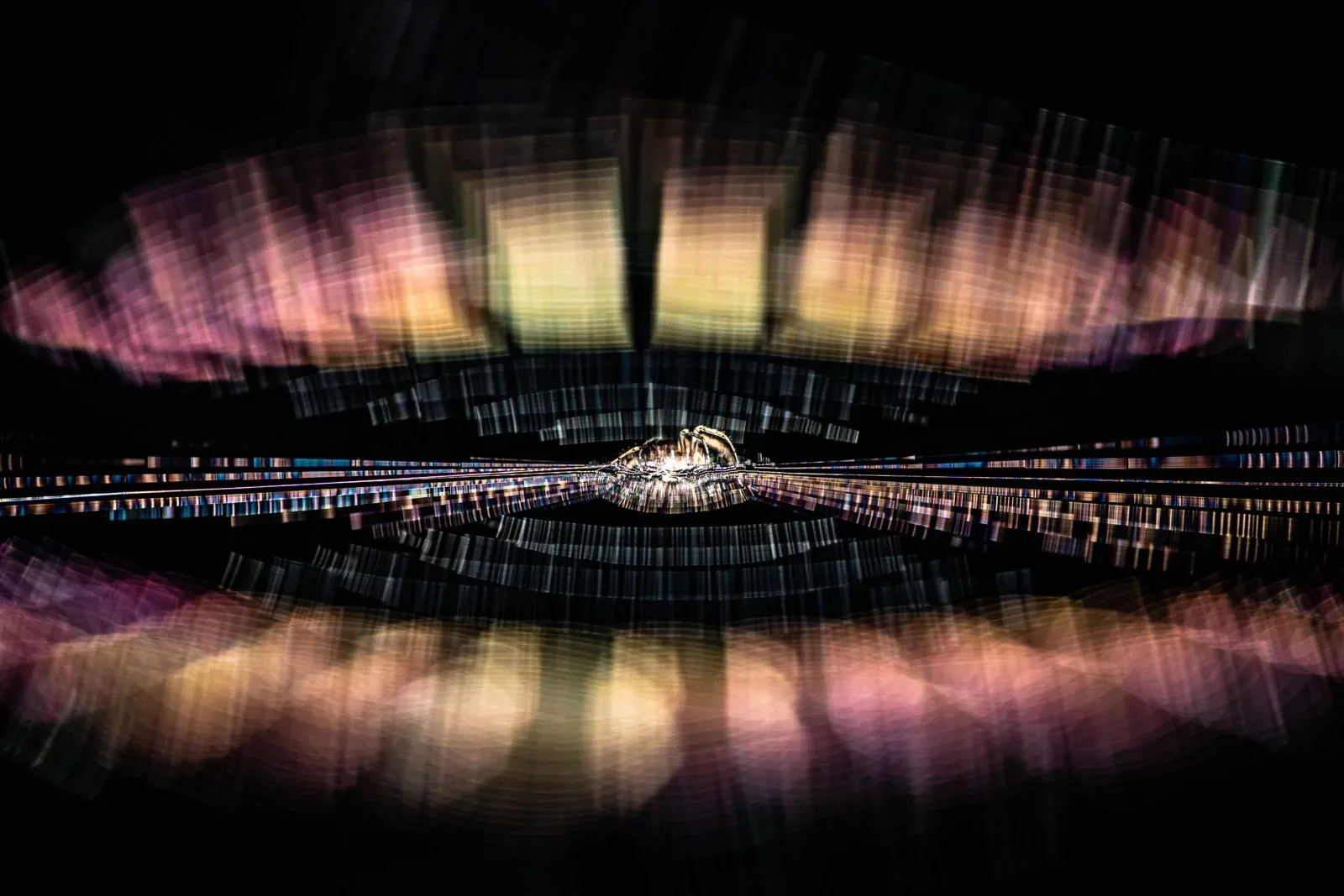
Spiders, mites and their remarkable anatomy reveal what is lost when we only look at the bigger picture.
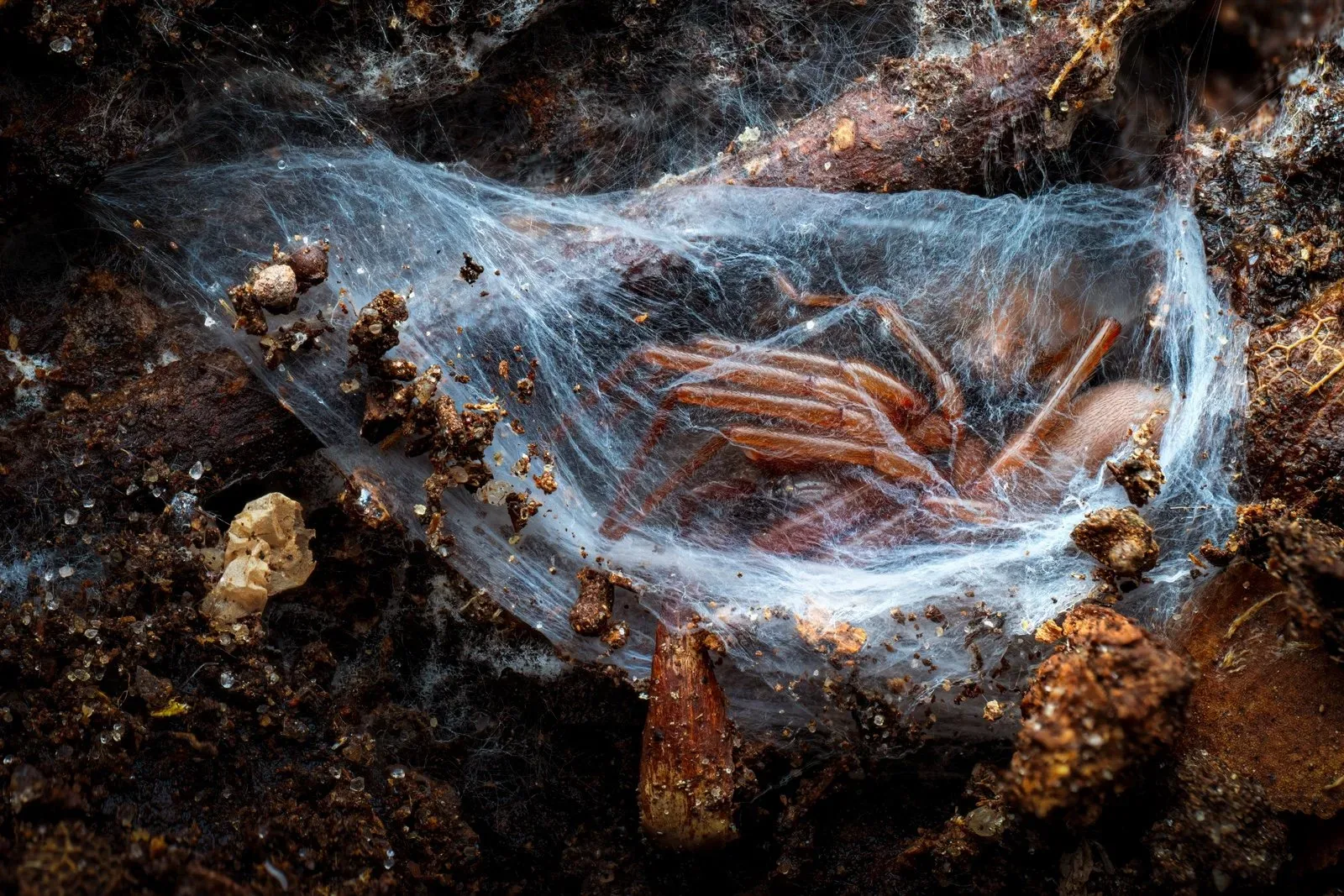
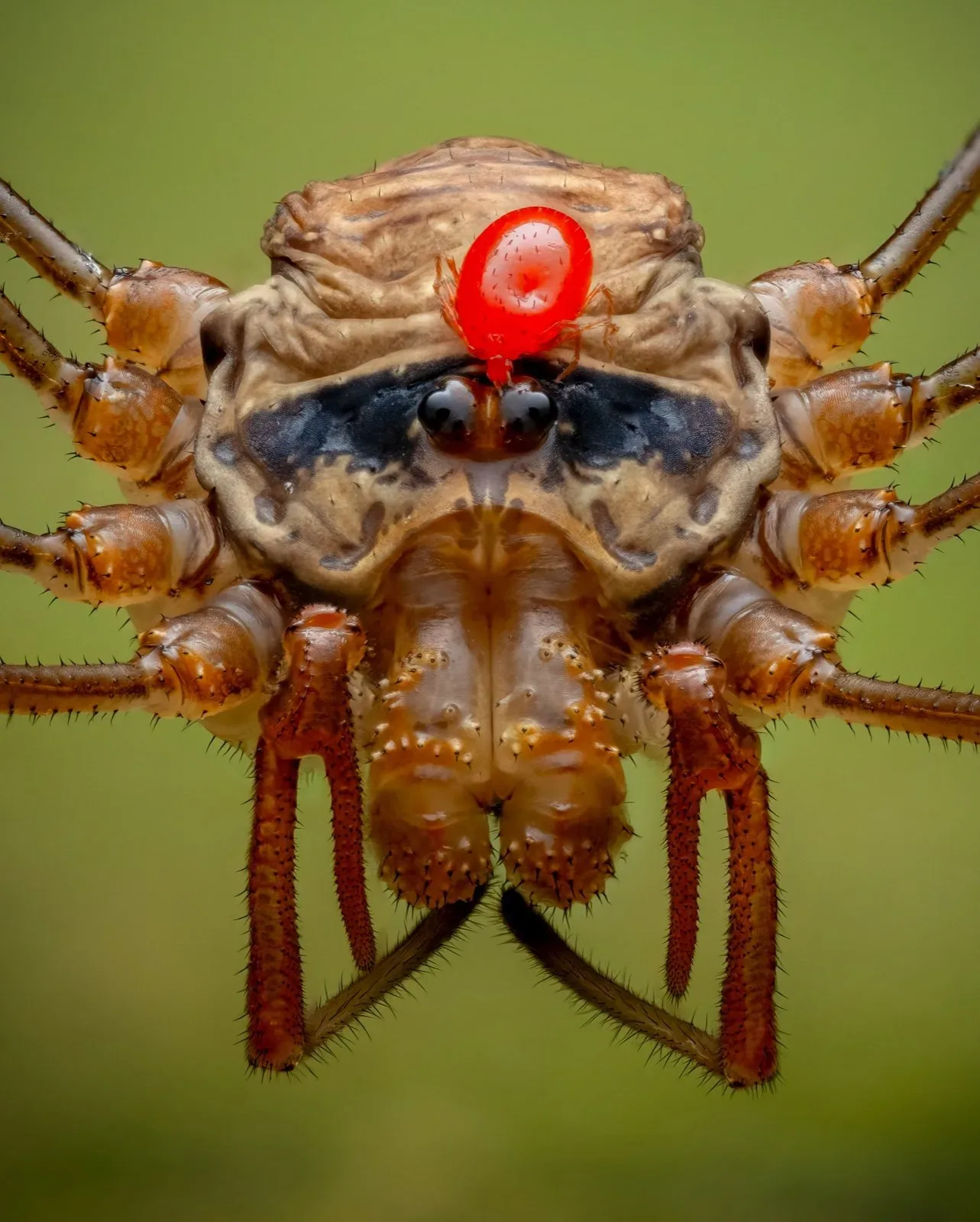
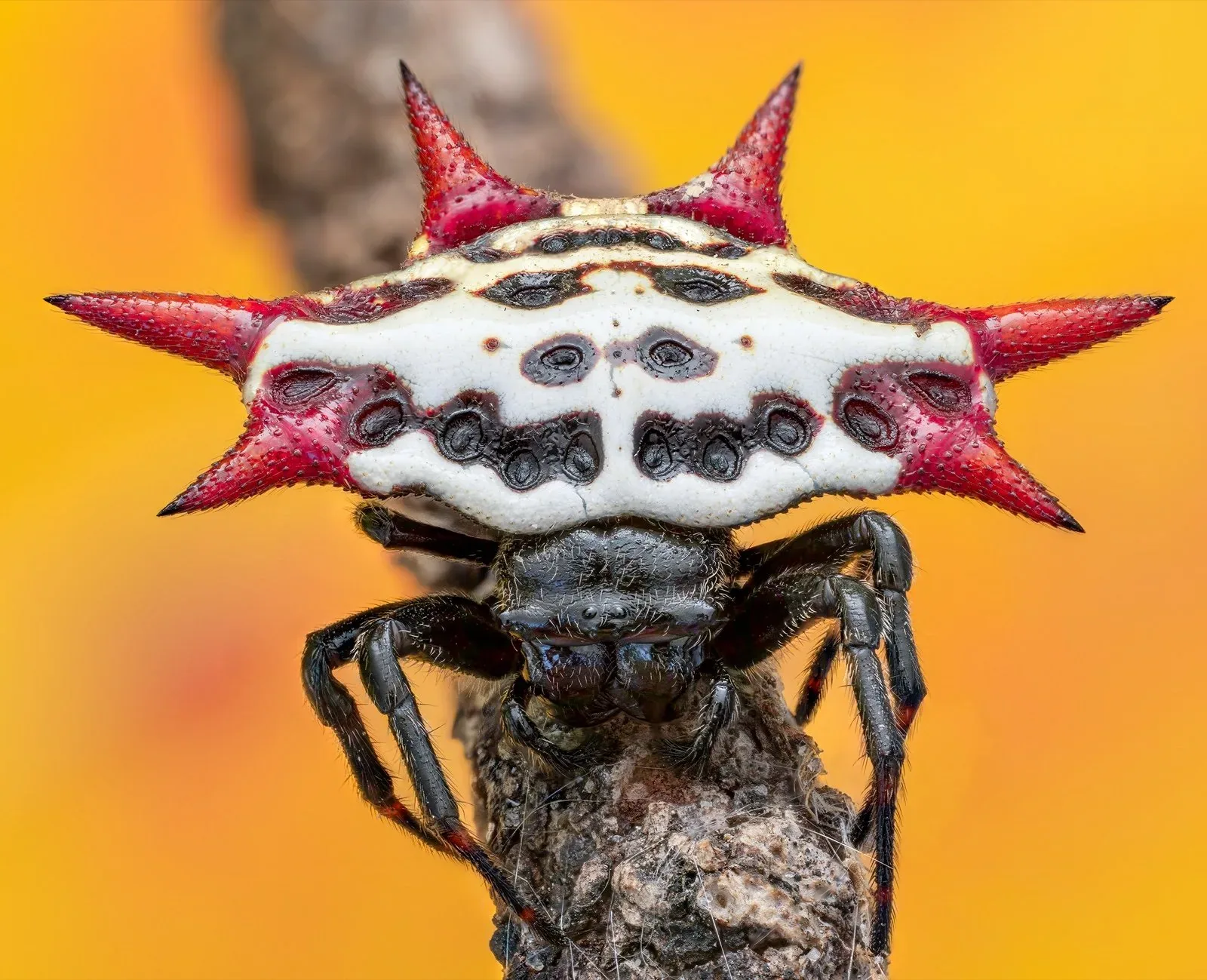
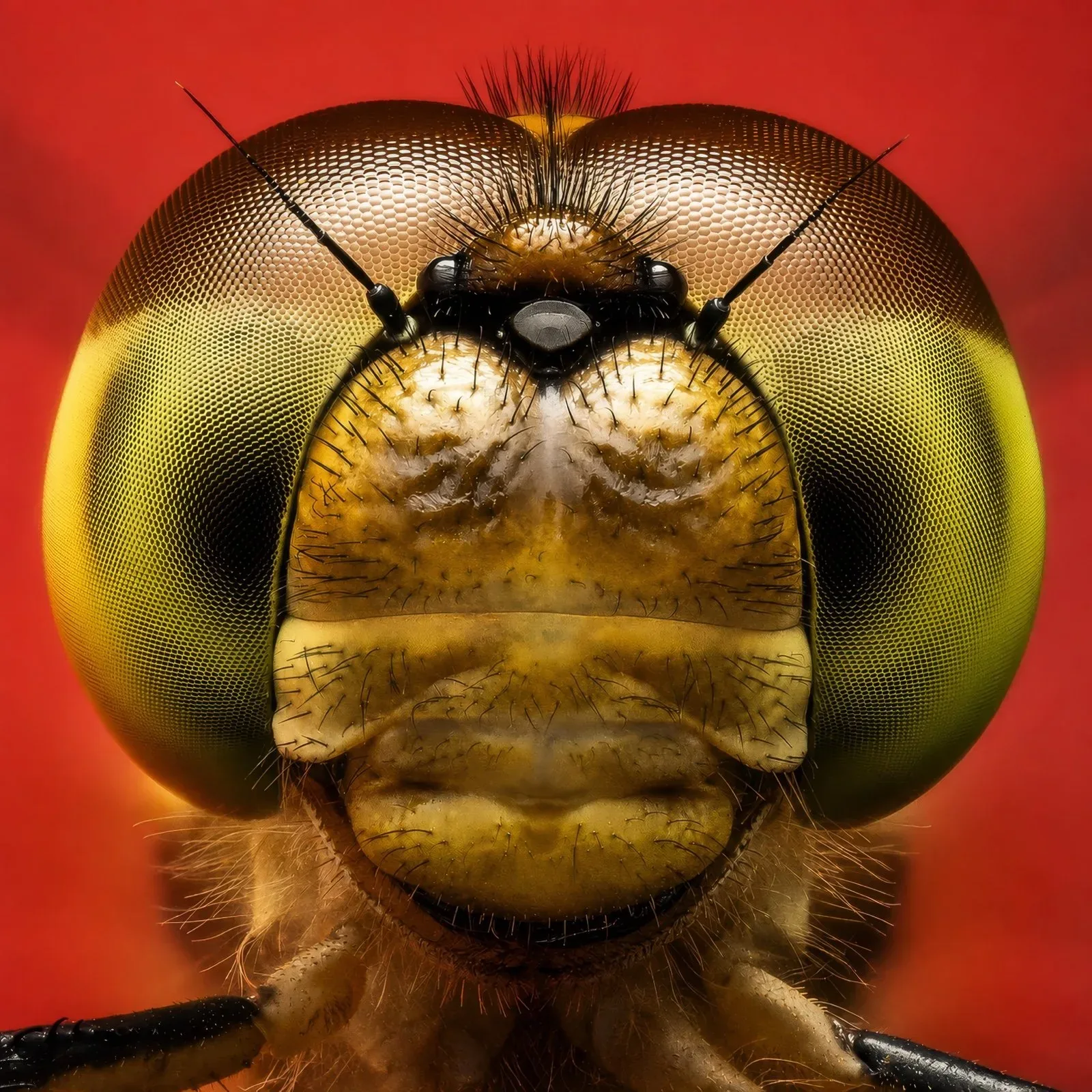
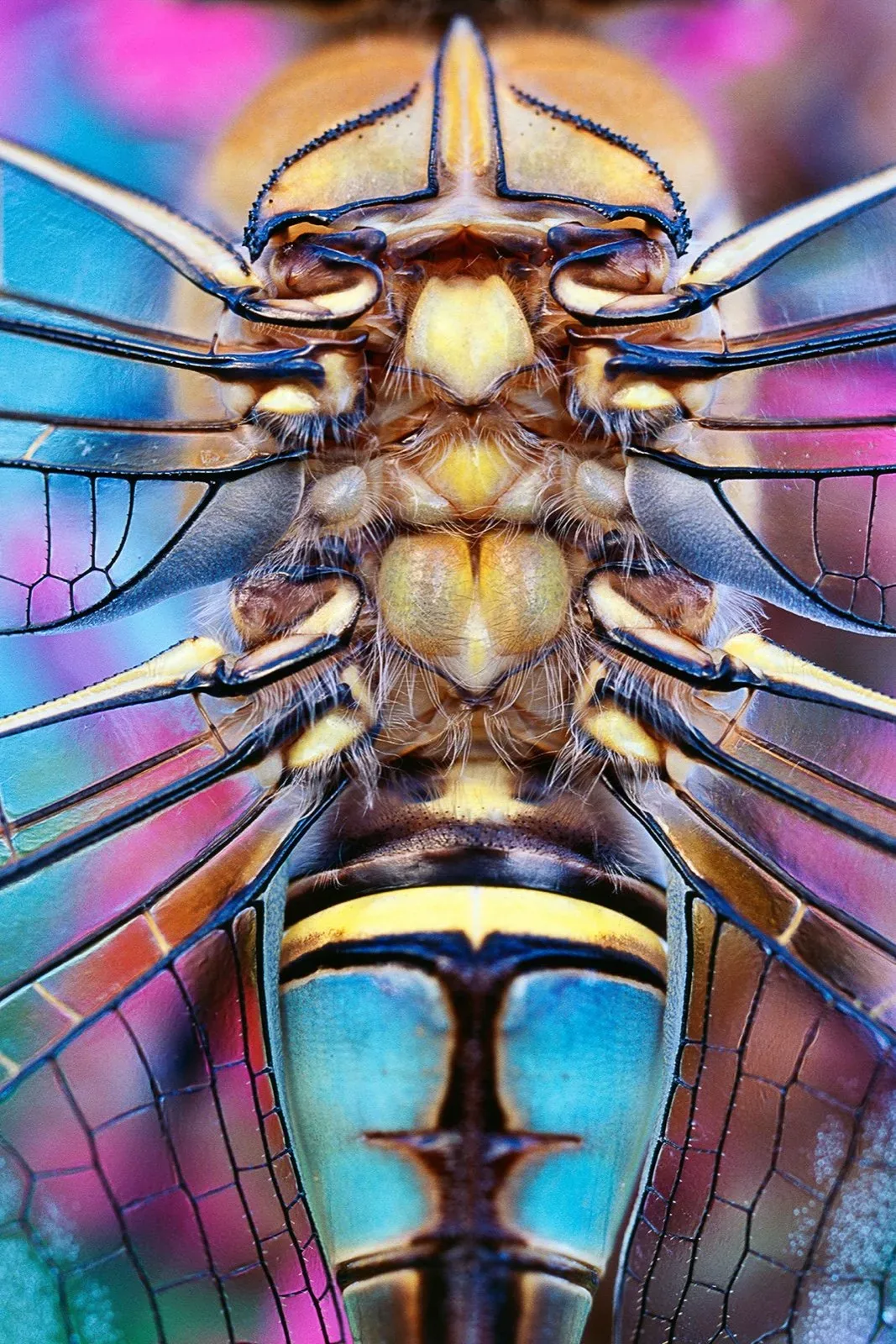
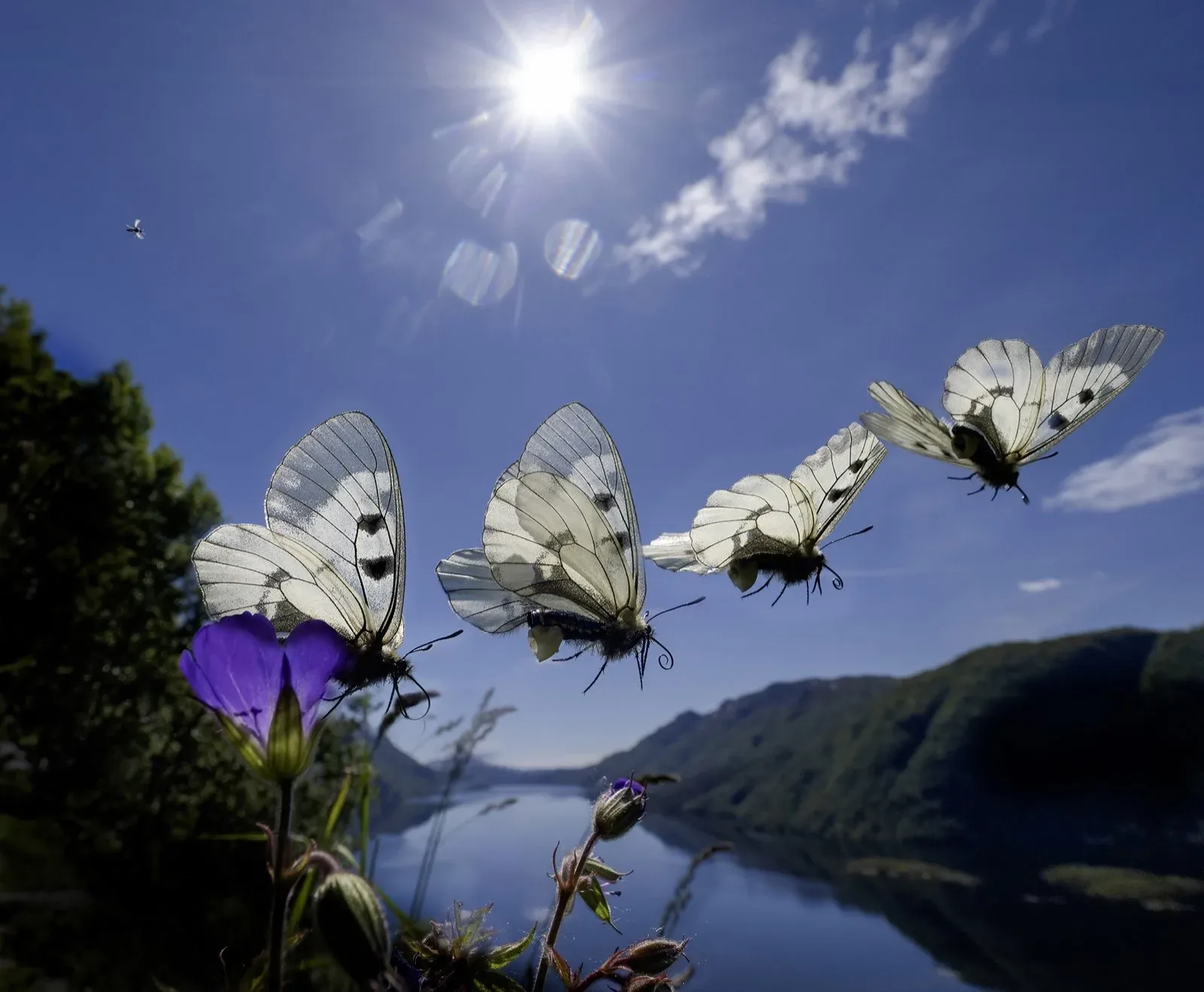
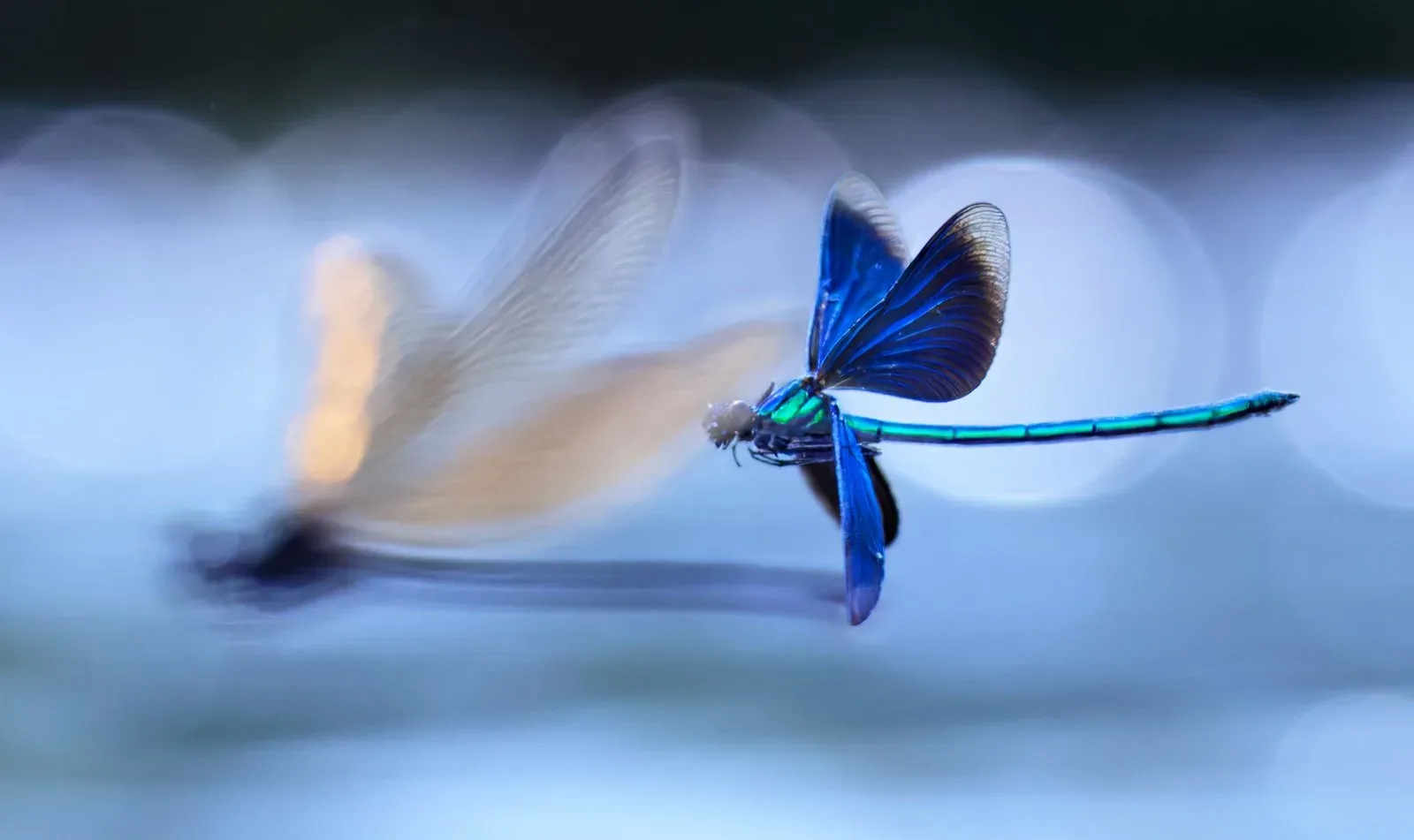
Butterflies & Dragonflies
Forms, colours and delicate structures turn butterflies and dragonflies into striking subjects.
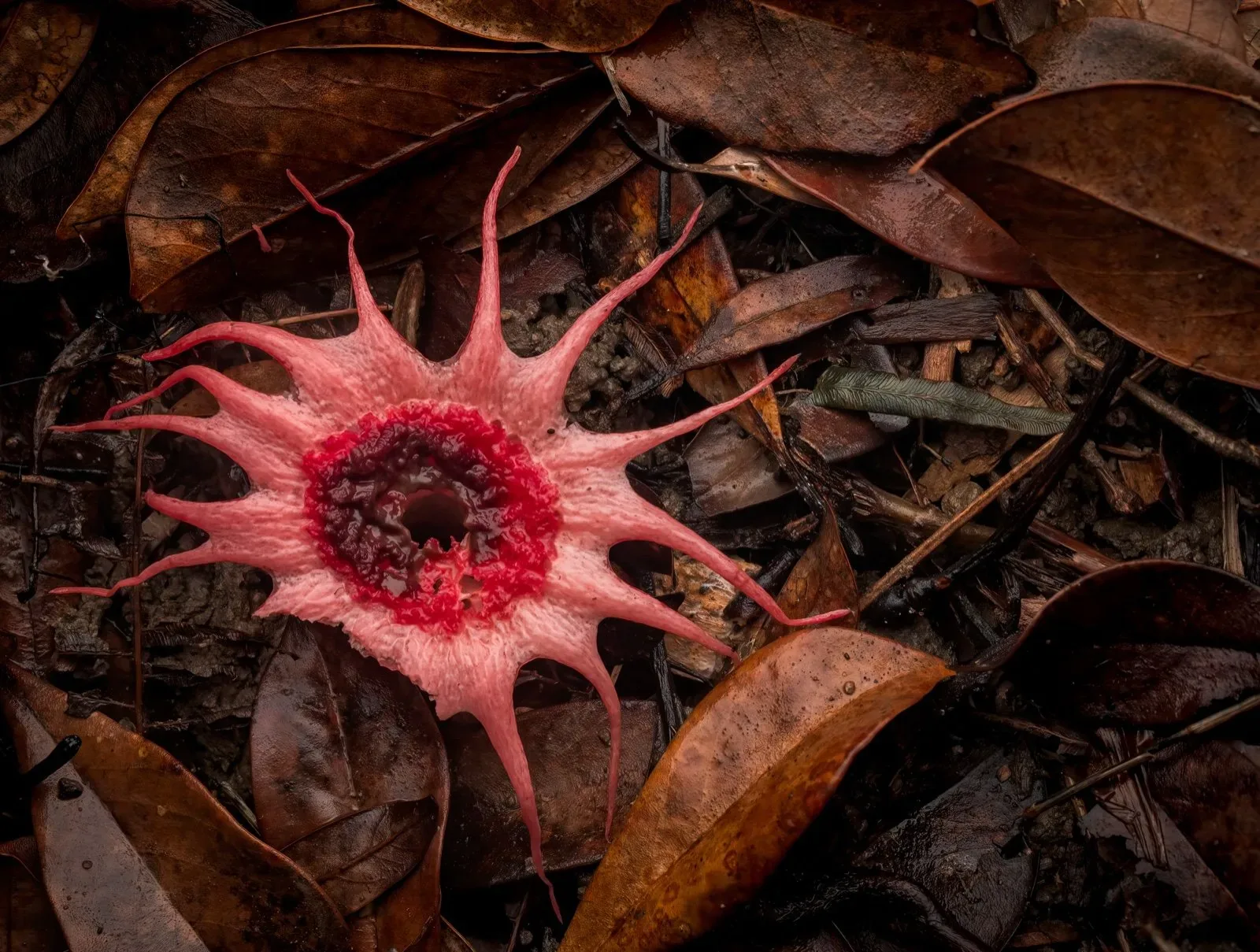
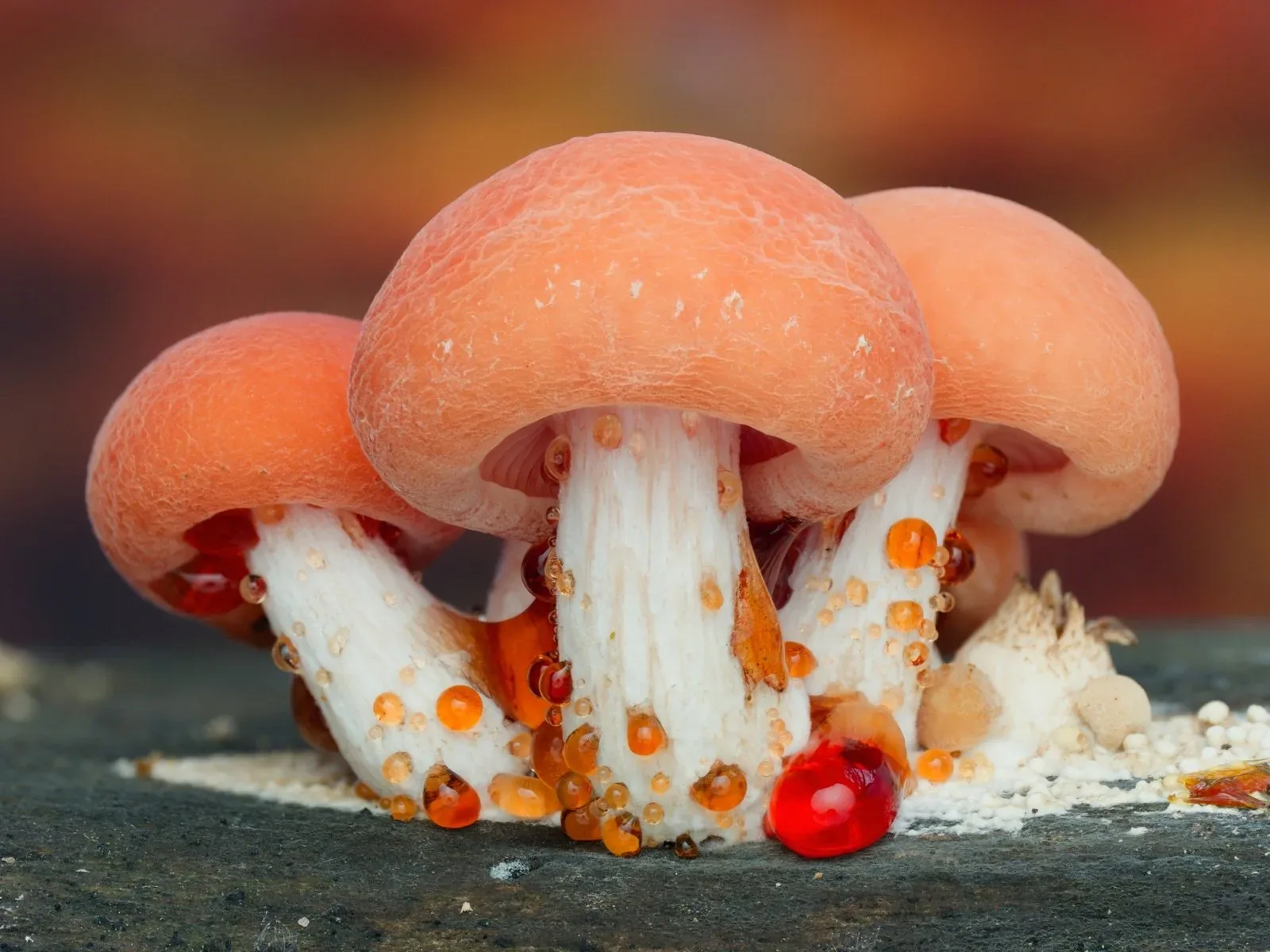
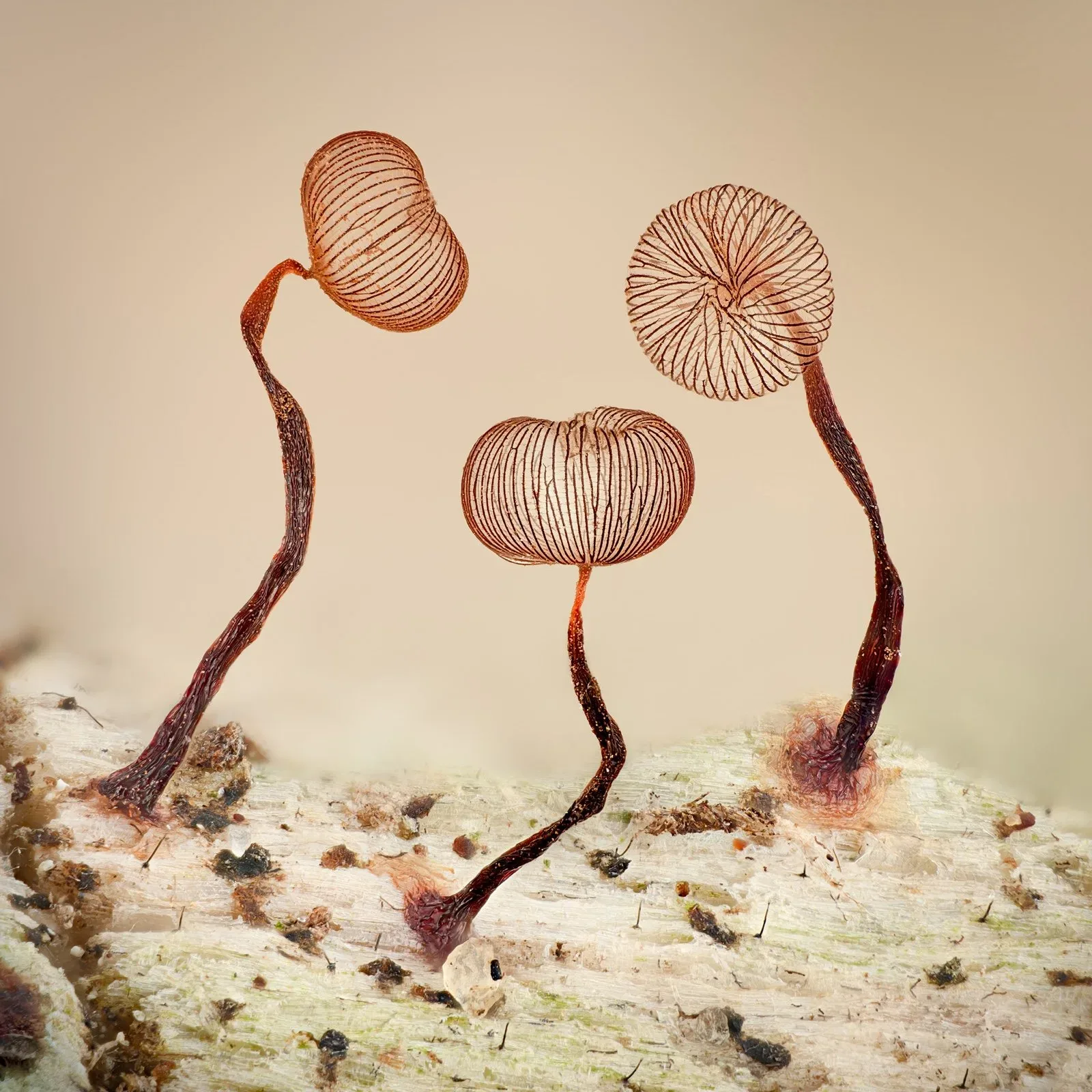
Fungi
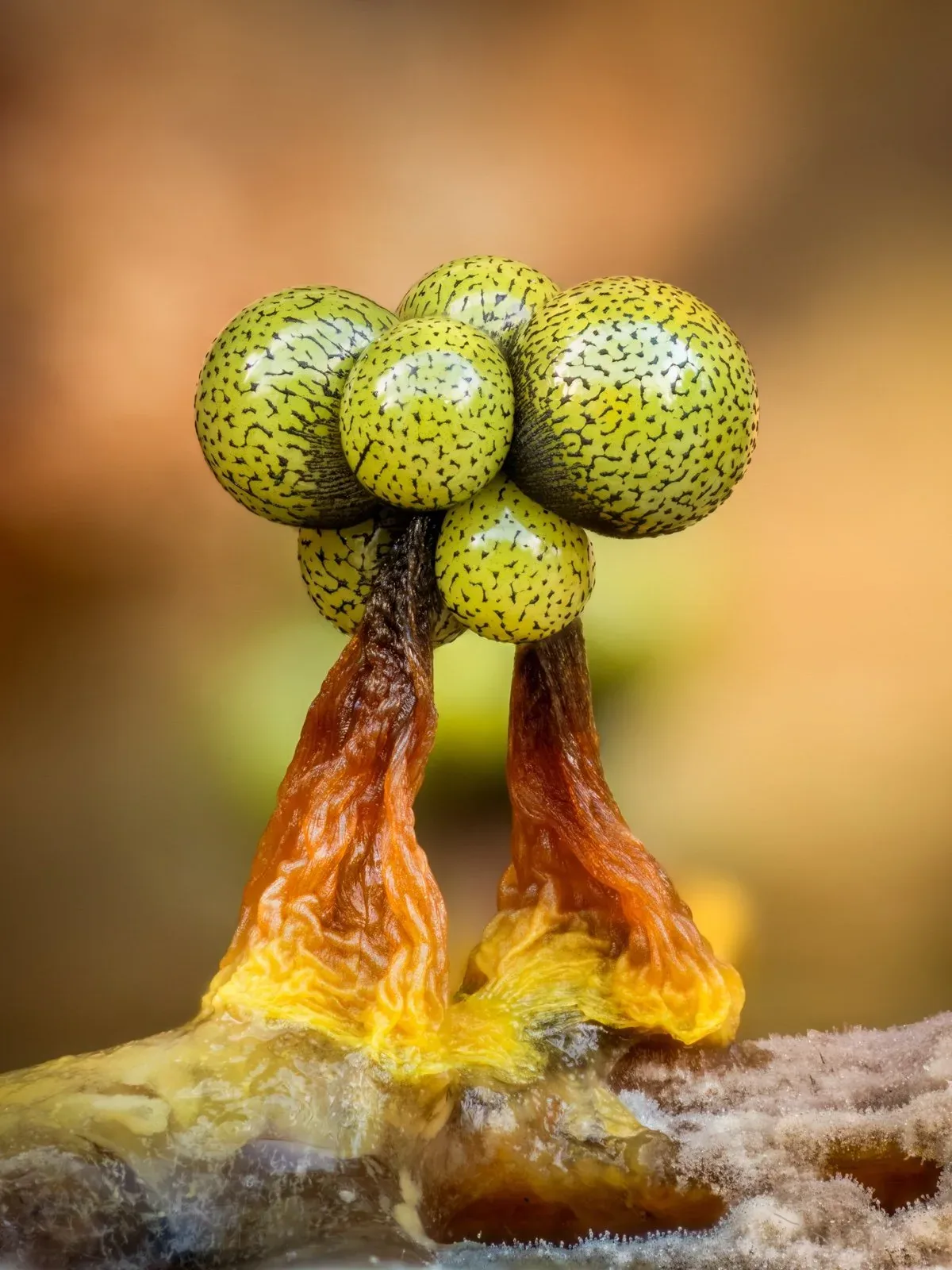
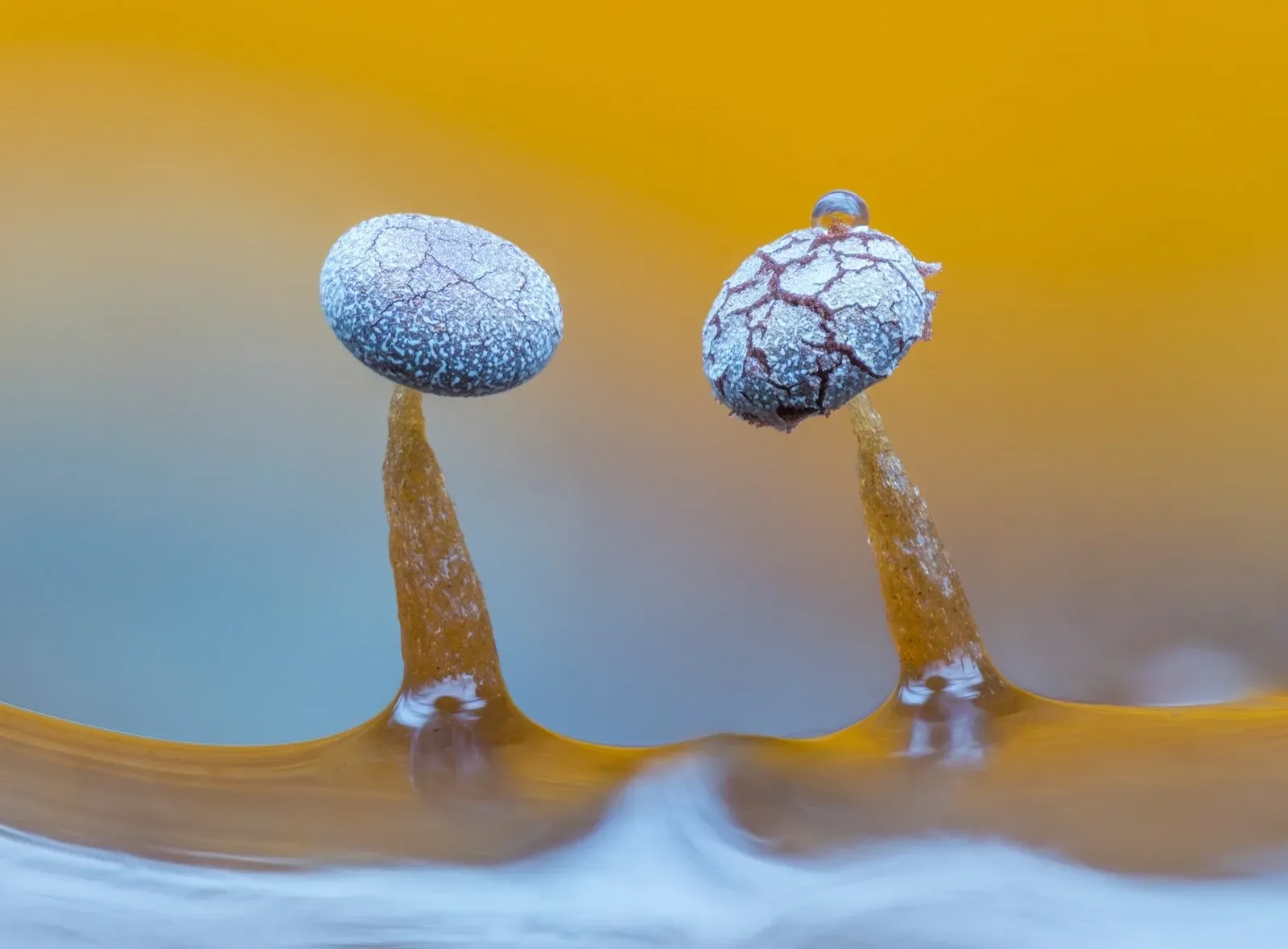
Fungi and slime moulds resemble sculptural forms and miniature ecosystems.
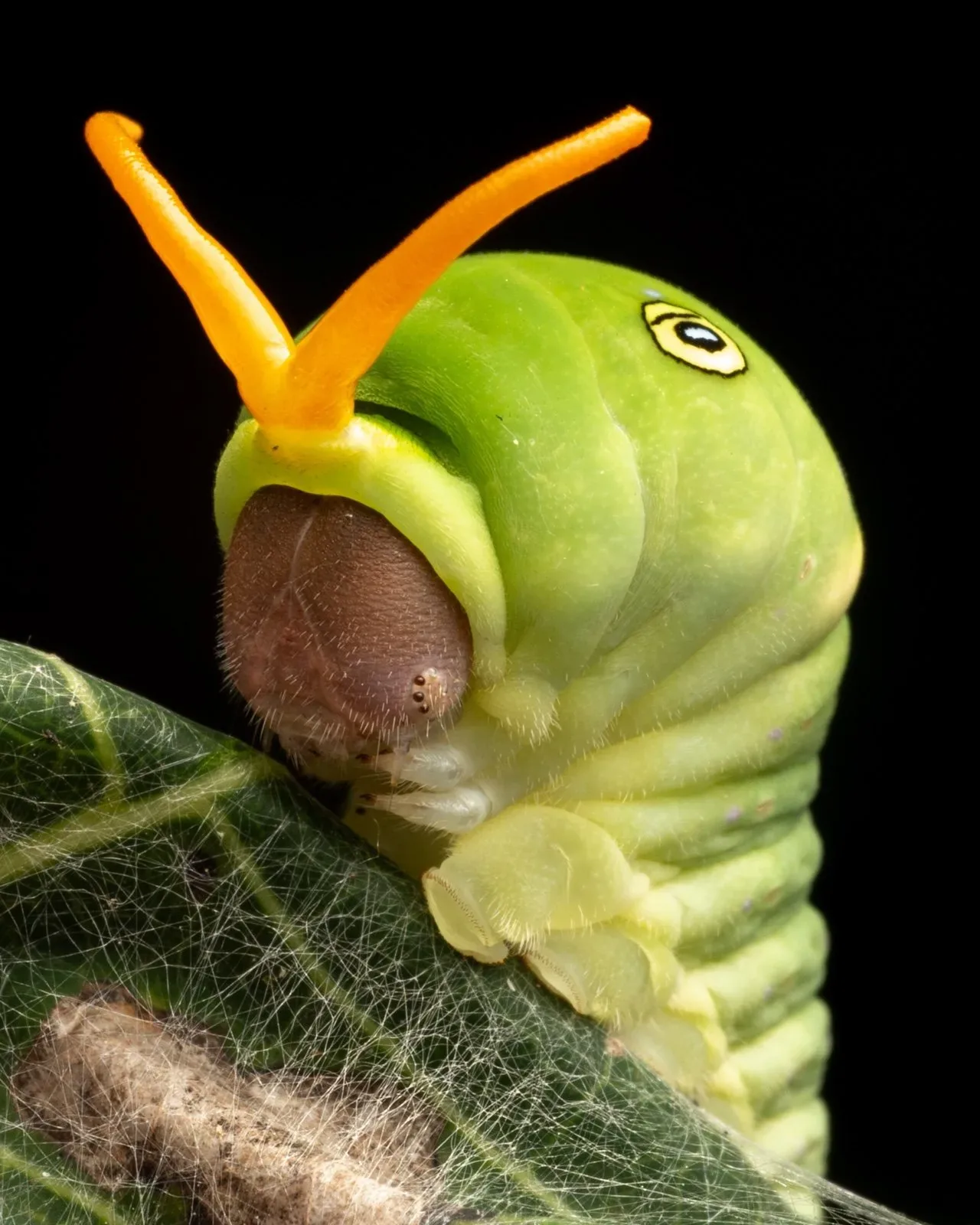
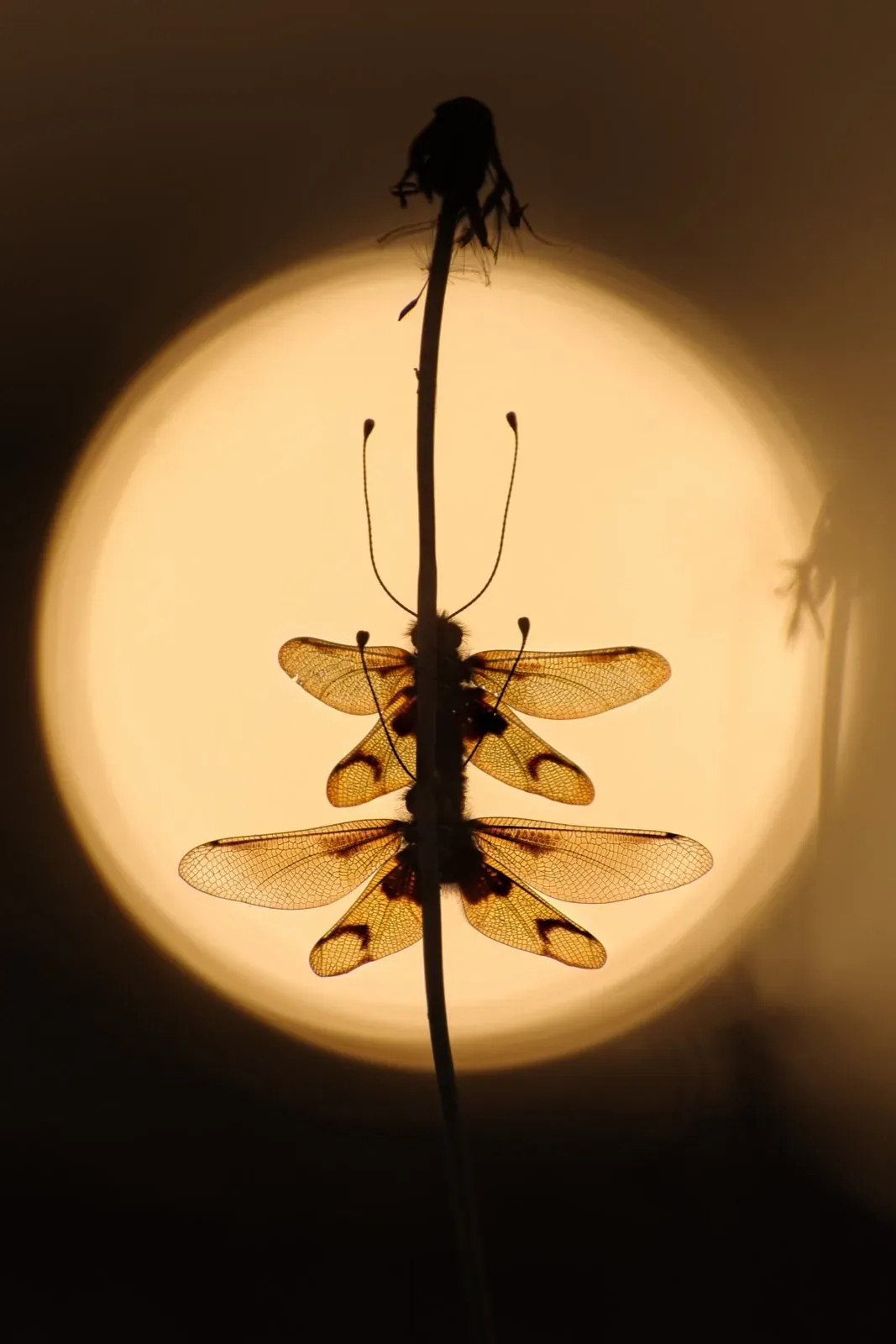
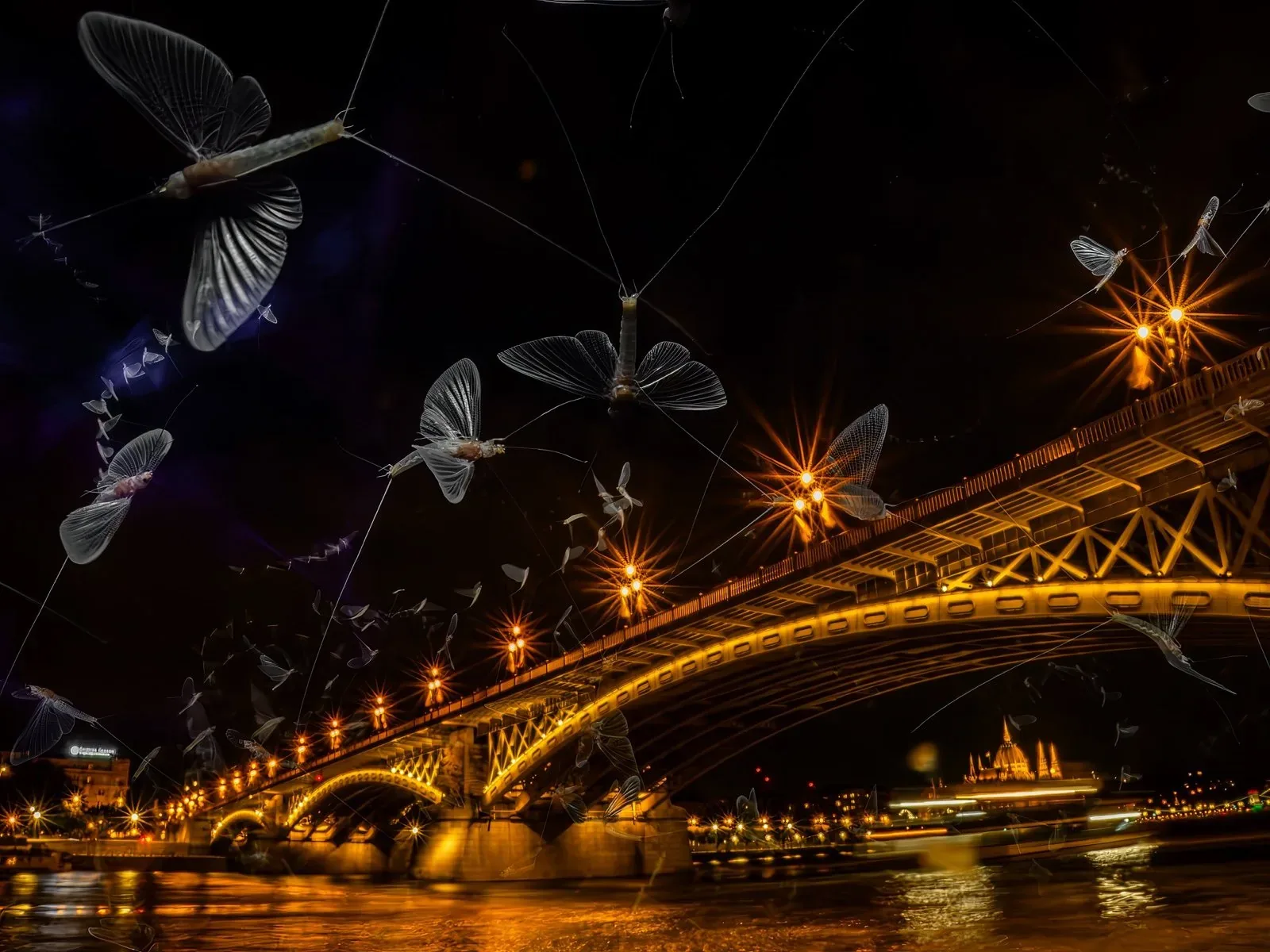
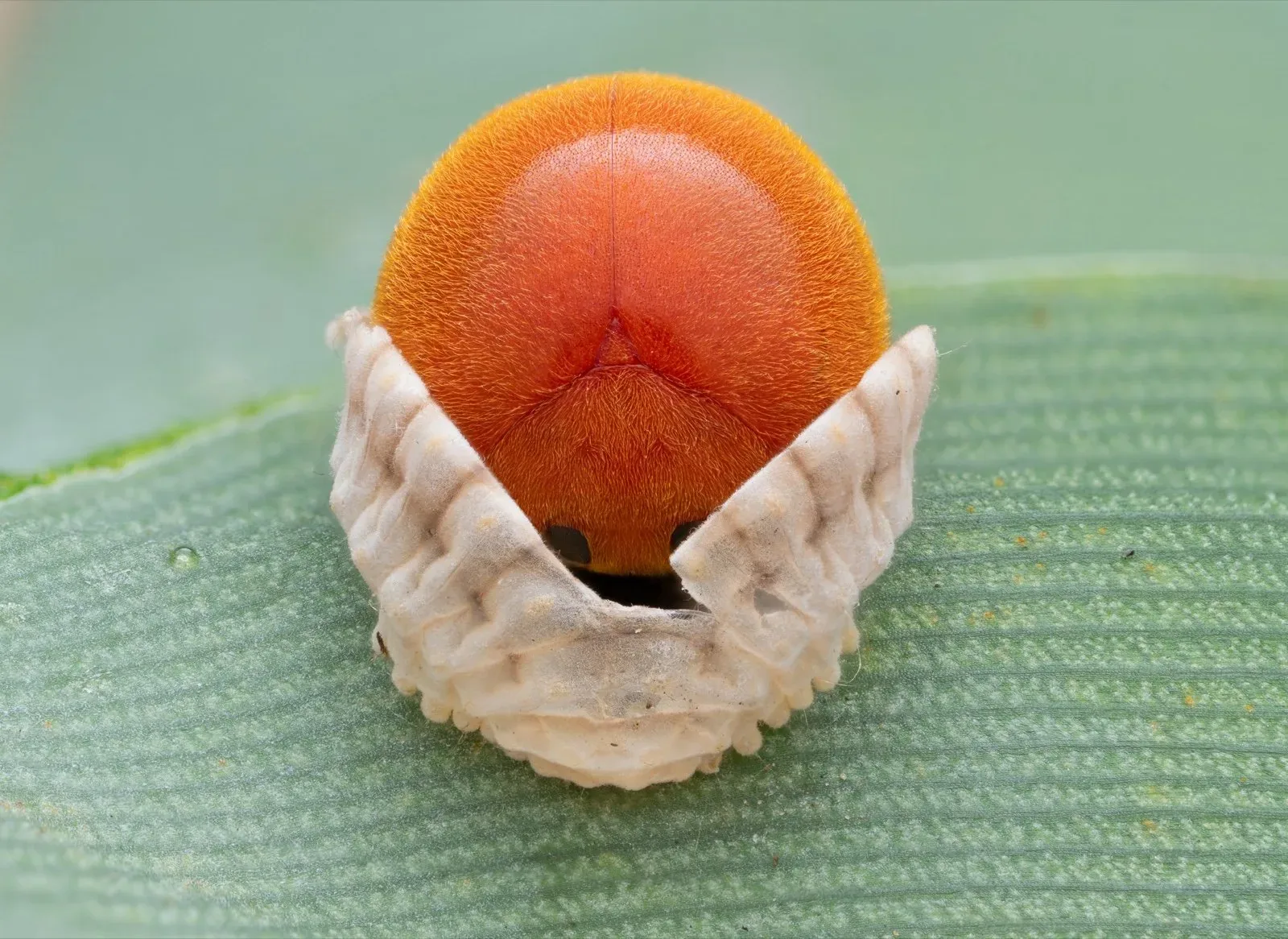
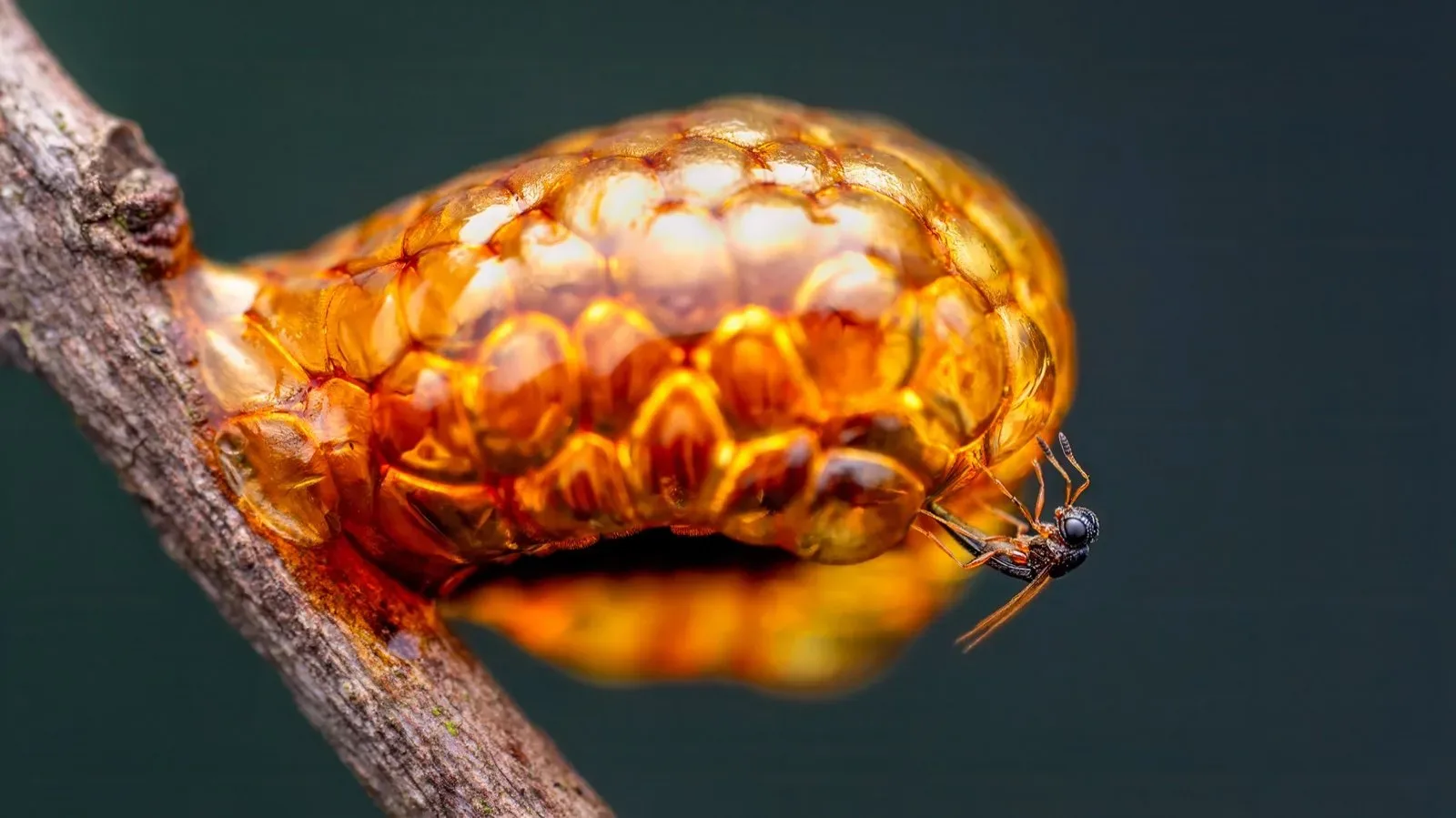
Insects
Metamorphosis, flight and exoskeleton textures become subjects for careful observation.
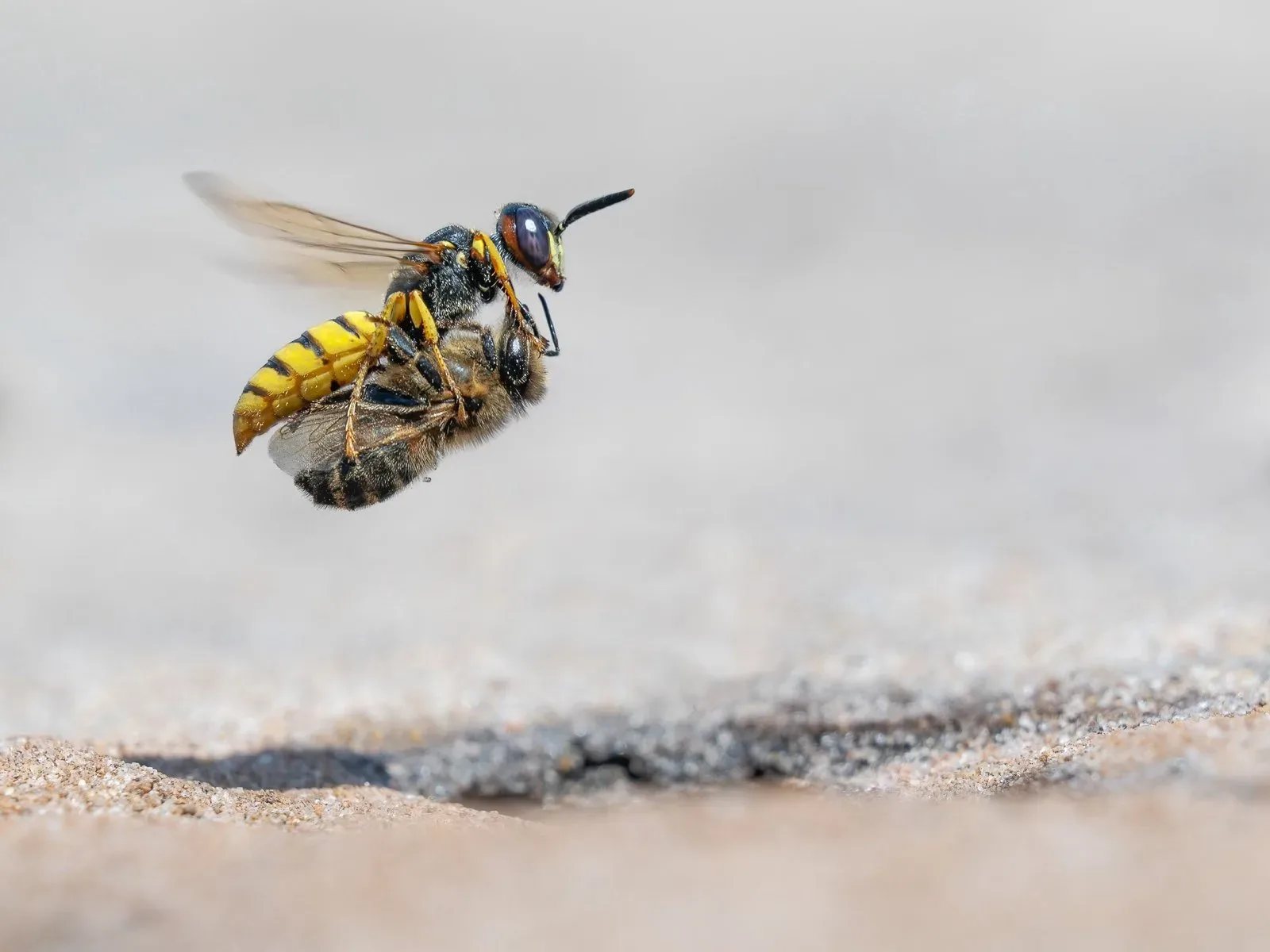
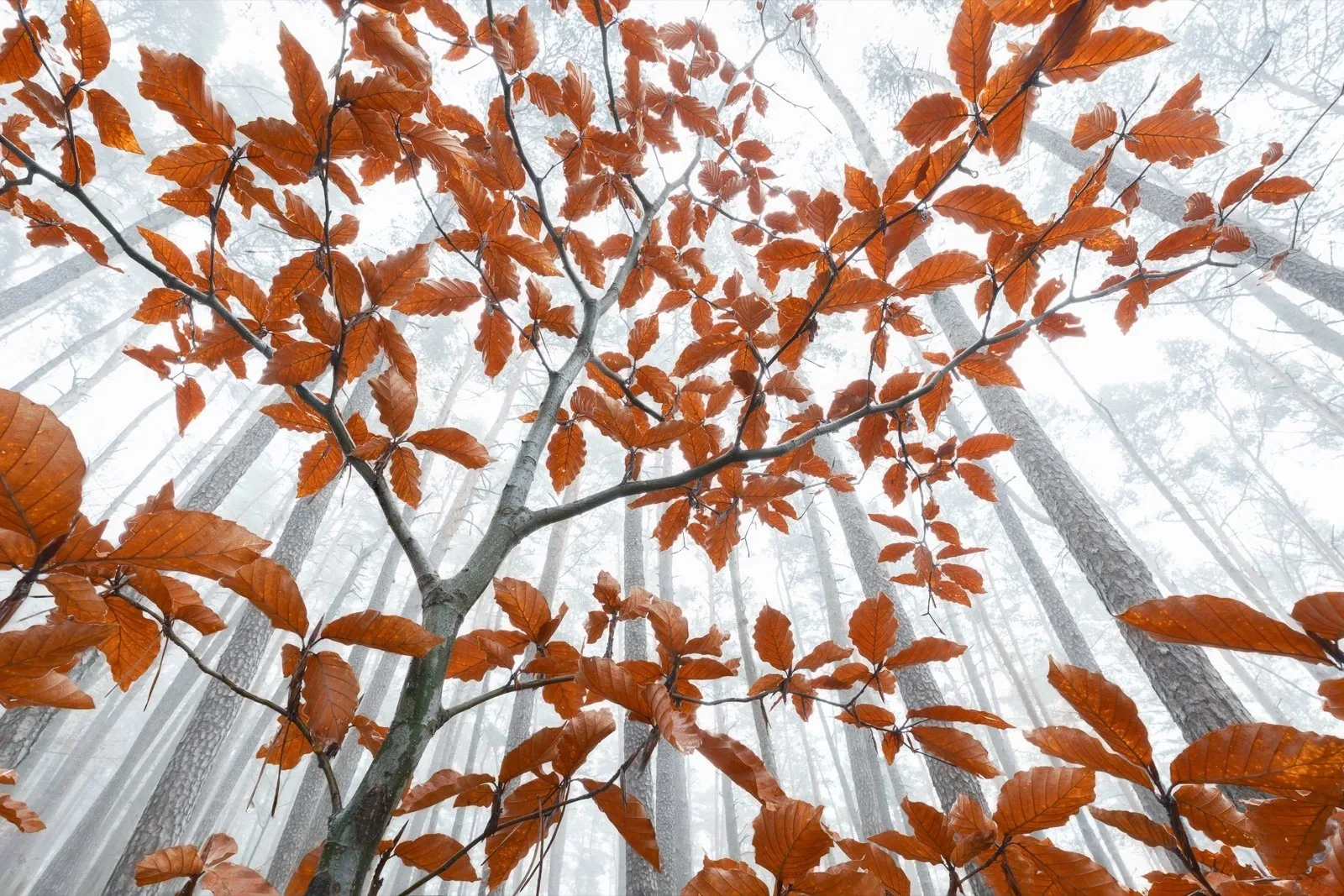
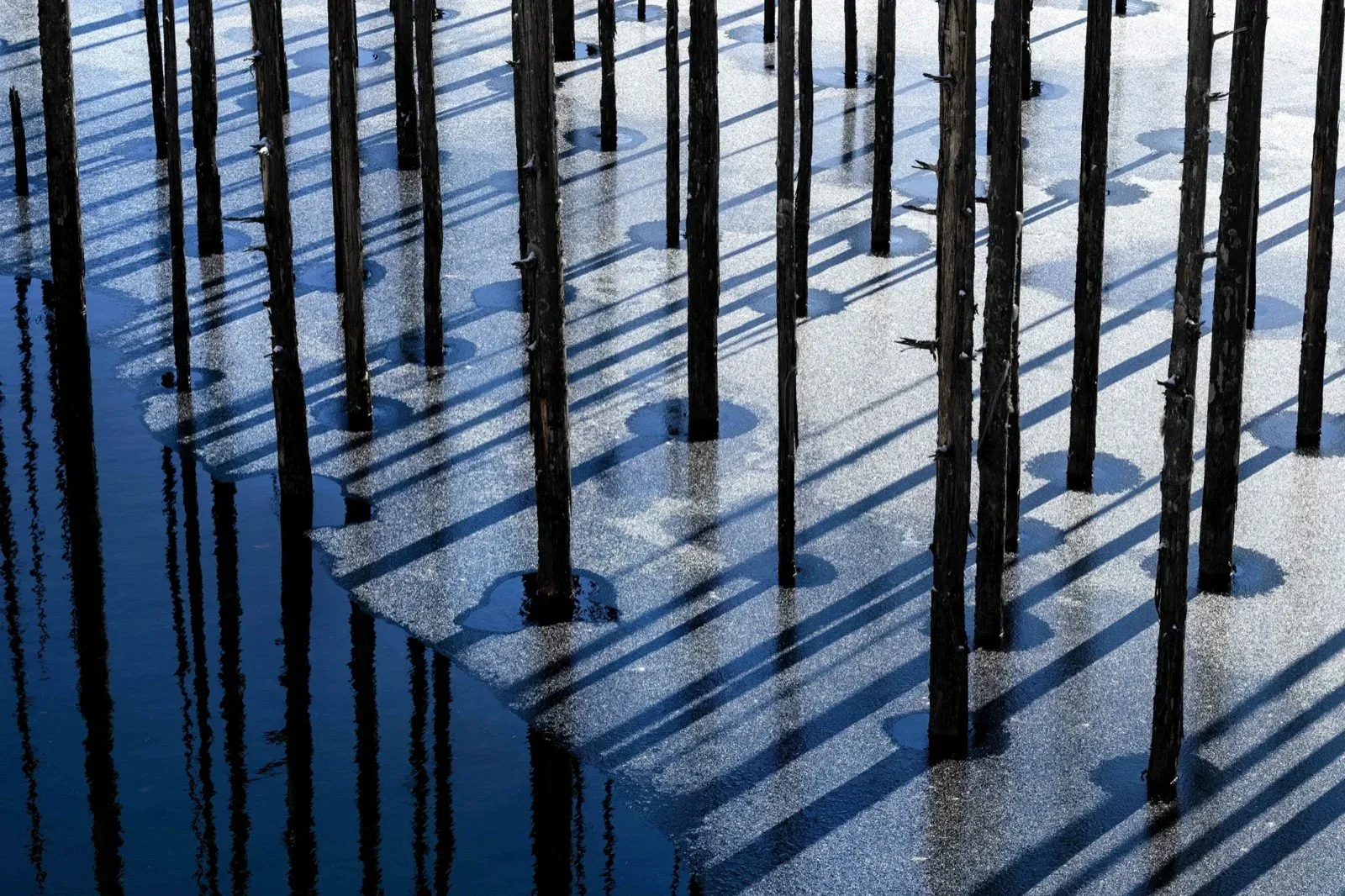
Intimate Landscape
Instead of wide panoramas, the camera focuses on smaller compositions within the natural landscape.
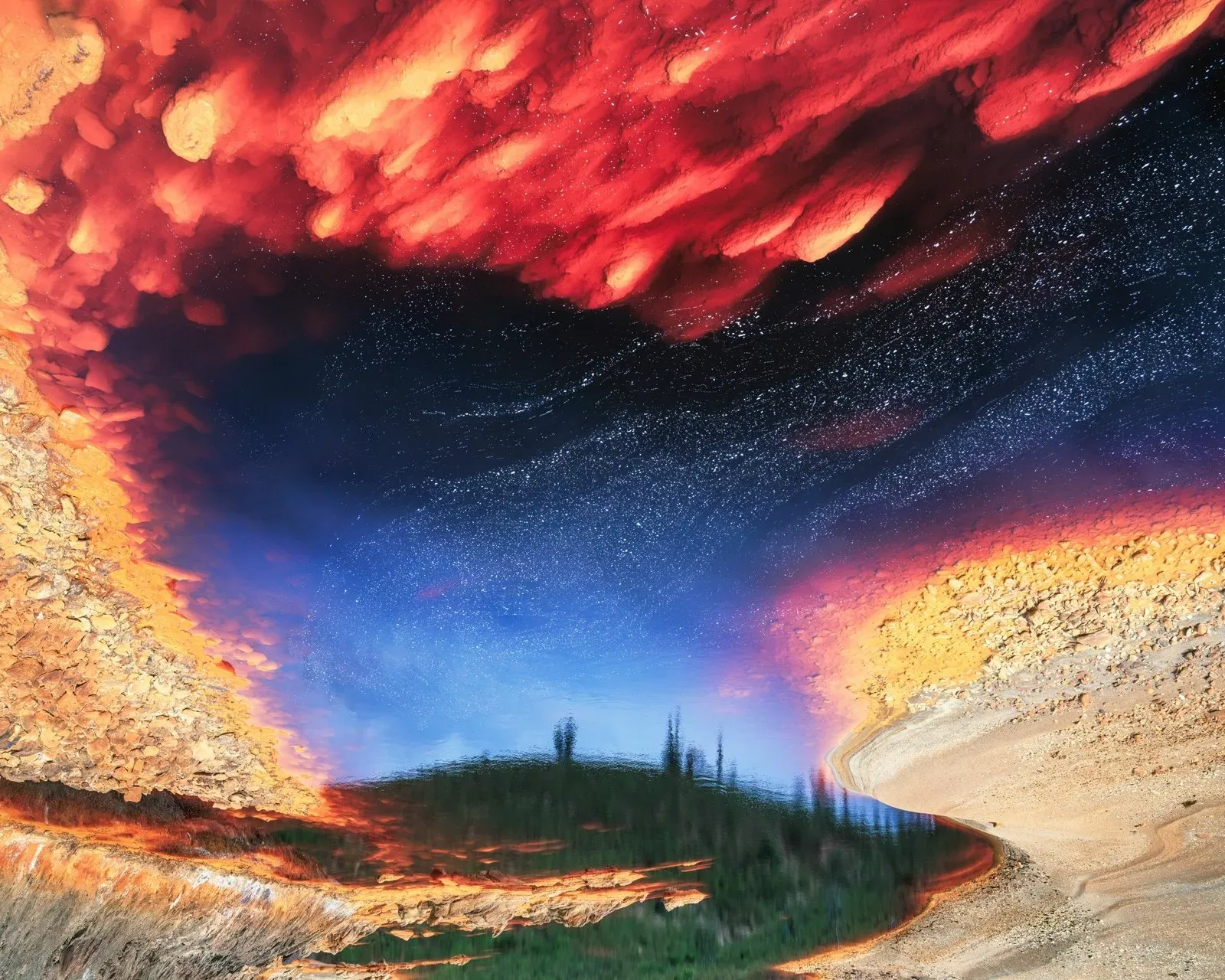
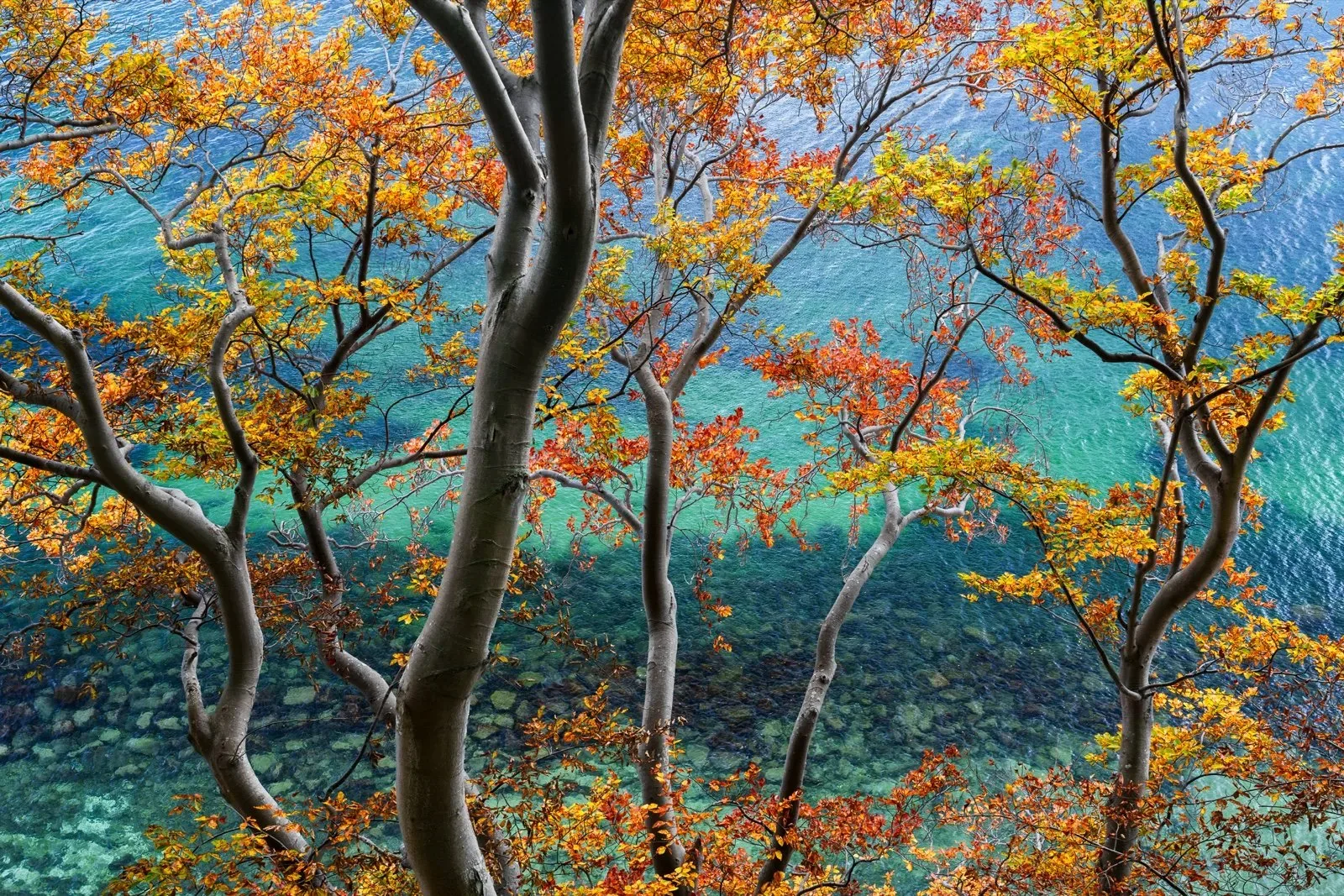
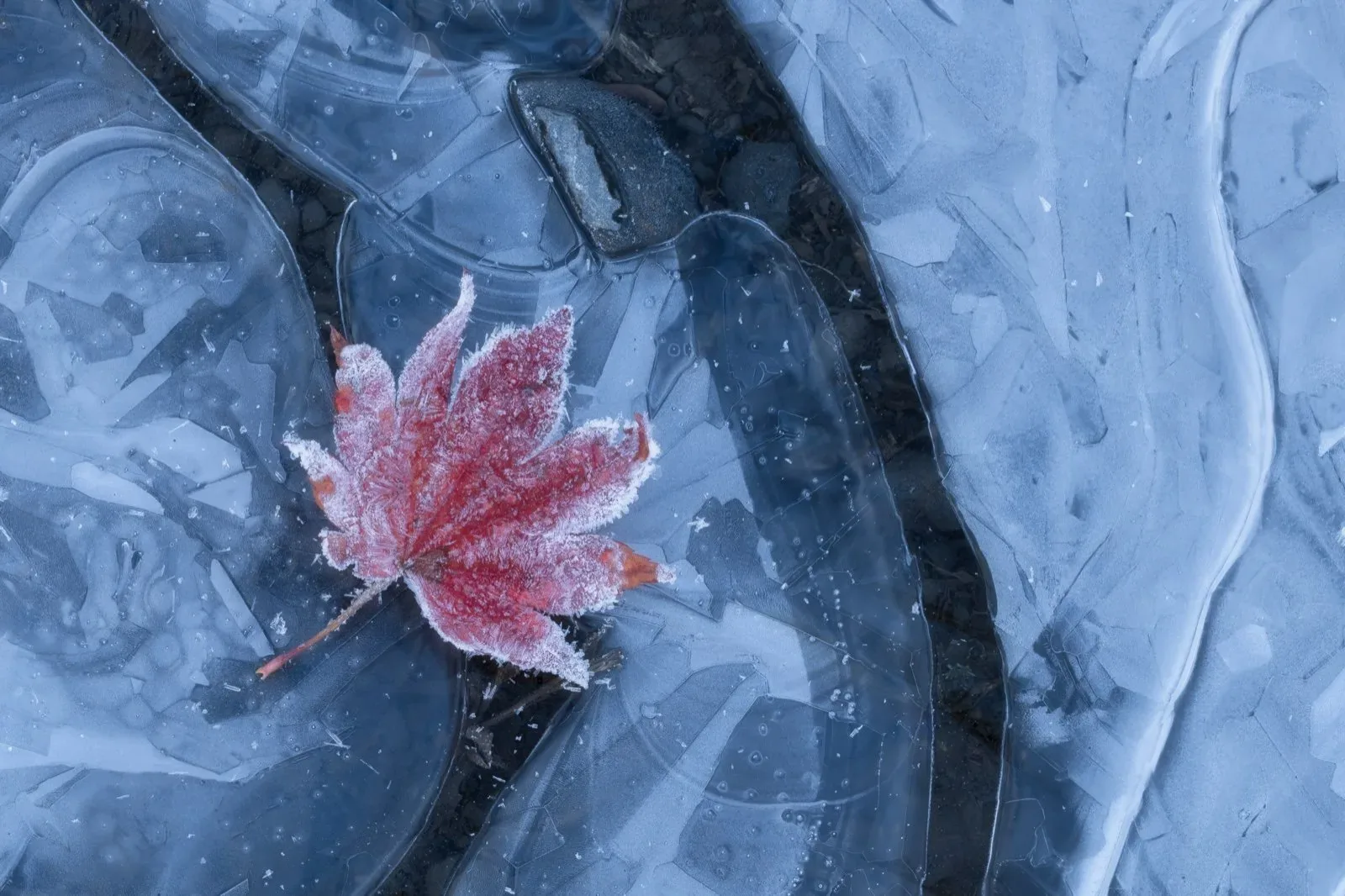
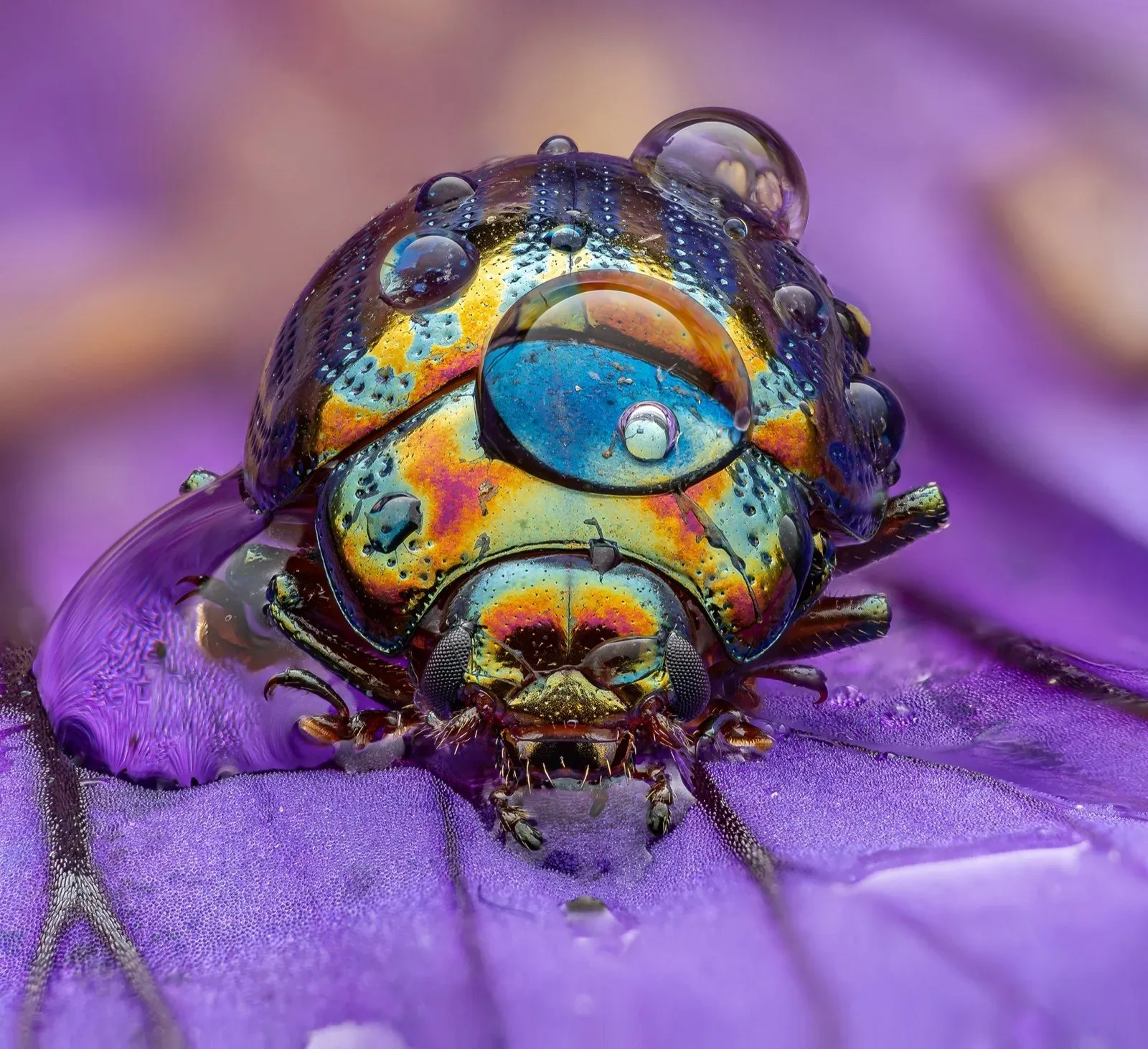
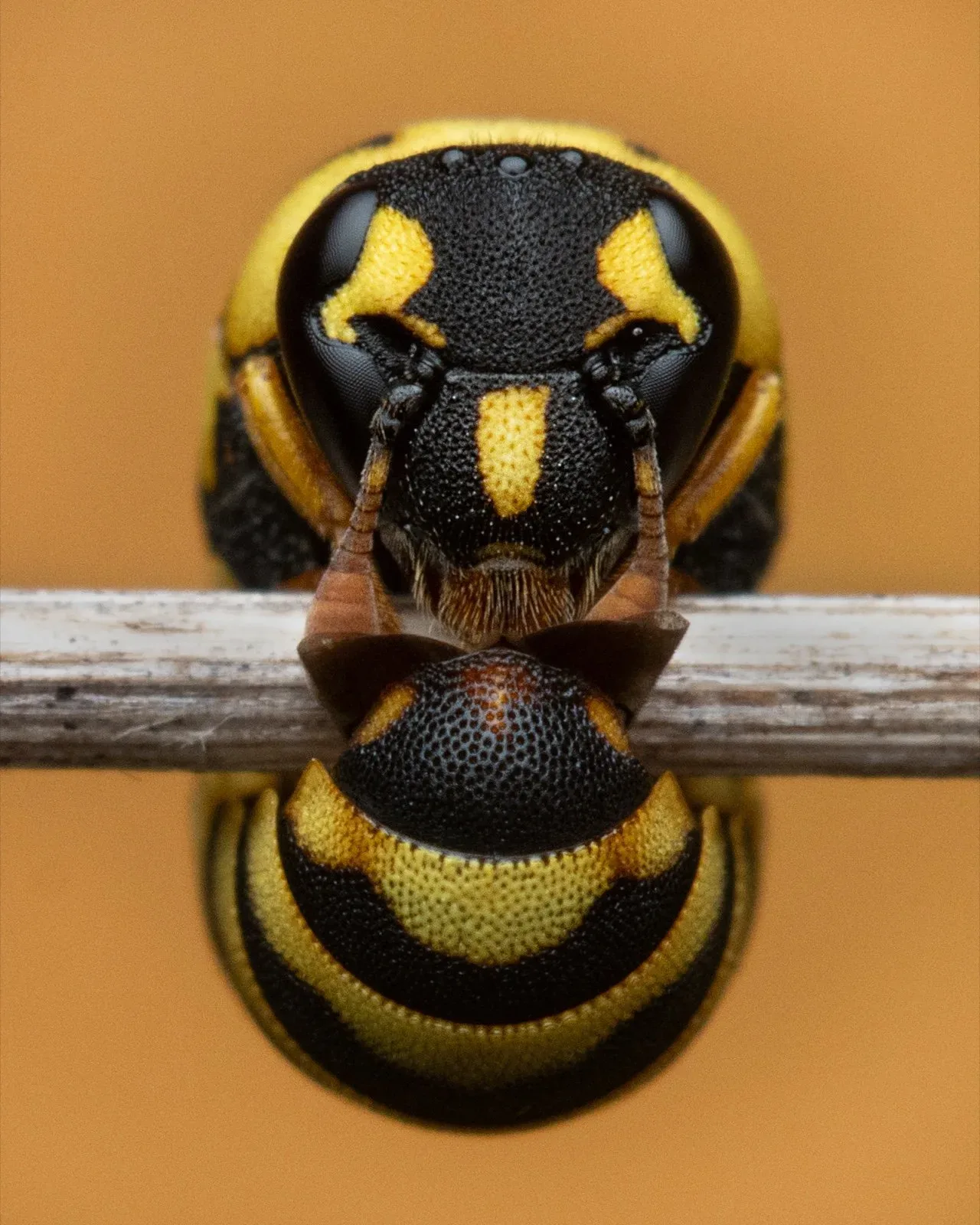
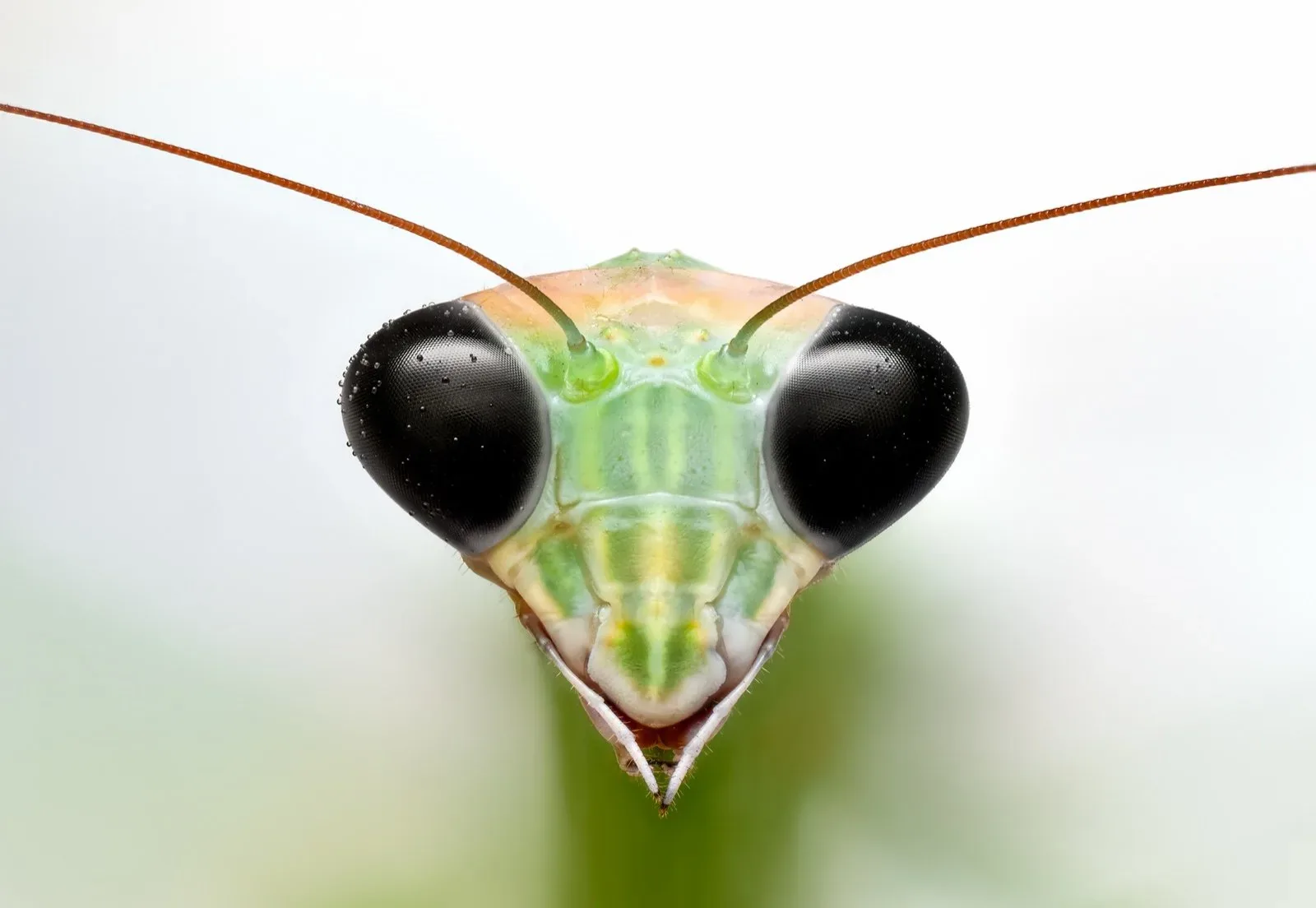
Invertebrate Portrait
Close-up portraits reveal the shapes and faces of animals we rarely see at this scale.
Plants
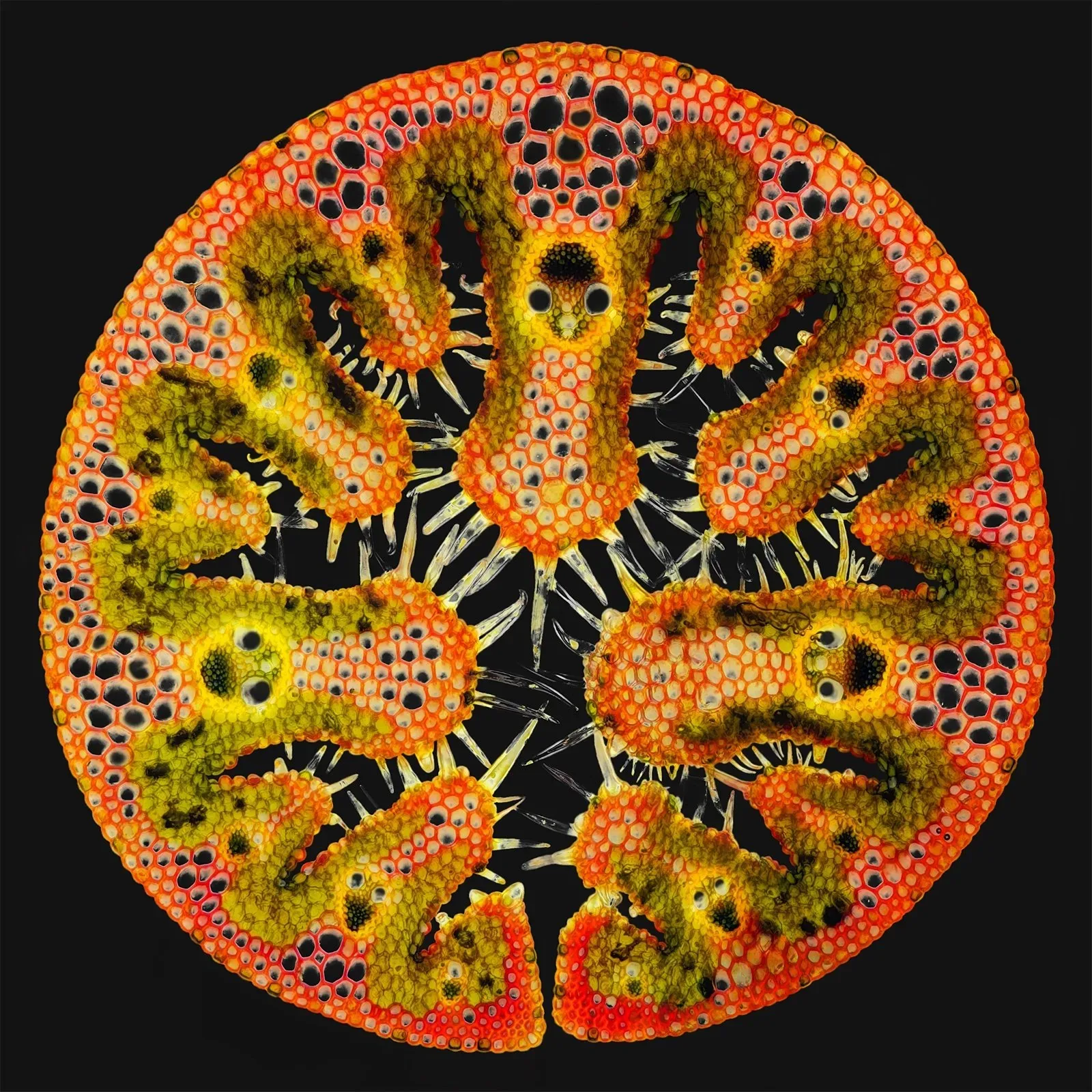
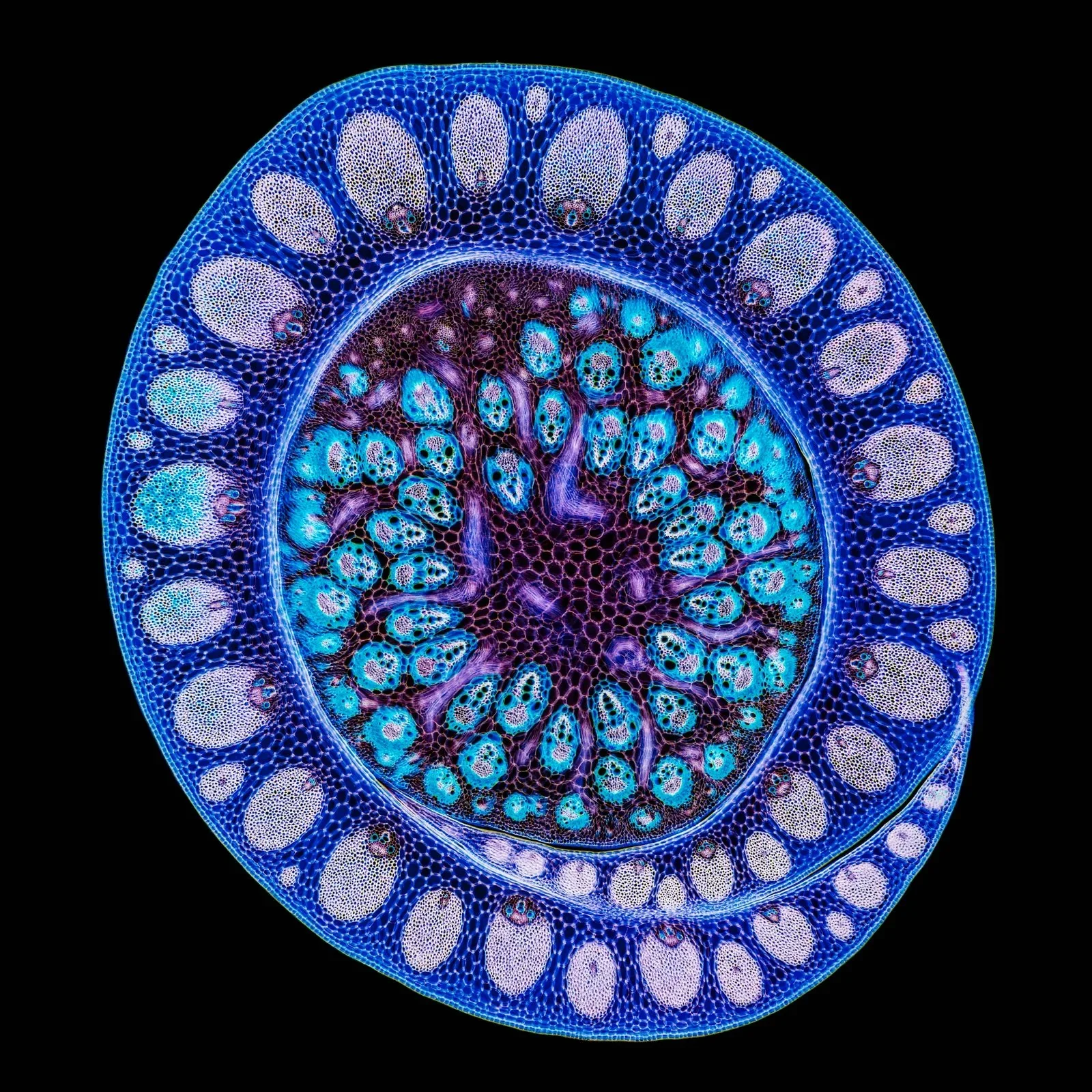
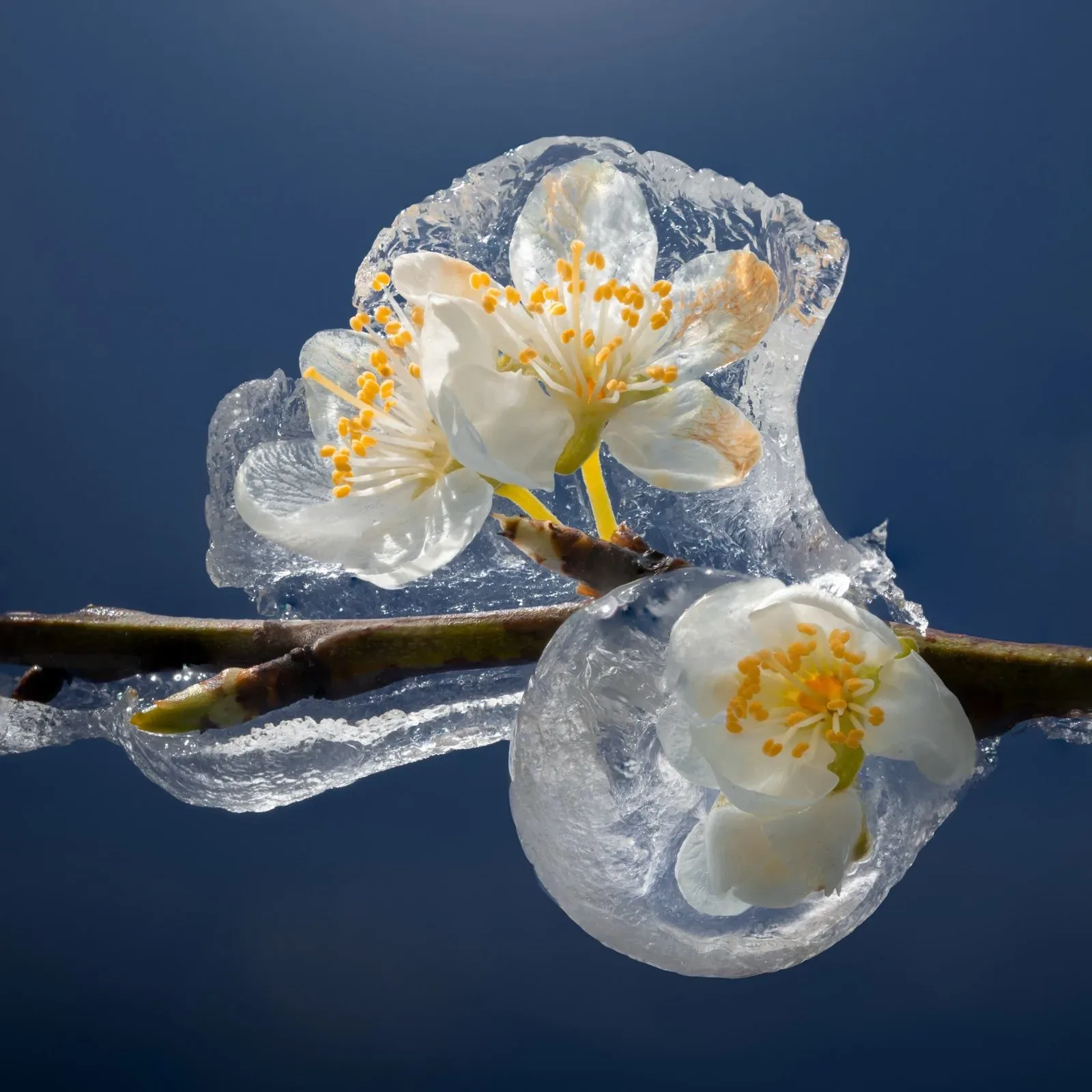
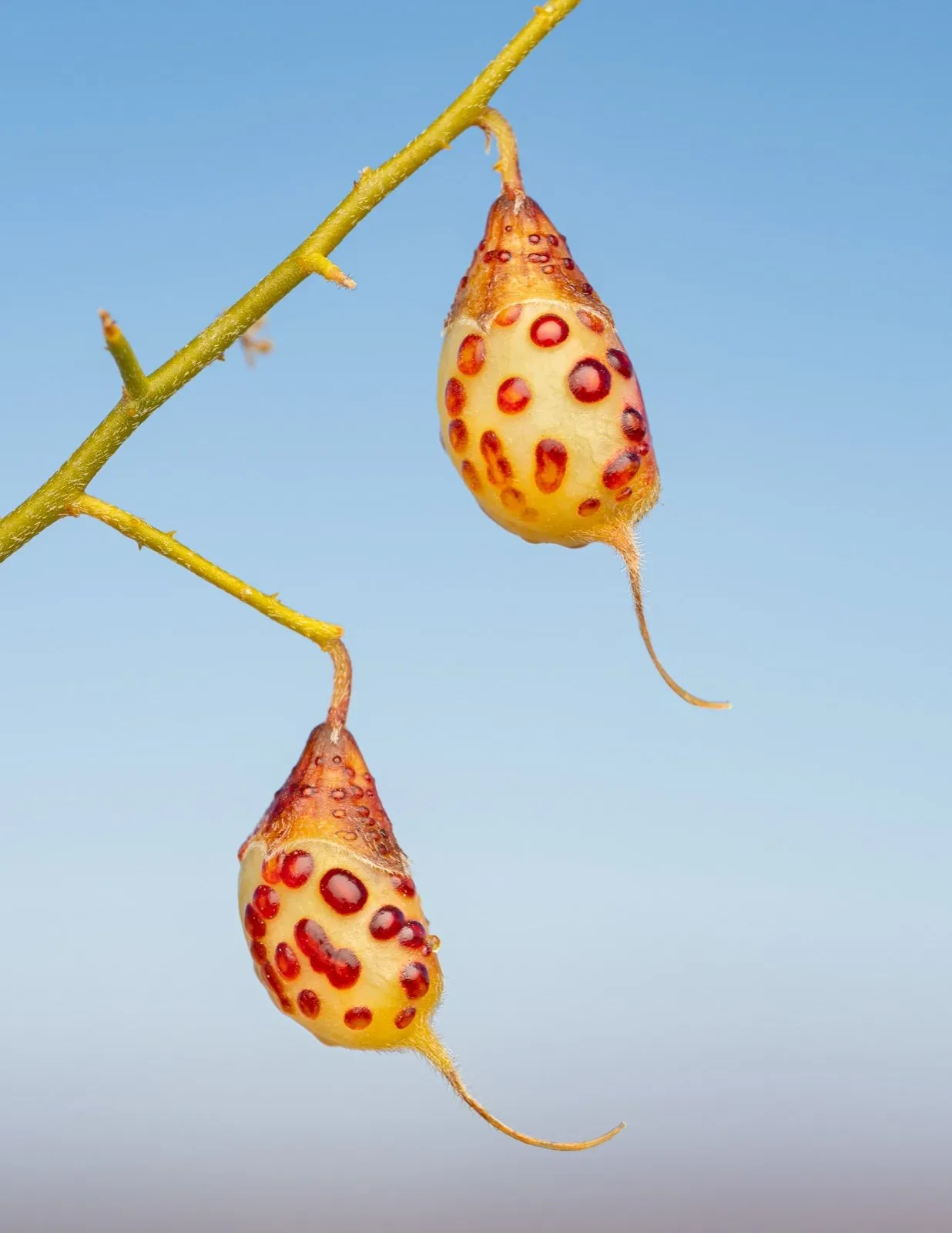
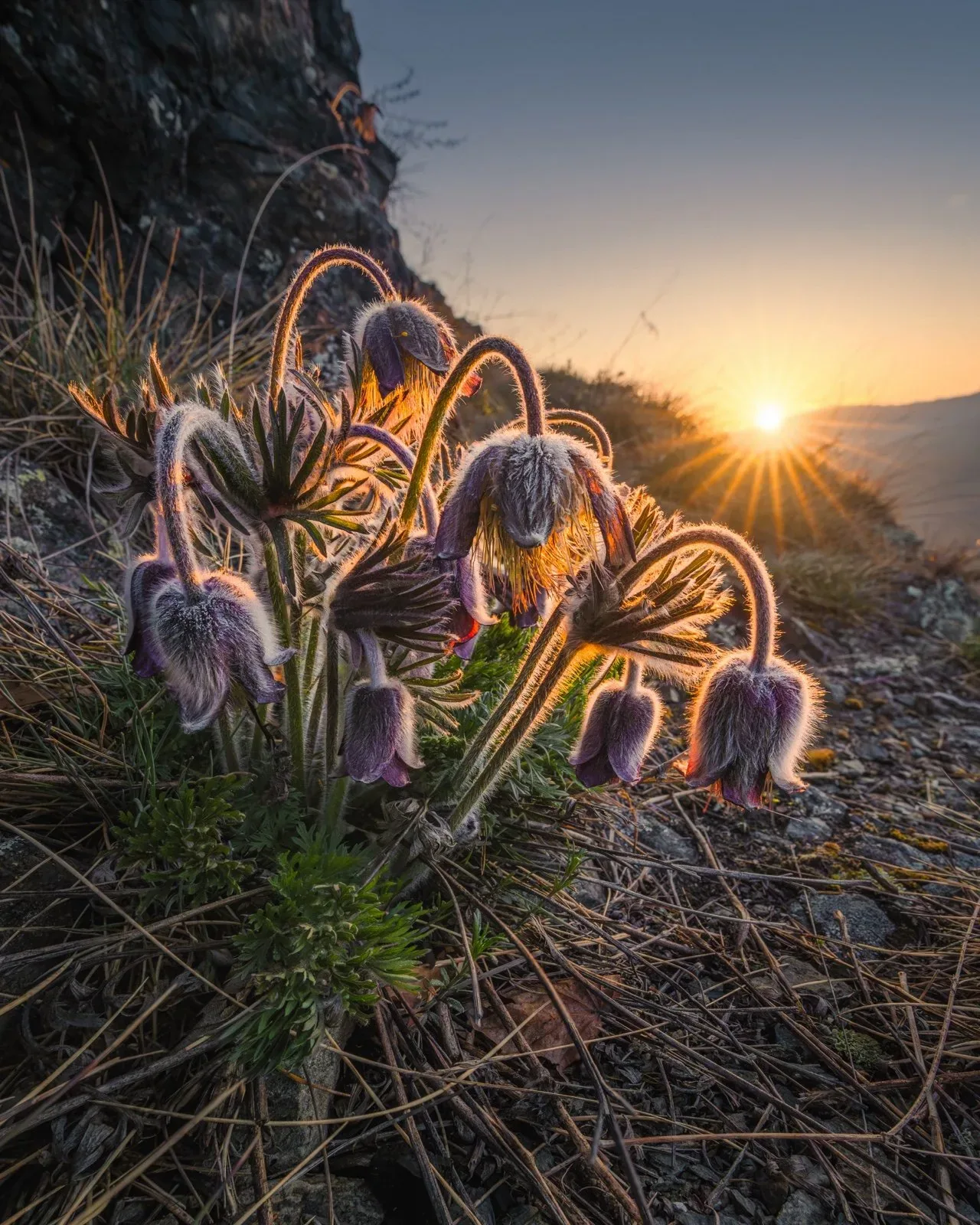
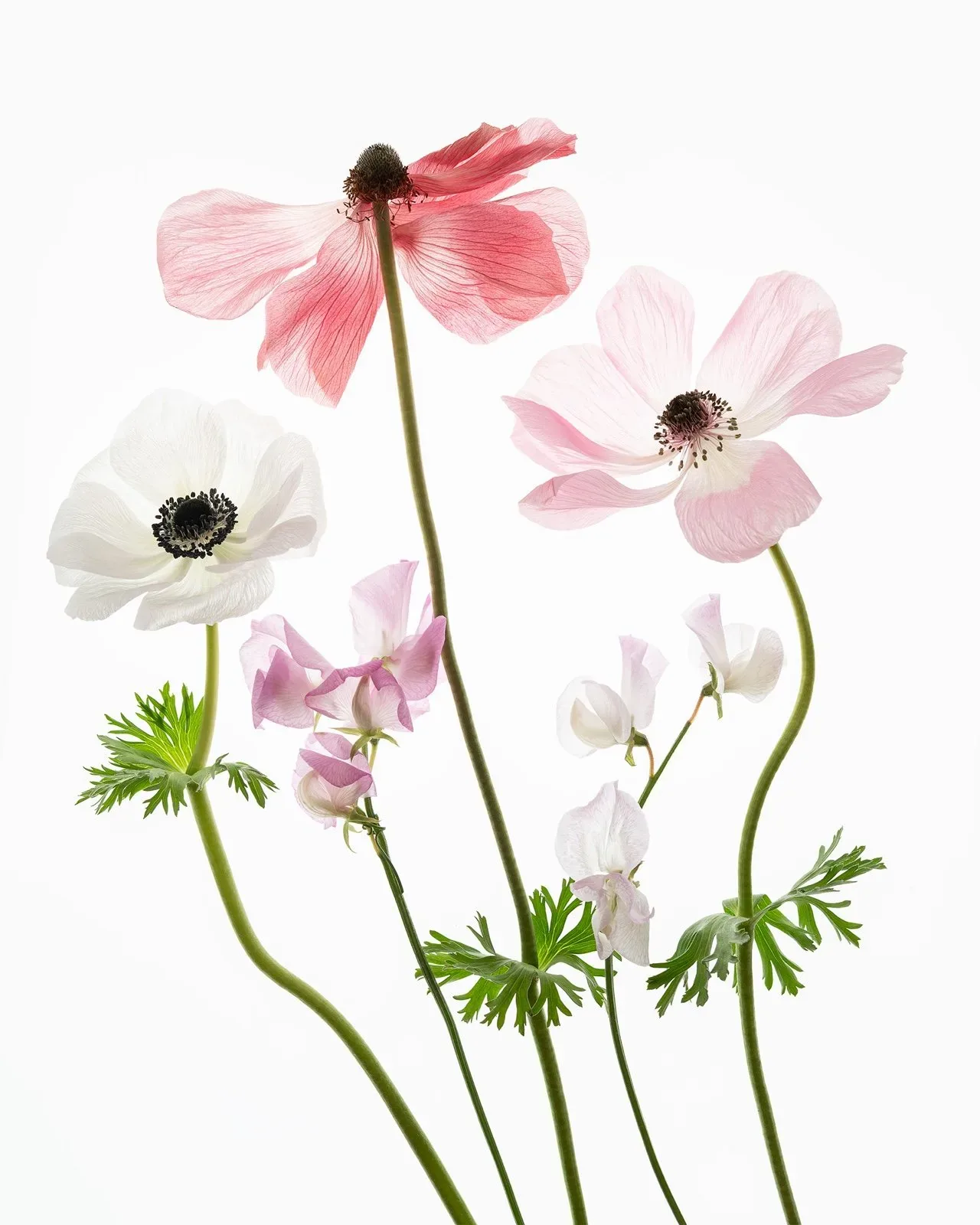
Seeds, flowers and plant structures reveal unexpected colours and symmetries.
Studio Art
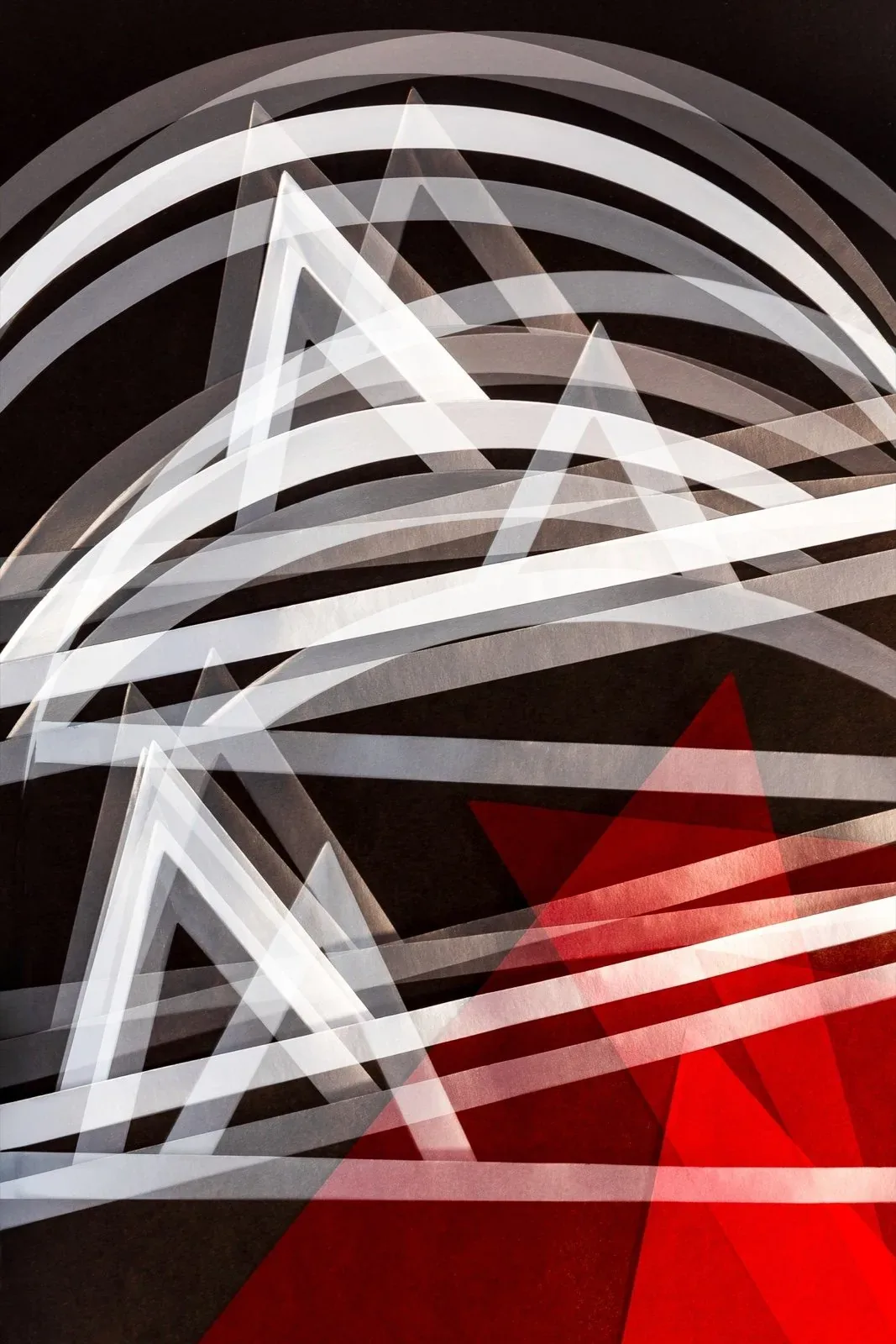
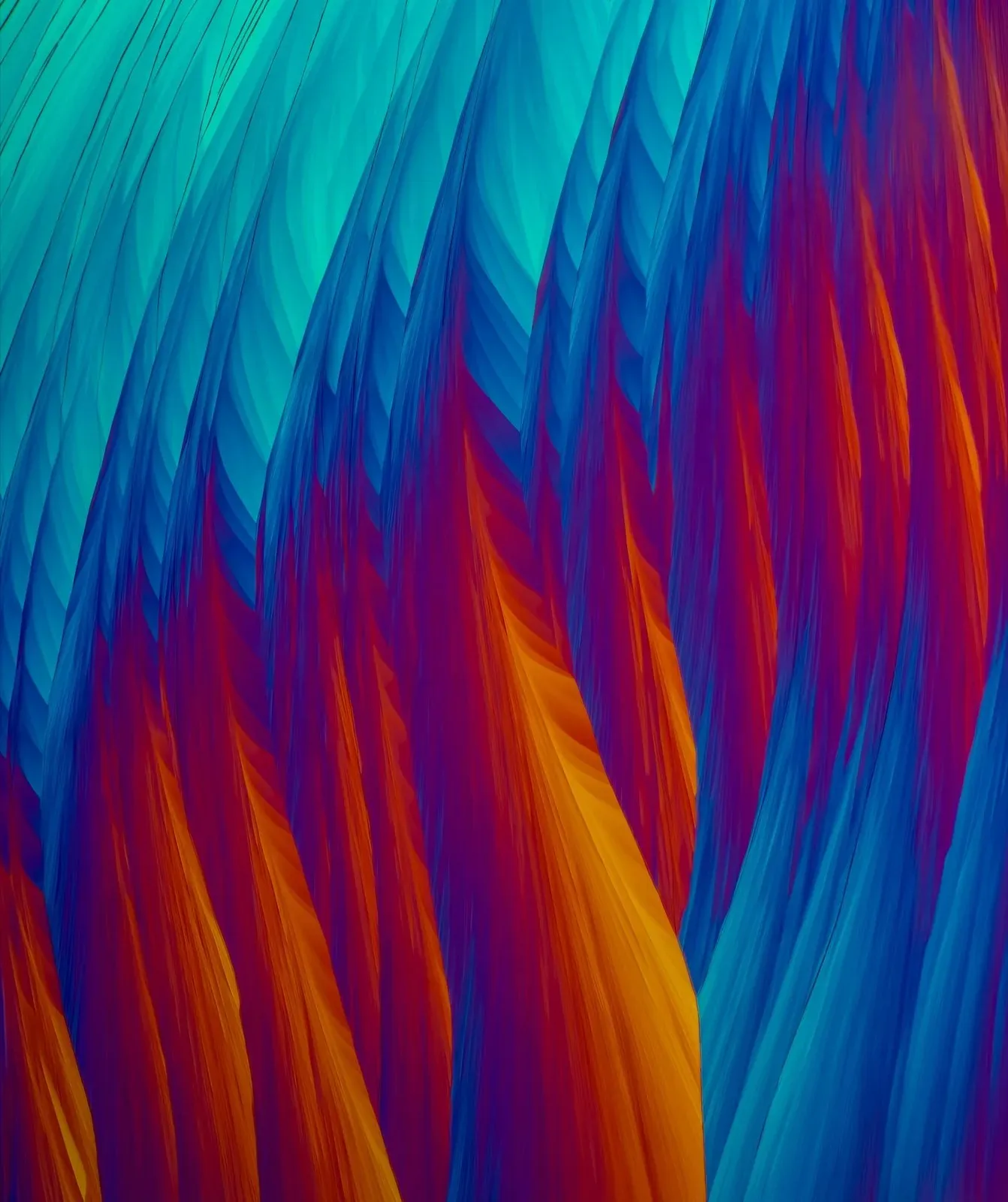
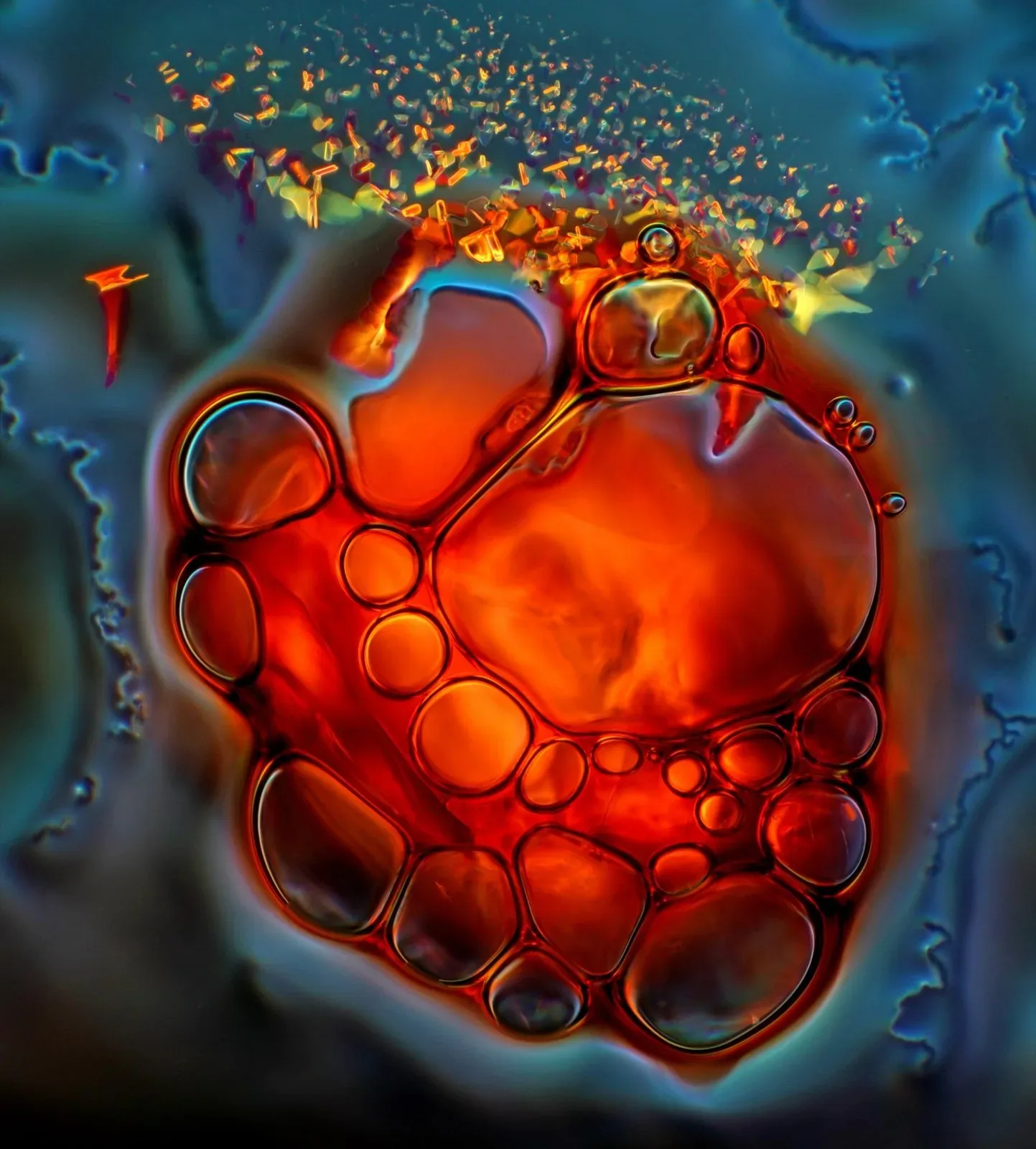
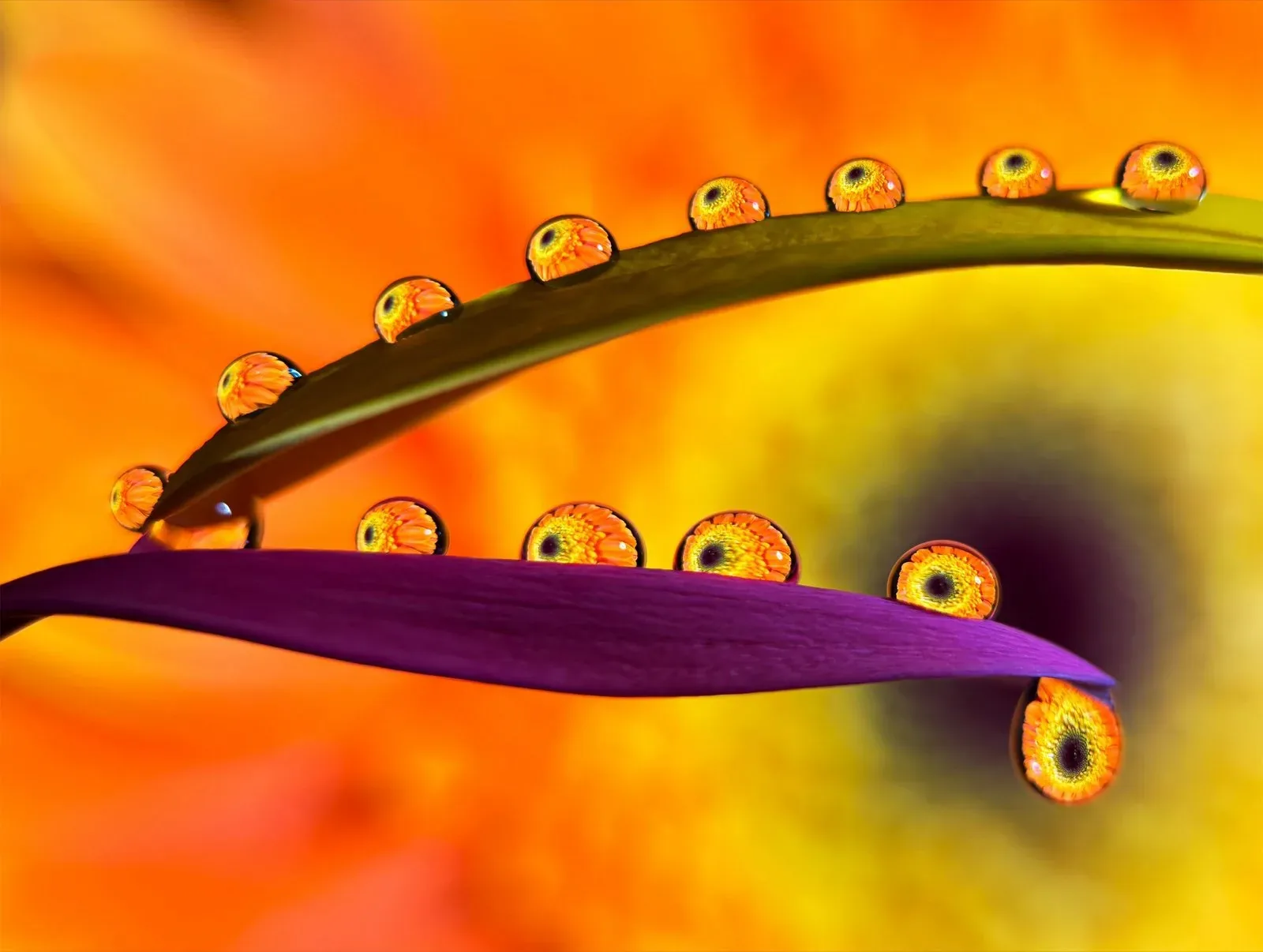
Liquids, bubbles and abstract arrangements show the creative potential of close-up photography in the studio.

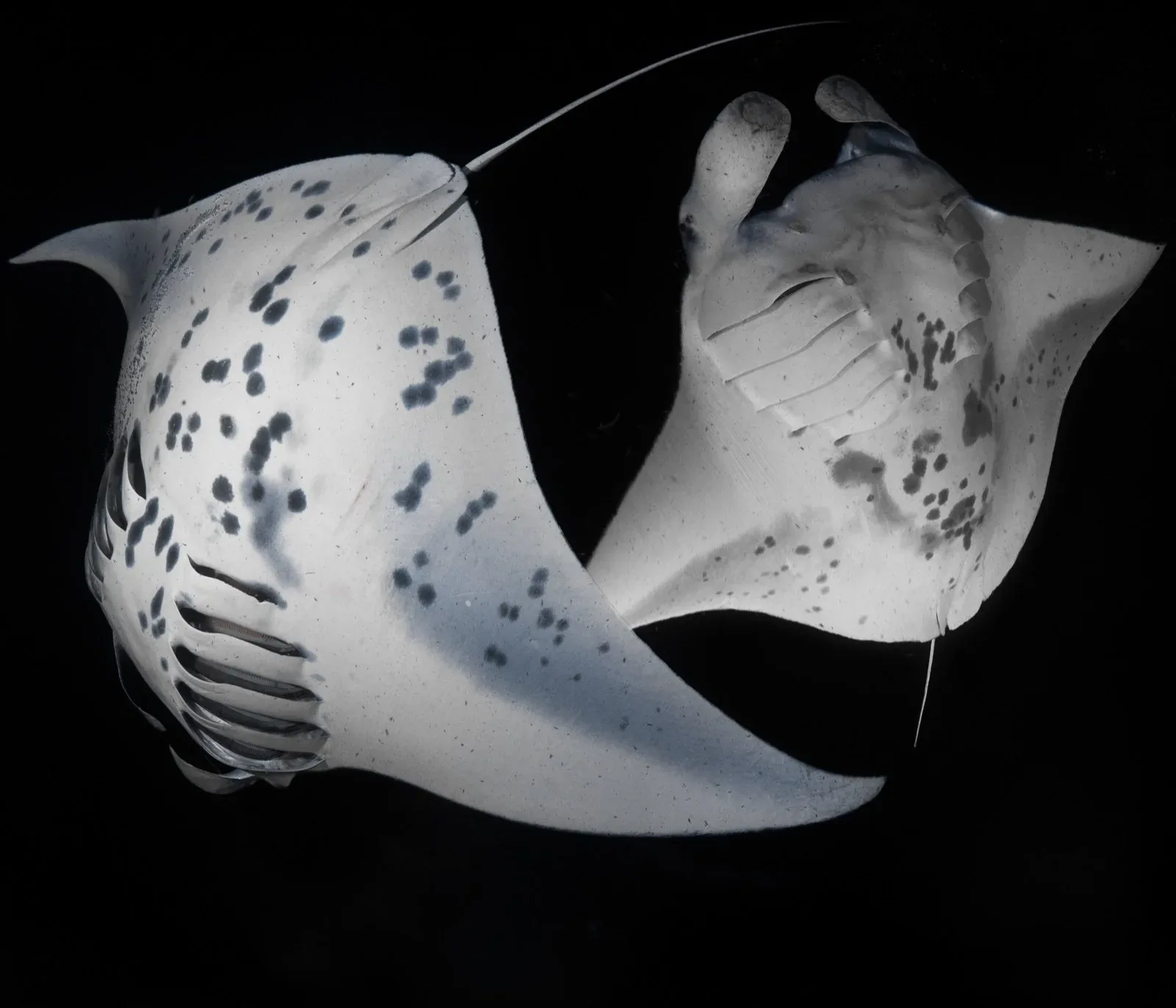
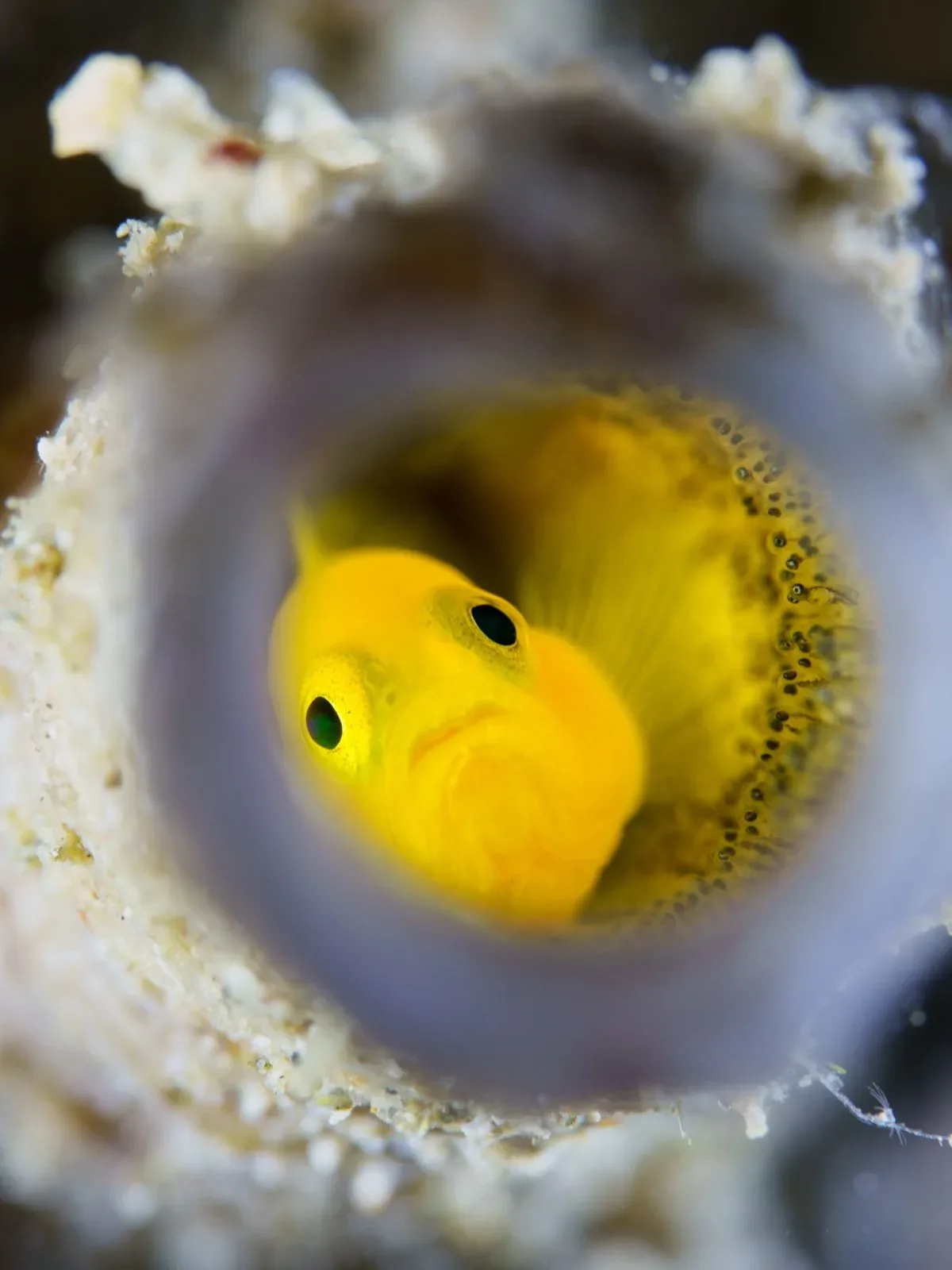
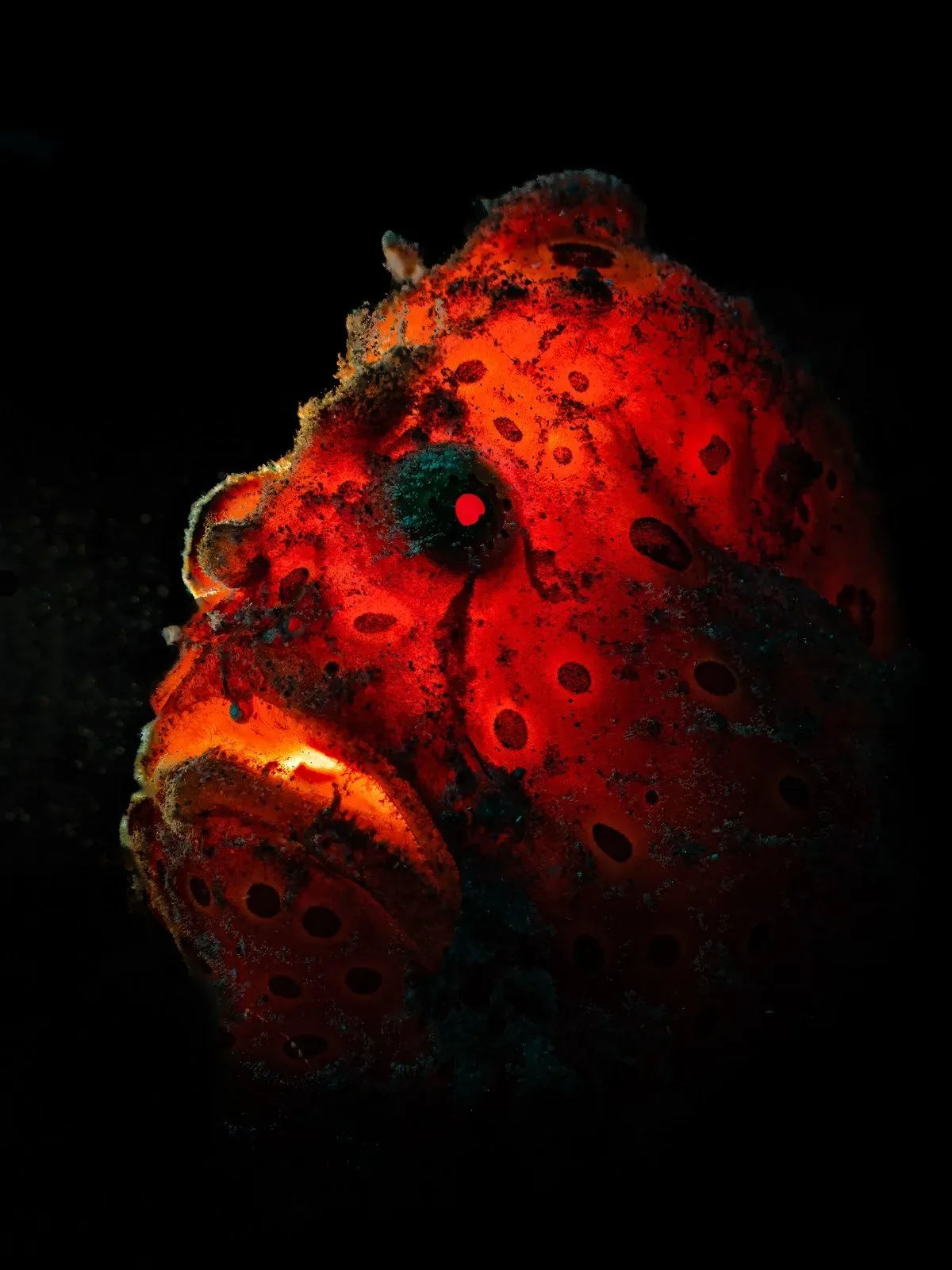
Underwater
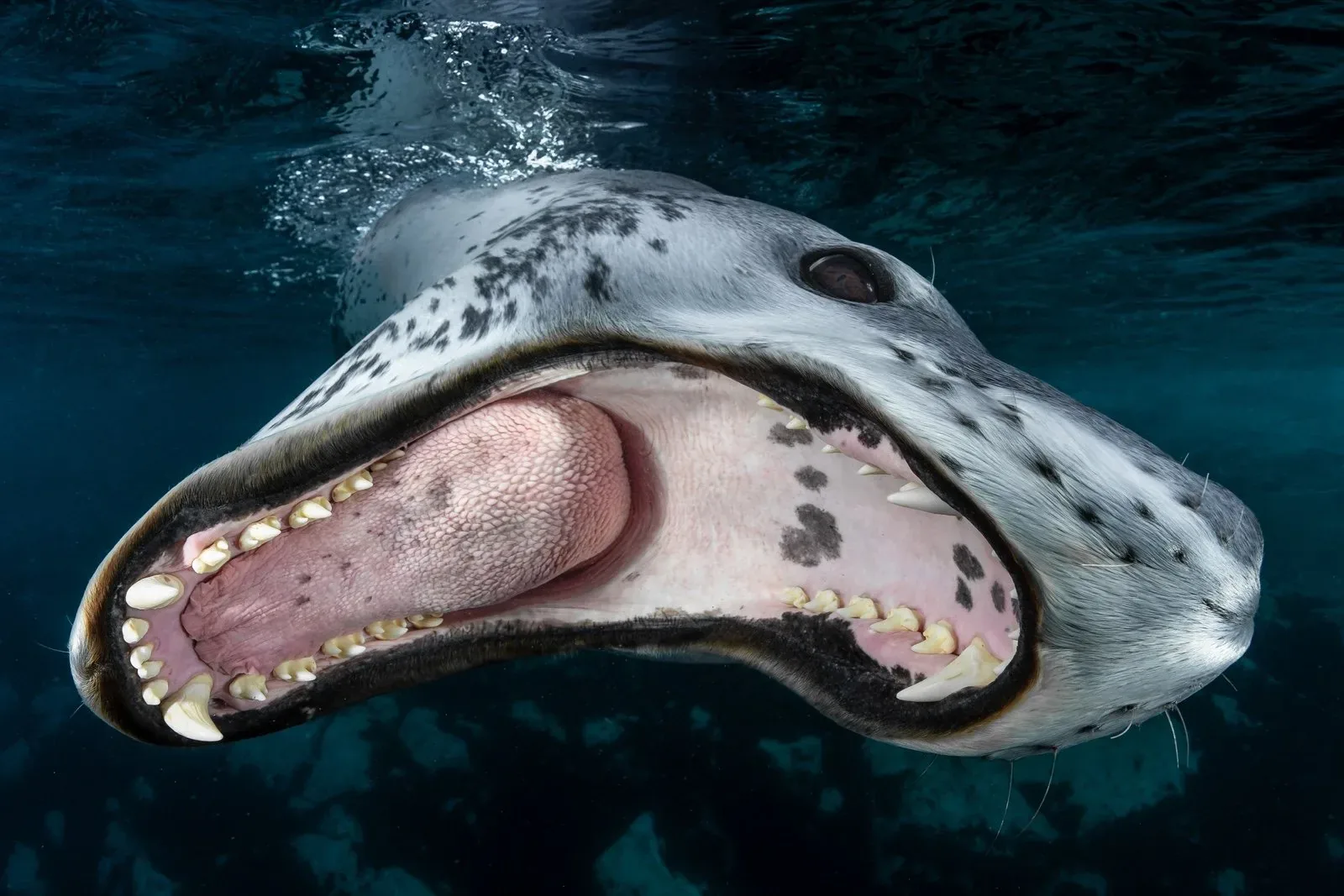
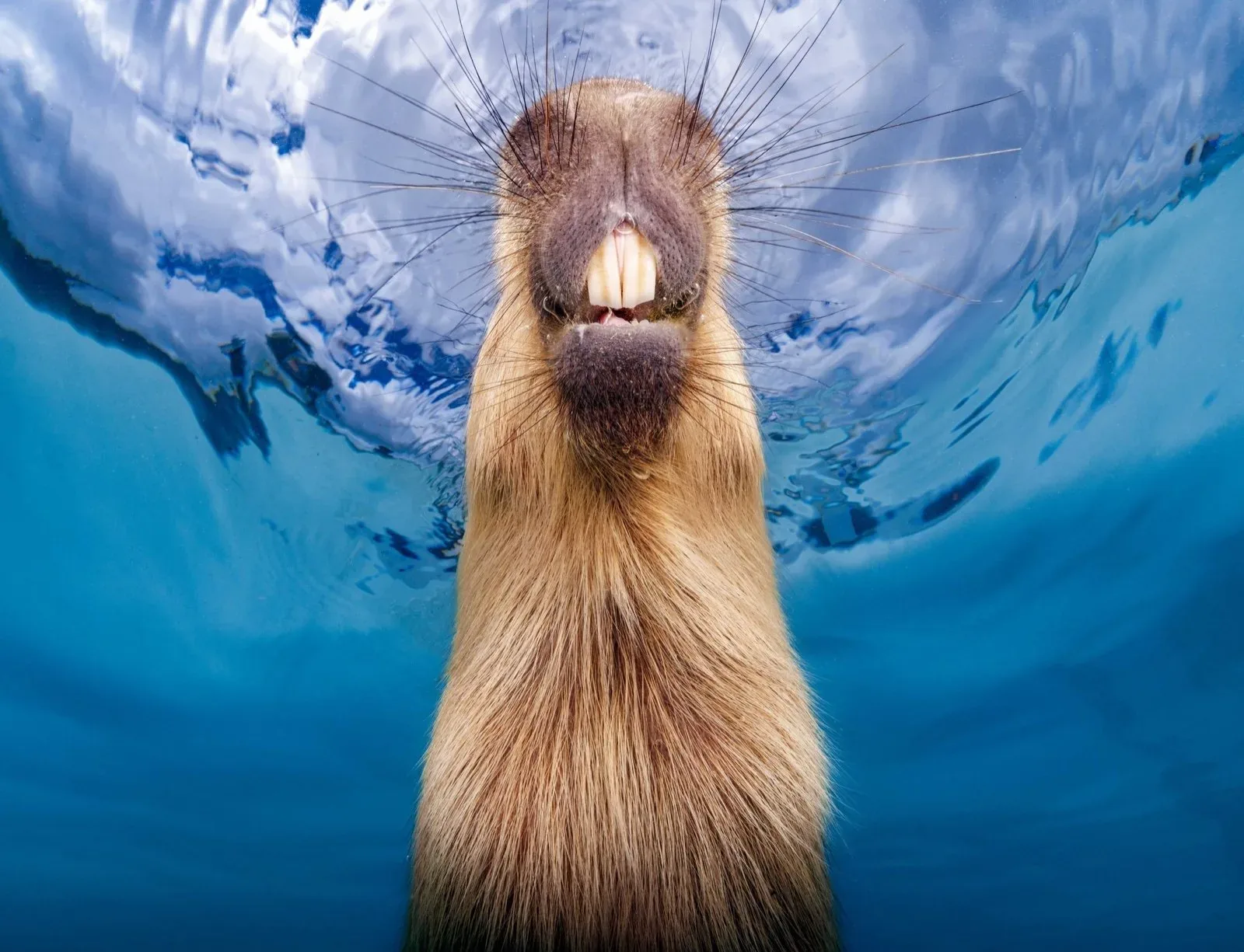
Underwater close-ups bring hidden forms and encounters into view.
Young CUPOTY
The younger photographers demonstrate curiosity and inventiveness in observing the world up close.
What we think
What makes this shortlist so appealing is the reminder that a memorable photographic subject can be very close: a mite on another animal or a pattern on a leaf can hold our attention longer than a spectacular but predictable vista. Observation, patience and curiosity matter as much as gear.
For macro photographers, these photographs show that magnification is only one part of the story. Timing, background, light and a clear visual idea are just as important. Tinker-Tsavalas’ work also makes a strong case for exploring the wildlife just a few centimetres beneath our feet.
These photographs deserve attention on their own terms, while remembering that the shortlist is a selection stage. The final awards will be announced in January.