

Summary
- Canon CR-N700 and CR-N400 gain internal SDXC recording up to 4K60 at 600 Mbps
- XF-AVC in MXF and MP4 are supported, triggered from a controller, Web UI, RCCA or Multi-Camera Control
- Media mode provides review and FTP transfer of selected files or all files
- CR-N700, CR-N400 and CR-N350 add registered-face tracking through the paid Auto Tracking Application
- Firmware for seven PTZ models and the RC-IP1000 is scheduled by October 2026
Canon CR-N700 and CR-N400 gain internal SDXC recording at up to 4K60 and 600 Mbps, while the broader PTZ range and RC-IP1000 add new tracking and control functions.
Canon USA announced a new firmware cycle on 1 September 2026 for the CR-N700, CR-N500, CR-N400, CR-N350, CR-N300, CR-N100 and CR-X300, together with the professional RC-IP1000 controller. Availability is scheduled by October 2026, with individual features varying by model.
The most substantial addition applies to the CR-N700 and CR-N400: the camera can now retain a local master or backup without an external recorder or continuous network recording. In live production, lecture capture, corporate events and houses of worship, that creates an independent safety layer and simplifies smaller setups.
Internal recording up to 4K60 and 600 Mbps
The two cameras will record either XF-AVC in an MXF wrapper or MP4 to SDXC. The top setting reaches 4K at 60p and 600 Mbps, a sufficiently high bitrate for the local file to serve as production material rather than only a low-quality proxy.
Recording can be started and stopped from a compatible hardware controller, the Web UI, Remote Camera Control Application or Multi-Camera Control. An operator can therefore manage record state alongside framing, presets and switching without physical access to the camera.
Format support matters in post-production. MXF/XF-AVC suits broadcast workflows and metadata, while MP4 is more convenient for rapid delivery and broad compatibility. Actual duration depends on card capacity, speed and selected bitrate.
Media mode and FTP transfer
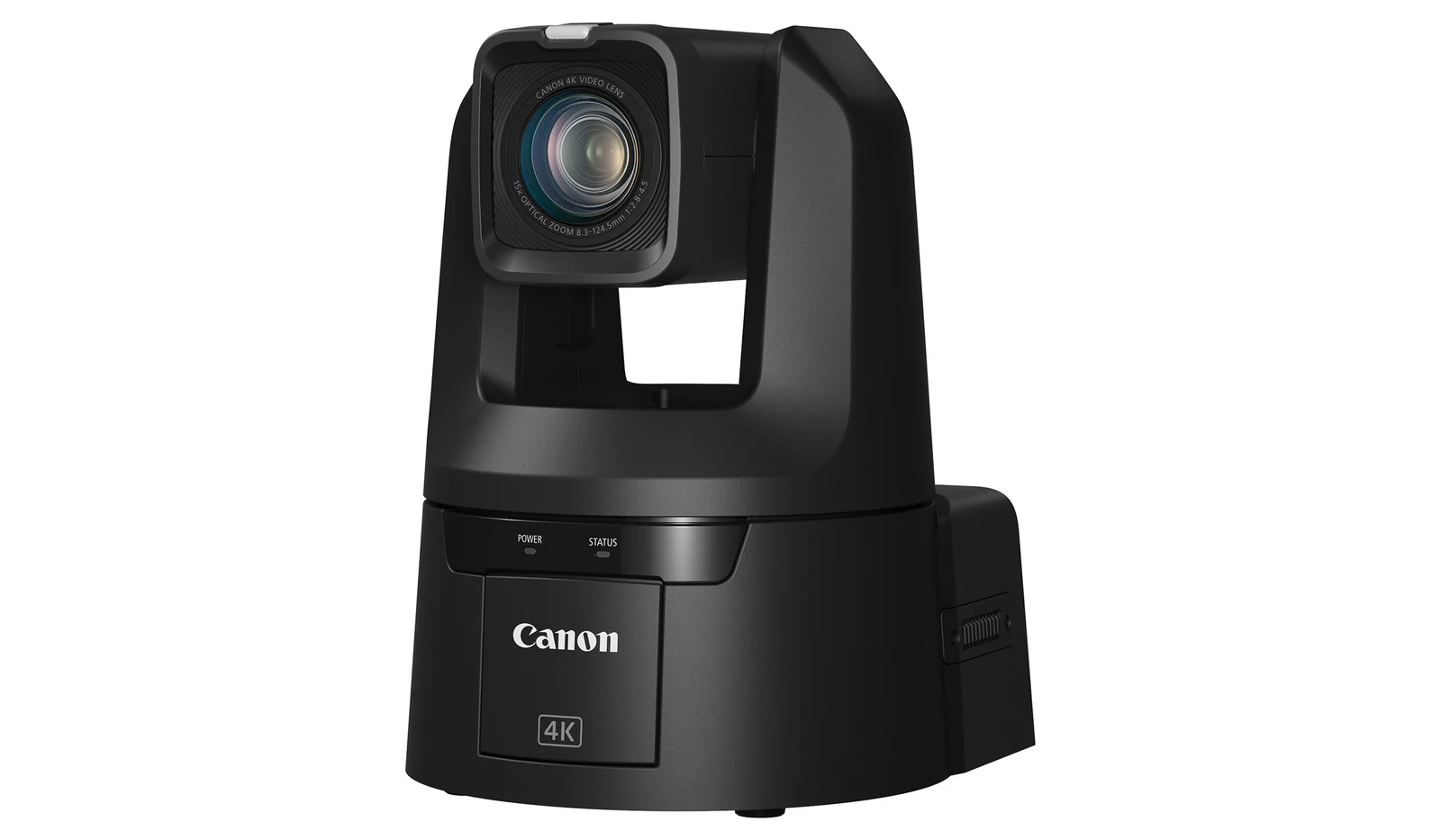
The new Media mode lets operators review clips through the Web UI or a compatible controller. A critical take can be verified on the card without interrupting the overall installation or removing the media.
Files can then be transferred over FTP, individually or all at once. For remote venues, the camera becomes a compact recording endpoint: it captures locally, verifies the material and delivers it to a server without manual card collection.
Registered-face tracking for the right person
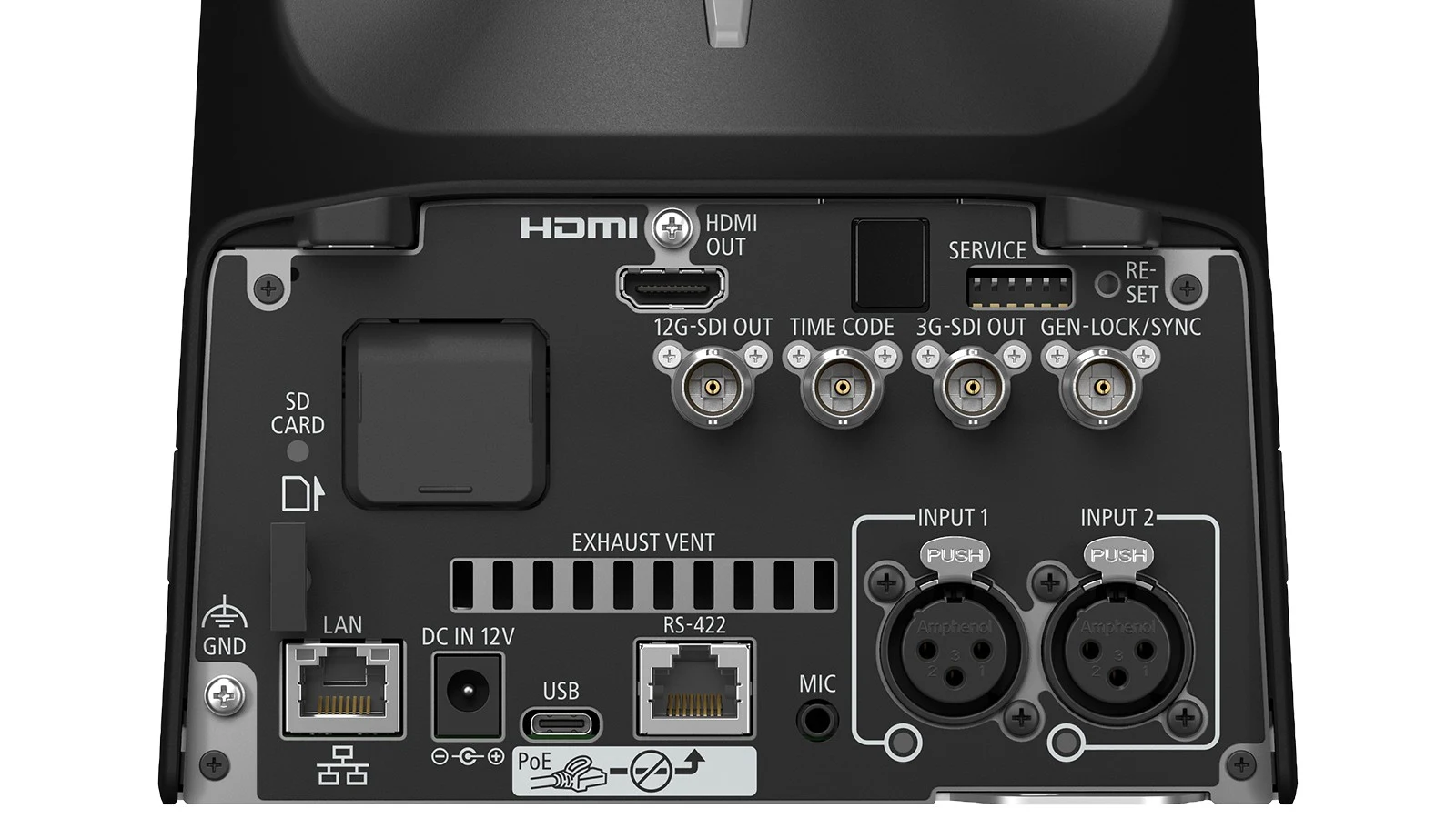
CR-N700, CR-N400 and CR-N350 add registered-face tracking through the paid Auto Tracking Application. An operator can register a face and assign it higher priority so the camera does not switch subjects when other people enter the frame.
Canon also adds more framing steps and the ability to save tracking settings with presets. This is useful for panels, lectures, event spaces and stages where the intended person moves among other participants.
The firmware update does not remove the need for the paid application where a function depends on it. Exact licences and compatibility must be checked for each camera and existing system.
RC-IP1000, Stream Deck and EOS C50
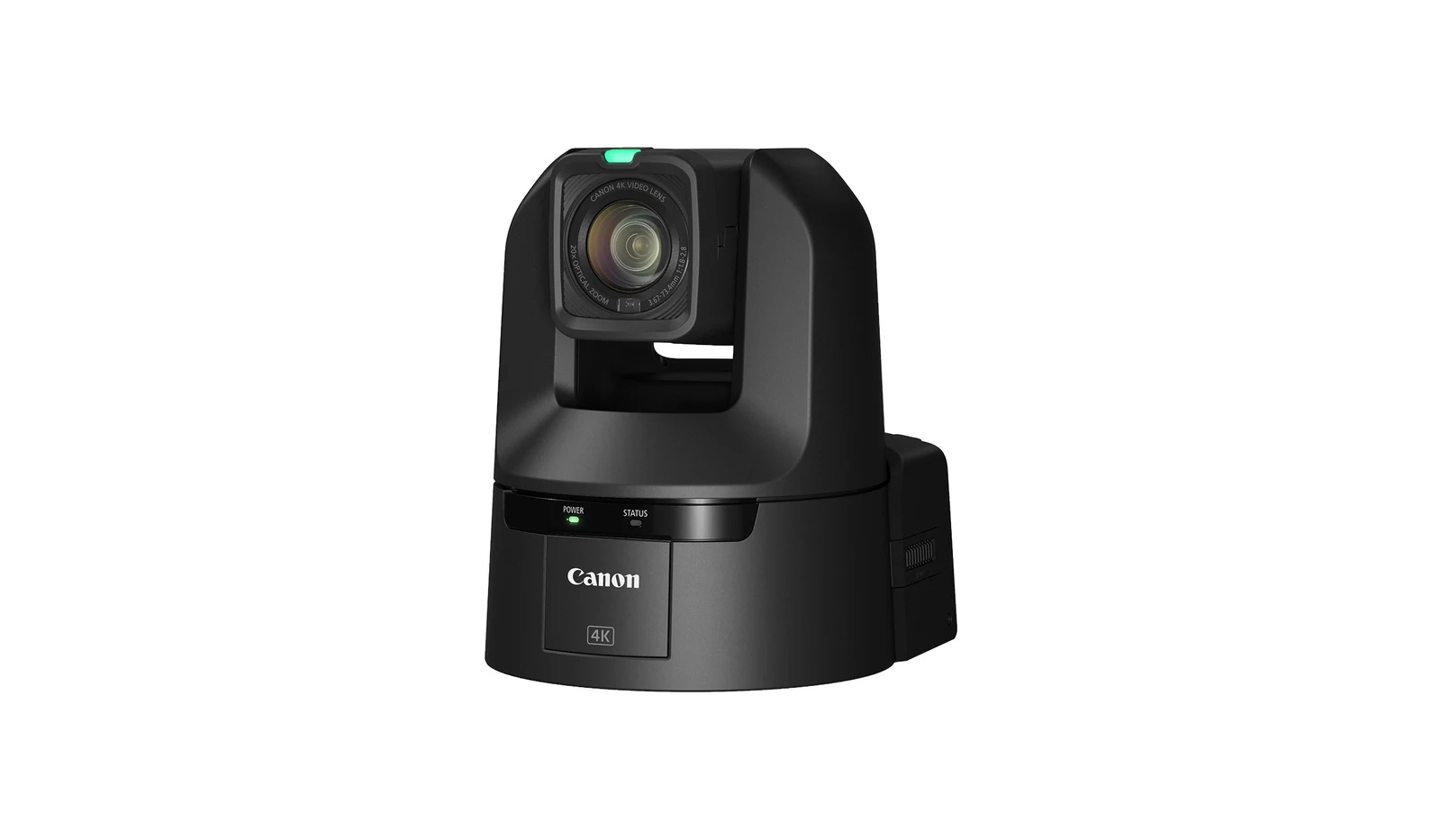
RC-IP1000 gains Stream Deck integration for controlling secondary cameras, recalling presets and accessing Auto Tracking, Auto Loop and Trace. Physical keys can act as a customisable control surface beside the main PTZ controller.
The update also adds EOS C50 support, extending a mixed setup of PTZ and cinema cameras under common control. Practical value depends on which commands are exposed by each device and on the production-network design.
Firmware availability
Canon has scheduled the new firmware releases by October 2026. Versions, exact dates and feature availability may vary by model or region, and the company notes that the schedule can change.
Final downloads and official release notes will be published through the Canon USA announcement page and each product’s support page. The announcement assigns no separate price to the firmware, while registered-face tracking requires the relevant paid Auto Tracking Application.
What we think
Internal recording carries the greatest operational weight because it adds resilience to productions that previously depended entirely on a network or external recorder. Registered-face tracking and Stream Deck reduce operator workload but are primarily control improvements. The update will be judged by stability during long 4K60 recordings and by how smoothly FTP fits into real workflows.
Frequently asked questions
Which Canon PTZ cameras gain internal recording?
CR-N700 and CR-N400 gain SDXC recording up to 4K60 at 600 Mbps.
Which formats are supported?
XF-AVC in an MXF container and MP4, with settings depending on the camera.
Can clips be transferred without removing the card?
Yes. Media mode provides review, and FTP can transfer one, selected or all files.
When will the firmware be released?
Canon has scheduled it by October 2026, with possible differences by model and region.
Is the new face tracking free?
Registered-face tracking operates through the paid Auto Tracking Application on supported cameras.