

Summary
- Giada Ripa discovered 53 hand-coloured photographs by Felice Beato and an unpublished manuscript by Mathilde Ruinart.
- Between 2015 and 2017, she travelled more than 3,000 kilometres across Japan, searching for locations and contemporary subjects.
- The book is divided between rephotographed landscapes and portraits that converse with the 19th-century “Native Types.”
- The GOST Books edition costs €55 and is expected in September 2026.
Fifty-three hand-coloured photographs of 19th-century Japan, an unpublished travel manuscript and a family discovery in an attic became the starting point for a 3,000-kilometre photographic journey.
Italian photographer Giada Ripa presents The Yokohama Project 1867–2016, a photobook that places Felice Beato’s images from the early years of Japan’s opening to the West beside her own contemporary photographs. In the family archive she also found the unpublished manuscript of her ancestor Mathilde Ruinart, who travelled to Japan in the 19th century.
The project matters for more than its “then and now” comparison. Ripa examines who is looking, who is being recorded, and how photography helped construct a Western image of Japan. The result combines family memory, photographic history and a contemporary reading of the country without pretending that the present can replicate the past.
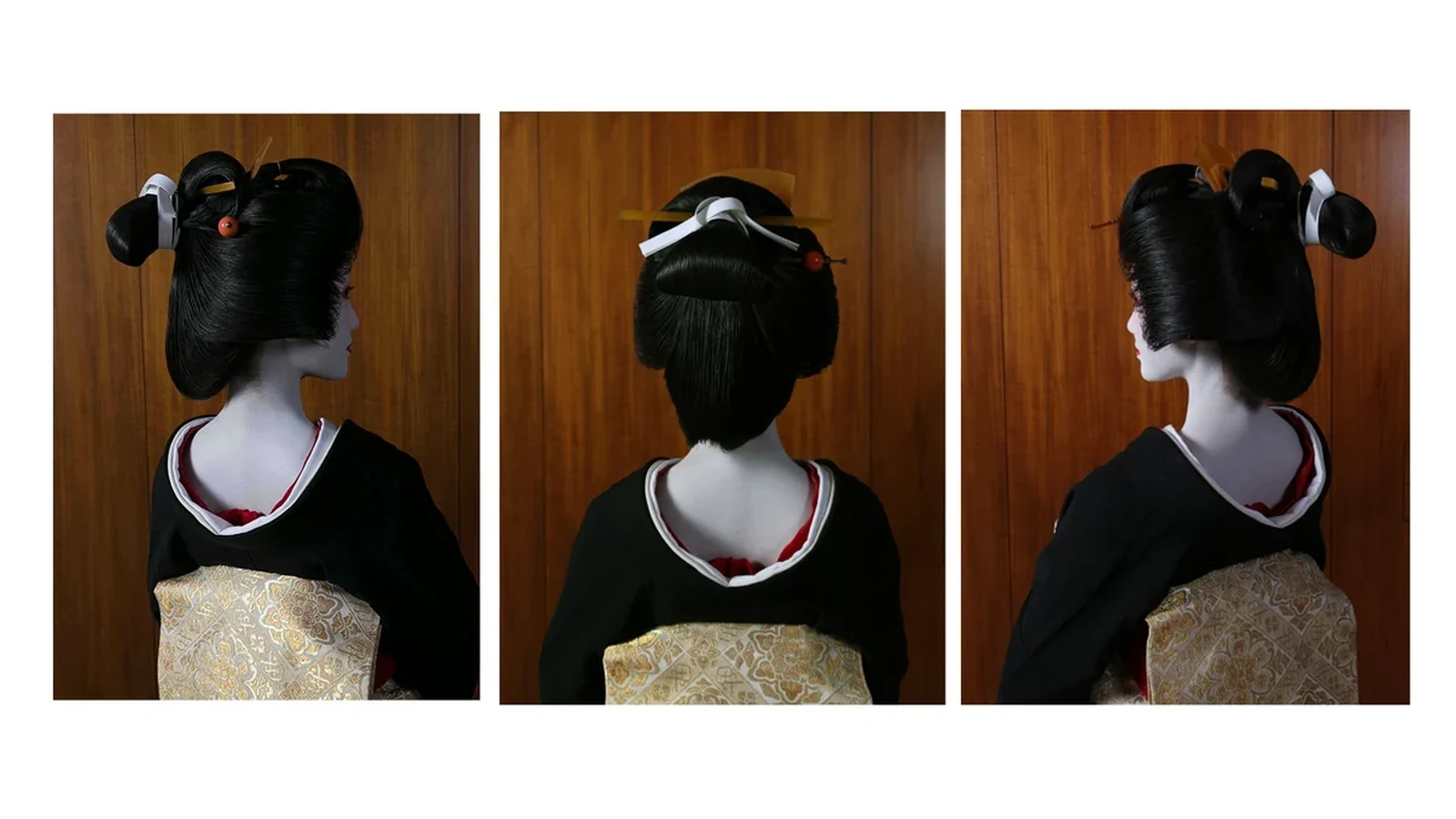
The Yokohama Project 1867–2016 connects a 19th-century family archive with contemporary Japan. Credit: Giada Ripa/GOST Books.
An archive closed for generations
The 53 photographs are attributed to Felice Beato, one of the most important photographers working in Asia during the 19th century. The prints are hand-coloured, a common practice in Yokohama studios, and depict landscapes, occupations, clothing and human “types” for a largely Western audience. Mathilde Ruinart’s text adds the viewpoint of a European traveller from the same period.
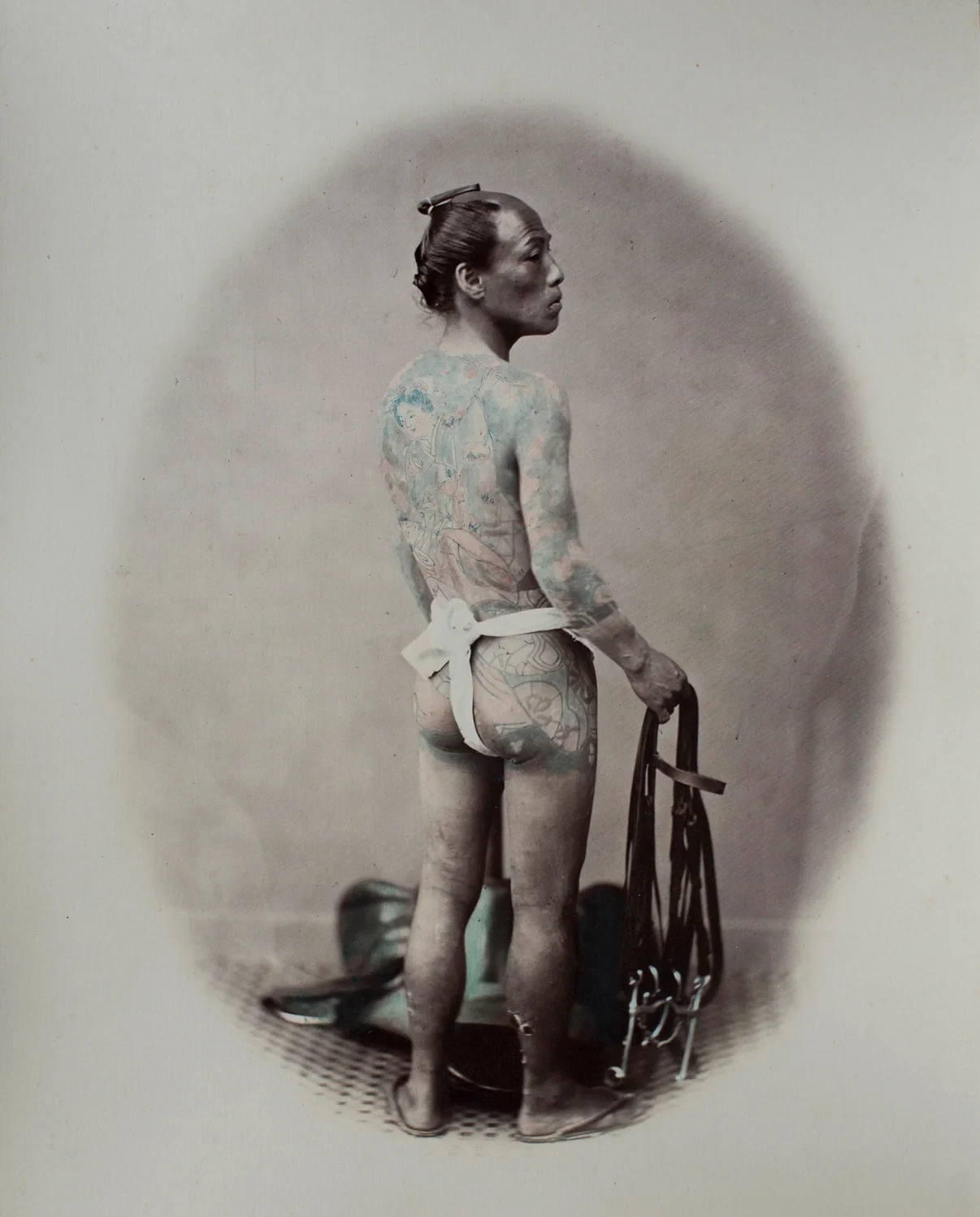
A hand-coloured portrait from the 19th-century archive that activated Giada Ripa’s project. Credit: Giada Ripa/GOST Books.
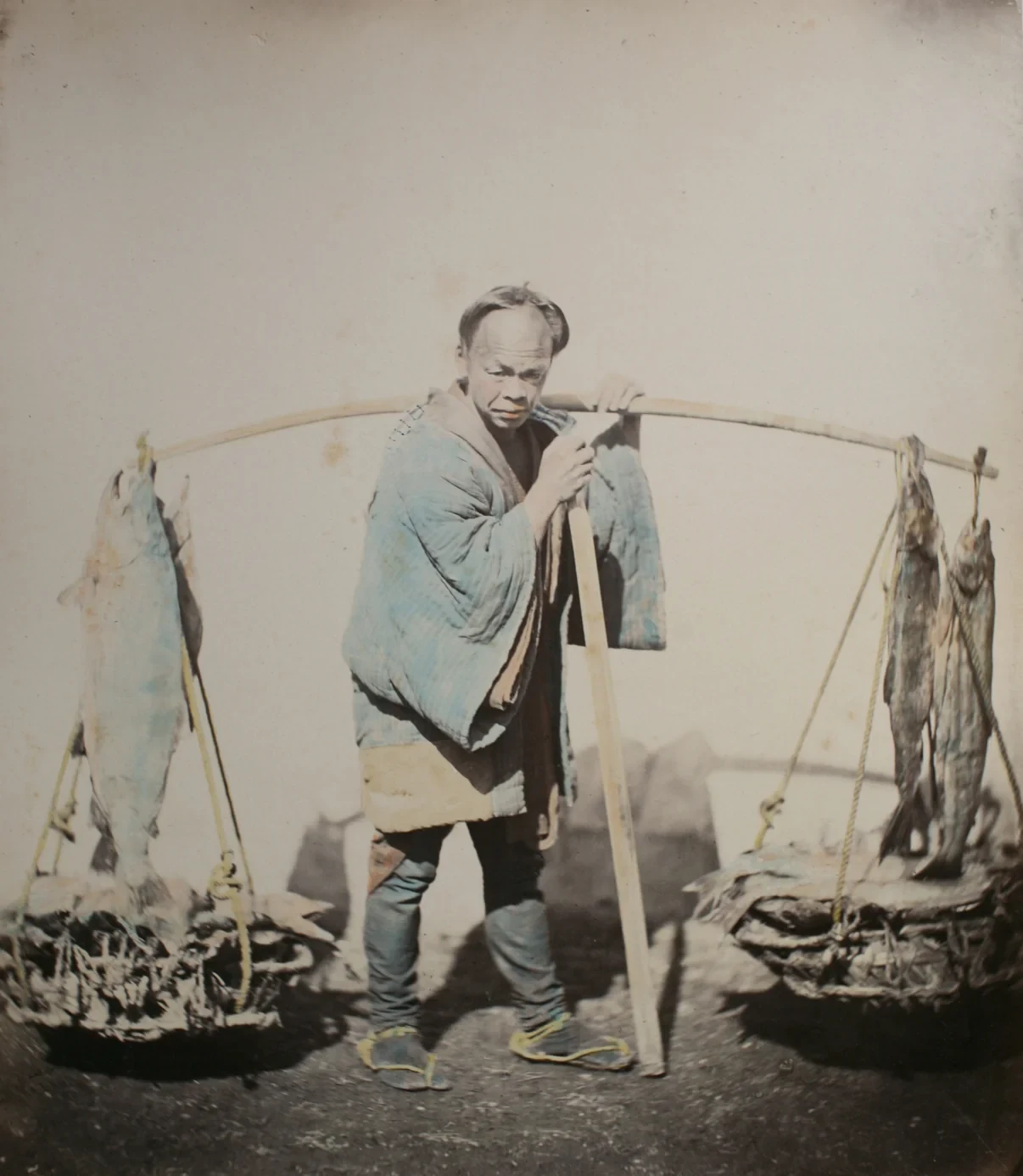
An occupational “type” from the Yokohama photographic archive. Credit: Giada Ripa/GOST Books.
Ripa did not use the archive as a simple collection of illustrations. She studied its routes, locations and the way the historical pictures constructed an exotic, classified version of Japan. The book therefore treats the old records both as valuable photographs and as products of the era, commerce and colonial gaze that produced them.
More than 3,000 kilometres for the same frame
Between 2015 and 2017, the photographer travelled more than 3,000 kilometres across Japan. In the first part of the project she searched for the positions from which Beato’s photographs had been taken. In many cases the exact spot had changed dramatically or disappeared, so the new image works not as a faithful reconstruction but as a measure of the distance between the two eras.
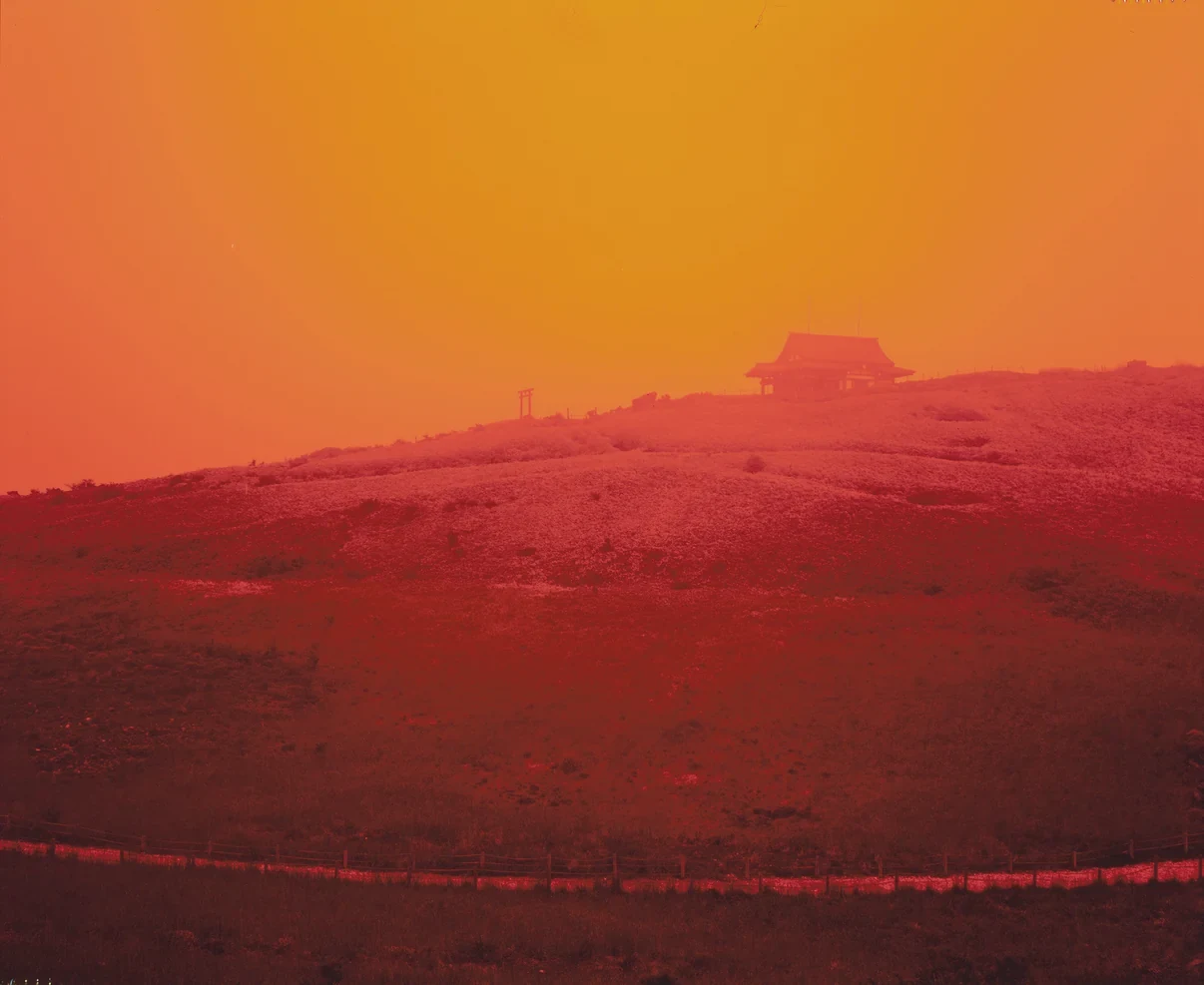
One of Giada Ripa’s contemporary landscapes in dialogue with the historical views. Credit: Giada Ripa/GOST Books.
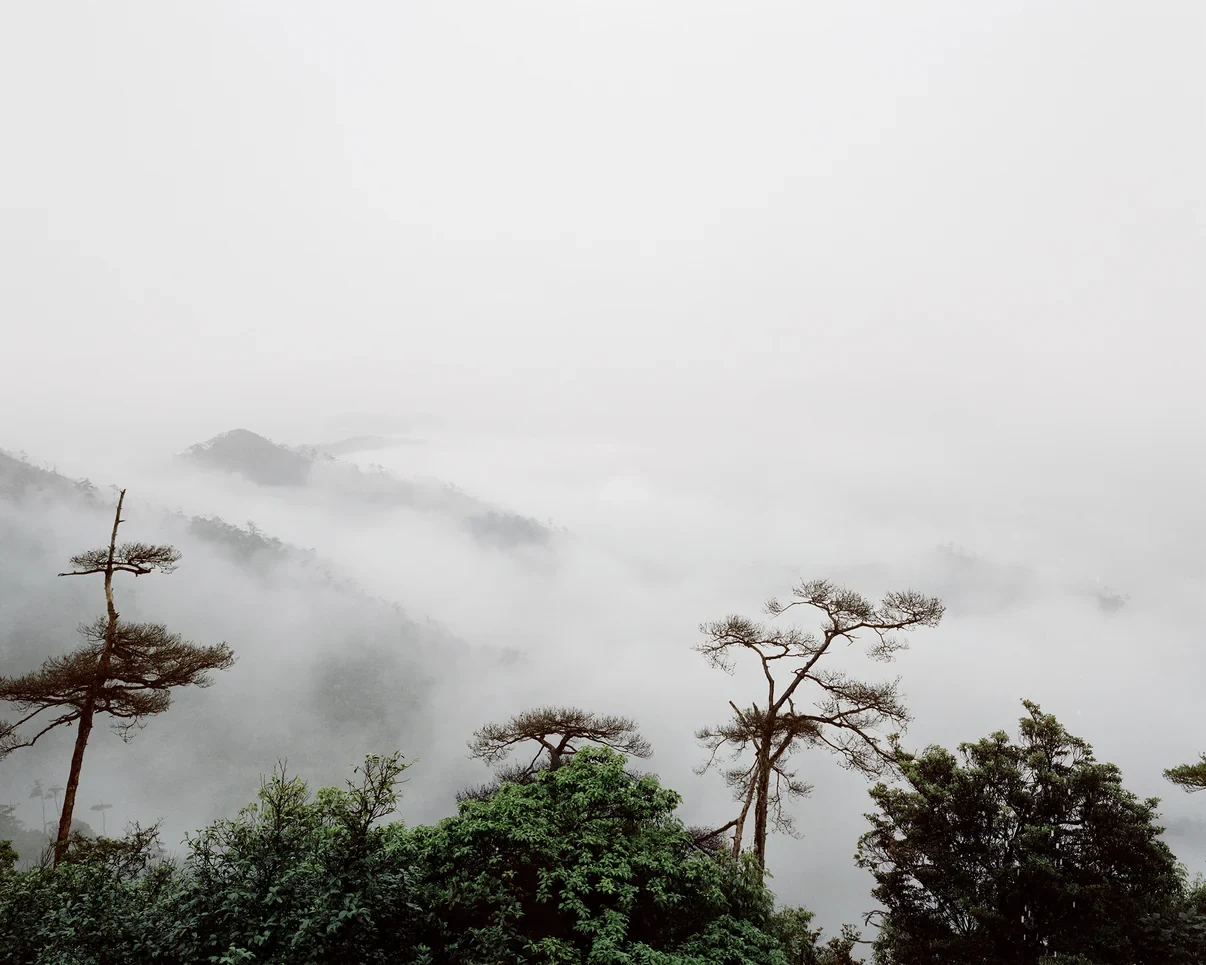
A landscape from the photographer’s contemporary journey through Japan. Credit: Giada Ripa/GOST Books.
The pictures show how cities, coasts, mountains and temples have changed, and what remains recognisable. Rephotography does not promise an objective comparison: the season, lens, camera position and intention all differ. That very discrepancy becomes part of the work.
From “Native Types” to contemporary portraits
The second chapter turns to people. Instead of repeating the classifications of historical studios, Ripa photographed contemporary individuals connected with occupations, rituals, fashion and cultural practices. The images borrow elements of pose, setting or colour from the old archive, while allowing present-day subjects to appear as specific people rather than anonymous “types.”
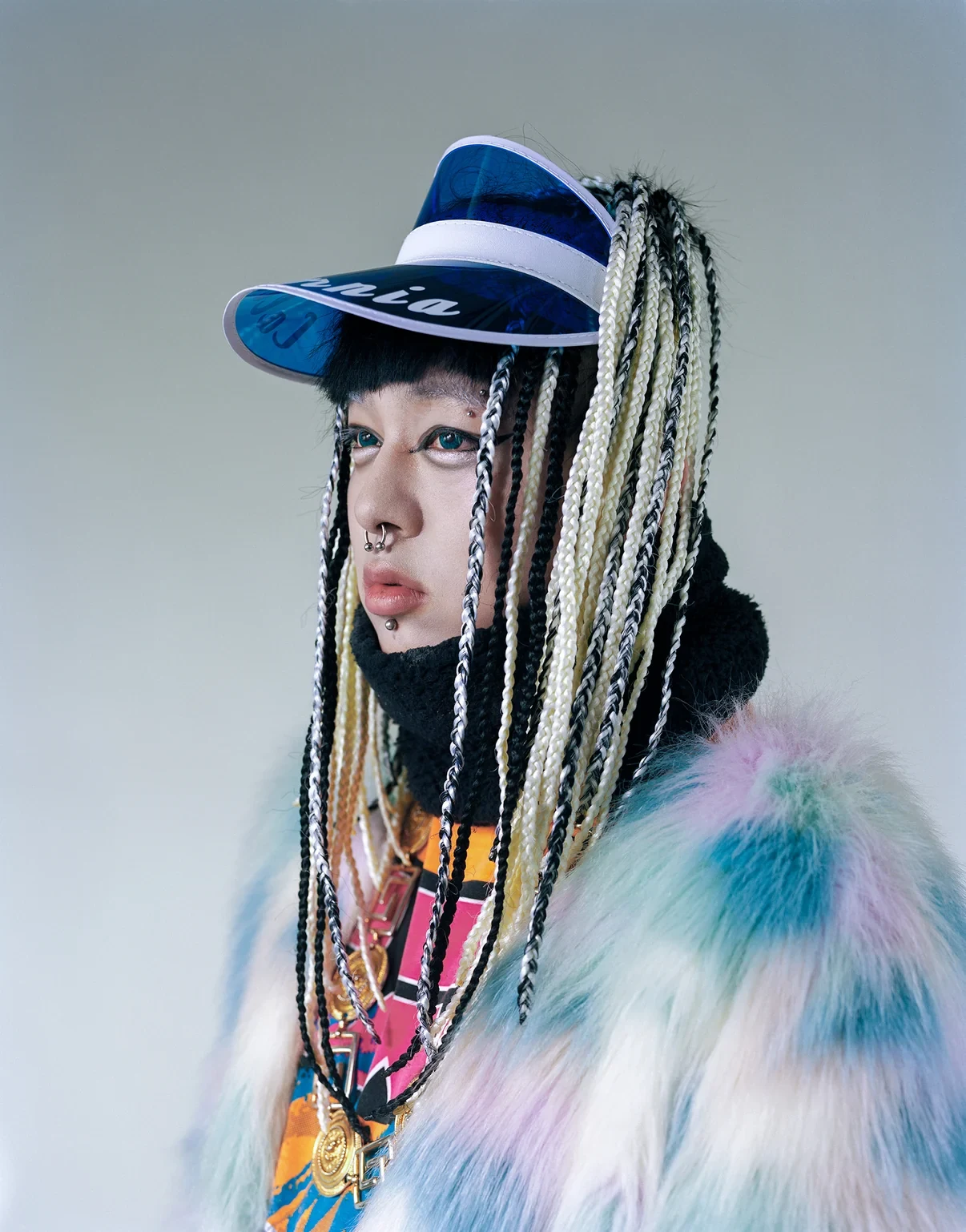
A contemporary portrait by Giada Ripa responding to the typology of the historical images. Credit: Giada Ripa/GOST Books.
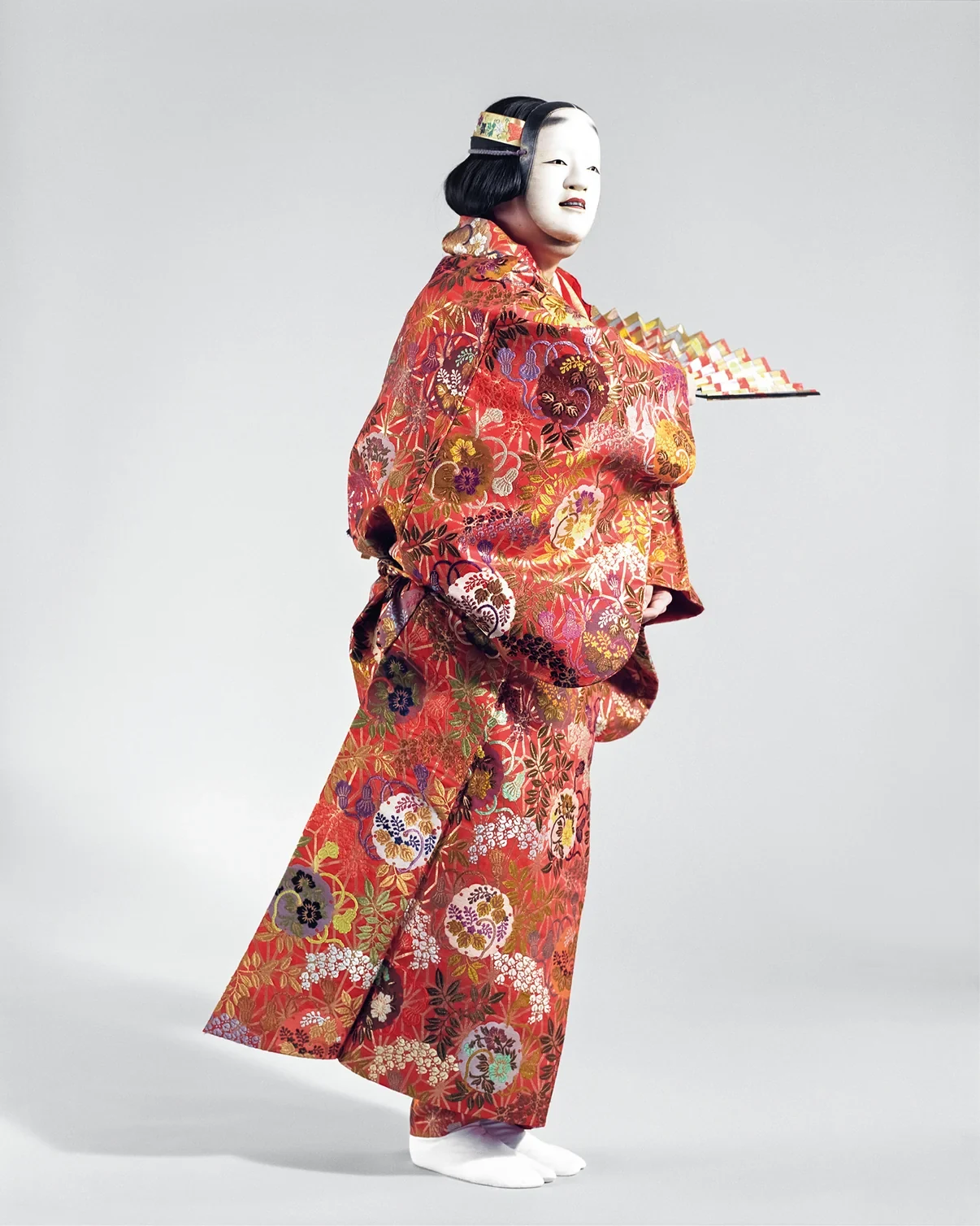
A Noh performer in a contemporary portrait from The Yokohama Project. Credit: Giada Ripa/GOST Books.
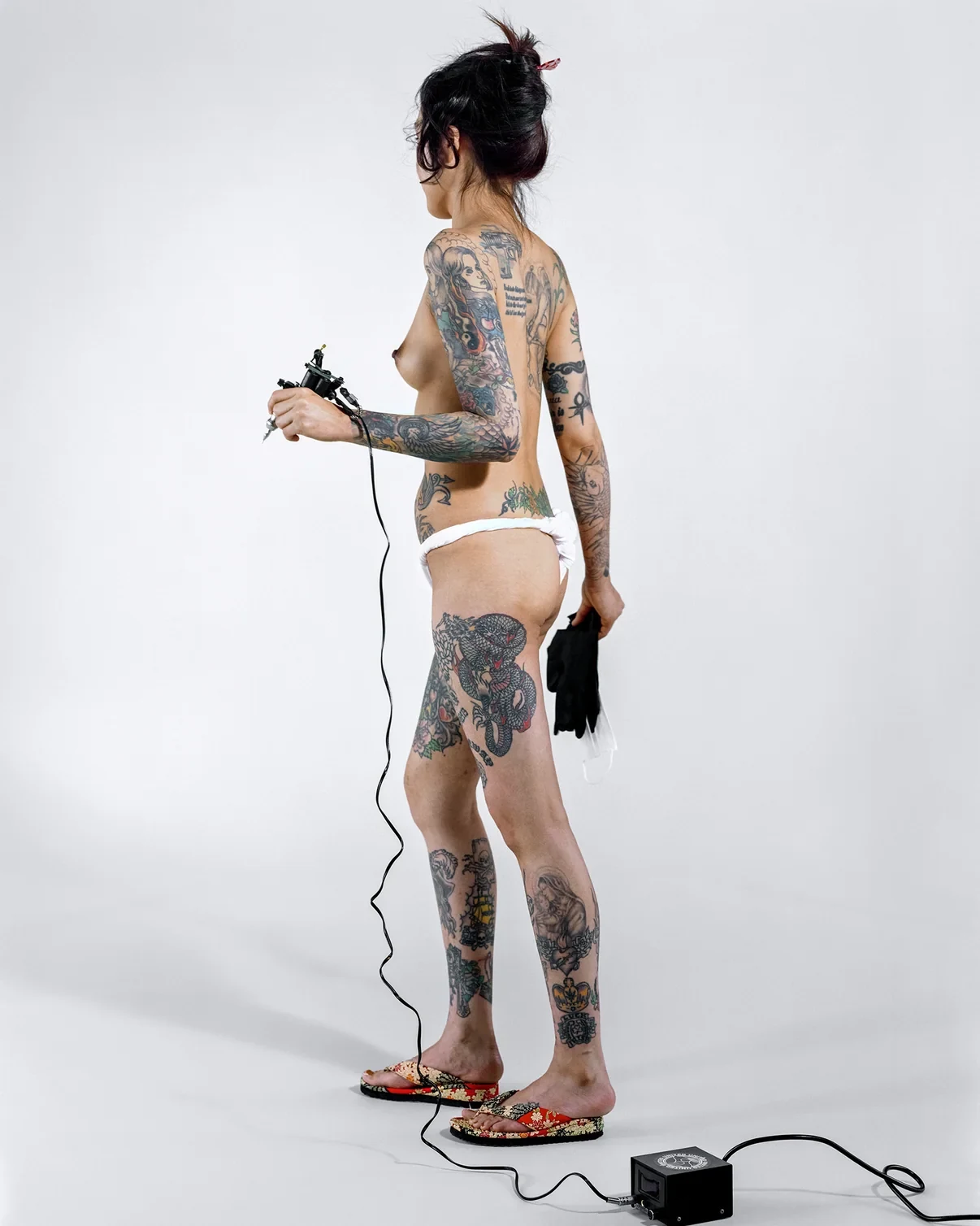
A contemporary tattoo artist photographed for The Yokohama Project. Credit: Giada Ripa/GOST Books.
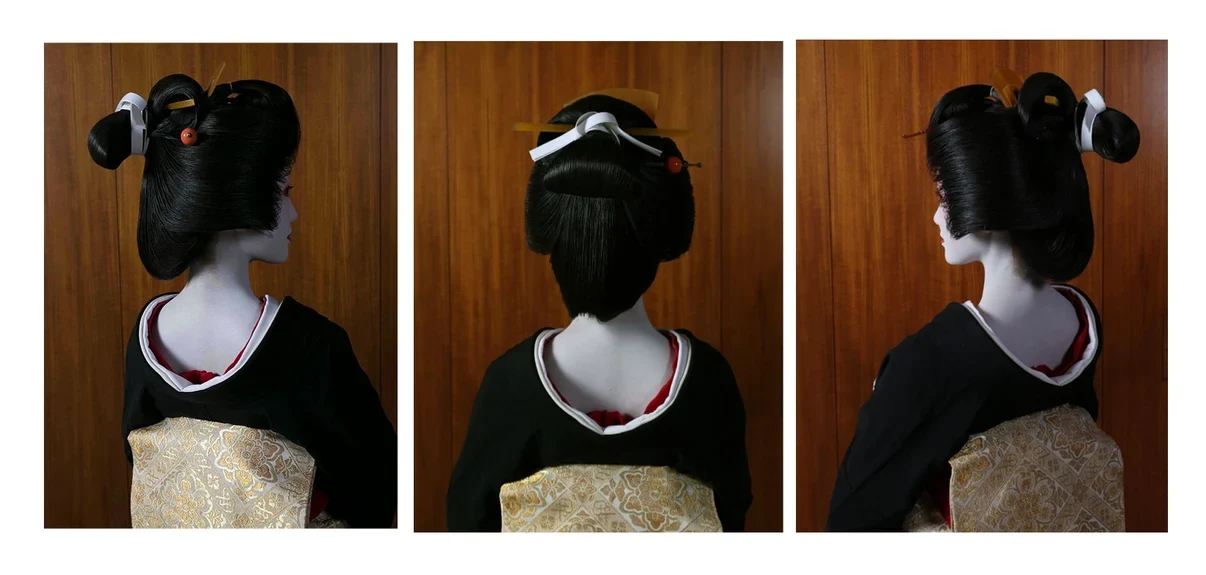
A triptych examining continuity and the staging of images over time. Credit: Giada Ripa/GOST Books.
The 160-page edition
GOST Books organises the material in a 160-page hardback clothbound edition measuring 224×280 millimetres. It contains 90 images and four fold-outs, allowing the historical and contemporary photographs to develop as sequences rather than simple one-to-one comparisons. Its ISBN is 978-1-80598-030-8.
Availability and price
The Yokohama Project 1867–2016 on the official GOST Books page is available to pre-order for €55, with publication expected in September 2026. Tax is included for the publisher’s domestic orders, while international shipments may incur customs or import charges depending on destination.
What we think
The strength of The Yokohama Project lies in the distance between the pictures rather than in easy nostalgia. Ripa treats the family archive not as a final truth but as a starting point for examining how photography shapes the history and identity of a place. The book’s careful structure appears designed to serve precisely that complex conversation.
Frequently asked questions
Who was Felice Beato?
He was a 19th-century photographer with a major body of work in Asia. His Japanese photographs helped shape the Western visual image of the country.
How was the contemporary part created?
Giada Ripa travelled across Japan from 2015 to 2017, covering more than 3,000 kilometres to locate sites and make new portraits.
What does the edition contain?
It has 160 pages, 90 images, four fold-outs and a clothbound hardback cover measuring 224×280 millimetres.
When will it be released and what does it cost?
Publication is expected in September 2026, and the official pre-order price is €55.