

Summary
- GXAce is developing the GX-P1 as a dedicated 65:24 digital panoramic camera
- The camera features a fixed anamorphic lens and is designed to fit in a pocket
- A working prototype has already been used to capture nearly 3,000 photographs
- The camera was designed by The Batman's Ash Thorp
- Sensor price and full specifications have not yet been revealed
- The team aims to launch a crowdfunding campaign by the end of 2026
- A camera designed around 65:24
- Why everyone compares it to the Hasselblad XPan
- The prototype is real and has already captured nearly 3,000 images
- The man behind the Batmobile designed the GX-P1
- Why build a dedicated camera when we can simply crop?
- The anamorphic lens is the most interesting technical choice
- Crowdfunding targeted for the end of 2026
- What we think
- Frequently asked questions
The GX-P1 attempts something major camera manufacturers have avoided for years: a small digital camera designed from the ground up around the extremely wide 65:24 format.
Photographer and filmmaker Casey Cavanaugh’s GXAce has revealed new details about the GX-P1, a fixed-lens digital panoramic camera with anamorphic optics and a 65:24 aspect ratio, inspired by the Hasselblad XPan experience. Most importantly, this is not simply a concept or computer render: according to the team, a working prototype exists and has already been used to capture nearly 3,000 photographs.
The GX-P1 is interesting precisely because it is not trying to become another camera that does everything. It is being designed around one specific way of composing photographs, at a time when most modern cameras treat 65:24 simply as a crop or an additional aspect-ratio option.
A camera designed around 65:24
The basic idea behind the GX-P1 is simple but unusual: the entire shooting experience should serve the ultra-wide panoramic frame.
The team describes it as a small fixed-lens digital camera, specifically designed for photography and for images with a 65:24 aspect ratio, approximately 2.7:1. The lens is anamorphic, an approach that makes it possible to capture an extremely wide image without requiring a sensor with similarly unusual physical dimensions.
The exact size and resolution of the sensor have not been announced. We also do not yet know the lens focal length and aperture, ISO range, autofocus system, file formats or final body dimensions.
That distinction matters: the GX-P1 remains in development and should not yet be treated as a finished commercial product.
Why everyone compares it to the Hasselblad XPan
The 65:24 format is directly associated with one of the most distinctive cameras ever made.
The Hasselblad XPan, introduced in 1998 through a partnership between Hasselblad and Fujifilm, could capture both conventional 24x36mm images and genuine 24x65mm panoramic frames on the same roll of 35mm film. Unlike a simple crop, the panoramic format used a larger physical area of film.
Hasselblad says approximately 16,800 XPan cameras were produced between 1998 and 2002, followed later by the XPan II. The camera’s unusual design and the lack of a true digital successor have helped the format maintain almost cult status among photographers.
PTTL previously covered the Hasselblad XPan mode introduced on the OnePlus 9 and 9 Pro, a different approach that brought the 65:24 format to smartphone photography.
The GX-P1 attempts something very different: rather than adding 65:24 as a software mode to an existing device, it builds an entire camera around it.
The prototype is real and has already captured nearly 3,000 images
One of the most important details is how far the project has already progressed.
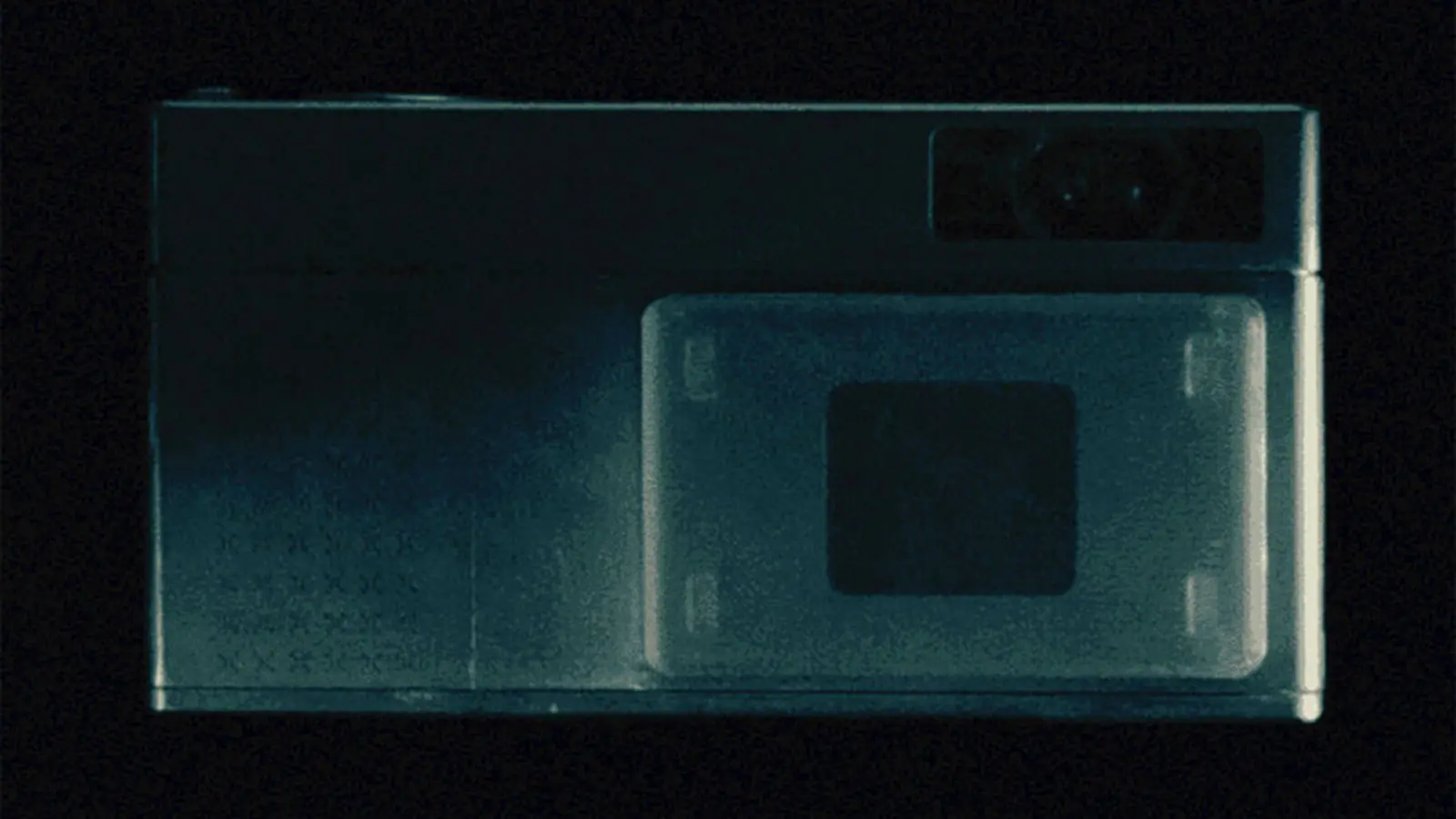
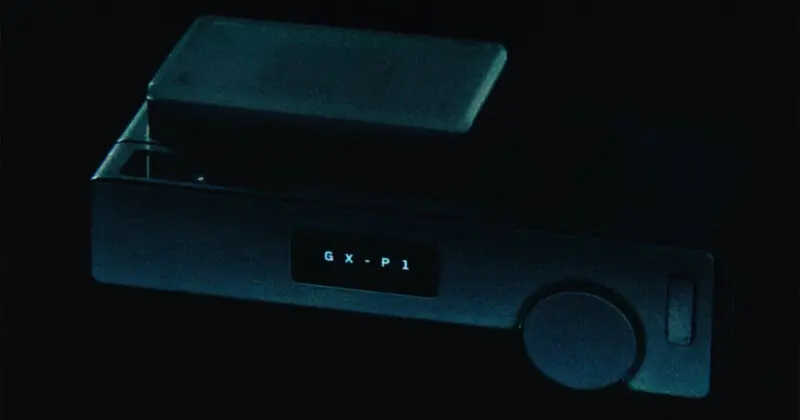
GXAce stresses that the published GX-P1 images are not renders. They show a physical prototype already being used by the team, which has captured approximately 3,000 photographs.
At the same time, development is still far from complete. The team is working on software, electronics, optics, controls, machining and finding manufacturing partners.
Images released so far show a particularly small, angular metal body. A small information display and control dial can be seen on the top plate, while the front has a window that appears to be a viewfinder. The precise functions of these components have not been confirmed, so they should not yet be treated as final production specifications.
The man behind the Batmobile designed the GX-P1
The camera’s design has an equally unusual origin.
Working alongside Casey Cavanaugh is Ash Thorp, an illustrator, designer and creative director responsible for the GX-P1’s industrial design. Thorp is known, among other projects, for his work on the Batmobile and Batcycle featured in the 2022 film The Batman.
The team also includes systems engineer Matt Bernath, who is handling software and systems development.
The involvement of people from cinematic design also helps explain part of the GX-P1 philosophy. Cavanaugh himself comes from filmmaking and sees the ultra-wide anamorphic frame not simply as a file format but as a fundamentally different way of organising an image.
Why build a dedicated camera when we can simply crop?
That is probably the most important question surrounding the GX-P1.
The 65:24 format is not entirely absent from modern digital cameras. The Fujifilm GFX100RF, for example, features a dedicated Aspect Ratio Dial and includes 65:24 among its nine available image ratios. Fujifilm applies it as a framing option using the camera’s 102MP sensor.
PTTL previously covered the Fujifilm GFX100RF and its dedicated aspect-ratio system.
The difference is philosophical but meaningful. On the GFX100RF, 65:24 is one of many choices. On the GX-P1, it is the reason the camera exists.
Such a wide frame changes the way photographers search for lines, position people within a scene and use the foreground and edges of a composition. That is also why XPan enthusiasts often describe it as a different “visual language”, rather than simply a different crop.
The anamorphic lens is the most interesting technical choice
The GX-P1 does not appear to rely solely on cropping a conventional sensor frame.
The team has confirmed that it uses an anamorphic fixed lens. Based on the information released so far, this allows the camera to use a conventional 3:2 sensor to record the required optical information and produce the extremely wide panoramic result.
Exactly how that process will be handled in the final file, the anamorphic squeeze ratio and the resulting output resolution have not yet been announced.
Those details will play a major role in determining whether the GX-P1 becomes a genuinely compelling photographic tool or simply an attractive specialist gadget.
Crowdfunding targeted for the end of 2026
The team’s goal is to bring the GX-P1 to crowdfunding by the end of 2026.
No platform, price, confirmed launch date or delivery schedule has yet been announced.
The distinction matters. A working prototype moves the project well beyond a simple concept, but it does not remove the risks associated with hardware crowdfunding. Moving from a handful of prototypes to mass production, quality control, firmware development, optical tolerances and after-sales support is an entirely different challenge from building a working sample.
Until final specifications, pricing and a production plan are announced, the GX-P1 should be regarded as a promising project still under development.
What we think
The GX-P1 is interesting precisely because it is not trying to win the megapixel, burst-rate or video-codec race.
Instead, it starts with a photographic idea: that a specific format can change the way we see and compose an image. That was also a major part of the XPan’s appeal.
The fact that a real prototype already exists and has captured thousands of images makes this considerably more substantial than another impressive render. However, the most important details — sensor, lens, image quality, autofocus, price and the ability to scale into genuine production — remain unknown.
If the team can combine a genuinely compact body, strong image quality and a reasonable price, the GX-P1 could fill a small but real gap: the modern digital panoramic camera photographers have been asking for for years.
Frequently asked questions
What is the GXAce GX-P1?
It is a fixed-lens digital camera under development specifically for 65:24 panoramic photography. It uses an anamorphic lens, and the team has already built a working prototype.
Is the GX-P1 a digital Hasselblad XPan?
No. It is unrelated to Hasselblad and is not an official successor to the XPan. The comparison is made because it uses the same distinctive 65:24 panoramic format.
What sensor does it use?
The sensor’s size, manufacturer and resolution have not yet been announced.
When will it be released?
GXAce aims to launch crowdfunding by the end of 2026. There is currently no confirmed retail availability or delivery date.
How much will it cost?
Pricing has not yet been announced.