

Summary
- Iryna Kalamurza photographed Maya, a Jack Russell Terrier, from 2012 to 2022.
- The images entered stock photography and became the most commercially successful part of her portfolio.
- Maya became famous in Brazil through Cachorro Aifolou and was later closely associated with Wenomechainsama.
- Wenomechainsama existed before Maya and is based on a phonetic distortion of lyrics from Calvin Harris’ Summer.
- Images of Maya eventually appeared in content and concerts associated with Calvin Harris.
- Kalamurza says she did not make money from the viral transformation of her photographs into memes.
- Stock licensing does not by itself mean that a photographer gives up copyright.
- Maya recently died at the age of 16, while the official Aifolou presence now continues her story and licensing.
- From a photographic experiment to a successful stock portfolio
- How “Cachorro Aifolou” emerged
- Wenomechainsama and the Calvin Harris connection
- Millions of views do not necessarily mean income for the photographer
- Why meme culture creates a different problem
- Maya now has an official digital identity
- The second life of a photograph
- What we think
- Frequently asked questions
The photographs Iryna Kalamurza took of her dog Maya for practice and stock photography later evolved into one of the most recognizable faces of global meme culture, yet she says she did not make money from their viral spread.
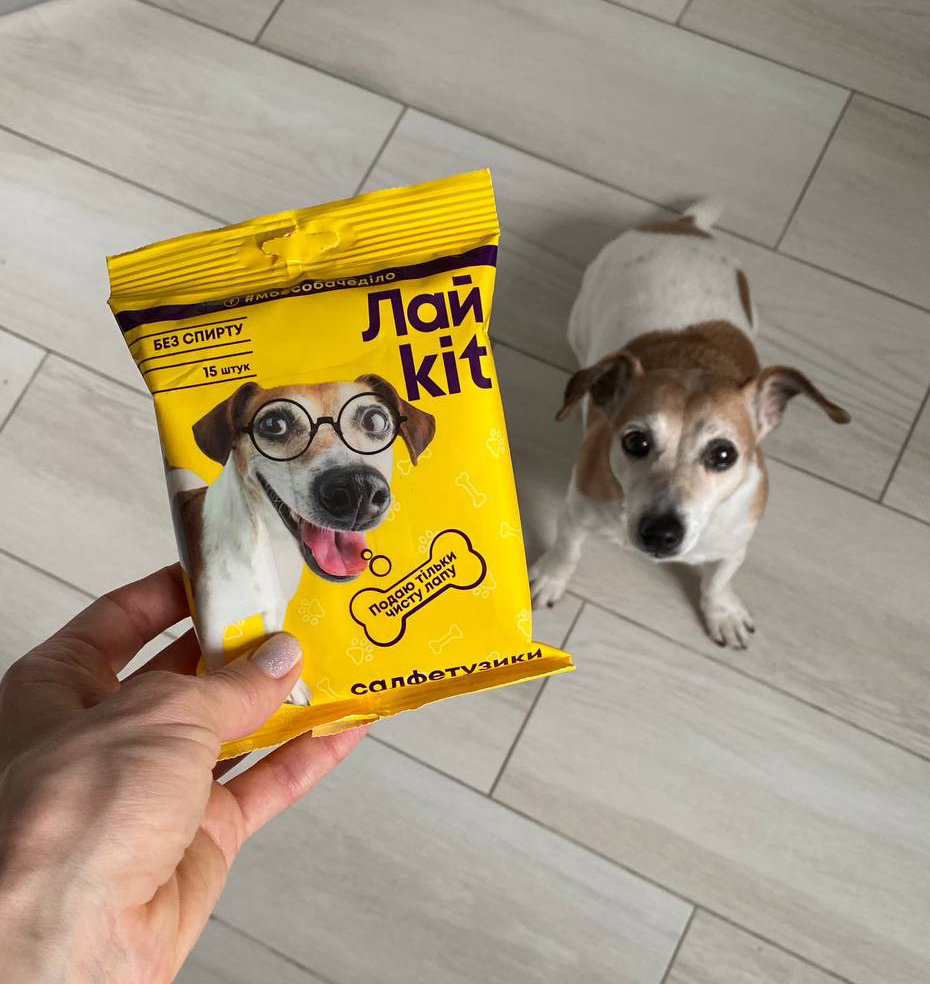
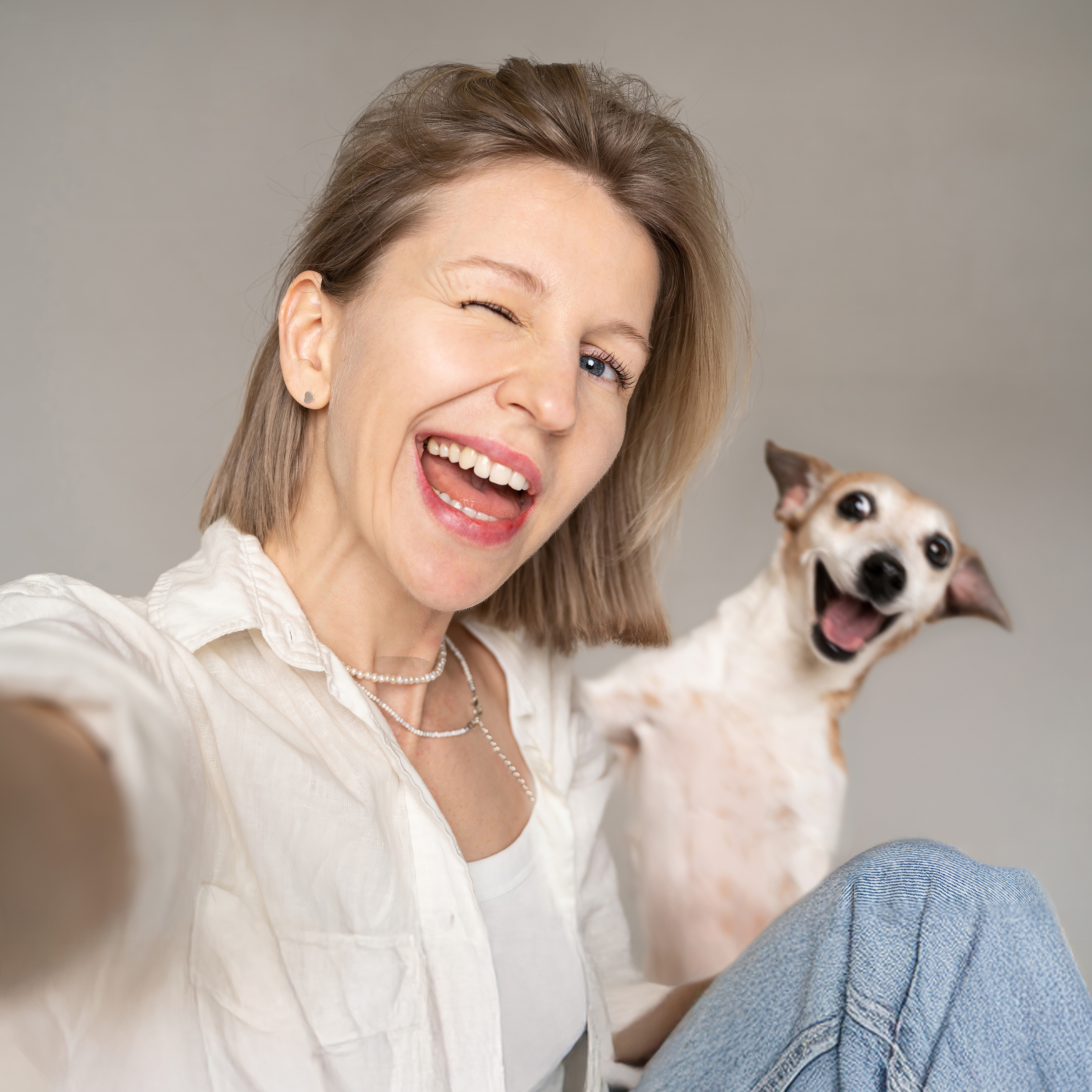
The story began long before the names Aifolou and Wenomechainsama appeared. Ukrainian photographer Iryna Kalamurza was working at a photo studio in Kyiv and, between assignments, used Maya, a Jack Russell Terrier, as a model while experimenting with lighting and different types of shots. She began photographing her in 2012 and continued until 2022, while some of the material was uploaded to stock photography platforms and became the most in-demand part of her portfolio. The images were legitimately licensed for uses including dog-food companies, advertising campaigns, magazines and supermarkets.
What followed illustrates how difficult an image can become to control once it moves from an organized licensing system into open internet culture. Maya first became especially popular in Brazil as “Cachorro Aifolou,” while her photographs were later closely associated with Wenomechainsama, eventually reaching Calvin Harris videos and even appearances at his concerts. Kalamurza, however, says she earned no money from this second, viral life of her photographs.
From a photographic experiment to a successful stock portfolio
Maya was not originally photographed with the intention of becoming an internet character. Kalamurza mainly wanted to capture her particularly expressive behavior, especially the characteristic “smile” she showed when excited while playing with a ball.
The sessions also became an exercise in photographic technique. Kalamurza was working as an administrator at the studio at the time and used her free moments to experiment with lighting, working with a model with whom she already shared a strong bond. She later explained that this connection was one of the reasons she believes Maya’s photographs looked so spontaneous and expressive.
When she began supplying images to stock photography platforms for additional income, she also added photographs of Maya. They proved more commercially successful than anything else she had uploaded.
How “Cachorro Aifolou” emerged
Maya’s first major transformation into a meme became especially prominent in Brazil. Her photographs were used in content associated with Lykke Li’s “I Follow Rivers,” specifically The Magician remix.
“A A Folou” or “Aifolou” emerged as a phonetic misinterpretation of “I Follow,” with Maya becoming a central visual element of the meme. Know Your Meme lists A A Folou as a 2021 meme whose origin is connected to Ukraine and Kalamurza’s photographs.
The photographer herself initially had no idea what had happened. She began receiving messages from people in Brazil who recognized and loved her dog, even though she had neither created the meme nor organized its spread.
Wenomechainsama and the Calvin Harris connection
The story becomes even stranger with Wenomechainsama. The meme itself did not originate with Maya. It appeared in 2021 as a deliberately distorted phonetic rendering of “When I met you in the summer” from Calvin Harris’ “Summer.” Early known versions used other people and animals, including a guinea pig, before the format spread widely across TikTok and YouTube.
Maya subsequently became one of the meme’s most recognizable visual versions. Close-up photographs of the Jack Russell were paired with the distorted lyric phrases and spread so widely that the Maya-Wenomechainsama connection developed a life of its own.
The irony peaked when the meme reached Calvin Harris himself. The artist has published related TikTok content, while an image of Maya has also appeared on a sign held by a fan at one of his concerts.
Millions of views do not necessarily mean income for the photographer
The most important photographic and professional aspect of the story is the enormous gap between the cultural value of a viral image and the money that may actually return to its creator.
Kalamurza says she did not make money from Maya becoming a meme. This does not mean that the original stock sales produced no revenue: the photographs had already been successful commercial stock images. The problem lies in their later uncontrolled reproduction, modification and redistribution within meme culture.
It is also important not to confuse stock licensing with surrendering copyright. Under modern stock models, creators generally continue to own their copyright while granting specific usage rights through a license. Adobe, for example, explicitly states that contributors retain ownership of their content, while Shutterstock likewise says that copyright remains with the creator.
The fact that an image is legitimately available through a stock library therefore does not mean that anyone can copy, distribute or commercialize it without restrictions. Permitted uses depend on the terms of the relevant license.
Why meme culture creates a different problem
A meme can be copied thousands of times within hours, saved, cropped, captioned, turned into video and reposted by accounts that may not even know where the original image came from.
This creates a practical problem quite different from traditional stock licensing. Even when the creator still holds rights to the photograph, tracking every use and establishing whether a valid license exists can become extremely difficult on a global scale.
Nor does labeling something a meme automatically exempt it from copyright. Whether an unlicensed use qualifies, for example, as fair use in the United States depends on the specific circumstances and legal factors involved; the U.S. Copyright Office notes that the ultimate determination of fair use is made by a court.
Maya now has an official digital identity
The story now has another chapter. Kalamurza has created an official presence for Maya and Aifolou, presenting authentic photographic material, the history of the memes and a way to make contact regarding licensing and collaborations.
On the official Maya Aifolou website, Maya is identified by her real name as well as her online identities Aifolou, Wenomechainsama, Timmy and Turi ip ip ip. Kalamurza is presented as the owner of the rights to the brand and artwork, while Aifolou is described as a registered trademark.
The Kyiv-born photographer is now based in Barcelona and continues to work professionally in photography. She and Maya moved there following Russia’s full-scale invasion of Ukraine.
The second life of a photograph
Maya recently died at the age of 16. Her photographs, however, continue to appear online and in places their creator could hardly have imagined when she first photographed her inside a Kyiv studio more than a decade earlier.
For Kalamurza, that continuation now also carries an emotional dimension: she can still see Maya making people smile even after her death.
What we think
Maya’s story is an unusually clear example of how radically the “life” of a photograph has changed online. An image created as a personal photographic experiment moved into stock licensing, was commercially used and eventually transformed into an independent part of global internet culture.
For photographers, the central lesson is not that stock photography removes copyright — it does not do so by itself. It is that mass digital distribution can very quickly separate an image from the name, history and even financial benefit of its creator. In Maya’s case, that loss of control ultimately created something far larger than a stock photograph: a character recognized by millions of people who often have no idea who photographed her.
Frequently asked questions
Who is Maya from the Aifolou and Wenomechainsama memes?
Maya was a Jack Russell Terrier photographed by Ukrainian photographer Iryna Kalamurza. Her photographs were originally used as stock images and later became widely recognized through the Aifolou and Wenomechainsama memes.
When were Maya’s photographs taken?
Kalamurza began photographing Maya in 2012 and continued until 2022.
Did the photographer make money from the viral meme?
According to Kalamurza, she did not make money from the photographs becoming viral memes. The images had previously generated income as successful stock photographs.
Did Wenomechainsama originate with Maya?
No. Wenomechainsama had already appeared as a meme based on a distorted phonetic version of lyrics from Calvin Harris’ “Summer.” Maya’s photographs later became one of its most recognizable visual forms.
Does selling a photograph as stock mean losing copyright?
Not necessarily. On major stock platforms, creators generally retain ownership of their work while granting usage rights according to specific licensing terms.