

Summary
- A 172 Camera score places it second in DXOMARK's global ranking.
- Class-leading video performance with effective stabilization.
- Strong low-light capture and natural contrast.
- Variable aperture extends depth of field in group portraits.
- Long-range zoom loses detail against the strongest competitors.
The iPhone 18 Pro achieved a DXOMARK Camera score of 172, placing second in the global ranking behind the Huawei Pura 80 Ultra.
Apple’s new flagship stood out for low-light photography, natural contrast, stabilization and the main camera’s variable aperture. DXOMARK notes that the published assessment is a short version and that the full review will follow.
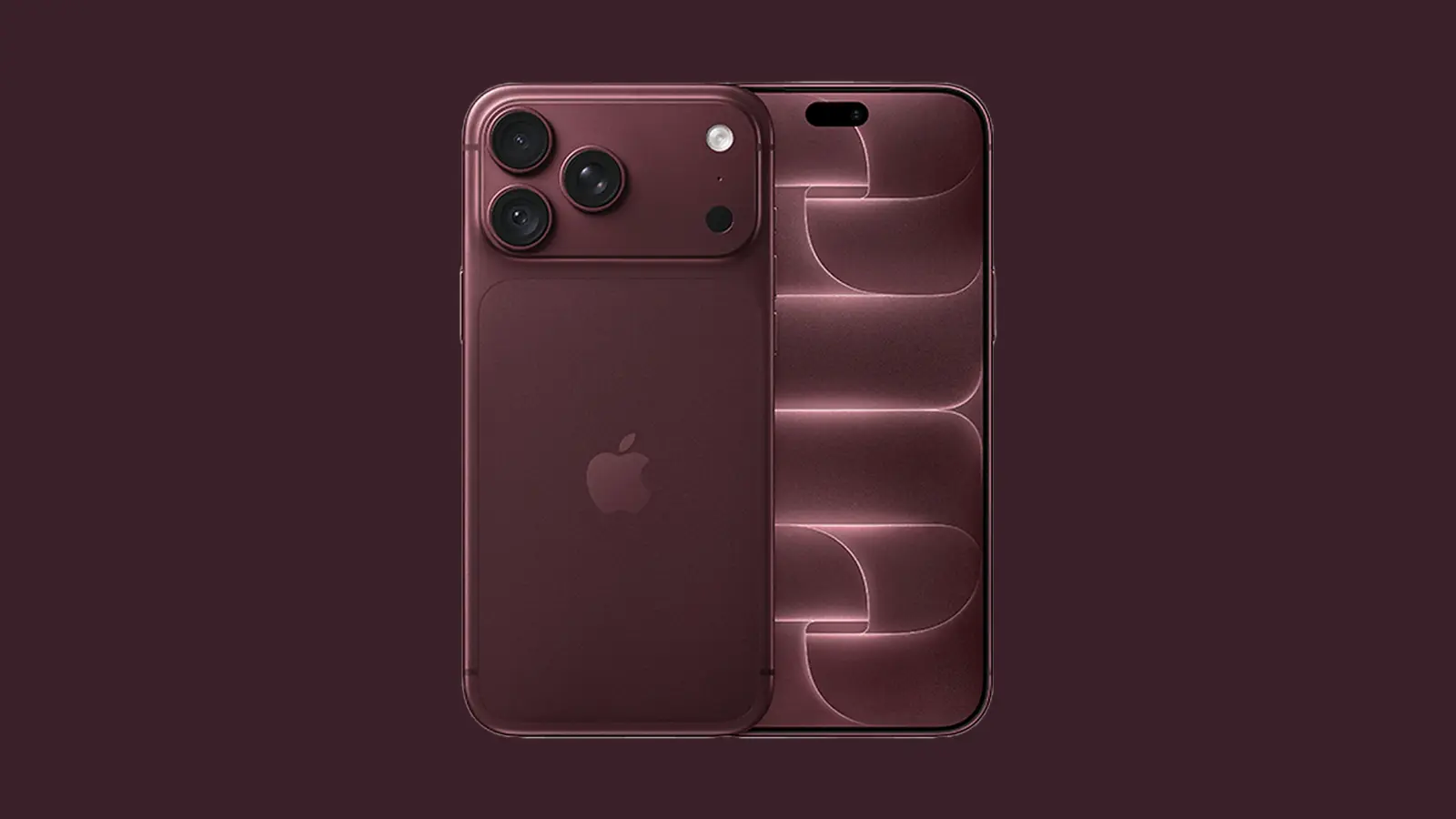
The system uses three 48MP cameras: a 24mm main camera with an f/1.48–f/4.0 variable aperture and sensor-shift OIS, a 13mm f/2.2 ultra-wide and a 100mm f/2.8 tetraprism telephoto with sensor-shift OIS.
Camera scores
The overall 172 score combines photo, zoom and video testing through laboratory measurements and perceptual analysis. The iPhone 18 Pro scored 171 for Photo, including 181 for Main, 175 for Bokeh, 152 for Ultra-Wide and 143 for Tele.
Its Video score reached 176, the highest result in DXOMARK’s ranking at publication time. The Main video camera scored 189, Ultra-Wide 152 and Tele 127.
Variable aperture improves group portraits
One of the key additions is the main camera’s variable aperture. The system can close the aperture to extend depth of field when faces are positioned at different distances, while manual control is also available. In DXOMARK’s comparison, the iPhone 18 Pro retained more detail on both the near and rear faces than the iPhone 17 Pro.

Exposure was generally accurate, with wide dynamic range and natural contrast. Faces can be slightly underexposed in challenging backlit portraits, but the balance between highlights and shadows remains convincing. DXOMARK also observed fewer visible AI-processing artifacts than on some competing devices.
Portraits and bokeh
Portraits show natural skin tones, controlled contrast and pleasant subject isolation. Bokeh simulation delivers a cohesive blur gradient and natural rendering of background highlights.
Limitations include fine segmentation around complex details and occasional failure to trigger the blur effect. At around 2x, facial detail can also look softer than on the strongest competing implementations.
Strong low-light capture with controlled noise
Low light is one of the iPhone 18 Pro’s strongest areas. Photos retain good exposure, wide dynamic range and high texture levels without overly aggressive smoothing. Some noise remains visible in textured areas, but it is controlled in a way that preserves a more natural image.
Low-light video benefits from improved color, particularly in skin tones. White balance can still show occasional color casts, while very fine textures may be lost in the most demanding conditions.
Video: stabilization and smooth motion
Stabilization is effective even while running, with smooth and natural motion rendering. Capture at 60fps improves fluidity, while strong dynamic range preserves information in high-contrast outdoor scenes.
Zoom transitions during recording are also notably smooth. DXOMARK did, however, observe a visible brightness difference between photo and video previews, which can make it harder to judge the final result accurately.
Long-range zoom remains the main weakness
At close and medium range, zoom output retains detail and natural texture. At longer distances, however, the telephoto camera falls behind the leading competitors: fine details become noticeably softer and the image loses clarity.

Other limitations include occasional white-balance shifts, aliasing and flare. Diffuse flare is reduced compared with the previous generation, but green spots can still appear and flare becomes more visible when the aperture is closed.
Read all currently available test results at DXOMARK.
What we think
The early measurements describe a camera built around consistency: natural contrast, reliable exposure, strong video and better control of depth of field. For creators moving between stills and video, that balance can matter more than one isolated headline score. Long-range zoom, however, remains a meaningful limitation compared with the most capable camera phones.
Frequently asked questions
What score did the iPhone 18 Pro receive?
It achieved a Camera score of 172 and ranked second globally in DXOMARK’s table.
What are its strongest camera features?
It stands out for video, low-light capture, stabilization and the variable aperture that extends depth of field.
Where does the camera fall short?
The main weakness is detail loss at long zoom ranges, alongside occasional flare and white-balance instability.
Has the full review been published?
Not yet. DXOMARK says the current publication is a short version and that the full review is coming later.