Summary
- James Barnor is being honoured at the Sony World Photography Awards 2027 for his lifetime contribution.
- He photographed Ghana’s road to independence and Black communities in London.
- The award ceremony takes place on 15 April 2027.
- More than 50 works will be shown at Somerset House.
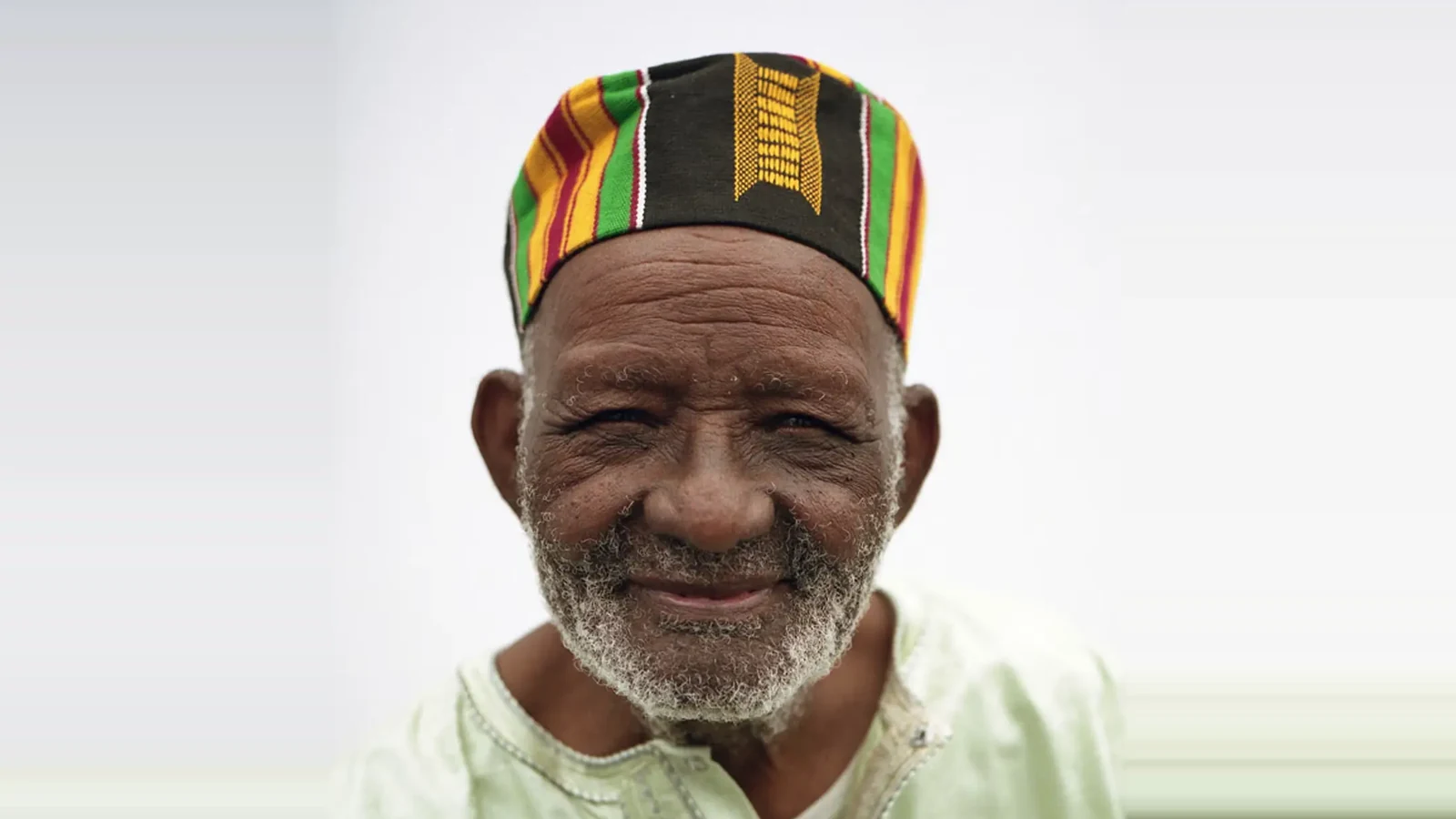
James Barnor, the photographer who documented Ghana’s independence and the lives of African communities in London, is being honoured for his lifetime contribution at the Sony World Photography Awards 2027.
Announced on 5 November 2026, the Outstanding Contribution to Photography recognition is part of the 20th edition of the Sony World Photography Awards. It is a separate lifetime honour, rather than the competition’s Photographer of the Year title.
In this archival film presented by Autograph, Barnor discusses photography and his career.
From Ever Young to Ghana’s independence
Born in Accra in 1929, James Barnor learned photography from his cousin, the portrait photographer J. P. D. Dodoo. In 1950 he became the first staff photographer of the newly established Daily Graphic, documenting political rallies, parades and the changes that led to Ghana’s independence from British colonial rule in 1957.
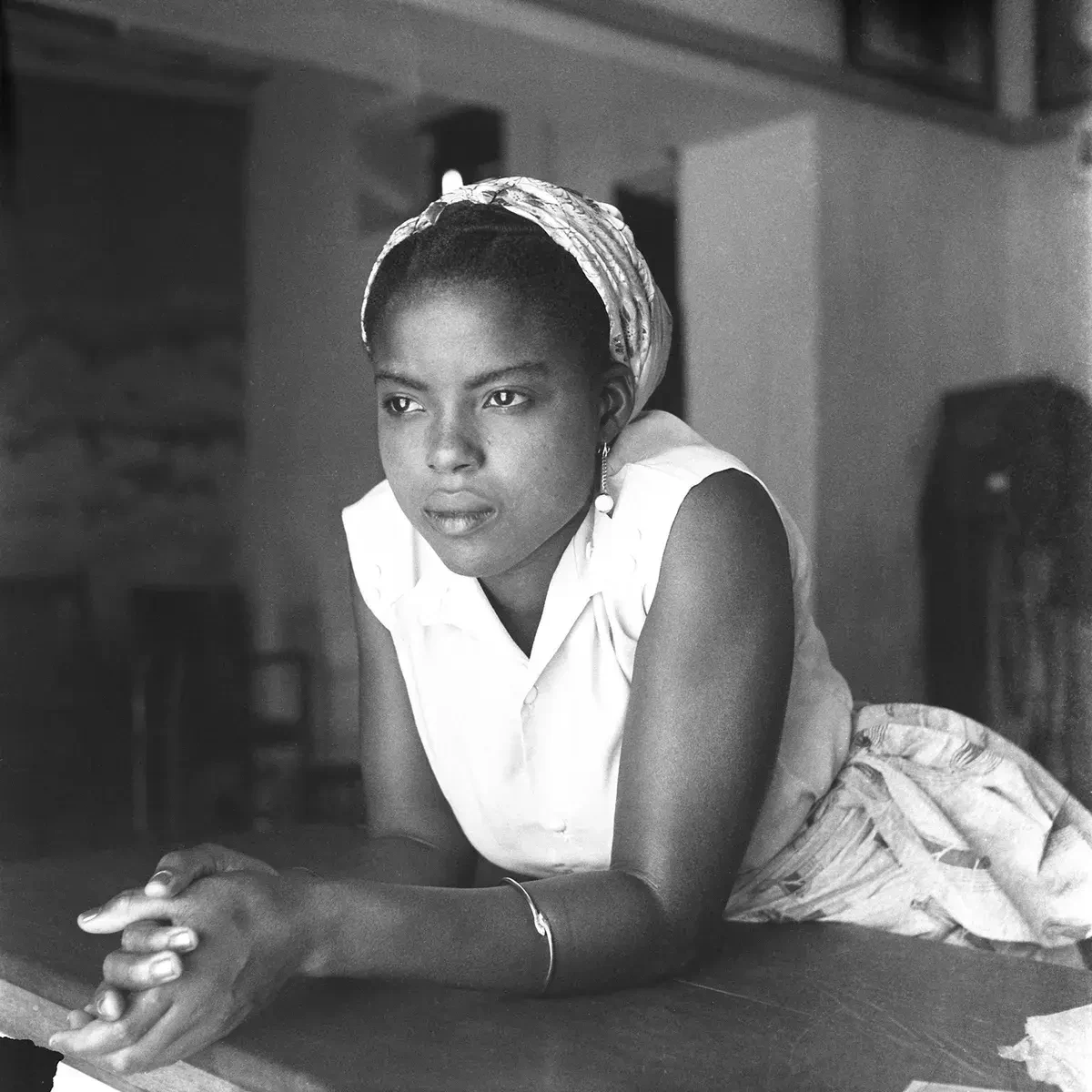
He opened his Ever Young studio in Accra’s Jamestown district in 1953. Schoolchildren, workers, civil servants and politicians all sat for his portraits. The resulting photographs reveal the country’s history through the expressions and personal choices of its people.
London: fashion, Black communities and Muhammad Ali
Barnor moved to Britain in 1959 to study and expand his technical knowledge of colour photography. He attended Medway College of Art, worked in colour printing and processing, and contributed to Drum, a magazine known for its photography and anti-apartheid journalism.
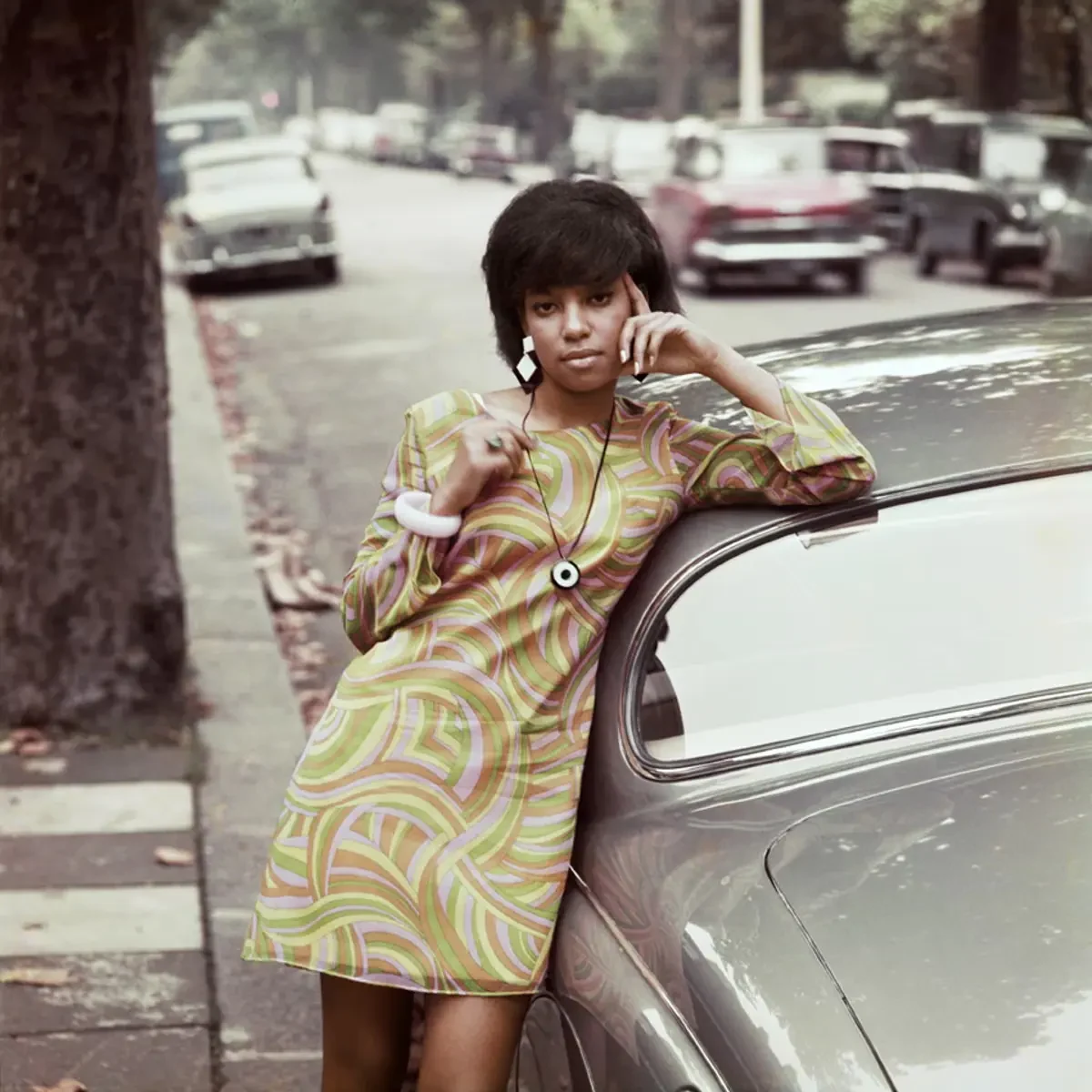
His pictures featured Black models and creative people on London streets at a time when they were rarely given such visibility in mainstream fashion magazines. His 1966 photograph of Erlin Ibreck in Kilburn is an example of this work.
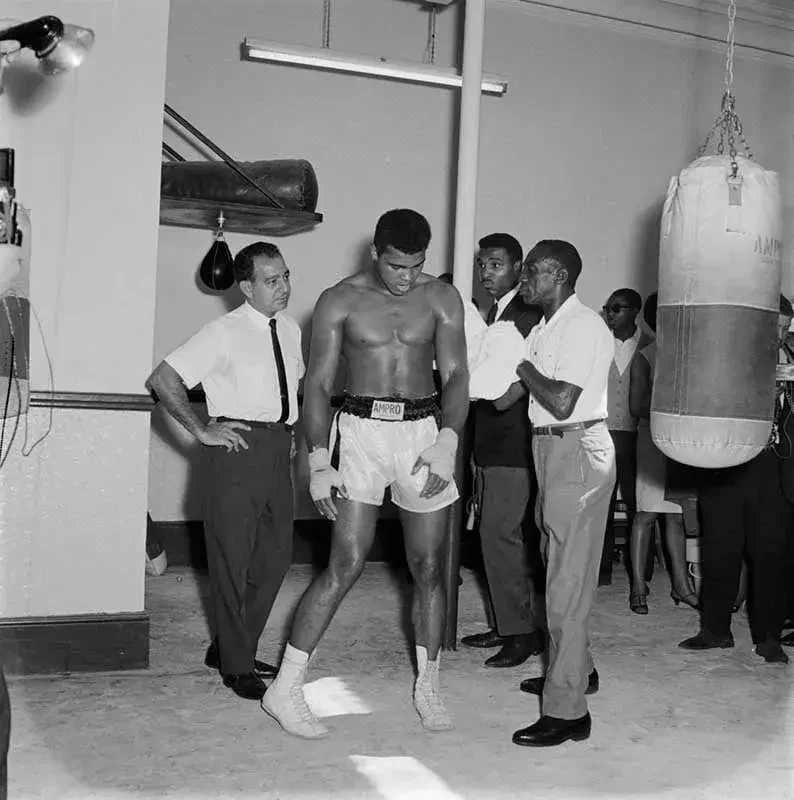
That same year, Barnor also photographed Muhammad Ali during training in London ahead of his fight against Brian London. The picture shows how easily his camera moved between fashion, portraiture and photojournalism.
Back to Ghana, bringing colour with him
After training with Agfa-Gevaert in Belgium and Germany, Barnor returned to Ghana in the late 1960s as the company’s technical representative. He established the country’s first colour-processing laboratory, making expertise available that changed how portraits could be taken and printed.
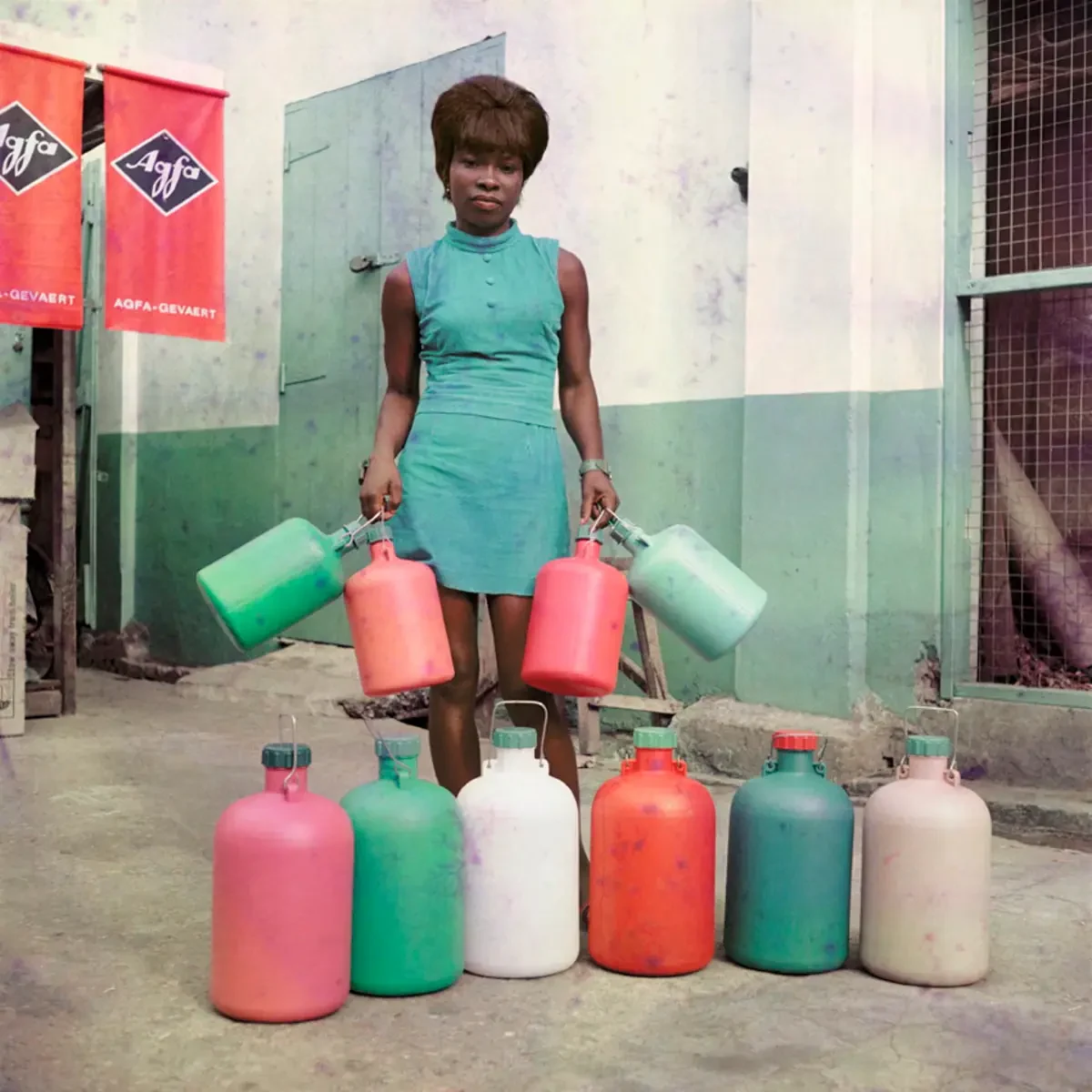
The 1971 photograph of a Sick-Hagemeyer shop assistant in Accra, with brilliantly coloured containers in the foreground, shows how deliberately he was working with colour.
2027 award and Somerset House retrospective
Barnor will receive his award at the London gala on 15 April 2027. A special retrospective of more than 50 works will be presented at Somerset House from 16 April to 3 May 2027, combining photographic prints and archival material tracing his journeys between Ghana and Britain.
His work has gained renewed international attention through presentations at London’s Serpentine, the Detroit Institute of Arts and New York’s MoMA. Barnor has said that he hopes younger photographers will remain curious, tell their own stories and share what they learn.
What we think
What stands out in Barnor’s photography is the space he gives people to present themselves on their own terms. Even a simple studio portrait becomes revealing: clothing, eye contact and body language tell us about an era, about dignity and about personal aspirations.
For those of us who photograph people, there is an important lesson here. Documentary photography is not made solely from dramatic historic events. It is also built from small, personal moments that grow in meaning over time. Through Barnor’s portraits, we can read the story of a society.
It is also worth remembering that he did not treat colour technology as an end in itself. He learned the process, brought that knowledge home and made it available to others. Sharing expertise is as much a part of his photographic legacy as the images themselves.
Frequently asked questions
Did James Barnor win Photographer of the Year 2027?
No. He is receiving the Outstanding Contribution to Photography honour for his lifetime work. Photographer of the Year is a separate award in the competition.
When will his photographs be exhibited in London?
A retrospective of more than 50 works will be presented at Somerset House from 16 April to 3 May 2027.