Summary
- The famous Loch Ness Monster photograph was published on 21 April 1934.
- Credited to doctor Robert Kenneth Wilson, it became an iconic image of Nessie.
- Research publicised in 1994 traced the picture to a model mounted on a toy submarine.
- Its story shows why framing and provenance matter when judging a photograph.
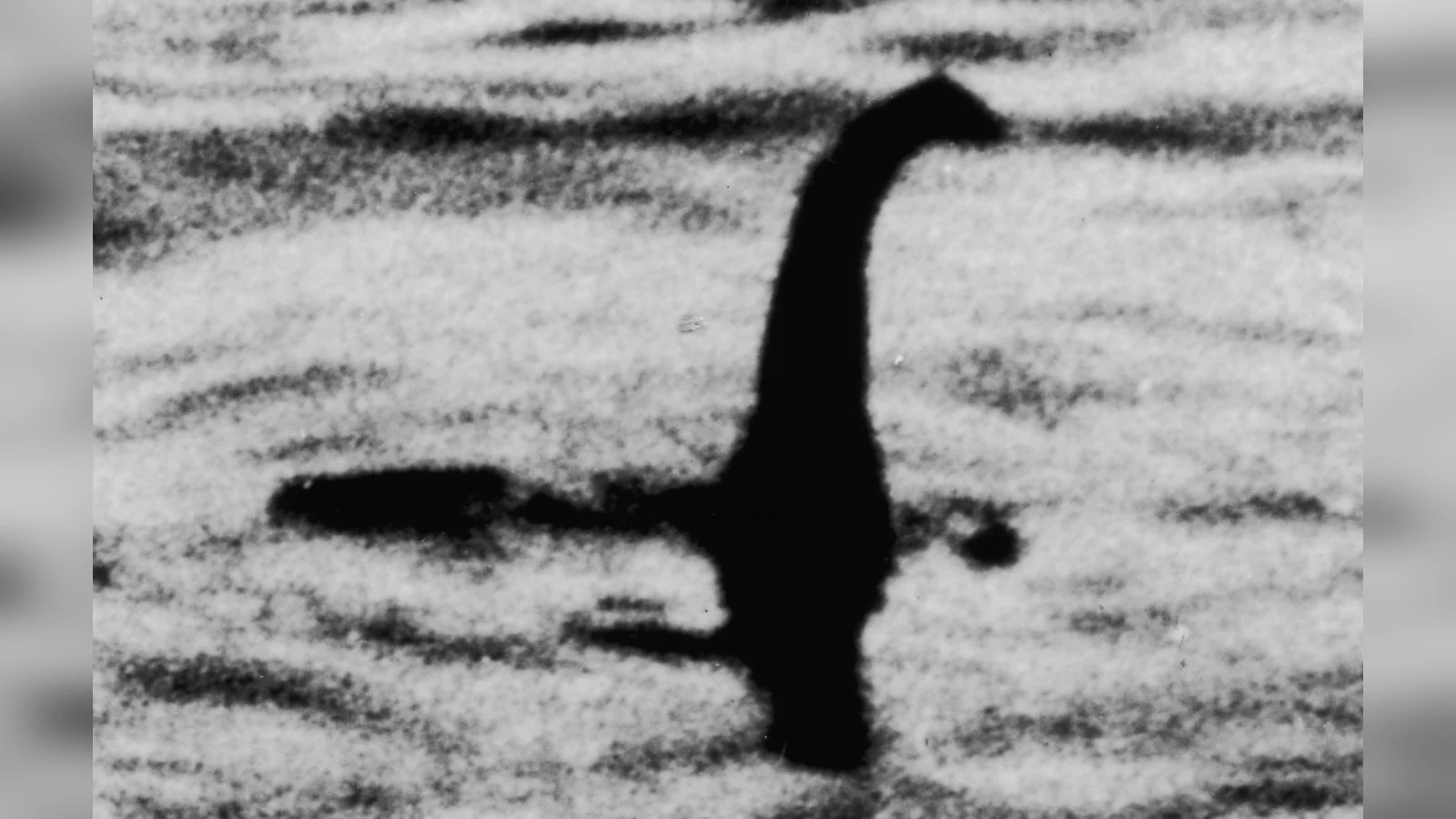
A blurry black-and-white photograph from 1934 became the most recognisable “proof” of the Loch Ness Monster—until a staged miniature was revealed to be behind the image.
The frame shows a dark, elongated neck rising out of the water. There are no people, boats or familiar objects for scale. That absence was part of its power: a small construction could look like a gigantic creature.
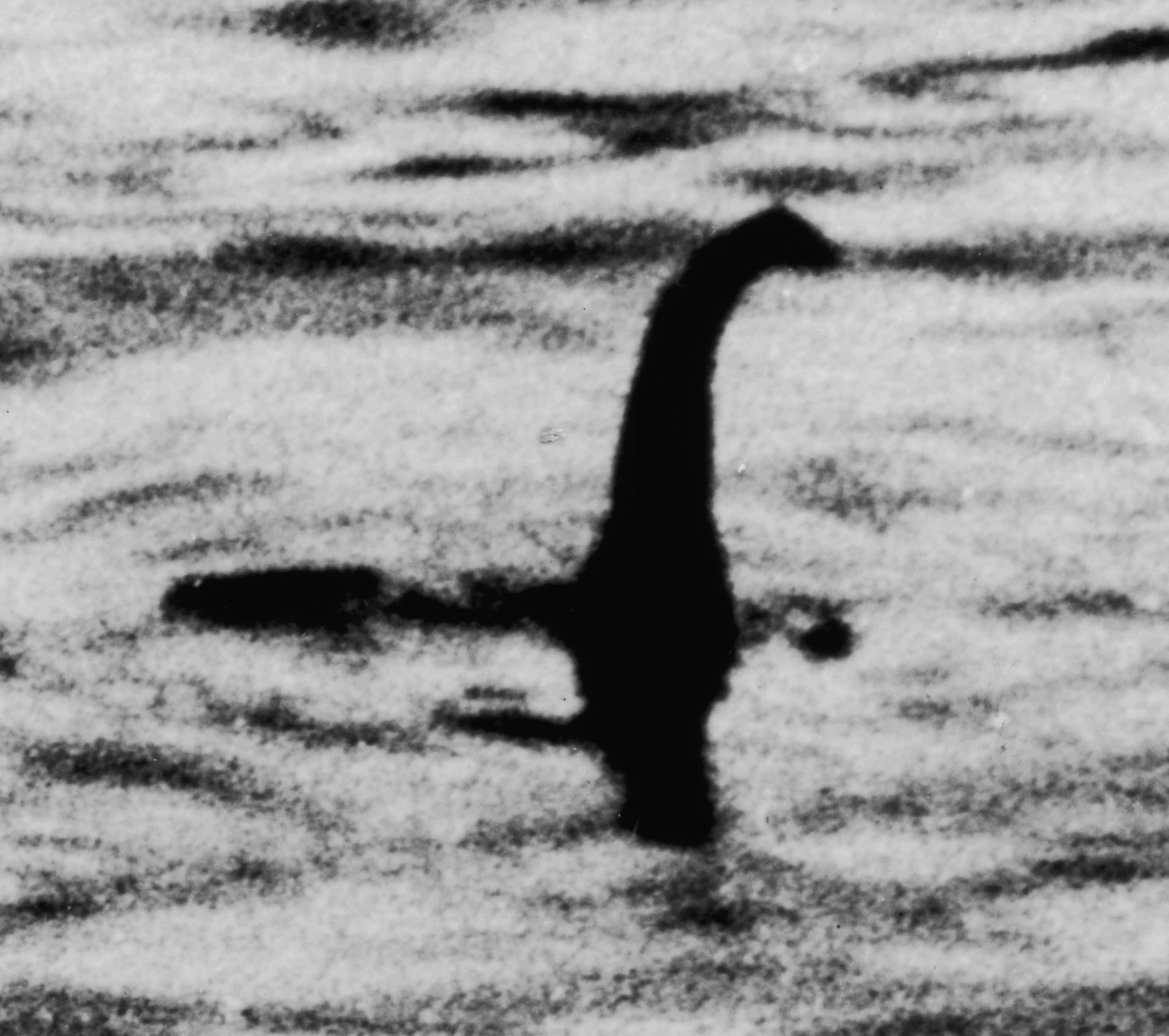
The photograph published on 21 April 1934
The modern Nessie legend had already been attracting press attention since 1933. On 21 April 1934, Britain’s Daily Mail published the image that would become its most famous visual symbol.
The picture was attributed to Robert Kenneth Wilson, a London doctor. His professional reputation lent the story credibility that an anonymous sighting might not have had. The image became known as the “Surgeon’s Photograph”.
It had everything a compelling front page needed: a recognisable shape, a mystery and an apparently trustworthy witness. Technical sharpness hardly mattered. The indistinct details encouraged viewers to fill in what the photograph did not actually show.
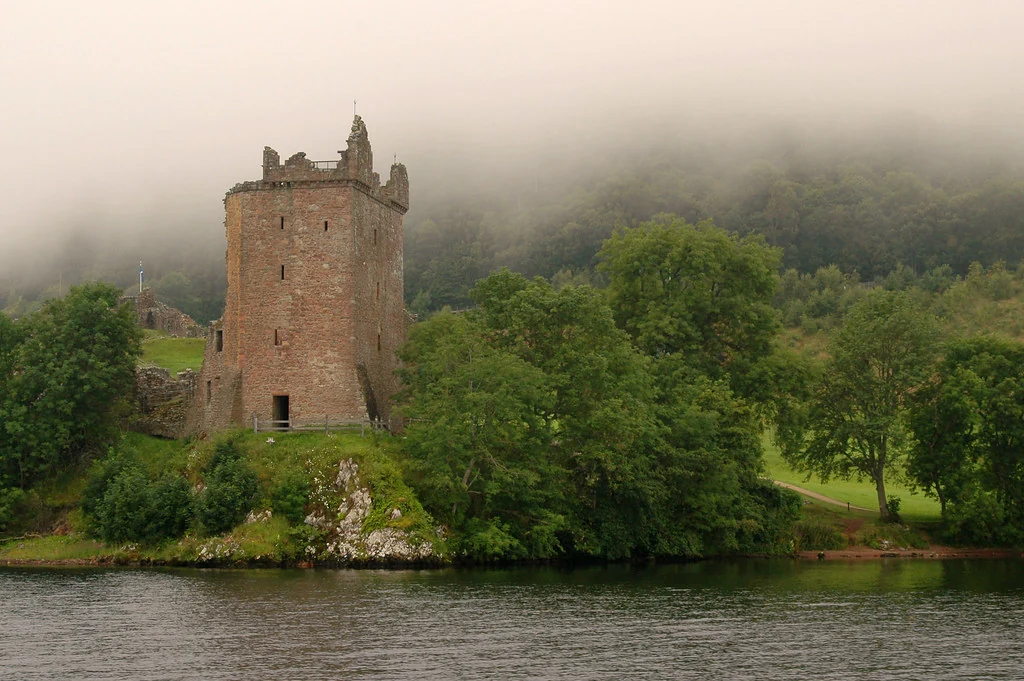
The small model behind an enormous legend
The account that emerged decades later led back to big-game hunter Marmaduke Wetherell. He had previously searched for the monster on behalf of the Daily Mail. Tracks he had put forward as possible evidence of an unknown animal turned out to have been made with a hippopotamus foot.
According to testimony gathered by investigators Alastair Boyd and David Martin, Wetherell arranged a scheme to embarrass the newspaper. His stepson Christian Spurling made a head and neck mounted on a small toy submarine. Wetherell’s son Ian was linked to staging and photographing the object, while Wilson served as the credible figure through whom the image would be presented.
The photographic trick was scale. The object was genuinely in the water, but nothing in the familiar frame allowed viewers to judge its dimensions. A model only a few dozen centimetres tall could be interpreted as the neck of a giant animal.
How the deception came to light 60 years later
The story gained wide attention in 1994. Key clues included a little-noticed statement by Ian Wetherell published in 1975 and subsequent research by Boyd and Martin. The investigators located Spurling, who confirmed his role in making the model before his death in 1993.
One detail carried particular weight: an early, less tightly cropped version of the image included part of the far shoreline. Ian Wetherell had described this, even though the widely circulated version usually concealed it. His knowledge supported the investigation into the photograph’s origins.
Not everyone accepted every technical detail of the reconstruction. Nevertheless, the staged-model explanation is now widely accepted, and the Science Museum Group catalogues the image as a historical hoax. Its collection includes a later archival print of the famous photograph.
A photographic hoax that needed no Photoshop
No digital manipulation was needed. The scene itself was constructed in front of the camera. The framing, followed by the apparent credibility of the person associated with the photograph, did the rest.
It remains a reminder that a genuine camera exposure can still depict a deliberately misleading scene. Tracing an image’s origin and previous appearances—a principle behind tools such as Image Whisperer and its image-history checks—can matter more than searching for visual glitches.
What we think
The Nessie photograph is a remarkable lesson in how readily we trust an image when it delivers the story we want to see. The murky water and indistinct silhouette were not weaknesses for the legend. They helped make it convincing.
For photographers and filmmakers, the questions that matter often begin outside the frame. Who actually made the image? Where did it first appear? Is there a wider version? Do we have any way to judge the size of the subject? Those questions belong at the start of verification, whether a photograph was made on film or with a digital camera.
What stays with us is how little was needed to create one of the twentieth century’s most enduring visual myths: a small toy, effective framing and a credible name. No artificial intelligence required.