

Summary
- Photography officially celebrates its 200th anniversary in 2026
- France is organizing an international celebration from September 2026 through September 2027
- Niépce's View from the Window at Le Gras is regarded as the earliest surviving photograph made with a camera obscura
- The exact date of the first image is generally placed in 1826 or 1827
- The official bicentennial connects the history of photography with digital imaging and AI
- World Photography Day on August 19 takes on particular significance this year
- Why photography is celebrating 200 years in 2026
- The image from a window that changed everything
- Niépce and Daguerre: Photography becomes public
- From one image to a world filled with photographs
- The official celebration will last more than a year
- AI officially enters the story of photography’s 200 years
- Photography’s relationship with reality is being questioned again
- August 19: World Photography Day 2026
- What we think
- Frequently Asked Questions
Photography marks two centuries in 2026, with France launching an international celebration that begins with Nicéphore Niépce’s invention and extends all the way to digital images and artificial intelligence.
The French Ministry of Culture officially describes 2026 as the year photography turns 200 and is organizing a major programme running from September 1, 2026, through September 30, 2027, across metropolitan and overseas France as well as more than 30 countries around the world.
The anniversary arrives at a particularly significant moment, as photography is once again facing a fundamental transformation. What began as an extremely slow chemical process on a metal plate is now produced through billions of digital devices and exists alongside images that can be generated without a camera at all. France’s official bicentennial programme explicitly links Niépce’s invention with the transformations being brought about by AI.
Why photography is celebrating 200 years in 2026
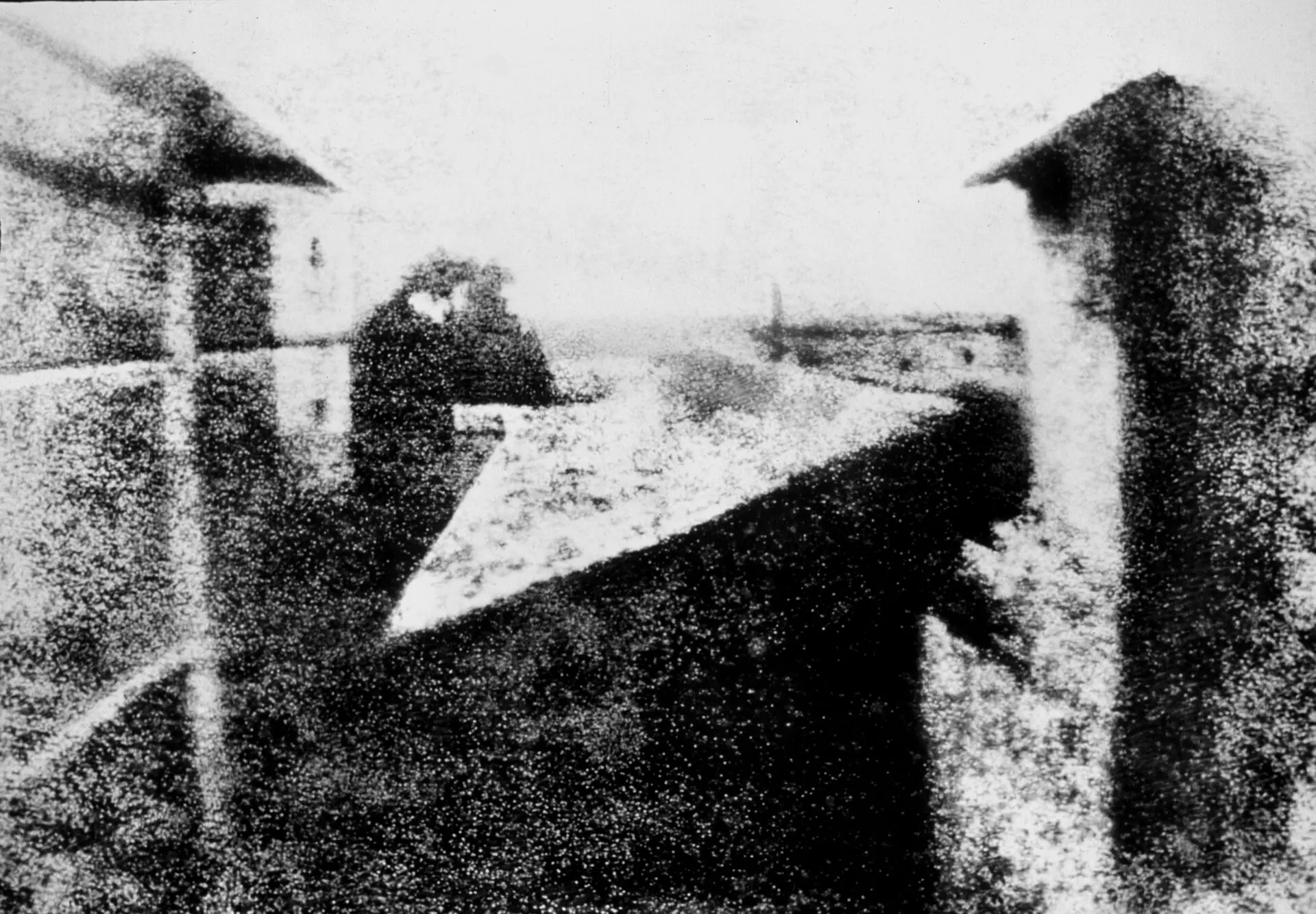
At the heart of the anniversary is the work of Joseph Nicéphore Niépce and, in particular, the image now known as View from the Window at Le Gras.
The Harry Ransom Center at the University of Texas at Austin, which preserves the original plate, describes it as the earliest surviving photograph made with the aid of a camera obscura and currently dates it to 1827. Other official references from the same institution have used 1826 or 1827, which helps explain why the birth of photography cannot be tied to one absolutely certain date.
France has nevertheless officially selected 2026 as the beginning of its bicentennial celebration and explicitly refers to “200 years of photography.”
The image from a window that changed everything
Niépce spent years pursuing the idea that light itself could create a permanent image without someone having to draw it by hand.
At his family’s estate in Saint-Loup-de-Varennes in Burgundy, he coated a polished pewter plate with light-sensitive bitumen, placed it inside a camera obscura and pointed it through the window of his workshop. The Harry Ransom Center says the plate was exposed to sunlight for several days before an image of the courtyard, buildings and trees outside appeared on its surface.
Niépce called the process héliographie, or “sun writing.” He had already managed to produce camera-obscura images in 1816, but those early results could not be permanently fixed. The Le Gras heliograph became the crucial step toward a lasting photographic image.
Niépce and Daguerre: Photography becomes public
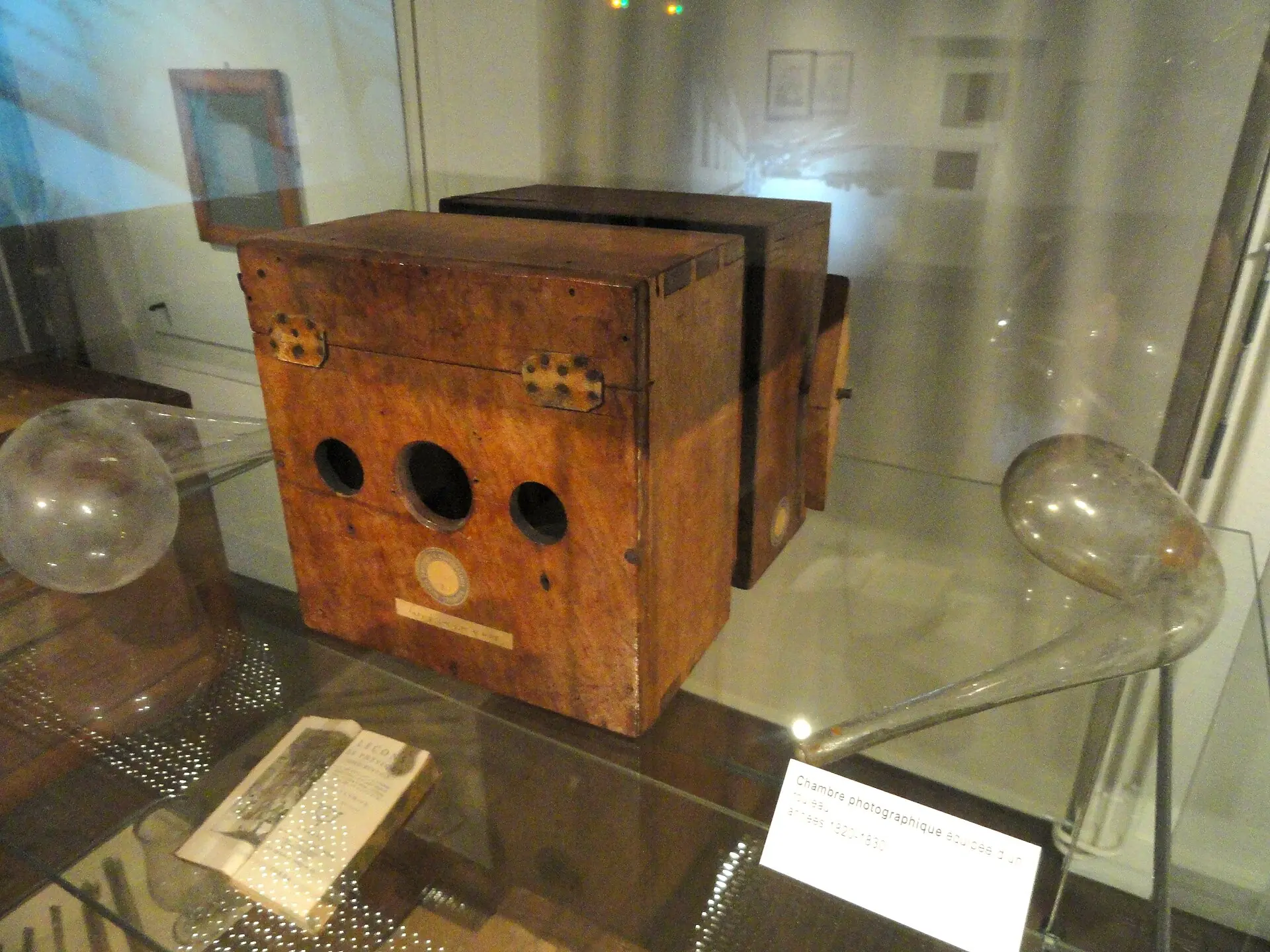
Niépce entered a formal partnership with Louis-Jacques-Mandé Daguerre in 1829. Following Niépce’s death in 1833, Daguerre continued developing the process and eventually introduced the Daguerreotype.
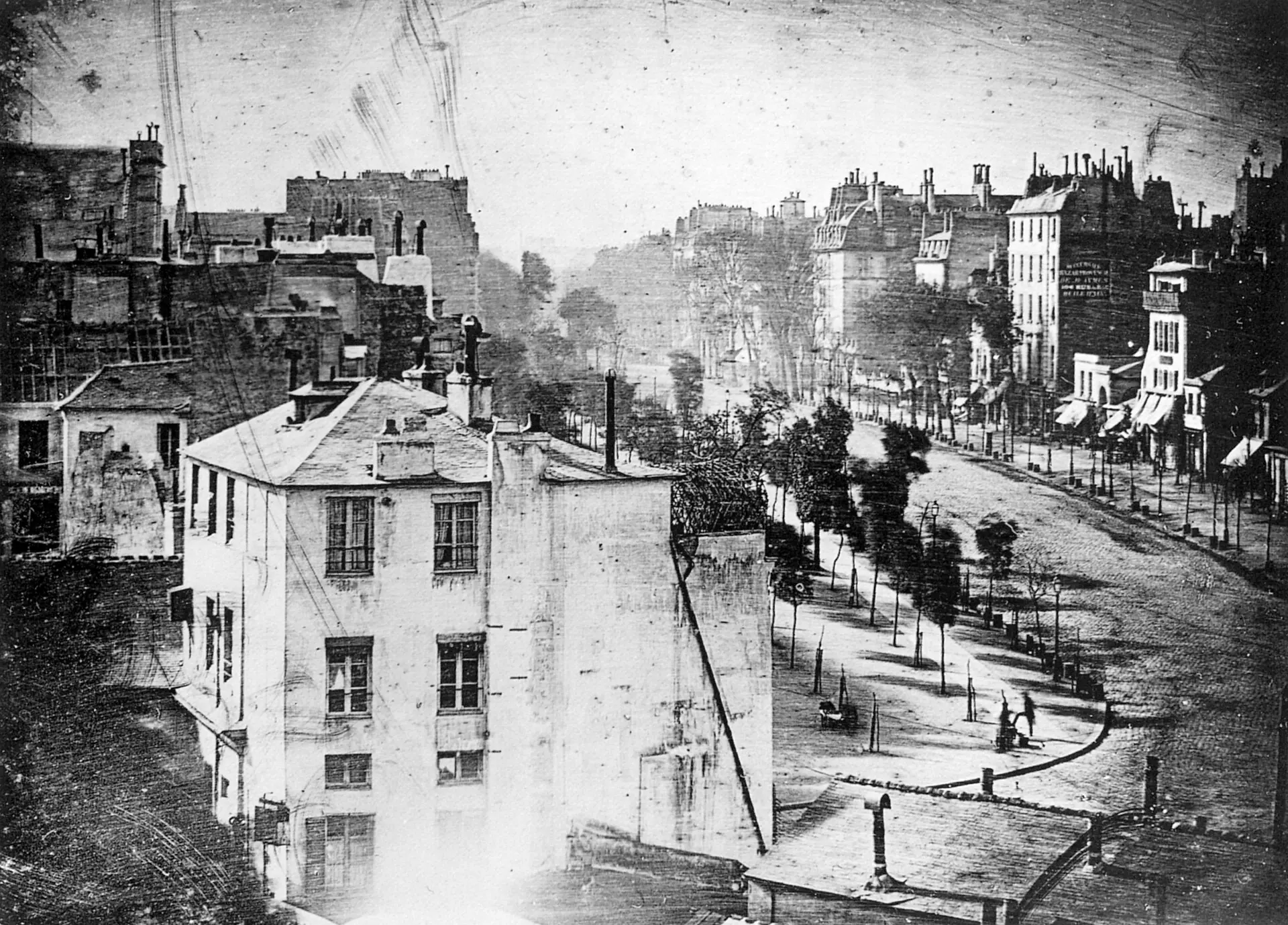
The major public milestone arrived in 1839. On August 19 of that year, France publicly announced the photographic process, a date that now provides the historical basis for the annual celebration of World Photography Day.
PTTL has covered the history of August 19 and the Daguerreotype in previous years. The 2026 anniversary is different, however, because it does not merely mark an annual celebration but a rare historical milestone: two full centuries since the first permanent photographic images.
From one image to a world filled with photographs
Niépce’s first surviving image was unique, difficult to read and extraordinarily slow to make. During the two centuries that followed, photography repeatedly reinvented itself.
Nineteenth-century processes expanded the possibilities for portraits and documentation. Film made photography increasingly accessible, smaller cameras brought it into everyday life, and digital technology eventually removed the need for chemical processing from most photographic workflows.
Today photographic images are everywhere: journalism, science, art, advertising, smartphones, social platforms and personal documentation. The French Ministry of Culture describes photography as a medium that has shaped the way people see the world, record events and communicate stories, emotions and ideas for two centuries.
The official celebration will last more than a year
The Bicentenaire de la Photographie will not be limited to one exhibition or anniversary date.
Its official programme will run from September 1, 2026, to September 30, 2027, and include exhibitions, festivals, meetings, conferences, educational workshops, publications, podcasts and audiovisual projects. Activities will take place throughout France and in more than 30 countries.
The complete official programme is expected to be published in September 2026.
AI officially enters the story of photography’s 200 years
Perhaps the most revealing aspect of the bicentennial is that its official narrative does not stop with film or digital cameras.
The French Ministry of Culture says the programme will examine photography from Niépce’s invention to digital images and the transformations associated with AI. The bicentennial’s scientific committee also includes researchers whose work specifically addresses artificial intelligence, visual culture, photography and cinema.
The symbolism is difficult to miss. Two hundred years ago, the fundamental question was whether light could independently create a permanent image of the real world. Today, one of the major questions is almost the reverse: how do we determine whether an apparently photographic image came from real light and a real scene or was entirely generated by an algorithm?
Photography’s relationship with reality is being questioned again
The scientific committee behind France’s bicentennial highlights another highly contemporary issue: from photography’s earliest days, there has been a widespread belief that a photographic image represents reality objectively.
The committee notes that this assumption remains powerful despite photography’s long ability to select, transform or distort reality and despite the current proliferation of AI-generated imagery.
The 200th anniversary is therefore more than an opportunity to look back. It arrives at precisely the moment when the definition of the photographic image itself is once again being debated.
August 19: World Photography Day 2026
One day after this article is published, World Photography Day will be celebrated on August 19.
In 2026, World Photography Week runs from August 12 to August 26, while the optional theme for this year’s global celebration is “HOME.”
This year’s World Photography Day therefore carries additional significance as the first August 19 celebration taking place during the year in which photography officially marks its 200th anniversary.
What we think
Two centuries after Niépce’s image, perhaps the most remarkable development is not the technological evolution of cameras but the fact that the underlying need remains unchanged: preserving an image of something that existed before us.
Photography has survived every major technological transition because it was never only about the device or material used to capture an image. It has simultaneously served as evidence, memory, art, journalism and personal expression.
AI may represent the most significant challenge of these 200 years because, for the first time, a photorealistic image can be completely disconnected from the existence of a real scene in front of a camera. The next chapter is therefore not only about how cameras will evolve, but also about what we decide to continue calling photography.
Frequently Asked Questions
Why is photography celebrating 200 years in 2026?
France has officially designated 2026 as the beginning of the photography bicentennial, connecting the anniversary to Nicéphore Niépce’s first permanent photographic experiments in the early nineteenth century.
Was the first photograph made in 1826 or 1827?
The precise date is not absolutely certain. The Harry Ransom Center currently presents View from the Window at Le Gras as an 1827 work, while earlier official material from the same institution has used 1826 or 1827.
What is considered the earliest surviving photograph?
Joseph Nicéphore Niépce’s View from the Window at Le Gras is regarded as the earliest surviving photograph produced with the aid of a camera obscura. The original plate is held by the Harry Ransom Center at the University of Texas at Austin.
Why is World Photography Day celebrated on August 19?
The date refers to August 19, 1839, when the French government publicly announced the Daguerreotype process.
How long will the official bicentennial celebrations last?
France’s official programme will run from September 1, 2026, through September 30, 2027, with events taking place in France and more than 30 countries.