

Summary
- The Everyday Lens uses a recycled 32mm optical element from a disposable camera
- It offers a roughly 180° manual-focus throw and a 25.4cm minimum focusing distance
- Five aperture plates are included: f/7, f/10, f/16, f/23 and Cross
- It is made for six mirrorless systems and starts at $99, approximately €85.18
- The first run consists of 50 lenses, with preorders opening soon
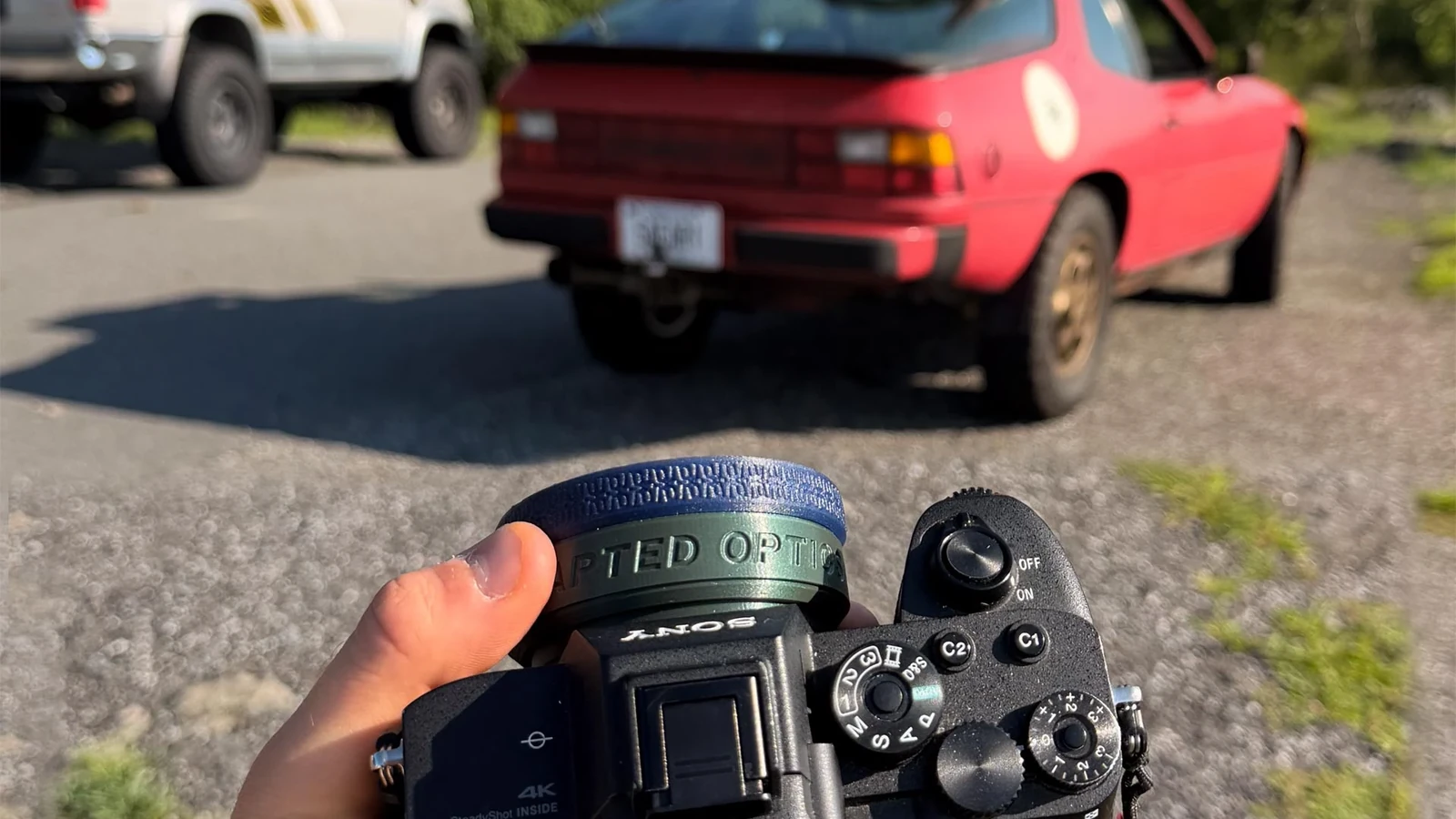
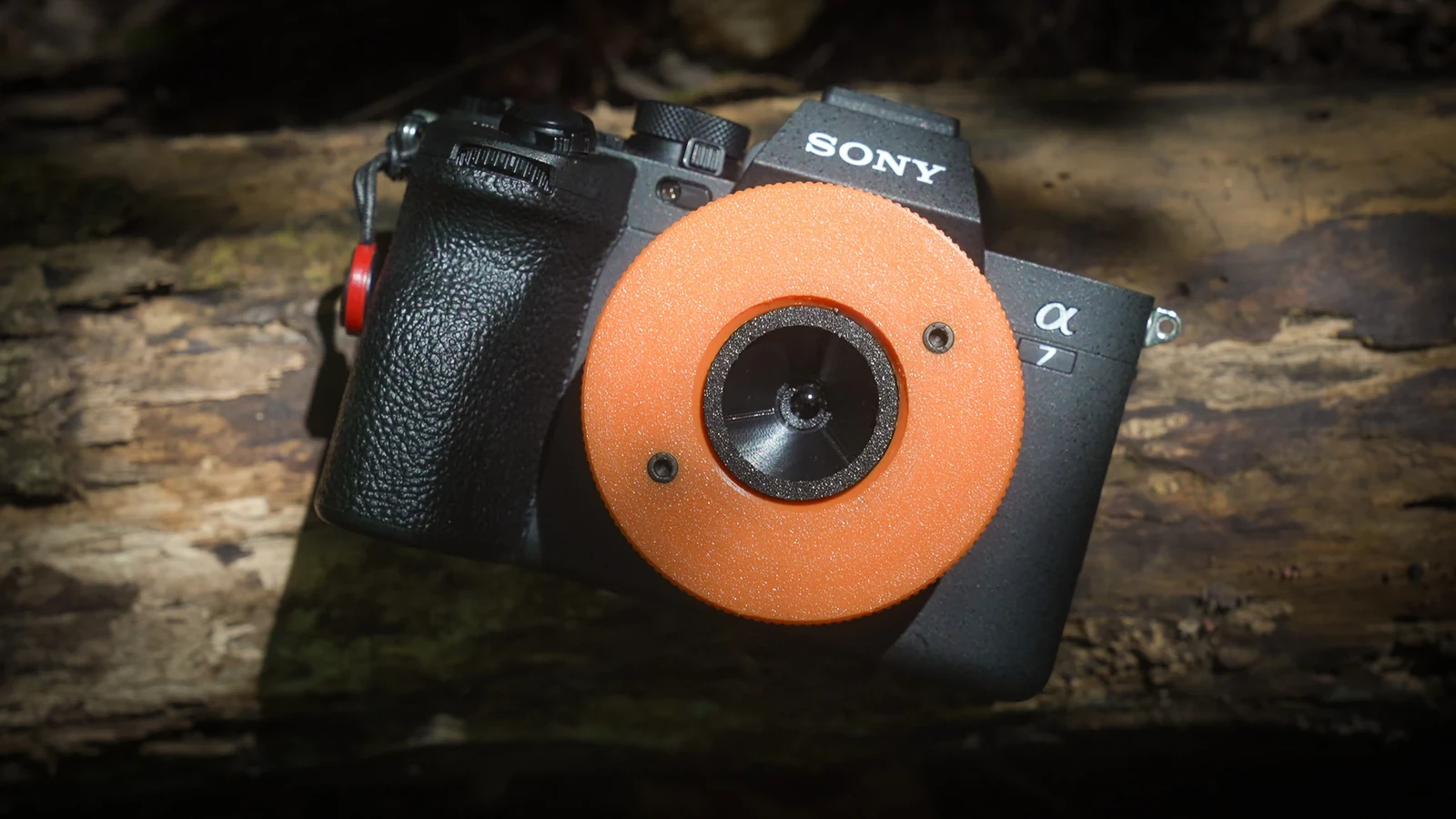
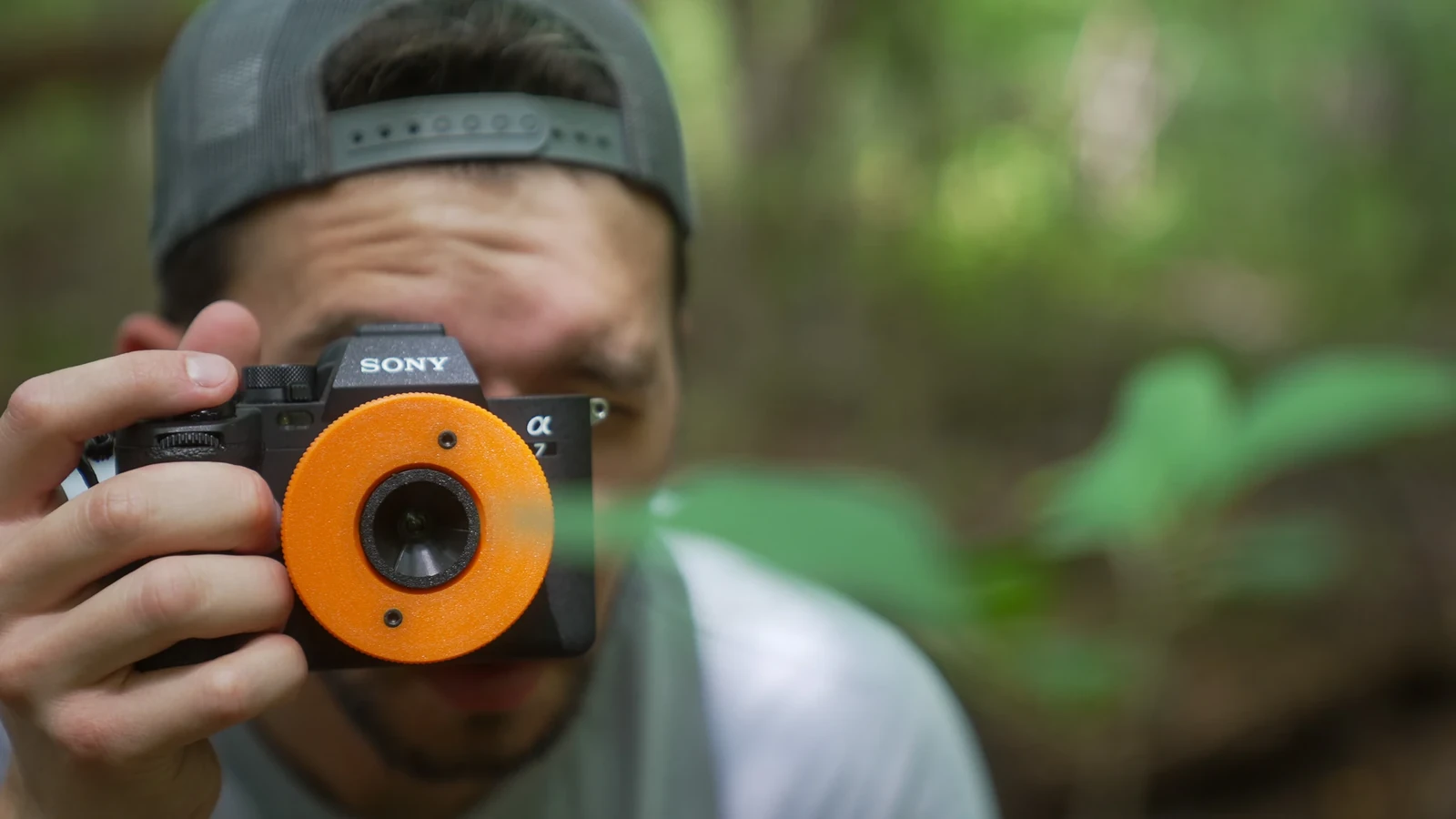
The Adapted Optics Everyday Lens brings the distinctive character of a disposable camera to a complete 32mm lens with manual focus, interchangeable apertures and mounts for six mirrorless systems.
The standard version costs $99 and the initial run will be limited to 50 units. Preorders have not opened yet, but the company is accepting registrations for launch notifications.
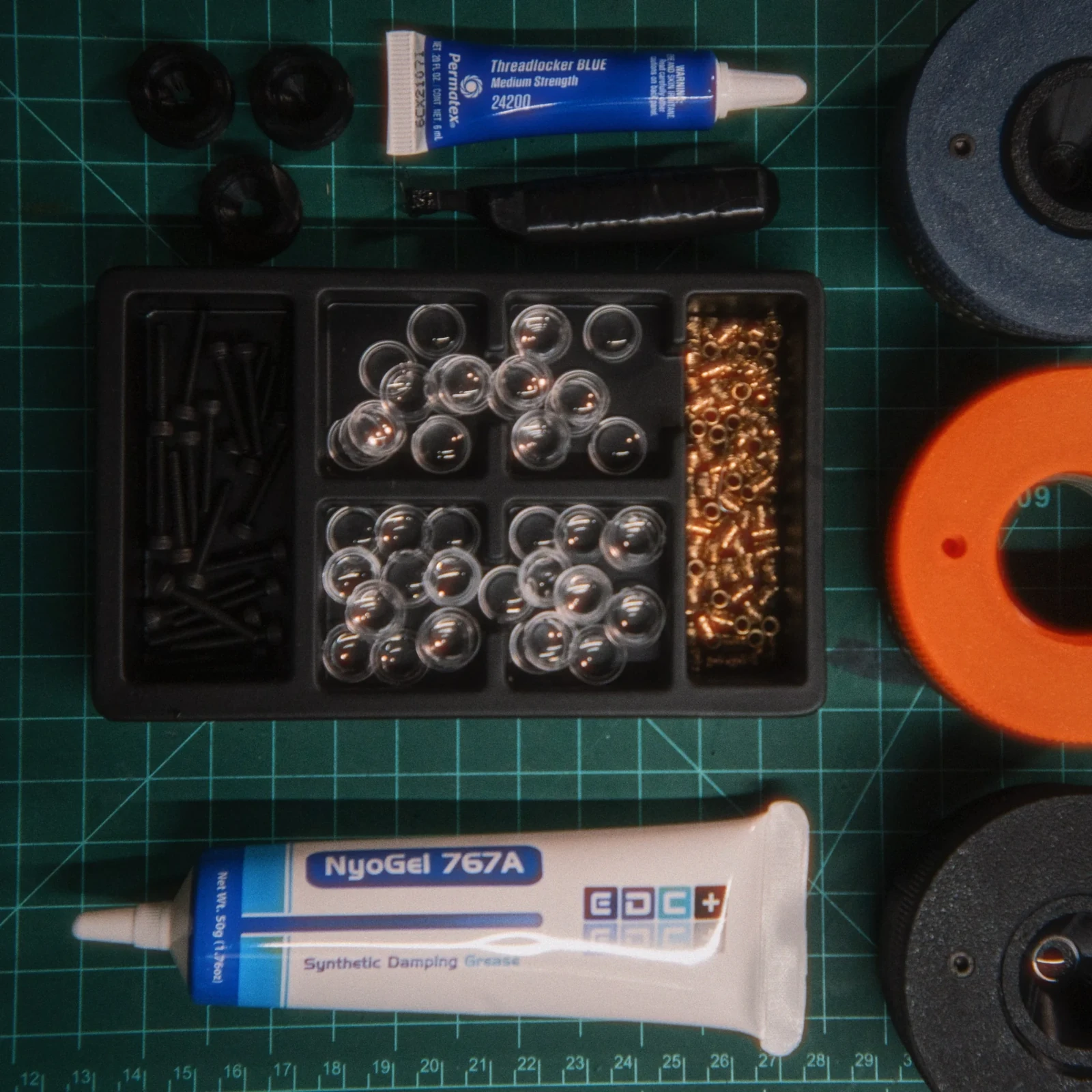
The key idea is to combine a recycled optical element from a disposable camera with controls that are normally absent from this kind of DIY build: damped manual focus, five screw-in aperture plates and a choice of mount, texture and colour.
From an experiment to a finished product
The project began when Adapted Optics founder and lens designer Thomas Spicher found a non-working Kodak VR35 K12 at a thrift store. He kept its optical element, designed a housing for a mirrorless camera and produced the first prototype with 3D printing.
The early versions were fixed-focus. Spicher then developed a threaded manual-focus mechanism and moved from Tinkercad to full CAD design. After almost ten months of testing, the idea took the present form of the Everyday Lens. The finished product uses a recycled optical element from a disposable camera and is designed in Pennsylvania.
The approach recalls the DIY lens made from an old disposable camera that PTTL covered in 2022. Adapted Optics takes the idea a step further by turning it into a standardised, configurable product.
A 32mm lens with manual focus
The focal length is 32mm on full frame. Its field of view is equivalent to roughly 48mm on APS-C and 64mm on Micro Four Thirds, reflecting the crop factor of each system.
Focusing is entirely manual, using a helical mechanism with smooth, damped movement and an approximately 180° throw. There are positive mechanical stops at both ends, while the minimum focusing distance is 25.4cm (10 inches).
Five interchangeable aperture plates
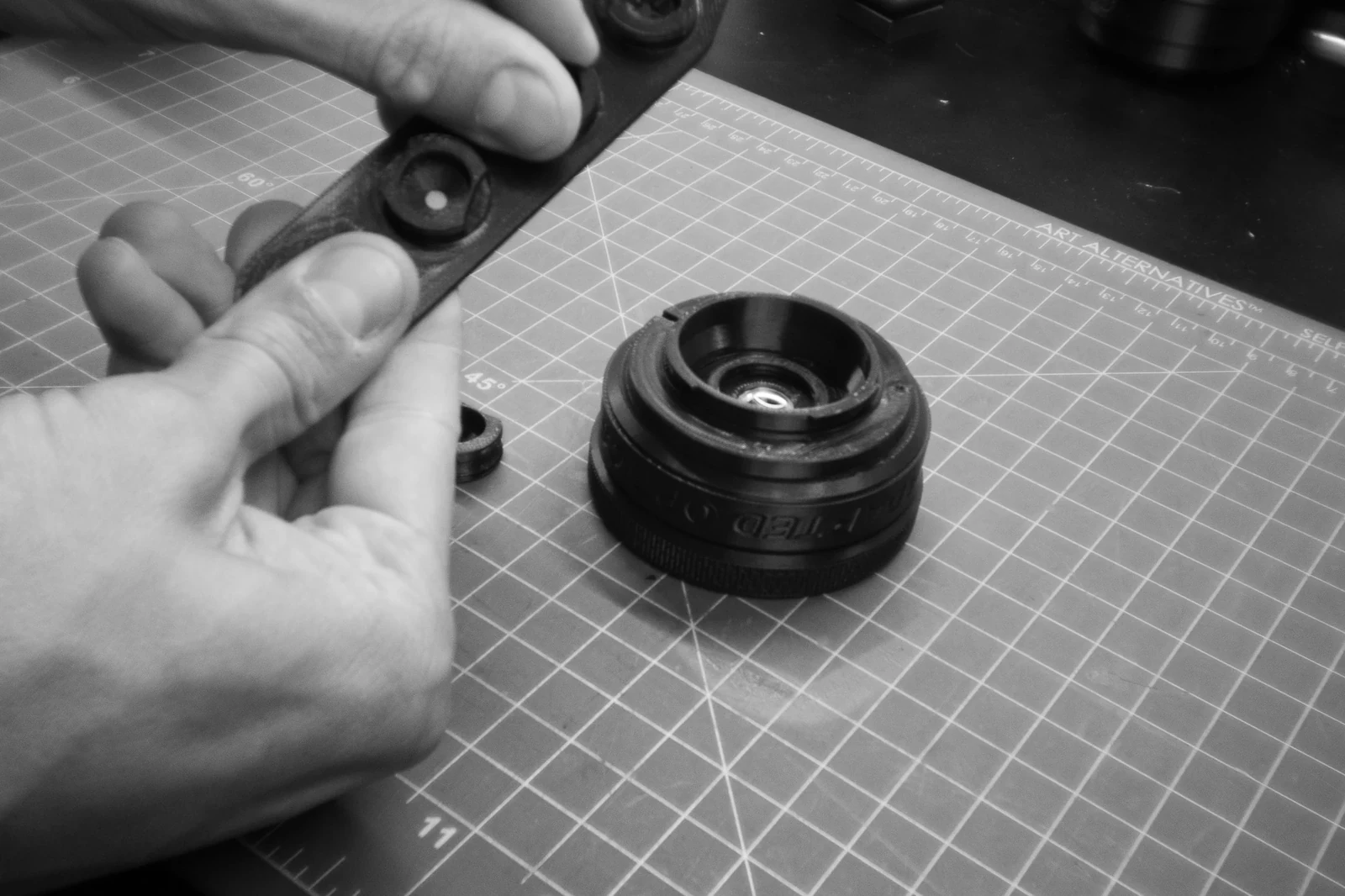
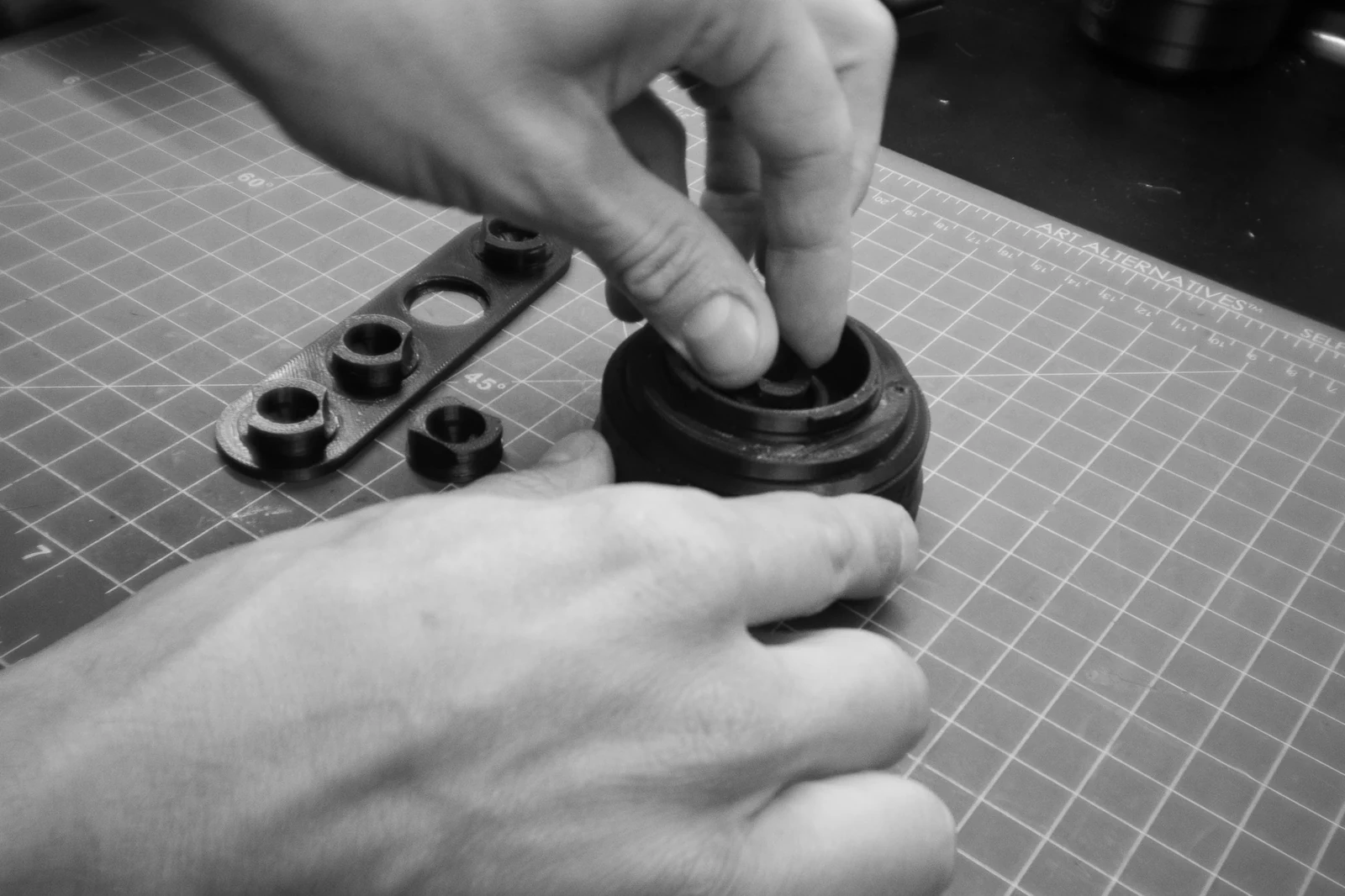
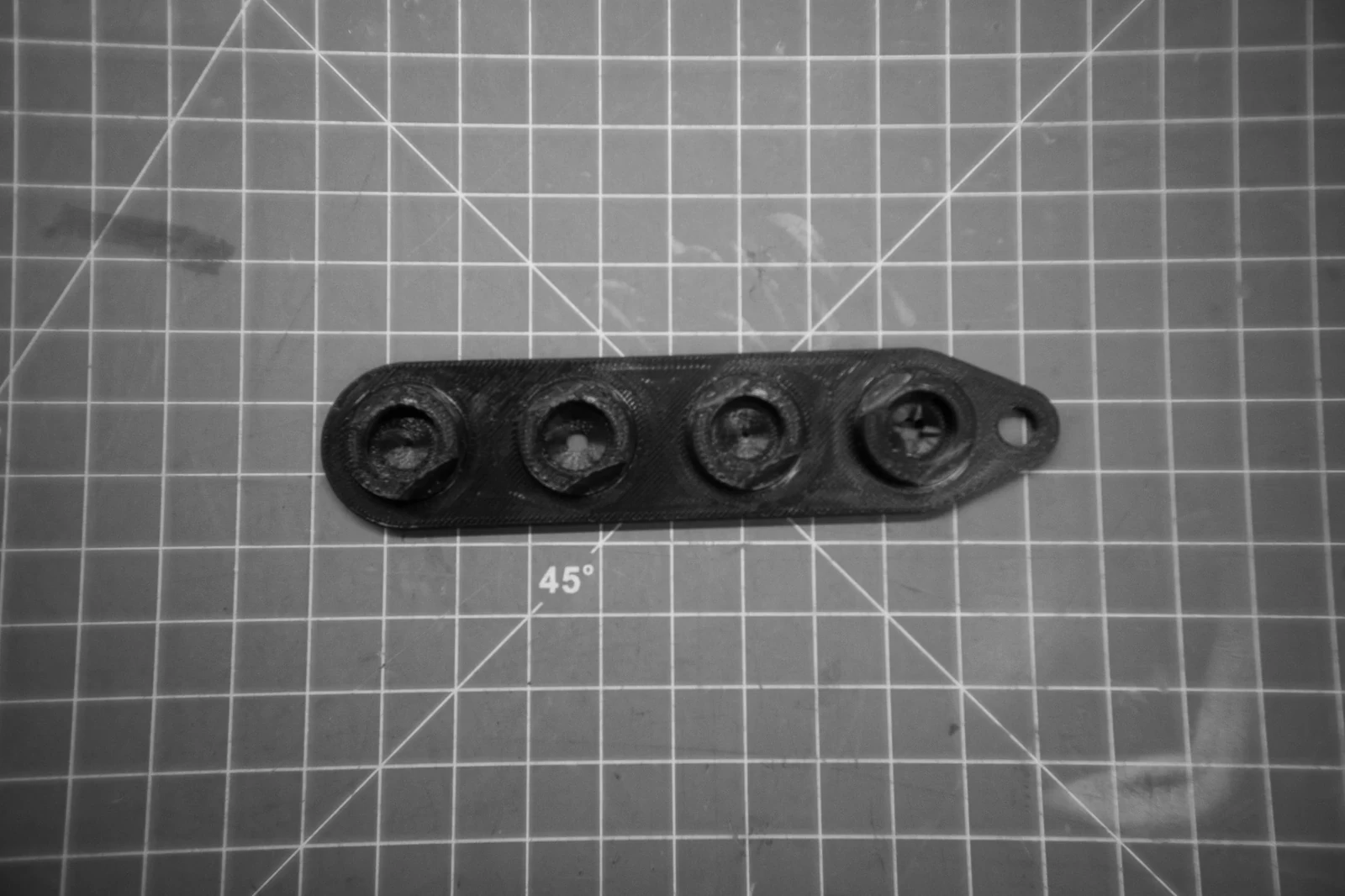
Instead of a conventional internal iris, the lens accepts screw-in plates at the front. Circular f/7, f/10, f/16 and f/23 plates are included, along with a Cross plate for a creative effect. Changing the plate alters exposure, depth of field and the way motion is rendered.
The four plates not in use are stored in the supplied holder. It has four threaded positions and a loop, allowing it to be attached to a carabiner, cord, bag or camera strap.
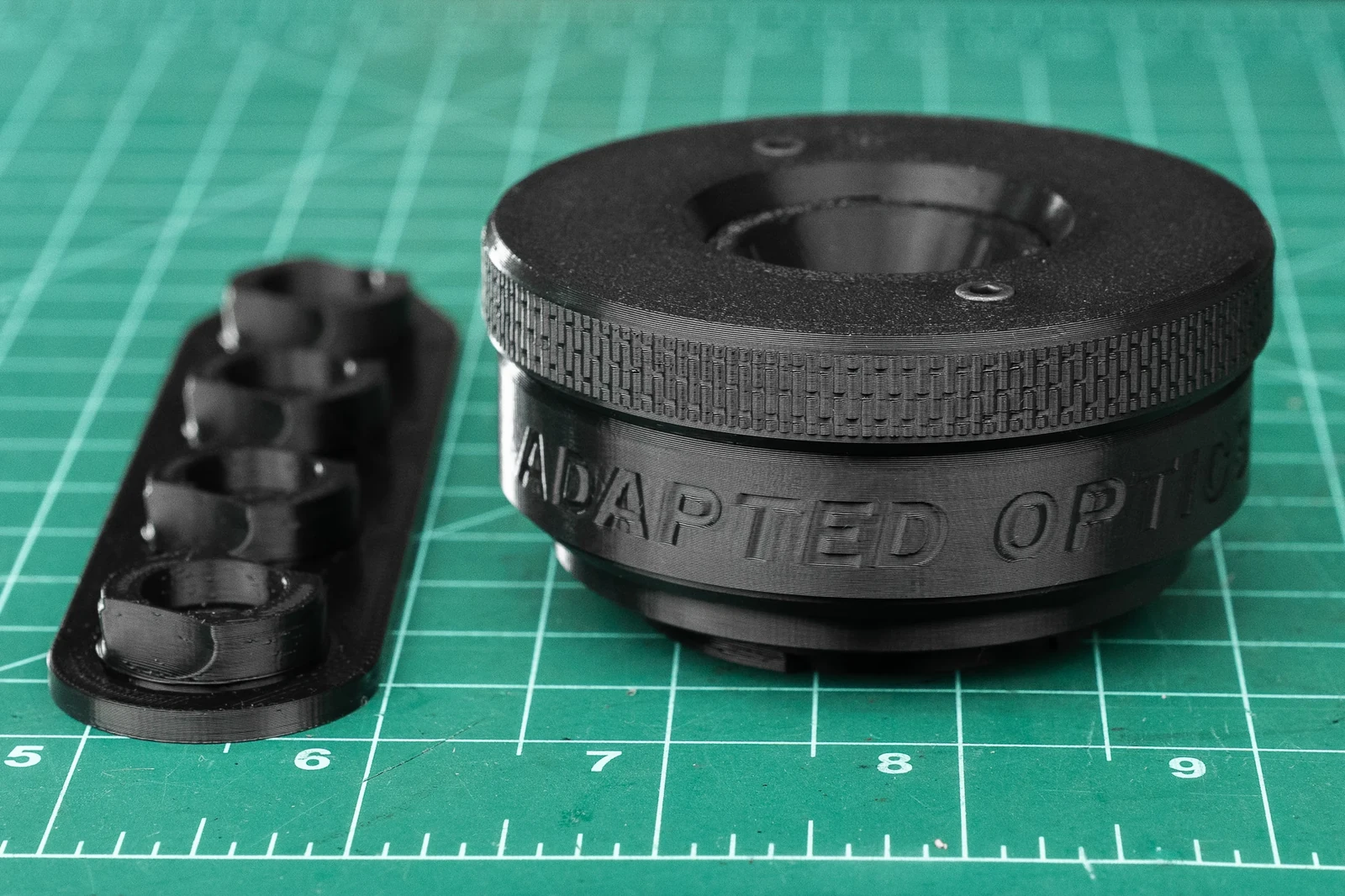
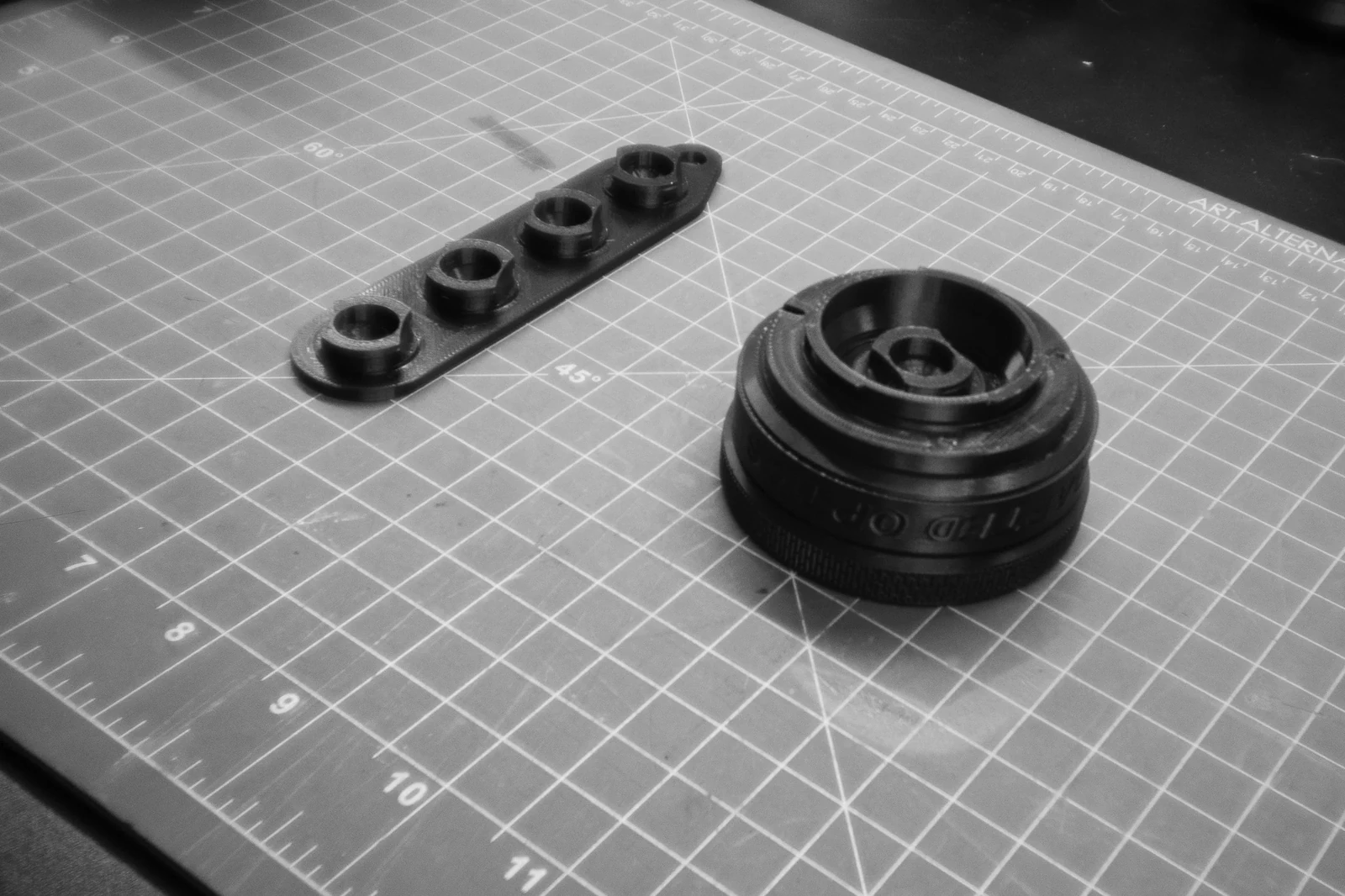
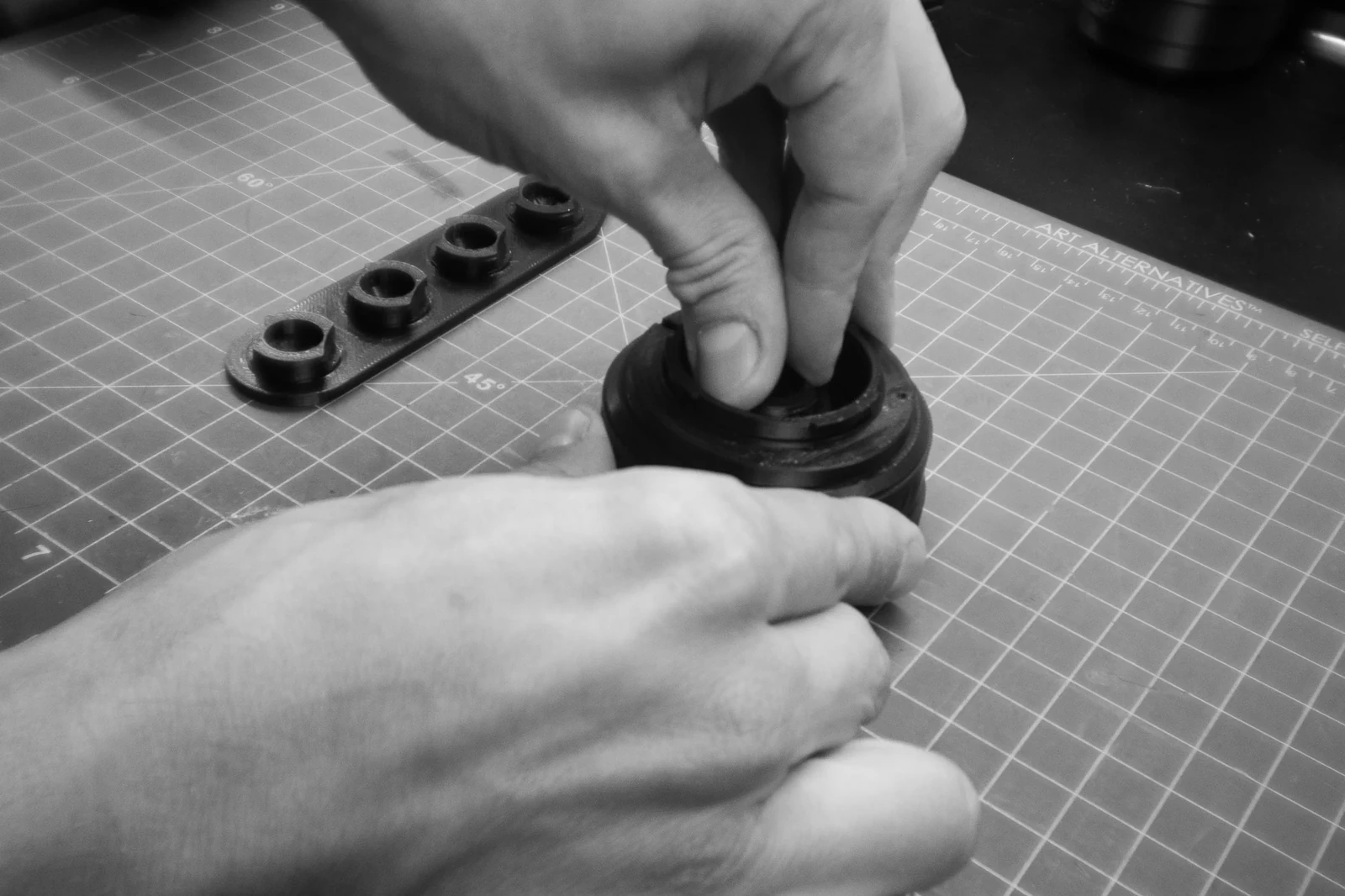
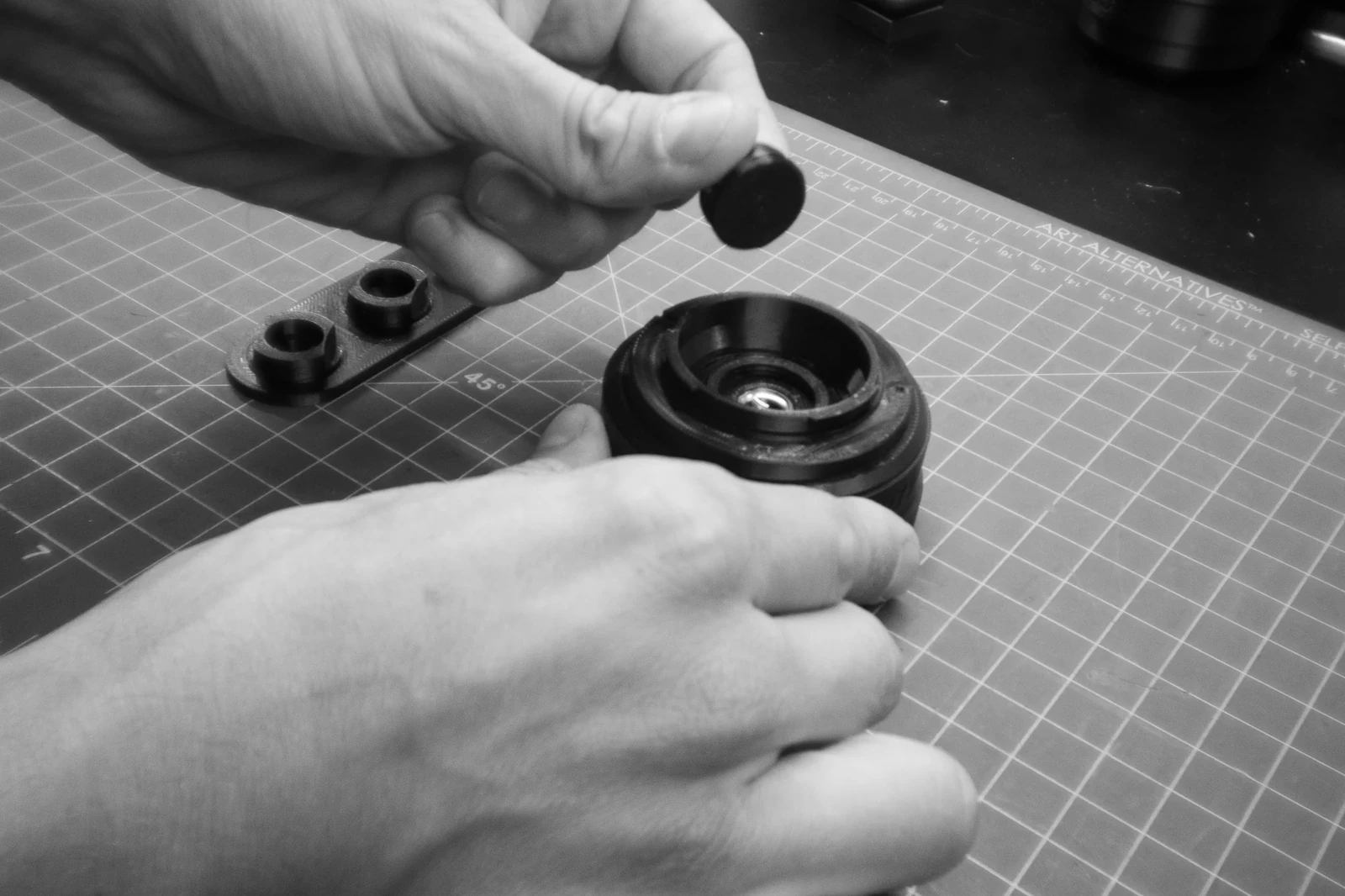
No tools are required: the installed plate is unscrewed and removed, a replacement is selected from the holder and then screwed into position.
Six mounts and extensive visual customisation
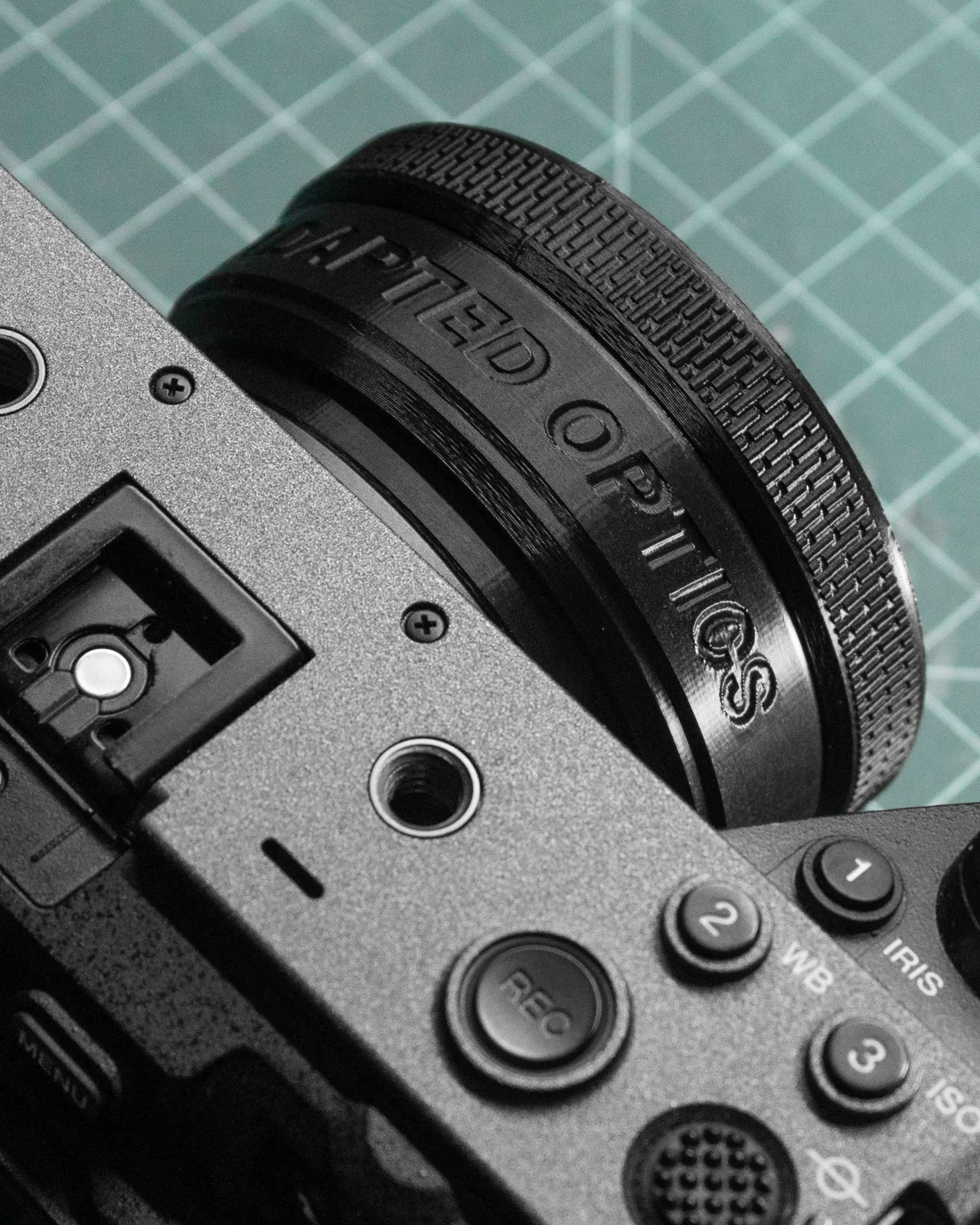
The Everyday Lens is offered for Sony E, Canon RF, Nikon Z, Fujifilm X, Leica/Panasonic L and Micro Four Thirds. The standard configuration pairs the textured Brick focus ring with a black base and black ring.
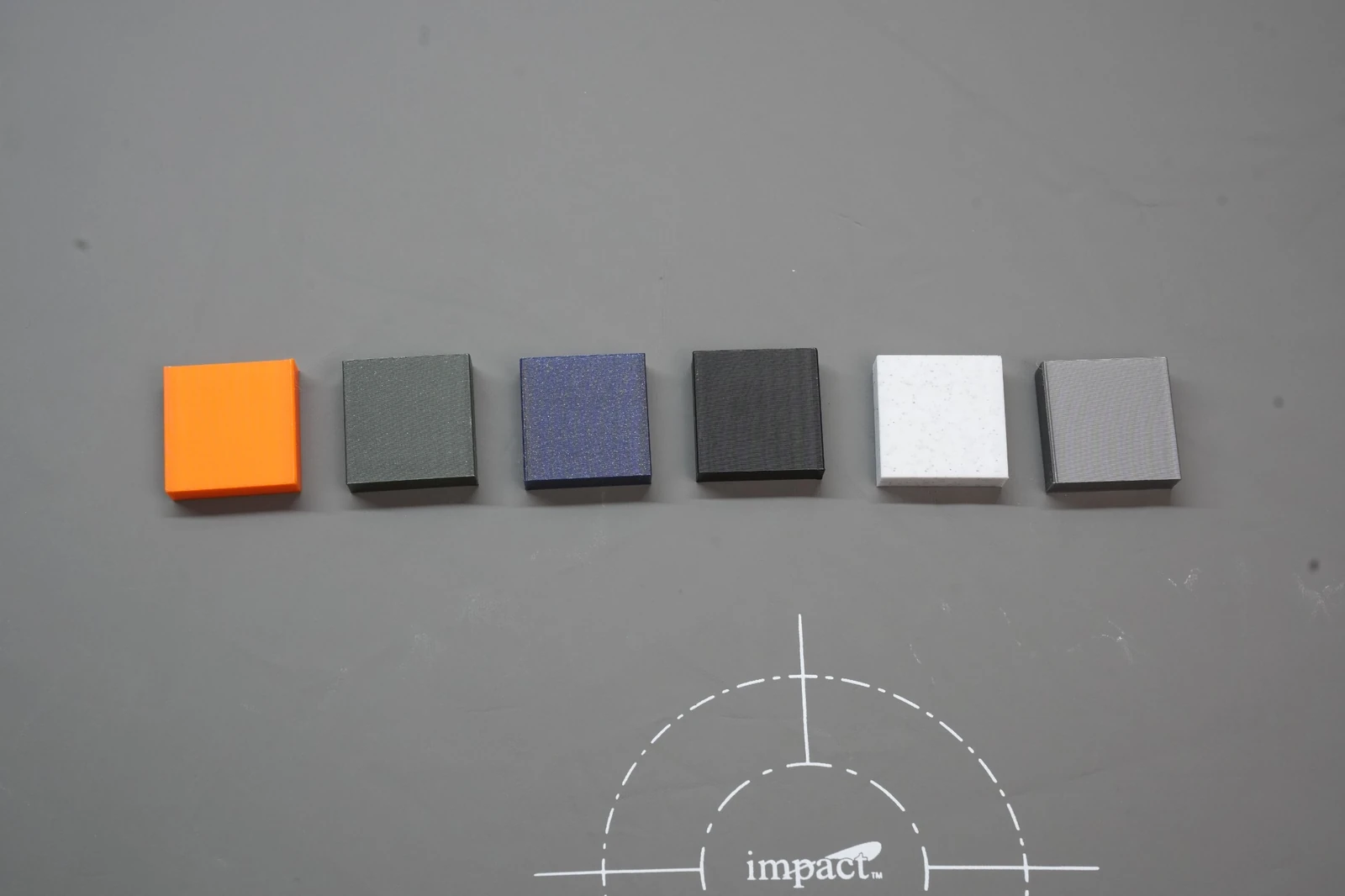
The product configurator also offers Prime, Flute, Motif and Triad focus-ring textures. The base and ring can be finished in Black, White Fleck, Silver, Blue Sparkle, Forest Green or Orange, while the hardware can be black or stainless steel. The Full Custom edition costs $129.
Cine Gear for follow-focus systems
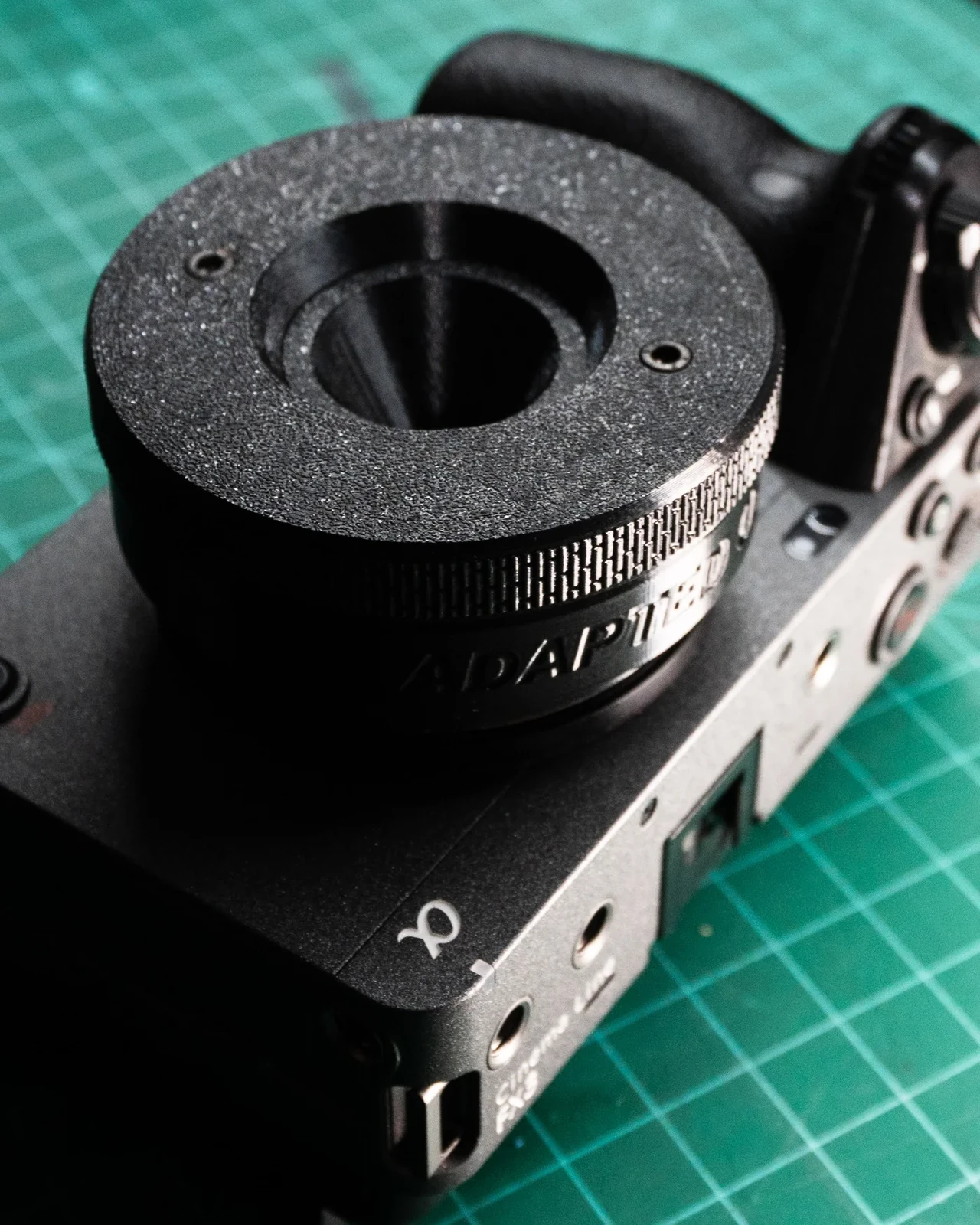
For video, the Cine Gear edition is listed at $159 in the public product configurator. It uses a dedicated focus ring and a removable 0.8 MOD gear for follow-focus systems, retaining the damped manual action and the mechanical end stops of the focus throw.
The assembly includes brass threaded inserts and mounting points intended for future Adapted Optics accessories. The gear can be removed when the lens is used without a follow-focus system.
The character of the image
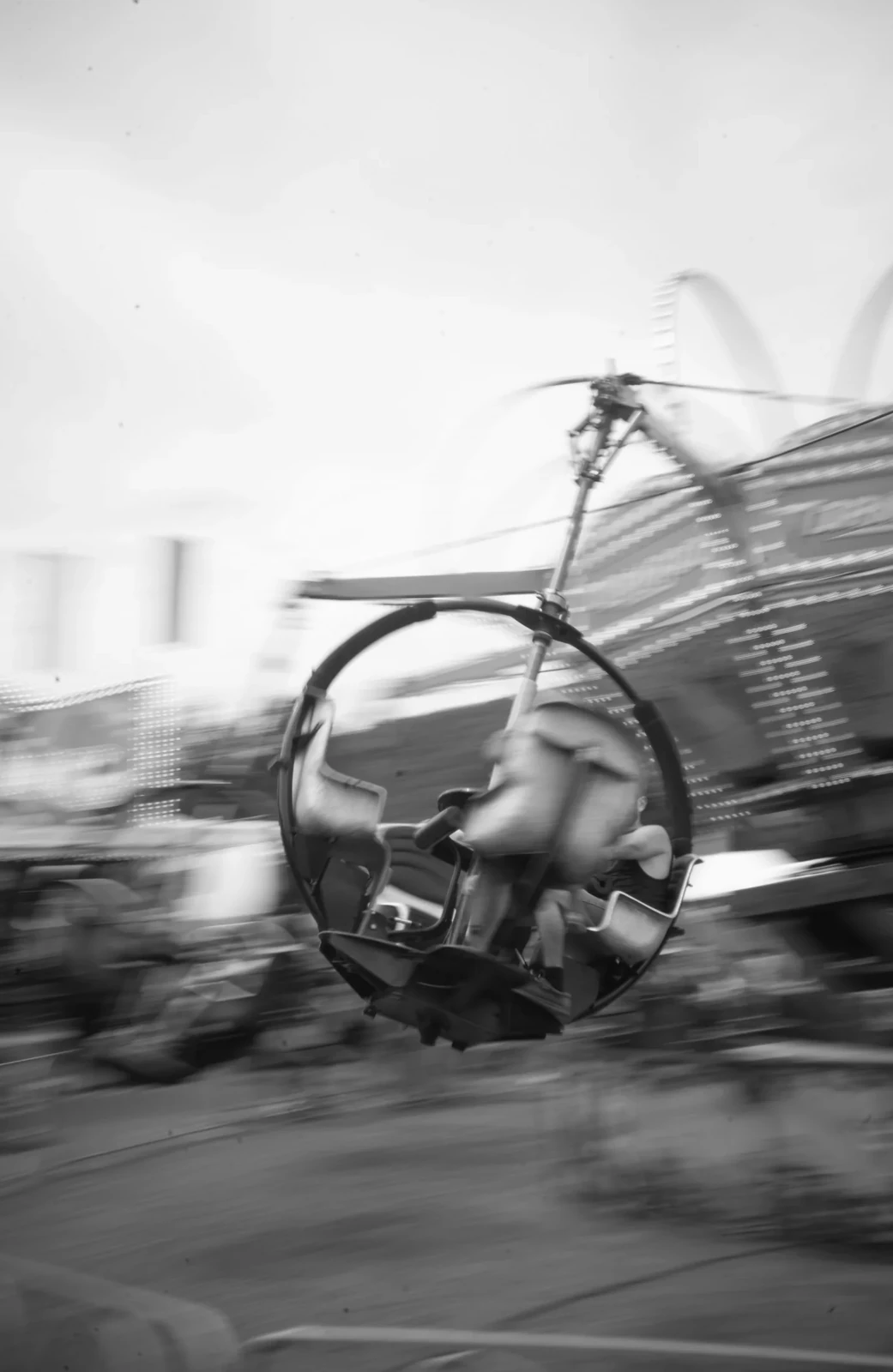
Adapted Optics describes the rendering as deliberately imperfect, with softer detail, flare, blooming around highlights, vignetting, imperfect edges and unusual contrast. The look is created optically at the moment of capture rather than applied as a digital filter.
The official samples show how the different plates can be used both to control exposure and to experiment with motion and highlights.

Availability and price
The standard Everyday edition costs $99, approximately €85.18. Full Custom costs $129, approximately €111.00, while the product configurator lists Cine Gear at $159, approximately €136.81. The conversions use the European Central Bank reference rate for 4 September 2026, when €1 equalled $1.1622, and are not official Greek retail prices.
The first run consists of 50 lenses. On 6 September 2026, the official store counter showed that all 50 remained, but preorders had not opened and no shipping date had been announced. For now, only registration for a preorder launch notification is available. Further details and the registration form are available on the official Everyday Lens product page.
Each lens is built to order. Customised orders are final, with product returns or refunds available if an item arrives defective, incorrect or damaged. The company provides a one-year limited warranty from delivery to the original buyer for qualifying manufacturing defects.
What we think
The Everyday Lens is not designed to compete with a conventional lens for sharpness or automation. Its appeal lies in its recognisable lo-fi character and, more importantly, the manual control built around it. Six mounts, interchangeable plates and a follow-focus option make it more versatile than a simple DIY conversion, while the $99 starting price places it among the more accessible creative lenses.
Frequently asked questions
Does the Everyday Lens support autofocus?
No. Focusing is entirely manual, with a smooth, damped throw of approximately 180° and a minimum focusing distance of 25.4cm.
Which mounts are supported?
Sony E, Canon RF, Nikon Z, Fujifilm X, Leica/Panasonic L and Micro Four Thirds.
Which apertures are included?
Five screw-in plates are included: f/7, f/10, f/16, f/23 and Cross, together with a holder for the four plates not in use.
How much does it cost and when will it be available?
The standard version costs $99, approximately €85.18 using the ECB reference rate for 4 September 2026. The first run is limited to 50 lenses and preorders are opening soon, with no exact date announced.A homemade lens built to make photography enjoyable again led Thomas Spicher to create Adapted Optics and its Everyday Lens.