Summary
- Astronomy Magazine announced 31 honors from more than 1,400 submissions.
- The Dementors of Cepheus won the grand prize after also being recognized at Capture the Dark.
- Greek photographer Apostolos Kyriazis received a Nightscapes runner-up distinction for a composite of a total lunar eclipse above dunes in the United Arab Emirates.
- The article covers all eight categories, every honored image, and key technical details.
- The Dementors of Cepheus win a second competition
- Deep sky — broadband
- Deep sky — narrowband
- Solar System objects
- Solar imaging
- Nightscapes
- Greek distinction: Apostolos Kyriazis among the Nightscapes runners-up
- Smartscopes — smart telescopes
- Processing — one dataset, different interpretations
- Newcomer — early-career astrophotographers
- What the results reveal
- What we think
A previously celebrated image of Cepheus has now won Astronomy Magazine’s overall prize, heading a contest with more than 1,400 submissions and 31 honored photographs.
Astronomy Magazine announced its results on October 23, 2026, for its first astrophotography contest in 13 years: one grand prize, eight category winners, and 22 runners-up. Presented by Celestron, the contest spans faint nebulae, solar imaging, planetary work, and nightscapes.
The Dementors of Cepheus win a second competition
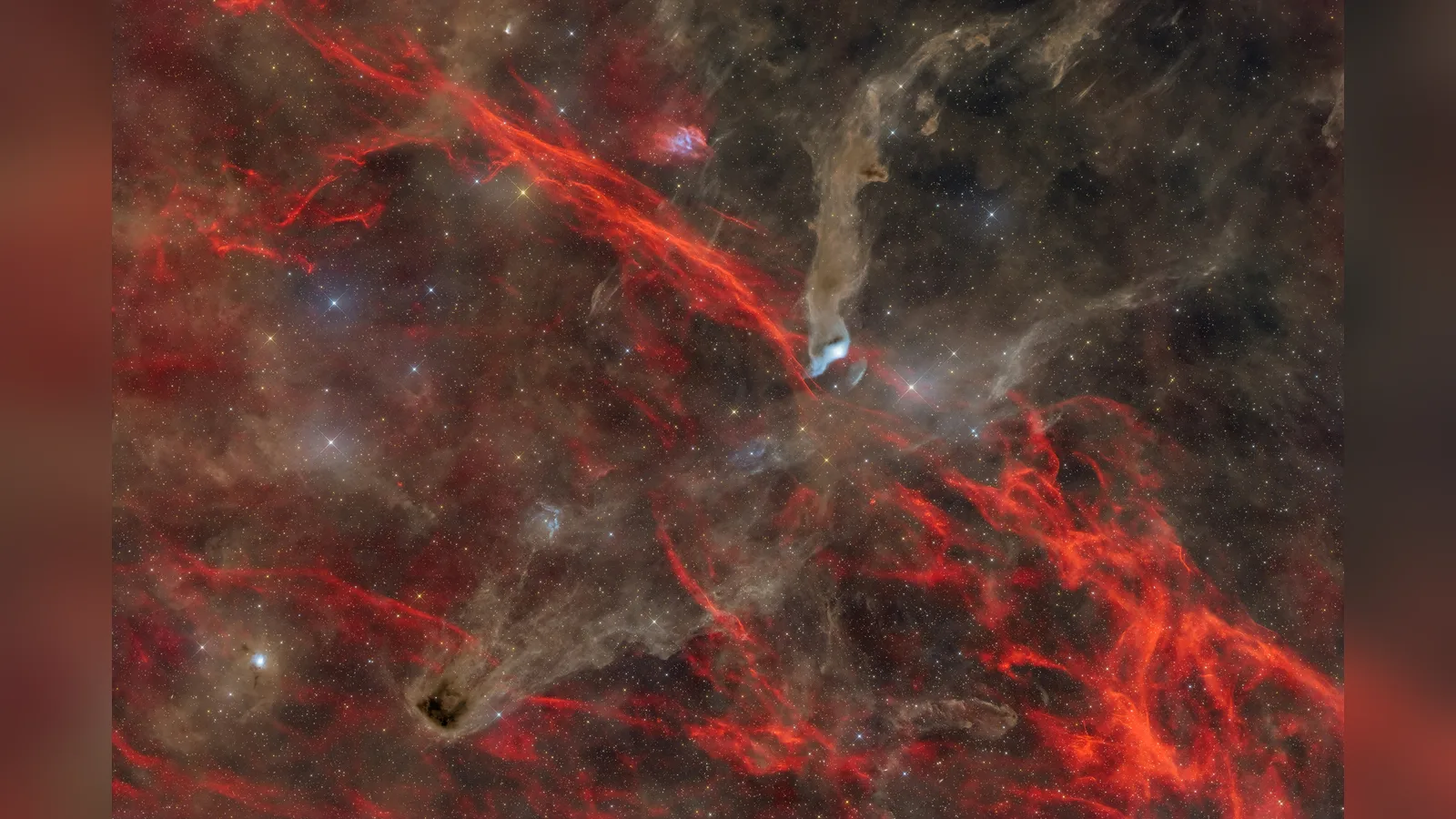
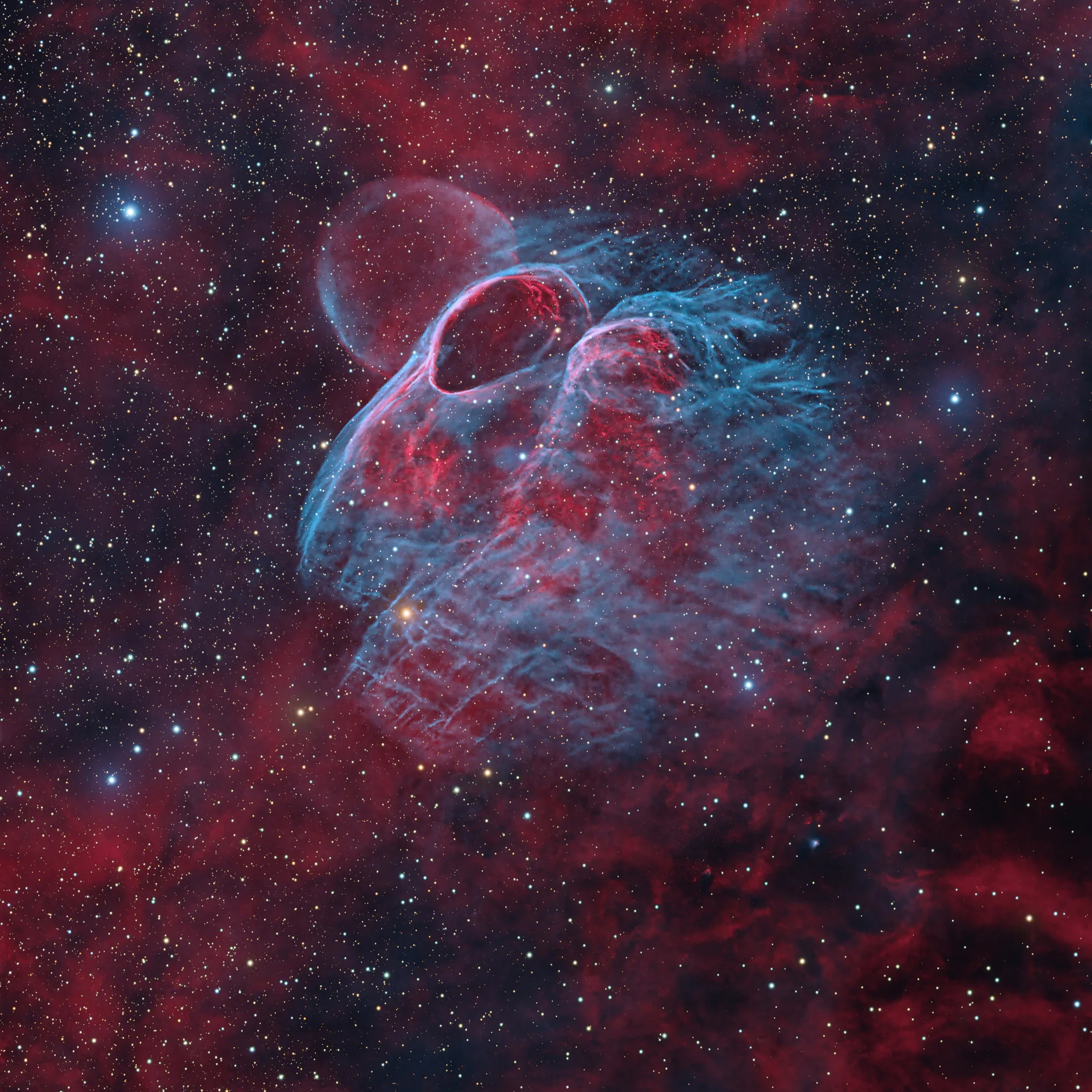
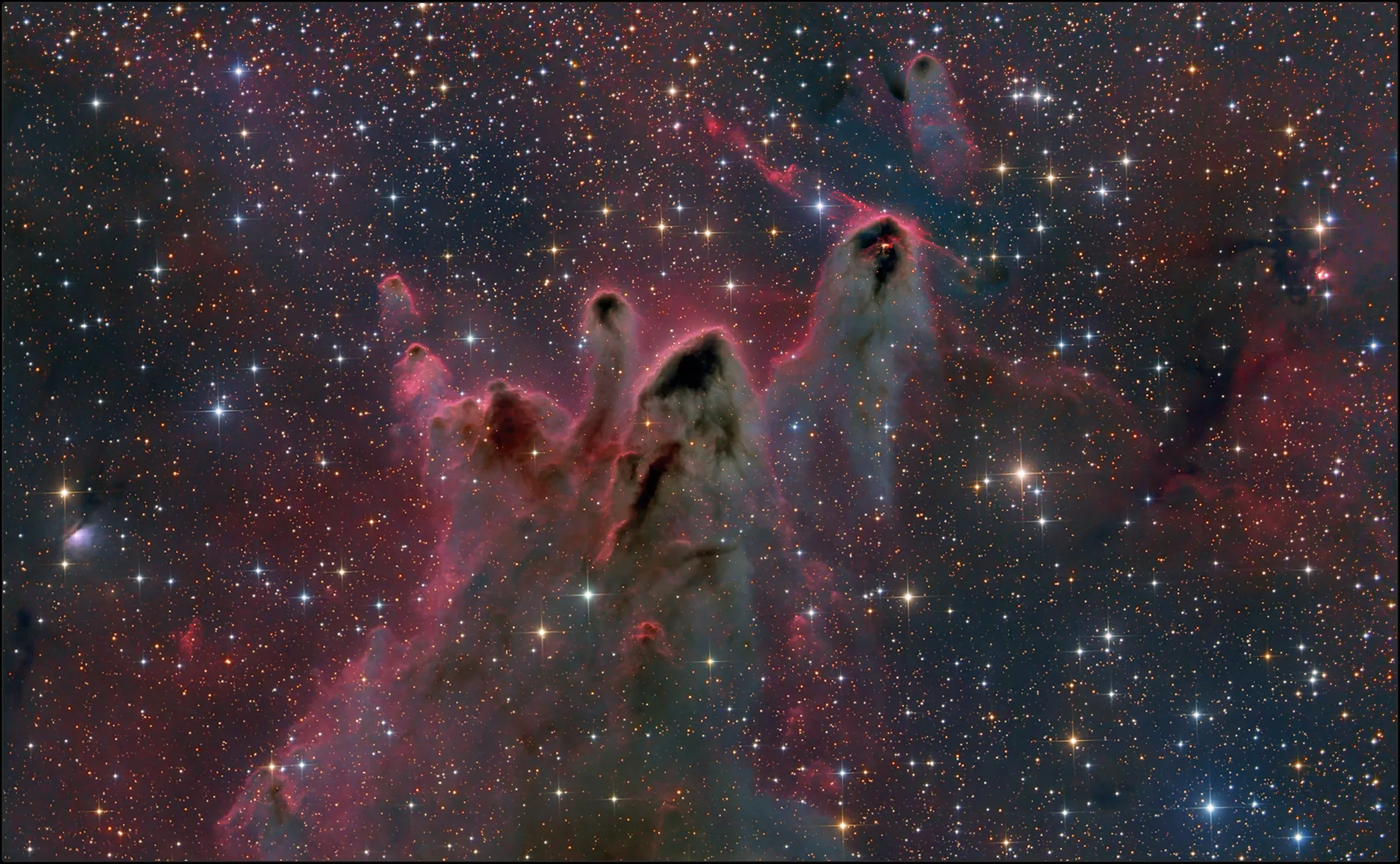
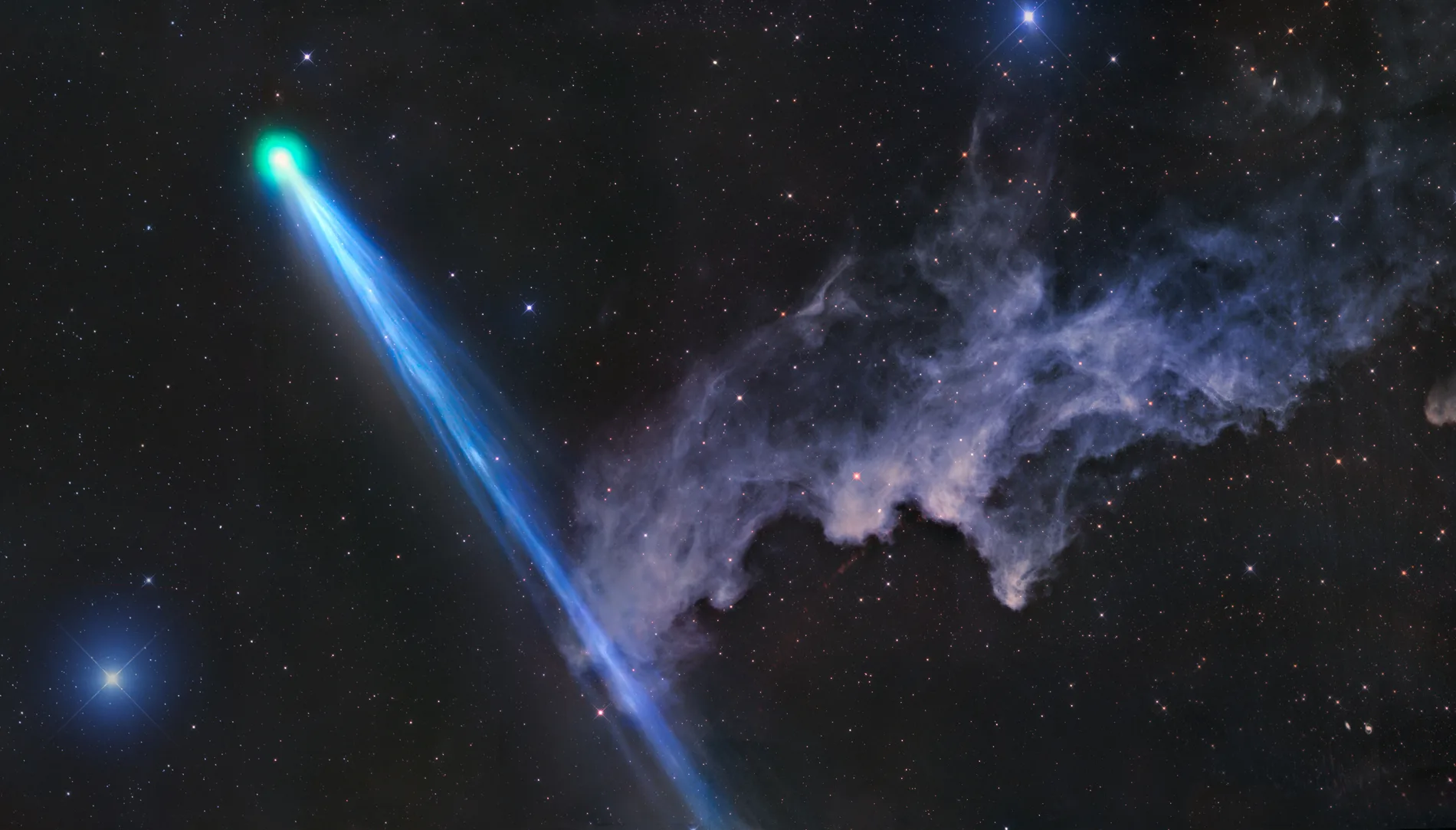
Julien De Winter, Landon Boehm, and Brian Diaz take the grand prize for “The Dementors of Cepheus.” Their dark clouds of dust resemble ghostly figures set against the filaments of supernova remnant SNR G110.3+11.3. The team borrowed the nickname from the Dementors in the Harry Potter stories.
This very photograph had already won the Deep Sky Observations category of Capture the Dark 2026. The news is its distinct achievement in another international contest, this time as the overall top-ranked image.
The team acquired the data between November 2025 and January 2026 at Starfront Observatories in Texas: 29.6 hours overall, including 19 hours 45 minutes of broadband imaging and 9.8 hours of Hα through an Antlia 3nm filter. Their setup combined a 7-inch Takahashi Epsilon-180ED f/2.8 astrograph with ZWO ASI6200MC Pro and ASI6200MM Pro cameras. The grand prize is a Celestron RASA 8 astrograph.
The eight categories provide a useful look at very different techniques. This is a separate competition from the 2026 Astronomy Photographer of the Year, which also recognized a different group of outstanding astronomical images.
Deep sky — broadband
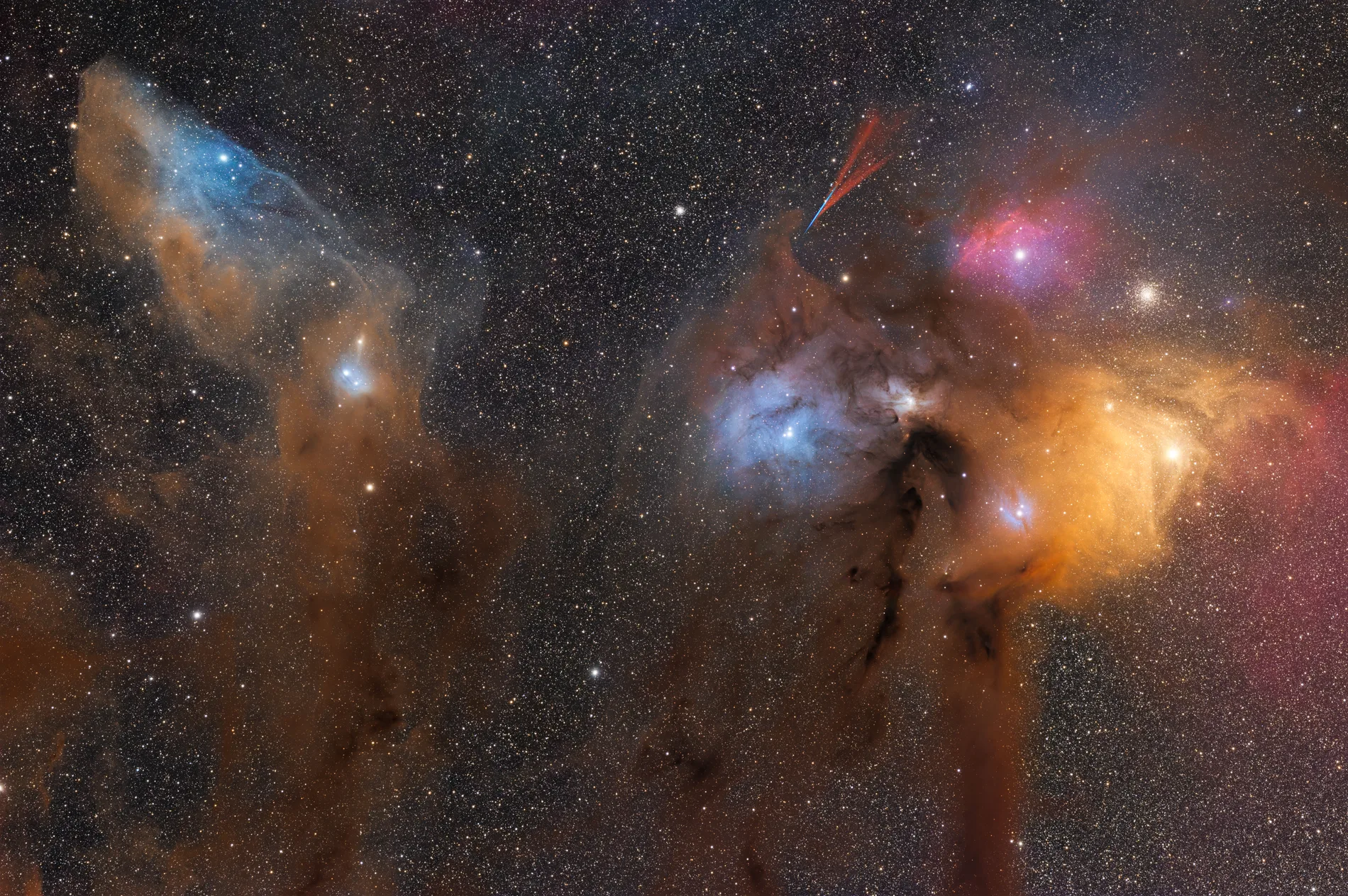
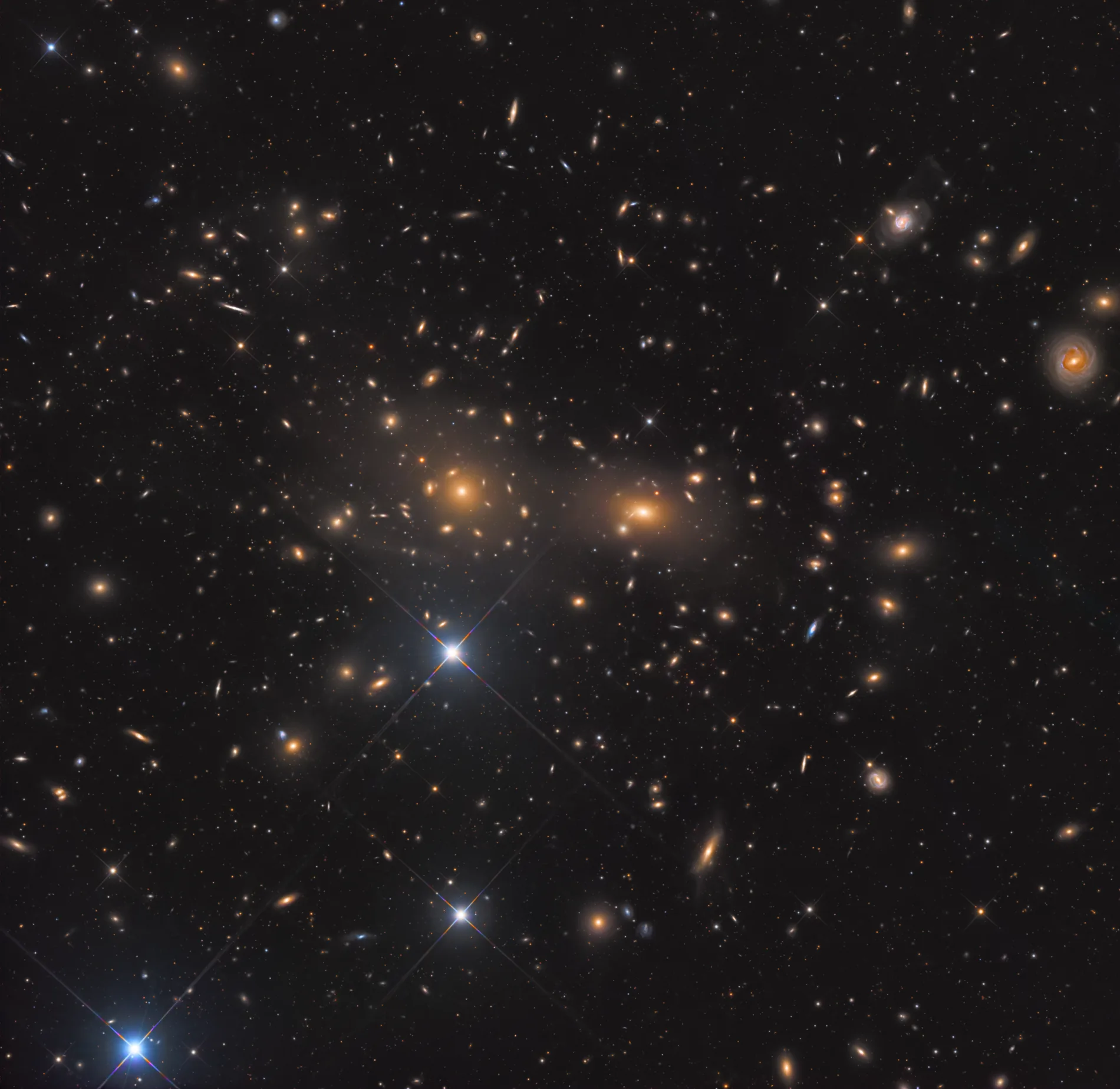
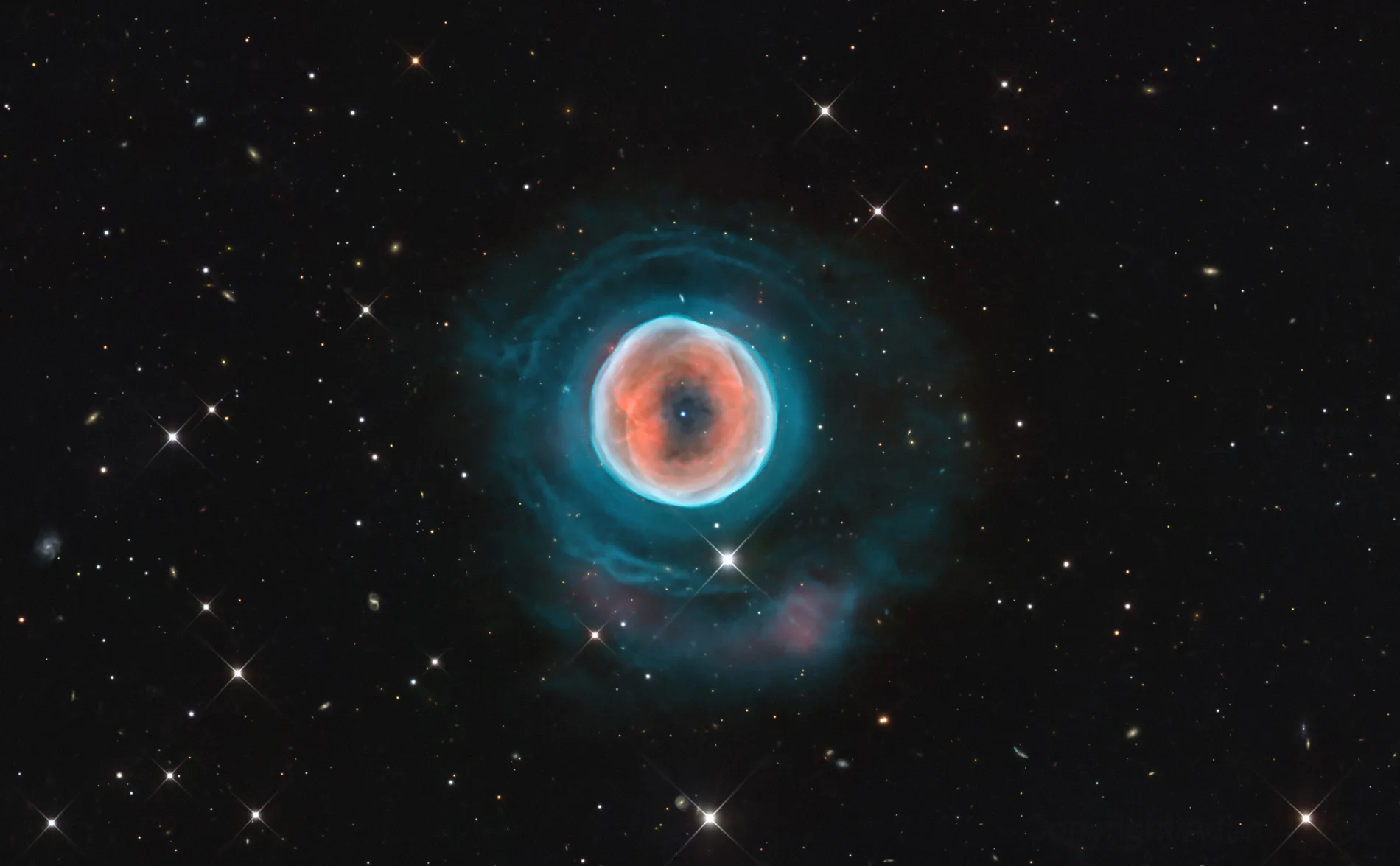
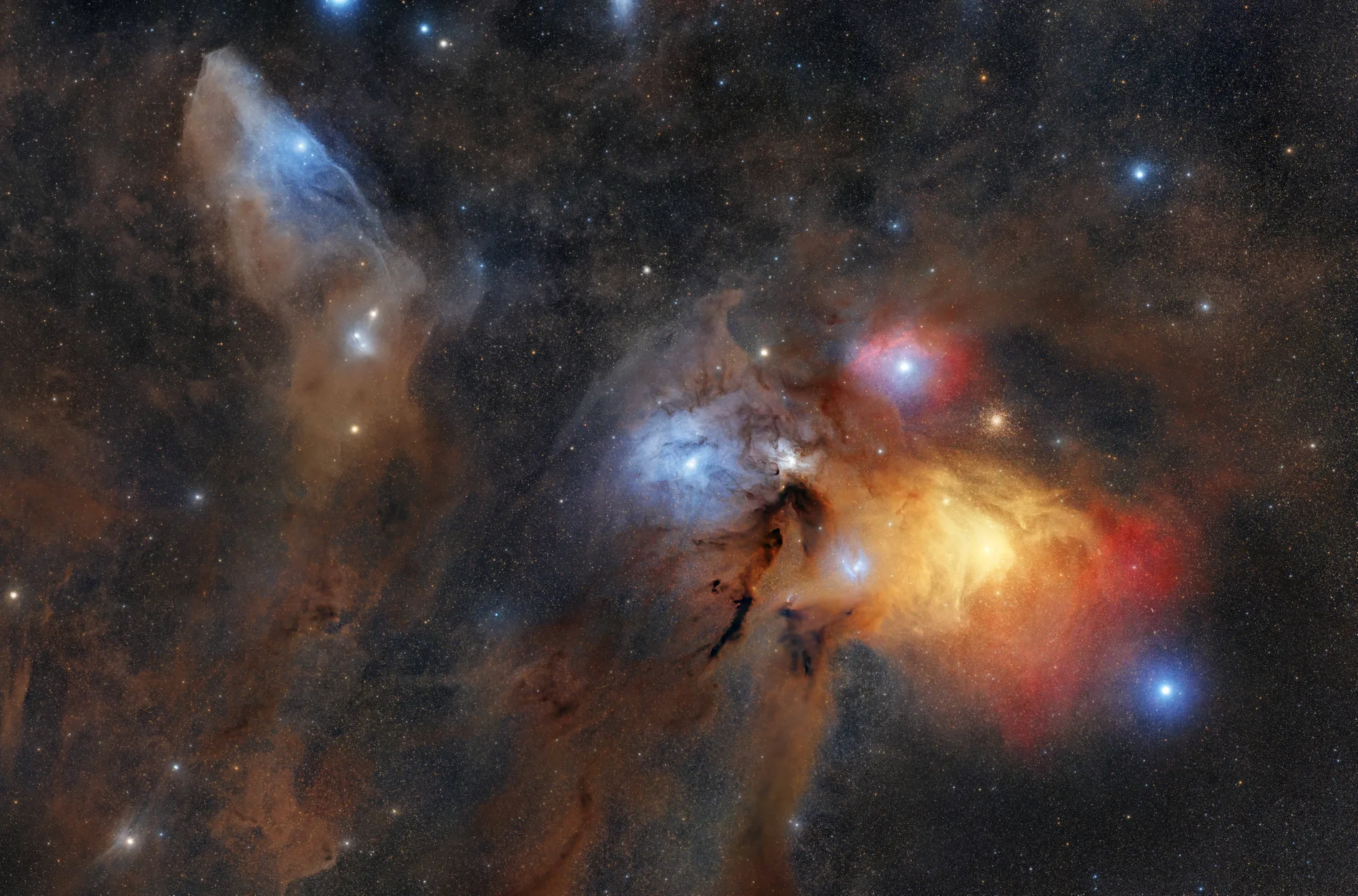
Prasaad Milner wins with the Blue Horsehead Nebula and Rho Ophiuchi complex, captured over 18 hours and 45 minutes using a 105mm f/2.8 lens and a ZWO ASI2600MC Pro, without filters. This category covers RGB/LRGB and one-shot color imagery without narrowband emission filters.
Deep sky — narrowband
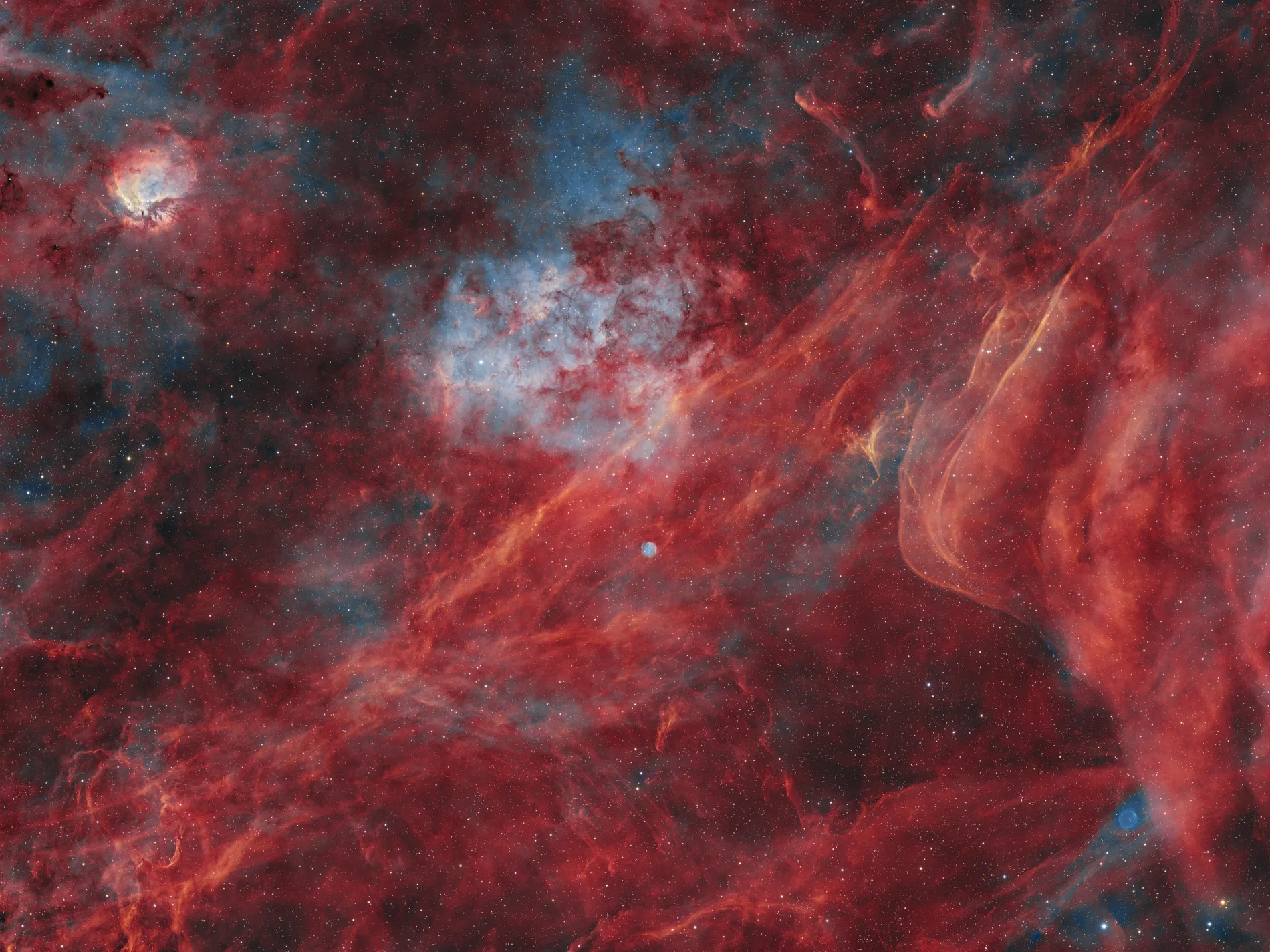
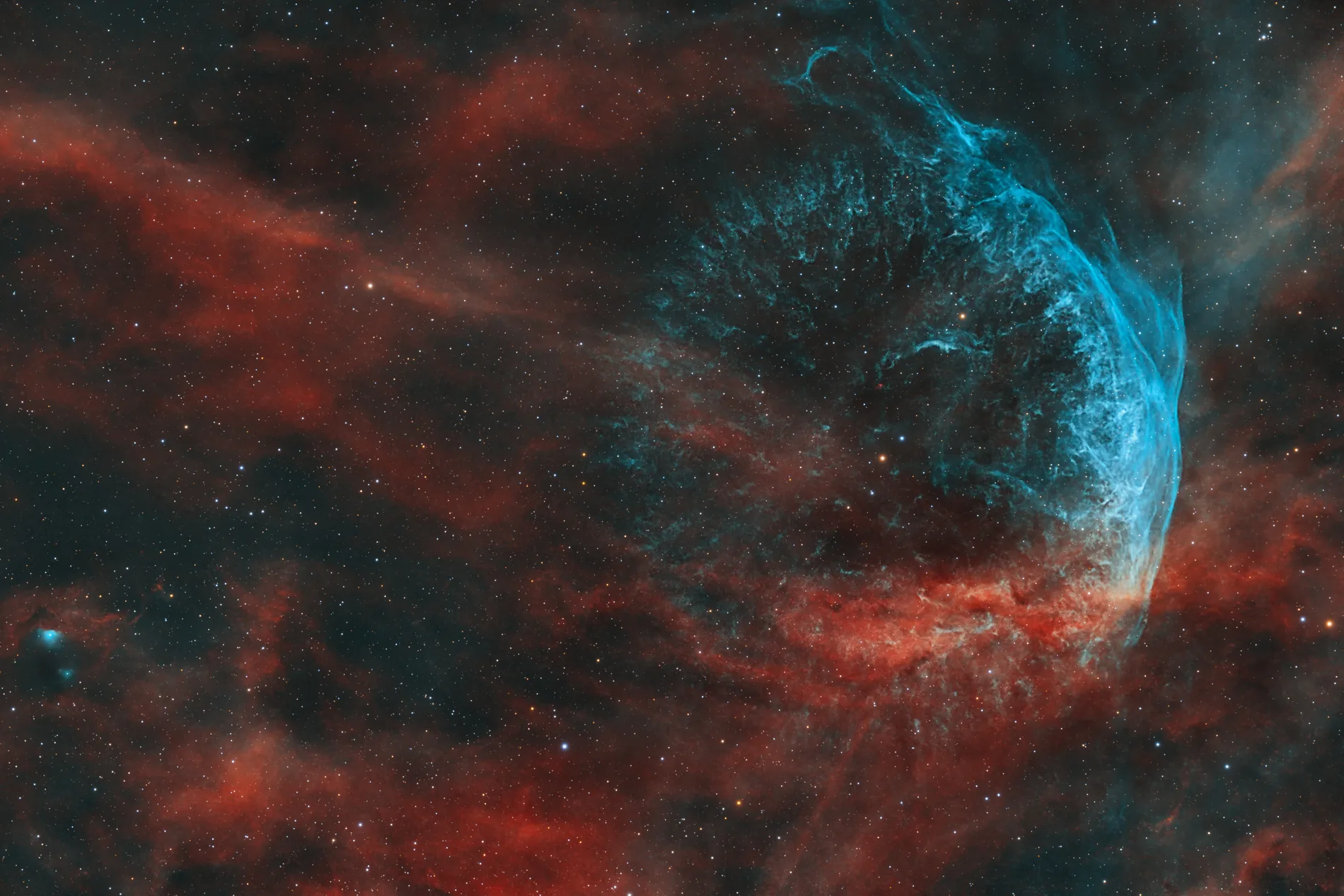
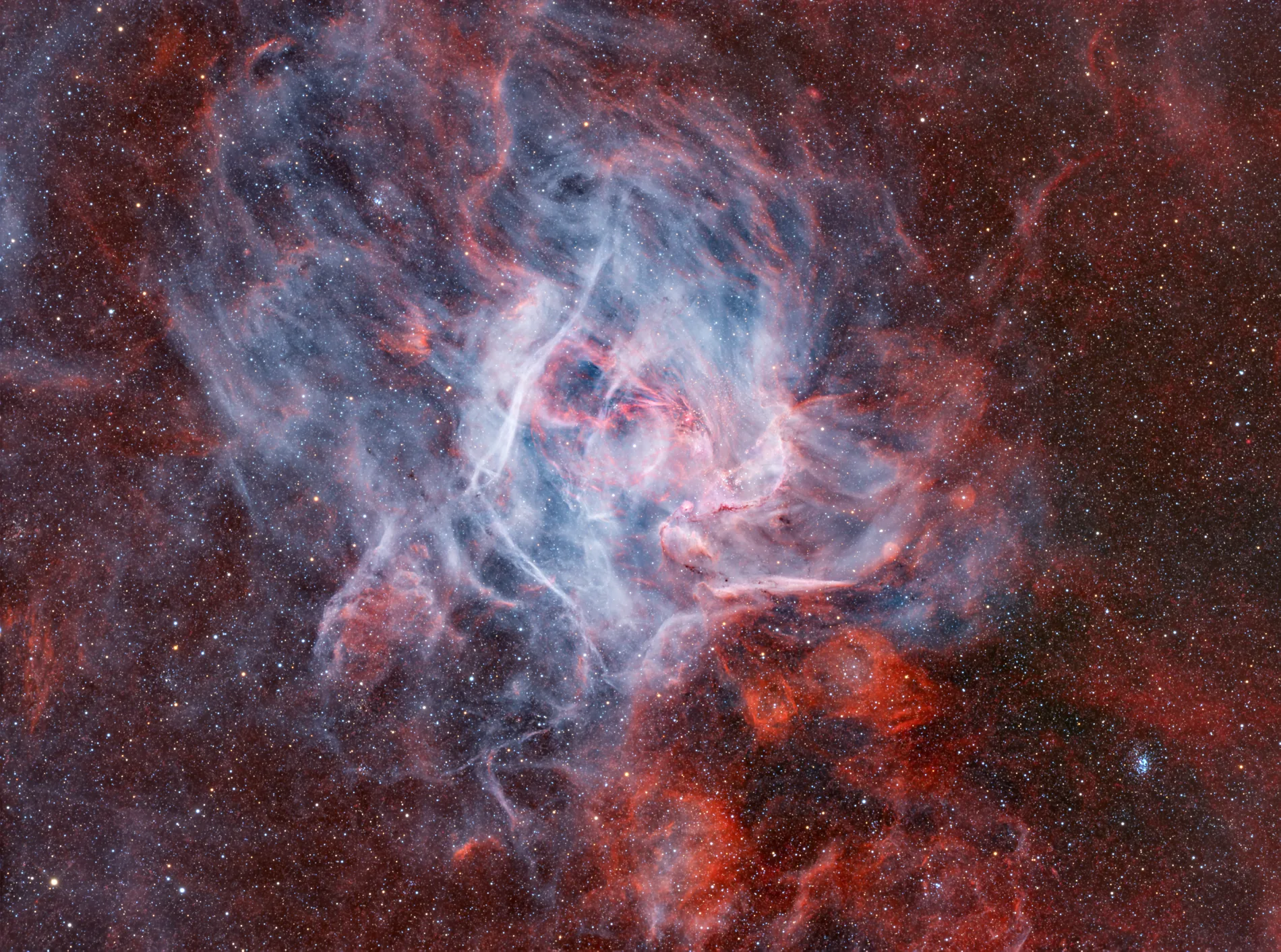
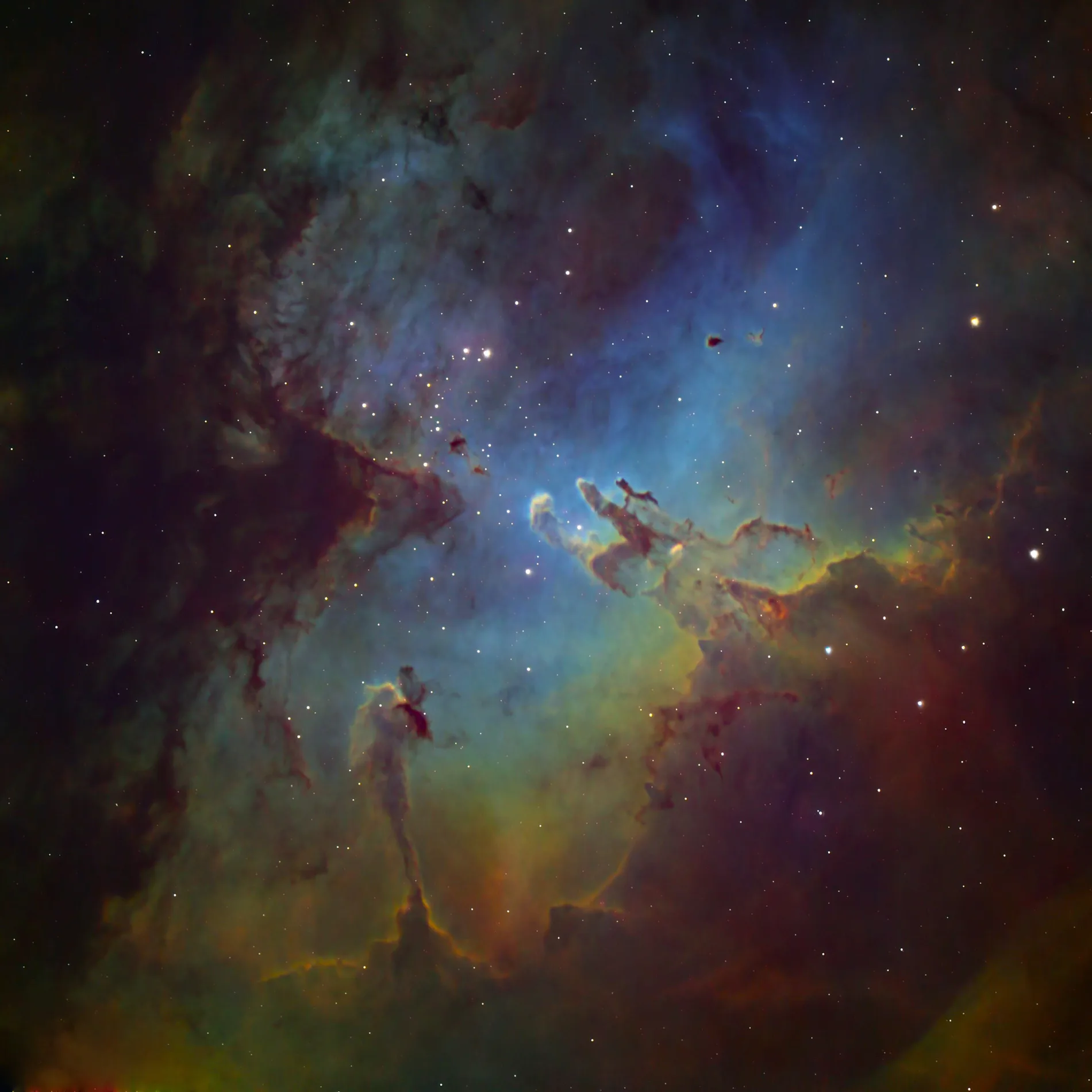
Emmanuel Joly captured Sharpless 2-115 in Cygnus with 54.6 hours of Hα, OIII, and SII data plus brief RGB exposures for the stars. Narrow emission-line filters isolate different gases and reveal subtle structures within nebulae. The runners-up also include two images by Adam Block.
Solar System objects
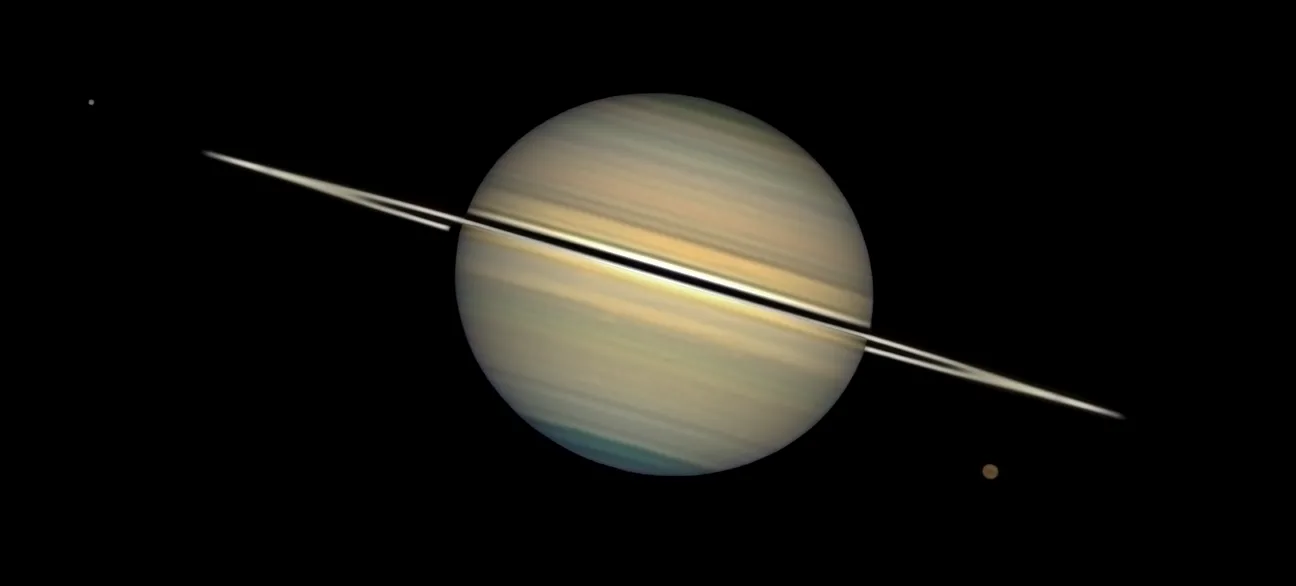
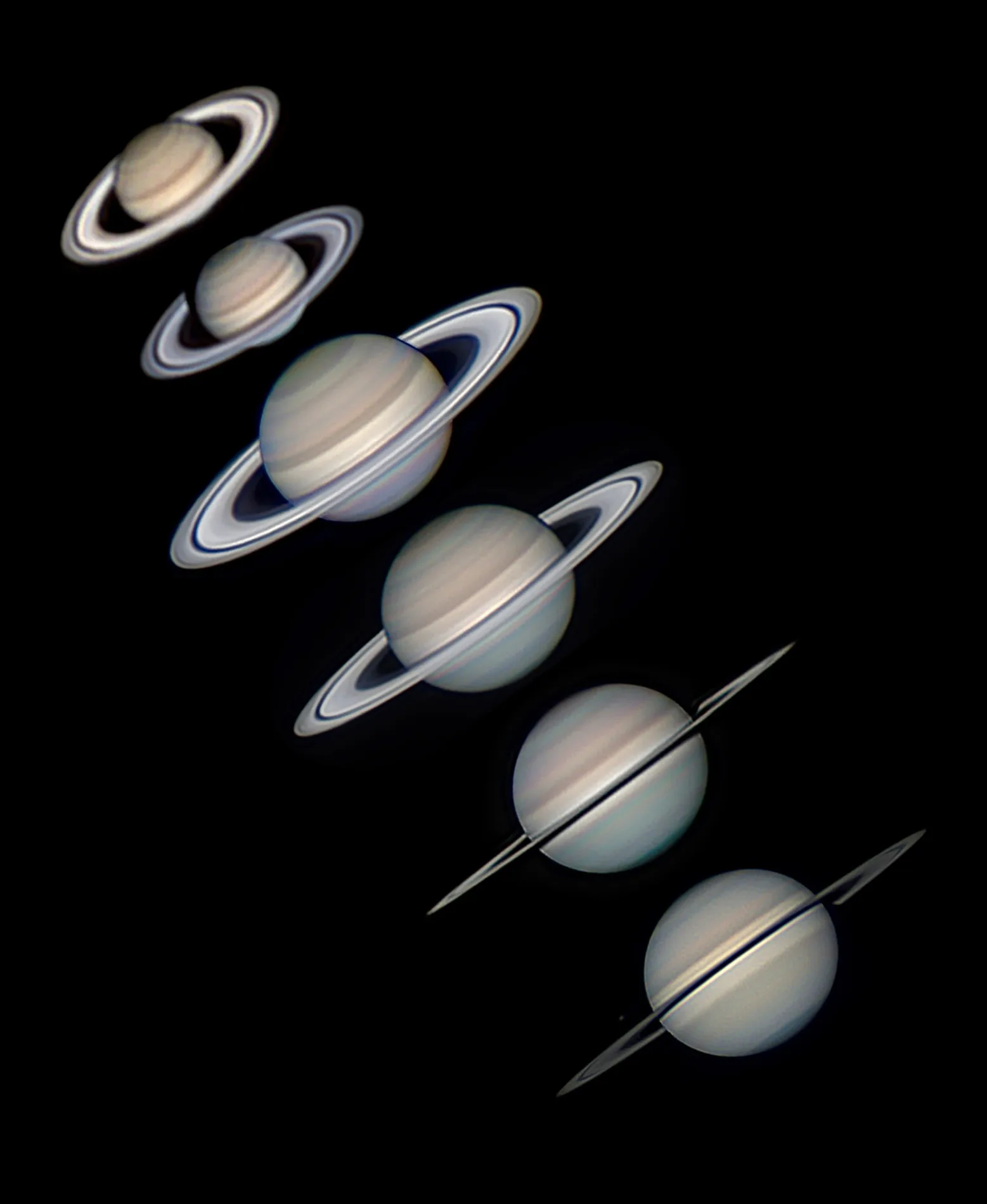
Simon Labergère wins with Saturn, Titan, and Tethys, photographed on October 14, 2025 with a 16-inch Meade Schmidt–Cassegrain and Player One Uranus 585C/585M cameras, using eighteen 240-second SER video files.
Solar imaging
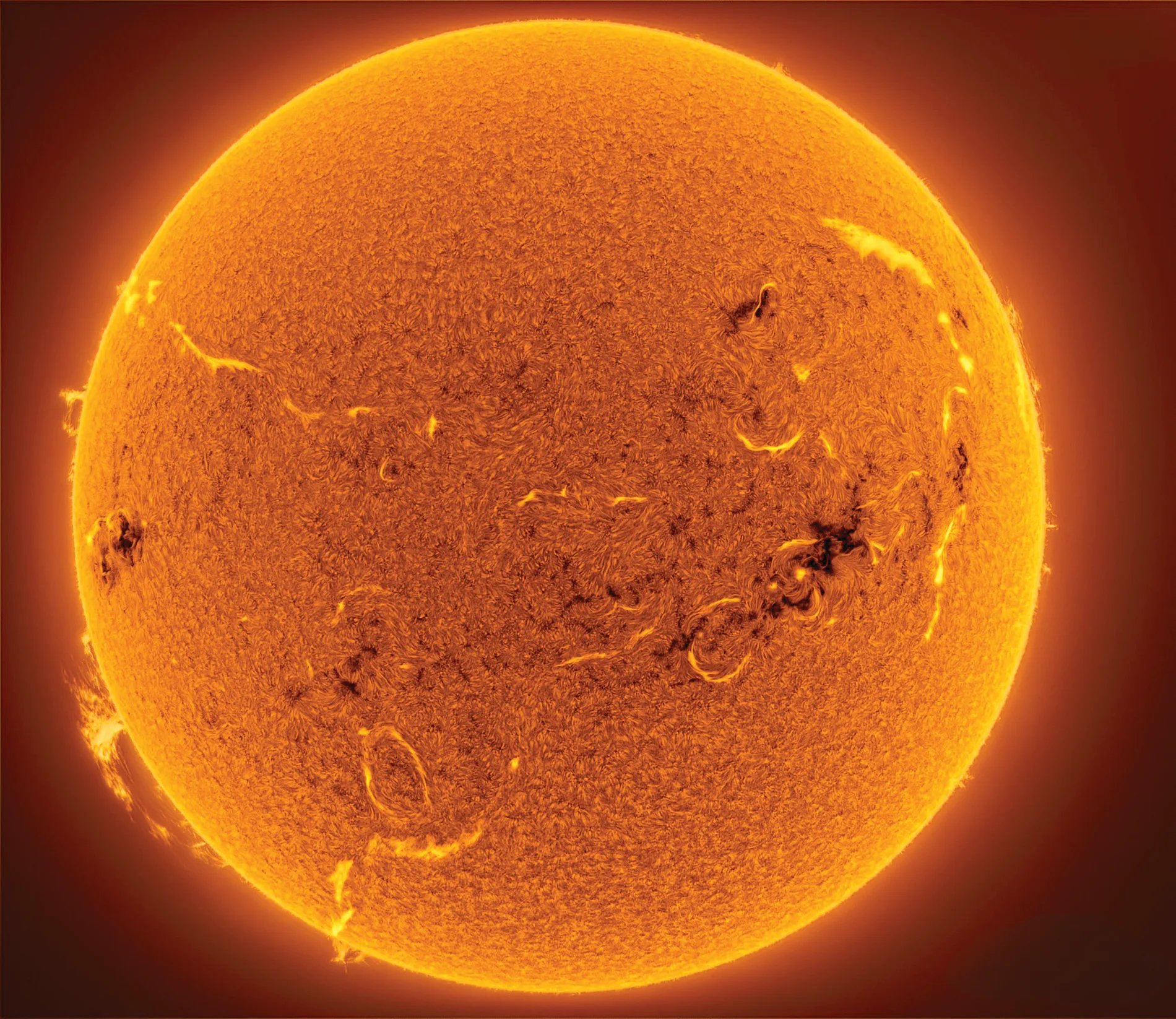
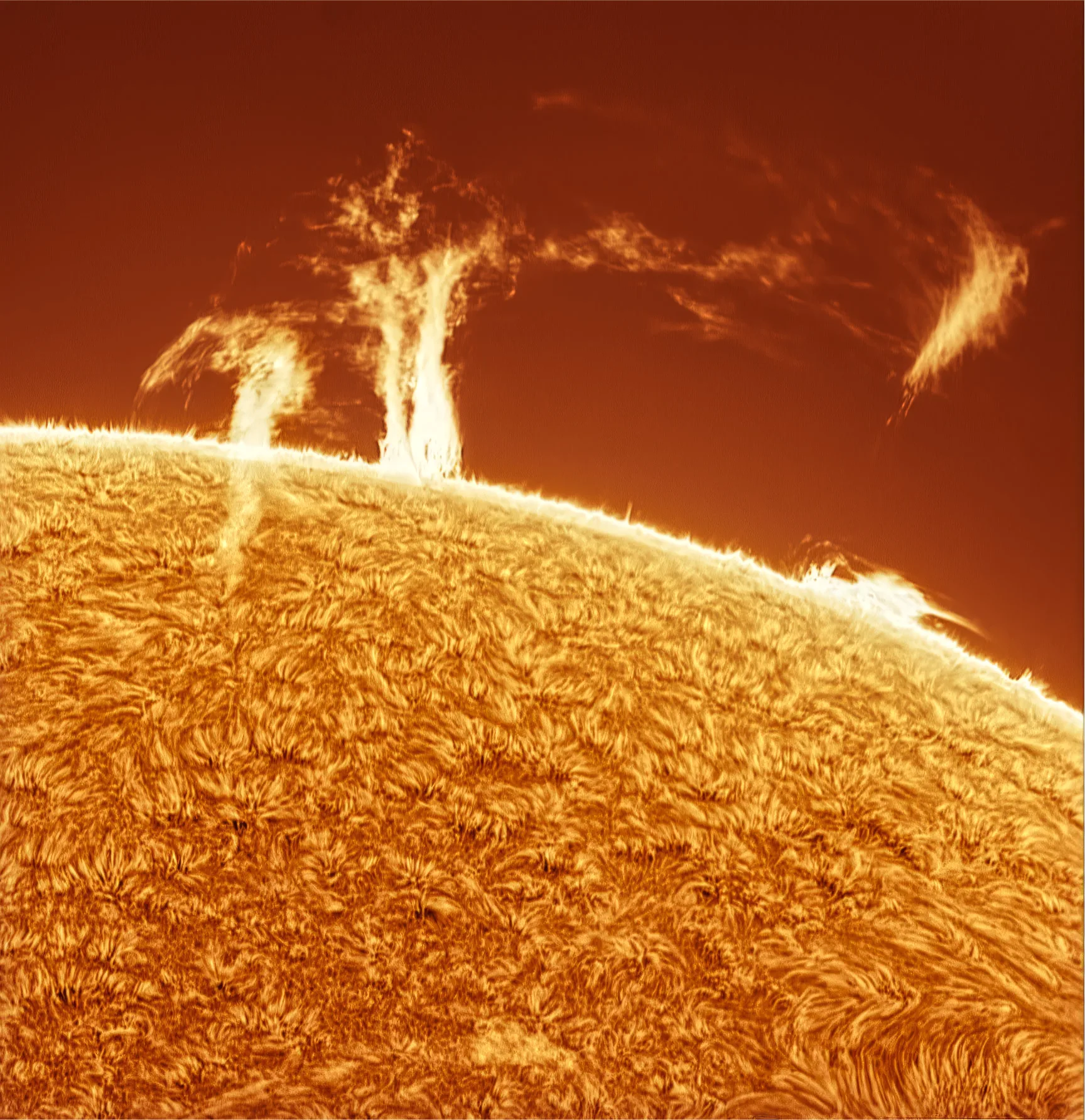
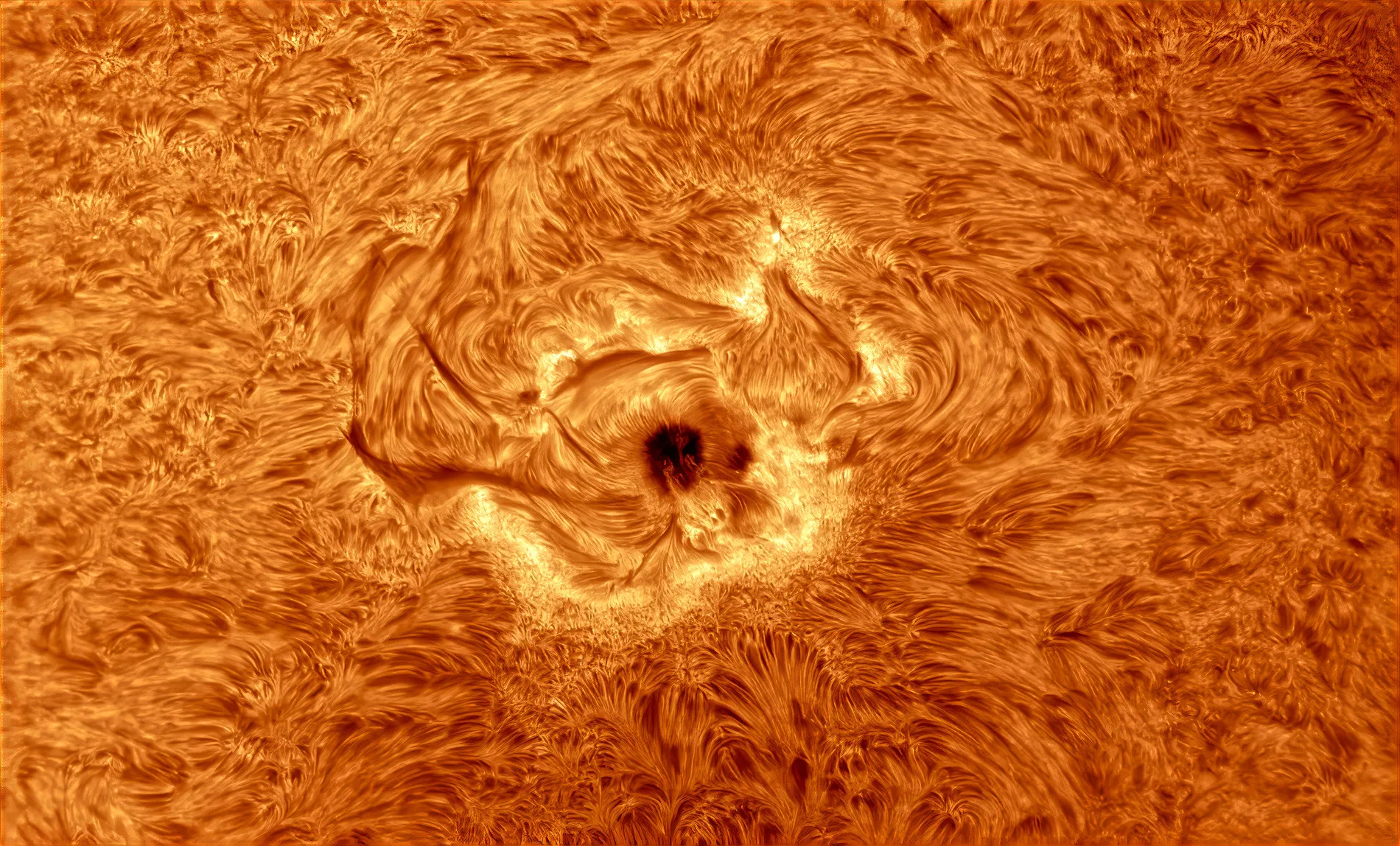
Mehmet Ergün photographed the full solar disk in hydrogen-alpha with a Lunt LS60 solar telescope, a double-stacked etalon, and a ZWO ASI678MM. The result uses 1,000 frames and reveals structures not seen in ordinary white-light solar photographs.
Nightscapes
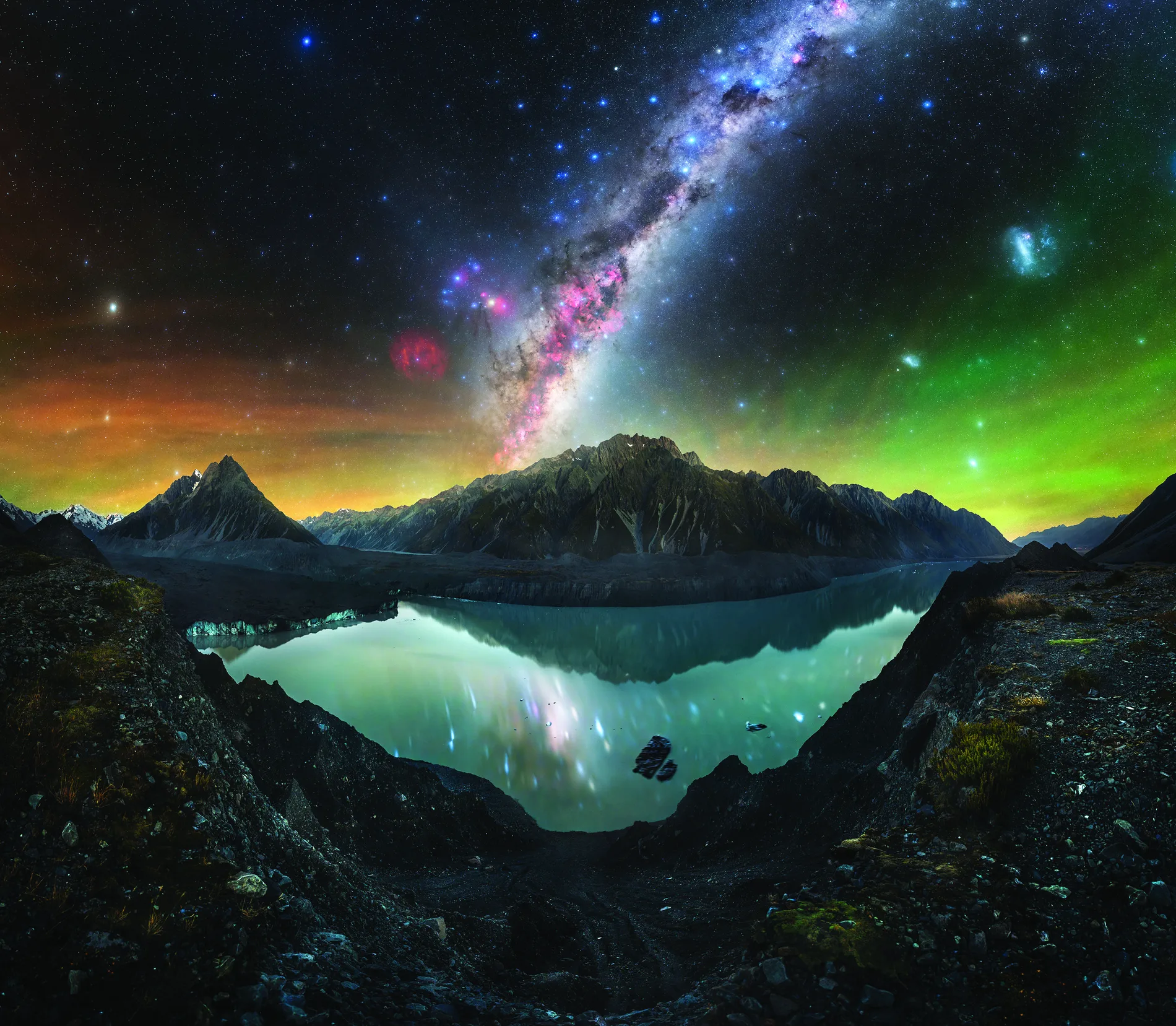
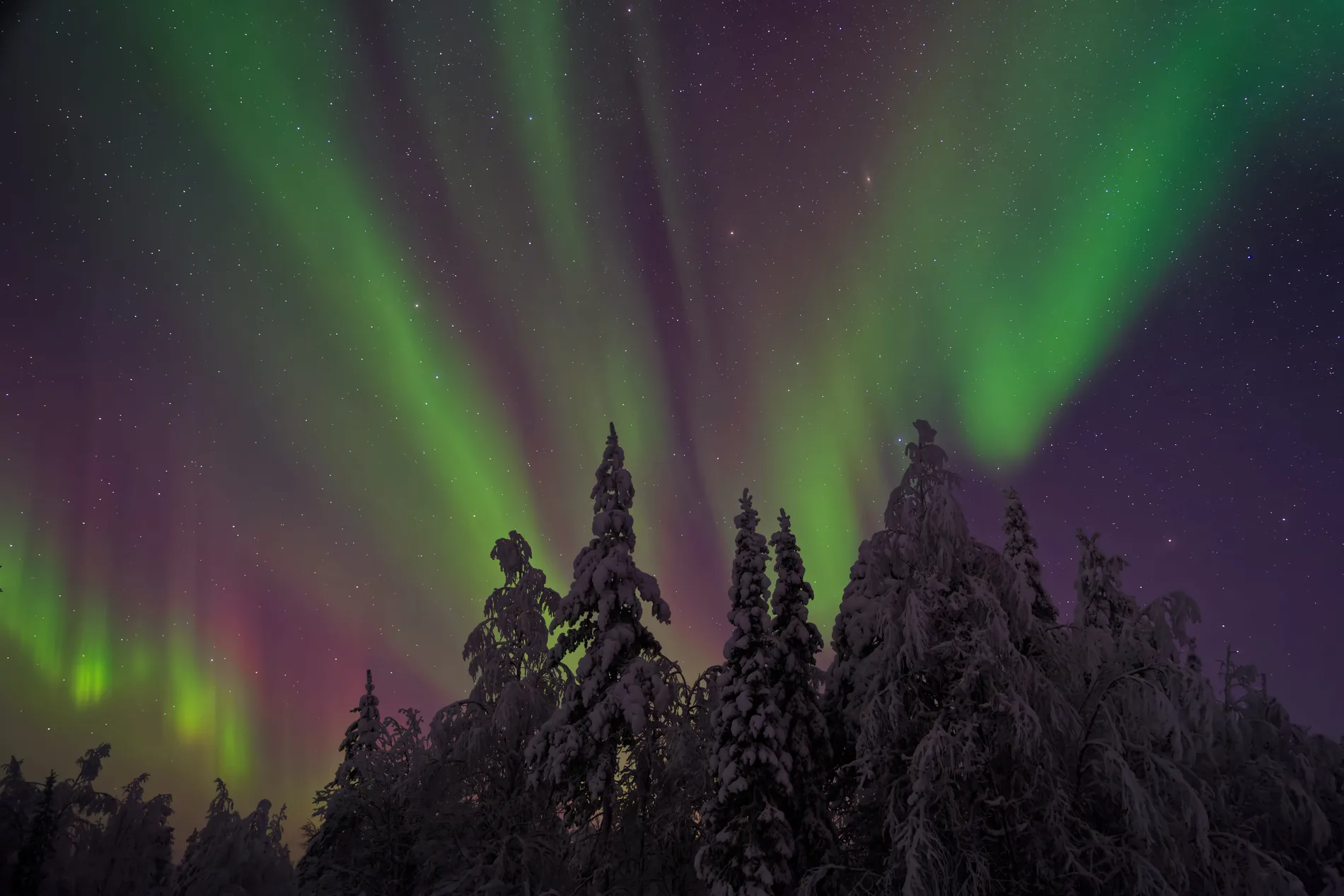
Tom Rae wins with the Milky Way above New Zealand’s Aoraki/Mount Cook National Park. He used an astromodified Nikon Z7 II, Nikkor 20mm f/1.8, and tracking mount, combining separate sky and foreground panoramas with blue-hour focus stacking.
Greek distinction: Apostolos Kyriazis among the Nightscapes runners-up
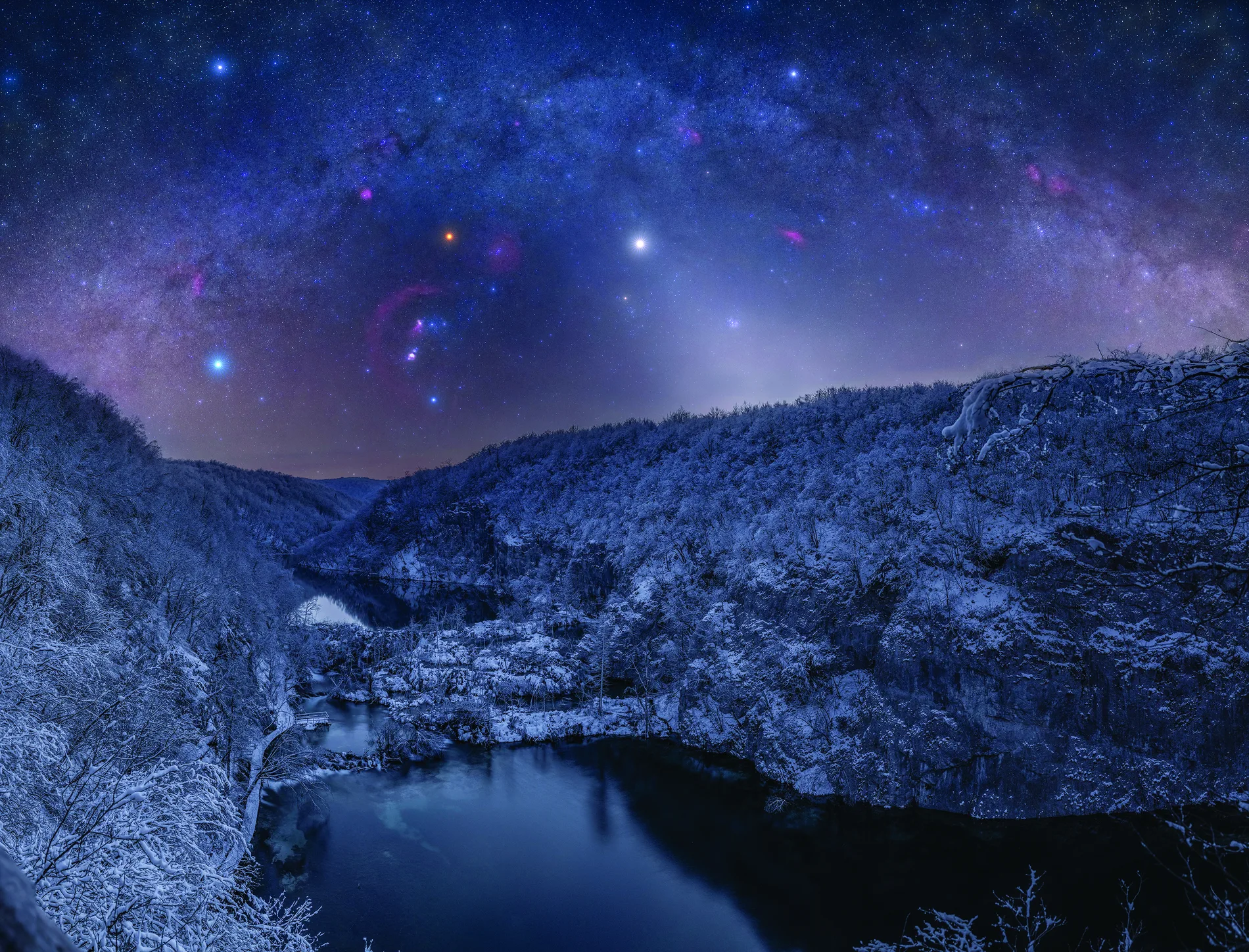
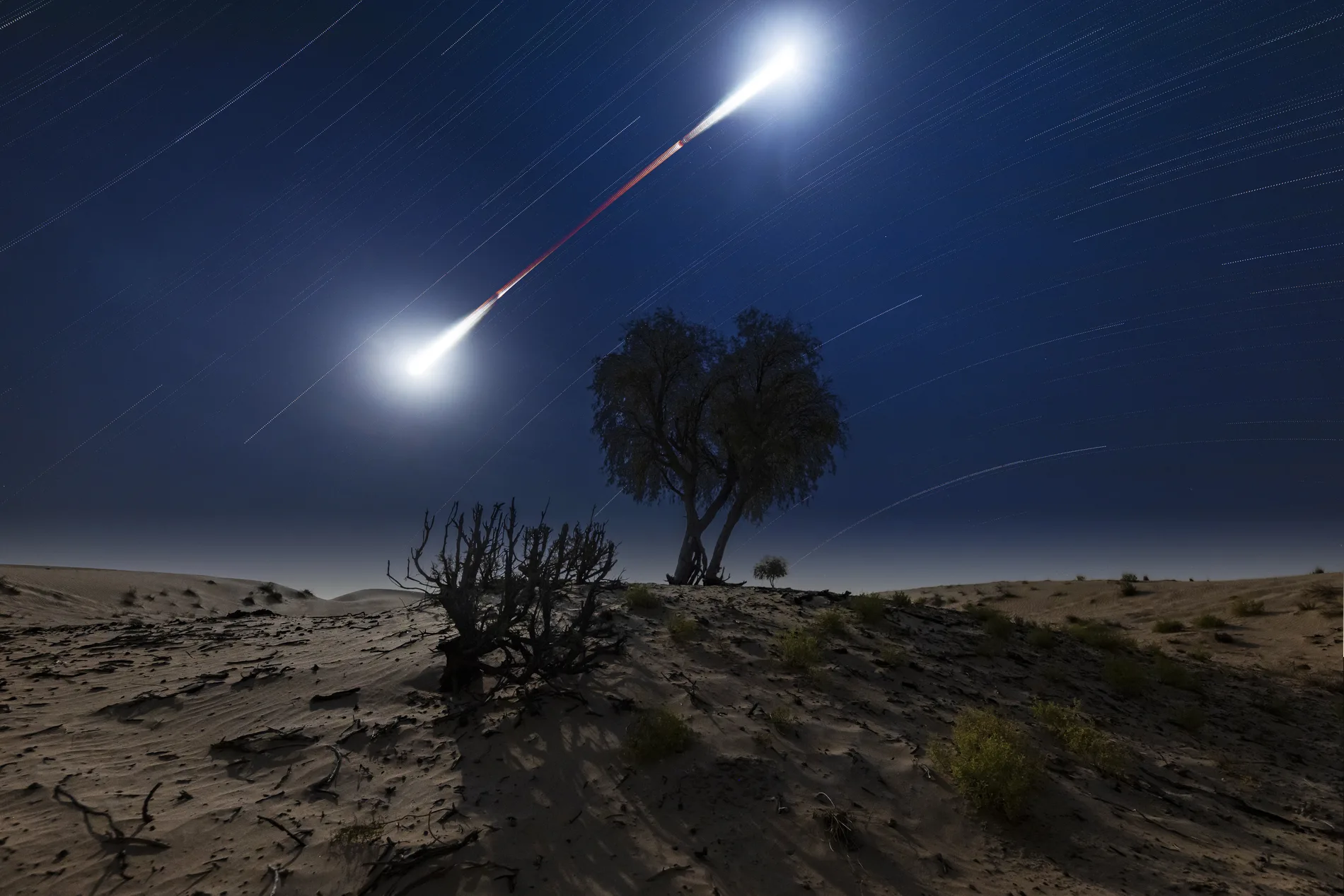
Greek astrophotographer Apostolos Kyriazis received a runner-up distinction in the Nightscapes category for a composite of the September 7, 2025 total lunar eclipse over dunes about 80 kilometers (50 miles) south of Abu Dhabi in the United Arab Emirates. Tom Rae won the category, so the Greek photograph was recognized as a runner-up, not the category winner.
Kyriazis used a Canon Ra and a Sigma Art 14mm f/1.8 lens, stopped down to f/7.1 at ISO 800. His composite comprises 388 three-second exposures, captured at 30-second intervals. The successive frames trace the Moon’s path and shifting color during the eclipse, placing the celestial event within a striking desert landscape.
Smartscopes — smart telescopes
Nathanael Martin wins with the Angel Nebula (NGC 2170), using three Vaonis Vespera 2 smart telescopes and 3,684 sub-exposures of 20 seconds each. The category is dedicated to all-in-one smart telescopes and permits disclosed external processing.
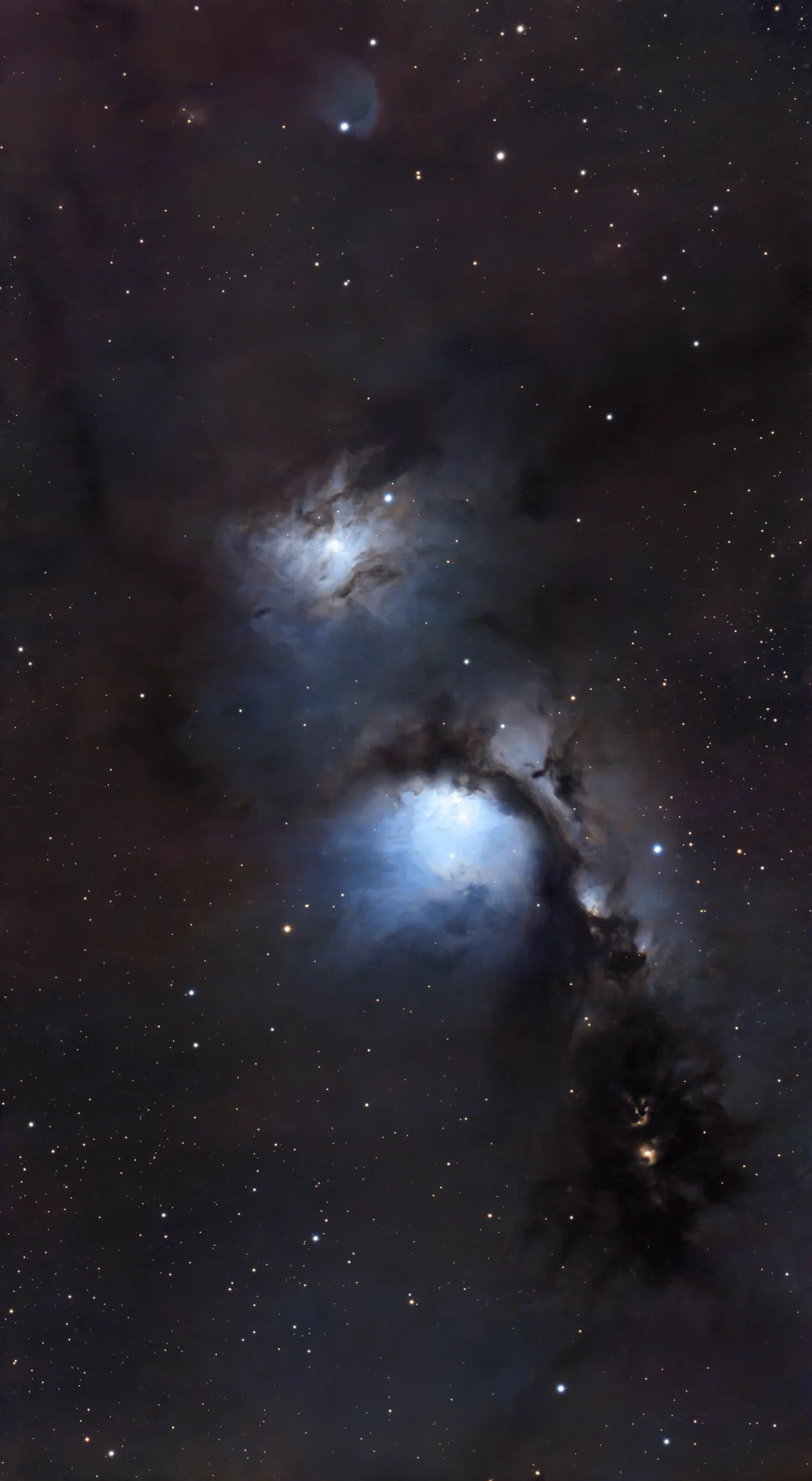
Processing — one dataset, different interpretations
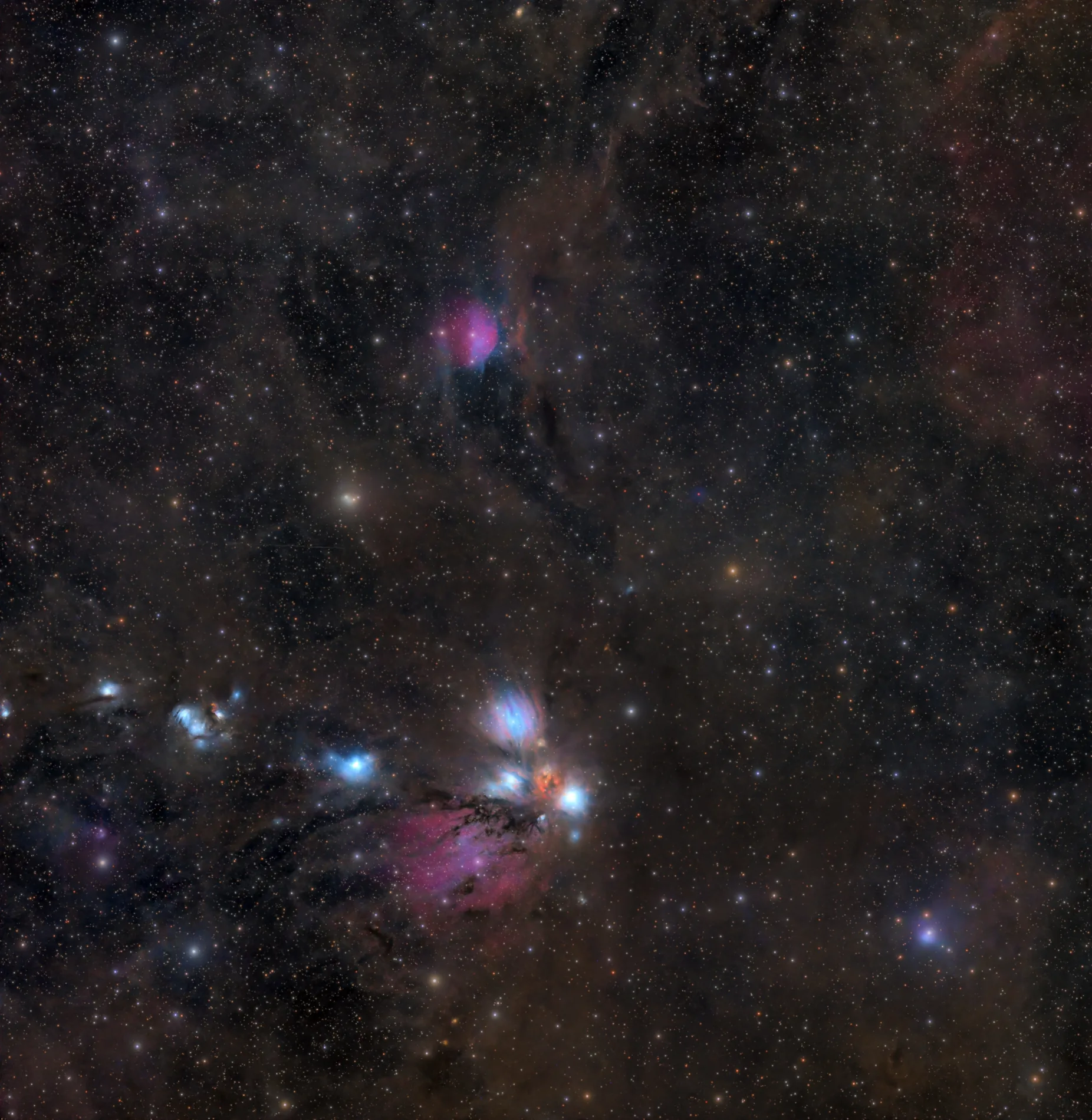
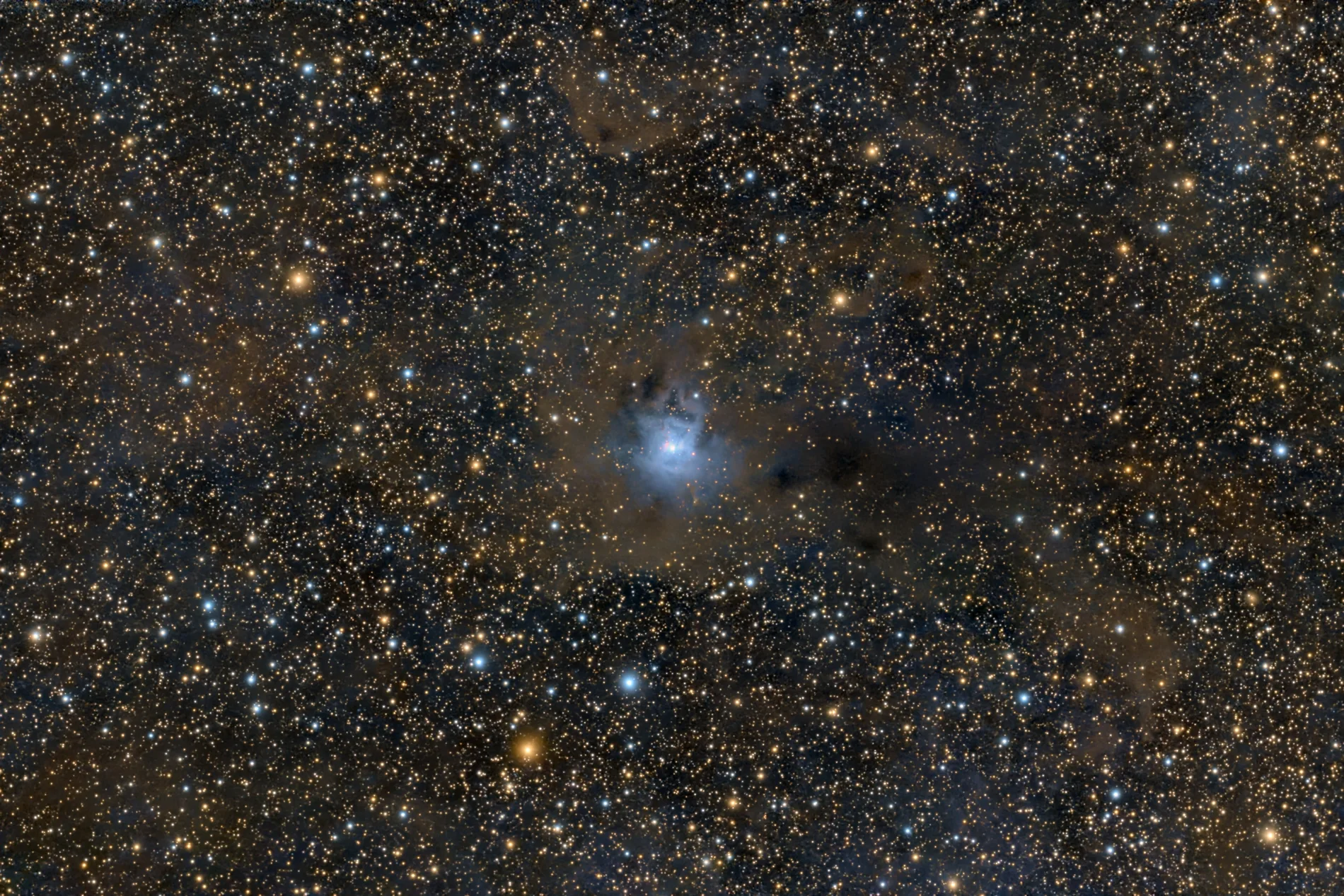
This category judges the processing rather than the photographer’s capture hardware: everyone worked with the same 15-hour Hα/OIII/SII dataset of RCW 38 supplied by Telescope Live. Marius Dinga wins, with Ravinder Krishnan and Alan Daly as runners-up. Their three images invite direct comparison of color, contrast, and structural detail.
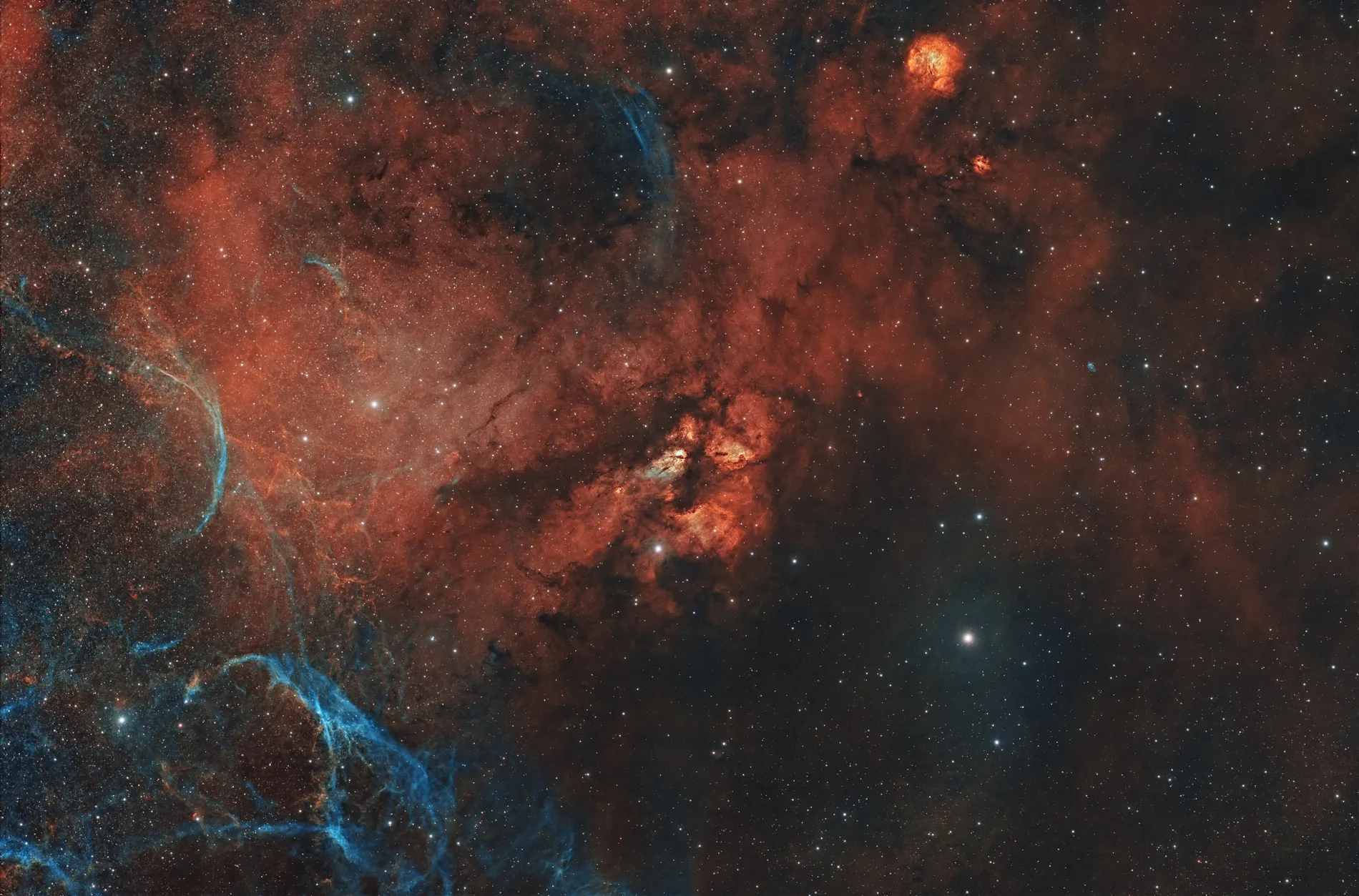
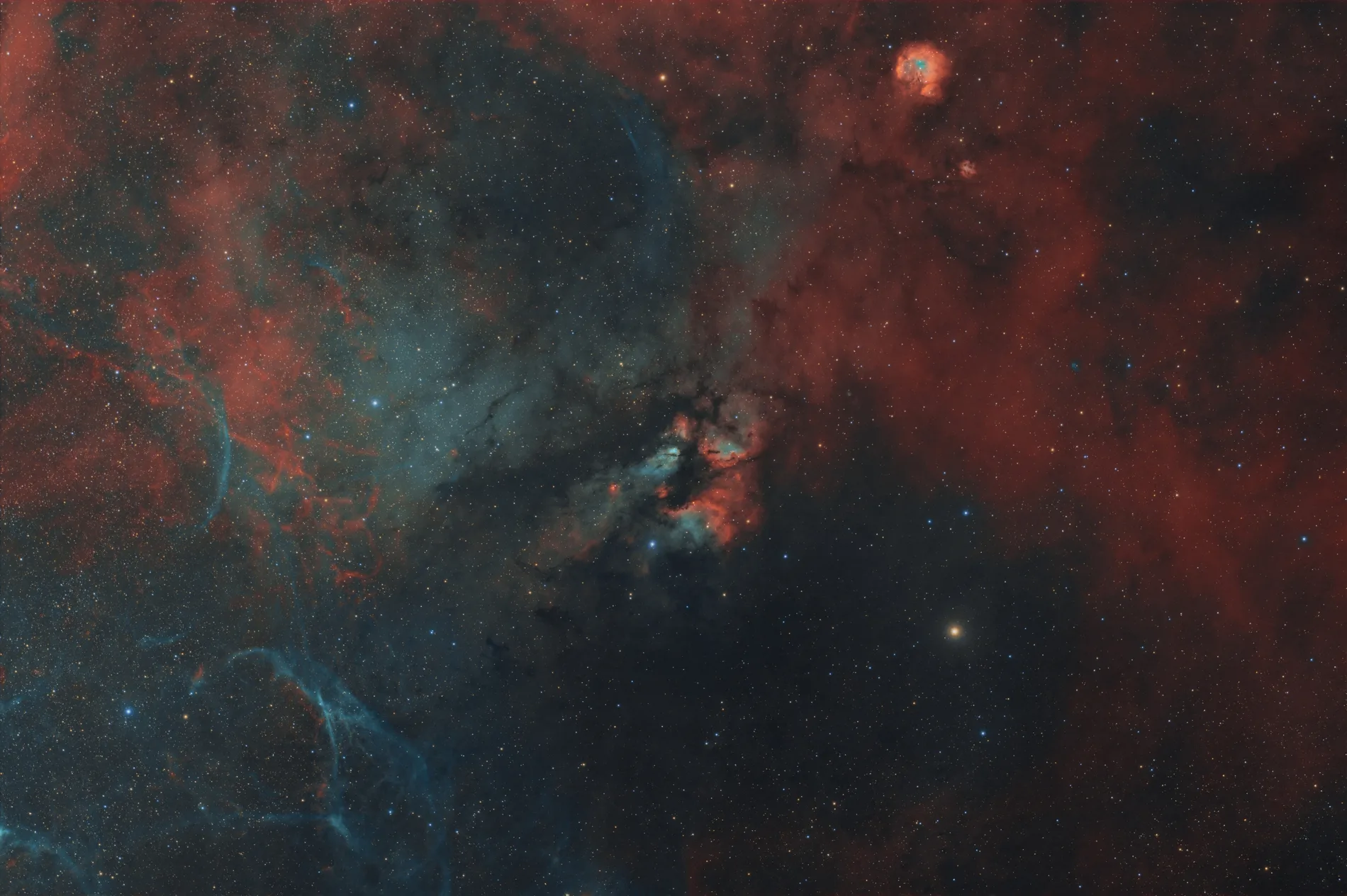
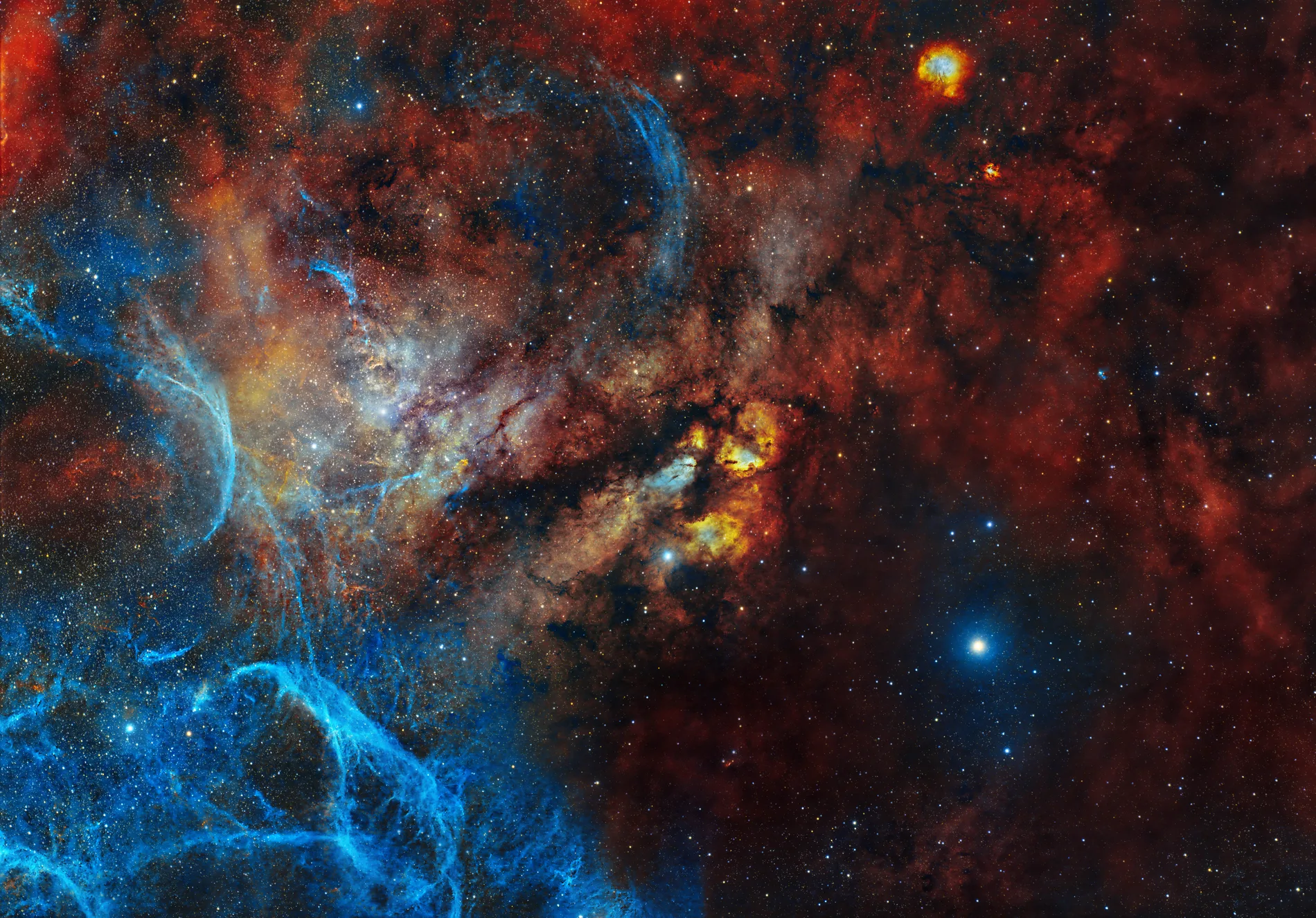
Newcomer — early-career astrophotographers
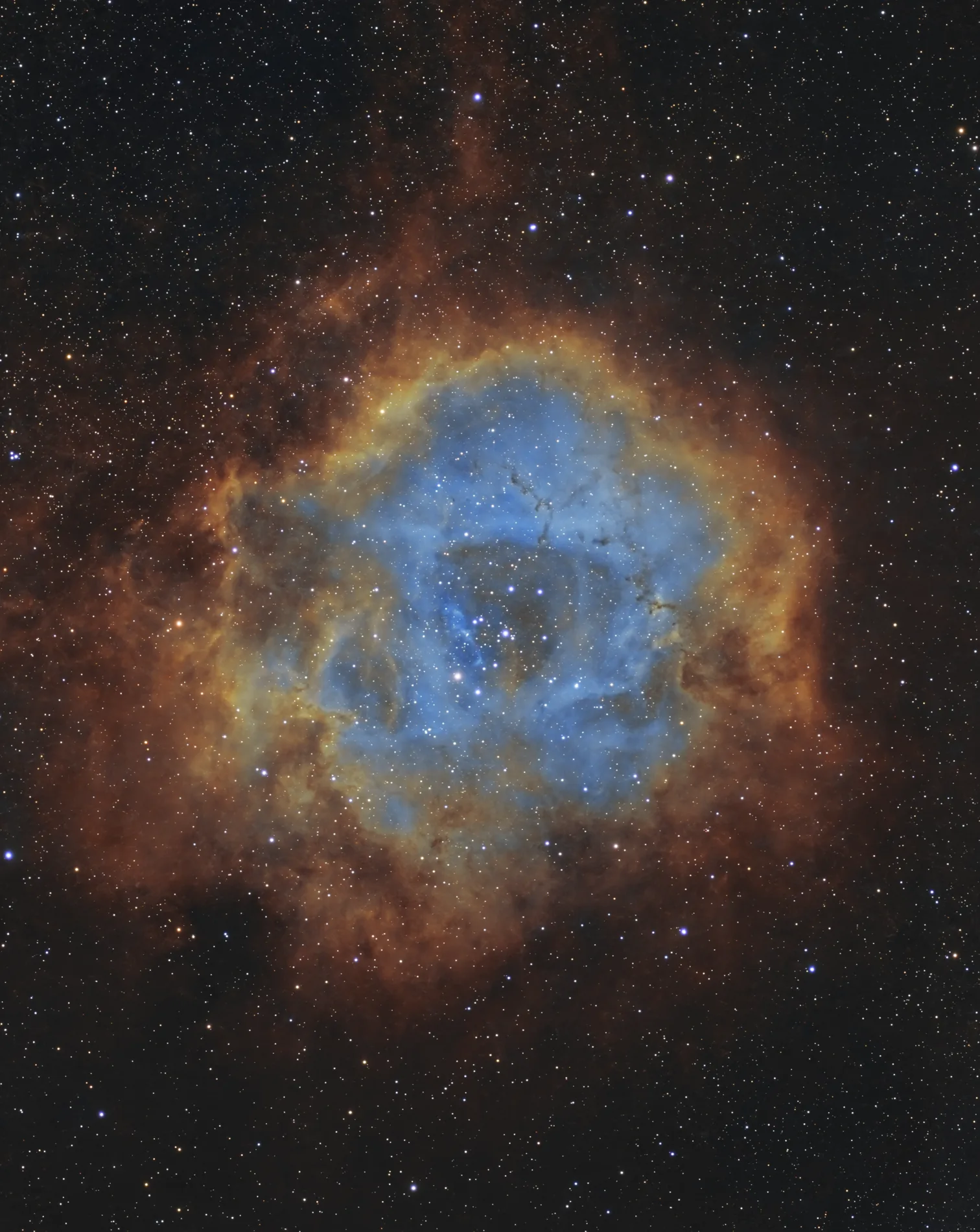
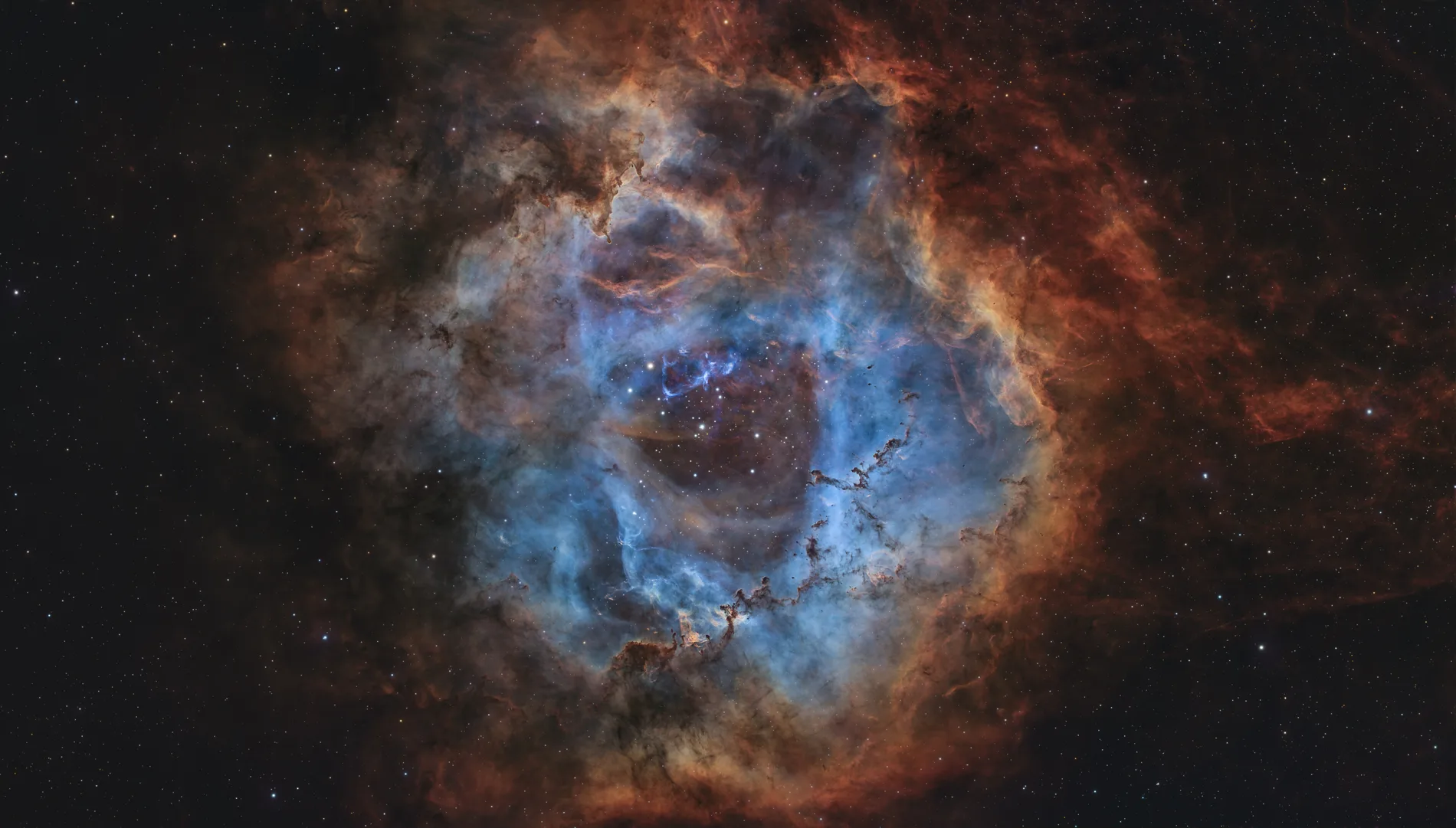
Andy Garrett wins with the Rosette Nebula, combining 19.4 hours of Hα/OIII/SII data with 36 minutes of RGB star data. The category admitted photographers aged 13–17 or those with fewer than two years of experience, giving newer astrophotographers a separate platform.
What the results reveal
The 31 images comprise eight category winners, 22 runners-up, and the grand-prize photograph. Magazine editors judged alongside Tony Hallas, Molly Wakeling, Michael Bakich, Damian Peach, and Dave Eicher. More detailed photographer profiles and stories are scheduled for Astronomy’s December 2026 issue.
What we think
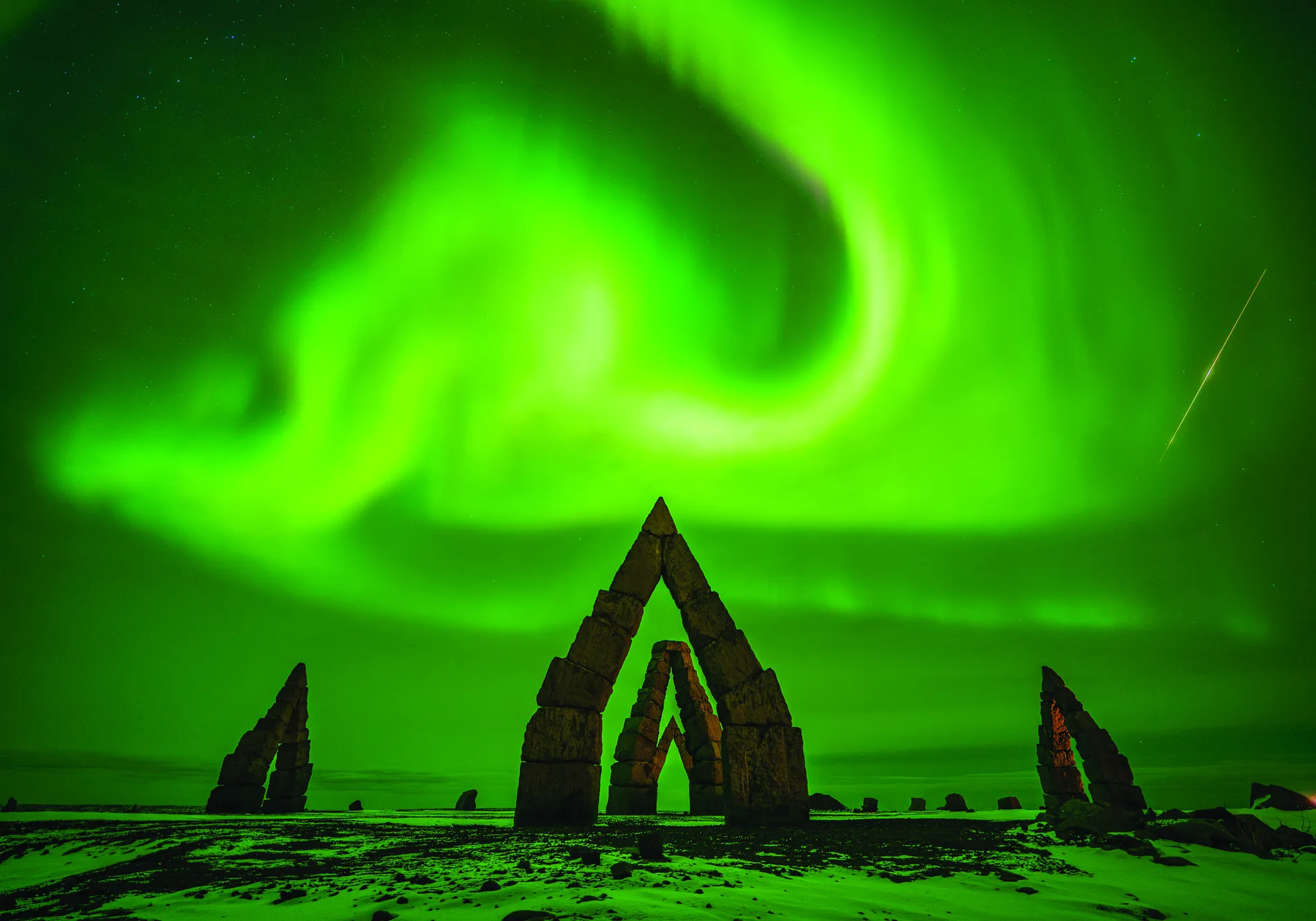
What stands out is that there is no single recipe for great astrophotography. The grand-prize image required almost 30 hours of carefully acquired data, yet the same gallery includes a meteor captured in a three-second exposure and images made with smart telescopes. A powerful result is not defined by the price of the setup alone.
Kyriazis’s photograph illustrates the different challenge of nightscape work: following an unfolding event, capturing a consistent sequence, and anchoring the final result to a real landscape. Bringing 388 frames together without losing the scene’s natural sense of place calls for careful decisions.
Processing is especially revealing: three people start with exactly the same telescope data and create visibly different pictures. It is a practical demonstration of how color choices, noise treatment, and decisions about which structures to emphasize shape the final photograph.
The repeated success of the Dementors image also makes an important point about entering competitions: a strong photograph does not lose its relevance after one award. Its composition matters just as much as the patience behind the capture and the choices made in post-processing.