

Summary
- Stefan Buda was named overall winner with “The Lunar Apennines”
- The image also won the Solar System category
- Jarrod Koh won the Wide-Field category with “The Dividing Line”
- Andy Campbell won the Deep Sky category
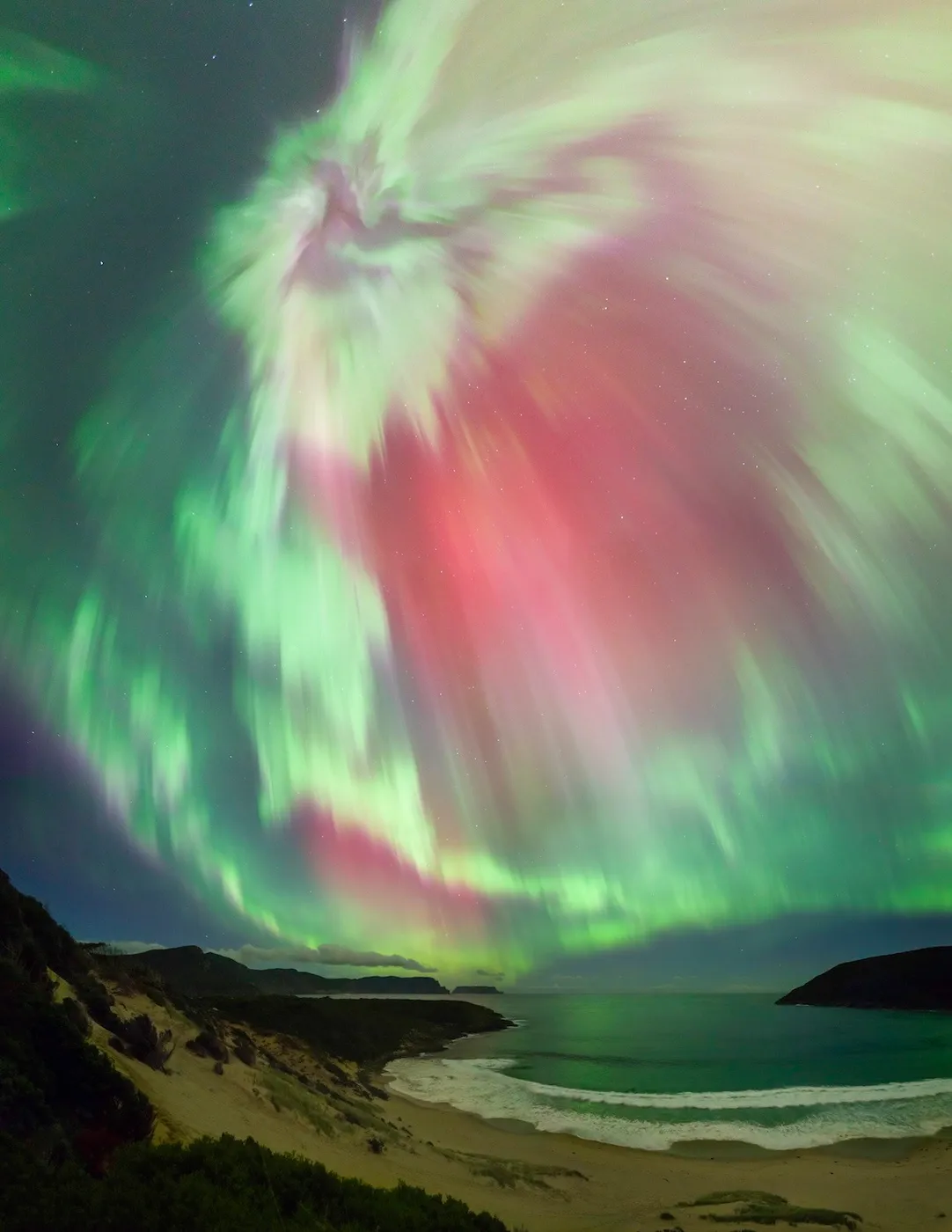
- Brighton Seeley won with an eight-panel mosaic of the Southern Lights
- Charlie Marzolla won the Junior category with a 28-hour integration
- Frank Alvaro received the Photo Editor’s Choice award
- The categories were judged by Peter Ward, Alex Cherney and Selena Simpson
- The Photo Editor’s Choice was judged by Nicola Amoros
- The awards are supported by CSIRO, the Powerhouse Museum, BINTEL and MakePrints
The winners of the 2026 CWAS “David Malin Awards” capture the Moon, dark molecular clouds and the Southern Lights in remarkable detail.
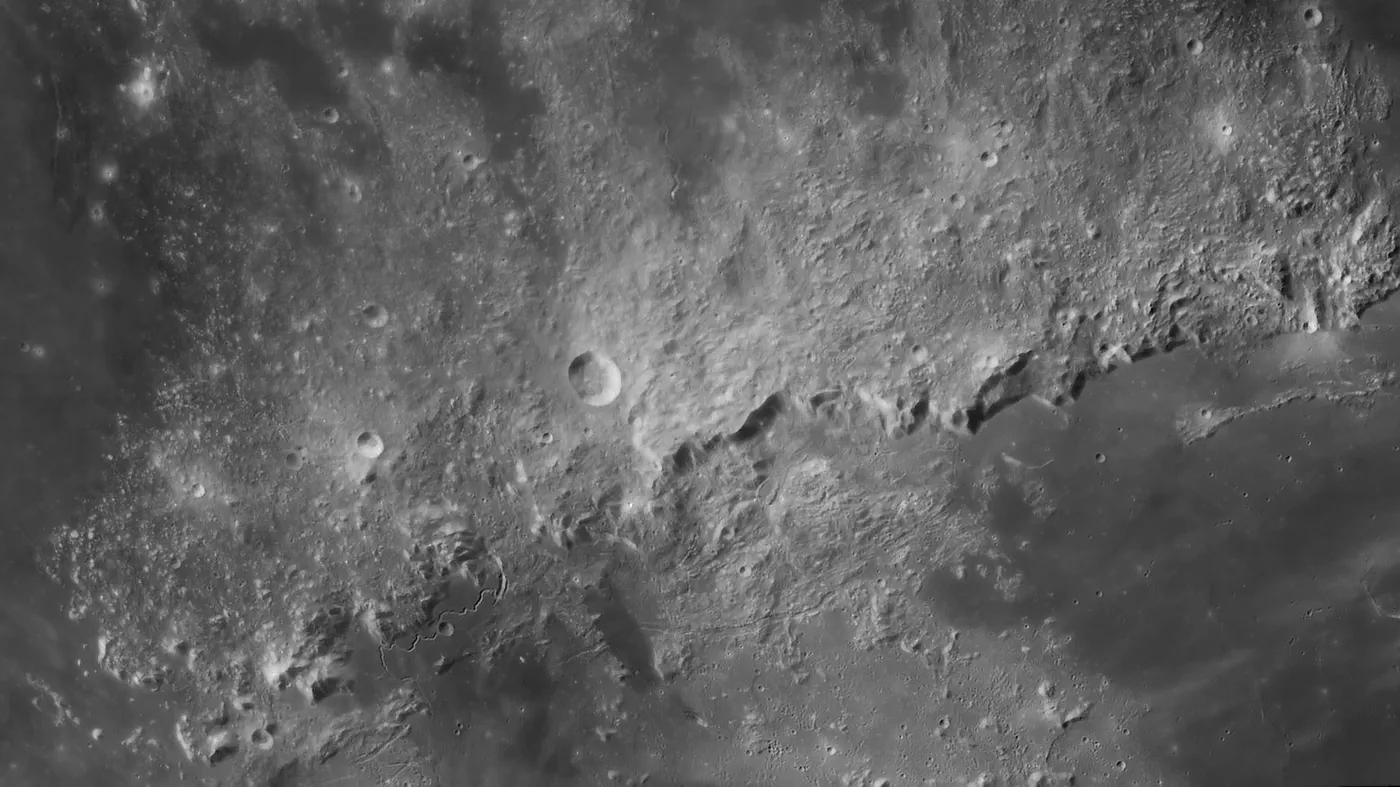
Stefan Buda was named the overall winner for “The Lunar Apennines”, which also won the Solar System category. Winners were also announced in the Wide-Field, Deep Sky, Nightscapes – International, Junior and Photo Editor’s Choice categories.
The images stand out for their technical accuracy, composition, processing and ability to communicate the scale and majesty of the Universe. The categories were judged by Peter Ward, Alex Cherney and Selena Simpson, while the Photo Editor’s Choice was judged by Nicola Amoros.
Overall and Solar System winner: Stefan Buda
Stefan Buda claimed the overall prize and the Solar System category with “The Lunar Apennines”.
The photograph presents the lunar Apennine mountain region with such clarity that, according to the judging panel, it appears to have been captured from lunar orbit rather than from Earth.
Hadley Rille, the site of the Apollo 15 landing, is shown in exceptionally sharp relief.
The judges also highlighted the careful processing of the photograph, which reveals subtle grey variations across the lunar terrain. The result was described as flawless.
Wide-Field: Jarrod Koh
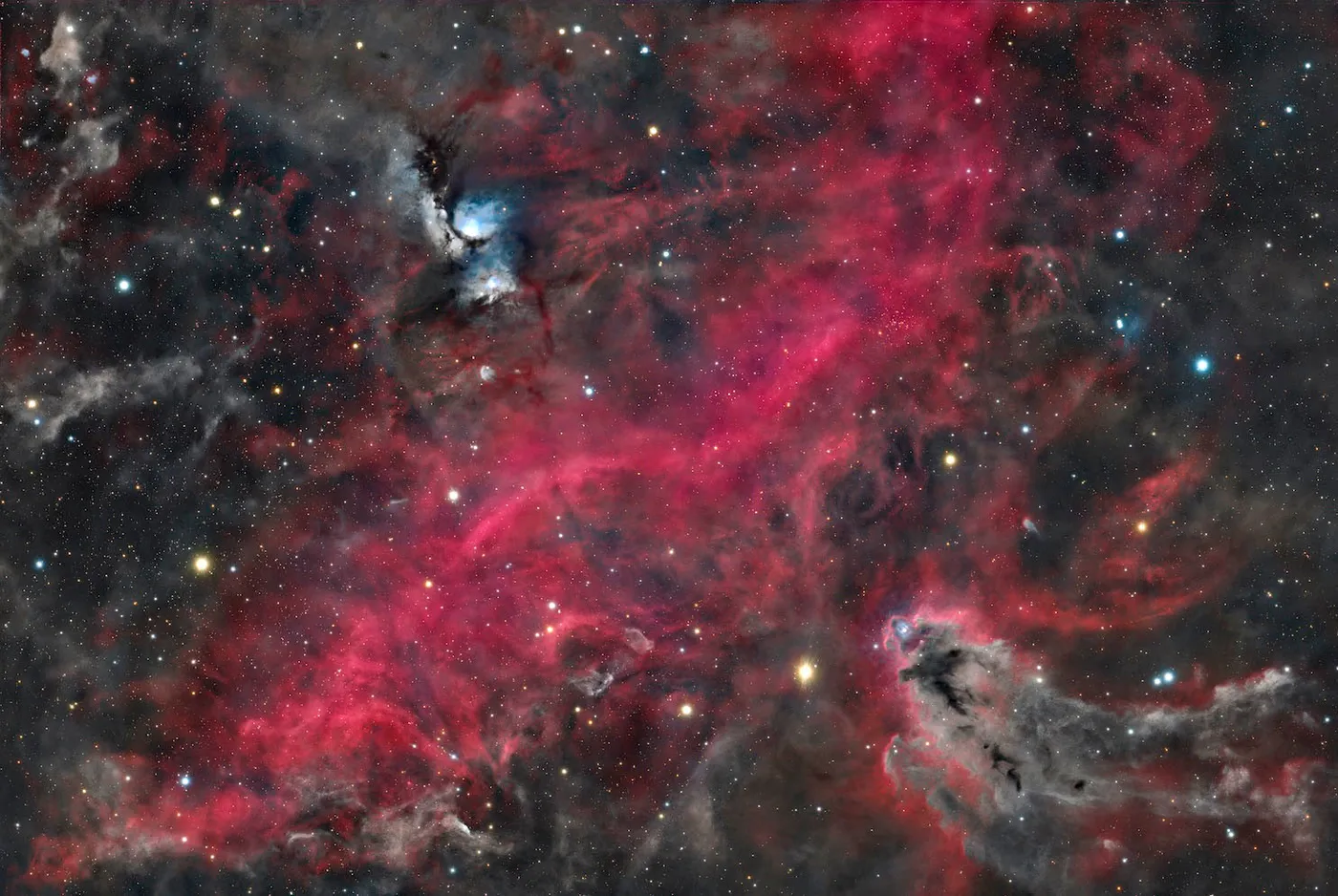
Jarrod Koh won the Wide-Field category with “The Dividing Line”.
The image provides a deeply textured view of the Orion Molecular Cloud Complex. Its composition combines thick molecular dust with a luminous background, creating an extraordinary sense of depth.
The dark silhouette of LDN 1622 and the subtle blue glow of M78 provide contrasting points within the frame.
The photograph was created from a total integration time of 17 hours. According to the judges, the final result offers a highly compelling and immersive wide-field perspective of the region.
Deep Sky: Andy Campbell
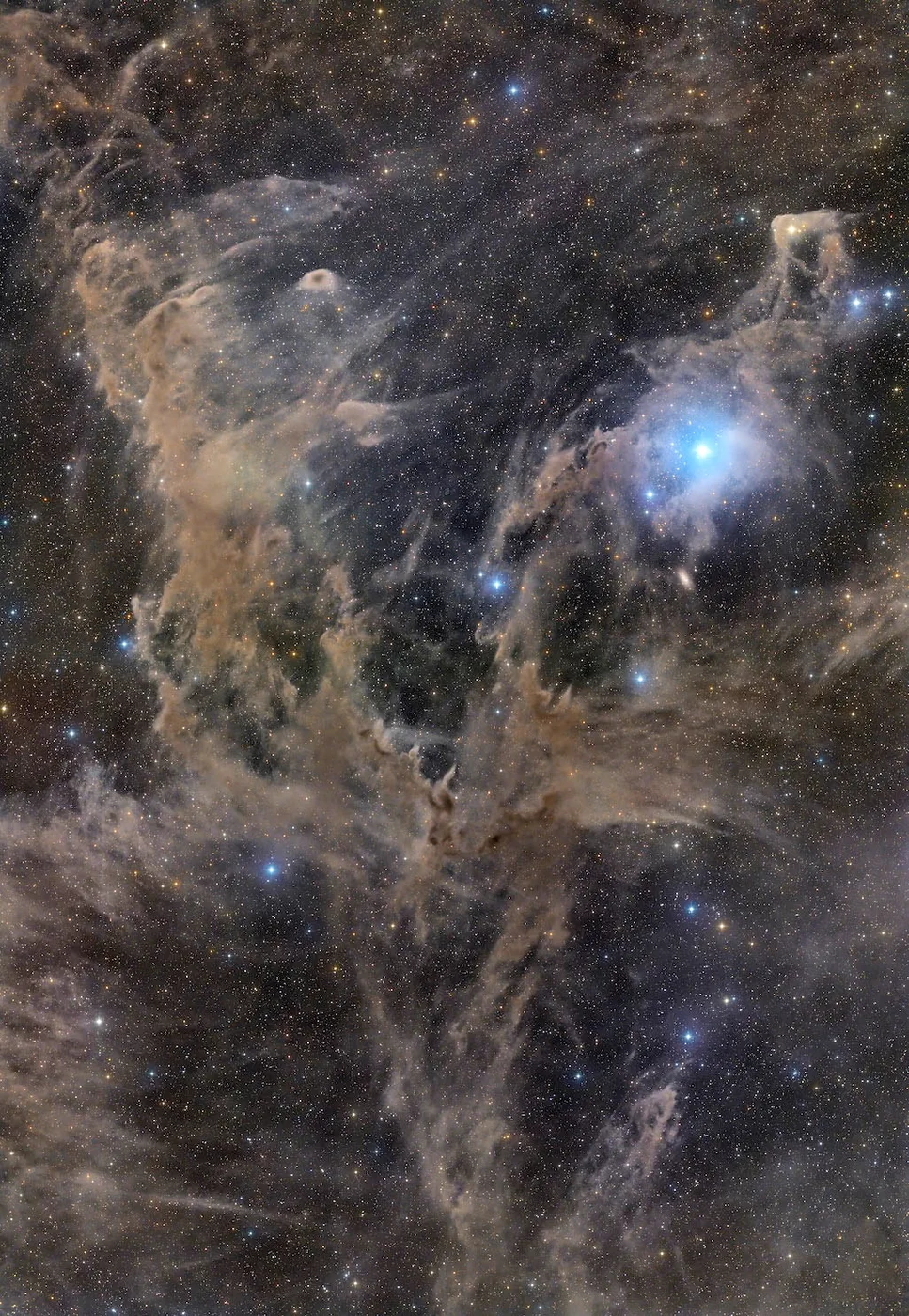
Andy Campbell won the Deep Sky category with “The Rippling Flames – Chamaeleon III”.
The image draws the viewer in for closer inspection, with the stars rendered in accurate, natural and varied colours.
Their glow resembles small jewels scattered across the dark Chamaeleon molecular cloud, which is carefully revealed through the processing.
The work is a two-frame mosaic. The judging panel praised its precise framing and the flawless connection between the two sections.
Nightscapes – International: Brighton Seeley
Brighton Seeley won the Nightscapes – International category with “Zenith”.
The photograph is an eight-panel mosaic capturing a rare and highly geomagnetic storm.
From a remote and isolated vantage point, the photographer recorded an exceptional display of the Aurora Australis, or Southern Lights.
Vibrant red and green light stretches all the way to the zenith, revealing the immense scale of the phenomenon.
The judges described the photograph as the result of artistic persistence and a display that may occur only once in a photographer’s lifetime.
Junior: Charlie Marzolla
Charlie Marzolla won the Junior category with “The Boogeyman Nebula”.
The composition frames the dark, obscuring dust of LDN 1622 against the glowing Ha emissions of the Orion Cloud Complex.
According to the judging panel, the photographer demonstrated strong processing fundamentals, achieving good star colour and well-defined H-alpha regions.
The photograph was created from a total integration time of 28 hours.
The judges noted that the slightly dark overall stretch conceals some of the intricate dust structures that were captured. Even so, the visible dust was rendered highly effectively.
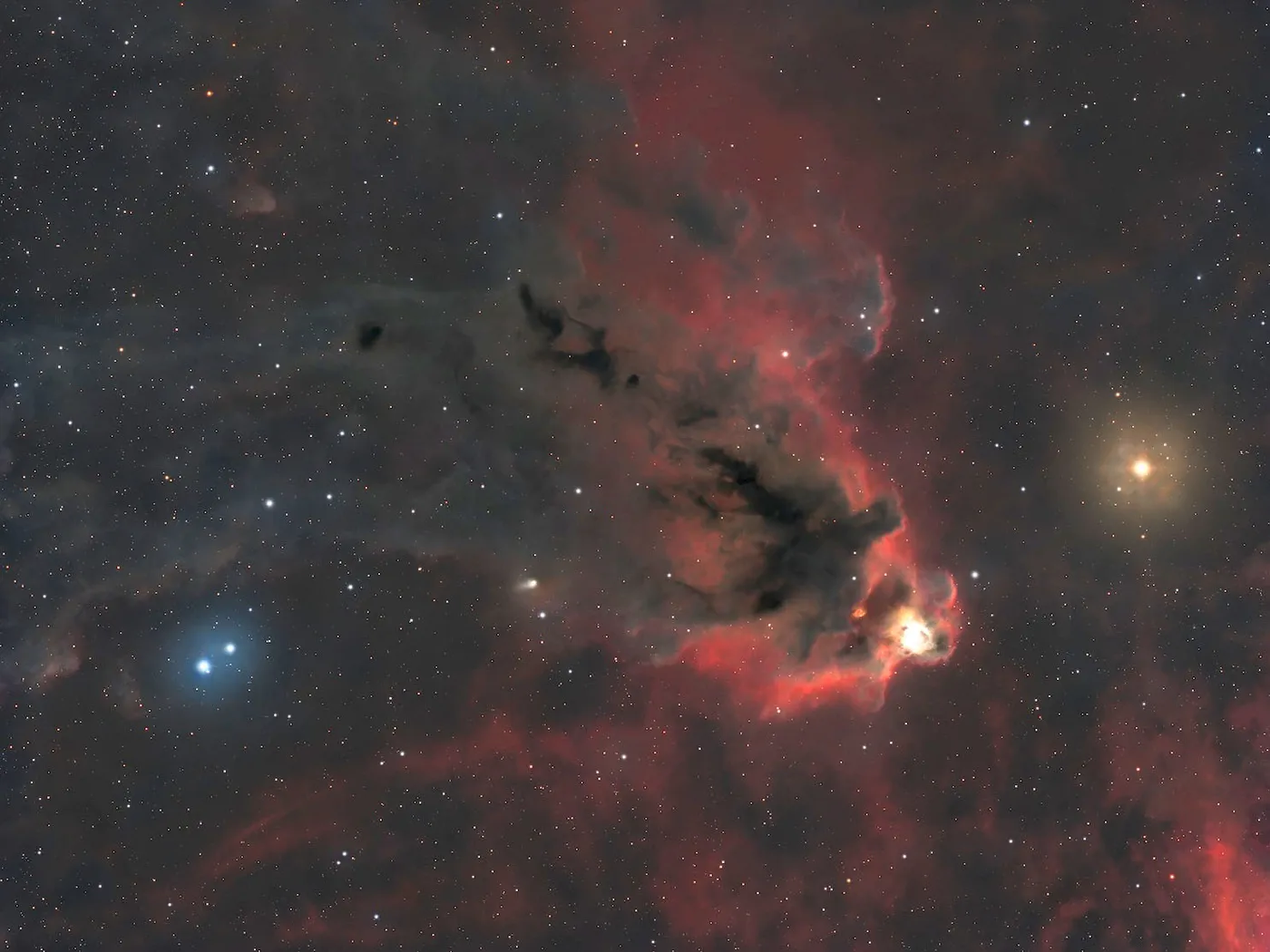
Photo Editor’s Choice: Frank Alvaro
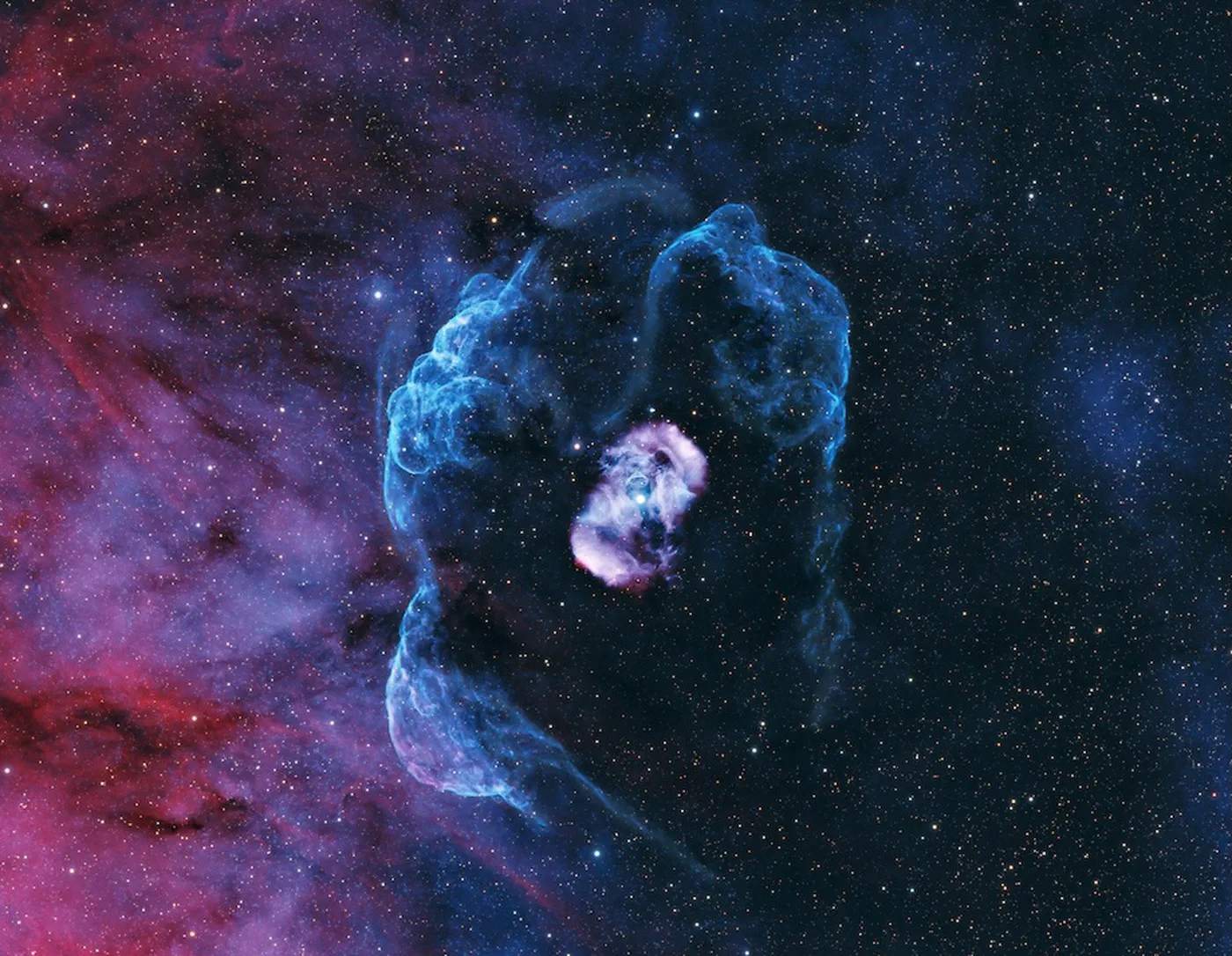
Frank Alvaro won the Photo Editor’s Choice with “A Dragon’s Egg in a Gossamer Cocoon”.
The choice was made by Nicola Amoros, who highlighted the photograph’s visual layering, striking composition and extraordinary use of colour.
The opposing pink and blue hues work together beautifully, creating a strong sense of depth.
The luminous central structure acts as a visual anchor, drawing the viewer’s eye ever deeper into the frame.
According to the assessment, it is a photograph that rewards the viewer the longer they spend with it.
Supporters of the awards
The CWAS “David Malin Awards” are supported by CSIRO, the Powerhouse Museum, BINTEL and MakePrints.
What we think
The 2026 winners demonstrate the importance of balancing technical precision with artistic vision. From the detailed surface of the Moon to molecular clouds and the Southern Lights, each image transforms an astronomical phenomenon into a distinctive visual experience.
Frequently asked questions
Who was the overall winner of the 2026 CWAS David Malin Awards?
Stefan Buda was named the overall winner for “The Lunar Apennines”, which also won the Solar System category.
Who judged the competition categories?
The categories were judged by Peter Ward, Alex Cherney and Selena Simpson.
Who selected the Photo Editor’s Choice winner?
The Photo Editor’s Choice was judged by Nicola Amoros.
How much integration time was used for “The Dividing Line”?
Jarrod Koh’s photograph was created from a total integration time of 17 hours.
How much integration time was used for “The Boogeyman Nebula”?
Charlie Marzolla’s photograph was created from a total integration time of 28 hours.