

Summary
- A mountain guide is warning parents not to carry babies up challenging mountains for summit photographs
- Infants cannot regulate their body temperature effectively or communicate that they are cold
- Yr Wyddfa attracts more than 600,000 walkers every year
- Strong winds, sudden temperature drops, and uneven terrain are among the main dangers
- The so-called Instagram effect has been linked to more rescues involving inexperienced visitors
A mountain guide and hiking expert is warning parents not to carry infants on demanding climbs solely to capture an impressive summit photograph.
Callum Tipton, a mountain guide and hiking expert, has criticized parents who take babies and young children up Yr Wyddfa, also known as Snowdon, the highest mountain in Wales, in the hope of being photographed at the summit.
His warning is particularly significant because infants cannot communicate that they are cold, struggle to regulate their body temperature, and remain vulnerable to strong winds, sudden temperature drops, and difficult terrain.
View this post on Instagram
The sight that prompted the warning
Tipton published a series of safety observations after completing a climb in difficult weather conditions. He said he encountered several visitors who were not properly prepared for the mountain.
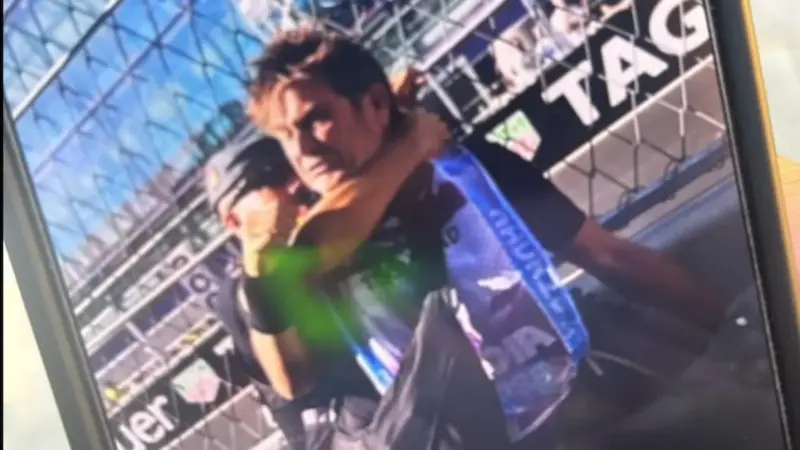
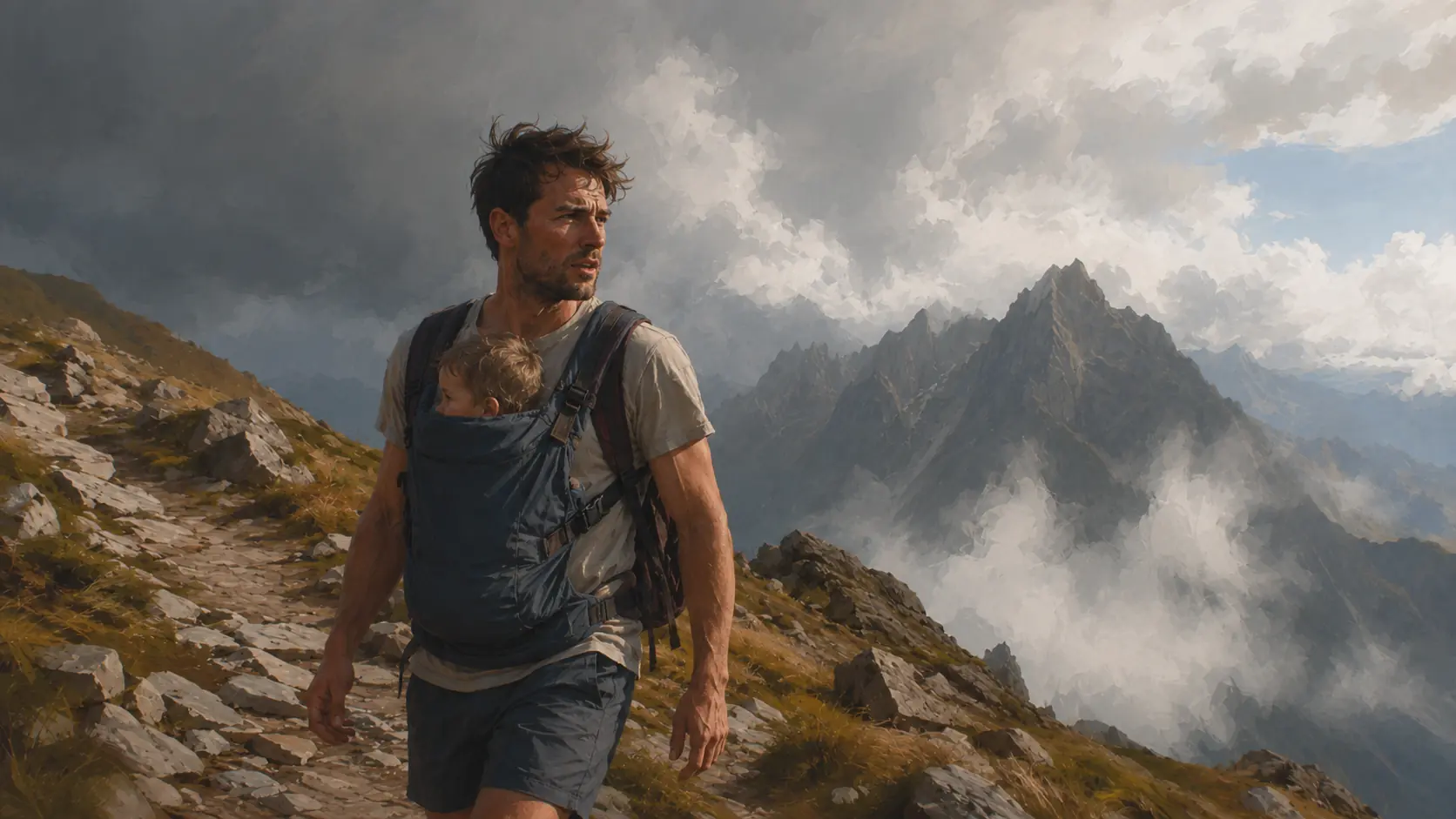
He was particularly concerned by parents carrying infants in baby carriers, apparently with the intention of reaching the summit and taking photographs.
The mountain guide stressed that a baby does not need a summit selfie and that an adult’s ability to carry a child up a mountain does not necessarily make the decision safe or necessary.
Why infants are more vulnerable
Babies do not have the same ability as adults to maintain a stable body temperature. Although a carrier and contact with a parent’s body may help protect their torso, their hands and feet remain more exposed to cold temperatures and wind.
At the same time, an infant cannot tell the accompanying adult that it feels uncomfortable, cold, or unwell. Unlike a hiker who is constantly moving and generating heat, the child remains almost motionless while being carried.
Altitude is not the only risk
Yr Wyddfa reaches an elevation of approximately 1,085 meters, or 3,560 feet. This is below the altitude at which thinner air is generally considered the primary concern for an infant.
That does not, however, make the climb safe. Rapid weather changes, strong winds, low temperatures, steep paths, and uneven terrain can create serious problems even during the summer.
A fall or slip by the adult carrying the child could also have far more serious consequences when the person is carrying additional weight and moving across difficult ground.
The United Kingdom’s busiest mountain
Yr Wyddfa is located in Snowdonia in North Wales and is the country’s highest peak. More than 600,000 walkers attempt the climb every year, making it the busiest mountain in the United Kingdom and one of the busiest in the world.
Its popularity can create the impression that it is an easy or fully controlled route. Experts, however, point out that a mountain’s popularity does not reduce its natural hazards or guarantee suitable conditions for every visitor.
The Instagram effect in the mountains
The warning is part of a broader discussion about the increasing number of rescues involving young and inexperienced visitors in mountain regions.
The search for dramatic social media photographs is drawing people who often lack the necessary equipment, experience, or information about the conditions they are likely to face.
The phenomenon, often described as the “Instagram effect,” has been associated with risky decisions made in pursuit of a striking image. When infants or young children are involved, the danger affects not only the adult seeking the photograph but also a person who cannot choose or react.
What we think
Photography can be an important part of a family experience, but it should never take priority over safety. Mountain conditions can change within minutes, and an infant is considerably more vulnerable than an adult hiker. Preparation, an accurate assessment of the weather, and above all the avoidance of unnecessary risks matter more than any summit photograph.
Frequently asked questions
Why is carrying a baby up a mountain dangerous?
Infants struggle to regulate their body temperature, cannot communicate that they are cold, and remain motionless inside a carrier, making them more vulnerable to changing weather conditions.
Is the altitude of Yr Wyddfa dangerous for babies?
At approximately 1,085 meters, the mountain is not generally high enough for thinner air to be considered the main risk. Weather, wind, low temperatures, and difficult terrain are greater concerns.
How many people climb Yr Wyddfa each year?
More than 600,000 walkers visit the mountain every year, making it the busiest mountain in the United Kingdom.
What is the Instagram effect?
The term describes the influence of social media on visitors who may take unnecessary risks in order to capture an impressive photograph.